Best Landmarks Near Manga-Bell-Platz (Berlin)
Planning a trip to Manga-Bell-Platz? Discover the best landmarks nearby with history, expert tips, and routes. Free on web or the Evendo app.


The best landmarks near Manga-Bell-Platz
- Top rated
- Closest to Manga-Bell-Platz
- A–Z
59 landmarks
-
Historical place4.7★161,940 reviews
Brandenburg Gate
The Brandenburg Gate, standing proudly on Pariser Platz, is more than just a historical landmark; it's the beating heart of Berlin and a powerful symbol of German unity and peace. Constructed in the late 18th century, it has witnessed pivotal moments in history, from Napoleon's triumphal march to the division of Berlin during the Cold War. Today, the Gate is a magnet for tourists worldwide, drawn to its iconic architecture and the vibrant atmosphere of Pariser Platz. Whether you're strolling along Unter den Linden, exploring nearby historical sites, or simply soaking in the ambiance, the Brandenburg Gate offers an unforgettable experience and a tangible connection to Berlin's rich past and hopeful future. Its accessibility, central location, and historical significance make it a must-see for any visitor to the city.
-
Memorial park4.6★42,615 reviews
Berlin Wall Memorial
The Berlin Wall Memorial stands as a poignant tribute to the divided past of Germany, offering visitors a profound insight into the historical significance of the Berlin Wall. This memorial park is not only a place to remember but also a space for education and reflection on the impacts of division and the journey toward reunification.
Daily 8:00–22:00
-
Monument4.6★27,100 reviews
Victory Column
The Victory Column, or Siegessäule, is one of Berlin's most recognizable landmarks, a soaring monument to Prussian military victories in the 19th century. Standing tall in the heart of Tiergarten park on the Großer Stern roundabout, the column is topped by a gilded bronze statue of Victoria, the Roman goddess of victory, affectionately nicknamed 'Goldelse' (Golden Lizzie) by locals. Visitors can reach the base of the column via pedestrian tunnels and climb the 285 steps to the top for panoramic views of the city. The column is not only a historical monument but also a symbol of Berlin, offering a unique perspective on the city's past and present. Its location in Tiergarten makes it an ideal spot to combine sightseeing with a relaxing stroll in Berlin's largest park. A visit to the Victory Column provides a memorable experience and a deeper understanding of Berlin's rich history and vibrant culture.
-
Castle4.5★25,754 reviews
Charlottenburg Palace
Charlottenburg Palace, Berlin's largest palace, offers a captivating journey through Prussian history and architectural grandeur. Originally a modest summer residence for Queen Sophie Charlotte in the late 17th century, it evolved into a sprawling complex showcasing Baroque and Rococo styles. Explore opulent state rooms, admire the exquisite Porcelain Cabinet, and wander through the expansive palace gardens, a serene oasis in the city. With its rich history, stunning art collections, and tranquil gardens, Charlottenburg Palace provides an unforgettable glimpse into the lives of Prussian royalty and the evolution of Berlin itself. Don't miss the Belvedere teahouse with its porcelain collection and the mausoleum, the final resting place of Queen Louise.
Daily 10:00–17:30
-
Park4.7★10,145 reviews
Schlossgarten Charlottenburg
Escape the urban bustle within the serene embrace of Charlottenburg Palace Garden, a sprawling green oasis in the heart of Berlin. This meticulously designed garden, dating back to the late 17th century, offers a captivating blend of formal Baroque landscaping and tranquil English-style gardens. Stroll along shaded paths, admire the vibrant flowerbeds, and discover hidden architectural gems like the Belvedere teahouse and the somber Mausoleum. Whether you seek a peaceful respite, a scenic backdrop for a leisurely walk, or a glimpse into Prussian history, Charlottenburg Palace Garden promises a delightful experience for all. The gardens provide a picturesque setting for relaxation and exploration, making it a must-visit destination for tourists seeking a blend of nature and history. With its accessibility and free admission, it's an ideal spot for a morning stroll or an afternoon picnic.
Daily 8:00–21:00
-
Government office4.7★8,526 reviews
Reichstag Building
The Reichstag Building, a monumental structure in Berlin, stands as a powerful symbol of German history and democracy. Originally completed in 1894, it housed the Imperial Diet and later the Weimar Republic's parliament. The building suffered significant damage during the Reichstag fire in 1933, a pivotal event exploited by the Nazi regime. After further devastation in World War II, it remained largely unused during the Cold War era. Following German reunification, the Reichstag underwent extensive restoration led by architect Sir Norman Foster, including the addition of a striking glass dome. Today, visitors can explore the building's rich history, ascend to the dome for panoramic city views, and witness the workings of the German Parliament, the Bundestag. Advance registration is essential to experience this iconic landmark, a testament to Berlin's resilience and Germany's commitment to transparency and democratic values.
-
History museum4.6★5,714 reviews
Tränenpalast
The Tränenpalast, or "Palace of Tears," stands as a poignant reminder of Berlin's divided past. Erected in 1962, it served as the border crossing point where East Germans bid farewell to visitors from the West. The glass and steel structure, a stark example of Cold War architecture, witnessed countless tearful goodbyes, earning its sorrowful nickname. Today, it houses a moving exhibition documenting the personal stories and harsh realities of life during the separation. Visitors can explore original passport control booths, preserved artifacts, and compelling interviews, offering a glimpse into the emotional toll of division. Located adjacent to the Friedrichstraße station, the Tränenpalast is easily accessible and offers a powerful and thought-provoking experience for anyone seeking to understand Berlin's complex history and the human cost of the Iron Curtain. Admission is free, making it an accessible and essential stop for those exploring Berlin's historical landmarks. The building itself is a protected landmark, ensuring its preservation for future generations.
-
Space of remembrance4.5★4,727 reviews
Soviet War Memorial Tiergarten
The Soviet War Memorial in Tiergarten, Berlin, stands as a poignant reminder of World War II and the sacrifices made by Soviet soldiers during the Battle of Berlin. Located in the heart of the city on Straße des 17. Juni, this memorial commemorates the 80,000 Soviet soldiers who perished in the final assault on Nazi Germany. Flanked by tanks and artillery, the memorial features a striking bronze statue of a Red Army soldier, symbolizing victory and remembrance. More than 2,000 soldiers are buried on the grounds, making it a significant site of reflection and respect. Open 24/7 with no admission fee, it's easily accessible and offers a profound historical experience. Its central location near the Brandenburg Gate and Reichstag makes it a must-see for anyone exploring Berlin's rich and complex past, offering a unique perspective on the war's impact and the city's subsequent division and reunification.
Open 24 hours
-
Historical landmark4.5★1,955 reviews
Flakturm Humboldthain
Flakturm Humboldthain, an iconic historical landmark in Berlin, invites tourists to explore its rich past. Originally built during World War II, this flak tower offers a unique glimpse into the city's history and resilience. Visitors can enjoy stunning views of the city from its rooftop and learn about its fascinating stories through guided tours.
Open 24 hours
-
Visitor center4.5★1,361 reviews
Visitor Center of the Berlin Wall Memorial
The Berlin Wall Memorial Visitor Center serves as the primary starting point for exploring the poignant history of the Berlin Wall. Located on Bernauer Strasse, a street that bore witness to the division of a city, the center offers visitors a comprehensive overview of the memorial grounds and other significant Wall-related sites throughout Berlin. Inside, an introductory film provides historical context, while exhibitions detail the Wall's construction, its impact on daily life, and the stories of those who sought to overcome it. The Visitor Center also provides information about the outdoor memorial grounds, which include a preserved section of the Wall, the Chapel of Reconciliation, and the Window of Remembrance, creating a moving and educational experience. Admission is free, making it accessible to all who wish to learn about this pivotal moment in history.
Tue–Sun 10:00–18:00


Memorial to Europe's Sinti and Roma Murdered Under Nazism
The Memorial to Europe's Sinti and Roma Murdered Under Nazism in Berlin stands as a poignant reminder of the atrocities faced by these communities during World War II. This historical landmark, located in the heart of Berlin, invites tourists to reflect on the past while fostering a deeper understanding of cultural diversity and tolerance.
Open 24 hours

Parlament der Bäume
The Parlament der Bäume (Parliament of Trees) is a poignant memorial in the heart of Berlin, created by artist Ben Wagin in 1990 on the former border strip of the Berlin Wall. This unique space combines nature and art to commemorate the victims of the Wall and stand as a symbol against war and violence. Sixteen trees, each representing a German state, form the heart of the installation, surrounded by original segments of the Wall, memorial stones, and thought-provoking artwork. It's a place for quiet reflection, offering a powerful reminder of Berlin's divided past and a hopeful vision for a peaceful future. The memorial is accessible from Schiffbauerdamm and offers a unique perspective on the city's history.
Sun 12:00–17:00

Paul Loebe Building
The Paul Löbe Building stands as a stunning example of modern architecture in Berlin, captivating visitors with its sleek design and historical significance. This governmental hub houses the offices of members of the Bundestag and offers a unique glimpse into the workings of German democracy. With its impressive glass façade, spacious interiors, and the scenic backdrop of the Spree River, it invites tourists to appreciate both the artistry of its design and the importance of its function. The building is not just a site of political activity but also a testament to contemporary architectural innovation.

Bismarck-Nationaldenkmal
The Bismarck National Monument, a towering tribute to Otto von Bismarck, Germany's first Chancellor, stands proudly in Berlin's Tiergarten. Completed in 1901, the monument portrays Bismarck in ceremonial garb, symbolizing his significant role in unifying Germany. Flanked by allegorical figures representing Germany's strength and cultural heritage, the monument offers a glimpse into the country's complex history and national identity. Located on the Großer Stern, a central square in the Tiergarten, the monument is easily accessible and provides a serene environment for reflection amidst the bustling city. A visit here offers a chance to contemplate German history and admire the artistry of Reinhold Begas's design, making it a worthwhile stop for any traveler exploring Berlin's cultural landscape. The monument serves as a reminder of Germany's past and its journey towards becoming a unified nation.
Open 24 hours

Plötzensee monument
The Plötzensee Memorial stands as a somber reminder of the atrocities committed during the Nazi regime. Located on the site of the former Plötzensee Prison, where nearly 3,000 people were executed between 1933 and 1945, it serves as a place of reflection and remembrance for the victims of the Nazi judiciary. The memorial features the former execution chamber, a haunting space with stark walls and a heavy beam bearing the hooks from which many were hanged. A permanent exhibition documents the lives and fates of those who perished here, offering a poignant glimpse into the horrors of the past. The site provides a crucial space for education and contemplation, urging visitors to remember the victims of injustice and to stand against oppression.
Daily 9:00–17:00

Beethoven-Haydn-Mozart Memorial
In the heart of Berlin, the Beethoven-Haydn-Mozart Memorial stands as a poignant tribute to the legendary composers who shaped the classical music landscape. This cultural landmark attracts tourists with its impressive architecture and historical significance.
Open 24 hours

Soviet War Memorial
The Soviet War Memorial in Berlin stands as a poignant reminder of the sacrifices made during World War II. Nestled within a serene memorial park, it offers visitors a space for reflection and remembrance of those who fought valiantly. With its striking architecture and lush surroundings, it's an essential stop for tourists seeking to understand the city's historical depth.
Daily 7:00–19:00

Charlottenburg Palace - New Wing
The New Wing of Charlottenburg Palace offers a captivating journey into the world of Prussian royalty, showcasing opulent staterooms and impressive art collections. Built by Frederick the Great in the 18th century as an expansion to the original palace, the New Wing served as a residence and display of power for generations of Hohenzollern rulers. Severely damaged during World War II, it has been meticulously restored, allowing visitors to marvel at the White Hall and Golden Gallery, adorned with Rococo decorations. The New Wing also houses French paintings from the 18th century, including masterpieces by Antoine Watteau. A visit here provides a unique insight into the tastes and lifestyles of Prussian monarchs, making it a must-see for history and art enthusiasts.
Daily 10:00–17:30

Rosa Luxemburg Memorial
The Rosa Luxemburg Memorial in Berlin is a poignant cultural landmark dedicated to the life and legacy of the influential revolutionary thinker. Set in the serene surroundings of the memorial park, it provides a space for reflection and homage to her contributions to social and political thought.
Open 24 hours

Memorial Günter Litfin
Memorial Günter Litfin stands as a poignant tribute to the struggles of those who sought freedom in East Germany. Located in Berlin's Mitte district, this memorial commemorates the first victim of the Berlin Wall, Günter Litfin, who lost his life while trying to escape to the West. Visitors can explore the site, which features informative displays that educate about the historical context of the Berlin Wall and its impact on the lives of countless individuals. The memorial serves not only as a reminder of a turbulent past but also as a space for reflection and learning.
Sat–Sun 11:00–17:00

Bernauer Str.
Bernauer Strasse in Berlin is a remarkable street steeped in history, serving as a poignant reminder of the city's tumultuous past. Visitors can explore significant landmarks, memorials, and the remnants of the Berlin Wall, all set against the backdrop of vibrant urban life. This iconic thoroughfare offers a unique perspective on Berlin's journey from division to unity, making it a must-visit for any tourist seeking to understand the heart and soul of the city.

Mausoleum in the Palace Garden Charlottenburg
Nestled within the serene Charlottenburg Palace Garden, the Mausoleum stands as a poignant tribute to Prussian royalty. Conceived as Queen Luise's final resting place by her husband, King Friedrich Wilhelm III, this temple-like structure has evolved into a memorial for several prominent members of the Hohenzollern family. Visitors can admire the exquisite marble sarcophagi of Queen Luise, King Friedrich Wilhelm III, Kaiser Wilhelm I, and his wife Augusta, crafted by renowned sculptors. While the crypt remains closed to the public, the Mausoleum offers a glimpse into the personal grief and dynastic ambitions of the Prussian monarchy, set amidst the tranquil beauty of the palace gardens. The Mausoleum provides a unique opportunity to reflect on Prussian history and artistry within a peaceful and picturesque setting. Its architectural elegance and the stories it holds make it a compelling destination for those exploring Berlin's rich cultural heritage.
Daily 10:00–17:30

Oranienburger Str.
Oranienburger Straße, a famed promenade in Berlin's Mitte district, pulses with historical resonance and contemporary energy. Named after the city of Oranienburg, it evolved from a marketplace to a Jewish cultural hub in the 19th century. Today, it's a captivating blend of landmarks like the New Synagogue, remnants of the Tacheles art center, and the Hackesche Höfe, alongside a vibrant nightlife and diverse culinary scene. The street's tumultuous past, including wartime damage and its time as a 'ghost station' during the Cold War, adds layers to its appeal, making it a must-visit for those seeking a taste of Berlin's multifaceted character. From historical sights to modern attractions, Oranienburger Straße offers an immersive experience into the heart of the city.

Place of 9 November 1989
The Place of 9 November 1989 in Berlin is a poignant historical landmark that marks the fall of the Berlin Wall. This site not only commemorates the pivotal moment in history but also serves as a reminder of the enduring spirit of freedom and unity. Tourists visiting this location can explore the area, reflecting on the past while enjoying the vibrant atmosphere of modern Berlin.
Open 24 hours

Mittelpromenade der Schlossstraße am Schloss Charlottenburg
The Mittelpromenade der Schlossstraße offers a delightful pedestrian experience leading directly to the magnificent Charlottenburg Palace. This wide, tree-lined promenade, established in 1841, provides a picturesque approach to the palace, separating two lanes of traffic and creating a tranquil space for visitors. As you stroll, admire the blend of architectural styles, from the grand buildings dating back to the late 19th century to modern structures, reflecting Berlin's dynamic history. The promenade itself is beautifully landscaped with lawns and flowers, offering a pleasant respite. It's a perfect starting point for exploring the palace and its extensive gardens, immersing yourself in Prussian history and enjoying the vibrant atmosphere of Charlottenburg.
Open 24 hours

New pavilion in the palace garden of Charlottenburg
Nestled within the serene Charlottenburg Palace Gardens, the New Pavilion, also known as the Schinkel Pavilion, is a captivating architectural gem designed by Karl Friedrich Schinkel. Commissioned by King Frederick William III in the early 19th century as a summer retreat, this Neoclassical villa draws inspiration from Italian designs and offers a glimpse into Prussian art and history. Severely damaged during WWII, it was meticulously reconstructed and now houses a remarkable collection of paintings, sculptures, and furniture from the Schinkel era, including works by Caspar David Friedrich and Karl Blechen. A visit promises a tranquil escape and a journey back in time to experience the refined elegance of Prussian royalty and the artistic genius of Schinkel.
Daily 13:00–17:00

Piece of the Berlin Wall
A section of the Berlin Wall stands as a stark reminder of the city's divided past and the Cold War era. Located in the Mitte district, this historical landmark offers a tangible connection to a pivotal moment in history. While not the largest or most elaborate segment, it provides a poignant glimpse into the physical and ideological barrier that once separated East and West Berlin. Visitors can reflect on the stories of division, resilience, and ultimately, reunification. The site is easily accessible and offers a quiet space for contemplation amidst the bustling city. It serves as a powerful symbol of freedom and the enduring hope for unity, drawing history enthusiasts and those seeking a deeper understanding of Berlin's complex past.
Open 24 hours

Marschall Bridge
Marschall Bridge, situated in the heart of Berlin, is a stunning architectural marvel that beautifully combines history with modernity. Visitors can enjoy scenic views of the surrounding cityscape and immerse themselves in the vibrant cultural atmosphere.
Open 24 hours

Schlossbrunnen
Nestled in the heart of Berlin, Schlossbrunnen is a historical landmark that captivates visitors with its stunning architecture and serene surroundings. This enchanting fountain, located in the Charlottenburg-Wilmersdorf district, is a must-visit for tourists seeking to explore the rich history and beauty of Berlin. Surrounded by lush gardens and historical buildings, it offers a peaceful retreat from the bustling city life, perfect for leisurely strolls and memorable photographs.
Open 24 hours

The Berlin Wall and its Fall at Schwedter Strasse
Immerse yourself in the poignant history of the Berlin Wall at Schwedter Strasse, where memorials and exhibits pay homage to a divided past. This historical landmark offers a reflective experience amidst Berlin's vibrant landscape.
Open 24 hours

Memorial to the Murdered Members of the Reichstag
The Memorial to the Murdered Members of the Reichstag stands as a poignant tribute in Berlin, commemorating the courage of those who fought for democracy and justice. This powerful monument invites visitors to reflect on the past and honor those who sacrificed their lives in the struggle against tyranny.
Open 24 hours

Jakob-Kaiser-Haus
The Jakob-Kaiser-Haus in Berlin is a prominent federal government office that offers visitors a unique insight into the architecture and functioning of German governance. Situated in the heart of Berlin, this site serves as both a working governmental building and a historical landmark, making it a must-visit for those interested in politics and history.

Denkmal des Großen Kurfürsten Friedrich Wilhelm
The Denkmal des Großen Kurfürsten Friedrich Wilhelm, an equestrian statue of Frederick William, Elector of Brandenburg, stands as a testament to Prussian power and ambition. Created by Andreas Schlüter and cast in bronze by Johann Jacobi, the monument depicts the Elector in Roman attire, symbolizing his authority and military prowess. Originally erected on the Lange Brücke, it faced the Berliner Schloss, visually asserting the Elector's dominion over the city. The statue's base features chained figures, traditionally interpreted as representing the Electorate's vanquished foes. However, modern interpretations also link these figures to Frederick William's involvement in early Brandenburg's colonial endeavors and the transatlantic slave trade. Today, the monument resides in the Cour d'honneur of Charlottenburg Palace, offering visitors a glimpse into Prussia's complex history and legacy.
Open 24 hours

Albrecht von Graefe
The Albrecht von Graefe sculpture in Berlin stands as a tribute to Friedrich Wilhelm Ernst Albrecht von Graefe, a towering figure in 19th-century ophthalmology. Located in the Mitte district, near the Charité hospital where he once practiced, the monument commemorates his groundbreaking contributions to eye care and surgery. Graefe's innovations, including advancements in glaucoma treatment and cataract surgery, revolutionized the field and cemented his legacy as the "father of modern ophthalmology." The sculpture serves as a reminder of his dedication to alleviating suffering and advancing medical knowledge, attracting visitors interested in medical history and Berlin's cultural heritage. The monument provides a reflective space amidst the city's bustle, honoring a pioneer whose work continues to impact lives today.
Open 24 hours

Rudolf Virchow Monument
The Rudolf Virchow Monument in Berlin-Mitte stands as a neoclassical tribute to Rudolf Virchow, a towering figure in 19th-century medicine, politics, and public health. Created by Fritz Klimsch between 1906 and 1910, the muscular limestone statue depicts Virchow, often hailed as the 'father of modern pathology,' in a pose embodying his relentless pursuit of knowledge and his commitment to social reform. Located on Karlplatz, the monument serves as a reminder of Virchow's groundbreaking contributions to cellular pathology, his advocacy for public health initiatives, and his role as a prominent voice in German political life. The monument is not only a celebration of Virchow's scientific achievements but also a symbol of Berlin's rich intellectual and cultural history, attracting visitors interested in medicine, history, and art. Its central location makes it easily accessible and a worthwhile stop for those exploring the city's historical heart.
Open 24 hours

Verwaltung des Deutschen Bundestages
The Verwaltung des Deutschen Bundestages, located in the vibrant borough of Mitte, is an essential stop for tourists exploring Berlin's political landscape. This iconic building not only houses Germany's parliament but also offers a unique glimpse into the nation's democratic processes, complete with stunning architecture and rich history.

Obelisk
Nestled in the tranquil Charlottenburg Palace Garden, the Obelisk is a thought-provoking monument challenging conventional notions of historical significance. Created by Yugoslavian artist Braco Dimitrijević in 1979, this ten-meter-high Carrara marble obelisk commemorates not a war, a ruler, or a grand event, but an arbitrary date: March 11th. This date, chosen at random by a passerby, is inscribed on the monument in multiple languages, prompting reflection on the nature of remembrance and the importance we place on specific moments in history. The Obelisk encourages visitors to consider the value of individual experience and question the narratives imposed by traditional monuments, offering a unique and engaging artistic experience within a serene park setting. It's a perfect spot for contemplation and a memorable photo opportunity.
Daily 8:00–18:00

Berlin Wall Remains
While large sections of the Berlin Wall were dismantled after 1989, remnants of this historical barrier can still be found throughout the city. The Berlin Wall Remains on Lehrter Strasse offer a somber yet essential glimpse into Berlin's divided past. This preserved segment provides a tangible connection to the Cold War era, allowing visitors to reflect on the physical and ideological divisions that once separated East and West Berlin. Located in the Mitte district, this site serves as a reminder of the city's resilience and transformation. While not as extensive as the East Side Gallery or the Berlin Wall Memorial, this quieter location offers a more intimate experience for contemplation and remembrance. It's a poignant stop for anyone seeking to understand the profound impact of the Wall on Berlin and its people.
Open 24 hours

Mündung Südpanke
The Mündung Südpanke, located in Berlin's Mitte district, marks the point where the Südpanke River flows into the Spree. This revitalized area offers a tranquil escape from the city's hustle, featuring green spaces and waterways that contribute to Berlin's climate adaptation and biodiversity. Once hidden and relegated to underground pipes, the Südpanke has been largely restored as an open waterway, creating a haven for plants, insects, and other small animals. Visitors can enjoy leisurely walks along the banks, appreciating the blend of urban design and natural elements. The area's transformation reflects Berlin's commitment to environmental sustainability and urban renewal, making it a unique and peaceful spot to explore. The Mündung Südpanke also serves as a starting point for longer walks along the Panke River, extending towards the city's northern reaches.
Open 24 hours

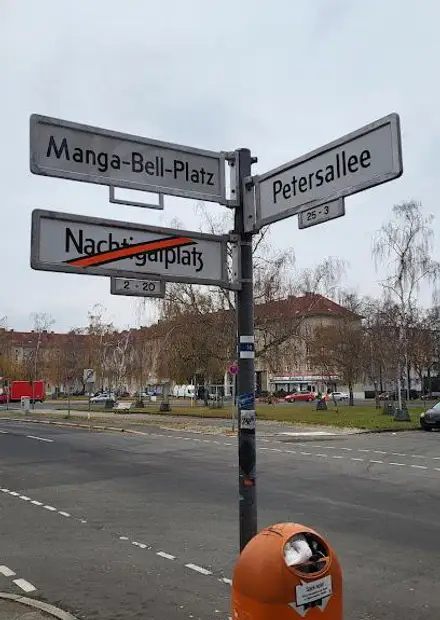
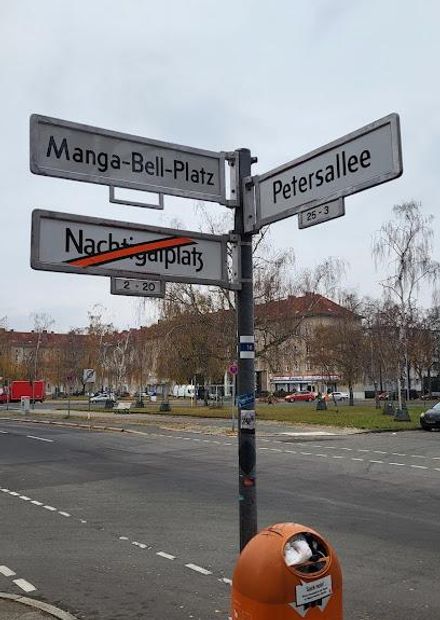
Manga-Bell-Platz
Manga-Bell-Platz, located in Berlin's vibrant Mitte borough, is more than just a public square; it's a place of historical significance and community gathering. Surrounded by a blend of modern and historical architecture, the square provides an inviting atmosphere for locals and tourists alike. Formerly known as Nachtigalplatz, it was renamed in 2022 to honor Rudolf and Emily Duala Manga Bell, Cameroonian resistance fighters against German colonialism. The square serves as a focal point for community events, art installations, and street performances, reflecting the diverse talents and cultural richness of Berlin. With numerous cafes and eateries lining its edges, Manga-Bell-Platz offers a perfect spot to relax, soak in the lively atmosphere, and explore the surrounding boutique shops and galleries. Whether you're interested in history, culture, or simply a pleasant urban experience, Manga-Bell-Platz is a worthwhile destination.

Sandkrugbrücke
Sandkrugbrücke is a picturesque bridge in Berlin's Mitte borough, offering stunning views and a serene atmosphere perfect for leisurely strolls. This hidden gem is a must-visit for tourists seeking a tranquil escape in the heart of the city, surrounded by lush greenery and historic architecture.

Alexanderufer
Alexanderufer is a scenic waterfront promenade in Berlin's Mitte district, tracing the Spree River. Named after the Russian Tsar Alexander I, this vibrant area offers a blend of history, culture, and modern attractions. Bordered by landmarks like the Futurium and close to Berlin's Central Station, Alexanderufer provides easy access to key sights. Once part of the 'death strip' dividing East and West Berlin, it has transformed into a lively public space. Today, visitors can enjoy riverside strolls, explore innovative exhibitions at the Futurium, and appreciate the blend of historical significance and contemporary urban life. With excellent transport links and nearby amenities, Alexanderufer serves as an ideal starting point for exploring Berlin.

Elisabeth-Schwarzhaupt-Platz 3
Nestled in the heart of Berlin, Elisabeth-Schwarzhaupt-Platz offers visitors a serene escape from the bustling city life. Surrounded by lush greenery and contemporary architecture, this urban square is perfect for relaxation, people-watching, or simply enjoying the ambiance of one of Berlin's vibrant neighborhoods. Whether you're seeking a peaceful spot to unwind or a picturesque backdrop for your travel photos, Elisabeth-Schwarzhaupt-Platz is a hidden gem worth exploring.

Bornholmer Str.
Bornholmer Straße marks the historic site of the first border crossing to open during the fall of the Berlin Wall in November 1989. Today, little remains of the original crossing, but the area serves as a poignant reminder of the events that led to Germany's reunification. Visitors can explore commemorative plaques, information panels, and preserved sections of the Hinterland wall, offering insights into the Wall's impact on the city and its people. The nearby Bösebrücke bridge, once a heavily guarded crossing point, now stands as a symbol of unity, inviting reflection on the past and celebration of freedom. While physical remnants are scarce, the location's historical significance and the stories it holds make it a compelling stop for those seeking to understand Berlin's divided past and its triumphant reunification. The area is easily accessible by public transport, making it a convenient and meaningful addition to any Berlin itinerary.

Klopstockstraße 1
Klopstockstraße 1 in Berlin is a stunning architectural landmark that combines modern design with historical significance, making it a must-visit for travelers seeking to experience the essence of the city's vibrant culture.

Bundeskanzleramt Berlin
The Bundeskanzleramt, or Federal Chancellery, is the official seat and workplace of the German Chancellor, located in Berlin. This modern architectural marvel, completed in 2001, stands as a symbol of Germany's reunification and its commitment to transparency in governance. Designed by Axel Schultes and Charlotte Frank, the building is part of the 'Federal Ribbon' along the Spree River, integrating seamlessly into Berlin's vibrant cityscape. While public access inside is limited, the building's striking exterior, the surrounding government district, and the nearby Reichstag offer a compelling glimpse into the heart of German politics. Admire the imposing structure, reflect on its historical significance, and contemplate the decisions shaping the nation within its walls. The adjacent Tiergarten park provides a tranquil escape, offering a blend of political insight and serene relaxation.

Invalidenstraße 10
Invalidenstraße 10 is a striking example of Berlin's rich architectural heritage, blending history and modernity in the heart of the city. Visitors will appreciate its unique design and significance.

Str. des 17. Juni 100
Str. des 17. Juni is a historic avenue in Berlin, rich with cultural significance and remarkable landmarks. Tourists can enjoy beautiful parks and iconic monuments, making it a must-visit destination for anyone exploring the city.

Großer Stern
Großer Stern is a stunning central square in Berlin, celebrated for its grand monument, lush gardens, and vibrant atmosphere. A must-visit for every traveler, it offers a glimpse into the city's rich history and culture.

Charlottenburg Gate
Charlottenburg Gate stands as a significant historical monument in Berlin, a testament to the city's rich past and architectural elegance. Tourists can explore its intricate design and enjoy the vibrant surroundings that showcase the spirit of Berlin.

Friedrichstraße 205
Friedrichstraße 205 houses the Asisi Panorama Berlin, an immersive 360° experience depicting life in the shadow of the Berlin Wall during the 1980s. Created by artist Yadegar Asisi, the panorama offers a poignant glimpse into the divided city, contrasting the vibrant, alternative culture of West Berlin's Kreuzberg with the stark, controlled environment of East Berlin. Supplemented by a photo exhibition featuring personal snapshots from the era, the panorama provides a powerful and thought-provoking reflection on a pivotal period in Berlin's history. It's a must-see for those seeking a deeper understanding of the Cold War and its impact on the city and its people. The location serves as a stark reminder of Berlin's complex past, offering a unique perspective beyond the typical tourist trail.

Charlottenburg
Charlottenburg, a vibrant district in Berlin, is a perfect blend of history, culture, and modernity. Known for its stunning palaces, lush parks, and lively shopping streets, it offers an unforgettable experience for tourists seeking to explore the heart of Berlin. From the historic Charlottenburg Palace to the vibrant markets, this district has something for everyone.

Konrad-Adenauer-Straße 1
Nestled in the heart of Berlin, Konrad-Adenauer-Straße 1 is a striking building that embodies modern architectural design and historical significance. A must-visit for architecture enthusiasts and curious travelers alike!

Bernauer Str. 63
Bernauer Strasse stands as a poignant reminder of Berlin's division during the Cold War. This street, once bisected by the Berlin Wall, witnessed dramatic escapes, tragic losses, and ultimately, the joyous reunification of a city and a nation. Today, the Berlin Wall Memorial along Bernauer Strasse serves as a powerful open-air museum, preserving a significant section of the Wall and offering visitors a glimpse into the stark realities of life in a divided Berlin. Explore the preserved remnants of the Wall, the moving Window of Remembrance, and the informative Documentation Center to understand the profound impact of this barrier on individual lives and the city's collective history. The street itself, stretching between Mitte and Wedding, offers a tangible connection to the past, inviting reflection on the themes of division, freedom, and reconciliation. A visit here is a must for anyone seeking to understand Berlin's complex 20th-century history.

Platz d. Republik
Platz d. Republik is a historic public square in Berlin, serving as a significant political hub and a must-visit for tourists. Home to the iconic Reichstag building and the nearby Brandenburg Gate, the square is a vibrant gathering place for both locals and visitors, offering a unique glimpse into Germany's rich history and democratic roots. With its expansive green spaces and stunning architecture, it's the perfect spot for leisurely strolls, impactful photo opportunities, and a taste of Berlin's political culture.

Friedrichstraße 107
Friedrichstraße 107 is more than just an address in Berlin's vibrant Mitte district; it's a historical and cultural touchstone. Home to the renowned Friedrichstadt-Palast, Europe's largest revue theater, the location has been a center for entertainment for over a century. From its origins as a market hall and later the Großes Schauspielhaus under Max Reinhardt, the site has evolved through various iterations, surviving war and division to emerge as a beacon of spectacle and artistic expression. Today, Friedrichstraße 107 draws visitors with its grand shows, stunning stage technology, and a legacy deeply intertwined with Berlin's dynamic history, offering a glimpse into the city's past and present.

Schiffbauerdamm
Schiffbauerdamm, a historic riverside street in Berlin-Mitte, offers a captivating blend of culture, gastronomy, and scenic views along the Spree. Once a shipbuilding hub, it has transformed into a vibrant promenade, home to the renowned Berliner Ensemble and a diverse array of restaurants and bars. Its central location provides easy access to major attractions like Museum Island and the Reichstag, making it a popular destination for tourists and locals alike. The area's rich history, combined with its lively atmosphere and picturesque setting, makes Schiffbauerdamm a must-visit destination in Berlin, perfect for a leisurely stroll, a delicious meal, or an evening of theatrical entertainment. The promenade's unique charm lies in its ability to seamlessly blend historical significance with contemporary urban life, offering visitors a taste of Berlin's past and present.

Oranienburger Str. 36
Oranienburger Straße 36, situated in the heart of Berlin's Mitte district, stands as a testament to the city's layered history and architectural evolution. This building, like many on the street, has witnessed Berlin's transformation from a Prussian metropolis to a divided city and, finally, a reunified capital. While the specific history of number 36 may be less documented than some of its neighbors, its presence contributes to the overall character of this famous street. Oranienburger Straße is known for its blend of historical buildings, vibrant arts scene, diverse culinary offerings, and its significance as a cultural and social hub, drawing tourists and locals alike. Exploring the street offers a glimpse into Berlin's past and present, making it a must-see destination for any visitor.

Weidendammer Brücke
The Weidendammer Brücke, gracefully arching over the Spree River in Berlin's Mitte district, is more than just a bridge; it's a landmark steeped in history and architectural beauty. Dating back to the 17th century, the bridge has evolved through various iterations, each reflecting Berlin's changing fortunes. The current structure, built in the late 1890s, showcases ornate wrought iron railings, elegant lanterns, and the iconic Imperial eagles, making it a picturesque spot for both locals and tourists. Beyond its aesthetic appeal, the Weidendammer Brücke holds historical significance, having played a role in the city's tumultuous past, including serving as an escape route during the Battle of Berlin. Today, it offers stunning views of the Berliner Dom, Museum Island and the Reichstag, connecting visitors to the heart of Berlin's cultural and historical landscape. A stroll across the bridge provides a tangible link to the city's past while offering a beautiful vantage point to appreciate its present.
Explore Manga-Bell-Platz on the map
A handpicked selection of must-see spots near Manga-Bell-Platz, mapped for you.
More about Manga-Bell-Platz
Manga-Bell-Platz travel guide
Discover Manga-Bell-Platz in Berlin's Mitte: A vibrant square steeped in history, culture, and community spirit, honoring Cameroonian resistance against colonialism.
Tell me more about Manga-Bell-PlatzMore to explore near Manga-Bell-Platz

 Best experiences near Manga-Bell-Platz

 Best hotels near Manga-Bell-Platz

 Best attractions near Manga-Bell-Platz

 Best shops near Manga-Bell-Platz

 Best bars near Manga-Bell-Platz

 Best restaurants near Manga-Bell-Platz
Explore more

Explore more of Berlin
Berlin: A fascinating blend of history, culture, and modernity, offering everything from historic landmarks to vibrant nightlife and culinary delights.
Explore Berlin
Getting your guide ready…
We are putting together a fresh copy of the Manga-Bell-Platz guide. This can take up to a minute.
This can take a few moments. If your browser asks, choose Allow so the download can start. You'll find the guide in your Downloads folder.
Nothing happened? Download it again
Sorry, the guide is taking longer than usual. Please try again in a minute, or get it by email instead.