

Peace Column, Berlin Travel Guide
Free Guide: Discover Berlin's Peace Column in Mehringplatz: A historical monument commemorating peace and victory, offering a quiet reflection amidst the city's vibrant heart.


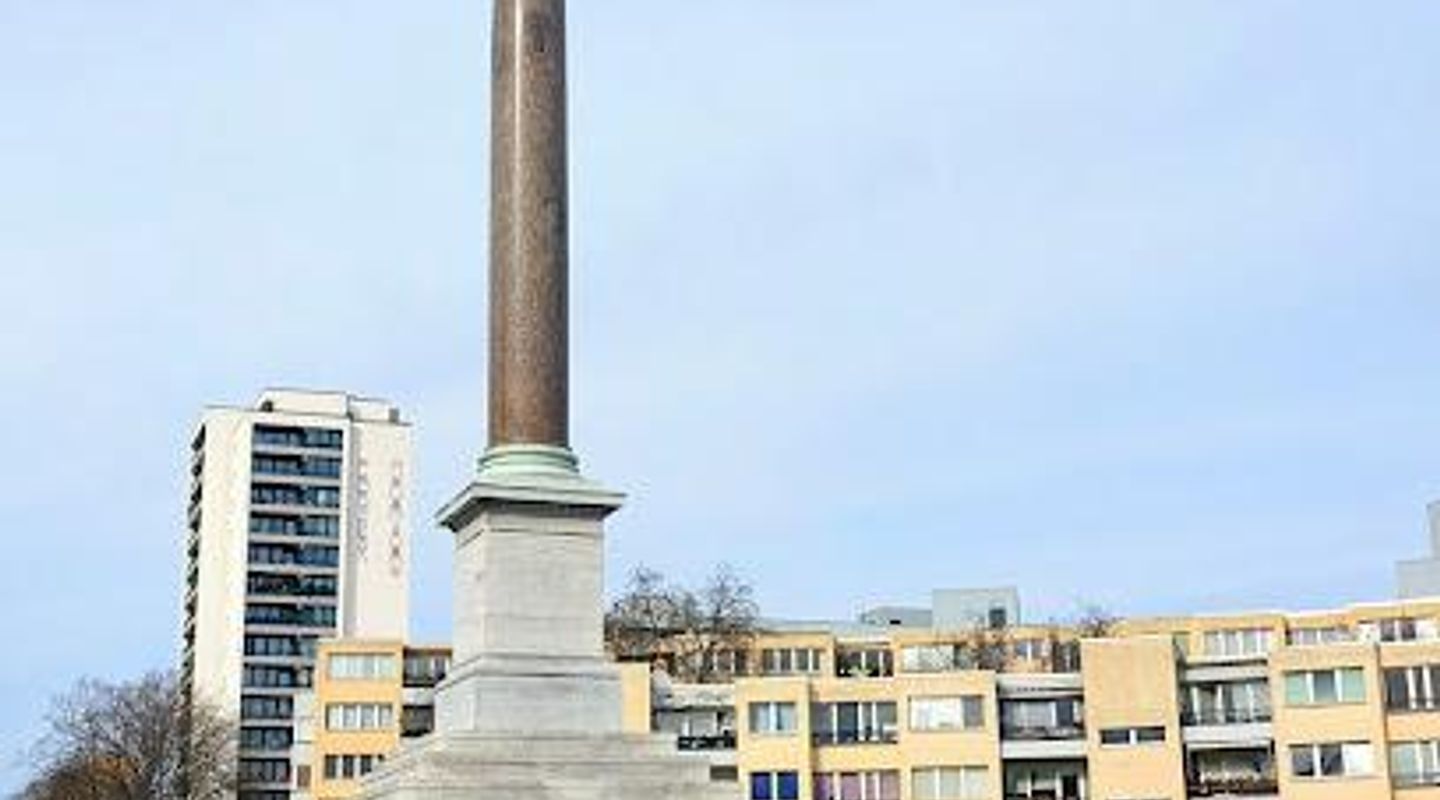
A brief summary of Peace Column
Discover Berlin's Peace Column in Mehringplatz: A historical monument commemorating peace and victory, offering a quiet reflection amidst the city's vibrant heart.
The Peace Column (Friedenssäule) stands prominently in Mehringplatz, Berlin, a 19-meter-tall monument topped with a statue of Victoria, the goddess of victory. Erected in 1843 to commemorate the Napoleonic Wars, it later honored the victorious allies of the Battle of Waterloo with added allegorical figures. While often overshadowed by the more famous Victory Column, the Peace Column offers a quieter, more intimate historical experience within the vibrant setting of Mehringplatz. Its location marks the southern end of Friedrichstrasse, placing it at the crossroads of major city axes. Surrounded by residential buildings and bustling city life, the Peace Column serves as a reminder of Berlin's complex past and enduring spirit. A visit offers a moment of reflection amidst the urban energy, connecting visitors to significant moments in European history.
Opening hours
- Every dayOpen 24 hours
Opening hours as listed on the venue’s Google Business Profile. Hours can change for services and special events, so check with the venue before you go.
- Address
- Mehringpl., 10969 Berlin
Getting there
Public Transport
Walking
Taxi/Ride-Share
Driving
Discover more about Peace Column
Overview
The Peace Column, or Friedenssäule in German, is a historical monument gracing Mehringplatz in Berlin. Designed by Christian Gottlieb Cantian and erected in 1843, this 19-meter-tall column is topped by a gilded statue of Victoria, the Roman goddess of victory, sculpted by Christian Daniel Rauch. Originally conceived to commemorate the Napoleonic Wars, the monument's significance evolved over time to also honor the victorious allies in the Battle of Waterloo. In 1876, allegories representing the four victorious allies of Waterloo—Prussia, Great Britain, Russia, and Austria—were added to the column, solidifying its message of peace through victory. Later, in 1879, two more sculptures were added: “The Peace” by Albert Wolff and “Clio,” the muse of history, writing the history of the Wars of Liberation by Ferdinand Hartzer. These additions further emphasized the monument's dedication to peace and remembrance. Mehringplatz, the square where the Peace Column stands, has its own rich history. Initially named Rondell due to its circular shape, it was later renamed Belle-Alliance-Platz in 1815, commemorating the Battle of La Belle Alliance (another name for the Battle of Waterloo). In 1947, it was renamed Mehringplatz after Franz Mehring, a German socialist publicist and historian. Mehringplatz itself is one of three prominent squares laid out around 1730 during Berlin's Baroque expansion under King Frederick William I of Prussia, along with Pariser Platz and Leipziger Platz. It marks the southern end of Friedrichstrasse, a major thoroughfare in Berlin, placing it at the intersection of important city axes. Today, Mehringplatz is a bustling urban space surrounded by residential buildings, shops, and cafes, reflecting Berlin's vibrant contemporary life. Visiting the Peace Column offers a unique opportunity to reflect on Berlin's layered history. While the Victory Column in Tiergarten is perhaps more widely known, the Peace Column provides a more intimate and less crowded experience. It stands as a testament to the city's resilience and its commitment to peace, even amidst the echoes of past conflicts. The Peace Column is not just a monument; it's a focal point within Mehringplatz, a space that embodies Berlin's complex identity. The square itself has seen numerous transformations throughout its history, reflecting the city's ever-changing social and political landscape. From its origins as a Baroque-era roundabout to its current status as a residential and commercial hub, Mehringplatz encapsulates the spirit of Berlin as a city constantly reinventing itself. Standing at the foot of the Peace Column, one can observe the daily life of Berliners unfolding around it. Children play in the square, residents stroll along the sidewalks, and visitors pause to admire the monument's intricate details. The sounds of the city—the rumble of traffic, the chatter of conversations, the melodies of street musicians—create a vibrant backdrop that underscores the Peace Column's enduring presence in the heart of Berlin. The Peace Column serves as a reminder that peace is not merely the absence of war, but an active and ongoing process. It calls on visitors to reflect on the lessons of history and to consider their own role in building a more peaceful future. In a city that has experienced so much conflict and division, the Peace Column stands as a symbol of hope and reconciliation, a testament to the enduring power of the human spirit. While the Peace Column may not be as grand or imposing as some of Berlin's other landmarks, its historical significance and its location within the vibrant Mehringplatz make it a worthwhile destination for those seeking a deeper understanding of the city's past and present. It offers a moment of quiet contemplation amidst the urban bustle, a chance to connect with the stories and struggles that have shaped Berlin into the dynamic and resilient city it is today. Consider visiting the nearby Jewish Museum or Checkpoint Charlie to further explore the rich history of the area. Mehringplatz is also surrounded by a diverse array of restaurants and cafes, offering a taste of Berlin's multicultural culinary scene. Whether you're a history buff, a culture enthusiast, or simply seeking a moment of peace and reflection, the Peace Column in Mehringplatz offers a unique and rewarding experience.
Evendo Review Centre
 Google
Guest reviews
Explore Peace Column on the map
A handpicked selection of must-see spots near Peace Column, mapped for you.
Get your free copy of our complete guide to Peace Column, delivered straight to you.
Everything on this page, from opening hours and how to get there to Eve’s tips and the best time to go, in one PDF you can read offline, print or share.
Already have an account? Sign in
Your Peace Column guide is ready.
We'll send it to · Not you? Sign out

Getting your guide ready…
We are putting together a fresh copy of the Peace Column guide. This can take up to a minute.
This can take a few moments. If your browser asks, choose Allow so the download can start. You'll find the guide in your Downloads folder.
Nothing happened? Download it again
Sorry, the guide is taking longer than usual. Please try again in a minute, or get it by email instead.
Unlock the best of Peace Column
Skip-the-line tickets, guided tours with entry, and walking tours of the area, booked in a few clicks.

Other nearby places you may find interesting
The closest places of the same kind, if this one is not quite what you had in mind.
-
-
-
-
-


Swipe for more places
More to explore near Peace Column

 Best experiences near Peace Column
 Best hotels near Peace Column
 Best landmarks near Peace Column
 Best attractions near Peace Column
 Best shops near Peace Column
 Best restaurants near Peace Column
 Best bars near Peace Column
Do you manage this location?
Take control to get all the benefits, like improved information, better appearance, and stronger visibility across AI-powered discovery.
Explore more

Explore more of Berlin
Berlin: A fascinating blend of history, culture, and modernity, offering everything from historic landmarks to vibrant nightlife and culinary delights.
Explore Berlin
Explore more of Germany
Experience Germany: where history meets innovation, and urban energy blends with natural beauty. Discover diverse cultures, delicious cuisine, and stunning landscapes.
Explore Germany
