Background

Kronentor: A Baroque Masterpiece

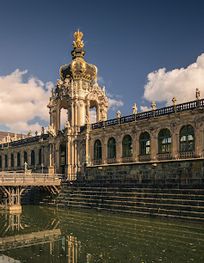
Discover the Kronentor, Dresden's iconic Crown Gate: a Baroque masterpiece adorned with sculptures and royal symbols, leading to the Zwinger Palace's art and gardens.

4.8

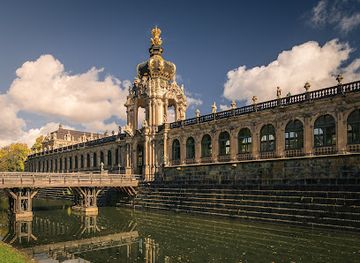
The Kronentor, or Crown Gate, is the iconic entrance to Dresden's Zwinger Palace, a stunning example of Baroque architecture. Built in the early 18th century under Augustus the Strong, it symbolizes royal power and Dresden's artistic ambition. Adorned with sculptures of Greek gods, figures representing the seasons and times of day, and topped with a Polish royal crown, the Kronentor is a feast for the eyes. Walking through the gate leads visitors into the Zwinger's enchanting courtyard, surrounded by museums, galleries, and manicured gardens. The Kronentor is a must-see landmark, offering a glimpse into Dresden's rich cultural heritage and architectural prowess. Its central location and free access to the courtyard make it an accessible and rewarding experience for all visitors.

A brief summary to Kronentor

Local tips

  • Visit early in the morning or late in the afternoon to avoid crowds and fully appreciate the gate's artistic details and the tranquil atmosphere.
  • Explore the museums within the Zwinger Palace, such as the Old Masters Picture Gallery and the Dresden Porcelain Collection, to delve deeper into Dresden's cultural heritage.
  • Take a guided tour to gain fascinating insights into the history and architecture of the Kronentor and the Zwinger Palace.
widget icon

Getting There

  • Public Transport

    The Kronentor is easily accessible by public transport. Several tram lines (1, 2, 4, 11, 12) and bus lines (62, 75) stop at Postplatz, a short walk from the Zwinger Palace. From Postplatz, walk northeast towards the Theaterplatz, where the Kronentor is located. A single tram or bus fare within Dresden is approximately €2.50.

  • Walking

    From Dresden Hauptbahnhof (main train station), it's a pleasant 15-20 minute walk to the Kronentor. Head north towards the city center, following signs for the Altstadt (Old Town). Pass the Prager Straße, then continue towards the Theaterplatz, where you'll find the Zwinger Palace and the Kronentor.

  • Taxi/Ride-Share

    A taxi or ride-share from Dresden Hauptbahnhof to the Kronentor will take approximately 5-10 minutes, depending on traffic. The estimated fare is between €8-€12. Ask the driver to take you to Theaterplatz.

  • Driving

    If driving, take the exit "Dresden-Altstadt" and follow the signs towards Stadtzentrum/Altstadt. There are several parking options near the Zwinger, including the underground car park Altmarkt-Galerie, car park Q-Park Altmarkt, car park Haus am Zwinger, and underground parking Semperoper. Parking fees typically range from €2-€3 per hour.

Unlock the Best of Kronentor

Buy tickets

    No tickets available

Book tours with entry

    No tours available

Book tours without entry

    No tours available

Discover more about Kronentor

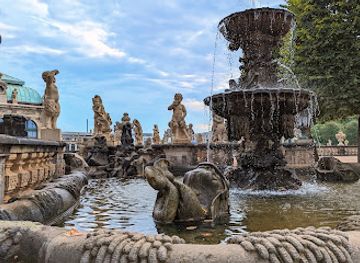
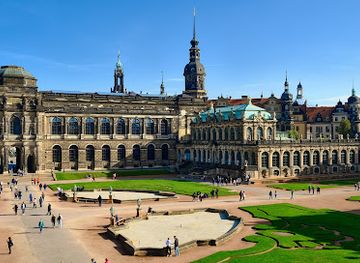
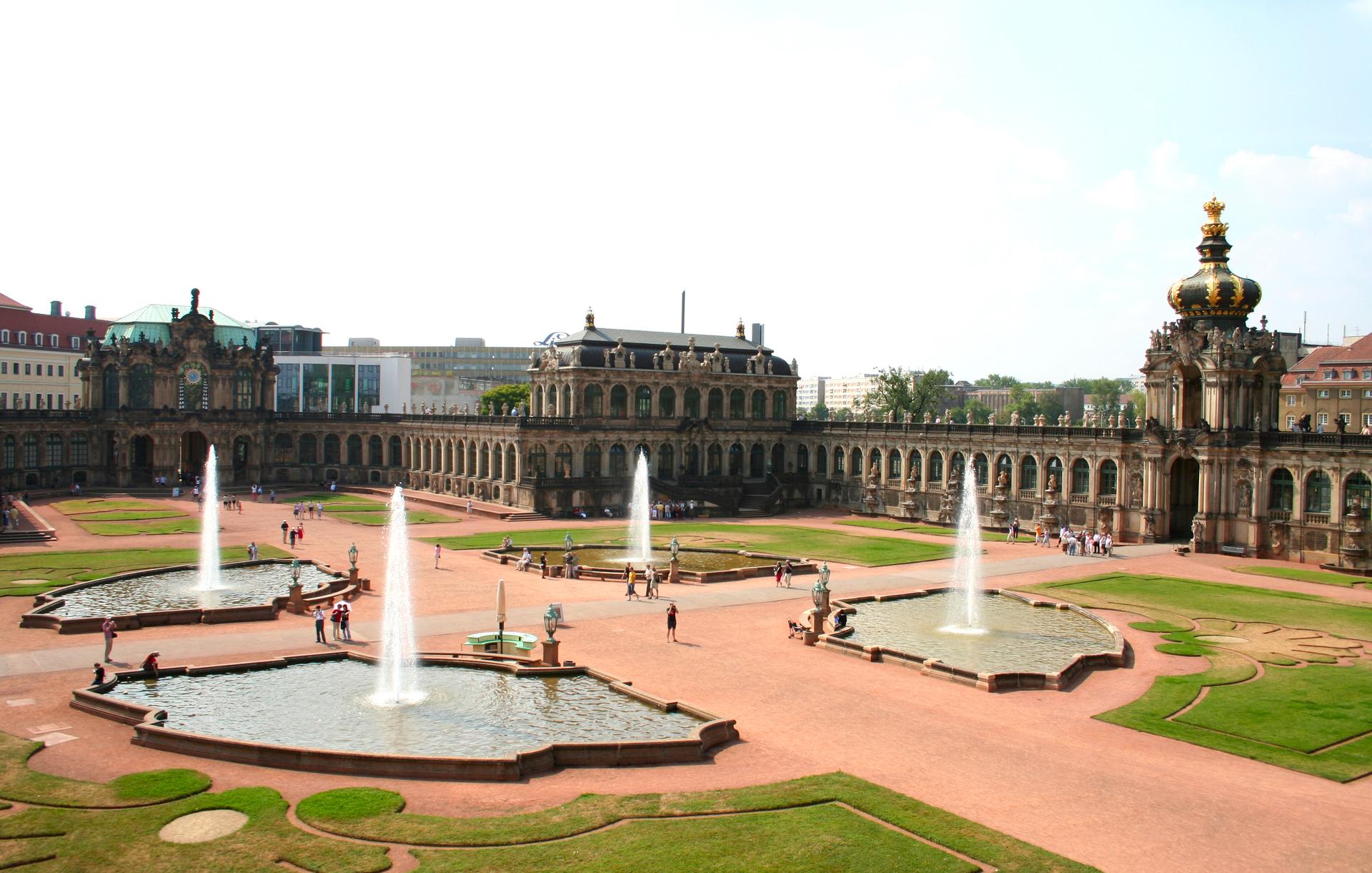
The Kronentor, or Crown Gate, stands as the majestic entrance to the Zwinger Palace in Dresden, Germany. This Baroque masterpiece, conceived by architect Matthäus Daniel Pöppelmann and sculptor Balthasar Permoser, is more than just a gate; it's a symbol of royal power, artistic ambition, and the rich cultural heritage of Dresden. Constructed between 1711 and 1728 during the reign of Augustus the Strong, Elector of Saxony and King of Poland, the Kronentor embodies the opulence and grandeur of the Baroque era. The gate's design is inspired by Italian Renaissance architecture, showcasing a harmonious blend of classical elements and elaborate ornamentation. Its facade is adorned with a plethora of sculptures, each with its own symbolic meaning. Greek gods such as Hercules, Mars, and Diana are depicted, representing strength, war, and the hunt, respectively. These figures reflect the diverse aspects of royal power and the virtues associated with leadership. Above the gods, four statues representing the seasons add another layer of symbolism to the Kronentor. These figures embody the cyclical nature of time and the abundance of the natural world. Further enhancing the gate's allegorical program are figures representing the times of day: morning, noon, evening, and night. Together, these sculptures create a comprehensive representation of the passage of time and the enduring power of the monarchy. The most striking feature of the Kronentor is undoubtedly the Polish royal crown that sits atop the gate. This crown symbolizes Augustus the Strong's claim to the Polish throne and serves as a visual reminder of his dual role as ruler of Saxony and Poland. The crown is a testament to Augustus's ambition and his desire to elevate Dresden to a leading cultural and political center in Europe. Walking through the Kronentor is like stepping back in time. The gate leads into the Zwinger Palace courtyard, a spacious area surrounded by pavilions, galleries, and museums. The courtyard itself is a work of art, with manicured gardens, fountains, and sculptures creating a serene and enchanting atmosphere. Visitors can stroll through the gardens, admire the architecture, and soak in the beauty of this Baroque masterpiece. The Zwinger Palace houses several world-renowned museums, including the Old Masters Picture Gallery, the Dresden Porcelain Collection, and the Royal Cabinet of Mathematical and Physical Instruments. These museums offer a glimpse into Dresden's rich cultural and artistic heritage, showcasing masterpieces of painting, sculpture, and scientific innovation. The Old Masters Picture Gallery is home to a vast collection of European paintings from the 15th to the 18th centuries. Highlights of the collection include Raphael's "Sistine Madonna," Rembrandt's "The Prodigal Son in the Tavern," and Giorgione's "Sleeping Venus." The gallery also features works by German, French, and Spanish masters, providing a comprehensive overview of European art history. The Dresden Porcelain Collection is one of the most important collections of porcelain in the world. It showcases the history of porcelain production from its origins in China to its development in Europe. The collection includes exquisite examples of Meissen porcelain, as well as porcelain from Japan and other countries. The Royal Cabinet of Mathematical and Physical Instruments is a fascinating museum that explores the history of science and technology. The collection includes historical scientific instruments, such as telescopes, microscopes, and globes. Visitors can learn about the scientific discoveries and technological innovations that have shaped our world. The Kronentor and the Zwinger Palace have played a significant role in Dresden's history. The palace was originally designed as an orangery and a setting for court festivities. It has witnessed countless celebrations, ceremonies, and events over the centuries. During World War II, the Zwinger Palace was heavily damaged in the bombing of Dresden. However, it was painstakingly rebuilt after the war and has been restored to its former glory. Today, the Kronentor and the Zwinger Palace are among Dresden's most popular tourist attractions. Visitors from all over the world come to admire the architecture, explore the museums, and experience the beauty of this Baroque masterpiece. The Kronentor stands as a symbol of Dresden's resilience, its cultural heritage, and its enduring artistic spirit. The Zwinger courtyard is accessible to wheelchair users via the entrance at the Kronentor, the ramp at the Semperbau, and the elevator on the Wall. Visiting the Kronentor and the Zwinger Palace is an enriching experience that offers something for everyone. Whether you are interested in art, history, architecture, or simply want to enjoy a beautiful setting, the Kronentor and the Zwinger Palace are sure to impress. The Kronentor has also appeared in various documentaries and historical films about Dresden, highlighting its significance as a symbol of the city's baroque architecture and cultural history. As you stand before the Kronentor, take a moment to appreciate the intricate details of its design, the symbolism of its sculptures, and the history that it represents. This is more than just a gate; it's a gateway to the past, a testament to human creativity, and a symbol of Dresden's enduring spirit.

Popular Experiences near Kronentor

Popular Hotels near Kronentor

Select Currency