
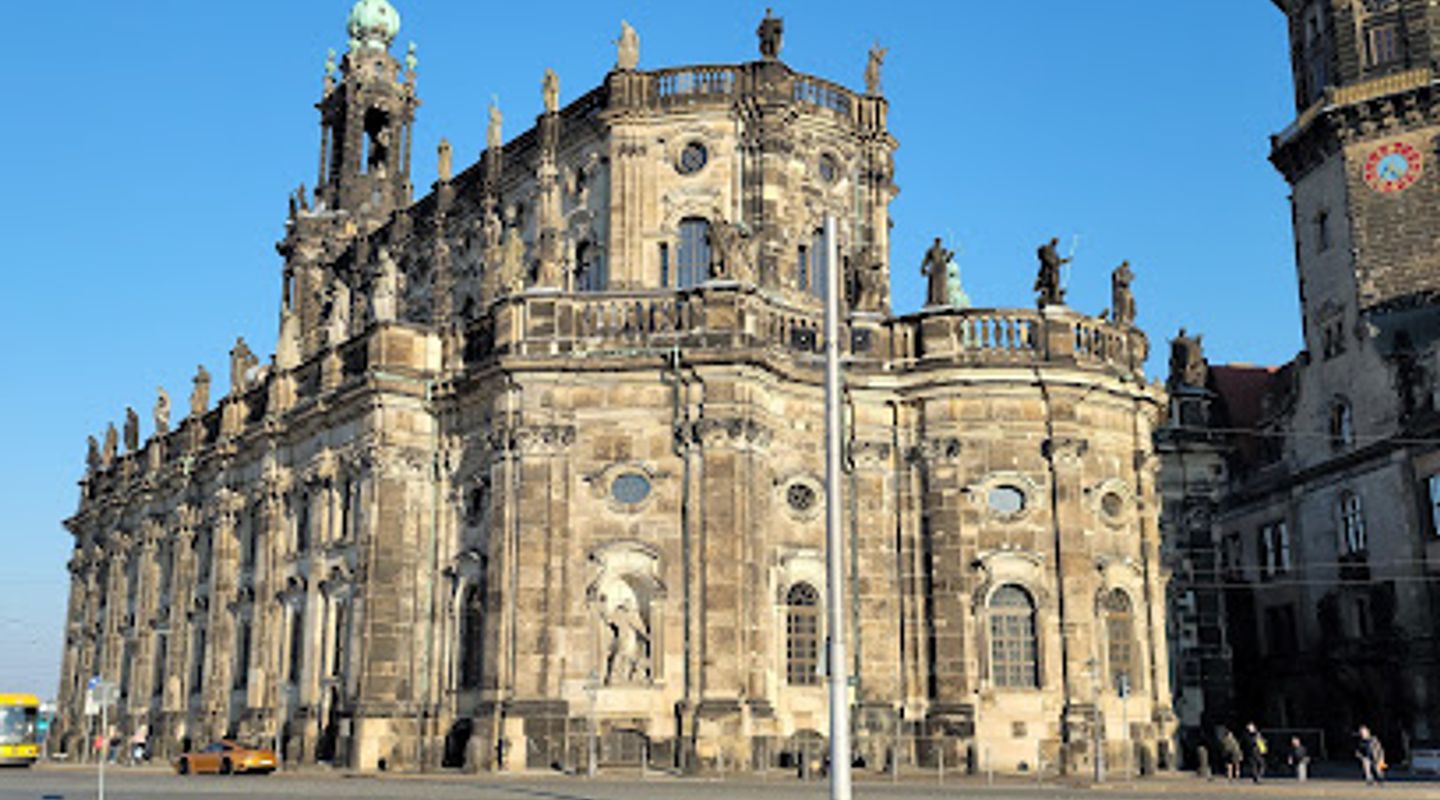
Kathedrale Sanctissimae Trinitatis, Dresden Travel Guide
Discover Dresden's Baroque jewel: Kathedrale Sanctissimae Trinitatis, a symbol of resilience and artistic grandeur, where Saxon history and architectural splendor converge.
The Kathedrale Sanctissimae Trinitatis, also known as Dresden Cathedral or Hofkirche (Court Church), is a stunning example of Baroque architecture in the heart of Dresden's Altstadt. Built between 1739 and 1755, it stands as the city's youngest Baroque edifice and the largest church in Saxony. Designed by Italian architect Gaetano Chiaveri, the cathedral boasts an impressive facade adorned with 78 statues of saints and church dignitaries. Inside, visitors can marvel at the intricate details of the high altar by Balthasar Permoser, the altarpiece by Anton Raphael Mengs, and the Silbermann organ. The cathedral also serves as the burial site for Saxon royalty, including the heart of Augustus the Strong, making it a significant historical and cultural landmark. Despite suffering damage during World War II, meticulous restoration efforts have returned the Kathedrale Sanctissimae Trinitatis to its former glory, offering a serene and awe-inspiring experience for all who visit.
A brief summary to Kathedrale Sanctissimae Trinitatis
- Schloßstraße 24, Dresden, Altstadt, 01067, DE
- Click to display
- Click to display
- Monday 10 am-5 pm
- Tuesday 10 am-5 pm
- Wednesday 10 am-5 pm
- Thursday 10 am-5 pm
- Friday 1 pm-5 pm
- Saturday 10 am-5 pm
- Sunday 12 pm-4 pm

Know before you go
Hi, I'm Eve. Here are a few practical things to know before exploring Kathedrale Sanctissimae Trinitatis.
- Attend a concert: The cathedral's exceptional acoustics make it a perfect venue for classical music performances; check the schedule in advance.
- Visit the crypt: Explore the final resting place of Saxon royalty, including the heart of Augustus the Strong.
- Climb the tower: Ascend the cathedral tower for panoramic views of Dresden's skyline and the Elbe River (check for seasonal availability).
- Explore nearby attractions: The cathedral's central location makes it easy to visit other landmarks like the Zwinger Palace and Semper Opera House.
- Take a guided tour: Learn about the cathedral's history, art, and architecture from knowledgeable guides (available in multiple languages).
Do you manage this location?
Take control to get all the benefits, like improved information, better appearance, and stronger visibility across AI-powered discovery. Learn more about listing your business on Evendo
Activate your presenceOther nearby places you may find interesting
The closest places of the same kind, if this one is not quite what you had in mind.


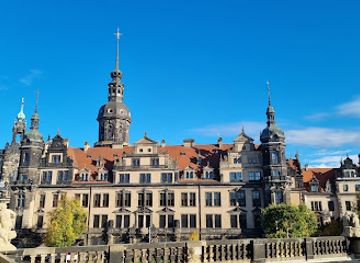
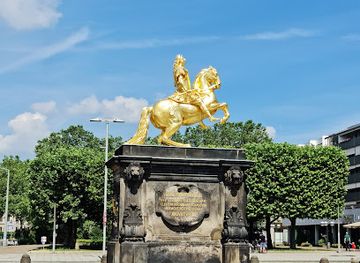
Explore Kathedrale Sanctissimae Trinitatis on the Map
A handpicked selection of must-see spots near Kathedrale Sanctissimae Trinitatis, mapped for you.
Unlock the Best of Kathedrale Sanctissimae Trinitatis
Buy tickets
-
No tickets available
Book tours with entry


Getting There
-
Walking
From Theaterplatz, with the Semperoper at your back, the Kathedrale Sanctissimae Trinitatis is directly across the square. Walk towards the Schlossplatz, keeping the Royal Palace (Residenzschloss) on your right. The cathedral's entrance faces the square. The walk is short and straightforward, approximately 2-3 minutes, with no special transport or tolls required.
-
Public Transport
The closest public transport stop is Postplatz, served by tram lines 1, 2, 4, 11, 12 and bus line 75. From Postplatz, walk east towards the Royal Palace (Residenzschloss), keeping it on your right. The Kathedrale Sanctissimae Trinitatis will be on your left, facing the Schlossplatz. The walk from Postplatz is approximately 5 minutes. A single tram/bus fare within Dresden is around €2.50.
-
Taxi/Ride-Share
A taxi or ride-share from Dresden Hauptbahnhof (Central Station) to the Kathedrale Sanctissimae Trinitatis typically costs between €8-€12, depending on traffic. The journey takes approximately 5-10 minutes. Ask the driver to drop you off at Schlossplatz, directly in front of the cathedral.
-
Driving
Limited street parking is available near the Kathedrale Sanctissimae Trinitatis. However, it's recommended to use nearby parking garages such as Q-Park Frauenkirche/Neumarkt. Hourly parking rates range from €2-€3. From the parking garage, it's a short walk to the cathedral. Be aware that traffic in the Altstadt can be congested, especially during peak tourist season.
Discover more about Kathedrale Sanctissimae Trinitatis
More to explore near Kathedrale Sanctissimae Trinitatis
-

Best experiences near Kathedrale Sanctissimae Trinitatis
-

Best hotels near Kathedrale Sanctissimae Trinitatis
-

Best attractions near Kathedrale Sanctissimae Trinitatis
-

Best shops near Kathedrale Sanctissimae Trinitatis
-

Best restaurants near Kathedrale Sanctissimae Trinitatis
-

Best bars near Kathedrale Sanctissimae Trinitatis







Your all‑in‑one travel companion app
Explore expert travel guides, compare and book tours, experiences, hotels, and more—all from the palm of your hand. Download now for seamless trip planning wherever your wanderlust takes you.


Explore More of Dresden
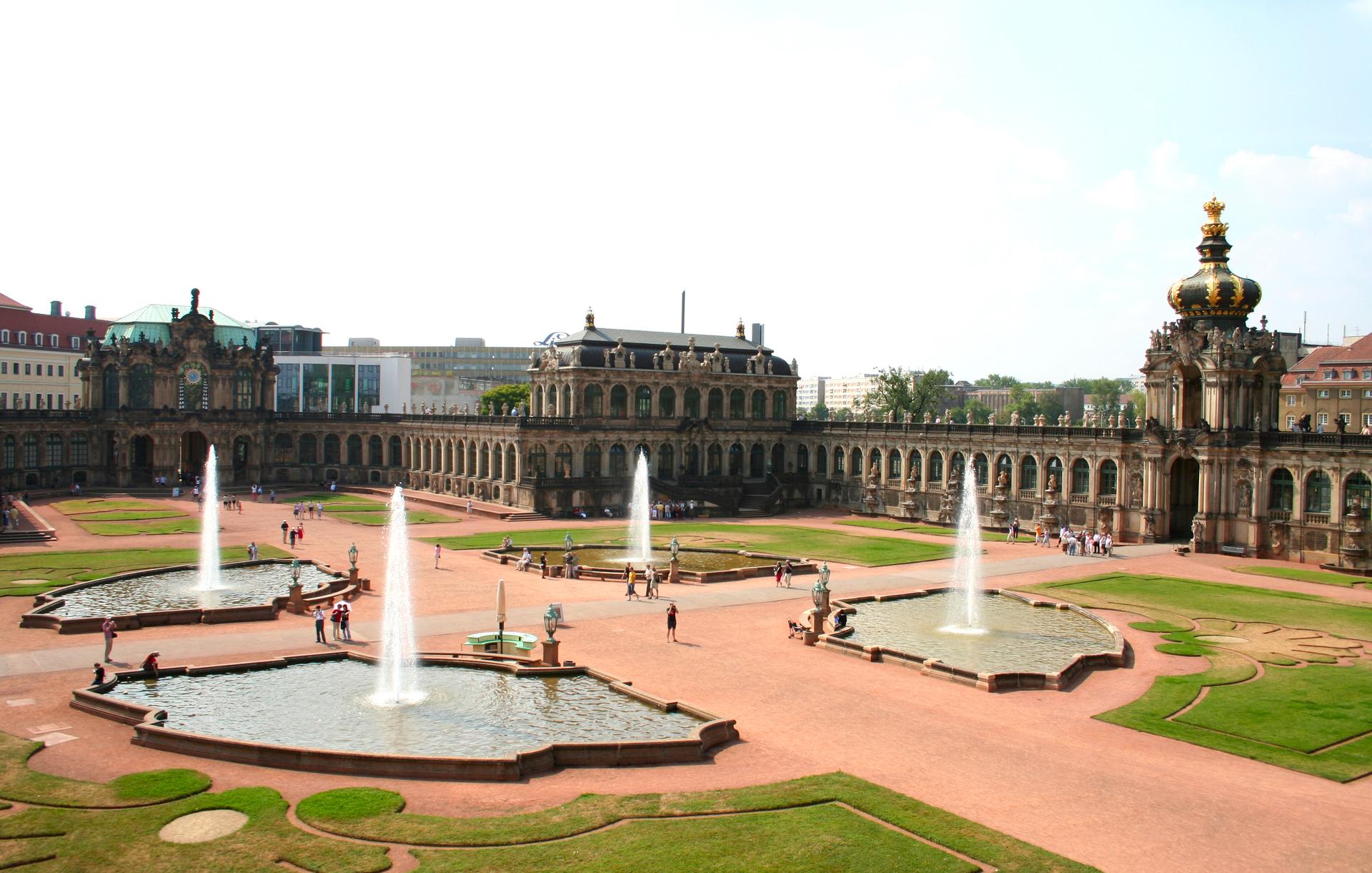
Looking beyond Kathedrale Sanctissimae Trinitatis? Discover Dresden for broader travel guides, local hot-spots, and regional highlights.
Explore Dresden
Unearth Dresden's hidden past at Festung Xperience: an immersive journey through 450 years of history within the city's ancient fortress walls, featuring 360° projections and 3D sound.
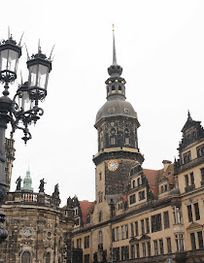
Explore the stunning Hausmannsturm in Dresden, a historical landmark offering breathtaking views and rich cultural heritage in the heart of the city.
