

Kramer bridge, Erfurt Travel Guide
Discover the Krämerbrücke in Erfurt, a medieval marvel and Europe's longest inhabited bridge, offering artisan shops, rich history, and unique architecture in the heart of Thuringia.
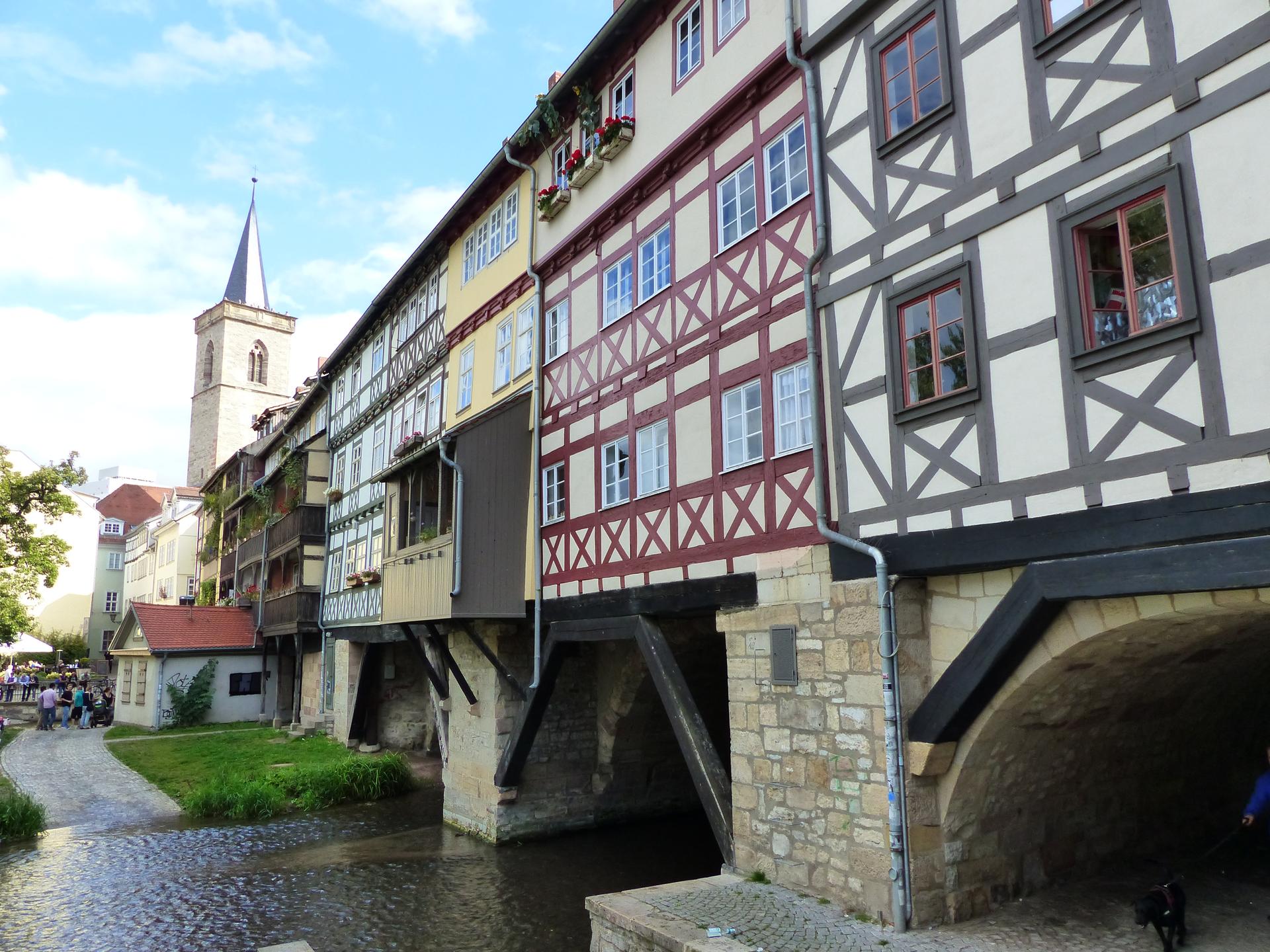
The Krämerbrücke (Merchant's Bridge) in Erfurt is a unique medieval landmark, famed as one of the only inhabited bridges north of the Alps. Dating back to 1325, this stone bridge is lined with charming half-timbered houses, now home to artisan shops, galleries, and residences. Strolling across the Krämerbrücke is like stepping back in time, offering a glimpse into Erfurt's rich trading history and vibrant cultural scene. Visitors can explore the bridge's unique shops, sample local Thuringian specialties, and admire the architecture that has been preserved for centuries. The Ägidienkirche at the bridge's eastern end offers stunning views of the Krämerbrücke and the surrounding city, making it a must-see destination for any traveler.
A brief summary to Kramer bridge
- Krämerbrücke 33, Erfurt, Altstadt, 99084, DE

Know before you go
Hi, I'm Eve. Here are a few practical things to know before exploring Kramer bridge.
- Climb the tower of the Ägidienkirche at the eastern end for panoramic views of the Krämerbrücke and Erfurt's Old Town.
- Visit during the Krämerbrückenfest in June for a lively medieval festival experience with music, markets, and performances.
- Explore the artisan shops for unique, handcrafted souvenirs, including Thuringian textiles, ceramics, and local wines.
- Sample local Thuringian specialties like bratwurst and Thüringer Klöße at the eateries near the bridge.
- Take your time to wander through the bridge, engaging with the local artisans and appreciating the intricate details of the half-timbered houses.
Do you manage this location?
Take control to get all the benefits, like improved information, better appearance, and stronger visibility across AI-powered discovery. Learn more about listing your business on Evendo
Activate your presenceOther nearby places you may find interesting
The closest places of the same kind, if this one is not quite what you had in mind.
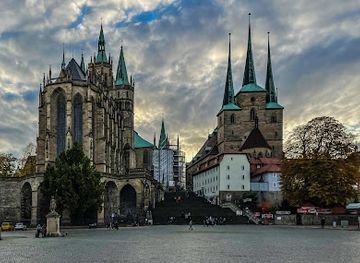
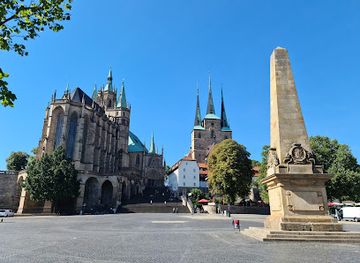

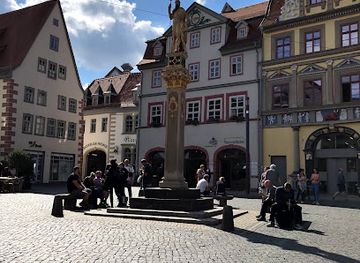
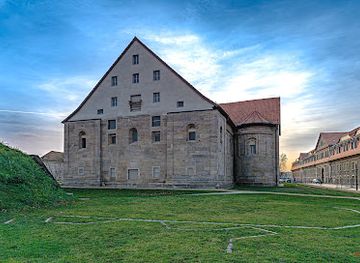
Explore Kramer bridge on the Map
A handpicked selection of must-see spots near Kramer bridge, mapped for you.
Unlock the Best of Kramer bridge
Buy tickets
-
No tickets available
Book tours with entry


Getting There
-
Walking
The Krämerbrücke is located in the heart of Erfurt's Altstadt (Old Town) and is easily accessible on foot from most central locations. From the Domplatz (Cathedral Square), walk east, following the main pedestrian street (Domstraße) towards the Fischmarkt (Fish Market). Continue straight ahead; the Krämerbrücke will be directly in front of you after a few minutes. The walk is approximately 5-10 minutes, offering views of other historical buildings along the way.
-
Public Transport
If arriving by tram, take lines 2, 3, or 6 to the Fischmarkt stop. From the Fischmarkt, walk east towards the Ägidienkirche; the Krämerbrücke will be immediately visible. The walk from the tram stop is less than 5 minutes. A single tram fare within Erfurt is approximately €2.30. A group day ticket (valid for up to 5 people) costs around €11 and can be purchased at ticket machines at most tram stops.
-
Taxi/Ride-Share
A taxi or ride-share from Erfurt Hauptbahnhof (main train station) to the Krämerbrücke will take approximately 5-10 minutes, depending on traffic. The fare is typically between €8 and €12. Note that traffic within the Altstadt is often restricted, so the taxi may drop you off at the edge of the pedestrian zone, requiring a short walk to the bridge itself.
-
Driving
If driving, be aware that the Krämerbrücke is located in a pedestrian zone with very limited parking. The closest parking options are the Domplatz or Anger 1 multi-story car parks. From either car park, it's a short walk (5-10 minutes) to the Krämerbrücke. Parking fees at these car parks typically range from €2 to €3 per hour, with daily maximums around €15 to €20. A parking guidance system provides real-time information on available spaces.
Discover more about Kramer bridge













Your all‑in‑one travel companion app
Explore expert travel guides, compare and book tours, experiences, hotels, and more—all from the palm of your hand. Download now for seamless trip planning wherever your wanderlust takes you.


Explore More of Erfurt
Looking beyond Kramer bridge? Discover Erfurt for broader travel guides, local hot-spots, and regional highlights.
Explore Erfurt
Discover a peaceful retreat in Erfurt's Brühler Garten, a historic park offering a blend of tranquility, recreation, and a glimpse into the city's layered past.

Discover the legacy of Adam Ries, a mathematical genius, at this monument in Erfurt's historic Altstadt, where his contributions to arithmetic come to life.
