
Krämerbrücke, Erfurt Travel Guide
Discover the Krämerbrücke in Erfurt, a medieval marvel and Europe's longest inhabited bridge, where history comes alive amidst artisan shops and charming half-timbered houses.
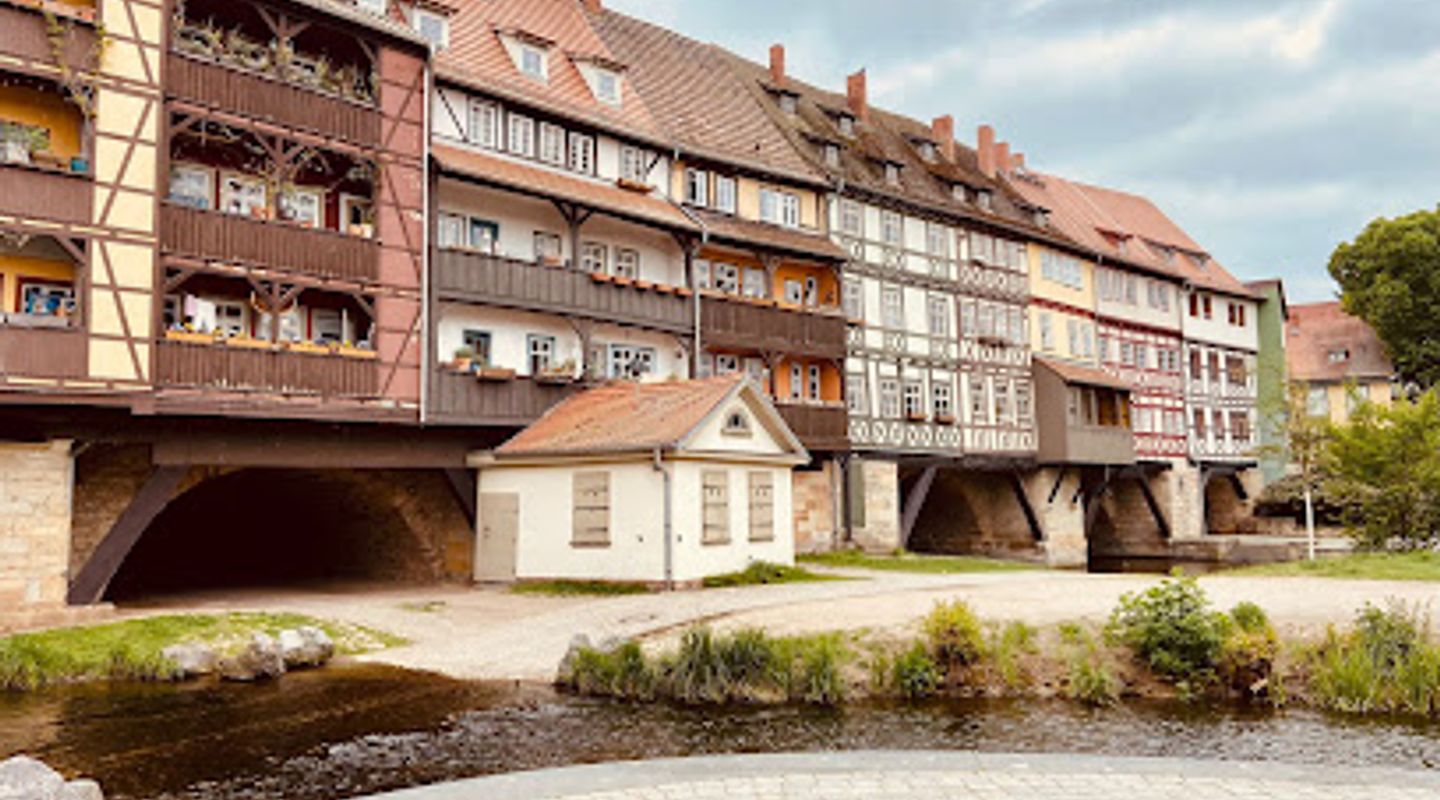
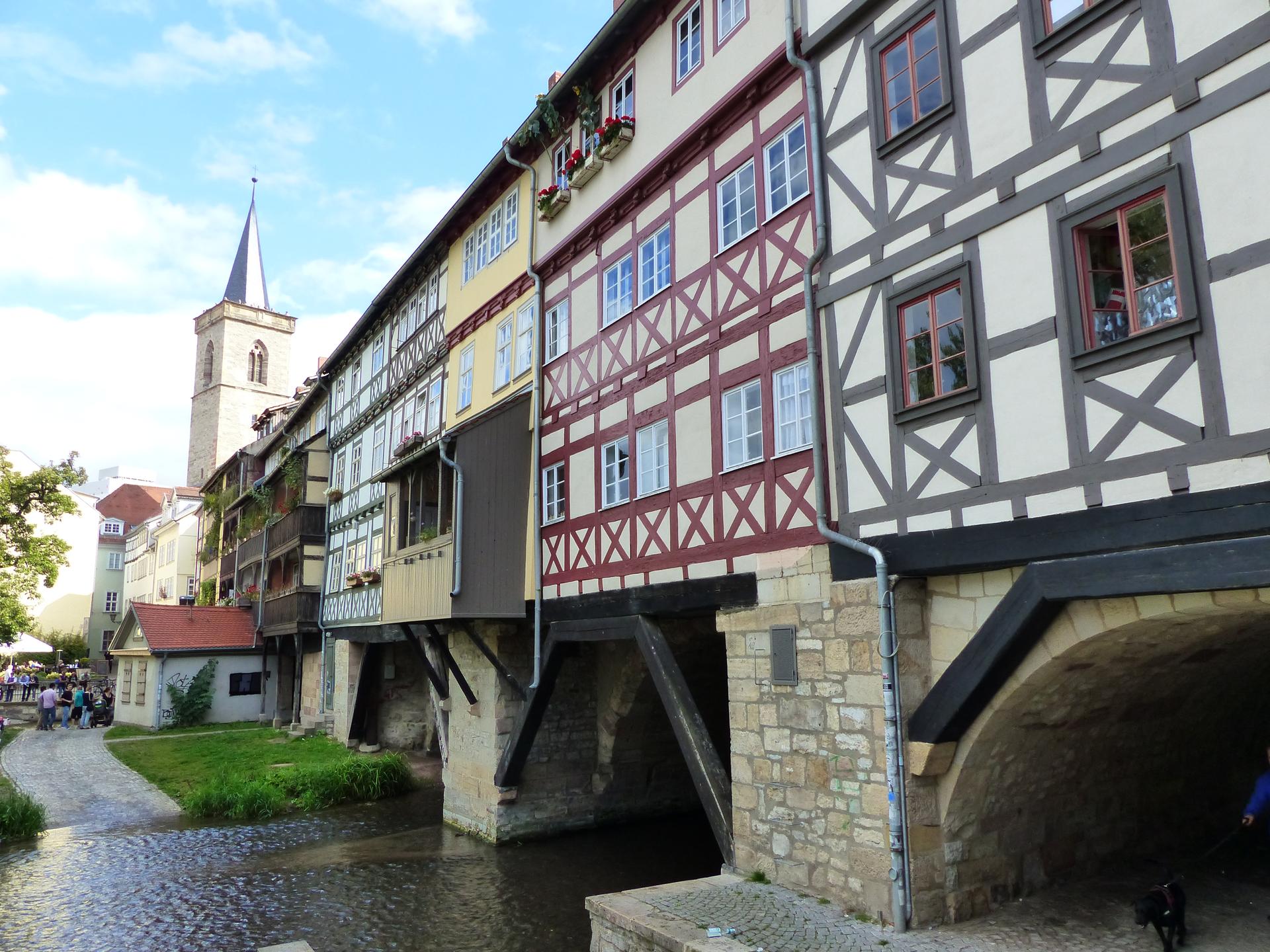
The Krämerbrücke, or Merchant's Bridge, is a unique medieval landmark in Erfurt, Germany. Dating back to 1325, this stone arch bridge is lined with charming half-timbered houses, making it one of the few inhabited bridges remaining in the world. For over 500 years, it has been continuously inhabited, longer than any other bridge in Europe. Today, the 32 buildings on the bridge house a variety of artisan shops, galleries, and boutiques offering traditional crafts, Thuringian specialties, and unique souvenirs. A stroll across the Krämerbrücke is a journey through history, offering a glimpse into medieval life and a chance to experience the vibrant atmosphere of this architectural gem. Don't miss the opportunity to climb the tower of the Church of St. Aegidius at the bridge's eastern end for panoramic views of the bridge and Erfurt's old town.
A brief summary to Krämerbrücke
- Krämerbrücke, Erfurt, Altstadt, 99084, DE
- Click to display

Know before you go
Hi, I'm Eve. Here are a few practical things to know before exploring Krämerbrücke.
- Climb the tower of the Ägidienkirche (Church of St. Aegidius) at the eastern end of the bridge for stunning panoramic views of the Krämerbrücke and Erfurt's old town.
- Visit during the annual Krämerbrückenfest in June for a lively medieval festival with music, theater, artisan markets, and historical reenactments.
- Explore the unique artisan shops and boutiques on the bridge, offering handmade crafts, Thuringian specialties, and one-of-a-kind souvenirs.
- Take a guided tour to learn about the rich history and hidden secrets of the Krämerbrücke, including stories of the merchants and residents who have lived and worked there for centuries. Guided tours are available every Sunday at 10:30 am from April to October 2025, meeting at the Erfurt Tourist Information Centre at Benediktsplatz 1, for €20 per person.
- Look for the small cellars located inside the bridge piers, a unique feature showcasing the ingenious construction of the bridge.
Do you manage this location?
Take control to get all the benefits, like improved information, better appearance, and stronger visibility across AI-powered discovery. Learn more about listing your business on Evendo
Activate your presenceOther nearby places you may find interesting
The closest places of the same kind, if this one is not quite what you had in mind.

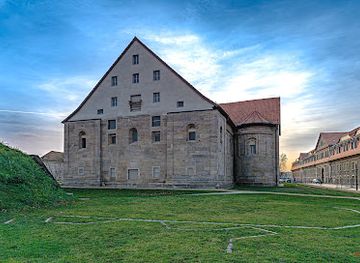
Explore Krämerbrücke on the Map
A handpicked selection of must-see spots near Krämerbrücke, mapped for you.
Getting There
-
Walking
The Krämerbrücke is located in Erfurt's Altstadt (Old Town) and is easily accessible on foot from most central locations. From the Domplatz (Cathedral Square), walk east, following signs for 'Altstadt' and 'Krämerbrücke'. The walk is approximately 5-10 minutes. As you approach, look for the Church of St. Aegidius at the eastern end of the bridge to orient yourself. The bridge connects Benediktsplatz and Wenigemarkt squares.
-
Public Transport
If arriving by tram, the closest stop is 'Fischmarkt'. From Fischmarkt, walk east towards the Altstadt. You'll see the Krämerbrücke within a few minutes. Erfurt's public transport network is extensive, with trams running frequently. A single tram fare within Erfurt is approximately €2.30. Purchase tickets at the EVAG-Center at 'Anger' or from ticket machines at the stops.
-
Taxi/Ride-Share
Taxis and ride-sharing services are readily available in Erfurt. A short taxi ride from Erfurt Hauptbahnhof (main train station) to the Krämerbrücke will cost approximately €8-€12, depending on traffic. Be sure to specify 'Krämerbrücke' as your destination. Note that taxis may not be able to drive directly onto the bridge itself, but can drop you off at Benediktsplatz or Wenigemarkt, at either end.
-
Driving
Driving directly to the Krämerbrücke is not possible, as it is a pedestrian zone. The nearest parking garages are located at Domplatz and Anger 1. From either garage, it's a short walk to the bridge. Parking fees at these garages typically range from €2-€3 per hour, with daily maximums around €15-€20. Consider using the Park and Ride (P&R) areas on the outskirts of the city and taking a tram to the city center to avoid potential parking congestion.
Discover more about Krämerbrücke













Your all‑in‑one travel companion app
Explore expert travel guides, compare and book tours, experiences, hotels, and more—all from the palm of your hand. Download now for seamless trip planning wherever your wanderlust takes you.


Explore More of Erfurt
Looking beyond Krämerbrücke? Discover Erfurt for broader travel guides, local hot-spots, and regional highlights.
Explore Erfurt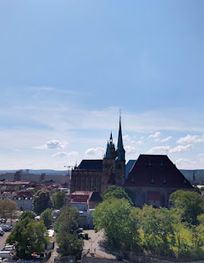
A powerful memorial in Erfurt honoring Wehrmacht deserters and victims of Nazi military justice, a place for reflection on courage, resistance, and the cost of war.
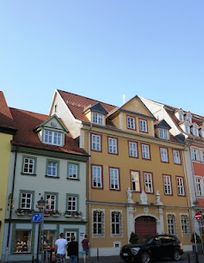
Discover Wenigemarkt in Erfurt: A historic marketplace brimming with charming cafes, traditional architecture, and the playful 'Raufende Knaben' fountain, offering a delightful glimpse into the city's past and present.
