Bing Cave Travel Guide
Free Guide: Discover the breathtaking beauty of Bing Cave in Franconian Switzerland: a mesmerizing subterranean world of stalactites, stalagmites, and fascinating geological history.


A brief summary of Bing Cave
Discover the breathtaking beauty of Bing Cave in Franconian Switzerland: a mesmerizing subterranean world of stalactites, stalagmites, and fascinating geological history.
Delve into the depths of the Franconian Switzerland region with a visit to the Bing Cave, a mesmerizing natural wonder discovered in 1905. This stunning show cave, adorned with impressive stalactites, stalagmites, and unique calcite crystal formations, offers an unforgettable journey through geological history. Explore the cave's well-lit passages on a guided tour, marveling at the 'Giant's Column' stalagmite and the diverse speleothems. With a constant temperature of 12°C, the cave provides a cool escape year-round. Combine your visit with a hike through the picturesque Schauertal valley, making it a perfect day trip for nature enthusiasts and families alike. Don't miss this opportunity to witness the breathtaking beauty hidden beneath the surface of Bavaria.
Opening hours
- Every day10 am–5 pm
Opening hours as listed on the venue’s Google Business Profile. Hours can change for services and special events, so check with the venue before you go.
- Address
- Schauertal, 91346 Wiesenttal
- Phone
- Website
Getting there
Public Transport
Driving
Walking
Discover more about Bing Cave
Overview
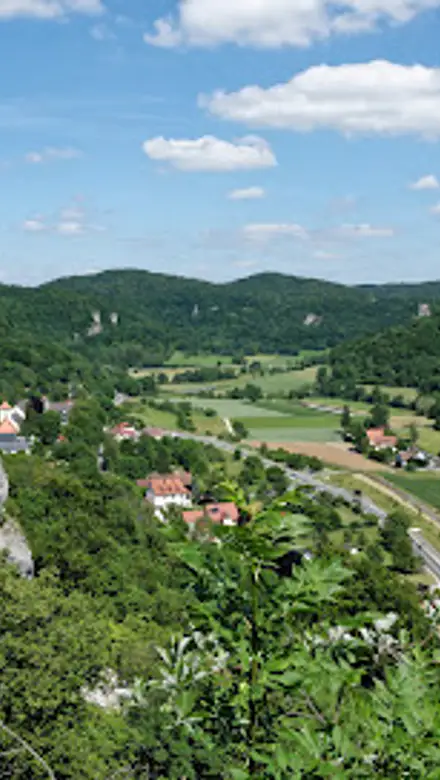
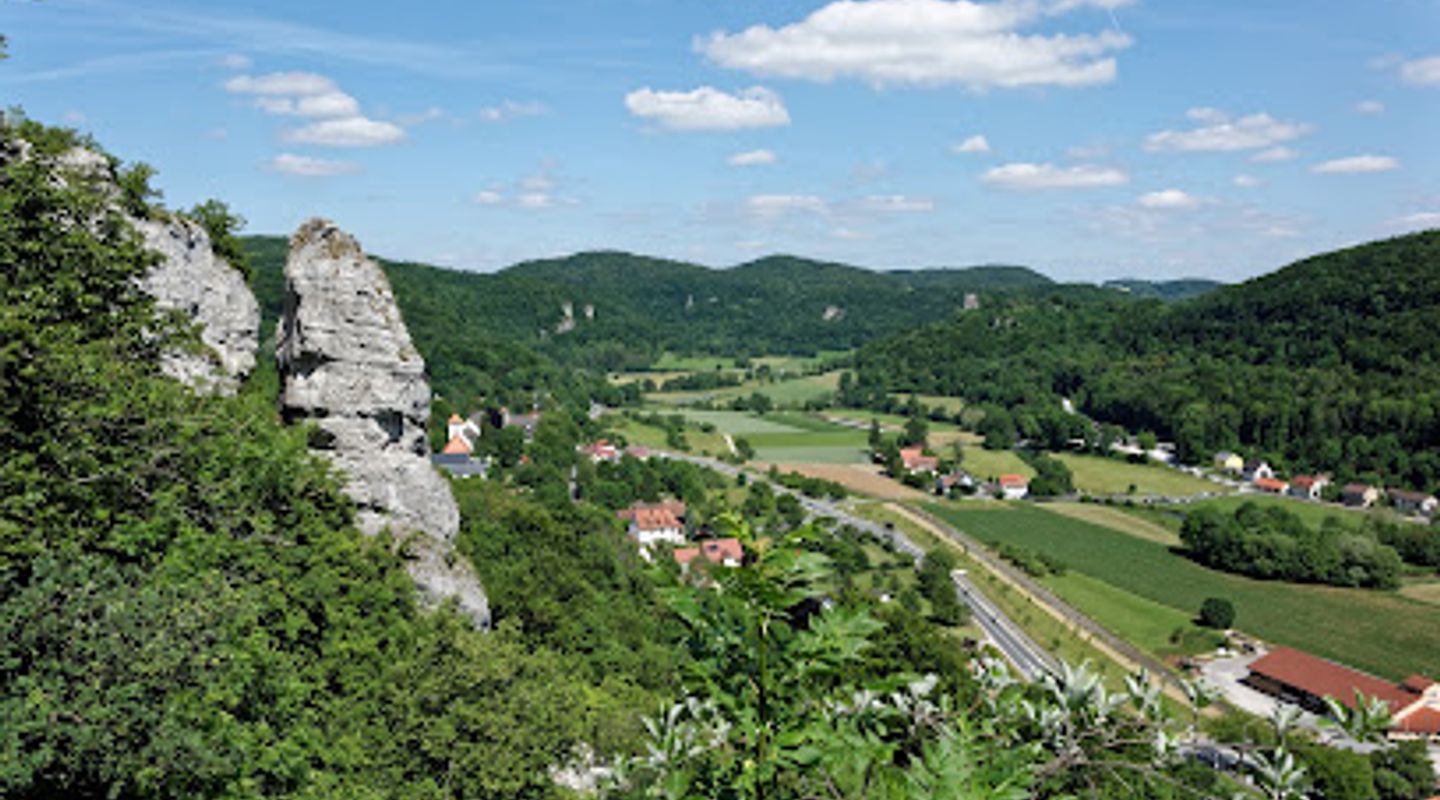
The Bing Cave, or Binghöhle, is a captivating show cave nestled in the Schauertal valley near Wiesenttal, Bavaria. Discovered in 1905 by Ignaz Bing, a Nuremberg industrialist and amateur naturalist, the cave quickly became a popular attraction, offering visitors a glimpse into a fascinating subterranean world. Ignaz Bing's discovery was serendipitous. While exploring the area, he unearthed a small cave and, intrigued, began excavations. These initial digs revealed prehistoric artifacts and fossils, hinting at the cave's rich history. Further exploration led to the discovery of the main cave system, a stunning network of passages adorned with remarkable stalactites and stalagmites. Recognizing its potential, Bing invested his own wealth to develop the cave for tourism, installing electric lights in 1907 and opening it to the public. The Bing Cave is a prime example of a karst cave, formed over millennia by the dissolving action of water on limestone rock. The cave's unique geological setting, within the Franconian Jura, contributes to its distinctive character. Unlike many caves in the region found in dolomite, the Bing Cave developed in layered limestone deposited between ancient sponge reefs. This difference in rock composition results in a diverse array of speleothems, the cave formations that decorate its interior. As you venture into the cave, you'll be greeted by a cool, constant temperature of around 12°C, a welcome respite regardless of the season. The well-maintained pathways wind through the cave's main passage, stretching approximately 270 meters. Knowledgeable guides lead tours, sharing insights into the cave's formation, history, and the delicate balance of its ecosystem. One of the most striking features of the Bing Cave is the 'Riesensäule' or Giant's Column, a massive stalagmite located in the center of the path. This impressive formation, shaped like a palm trunk, has become an iconic symbol of the cave. The cave is also home to a variety of other remarkable speleothems, including delicate stalactites hanging from the ceiling, sturdy stalagmites rising from the floor, and shimmering calcite crystals that adorn the walls. The cave's passages are named, adding to the sense of discovery and wonder. Among these are the Stalactite Gallery, the Kellermann Cave with its Giant Pillar, the Hall of Candles, the Grotto of Venus, the Catacombs, the Shell Rock, Olga's Grotto, the Nixie Grotto, the Fantasy Cave, the Prince Ludwig Grotto, the Three Peaks, and the New Department. Each section offers a unique perspective on the cave's beauty and geological diversity. The Bing Cave has a fascinating history beyond its natural wonders. During the Nazi era, due to the Bing family's Jewish heritage, the cave was seized by the government and renamed 'Streitberger Cave.' However, after World War II, it was rightfully returned to the family and its original name restored. In 2005, the cave celebrated its 100th anniversary as a show cave with a complete restoration, including updated lighting, repaired pathways, and a renovated entrance building. Today, the Bing Cave continues to enchant visitors from around the world. Its accessibility, stunning formations, and rich history make it a must-see destination in the Franconian Switzerland region. A visit to the Bing Cave can be easily combined with other attractions in the area, such as the Neideck Castle ruins or a hike through the scenic Schauertal valley. Whether you're a seasoned caver or simply seeking a unique and memorable experience, the Bing Cave promises an adventure that will leave you in awe of the natural world. The surrounding area offers more than just the cave itself. The Schauertal, with its lush greenery and dramatic landscapes, is perfect for nature lovers and photographers. Hiking enthusiasts will appreciate the well-marked paths that provide opportunities to encounter local flora and fauna. Don't forget to bring your camera, as the sights are truly breathtaking. A visit to Bing Cave is not just a tour; it's an adventure that will leave you with lasting memories of the beauty of nature. Beyond the natural beauty, the Bing Cave also provides a unique microclimate. The constant temperature and high humidity create a haven for specific organisms and contribute to the ongoing formation of speleothems. This delicate ecosystem is carefully managed to ensure the preservation of the cave for future generations. Whether you are interested in geology, history, or simply appreciate natural beauty, the Bing Cave offers something for everyone. It is a testament to the power of nature and the enduring legacy of Ignaz Bing, who recognized the value of this subterranean treasure and shared it with the world.
Evendo Review Centre
 Google
Guest reviews
Explore Bing Cave on the map
A handpicked selection of must-see spots near Bing Cave, mapped for you.
Get your free copy of our complete guide to Bing Cave, delivered straight to you.
Everything on this page, from opening hours and how to get there to Eve’s tips and the best time to go, in one PDF you can read offline, print or share.
Already have an account? Sign in
Your Bing Cave guide is ready.
We'll send it to · Not you? Sign out

Getting your guide ready…
We are putting together a fresh copy of the Bing Cave guide. This can take up to a minute.
This can take a few moments. If your browser asks, choose Allow so the download can start. You'll find the guide in your Downloads folder.
Nothing happened? Download it again
Sorry, the guide is taking longer than usual. Please try again in a minute, or get it by email instead.
Other nearby places you may find interesting
The closest places of the same kind, if this one is not quite what you had in mind.
-
-
-
-
-


Swipe for more places
More to explore near Bing Cave

 Best experiences near Bing Cave
 Best hotels near Bing Cave
 Best landmarks near Bing Cave
 Best attractions near Bing Cave
 Best shops near Bing Cave
 Best restaurants near Bing Cave
 Best bars near Bing Cave
Do you manage this location?
Take control to get all the benefits, like improved information, better appearance, and stronger visibility across AI-powered discovery.
Explore more

Explore more of Franconia
Discover Franconia in Germany: A region bursting with medieval charm, natural beauty, and culinary delights, perfect for travelers seeking history, nature, and local flavors.
Explore Franconia
Explore more of Germany
Experience Germany: where history meets innovation, and urban energy blends with natural beauty. Discover diverse cultures, delicious cuisine, and stunning landscapes.
Explore Germany