

Fürstenbaumuseum, Franconia Travel Guide
Explore the opulent world of Würzburg's prince-bishops and delve into the city's captivating history within the walls of the majestic Festung Marienberg, offering panoramic views.
Housed within the imposing Festung Marienberg, the Fürstenbaumuseum offers a captivating journey through Würzburg's history, focusing on the lives and legacies of its prince-bishops. Explore meticulously restored living quarters adorned with period furnishings, exquisite paintings, and intricate tapestries, providing a vivid glimpse into the opulent lifestyle of these powerful rulers. Delve into the city's past through exhibits showcasing historical artifacts, including coins, medals, and weaponry. Don't miss the detailed models of Würzburg, depicting the city in 1525 and after its devastating destruction in 1945. The museum provides a rich understanding of Würzburg's cultural and political evolution, making it a must-see for history enthusiasts and anyone seeking to connect with the region's heritage. While exploring the museum, visitors can also enjoy breathtaking panoramic views of Würzburg and the surrounding Main River valley.
A brief summary to Fürstenbaumuseum
- Festung Marienberg, Würzburg, Zellerau, 97082, DE
- Click to display
- Click to display
- Tuesday 10 am-5 pm
- Wednesday 10 am-5 pm
- Thursday 10 am-5 pm
- Friday 10 am-5 pm
- Saturday 10 am-5 pm
- Sunday 10 am-5 pm

Know before you go
Hi, I'm Eve. Here are a few practical things to know before exploring Fürstenbaumuseum.
- Allow ample time to explore both the Fürstenbaumuseum and the Festung Marienberg, as there is much to see and discover.
- Wear comfortable shoes, as you'll be doing a lot of walking, including uphill climbs within the fortress.
- Check the museum's website for information on special exhibitions and events that may be taking place during your visit.
Do you manage this location?
Take control to get all the benefits, like improved information, better appearance, and stronger visibility across AI-powered discovery. Learn more about listing your business on Evendo
Activate your presenceOther nearby places you may find interesting
The closest places of the same kind, if this one is not quite what you had in mind.
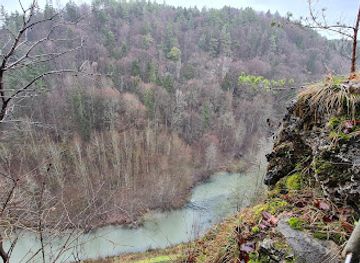
Explore Fürstenbaumuseum on the Map
A handpicked selection of must-see spots near Fürstenbaumuseum, mapped for you.
Getting There
-
Public Transport
From Würzburg city center, take bus line 9 from Residenzplatz or Juliuspromenade directly to the Schönborntor stop at Festung Marienberg (available April to October). Alternatively, take bus line 18 from the main train station (Hauptbahnhof) to the Oberer Burgweg stop, followed by a 10-minute walk uphill to the fortress entrance. A single bus fare is approximately €2-3. Check the WVV (Würzburger Verkehrs-Verbund) website for current schedules and fares.
-
Walking
A scenic, though somewhat strenuous, 20-25 minute walk to Festung Marienberg is possible from the Alte Mainbrücke (Old Main Bridge) via the Tellsteige path. This route involves a steep climb and stairs. An alternative, less steep route follows Schlossgasse, though it still involves a significant incline. No costs are associated with walking.
-
Taxi/Ride-Share
A taxi or ride-share from Würzburg city center to Festung Marienberg typically costs between €15-€19 and takes approximately 8 minutes, depending on traffic. There are designated taxi stands throughout the city center.
-
Driving
If driving, follow signs for Festung Marienberg. Paid parking is available near the fortress entrance (Oberer Burgweg). Parking fees are approximately €3 per day. Note that parking spaces are limited, especially during peak season.
Discover more about Fürstenbaumuseum













Your all‑in‑one travel companion app
Explore expert travel guides, compare and book tours, experiences, hotels, and more—all from the palm of your hand. Download now for seamless trip planning wherever your wanderlust takes you.


Explore More of Franconia
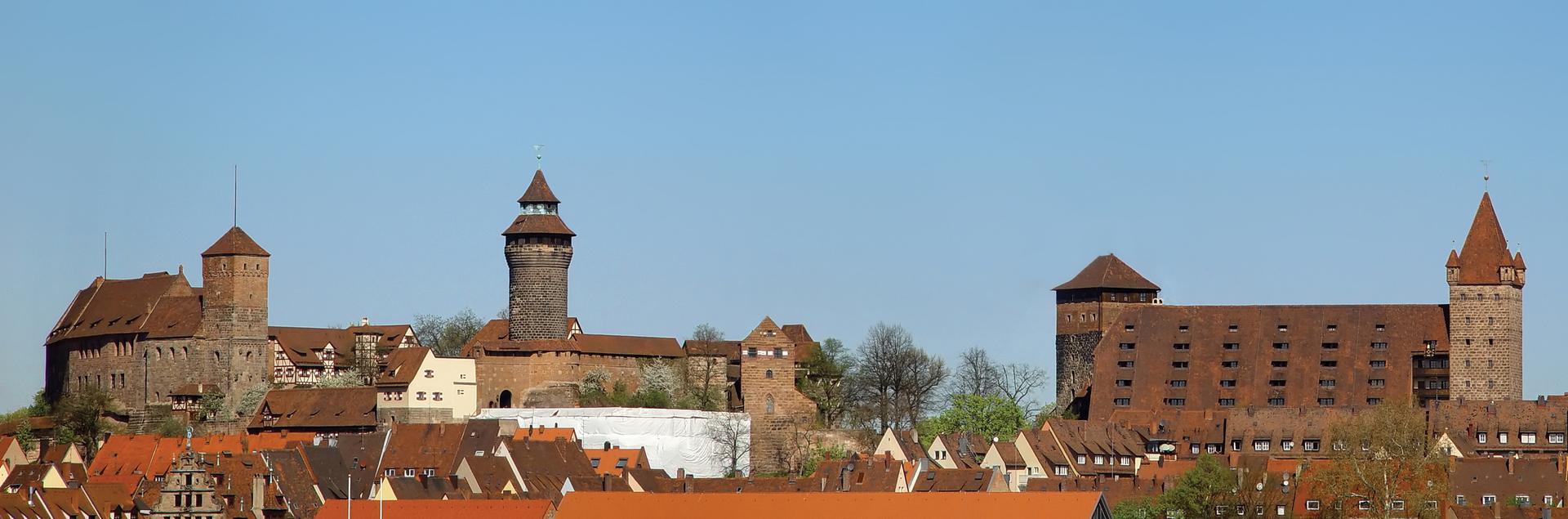
Looking beyond Fürstenbaumuseum? Discover Franconia for broader travel guides, local hot-spots, and regional highlights.
Explore Franconia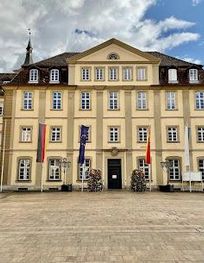
Explore the historic Würzburg City Hall, a Baroque architectural marvel in the heart of Würzburg, showcasing rich history and stunning artistry.

Discover Würzburg's oldest church, the Marienkirche, nestled within the historic Festung Marienberg, showcasing a blend of Romanesque, Gothic, and Renaissance architecture and centuries of Franconian history.
