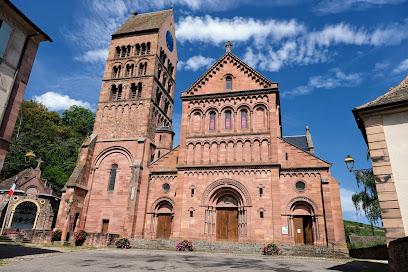
Église Saint-Pantaléon: A Romanesque Gem in Gueberschwihr
Discover the Romanesque charm of Église Saint-Pantaléon in Gueberschwihr, a historic village on the Alsace Wine Route, where medieval architecture meets neo-Romanesque artistry.
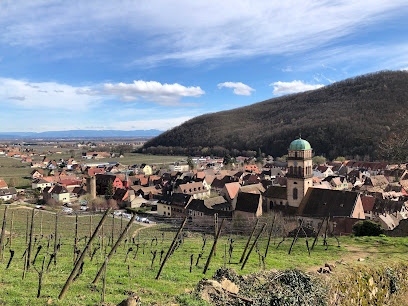
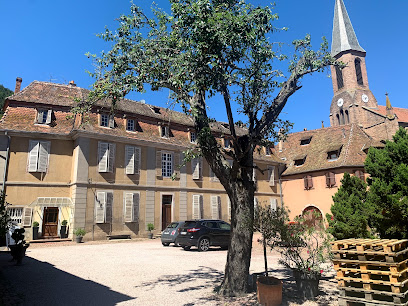
The Église Saint-Pantaléon, standing proudly on the Place de la Mairie in Gueberschwihr, is a captivating blend of architectural styles, dominated by its remarkably preserved Romanesque bell tower dating back to the 12th century. This historic village, nestled on the Alsace Wine Route, offers a picturesque setting for exploring this intriguing church. While the main body of the church was rebuilt in the neo-Romanesque style in the 19th century, the original tower remains a testament to the region's rich medieval past. Visitors can admire the intricate details of the tower, constructed from pink sandstone, and explore the church's interior, which houses artwork and stained glass from the late 19th century. The church's location in the heart of Gueberschwihr makes it an easily accessible and worthwhile stop for those touring the Alsace region.
A brief summary to Église Saint-Pantaléon de Gueberschwihr
- 13 Pl. de la Mairie, Gueberschwihr, 68420, FR
Local tips
- Visit during the grape harvest season (September-October) to experience the village's vibrant atmosphere and sample local wines.
- Take a guided tour of Gueberschwihr to learn about the village's history and architecture, including the church's Romanesque bell tower.
- Explore the Alsace Wine Route and visit nearby wineries to taste the region's renowned wines.

Getting There
-
Public Transport
From Colmar, take bus line 440 towards Guebwiller. The bus stops at 'GUEBERSCHWIHR - Chapelle' and 'GUEBERSCHWIHR - Mairie'. The church is located on Place de la Mairie, a short walk from either bus stop. A single bus fare costs approximately €3-€5.
-
Driving
From Colmar, follow the D83 south towards Guebwiller. Exit onto D106 towards Gueberschwihr. Upon entering Gueberschwihr, follow signs to the Place de la Mairie. Free parking is available in the town, including near the Place de la Mairie. Parking can be limited during peak tourist season.
-
Walking
If you are already in Gueberschwihr, the Église Saint-Pantaléon is easily accessible on foot. From most points in the village, follow signs to the Place de la Mairie. The church is located on the square, easily visible due to its prominent bell tower.
Discover more about Église Saint-Pantaléon de Gueberschwihr
Iconic landmarks you can’t miss

Église Saint-Pantaléon de Gueberschwihr
0.0 km
Discover the Romanesque charm of Église Saint-Pantaléon in Gueberschwihr, a historic village on the Alsace Wine Route, where medieval architecture meets neo-Romanesque artistry.
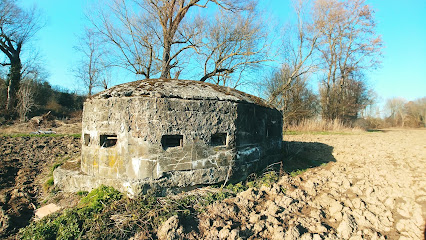
Ancien observatoire d'artillerie WW1
3.2 km
Explore a preserved German artillery observation post from World War I in Herrlisheim-près-Colmar, offering a glimpse into military history.
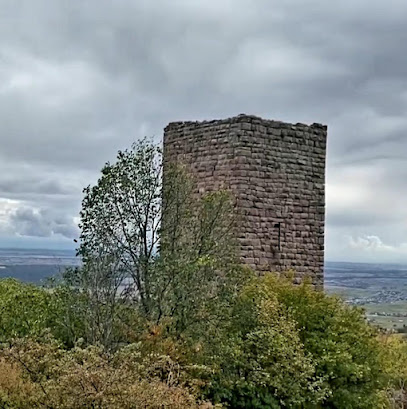
Château fort de Vaudémont
3.8 km
Explore the medieval Château Fort de Vaudémont in Eguisheim, France, with stunning architecture, panoramic views, and Alsatian charm.
L’Alsaciette
8.9 km
Explore Alsace through L'Alsaciette's Food & Wine Tours: Discover local winemakers, restaurants, and producers in a comfortable minibus journey.
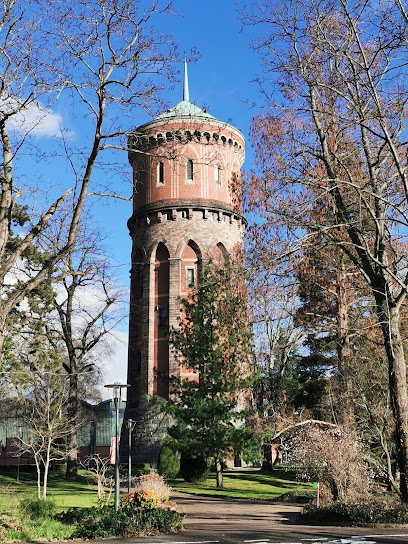
château d'eau
9.4 km
Discover Colmar's historic Château d'Eau, a stunning neo-Gothic water tower in a peaceful park, reflecting the city's rich architectural heritage.
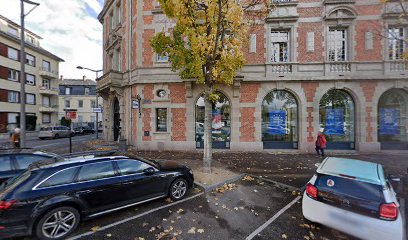
Les Grandes Maisons d'Alsace
9.4 km
Discover the collective excellence of Alsace wines at Les Grandes Maisons d'Alsace, an association of the region's top wine producers in Colmar.
Les Bateliers
9.8 km
Experience authentic Alsatian cuisine in a charming canal-side setting at Les Bateliers restaurant in Colmar's Petite Venise.
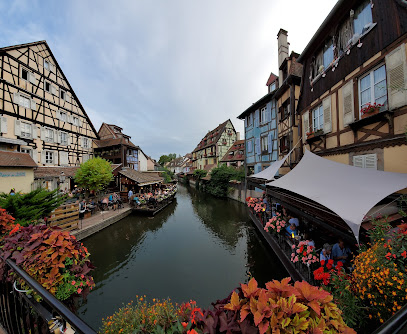
La Petite Venise
9.8 km
Experience the enchanting beauty of La Petite Venise, a historical gem in Colmar known for its canals, colorful houses, and vibrant culture.

The House of the St. John's Knights
9.9 km
Discover Colmar's architectural gem: The House of the St. John's Knights, a stunning Venetian-style building with a mysterious past.
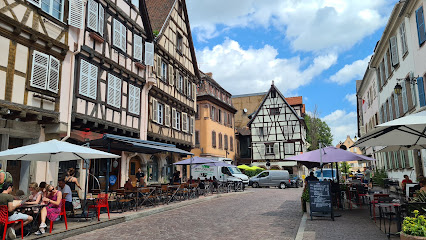
1 Pl. Rapp
10.0 km
Experience the picturesque charm of Place Rapp in Colmar, a vibrant square surrounded by stunning architecture and delightful culinary experiences.
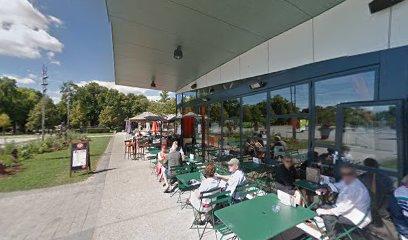
The Fishmonger District
10.0 km
Discover Colmar's charming Fishmonger District: a historic canal-side neighborhood with colorful architecture and a vibrant atmosphere.
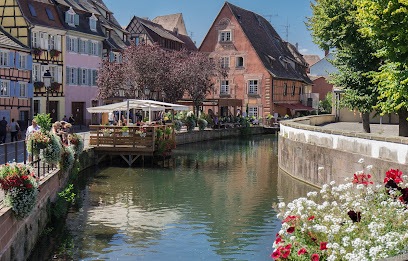
Maison Kern
10.0 km
Discover Maison Kern in Colmar: A stunning Renaissance monument on the picturesque Place du Marché aux Fruits, showcasing Alsatian architectural heritage.
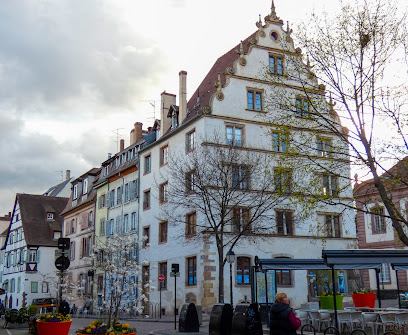
Maison Wildungshof
10.0 km
Discover Maison Wildungshof in Colmar: A historical gem with Renaissance architecture and a Voltaire connection, offering a glimpse into Alsace's rich past.
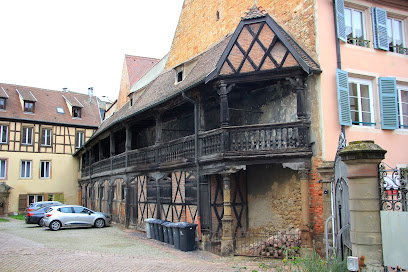
Vieille ville
10.1 km
Explore Colmar's Vieille Ville: a charming blend of history, architecture, and Alsatian culture in a fairytale setting.
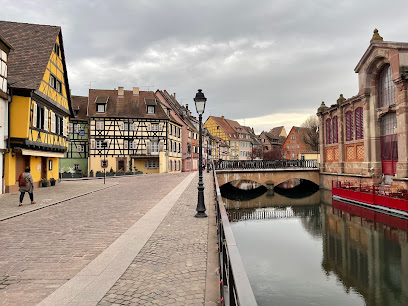
Quartier des Tanneurs
10.1 km
Discover Colmar's Quartier des Tanneurs: A charming historical district with half-timbered houses, reflecting the city's rich cultural heritage.
Unmissable attractions to see

Sentier de l'écureuil
3.8 km
Discover the enchanting forests of Alsace on the Sentier de l'écureuil, a perfect family hike near the historic village of Husseren-les-Châteaux.
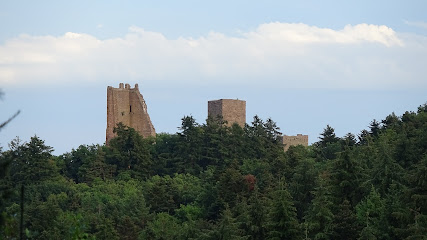
The Three Castles of Eguisheim
3.8 km
Explore the enchanting Three Castles of Eguisheim, a medieval treasure set in picturesque Alsace, offering stunning views and rich local heritage.
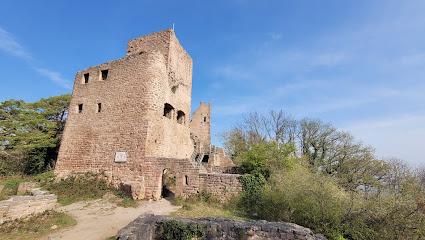
Domaine Charles Baur
4.8 km
Experience the rich flavors and breathtaking views at Domaine Charles Baur, a premier winery in the picturesque village of Eguisheim, Alsace.
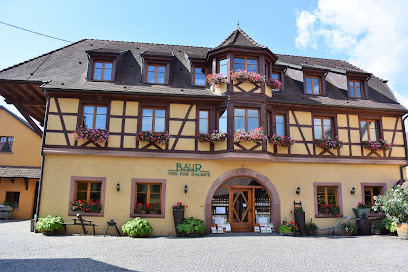
Domaine Emile Beyer - Vins d'Alsace
4.9 km
Explore Domaine Emile Beyer in Eguisheim, a historic vineyard offering exquisite Alsace wines and unforgettable tasting experiences amidst scenic landscapes.
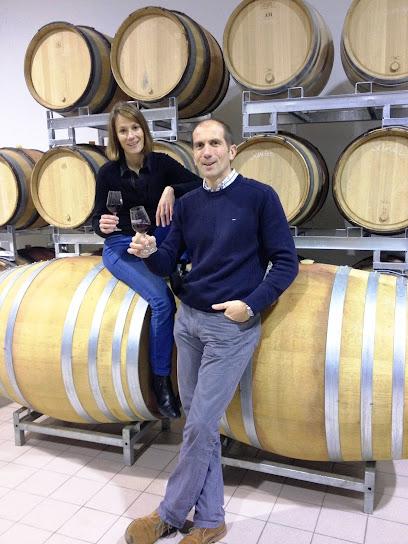
Domaine Joseph Gruss & Son (Fine Wines of Alsace)
4.9 km
Discover the authentic taste of Alsace at Domaine Joseph Gruss & Son in Eguisheim, where family tradition meets exceptional wines in a charming and picturesque setting.
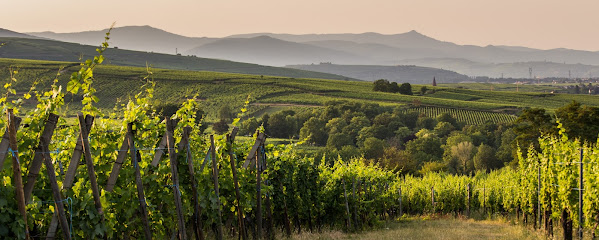
Eguisheim
4.9 km
Experience the medieval charm and vibrant wine culture of Eguisheim, a picturesque village in the heart of Alsace, France.
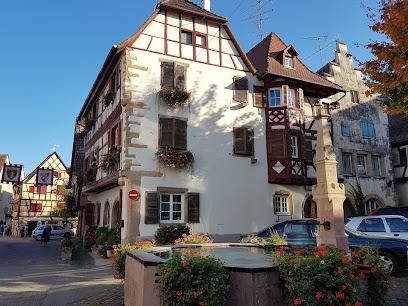
village d'Eguisheim
5.3 km
Discover the enchanting village of Eguisheim, a picturesque gem in Alsace, France, famous for its stunning half-timbered houses and rich wine culture.
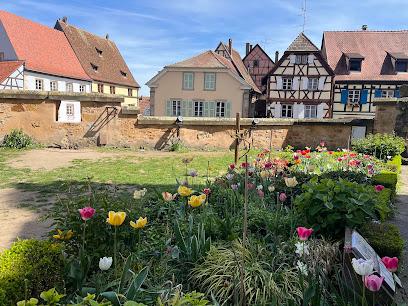
Église Notre-Dame de l'Assomption
5.7 km
Explore the breathtaking Église Notre-Dame de l'Assomption in Rouffach, a stunning Catholic church rich in history and architectural beauty.
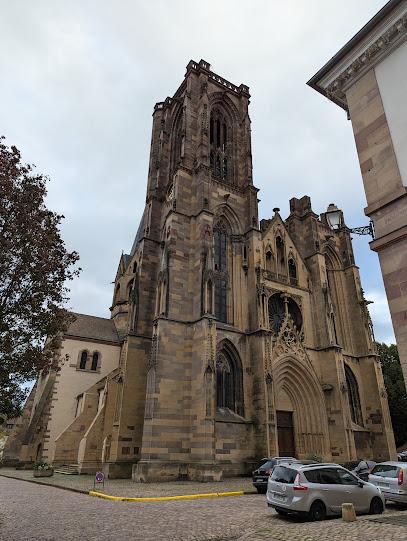
Domaine Léon Boesch
5.7 km
Discover the biodynamic wines of Domaine Léon Boesch in Alsace's Vallée Noble, where tradition meets sustainability for an unforgettable tasting experience.
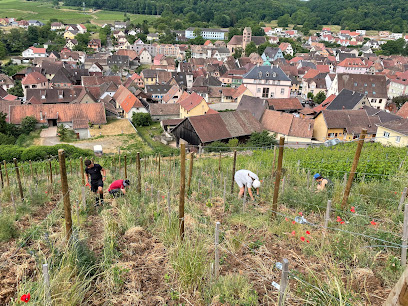
Château de Pflixbourg
7.1 km
Explore the medieval ruins of Château de Pflixbourg in Alsace, offering panoramic views and a glimpse into the region's rich history.
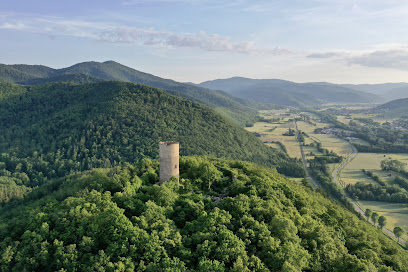
Musée des usines municipales de Colmar
9.1 km
Explore Colmar's industrial evolution at the Musée des Usines Municipales, showcasing the innovations in water, gas, electricity, and transport that shaped the city from the 19th century.
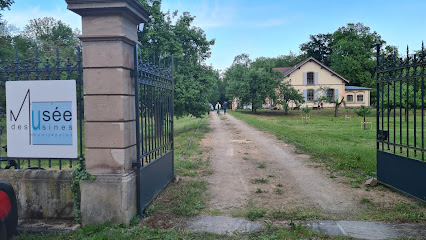
Porte de Munster (Obertor)
9.1 km
Step through Turckheim's Porte de Munster, a medieval gate steeped in history, from its defensive past and somber witch trial connections to its role as a pilgrimage stop.
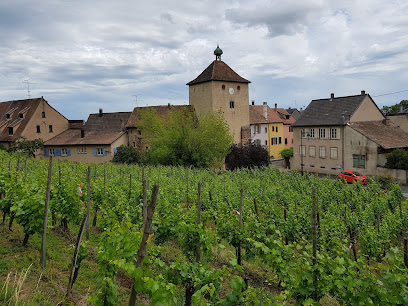
Promenade de la Lauch
9.1 km
Escape to the serene Promenade de la Lauch in Colmar, a picturesque riverside park offering tranquil walks, vibrant scenery, and a peaceful retreat in the heart of Alsace.
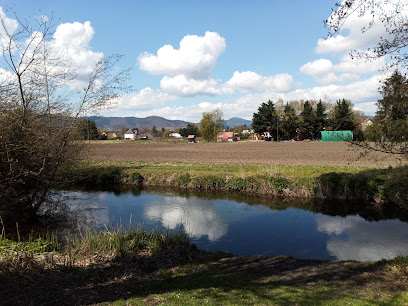
CELLAR TURCKHEIM
9.1 km
Discover the authentic flavors of Alsace at Cellar Turckheim, where tradition meets exquisite wine in a charming setting.
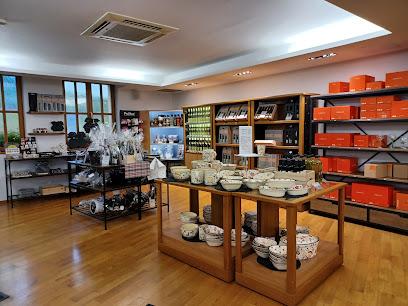
Musée Mémorial des combats de la Poche de Colmar
9.3 km
Discover the compelling story of the Colmar Pocket battles at the Musée Mémorial in Turckheim, a tribute to the liberation of Alsace and a poignant reminder of the cost of freedom.
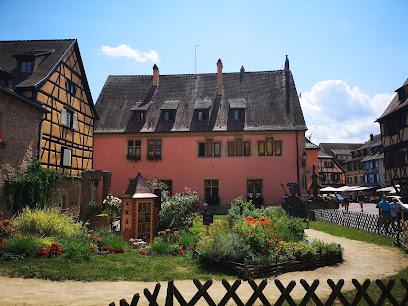
Essential places to dine

Restaurant Le Caveau des Seigneurs
2.2 km
Experience authentic French cuisine in the heart of Hattstatt at Restaurant Le Caveau des Seigneurs, where local flavors meet exceptional hospitality.
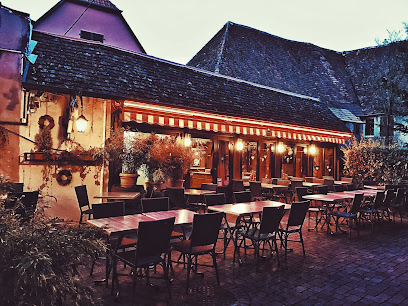
Au Vieux Porche
4.7 km
Experience authentic French cuisine in Eguisheim's picturesque setting at Au Vieux Porche.
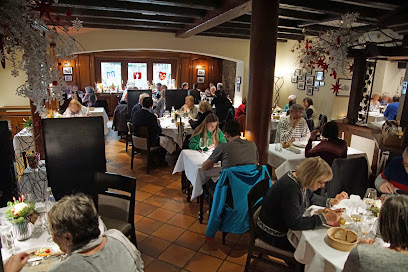
Auberge Au Vieux Pressoir
6.8 km
Experience authentic French flavors at Auberge Au Vieux Pressoir in Westhalten - a culinary delight nestled in picturesque surroundings.
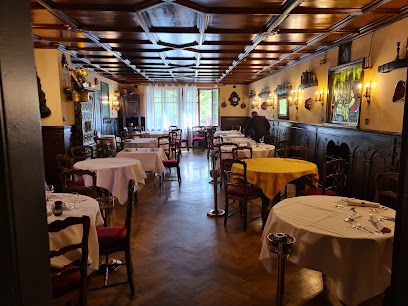
Auberge du Brand
9.1 km
Discover authentic French cuisine and warm hospitality at Auberge du Brand in Turckheim – a true Alsatian delight.
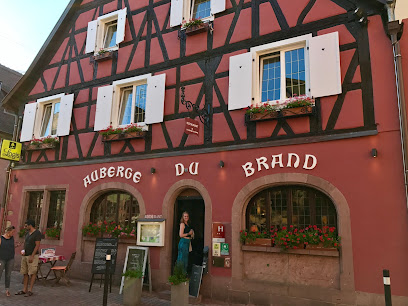
Restaurant Brasserie l'Auberge
9.3 km
Savor authentic French cuisine at Brasserie l'Auberge in Colmar – where every dish tells a story.
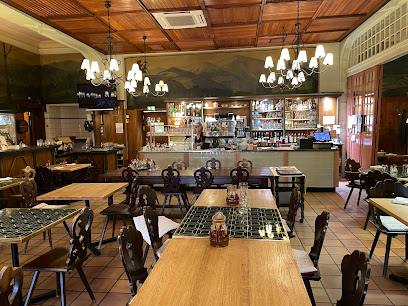
Caveau Saint-Pierre
9.7 km
Experience authentic French cuisine in Colmar at Caveau Saint-Pierre - where tradition meets taste.
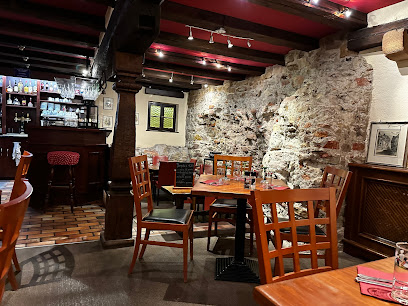
Restaurant L'Essentiel
9.7 km
Experience authentic French cuisine in Colmar at Restaurant L'Essentiel, where every dish tells a story of local flavors and culinary excellence.
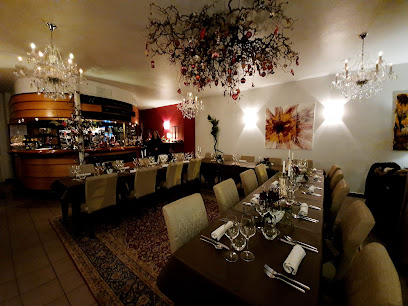
Lüser Stub
9.8 km
Experience authentic Alsatian cuisine at Lüser Stub in Colmar - a must-visit restaurant combining local flavors with warm hospitality.
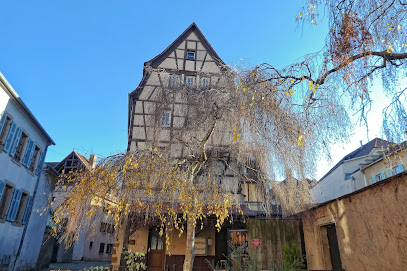
Restaurant À l'Échevin
9.8 km
Experience exquisite French cuisine at Restaurant À l'Échevin in Colmar – where tradition meets modern elegance.
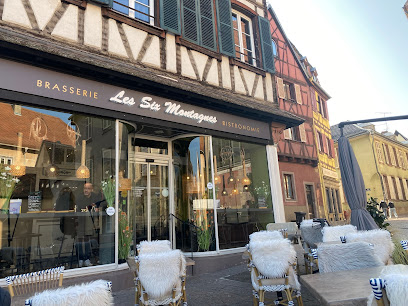
Les Six Montagnes
9.8 km
Discover traditional Alsatian cuisine at Les Six Montagnes in Colmar—where every dish tells a story of local flavors.
JY's
9.8 km
Experience gastronomic artistry at JY's in Colmar—where every dish tells a story through exquisite flavors and impeccable presentation.
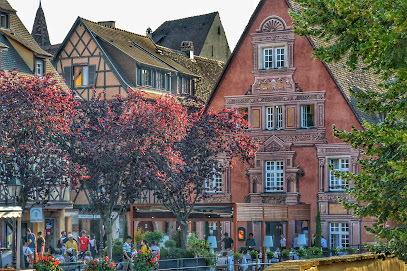
WISTUB BRENNER
9.9 km
Discover authentic Alsatian flavors at Wistub Brenner, a charming restaurant in Colmar offering delightful French cuisine in an inviting atmosphere.
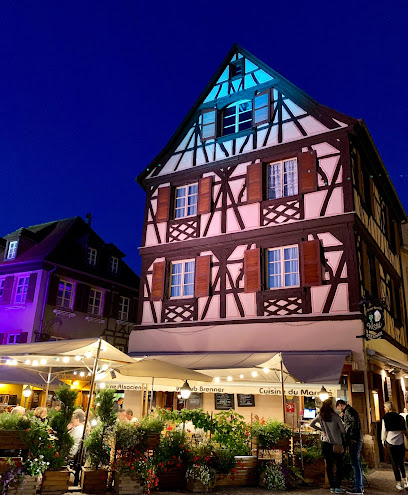
Wistub de la Petite Venise
9.9 km
Discover authentic Alsatian flavors at Wistub de la Petite Venise in Colmar - a culinary gem offering traditional French dishes in a charming setting.
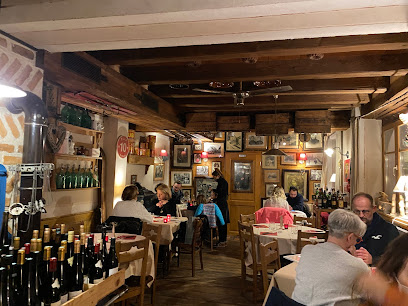
La Stub
9.9 km
Experience authentic Alsatian cuisine at La Stub in Colmar—where tradition meets taste in a charming atmosphere.
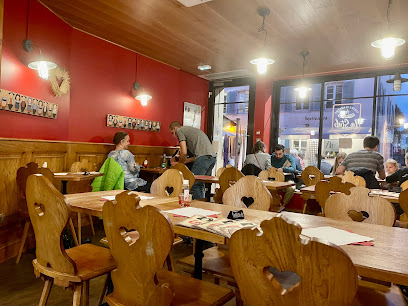
Bord'eau Restaurant
9.9 km
Experience exquisite French cuisine at Bord'eau Restaurant in Colmar—where culinary artistry meets local charm.
Markets, malls and hidden boutiques

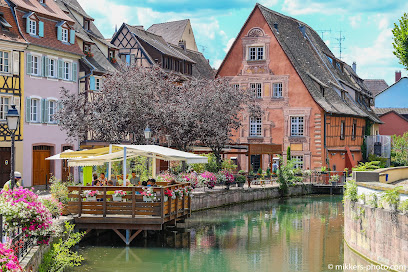
Domaine Gueth - Vins d'Alsace Bio, oenotourisme et chambre d'hôtes, aire camping-car
1.0 km
Discover Domaine Gueth: A picturesque winery in Alsace offering organic wines, cozy accommodations, and unforgettable oenotourism experiences.
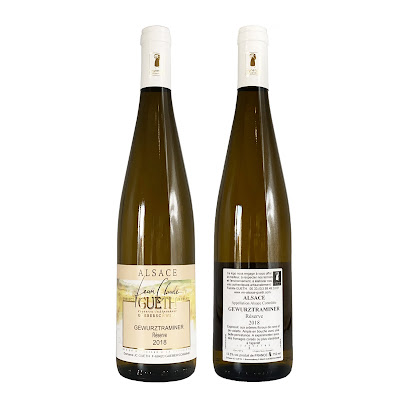
Cattin - Great Wines & Crémant d'Alsace
2.1 km
Explore the exquisite wines of Cattin in Alsace, where tradition meets breathtaking landscapes for an unforgettable tasting experience.
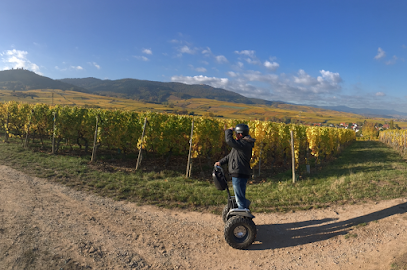
Vignoble André Scherer
3.4 km
Explore Vignoble André Scherer, a charming winery in Alsace offering exquisite wines and stunning vineyard views, perfect for a unique wine experience.
Wolfberger - Cave Eguisheim
4.9 km
Explore the exquisite wines of Wolfberger - Cave Eguisheim, a historic winery nestled in the stunning Alsatian countryside, offering tastings and tours.
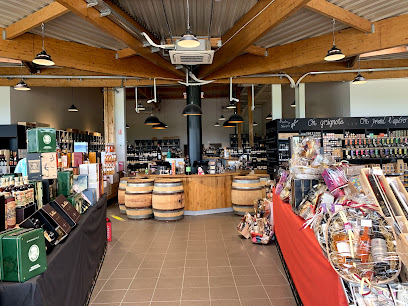
Roi des Vins Colmar
7.7 km
Experience the best of Alsatian wines and gourmet delights at Roi des Vins, your premier wine store in Colmar, France.
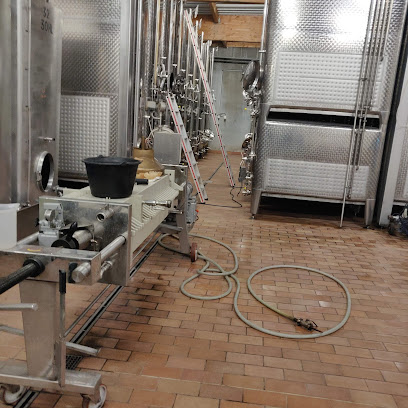
Vins d'Alsace Hubert KRICK
7.7 km
Explore the exquisite wines and rich heritage of Alsace at Vins d'Alsace Hubert KRICK, a must-visit winery in Wintzenheim.
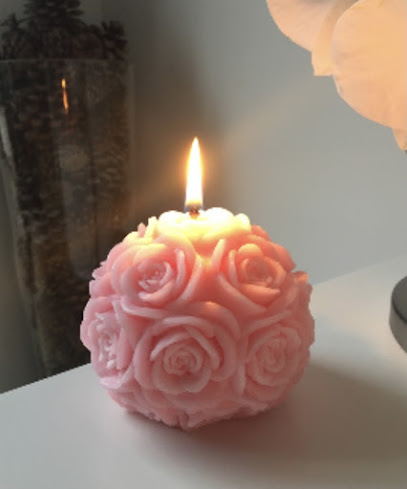
Les Senteurs de Lori Made in Alsace
8.7 km
Experience the exquisite craftsmanship of handmade candles and wellness products at Les Senteurs de Lori in the heart of Alsace.
Les Vitrines de Colmar
9.4 km
Experience the vibrant shopping and dining scene at Les Vitrines de Colmar, where Alsatian culture meets modern charm.

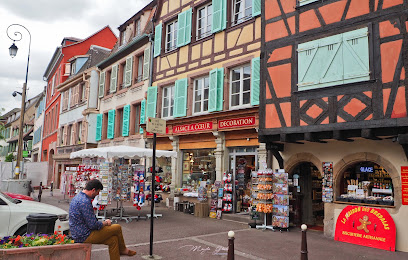
Souvenirs Alsace A Coeur Decoration
9.8 km
Explore the charm of Alsace through unique souvenirs at Souvenirs Alsace A Coeur Decoration in Colmar, where memories are crafted with love.
Avenue d'Alsace - boutique de linge de maison et accessoires
9.9 km
Discover Avenue d'Alsace in Colmar, a boutique offering exquisite linens, unique baby items, and elegant home accessories for every occasion.
L'Amie d'Antoine - Boutique de souvenir d'Alsace et d'objet de décoration
10.0 km
Explore L'Amie d'Antoine: A unique souvenir store and gourmet grocery in Colmar, showcasing the best of Alsace's culture and flavors.
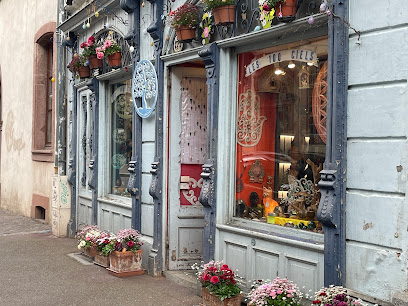
Les 100 Ciels
10.0 km
Explore Les 100 Ciels in Colmar, a charming gift shop filled with unique souvenirs and artisan crafts that capture the essence of the Alsace region.
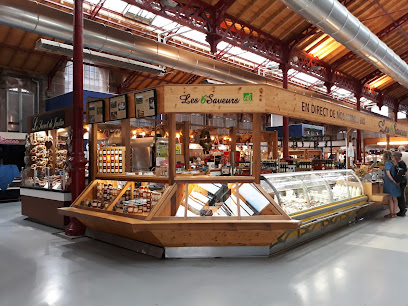
Marché Couvert Colmar
10.0 km
Discover the culinary heart of Colmar at Marché Couvert, where local produce and specialty foods create a vibrant market experience.
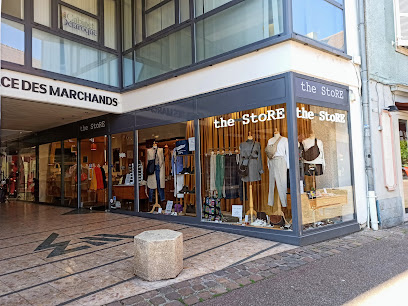
The Store
10.1 km
Explore The Store in Colmar for an exquisite selection of women's clothing and fashion accessories that redefine your style.
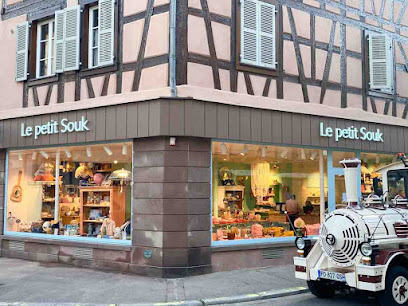
Le petit Souk Colmar
10.1 km
Explore the enchanting Le Petit Souk, where unique gifts, charming toys, and delightful home goods await in the heart of Colmar.
Essential bars & hidden hideouts

LS Bar
4.9 km
Discover the perfect blend of local charm and vibrant nightlife at LS Bar in Eguisheim, where every sip tells a story.
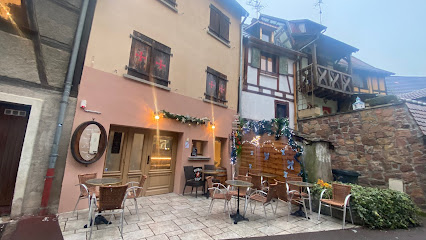
The Little Roof
5.2 km
Experience the charm of Eguisheim at The Little Roof, where local wines and craft cocktails meet cozy ambiance.
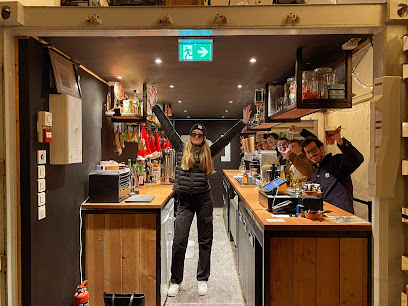
K Bar
9.8 km
Experience the vibrant nightlife of Colmar at K Bar, where exquisite cocktails and a chic atmosphere await you.
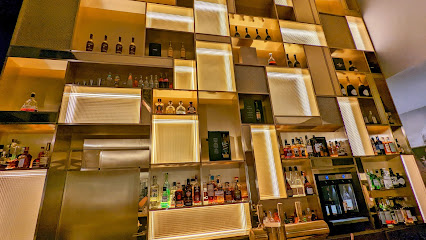
La Folie
9.8 km
Discover the exquisite wines and cocktails of La Folie, a must-visit wine bar in Colmar, where every sip tells a story of tradition and passion.
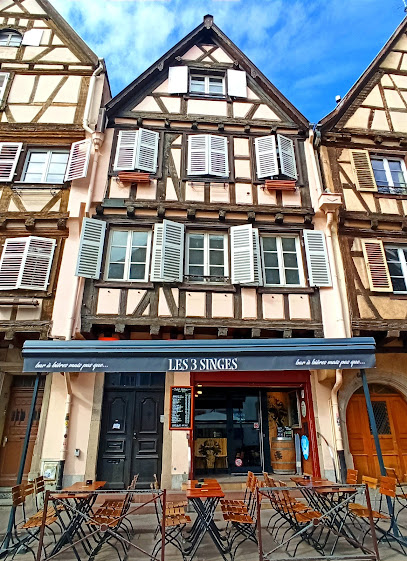
The 3 Monkeys
9.9 km
Discover the lively atmosphere and delightful drinks at The 3 Monkeys, a vibrant pub in the heart of Colmar's charming streets.
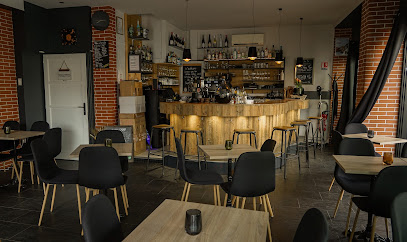
L’Un des Sens | Assiettes gourmandes et canons à partager au bar à vin intimiste du vieux Colmar
10.0 km
Discover the delightful fusion of gourmet dishes and exquisite wines at L’Un des Sens, your intimate wine bar in Colmar.
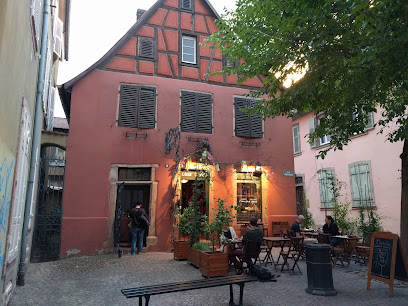
Les Incorruptibles
10.0 km
Experience the vibrant atmosphere and delightful drinks at Les Incorruptibles, a must-visit bar in the heart of Colmar, France.
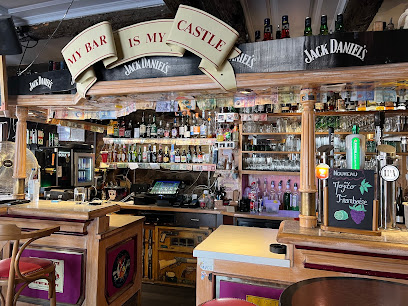
Pub James'On
10.0 km
Experience the vibrant atmosphere and delicious flavors at Pub James'On, a charming pub in the heart of Colmar, France.
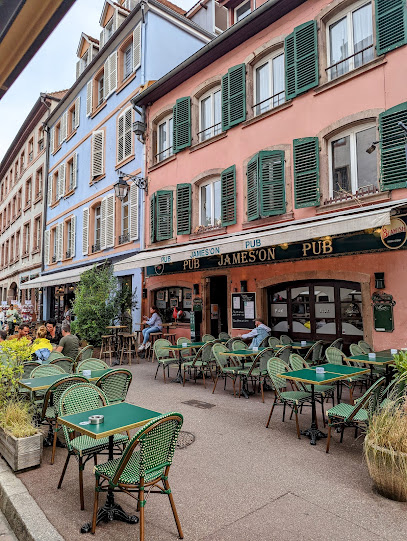
MANNALA PILS
10.0 km
Experience the vibrant charm of Mannala Pils, a premier bar in Colmar, France, known for its craft drinks and lively atmosphere.
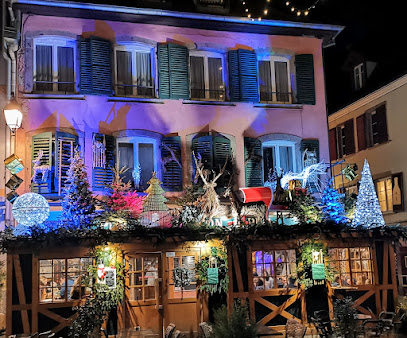
Le Shelby Colmar
10.1 km
Discover the vibrant nightlife at Le Shelby Colmar, where craft beers, cocktails, and wines await in a cozy and lively atmosphere.
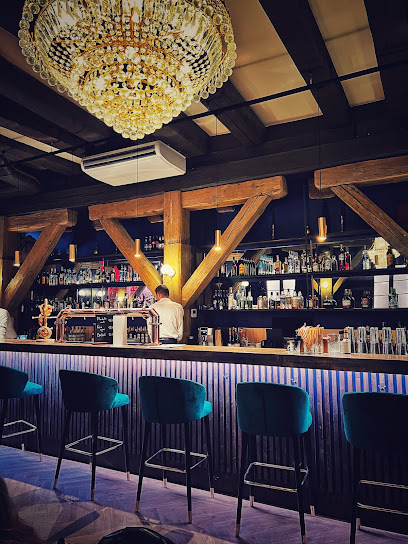
Les Augustins
10.1 km
Experience the exquisite charm of Colmar's Les Augustins, a wine bar offering the finest local wines in an elegant and cozy atmosphere.
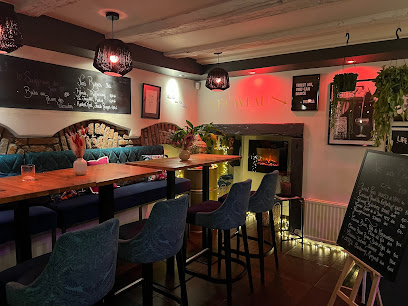
Le Murphy's
10.1 km
Experience the vibrant spirit of Ireland at Le Murphy's, the heart of Colmar's nightlife with live music and a diverse drink menu.
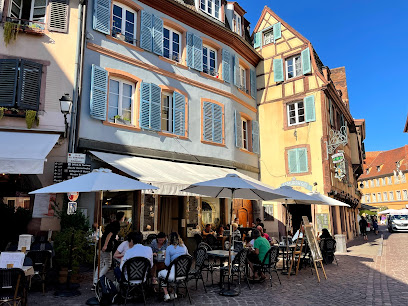
Café des Marchands
10.1 km
Experience the best of Alsace wines and craft beers at Café des Marchands in the heart of Colmar, a cozy haven for all wine and beer lovers.
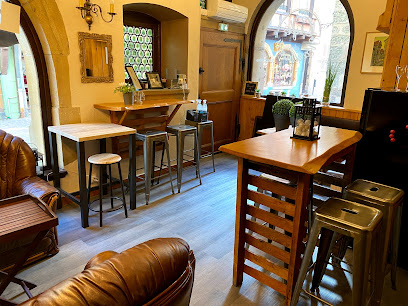
DEER AND BEER
10.1 km
Experience the charm of Colmar at Deer and Beer, where local brews and delicious fare come together in a rustic atmosphere.
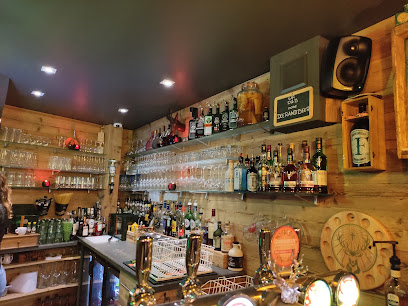
Chez Moi
10.1 km
Experience the charm of Colmar at Chez Moi, a cozy bar and café offering delightful drinks and a welcoming atmosphere.
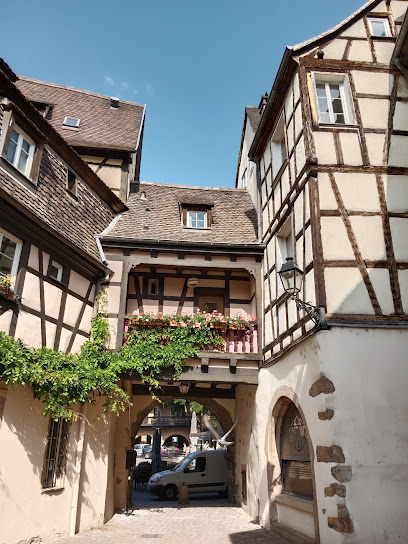
Nightclubs & after hour spots

Cotton Club
9.3 km
Experience the vibrant nightlife of Colmar at the Cotton Club, where music, drinks, and culture come together for an unforgettable evening.
Le Saphir
10.0 km
Experience the chic ambiance and vibrant nightlife at Le Saphir, a stylish lounge in Ingersheim perfect for unwinding with exquisite cocktails.
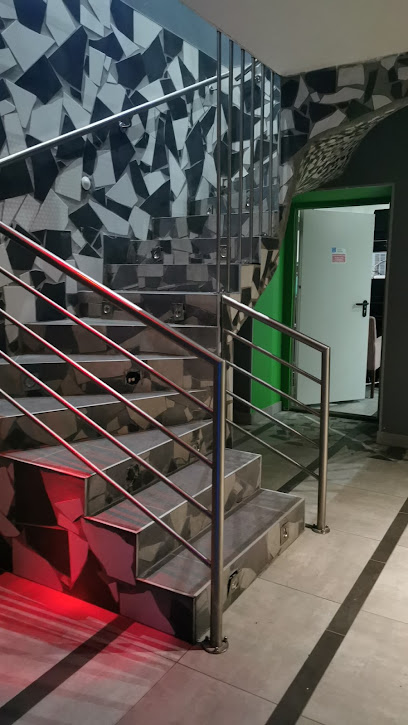
shmeio
10.2 km
Discover the vibrant nightlife of Colmar at Shmeio, where pulsating music and an electrifying atmosphere await to create unforgettable memories.
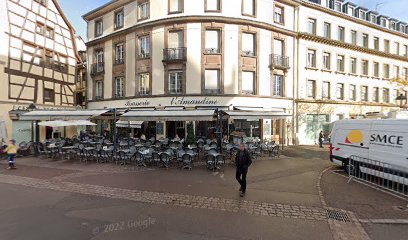
Black Velvet
10.3 km
Experience the joy of singing at Black Velvet Karaoke Bar, a vibrant lounge in Colmar that promises fun nights and unforgettable performances.
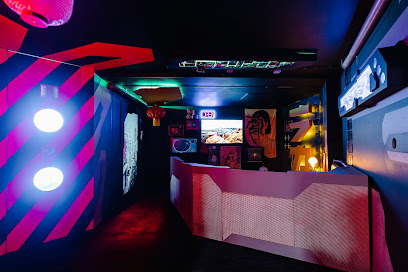
Collis Martis
12.0 km
Discover the vibrant Collis Martis in Colmar, a unique blend of bar, concert hall, and French restaurant offering unforgettable experiences.
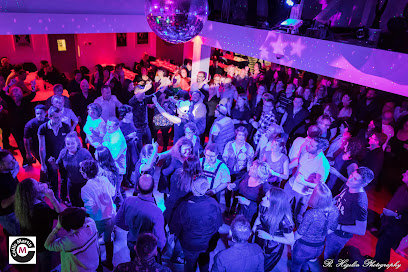
AM EVENTS | Bar & Tapas à Colmar
12.4 km
Discover the vibrant atmosphere and delicious tapas at AM EVENTS, a must-visit bar in the heart of Colmar, France.
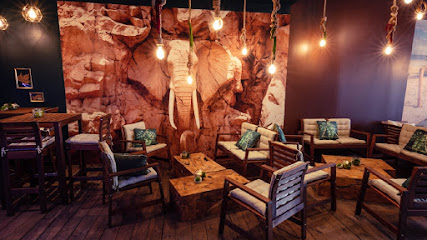
Nis Club
12.6 km
Experience the thrilling nightlife at Nis Club in Horbourg-Wihr, where vibrant beats and a stylish ambiance create unforgettable nights of fun and excitement.
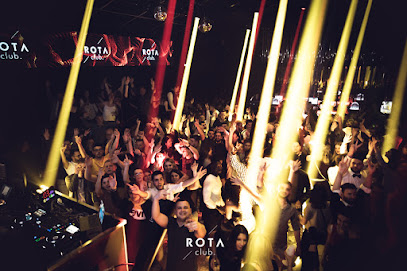
LE ROTA CLUB
12.8 km
Dive into the vibrant nightlife of Colmar at Le Rota Club, where music and atmosphere unite for an unforgettable night out.
K CLUB
13.7 km
Experience the enchanting atmosphere of K CLUB, Colmar's premier hookah bar with a delightful menu and vibrant nightlife.
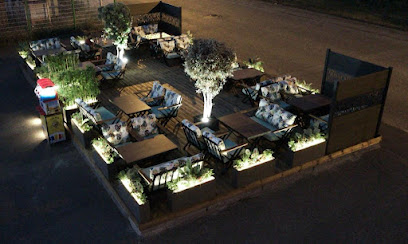
L Evasion
17.8 km
Discover the energetic nightlife of Riquewihr at L Evasion, where music and dancing create unforgettable memories.
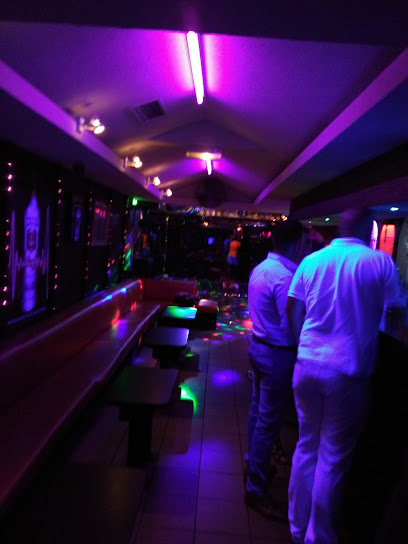
Gérardmer discothèque
30.5 km
Experience electrifying nightlife at Gérardmer Discothèque, the must-visit night club in the Vosges region, where music, dance, and fun collide.
Discothèque le Caveau
30.6 km
Discover the lively nightlife at Discothèque le Caveau in Gérardmer, where music, dancing, and fun come together for an unforgettable experience.

Discothèque Le Black Pearl Club
30.6 km
Experience the vibrant nightlife at Discothèque Le Black Pearl Club in Gérardmer, where electrifying music meets a lively atmosphere.
La maison du bonheur
36.1 km
Experience the vibrant nightlife of Rochesson at La Maison du Bonheur, a lively night club filled with music, dance, and local flair.
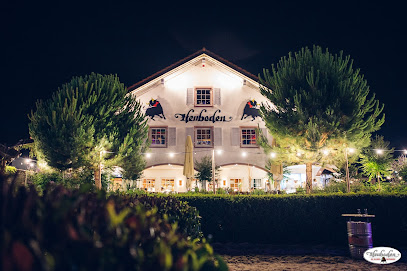
Heuboden Dancing Club
36.4 km
Experience the vibrant nightlife at Heuboden Dancing Club in Umkirch, where music, dancing, and cocktails meet for an unforgettable evening.