
Burg Hohenstein, Hesse Travel Guide
Explore the majestic ruins of Burg Hohenstein, a historic castle in the Taunus region offering panoramic views and a glimpse into medieval life, perfect for history buffs and nature lovers.
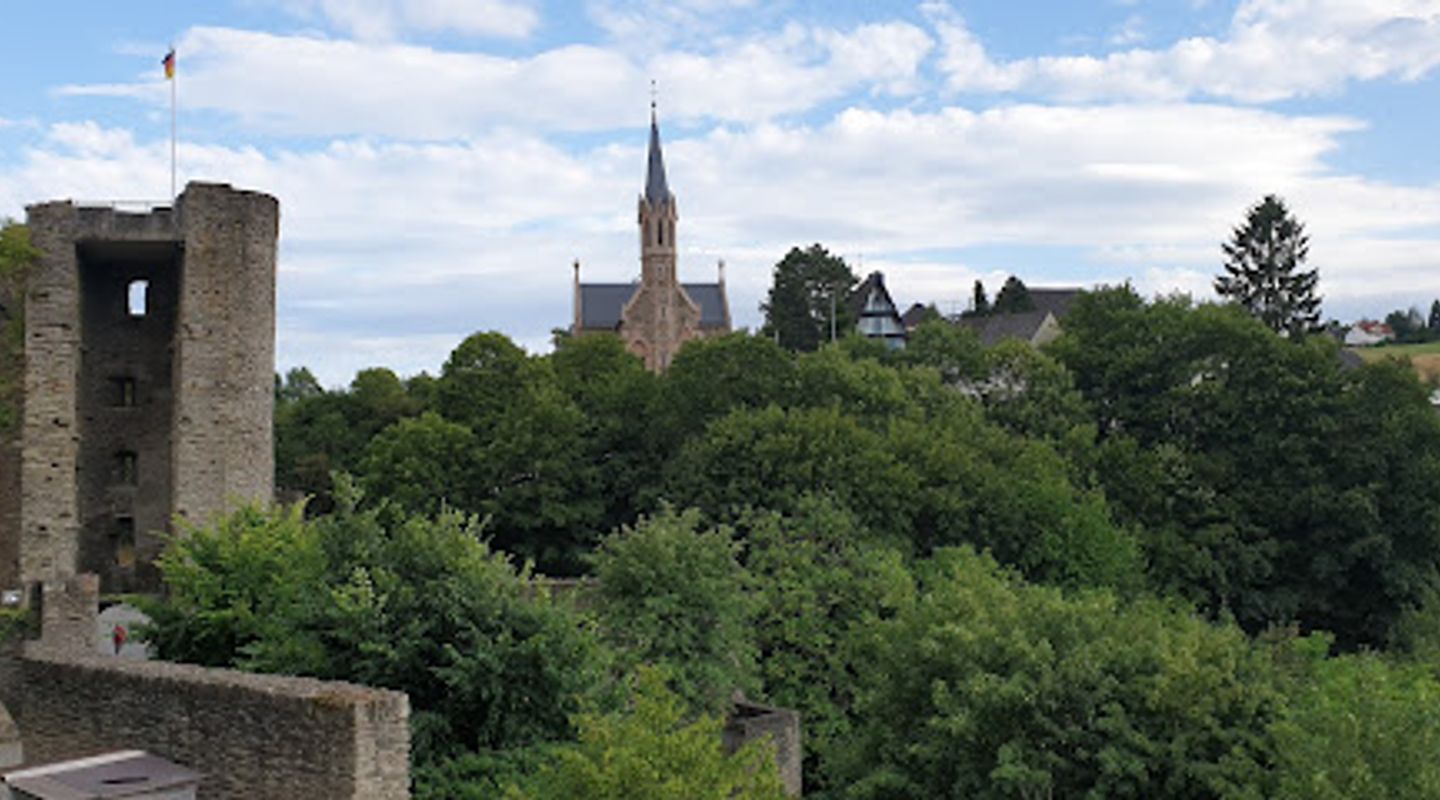
Burg Hohenstein, a majestic castle ruin in the Rheingau-Taunus region of Hesse, Germany, offers a captivating glimpse into medieval history. Perched atop a rugged rock formation in the Aar valley, near Bad Schwalbach, the expansive site reveals layers of architectural evolution spanning centuries. Originally built around 1190 by a collateral line of the Counts of Katzenelnbogen, it served as a strategic bulwark. The castle saw significant expansion in the 15th century and later modernization under Landgrave Moritz of Hesse-Kassel. Though bombarded during the Thirty Years' War and subsequently left in disrepair, the remaining structures—including the imposing keep, inner and outer shield walls, and gate tower—testify to its former grandeur. Today, Burg Hohenstein is a popular destination, hosting open-air performances and offering panoramic views of the surrounding Taunus landscape. Visitors can explore the grounds, imagining life within its once-imposing walls.
A brief summary to Burg Hohenstein
- Burgstraße 12, Hohenstein, Burg-Hohenstein, 65329, DE
- Click to display
- Click to display
- Monday 10 am-6 pm
- Tuesday 10 am-6 pm
- Wednesday 10 am-6 pm
- Thursday 10 am-6 pm
- Friday 10 am-6 pm
- Saturday 10 am-6 pm
- Sunday 10 am-6 pm

Know before you go
Hi, I'm Eve. Here are a few practical things to know before exploring Burg Hohenstein.
- Wear sturdy shoes as the terrain within the castle ruins is uneven and involves climbing stairs.
- Check the schedule for open-air performances at the castle for a unique cultural experience.
- Bring a camera to capture the panoramic views of the Taunus landscape from the castle's vantage points.
- Pack a picnic to enjoy on the castle grounds, as there are limited food options directly at the site.
- Visit during the week to avoid larger crowds, especially during peak tourist season.
Do you manage this location?
Take control to get all the benefits, like improved information, better appearance, and stronger visibility across AI-powered discovery. Learn more about listing your business on Evendo
Activate your presenceOther nearby places you may find interesting
The closest places of the same kind, if this one is not quite what you had in mind.

Explore Burg Hohenstein on the Map
A handpicked selection of must-see spots near Burg Hohenstein, mapped for you.
Unlock the Best of Burg Hohenstein
Buy tickets
-
No tickets available
Book tours with entry
-
No tours available
Book tours without entry

Getting There
-
Driving
If driving, navigate towards Hohenstein via B54. Once in Hohenstein, follow signs for 'Burg' or 'Burg Hohenstein'. Parking is available near the castle, and it's free. However, spaces can be limited, especially on weekends. From the parking area, it's a short, uphill walk to the castle entrance.
-
Public Transport
The nearest train station is in Wiesbaden. From Wiesbaden Hauptbahnhof, take a regional train (S-Bahn) to Bad Schwalbach. From Bad Schwalbach, take Bus Line 222 towards Hohenstein. Get off at the stop 'Hohenstein, Burgstraße,' which is a short walk (approximately 300 meters) to Burg Hohenstein. A single bus fare from Bad Schwalbach to Hohenstein costs approximately €3-5. Check the bus schedule in advance as service may be infrequent, especially on Sundays and holidays.
-
Walking
From the 'Hohenstein, Burgstraße' bus stop, walk along Burgstraße. The castle will be on your left-hand side. The walk is uphill and takes about 5-10 minutes. Follow the signs for Burg Hohenstein. The path is well-maintained but can be steep in some sections.
Discover more about Burg Hohenstein













Your all‑in‑one travel companion app
Explore expert travel guides, compare and book tours, experiences, hotels, and more—all from the palm of your hand. Download now for seamless trip planning wherever your wanderlust takes you.


Explore More of Hesse
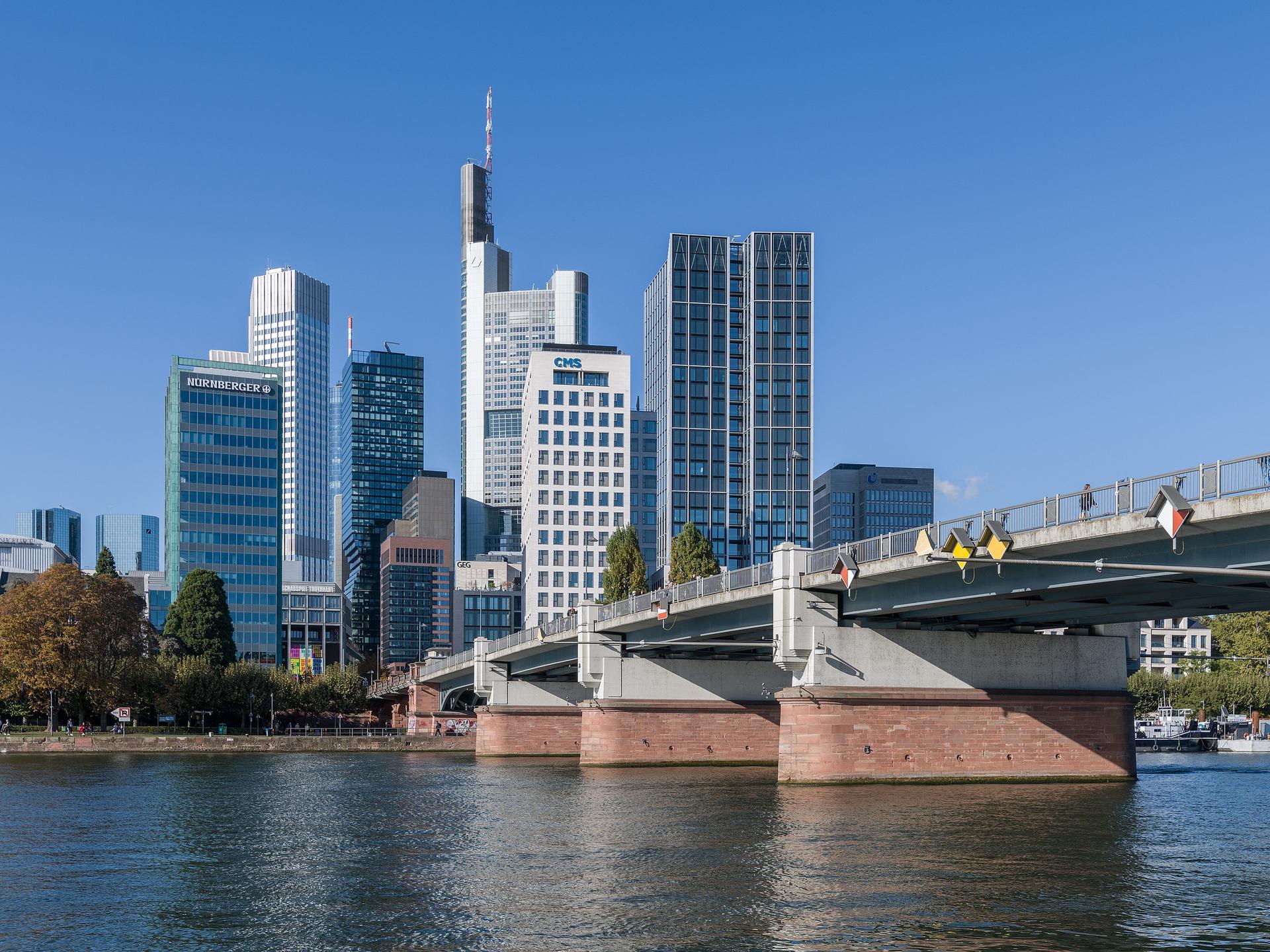
Looking beyond Burg Hohenstein? Discover Hesse for broader travel guides, local hot-spots, and regional highlights.
Explore Hesse
Explore the grandeur of the Mammutbaum in Taunusstein, a stunning natural attraction that captivates with its beauty and offers a serene escape into nature.
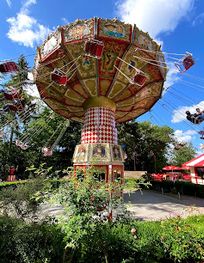
Experience the thrill of Taunus Wunderland, a captivating amusement park nestled in the beautiful Taunus region, perfect for family fun and adventure.
