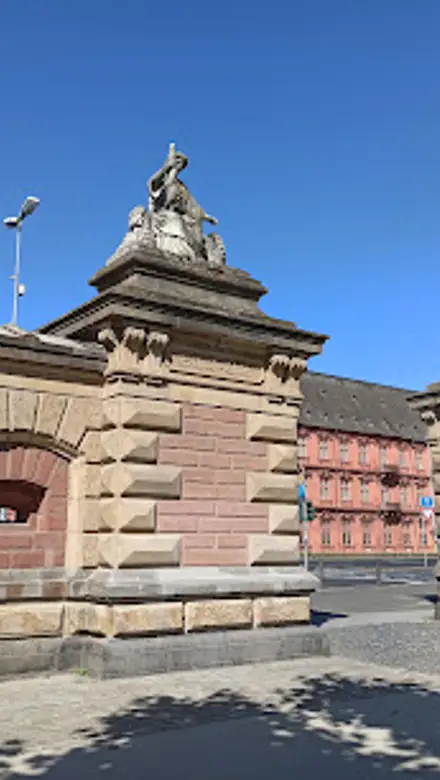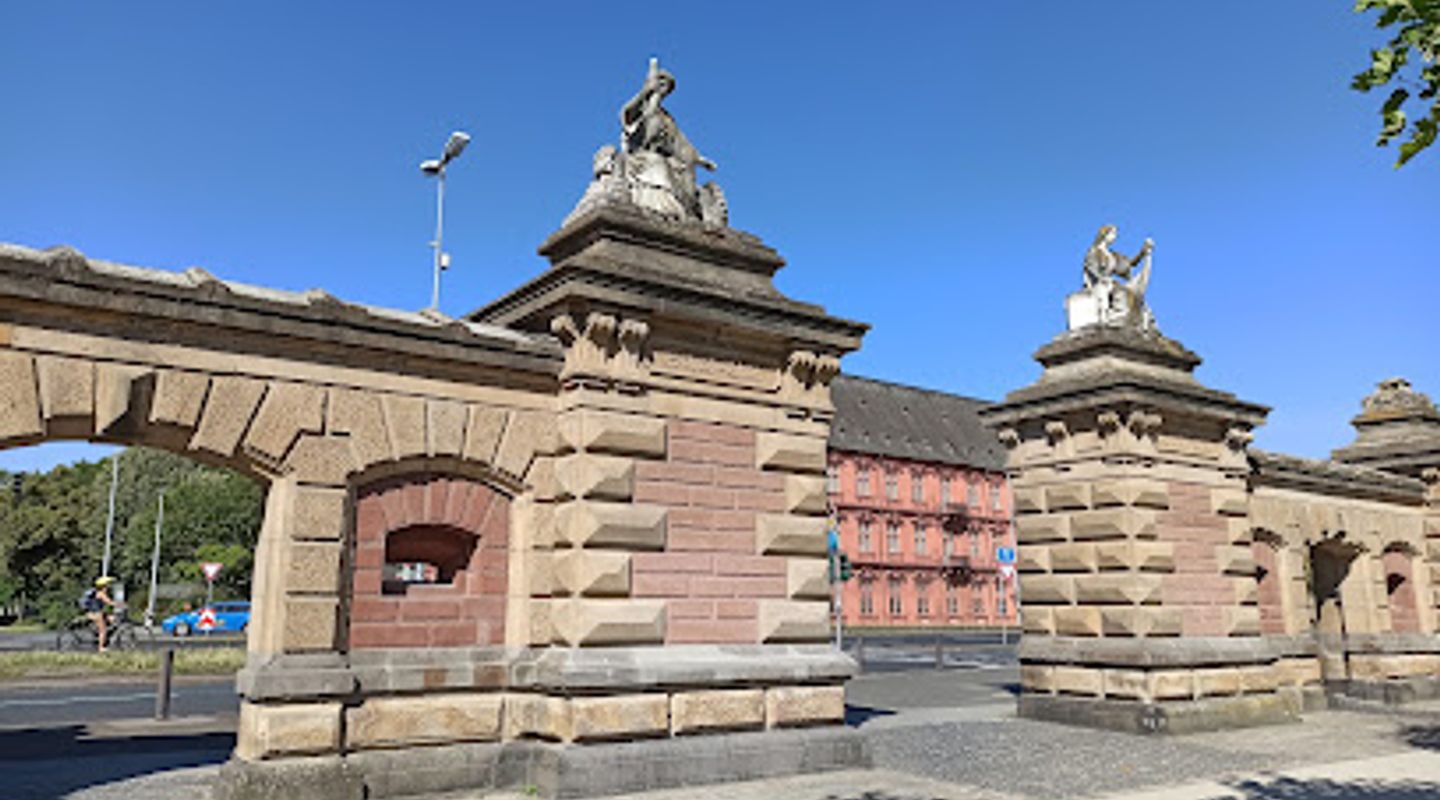
Castle Gate, Hesse Travel Guide
Explore the imposing Castle Gate, a key part of Fortress Mainz, revealing centuries of military history and offering panoramic views of the city and the Rhine.
The Castle Gate, a prominent feature of the historic Fortress Mainz, stands as a testament to the city's strategic importance and rich military past. Originally part of a sprawling defensive network, the gate offers a glimpse into centuries of fortifications, sieges, and transformations. While the gate itself may not always be physically open, the surrounding area provides ample opportunity to explore the remnants of this once-mighty fortress. Wander along the ramparts, discover hidden passages, and imagine the lives of the soldiers who once guarded this vital stronghold. The Citadel, easily accessible from the gate, offers panoramic views of Mainz and the Rhine, making it a worthwhile destination for history buffs and sightseers alike. Explore the area surrounding the Castle Gate to truly appreciate the scale and significance of Fortress Mainz.
A brief summary to Castle Gate
- Peter-Altmeier-Allee 1, Mainz, 55116, DE
- Click to display

Know before you go
Hi, I'm Eve. Here are a few practical things to know before exploring Castle Gate.
- Wear comfortable shoes for walking along the ramparts and exploring the Citadel grounds.
- Check opening hours for the Mainz historical museum located within the Citadel.
- Bring a camera to capture the panoramic views of Mainz and the Rhine River from the Citadel.
- Consider a guided tour of the Citadel for a more in-depth understanding of its history and significance.
- Combine your visit with a walk along the Rhine promenade for a scenic experience.
Do you manage this location?
Take control to get all the benefits, like improved information, better appearance, and stronger visibility across AI-powered discovery. Learn more about listing your business on Evendo
Activate your presenceOther nearby places you may find interesting
The closest places of the same kind, if this one is not quite what you had in mind.

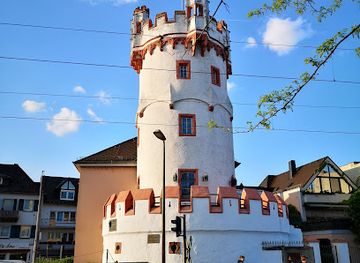
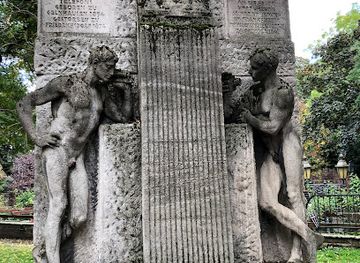
Explore Castle Gate on the Map
A handpicked selection of must-see spots near Castle Gate, mapped for you.
Getting There
-
Walking
From Mainz city center (e.g., Marktplatz near the Mainz Cathedral), the Castle Gate is approximately a 15-20 minute walk. Head north, following signs towards the Citadel (Zitadelle). The route involves a gradual uphill climb. The gate is located on Peter-Altmeier-Allee, near the intersection with Zitadellenweg. Landmarks to look for include the distinctive walls of the Citadel rising above the city. Note that the path involves a moderately steep incline.
-
Public Transport
From Mainz Hauptbahnhof (main train station), take bus lines 54, 55, 56, 57, 64, 65, 75, or 91 to the 'Citadelle' bus stop. From the bus stop, it's a short walk (approximately 5 minutes) uphill to the Castle Gate. A single bus fare within Mainz is approximately €2.80. Alternatively, from the Hauptbahnhof, tram lines 51 or 53 to the stop 'Römisches Theater' and then walk for about 10 minutes.
-
Taxi/Ride-Share
A taxi or ride-share from Mainz Hauptbahnhof to the Castle Gate will take approximately 5-10 minutes, depending on traffic. The estimated fare is between €10-€15. Direct the driver to Peter-Altmeier-Allee 1, 55116 Mainz, or simply ask for the Zitadelle (Citadel).
-
Driving
If driving, navigate to Peter-Altmeier-Allee 1, 55116 Mainz. Limited parking is available near the Citadel. Consider using the 'Schloss' car park (Ernst-Ludwig-Straße) or the 'CityPort' multi-story car park for more reliable parking options, both within a 15-20 minute walk. Parking fees at these car parks typically range from €2-€3 per hour, with daily maximums around €10-€15. Be aware that parking near the Citadel can be challenging, especially during peak tourist season or events.
Discover more about Castle Gate













Your all‑in‑one travel companion app
Explore expert travel guides, compare and book tours, experiences, hotels, and more—all from the palm of your hand. Download now for seamless trip planning wherever your wanderlust takes you.


Explore More of Hesse
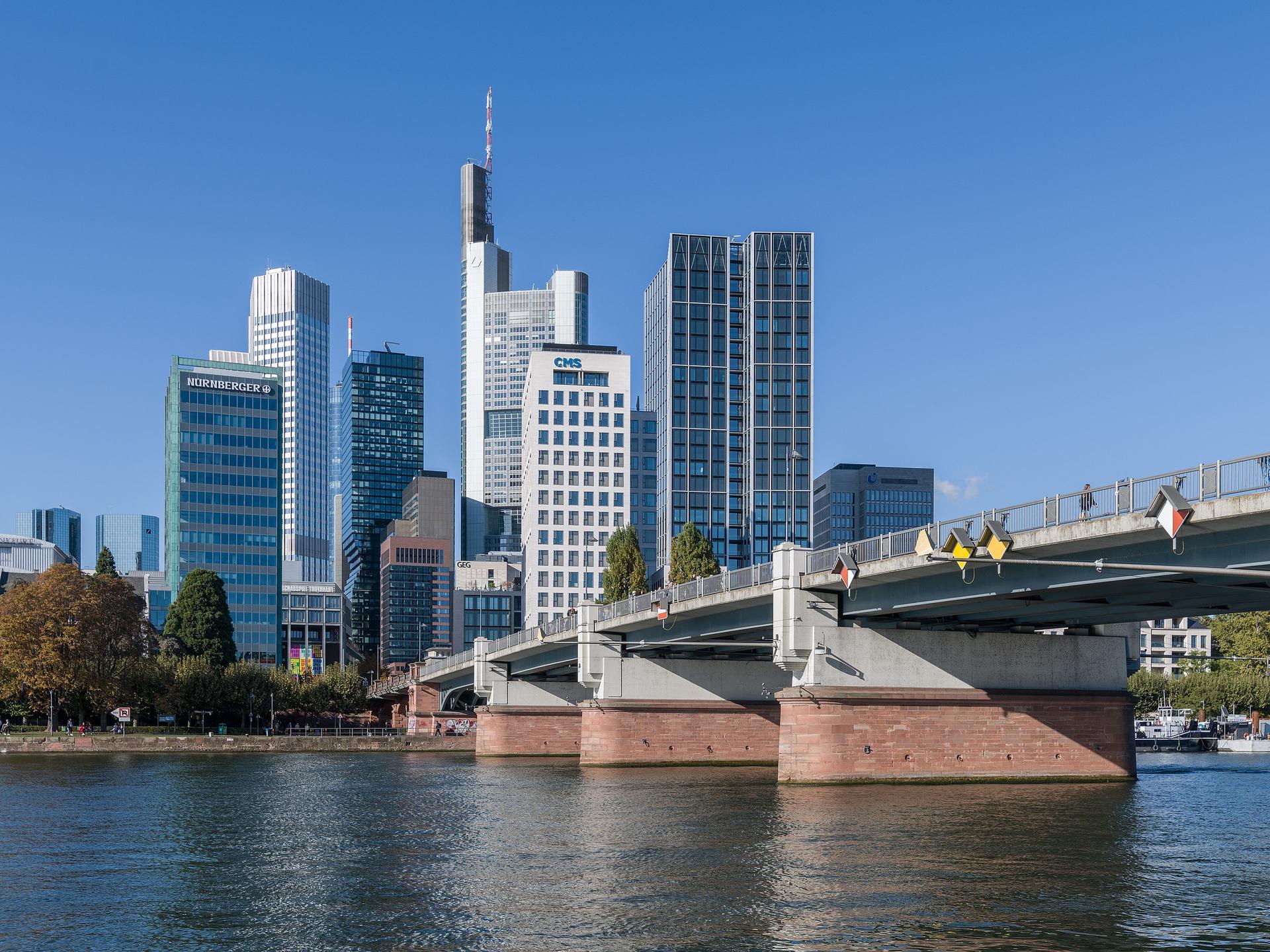
Looking beyond Castle Gate? Discover Hesse for broader travel guides, local hot-spots, and regional highlights.
Explore Hesse
A unique WWI memorial in Mainz's heart, the Nagelsäule embodies unity and resilience. A poignant reminder of history on vibrant Liebfrauenplatz.
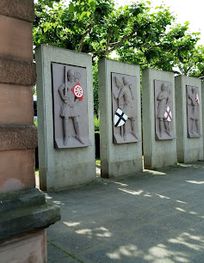
Explore the exquisite Sandsteinreliefs der Kurfürsten and discover Mainz's rich historical tapestry through stunning sculpture artistry.