Lübeck Altstadt: A Timeless Hanseatic Treasure
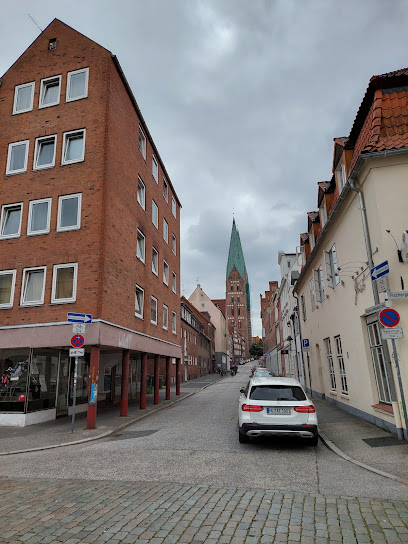
Explore Lübeck's Altstadt, a UNESCO World Heritage site, where medieval charm meets modern vibrancy in a captivating blend of history, architecture, and Hanseatic heritage.
Lübeck's Altstadt, a UNESCO World Heritage site since 1987, is a captivating island city steeped in history and brimming with architectural splendor. Wander through its medieval alleyways, discover hidden courtyards, and marvel at the iconic brick Gothic buildings that define its skyline. From the majestic Holstentor gate to the towering spires of its five principal churches, the Altstadt offers a sensory journey through centuries of Hanseatic heritage. Explore museums dedicated to Nobel laureates, indulge in world-famous marzipan, and soak in the vibrant atmosphere of this living, breathing monument to a bygone era. A visit to Lübeck's Altstadt is an unforgettable experience, offering a unique blend of history, culture, and charm that will leave you wanting more.
A brief summary to Lübeck Altstadt
- Königstraße, Lübeck, Lübecker Altstadt, 23552, DE
Local tips
- Explore the hidden courtyards ('Gänge') for a glimpse into medieval life.
- Indulge in Lübeck's famous marzipan at Niederegger's flagship store.
- Visit the Holstentor Museum to learn about Lübeck's Hanseatic history.
- Climb the St. Petri Church tower for panoramic views of the Altstadt.
- Take a boat tour on the Trave River for a unique perspective of the city.

Getting There
-
Walking
From Lübeck Hauptbahnhof (main train station), the Altstadt is a short and pleasant walk. Exit the station and head straight, following the signs for 'Altstadt' or 'Holstentor'. The Holstentor gate marks the western entrance to the Altstadt. The walk is approximately 10-15 minutes, and the route is mostly pedestrianized. Alternatively, from the bus station (ZOB) located next to the train station, follow the same directions towards Holstentor. Once inside the Altstadt, Königstraße is a central street to orient yourself.
-
Public Transport
If arriving at Lübeck Hauptbahnhof and preferring public transport for the final leg, several bus lines connect the station to various points within the Altstadt. Check local bus schedules at the station for the most convenient route to your specific destination within the Altstadt. A single ticket for a short trip within the city zone costs approximately €2-3. The bus stop is located directly outside the main entrance of the train station.
-
Taxi/Ride-Share
Taxis and ride-sharing services are readily available at Lübeck Hauptbahnhof. A short taxi ride from the station to most locations within the Altstadt will typically cost between €8-12, depending on traffic and the exact destination. The taxi stands are located directly outside the main entrance of the train station.
-
Driving
Driving directly into the Altstadt is possible but can be challenging due to narrow streets and limited parking. It's recommended to park in one of the designated parking garages surrounding the Altstadt and then proceed on foot. Parking garages like the City Parkhaus Hüxstraße or Parkhaus St. Marien charge approximately €2-3 per hour, with daily rates around €12-15. Follow the Parkleitsystem (parking guidance system) signs for 'Altstadt' and then 'Mitte' to reach the central parking facilities. Parking is typically charged Mon–Sat 10 am–6 pm and Sun 10 am–2 pm.
Discover more about Lübeck Altstadt
Iconic landmarks you can’t miss

Lübeck Altstadt
0.0 km
Explore Lübeck's Altstadt, a UNESCO World Heritage site, where medieval charm meets modern vibrancy in a captivating blend of history, architecture, and Hanseatic heritage.
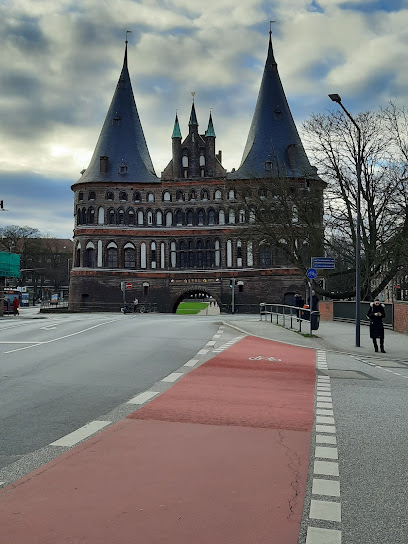
Lübecker Altstadt
0.2 km
Explore Lübeck's UNESCO-listed Altstadt: a captivating blend of medieval architecture, Hanseatic history, and cultural treasures, offering an unforgettable journey through time.

Koberg
0.2 km
Discover Koberg in Lübeck: A captivating square where medieval architecture meets Hanseatic history, offering a unique glimpse into the city's rich cultural heritage.
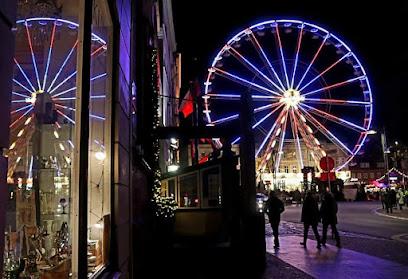
Marienkirche
0.3 km
Discover St. Mary's Church in Lübeck: A Brick Gothic masterpiece with soaring towers, rich history, and poignant wartime stories, offering an unforgettable cultural experience.
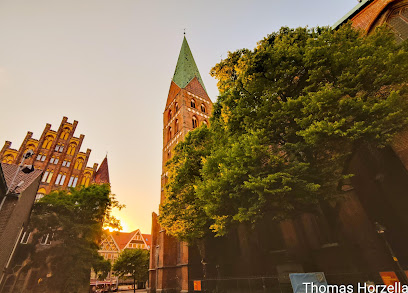
The Broken Bells Of St. Mary's
0.4 km
Witness history etched in shattered bells at Lübeck's St. Mary's Church, a powerful memorial to peace within a Brick Gothic masterpiece, a UNESCO World Heritage site.
Marktplatz Lübeck
0.4 km
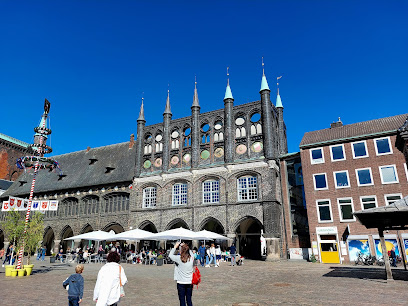
Discover Lübeck's Marktplatz: a historic square in the heart of the Altstadt, surrounded by stunning architecture and steeped in Hanseatic history, offering a vibrant cultural experience.
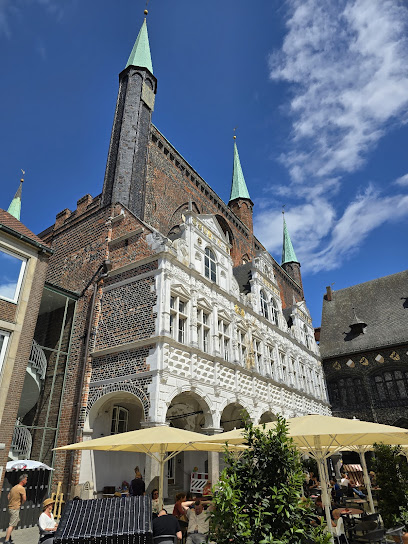
Reliefkarte von Lübeck
0.4 km
Discover Lübeck's historic heart: Markt, where centuries of history meet vibrant modern life in a UNESCO World Heritage setting.
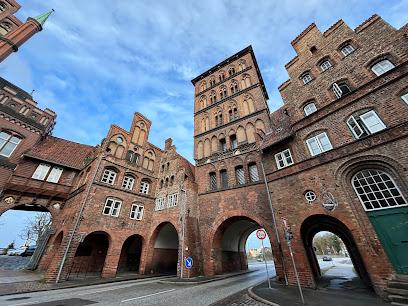
Burgtor in Lübeck
0.5 km
Discover the Burgtor in Lübeck: a historic northern gate, a masterpiece of Gothic architecture, and a gateway to the city's Hanseatic past and vibrant present.
Klughafenbrücke
0.5 km
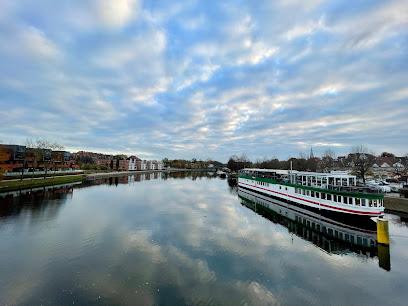
Discover the shimmering Klughafenbrücke in Lübeck, connecting history and modernity with scenic views of the Kanaltrave and easy access to UNESCO World Heritage sites.
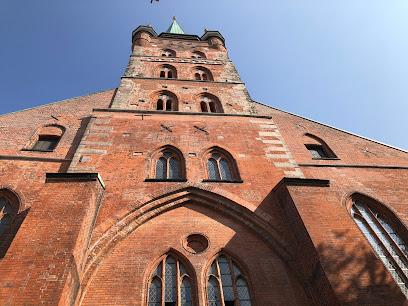
St. Peter's Church
0.6 km
Explore Lübeck's St. Peter's Church: A historic Brick Gothic masterpiece offering panoramic views, modern art, and cultural events in the heart of the UNESCO-listed Old Town.
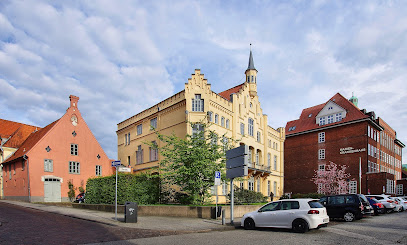
Palais Rantzau - ein Haus der Deutschen Stiftung Denkmalschutz
0.8 km
Discover the historical elegance of Palais Rantzau in Lübeck, a captivating blend of neogothic architecture and medieval history, now home to the Schleswig-Holstein Music Festival.
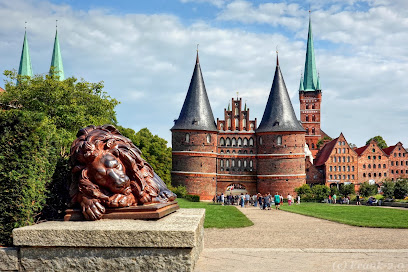
Lübecker Löwen
0.8 km
Discover the majestic Lübecker Löwen, symbols of Lübeck's Hanseatic heritage, guarding the historic Burgtor and Holstentor in the heart of this UNESCO World Heritage city.
Puppenbrücke
0.9 km
Cross Lübeck's historic Puppenbrücke, adorned with captivating statues, and step into a world where art, history, and Hanseatic charm converge in a picturesque setting.
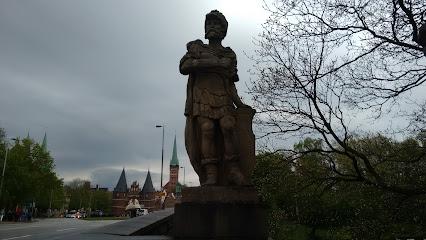
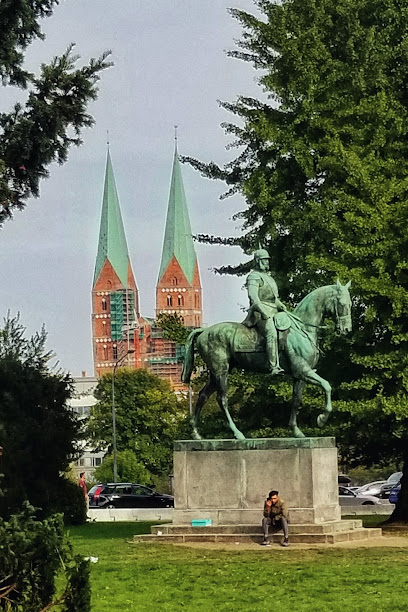
Bismarckdenkmal
1.1 km
Discover the Bismarckdenkmal in Lübeck, a historical landmark celebrating the legacy of Otto von Bismarck amidst serene gardens, offering a glimpse into Germany's past.
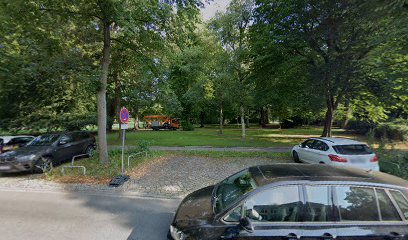
Froschkönigteich
1.2 km
Discover the enchanting Froschkönigteich in Lübeck's Stadtpark, a serene oasis with a fairytale charm, perfect for relaxation and a touch of magic in the heart of St. Gertrud.
Unmissable attractions to see

Karikatur zur Menschlichkeit
0.1 km
Discover the art of caricature at Karikatur zur Menschlichkeit, a captivating tourist attraction in Lübeck that explores the essence of humanity.
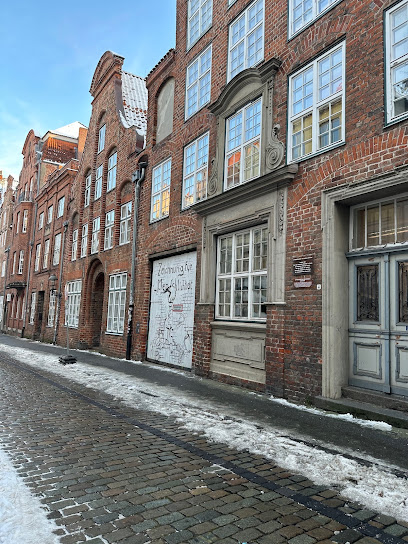
Füchtingshof
0.1 km
Explore the serene beauty and historical charm of Füchtingshof, a must-visit tourist attraction in Lübeck's picturesque Altstadt.
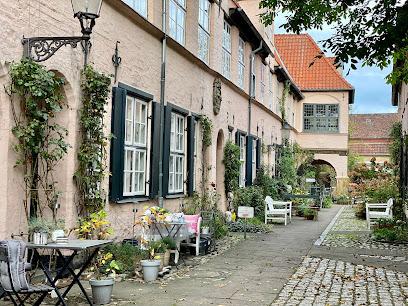
Museum Behnhaus Drägerhaus
0.1 km
Explore the rich art collections and serene atmosphere of Museum Behnhaus Drägerhaus in Lübeck, a cultural treasure for art lovers.
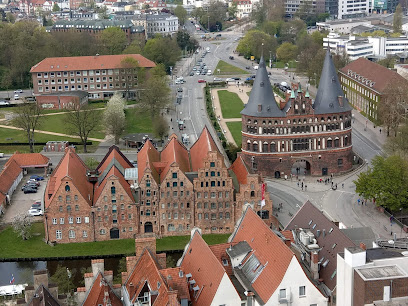
Hospital of the Holy Spirit
0.2 km
Experience history at the Hospital of the Holy Spirit, a medieval gem in Lübeck showcasing centuries of compassion and care amidst stunning architecture.
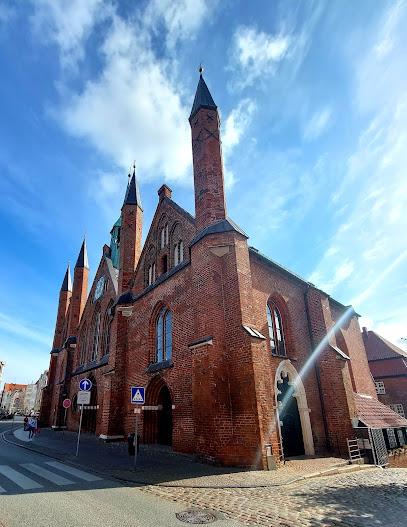
Buddenbrookhaus
0.3 km
Explore the Buddenbrookhaus in Lübeck, a captivating museum celebrating the literary legacy of Thomas Mann and the Buddenbrook family.
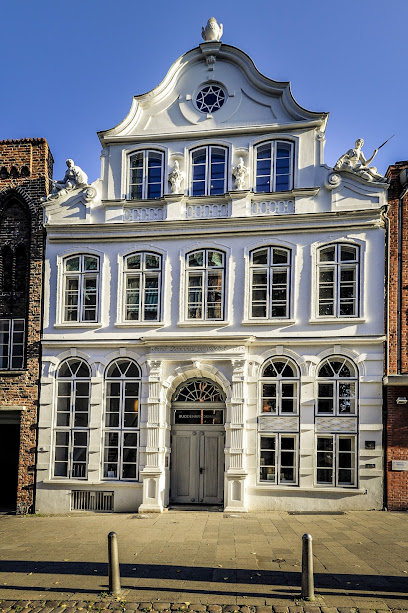
Rosen Gang
0.3 km
Explore Rosen Gang in Lübeck – a tranquil tourist attraction featuring beautiful gardens and rich historical heritage.
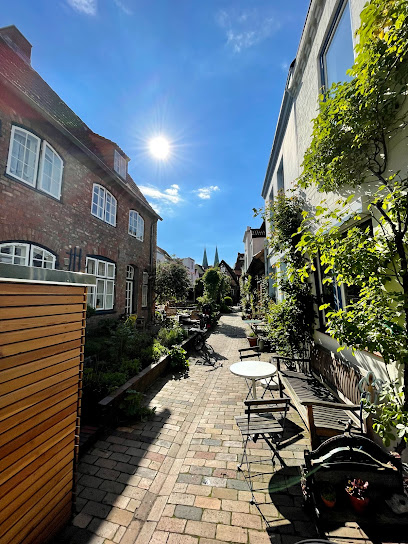
Panorama Gang
0.3 km
Discover the breathtaking views of Lübeck at Panorama Gang, a must-visit tourist attraction that captures the city's cultural heritage and stunning landscape.
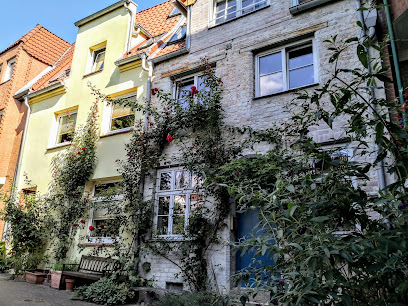
Gloxin Stiftungshaus
0.3 km
Discover the serene beauty and rich history of Gloxin Stiftungshaus in Lübeck, a charming tourist attraction steeped in cultural heritage.
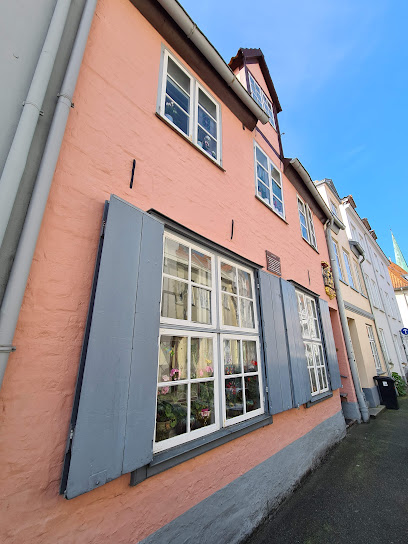
Thorweg
0.4 km
Explore the historic charm of Thorweg in Lübeck, a picturesque attraction filled with medieval architecture and vibrant local culture.
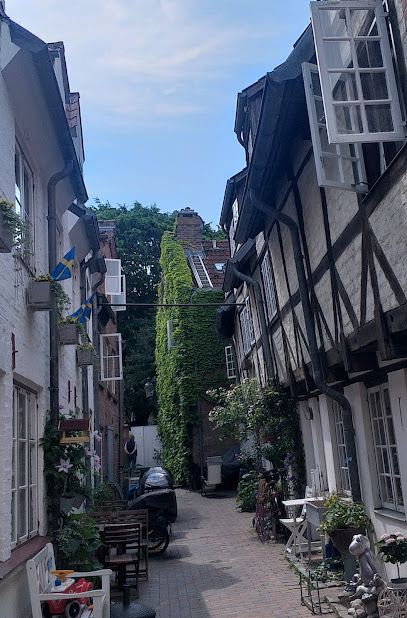
Stadtverwaltung Hansestadt Lübeck
0.4 km
Explore Lübeck's City Hall, a stunning example of Gothic architecture and a key landmark in the heart of this historic Hanseatic city.
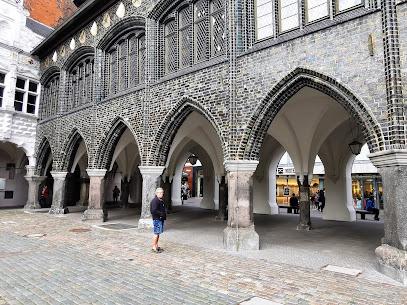
Marzipanmuseum Niederegger
0.4 km
Explore the sweet heritage of marzipan at the Marzipanmuseum Niederegger in Lübeck, a delightful blend of art, history, and delicious treats.
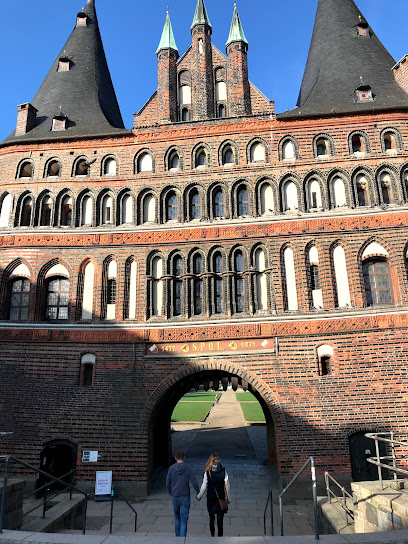
Engelswisch
0.4 km
Discover the medieval charm of Engelswisch in Lübeck, a UNESCO World Heritage site with stunning architecture and vibrant cultural experiences.
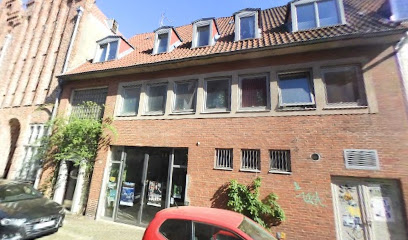
Wasserspiele Breite Straße
0.4 km
Discover the tranquil beauty of Wasserspiele Breite Straße, a captivating water feature attraction in Lübeck's historic old town.
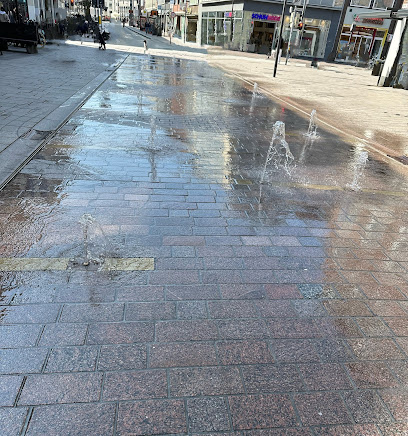
Hansestadt Lübeck Bronze
0.4 km
Experience the historical essence of Lübeck at the Hansestadt Lübeck Bronze, a stunning monument celebrating the city's rich Hanseatic heritage.
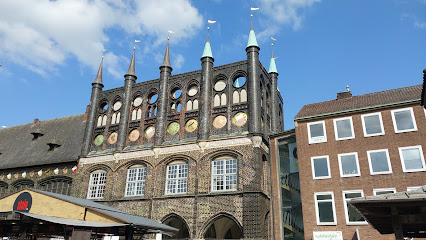
Petersilienstraße
0.5 km
Discover the charm of Petersilienstraße in Lübeck, where medieval history meets vibrant local culture amidst stunning architecture.
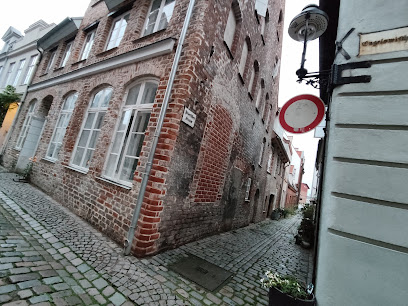
Essential places to dine

Meilenstein Restaurant & Bar - Lübeck
0.1 km
Experience fine dining at Meilenstein Restaurant & Bar in Lübeck—where traditional German cuisine meets modern culinary artistry.
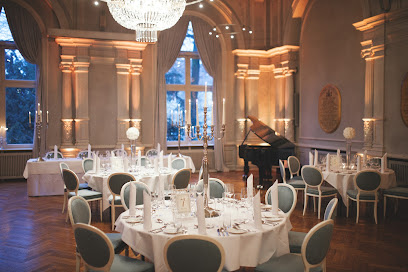
Schiffergesellschaft
0.2 km
Discover the rich flavors of traditional German cuisine at Schiffergesellschaft in Lübeck's historic Altstadt.
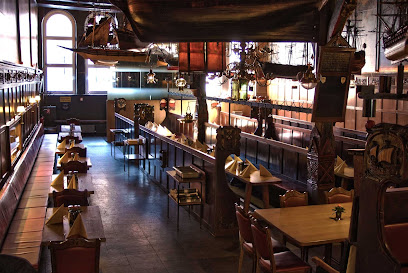
Prätor-Haus - Da Luigi
0.2 km
Experience authentic Italian cuisine at Prätor-Haus - Da Luigi in Lübeck's historic Altstadt – where flavor meets tradition.
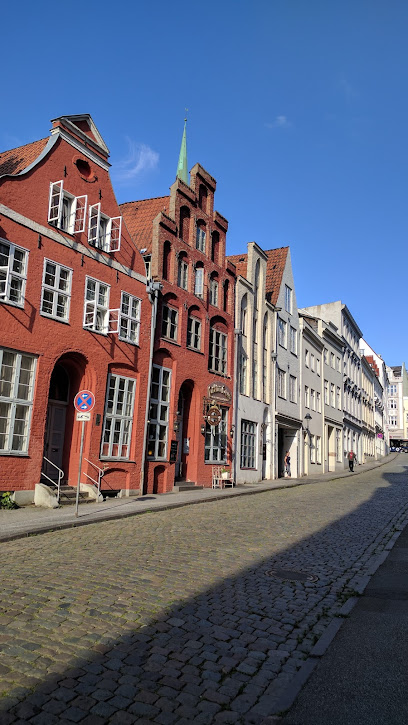
Lübecker Kartoffelkeller
0.2 km
Experience authentic German cuisine at Lübecker Kartoffelkeller, where hearty potato dishes meet charming ambiance in Lübeck's historic old town.
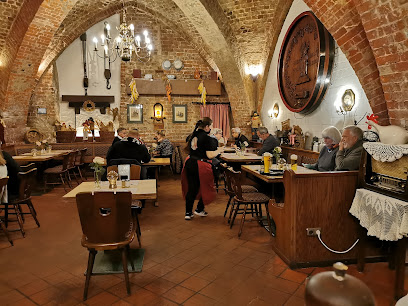
Blechtrommel
0.2 km
Experience authentic Polish cuisine at Blechtrommel in Lübeck's historic district - a cozy eatery serving traditional dishes full of flavor.
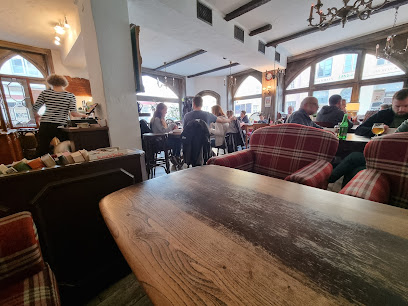
Lübecker Nudelkontor
0.2 km
Experience authentic Italian cuisine at Lübecker Nudelkontor - where handmade pasta meets the charm of Lübeck's historic Altstadt.
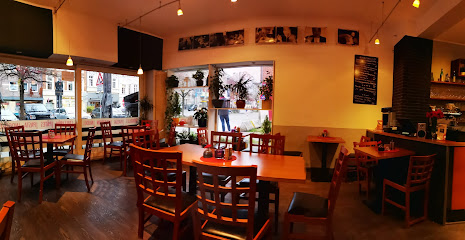
DAS KÖSTLICH-Lübeck Altstadt
0.3 km
Experience exceptional German cuisine at DAS KÖSTLICH in Lübeck's historic Altstadt - where tradition meets innovation.
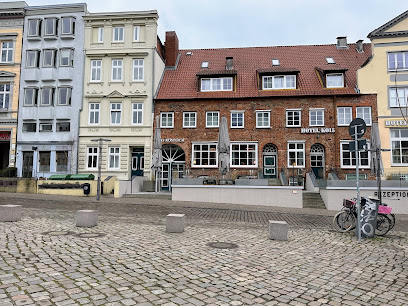
Taj Mahal Restaurant
0.3 km
Discover the vibrant flavors of India at Taj Mahal Restaurant in Lübeck - where every dish tells a story.
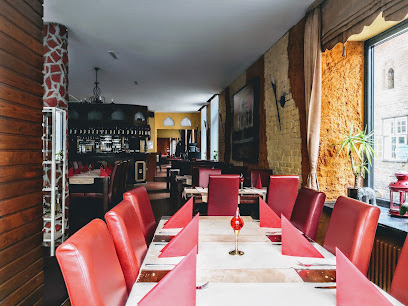
Johanna Berger
0.3 km
Experience the culinary magic of Lübeck at Johanna Berger - where tradition meets innovation in every dish.
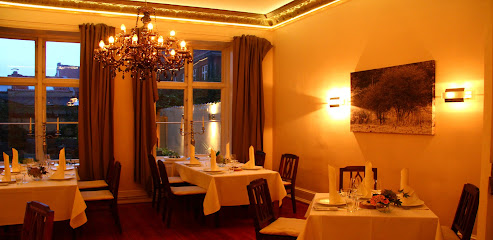
Das Flammkuchenhaus
0.3 km
Discover authentic Alsatian cuisine at Das Flammkuchenhaus in Lübeck - a must-visit for culinary enthusiasts!
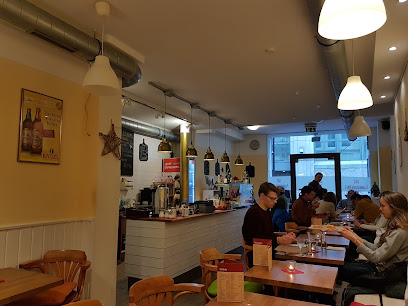
Ristorante Gusto
0.3 km
Experience authentic Italian cuisine at Ristorante Gusto in Lübeck's historic Altstadt—where every dish is crafted with passion and tradition.
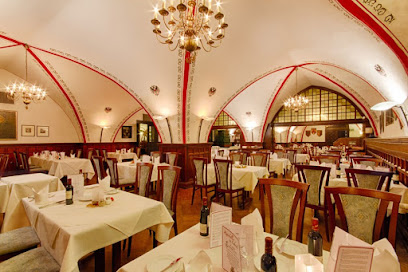
Ratskeller zu Lübeck
0.4 km
Discover the heart of Lübeck's culinary scene at Ratskeller zu Lübeck, where tradition meets taste in every dish.
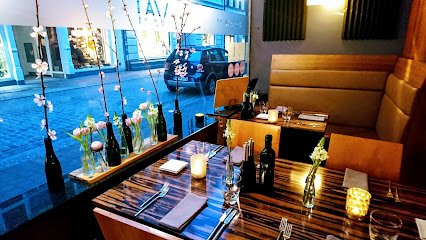
Restaurant VAI - Lübeck
0.4 km
Experience culinary artistry at Restaurant VAI in Lübeck—where tradition meets innovation in every delectable dish.
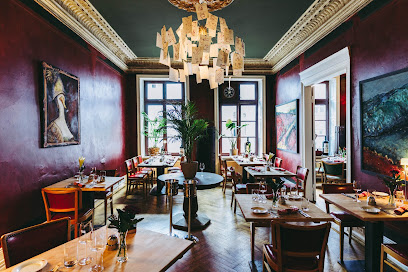
Miera - Restaurant & Feinkost
0.4 km
Discover the flavors of Lübeck at Miera - where bistro charm meets gourmet excellence in a cozy atmosphere.
Café Erdapfel - Lübeck
0.4 km
Discover Café Erdapfel in Lübeck - where local flavors meet cozy ambiance for an unforgettable bistro experience.
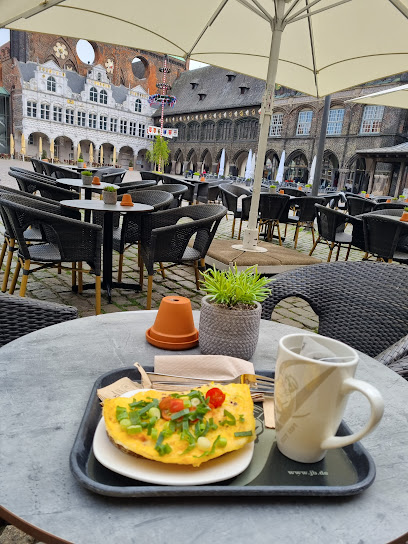
Markets, malls and hidden boutiques

Laden 15 - Lübeck
0.0 km
Explore Laden 15 in Lübeck for unique clothing, stylish accessories, and memorable gifts that capture the essence of your travels.
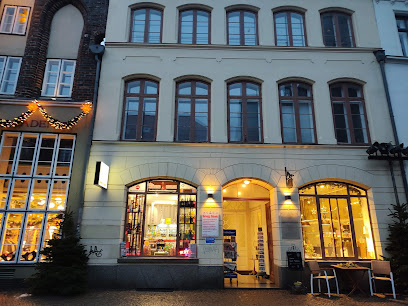
Zara
0.1 km
Discover the latest fashion trends at Zara in Lübeck's historic old town, where style meets affordability in a vibrant shopping experience.
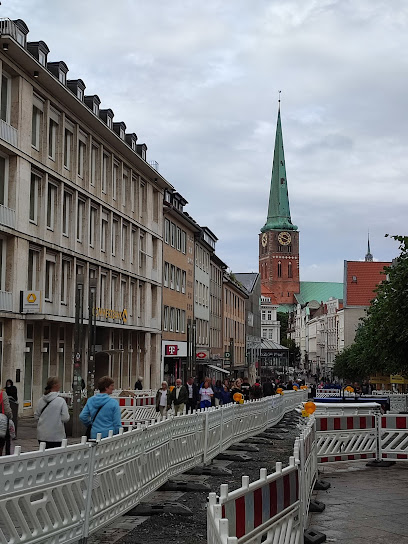
Nanu Nana
0.2 km
Explore Nanu Nana in Lübeck for charming gifts, unique crafts, and delightful home goods that capture the spirit of your travels.
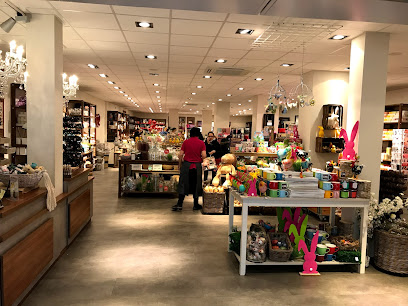
HERZENSWUNSCH concept store
0.2 km
Explore HERZENSWUNSCH in Lübeck: A charming concept store offering unique gifts and local treasures that celebrate the spirit of craftsmanship.
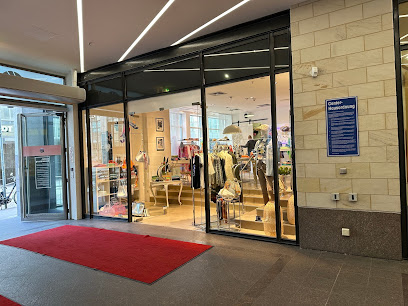
Flying Tiger Copenhagen
0.2 km
Explore a whimsical gift shop in Lübeck filled with unique, affordable items for all ages at Flying Tiger Copenhagen.
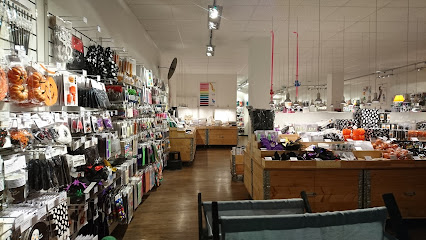
Lichthof Lübeck
0.3 km
Discover a unique blend of shopping and local culture at Lichthof Lübeck, a must-visit mall in Lübeck's historic center.
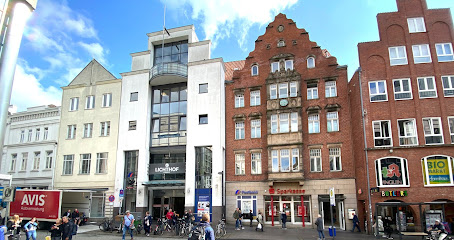
BUTLERS@home24 Lübeck Königstraße
0.3 km
Discover unique gifts and stylish home goods at BUTLERS@home24 Lübeck Königstraße, a must-visit shop in the heart of Lübeck's historic district.
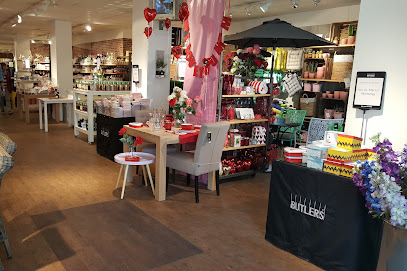
C&A
0.3 km
Discover the latest fashion trends at C&A in Lübeck, your go-to clothing store for stylish apparel for the whole family.
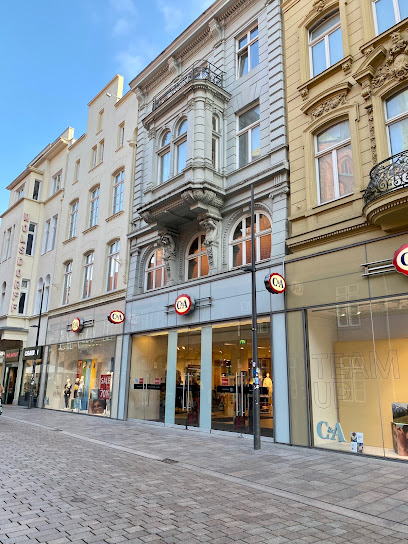
Lübeck Laden
0.3 km
Explore Lübeck Laden, a charming gift shop in Lübeck's Altstadt, perfect for unique souvenirs and local crafts to remember your visit.
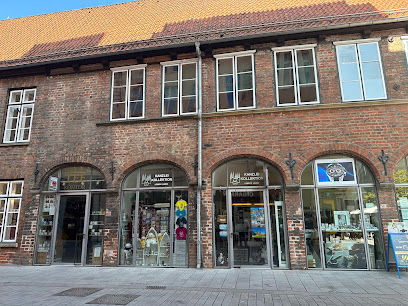
Wicky Lübeck
0.3 km
Discover unique souvenirs and local crafts at Wicky Lübeck, the ultimate gift shop in the heart of Lübecker Altstadt.
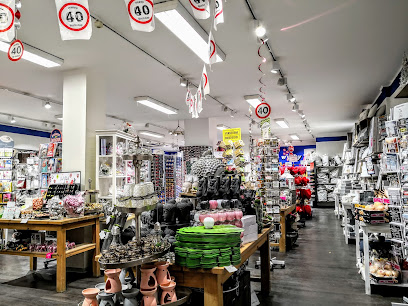
CLASSICO Lübeck
0.4 km
Discover the chic elegance of CLASSICO Lübeck, where exquisite women's fashion meets the charm of historic Lübeck.
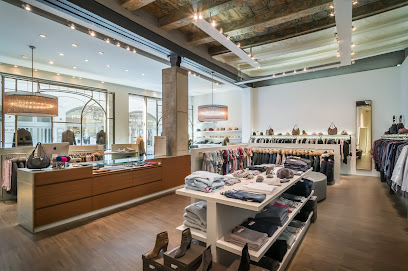
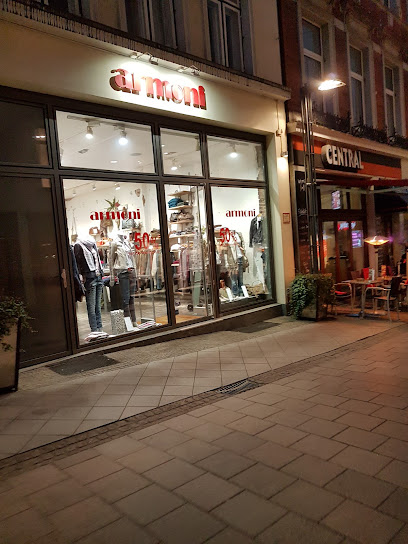
Boutique Armoni
0.4 km
Discover unique fashion finds at Boutique Armoni in Lübeck's historic Altstadt, where style meets local charm in a welcoming atmosphere.
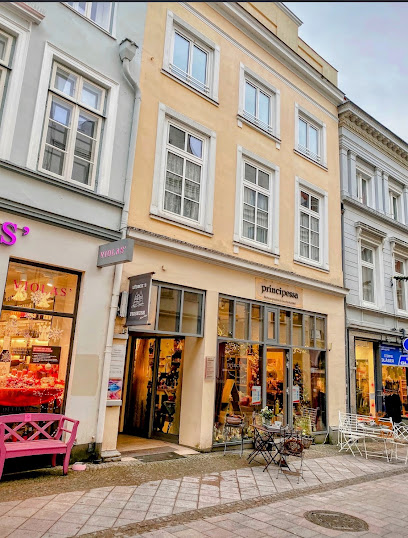
Principessa - Geschenkartikel & Wohnaccessoires
0.4 km
Explore the charm of Lübeck with unique gifts and home accessories at Principessa, a must-visit gift shop in the heart of the city.
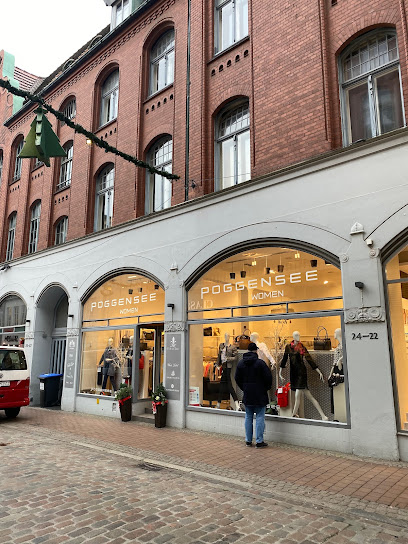
Poggensee Textilhandelskontor GmbH
0.4 km
Explore Poggensee Textilhandelskontor GmbH in Lübeck for a unique selection of elegant women's clothing that celebrates local fashion and style.
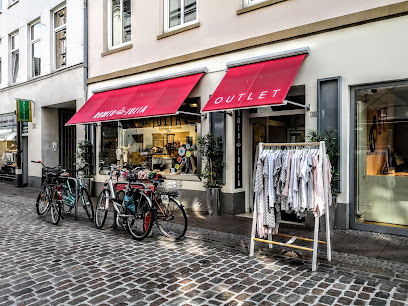
ROMEO & JULIA
0.4 km
Explore a unique blend of contemporary and classic fashion at ROMEO & JULIA in Lübeck's historic Altstadt, where style meets craftsmanship.
Essential bars & hidden hideouts

Traffico Cocktailbar, Restaurant und Café - täglich bis Open End!
0.0 km
Experience the vibrant nightlife of Lübeck at Traffico Cocktailbar, where delicious cocktails, gourmet dishes, and great atmosphere await.
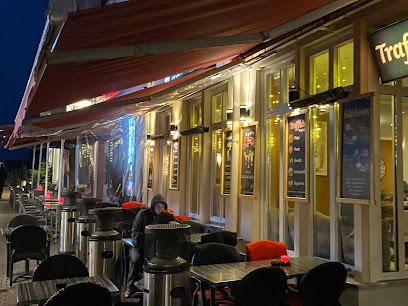
Weltwirtschaft - Lübeck
0.0 km
Experience the vibrant nightlife of Lübeck at Weltwirtschaft, a lively bar offering a unique atmosphere and excellent drinks to enjoy with friends.
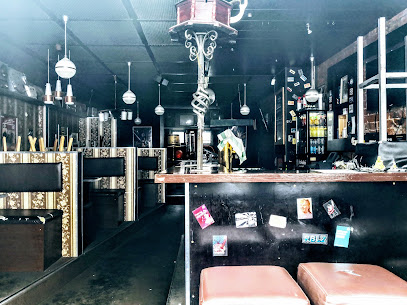
Torrio's - American Bar
0.1 km
Experience the vibrant American bar culture in Lübeck at Torrio's, where good drinks and lively atmosphere await.
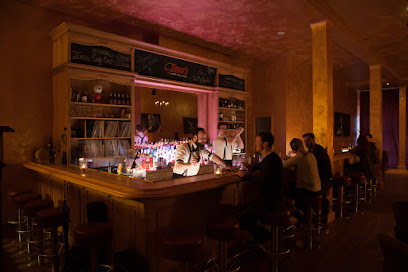
Gotteskeller
0.2 km
Experience the vibrant nightlife of Lübeck at Gotteskeller, a lively bar offering an extensive drink selection and a unique atmosphere.
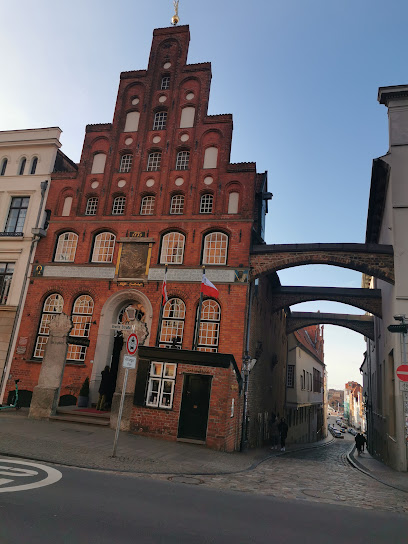
Tonfink - Kulturcafé & Bar - Lübeck
0.3 km
Experience the vibrant cultural atmosphere of Tonfink, a unique bar and café in Lübeck, known for live music and delightful beverages.
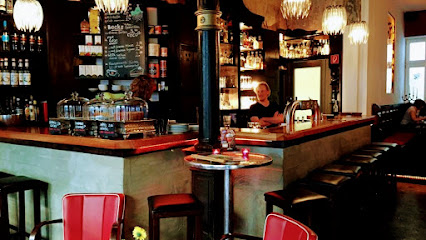
MENGwirtschaft
0.4 km
Discover MENGwirtschaft, a cozy bar in Lübeck's Altstadt, where local culture meets delightful drinks in a welcoming atmosphere.
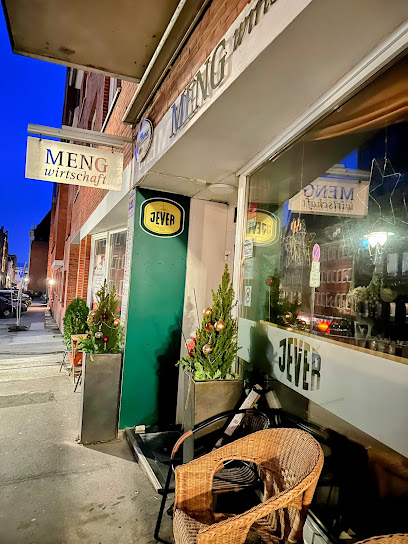
La Havanna
0.4 km
Discover the vibrant flavors of Cuba at La Havanna, a lively bar and restaurant in Lübeck offering authentic cuisine and cocktails.
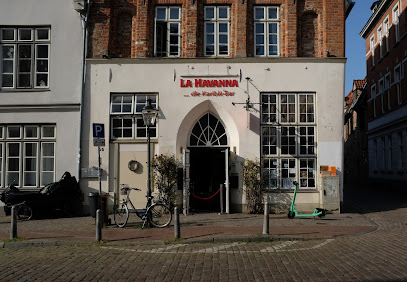
Sternschnuppe Lübeck
0.4 km
Discover the vibrant nightlife of Lübeck at Sternschnuppe, a cozy bar offering a diverse drink selection in the heart of the historic city.
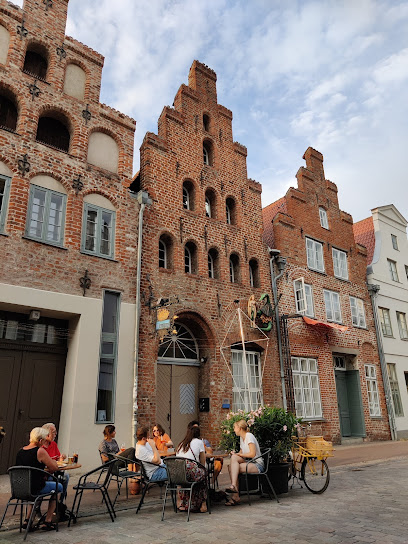
Kandinsky - Lübeck
0.4 km
Discover Kandinsky, a unique bar and restaurant in Lübeck's Altstadt, offering a vibrant atmosphere and diverse culinary delights.
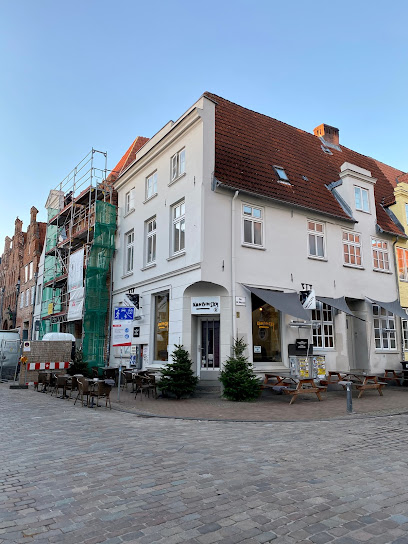
Morgana Pub
0.5 km
Discover the vibrant nightlife of Lübeck at Morgana Pub, a lively bar offering a variety of drinks in a welcoming atmosphere.
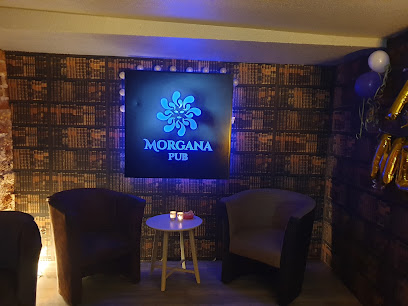
Finnegan Lübeck
0.5 km
Discover Finnegan Lübeck: A vibrant Irish pub in Lübeck's historic center, offering authentic cuisine and a lively atmosphere.
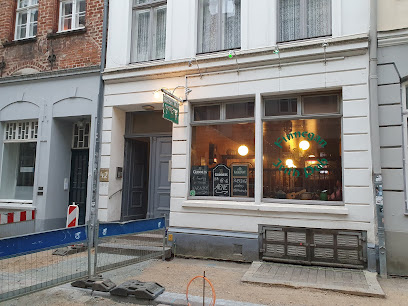
Roberts Kneipe - Lübeck
0.5 km
Experience the authentic taste of Lübeck at Roberts Kneipe, a cozy pub offering local brews and hearty meals in a historic setting.
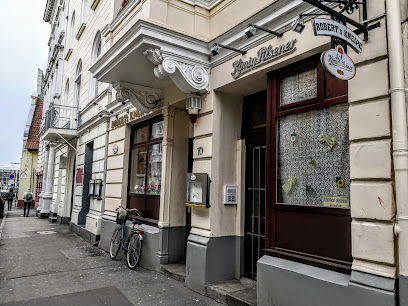
Unklar Bar - Lübeck
0.5 km
Experience the lively nightlife of Lübeck at Unklar Bar, where eclectic drinks and a friendly atmosphere await you.
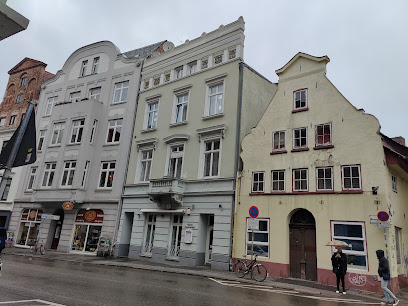
Blauer Engel - Lübeck
0.5 km
Discover the vibrant atmosphere of Blauer Engel in Lübeck, a cozy pub perfect for unwinding after exploring the city's historic treasures.
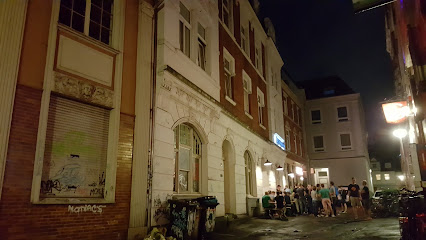
Lulu's Pub
0.6 km
Experience the heart of Lübeck at Lulu's Pub, where local brews and a cozy atmosphere bring friends together.
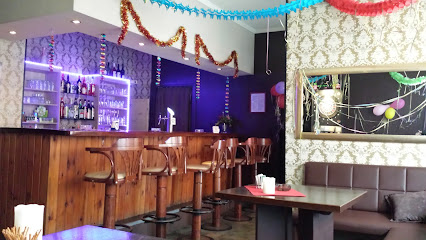
Nightclubs & after hour spots

Discothek Sounds
0.6 km
Discover Lübeck's nightlife at Discothek Sounds, a lively disco club filled with great music and an electric atmosphere that keeps the party going.
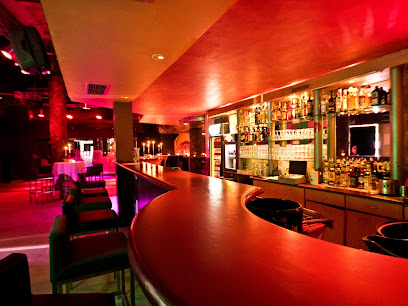
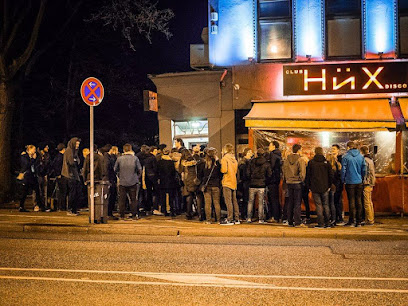
Hüx - Lübeck
0.6 km
Discover the electric nightlife of Lübeck at Hüx, a premier disco club with vibrant music and an unforgettable dance experience.
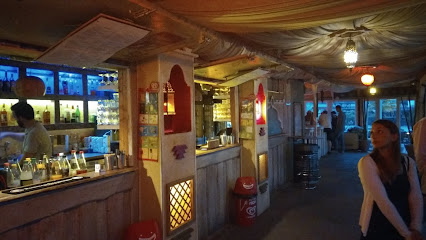
Strandsalon
0.7 km
Discover the vibrant atmosphere of Strandsalon in Lübeck, where delicious food, refreshing drinks, and exciting events come together.
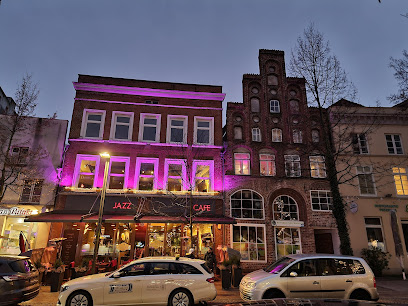
Caffe Grande Jazzcafe
0.8 km
Discover the vibrant atmosphere of Caffe Grande Jazzcafe in Lübeck, where delicious grilled cuisine meets soulful jazz melodies.
Fischtheke
1.1 km
Experience the electrifying nightlife at Fischtheke, Lübeck's premier night club, where music meets maritime charm.
Bordell Club-Hotel Lübeck
1.2 km
Discover the unique nightlife at Bordell Club-Hotel Lübeck, where vibrant entertainment meets a lively atmosphere in a premier girl bar.
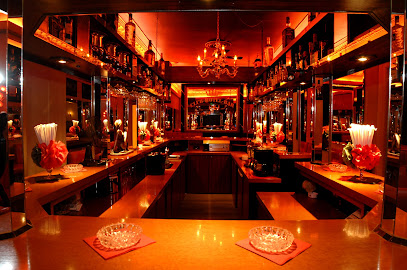
Club Kings
1.5 km
Discover the electrifying atmosphere of Club Kings in Lübeck, where vibrant nightlife, great music, and unforgettable memories await you.
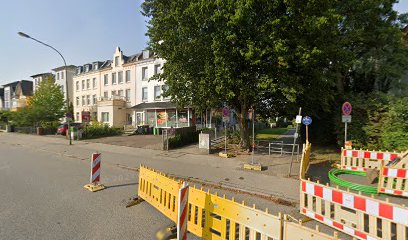
Bunker Lübeck
1.5 km
Discover the electrifying nightlife at Bunker Lübeck – an iconic night club featuring great music and an unforgettable atmosphere in Lübeck.
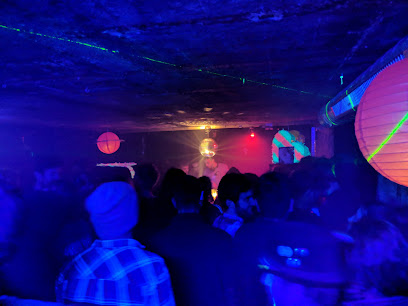
CIRCLE CLUB
1.5 km
Discover the lively nightlife at Circle Club in Lübeck, where unforgettable nights of dancing and music await in a vibrant atmosphere.
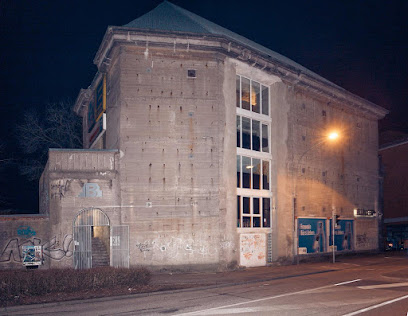
Musikpark A1 Lübeck
1.7 km
Discover Lübeck's lively nightlife at Musikpark A1, a premier disco club offering unforgettable dance experiences and a diverse social scene.
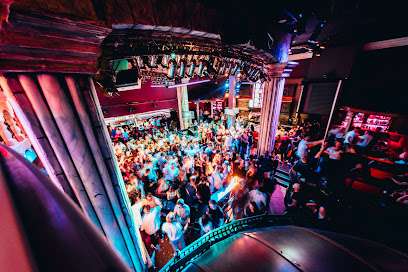
Baltic Gentlemen Club
1.7 km
Discover vibrant nightlife at the Baltic Gentlemen Club in Lübeck, where elegance meets entertainment for an unforgettable evening.
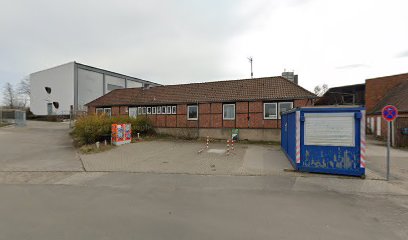
Semihs Prestige Clun
1.8 km
Discover the lively nightlife at Semihs Prestige Club in Lübeck, where music, dance, and unforgettable memories await every night.
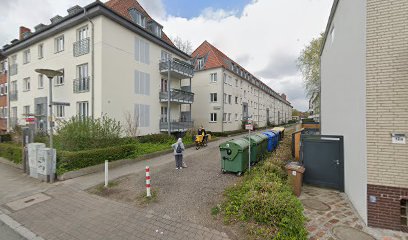
Lotta's Privathaus
2.3 km
Explore Lübeck's vibrant nightlife at Lotta's Privathaus, a lively night club with eclectic music and a welcoming atmosphere for all.
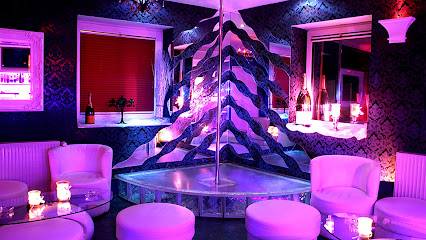
PRESTIGE CLUB Lübeck
2.5 km
Discover the vibrant nightlife of Lübeck at Prestige Club, where music, dance, and unforgettable memories await you.
Mens World
2.5 km
Experience the vibrant nightlife at Mens World, Lübeck's top night club, offering an electrifying atmosphere and unforgettable entertainment for adults.