Marienkirche, Lubeck Travel Guide
Discover St. Mary's Church in Lübeck: A Brick Gothic masterpiece with soaring towers, rich history, and poignant wartime stories, offering an unforgettable cultural experience.
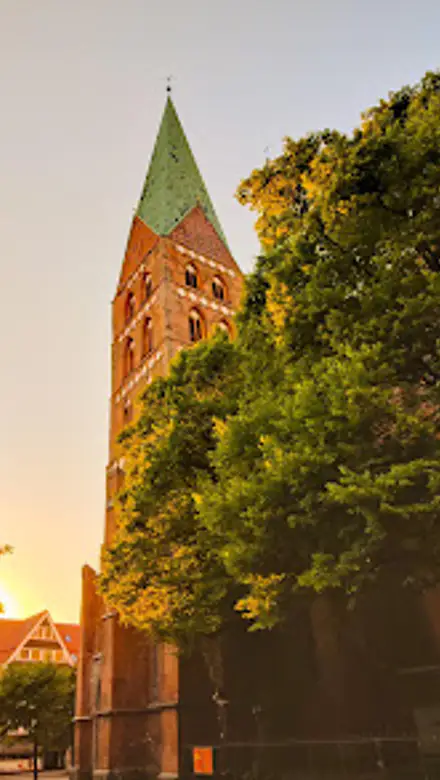
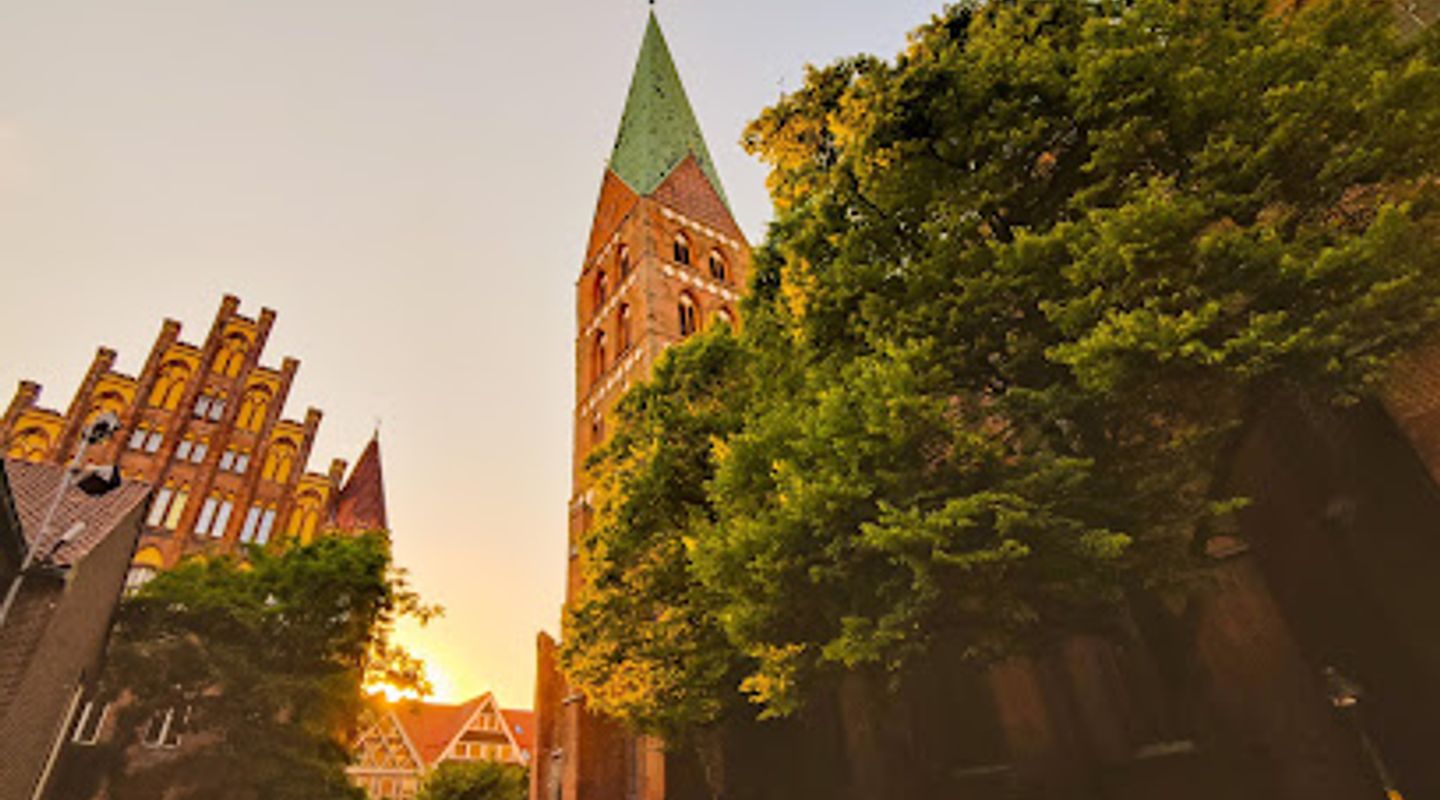
St. Mary's Church in Lübeck, a towering example of Brick Gothic architecture, stands as a testament to the city's historical power and religious significance. Its soaring vaults, intricate details, and the poignant story of its wartime destruction and subsequent restoration make it a compelling destination for visitors. The church's twin towers dominate the skyline, beckoning exploration of its rich interior, including the astronomical clock, the Totentanzkapelle (Dance of Death Chapel), and the remnants of the bells destroyed during World War II. More than just a religious building, St. Mary's is a symbol of Lübeck's resilience and a repository of art and history, offering a profound experience for those who step inside. Its central location in the heart of the Altstadt (Old Town) makes it easily accessible and a must-see landmark for any visitor to Lübeck.
A brief summary to Marienkirche
- Marienkirchhof 1, Lübeck, Lübecker Altstadt, 23552, DE
- Click to display
- Click to display

Know before you go
Hi, I'm Eve. Here are a few practical things to know before exploring Marienkirche.
- Take time to explore the Totentanzkapelle (Dance of Death Chapel) to see the replica of the famous frieze, a powerful reminder of mortality.
- Don't miss the poignant sight of the damaged bells, left as they fell during World War II, serving as a memorial to the destruction and a symbol of peace.
- Check the schedule for organ concerts or choir performances to experience the church's magnificent acoustics.
- Climb the tower for panoramic views of Lübeck's Old Town, but be prepared for a narrow and winding staircase.
- Visit early in the morning or later in the afternoon to avoid the largest crowds and enjoy a more peaceful experience.
Do you manage this location?
Take control to get all the benefits, like improved information, better appearance, and stronger visibility across AI-powered discovery. Learn more about listing your business on Evendo
Activate your presenceOther nearby places you may find interesting
The closest places of the same kind, if this one is not quite what you had in mind.


Explore Marienkirche on the Map
A handpicked selection of must-see spots near Marienkirche, mapped for you.
Unlock the Best of Marienkirche
Buy tickets
-
No tickets available
Book tours with entry


Getting There
-
Walking
St. Mary's Church is centrally located in Lübeck's Altstadt (Old Town) and is easily accessible on foot from most points within the historic center. From the Markt (market square), walk east, passing the Rathaus (Town Hall) on your left. Continue straight ahead; the towering twin spires of St. Mary's will become increasingly visible, guiding you directly to the Marienkirchhof, where the church is located. The walk is short and straightforward, approximately 5-10 minutes, and allows you to appreciate the surrounding historic buildings. Note the cobblestone streets, so wear comfortable shoes.
-
Public Transport
If arriving by train at Lübeck Hauptbahnhof (main train station), take bus lines 1, 4, 5, 6, 9, 10, 11, 12, 16, 30, or 39 to the 'Sandstraße' stop. From there, walk approximately 5 minutes east towards the Altstadt. You'll see the Holstentor gate; pass through it and continue straight along Holstenstraße. Turn right onto the Markt, and then follow the walking directions above. A single bus fare within Lübeck is approximately €2.50.
-
Taxi/Ride-Share
Taxis and ride-sharing services are readily available in Lübeck. Request a ride to Marienkirchhof 1, 23552 Lübeck. Be aware that due to pedestrian zones in the Altstadt, the taxi might drop you off a short walk from the church. A taxi ride from Lübeck Hauptbahnhof to St. Mary's Church typically costs between €10-€15, depending on traffic.
Discover more about Marienkirche













Your all‑in‑one travel companion app
Explore expert travel guides, compare and book tours, experiences, hotels, and more—all from the palm of your hand. Download now for seamless trip planning wherever your wanderlust takes you.


Explore More of Lubeck
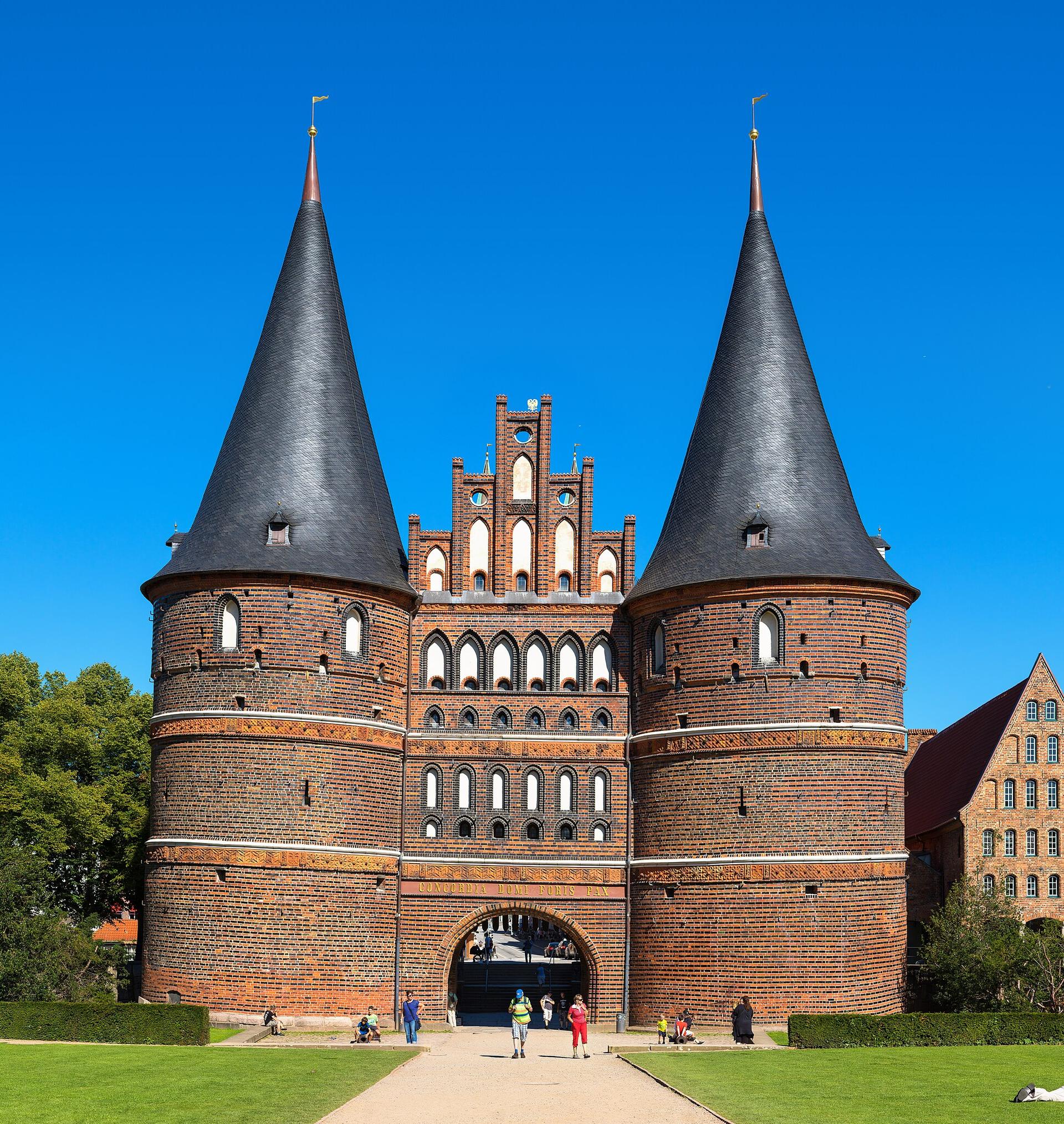
Looking beyond Marienkirche? Discover Lubeck for broader travel guides, local hot-spots, and regional highlights.
Explore Lubeck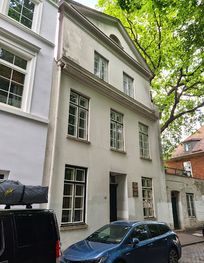
Discover the historic Predigerhaus von St. Aegidien in Lübeck's Altstadt, a captivating glimpse into the city's Hanseatic past and architectural heritage, reflecting centuries of religious and cultural significance.

Witness history etched in shattered bells at Lübeck's St. Mary's Church, a powerful memorial to peace within a Brick Gothic masterpiece, a UNESCO World Heritage site.