The Broken Bells of St. Mary's: A Silent Testimony
Witness history etched in shattered bells at Lübeck's St. Mary's Church, a powerful memorial to peace within a Brick Gothic masterpiece, a UNESCO World Heritage site.
St. Mary's Church in Lübeck, a towering example of Brick Gothic architecture, holds a poignant reminder of World War II within its walls: the shattered remains of its fallen bells. These bells, once symbols of the city's vibrant life, crashed to the floor during a 1942 bombing raid and have been left unrestored as a memorial to peace and the devastating impact of war. The contrast between the church's restored grandeur and the raw, broken bells creates a powerful and moving experience for visitors. More than just a historical site, the Broken Bells offer a space for reflection on loss, resilience, and the enduring hope for peace, making it a compelling destination for those seeking a deeper understanding of Lübeck's past and its commitment to a better future. The church itself, with its soaring vaulted ceiling and intricate details, provides a stunning backdrop to this solemn memorial.
A brief summary to The Broken Bells Of St. Mary's
- Schüsselbuden 13, Lübeck, Lübecker Altstadt, 23552, DE
Local tips
- Visit early in the morning or later in the afternoon to avoid the largest tour groups and have a more contemplative experience with the Broken Bells.
- Take time to explore the rest of St. Mary's Church, including the astronomical clock and stained glass windows, to fully appreciate its historical and artistic significance.
- Combine your visit with a walking tour of Lübeck's Altstadt to discover other historical landmarks and learn about the city's rich Hanseatic history.

Getting There
-
Walking
From the Lübeck Markt (market square), St. Mary's Church is a very short walk. Head east from the Rathaus (Town Hall), and you'll see the towering spires of St. Mary's directly ahead. The entrance is on the south side of the church, facing Schüsselbuden street. The walk is less than 5 minutes and involves no special requirements.
-
Public Transport
If arriving by bus, the closest bus stops are 'Rathausmarkt' or 'Kohlmarkt'. From either stop, walk east towards the Rathaus and then continue towards the church spires. The journey from either stop is approximately 3-5 minutes. A single bus fare within Lübeck is approximately €2-3. Check local transit schedules for the most up-to-date information.
-
Taxi/Ride-Share
A taxi or ride-share from Lübeck Hauptbahnhof (main train station) to St. Mary's Church will take approximately 5-10 minutes, depending on traffic. The cost is typically between €10-€15. Direct the driver to Schüsselbuden 13, 23552 Lübeck.
-
Driving
Driving directly to St. Mary's is possible, but parking in the immediate vicinity is limited and can be expensive. Consider parking in a nearby parking garage such as the 'City Parkhaus Hüxstraße' or 'Parkhaus Mitte'. From either garage, it's a short walk to the church. Parking fees typically range from €2-€3 per hour. Note that Schüsselbuden itself has limited short-term parking with a 'Brötchentaste' (bread roll button) offering 10 minutes of free parking for quick stops.
Discover more about The Broken Bells Of St. Mary's
Iconic landmarks you can’t miss

The Broken Bells Of St. Mary's
0.0 km
Witness history etched in shattered bells at Lübeck's St. Mary's Church, a powerful memorial to peace within a Brick Gothic masterpiece, a UNESCO World Heritage site.

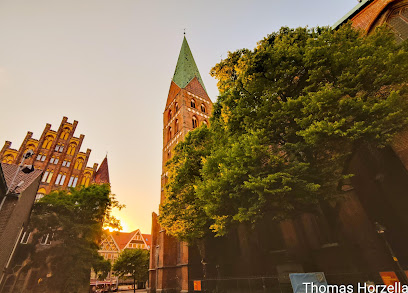
Marienkirche
0.1 km
Discover St. Mary's Church in Lübeck: A Brick Gothic masterpiece with soaring towers, rich history, and poignant wartime stories, offering an unforgettable cultural experience.
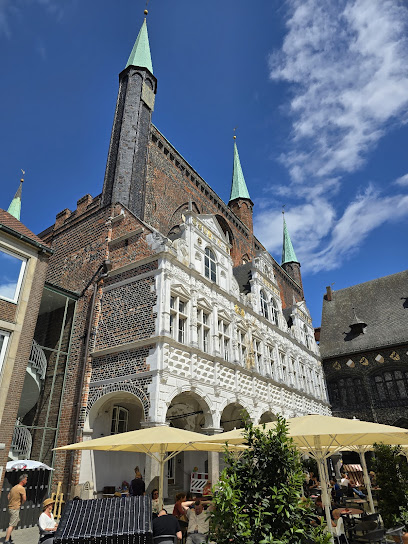
Marktplatz Lübeck
0.1 km
Discover Lübeck's Marktplatz: a historic square in the heart of the Altstadt, surrounded by stunning architecture and steeped in Hanseatic history, offering a vibrant cultural experience.
Reliefkarte von Lübeck
0.1 km
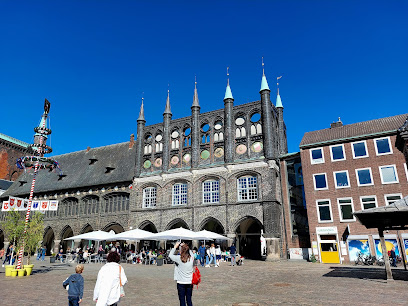
Discover Lübeck's historic heart: Markt, where centuries of history meet vibrant modern life in a UNESCO World Heritage setting.
St. Peter's Church
0.2 km
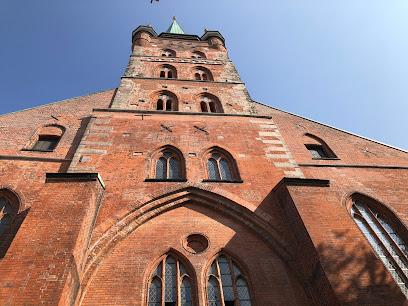
Explore Lübeck's St. Peter's Church: A historic Brick Gothic masterpiece offering panoramic views, modern art, and cultural events in the heart of the UNESCO-listed Old Town.
Lübecker Altstadt
0.3 km
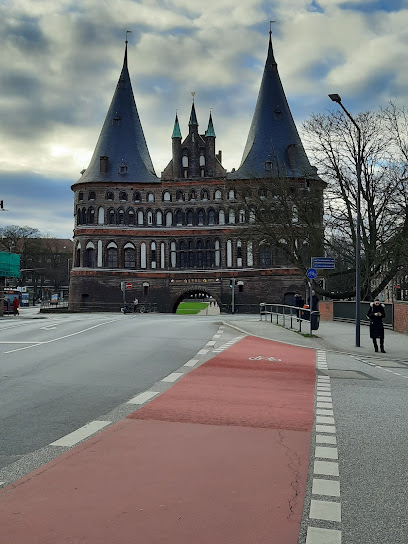
Explore Lübeck's UNESCO-listed Altstadt: a captivating blend of medieval architecture, Hanseatic history, and cultural treasures, offering an unforgettable journey through time.
Lübeck Altstadt
0.4 km
Explore Lübeck's Altstadt, a UNESCO World Heritage site, where medieval charm meets modern vibrancy in a captivating blend of history, architecture, and Hanseatic heritage.
Lübecker Löwen
0.5 km
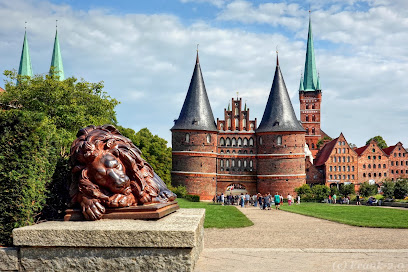
Discover the majestic Lübecker Löwen, symbols of Lübeck's Hanseatic heritage, guarding the historic Burgtor and Holstentor in the heart of this UNESCO World Heritage city.
Palais Rantzau - ein Haus der Deutschen Stiftung Denkmalschutz
0.5 km
Discover the historical elegance of Palais Rantzau in Lübeck, a captivating blend of neogothic architecture and medieval history, now home to the Schleswig-Holstein Music Festival.
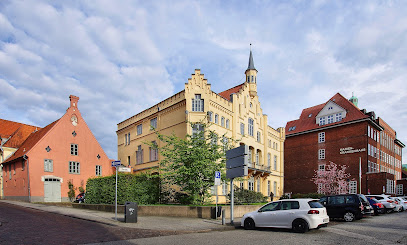
Puppenbrücke
0.6 km
Cross Lübeck's historic Puppenbrücke, adorned with captivating statues, and step into a world where art, history, and Hanseatic charm converge in a picturesque setting.
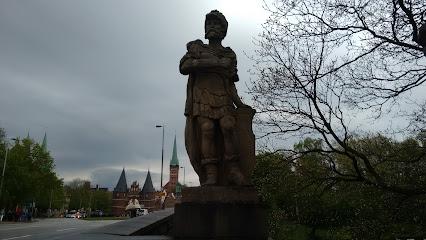
Koberg
0.6 km
Discover Koberg in Lübeck: A captivating square where medieval architecture meets Hanseatic history, offering a unique glimpse into the city's rich cultural heritage.
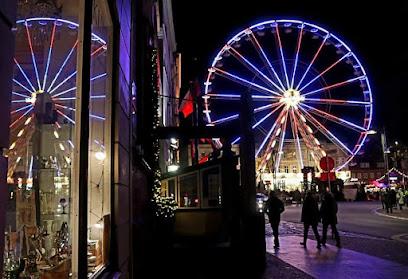
Bismarckdenkmal
0.7 km
Discover the Bismarckdenkmal in Lübeck, a historical landmark celebrating the legacy of Otto von Bismarck amidst serene gardens, offering a glimpse into Germany's past.
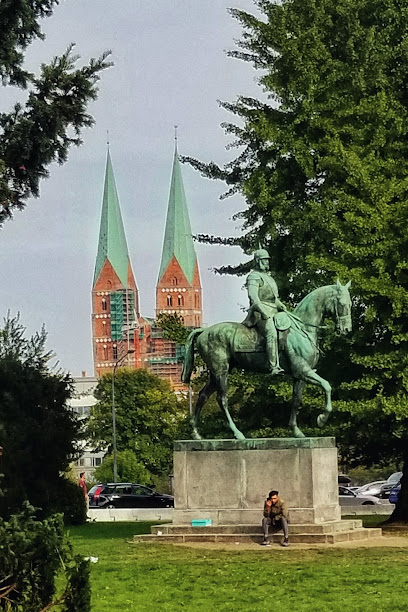
Burgtor in Lübeck
0.9 km
Discover the Burgtor in Lübeck: a historic northern gate, a masterpiece of Gothic architecture, and a gateway to the city's Hanseatic past and vibrant present.
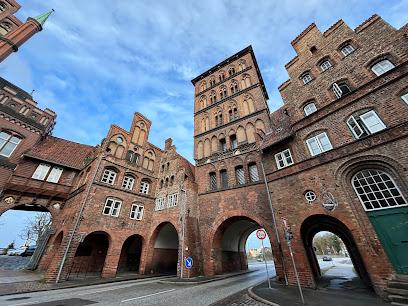
Stadtgraben
0.9 km
Discover Lübeck's Stadtgraben: A historic moat turned tranquil park, offering scenic views and a glimpse into the city's medieval past along the Altstadt.
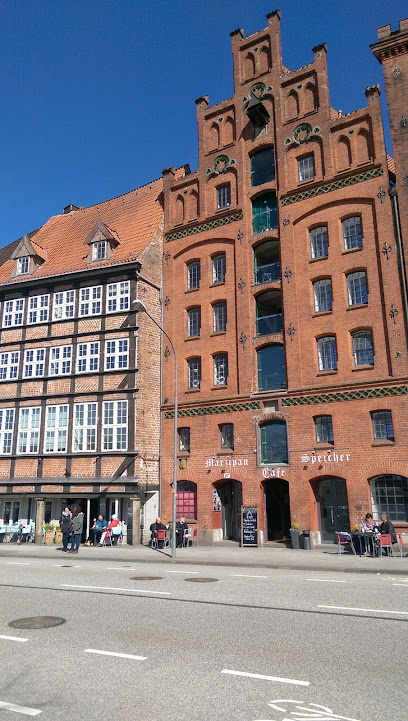
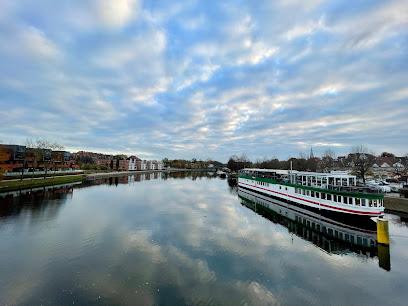
Klughafenbrücke
0.9 km
Discover the shimmering Klughafenbrücke in Lübeck, connecting history and modernity with scenic views of the Kanaltrave and easy access to UNESCO World Heritage sites.
Unmissable attractions to see

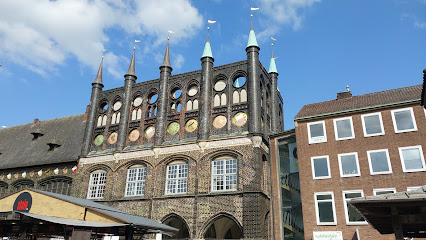
Hansestadt Lübeck Bronze
0.1 km
Experience the historical essence of Lübeck at the Hansestadt Lübeck Bronze, a stunning monument celebrating the city's rich Hanseatic heritage.
Buddenbrookhaus
0.1 km
Explore the Buddenbrookhaus in Lübeck, a captivating museum celebrating the literary legacy of Thomas Mann and the Buddenbrook family.
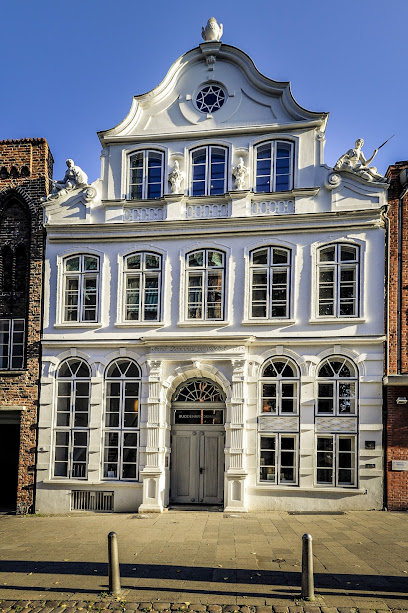
Marzipanmuseum Niederegger
0.1 km
Explore the sweet heritage of marzipan at the Marzipanmuseum Niederegger in Lübeck, a delightful blend of art, history, and delicious treats.
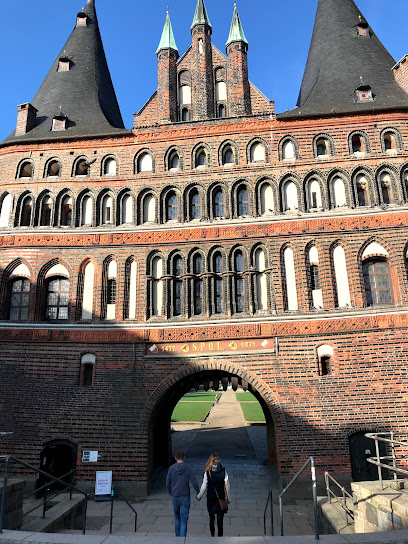
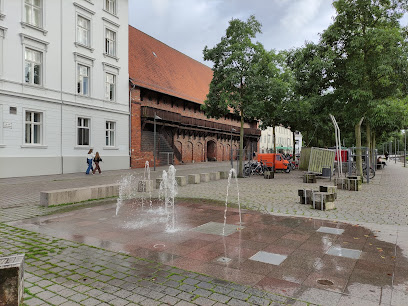
Wasserspiele Breite Straße
0.2 km
Discover the tranquil beauty of Wasserspiele Breite Straße, a captivating water feature attraction in Lübeck's historic old town.
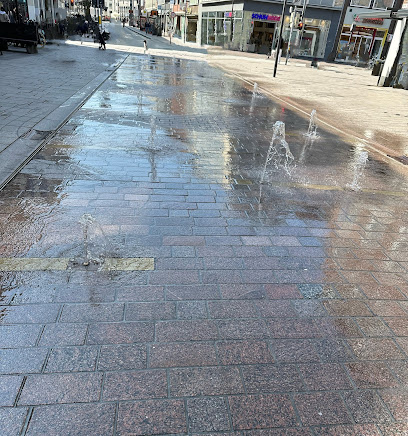
Salzspeicher
0.3 km
Explore Lübeck's Salzspeicher, a historic landmark that showcases the city's rich trading heritage and stunning medieval architecture in the heart of the old town.
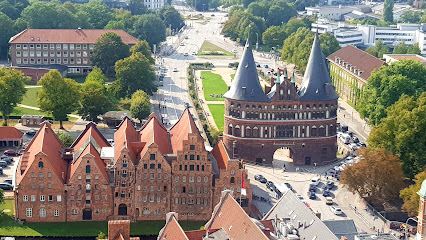
Wasserspiele Klingenberg
0.3 km
Discover the serenity of Wasserspiele Klingenberg in Lübeck, where stunning water features and lush gardens create a tranquil escape for all visitors.
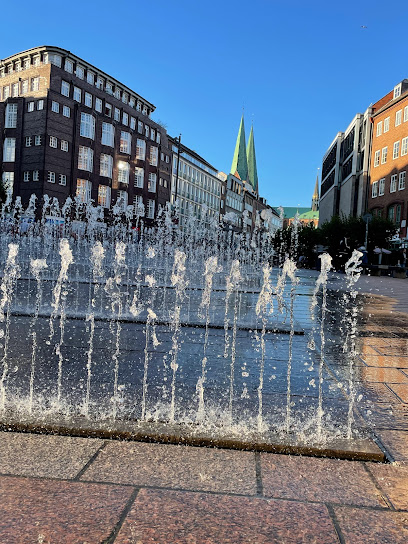
Museum Holstentor
0.3 km
Explore the rich history of Lübeck at Museum Holstentor, an iconic landmark showcasing the city's medieval architecture and cultural heritage.
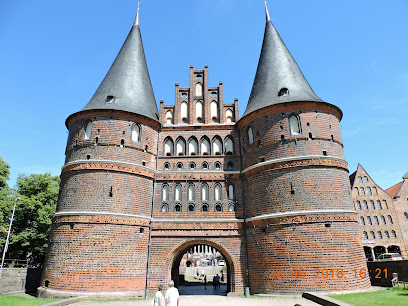
Holstentor square
0.4 km
Discover the historic Holstentor Square in Lübeck, a captivating blend of architectural beauty and serene park settings, perfect for every traveler.
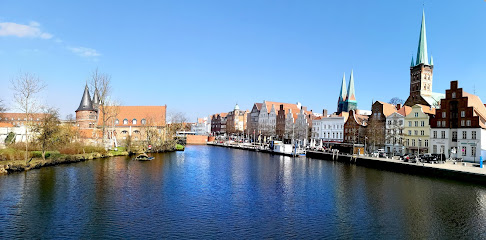
Willy Brandt House, Lübeck
0.4 km
Explore the legacy of Willy Brandt at this engaging museum, celebrating history, politics, and peace in the heart of Lübeck.
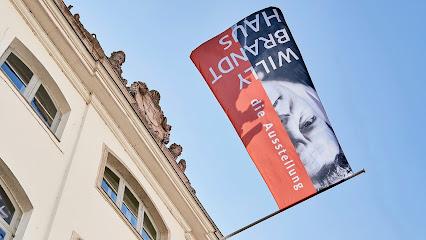
Haus Senkbeil
0.4 km
Experience the rich heritage and stunning architecture of Haus Senkbeil in Lübeck's historic Altstadt, a must-visit tourist attraction.
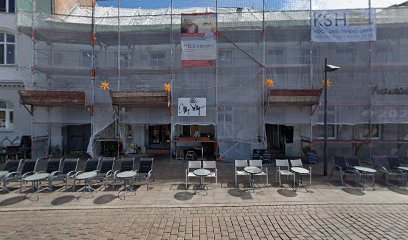
Karikatur zur Menschlichkeit
0.4 km
Discover the art of caricature at Karikatur zur Menschlichkeit, a captivating tourist attraction in Lübeck that explores the essence of humanity.
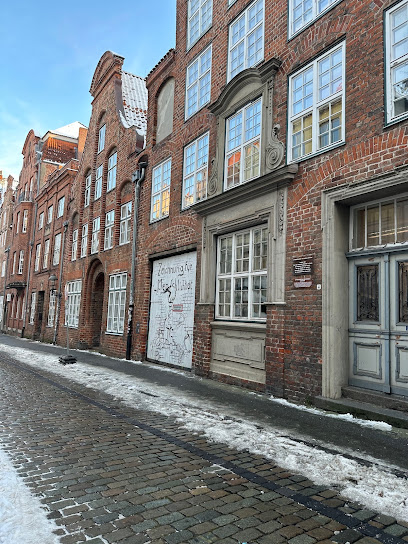
Füchtingshof
0.5 km
Explore the serene beauty and historical charm of Füchtingshof, a must-visit tourist attraction in Lübeck's picturesque Altstadt.
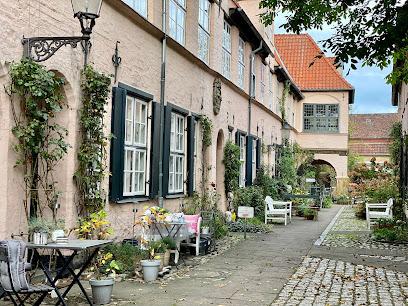
Museum Behnhaus Drägerhaus
0.5 km
Explore the rich art collections and serene atmosphere of Museum Behnhaus Drägerhaus in Lübeck, a cultural treasure for art lovers.
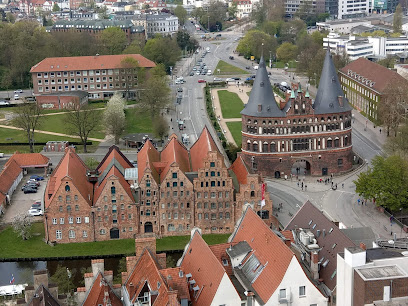
Wasserspiele Obertrave
0.5 km
Discover the serene beauty of Wasserspiele Obertrave, a tranquil water display attraction in Lübeck that captivates visitors with its artistic charm.
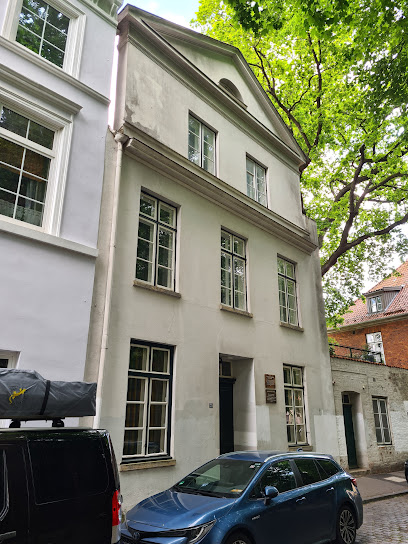
Predigerhaus von St. Aegidien
0.5 km
Explore the historic Predigerhaus von St. Aegidien in Lübeck, a captivating tourist attraction that showcases the city's Hanseatic heritage and medieval architecture.
Essential places to dine

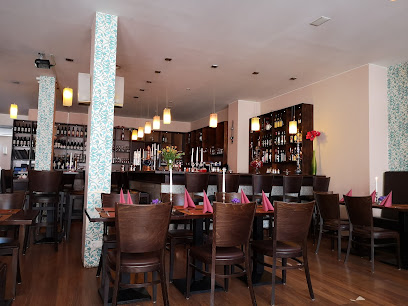
Merhaba - Lübeck
0.0 km
Experience authentic Turkish cuisine at Merhaba - Lübeck, where every meal tells a story of tradition and flavor.
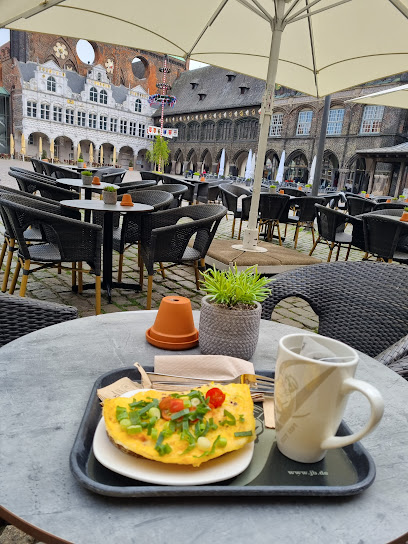
Café Erdapfel - Lübeck
0.1 km
Discover Café Erdapfel in Lübeck - where local flavors meet cozy ambiance for an unforgettable bistro experience.
Ratskeller zu Lübeck
0.1 km
Discover the heart of Lübeck's culinary scene at Ratskeller zu Lübeck, where tradition meets taste in every dish.
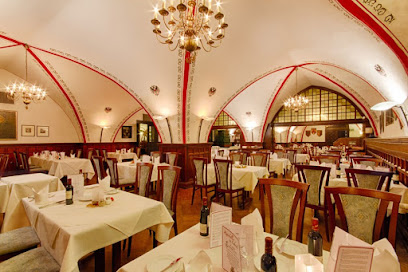
Thana Asia Restaurant
0.1 km
Experience authentic Asian flavors at Thana Asia Restaurant in Lübeck - a haven for food lovers seeking delicious vegan, gluten-free, and seafood options.
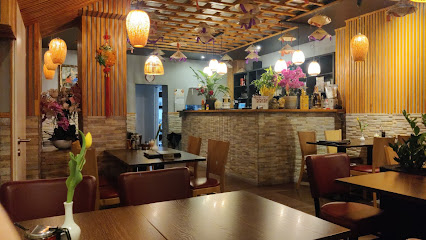
Das Flammkuchenhaus
0.2 km
Discover authentic Alsatian cuisine at Das Flammkuchenhaus in Lübeck - a must-visit for culinary enthusiasts!
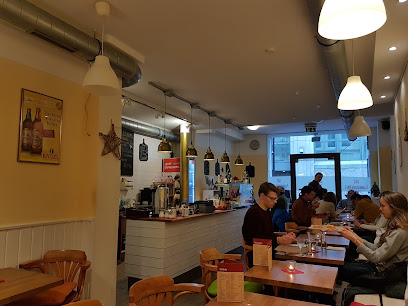
Stadtschänke
0.2 km
Experience authentic German flavors at Stadtschänke in Lübeck's historic Altstadt - where tradition meets taste.
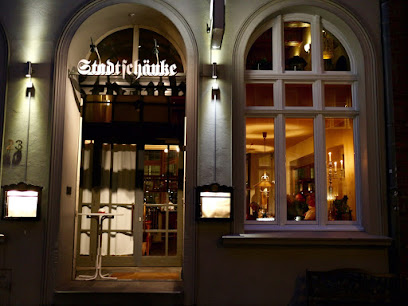
Buddha Bowl - Lübeck
0.2 km
Experience authentic Japanese flavors at Buddha Bowl in Lübeck's historic Altstadt - where culinary artistry meets tradition.
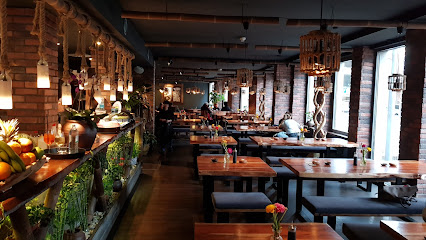
Schabbelhaus zu Lübeck
0.2 km
Discover authentic Lübeck cuisine at Schabbelhaus zu Lübeck—where history and flavor come together in every dish.
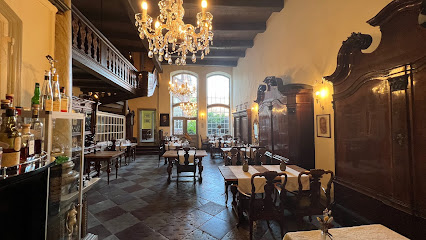
Lübecker Hanse - Lübeck
0.2 km
Experience the best of German cuisine fused with creative tapas at Lübecker Hanse in historic Lübeck.
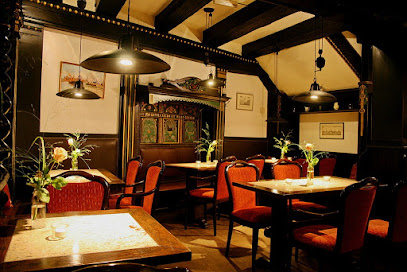
BLOCK HOUSE
0.2 km
Discover BLOCK HOUSE in Lübeck – where premium steaks and warm hospitality come together in a charming setting.
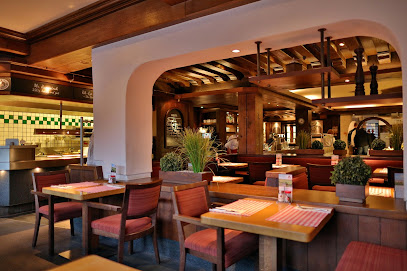
Lübecker Nudelkontor
0.2 km
Experience authentic Italian cuisine at Lübecker Nudelkontor - where handmade pasta meets the charm of Lübeck's historic Altstadt.
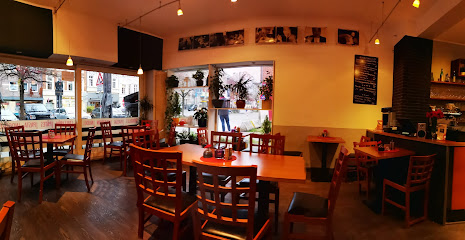
L'Osteria
0.2 km
Experience authentic Italian cuisine at L'Osteria in Lübeck - home to delicious pizzas and warm hospitality.
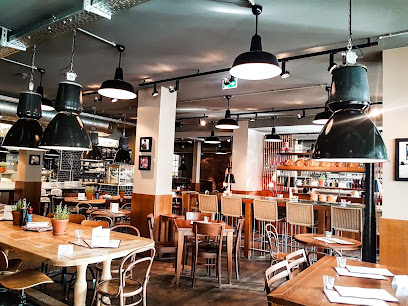
Brauberger zu Lübeck
0.2 km
Discover Brauberger zu Lübeck: A traditional German beer hall serving delicious local cuisine in an inviting atmosphere.
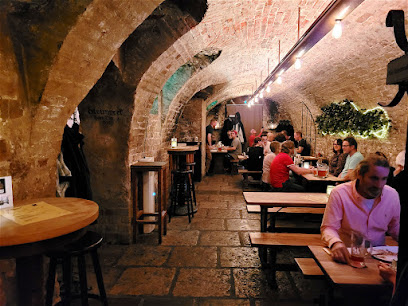
Kartoffelspeicher
0.3 km
Experience authentic German cuisine at Kartoffelspeicher in Lübeck, specializing in delicious potato dishes amid charming surroundings.
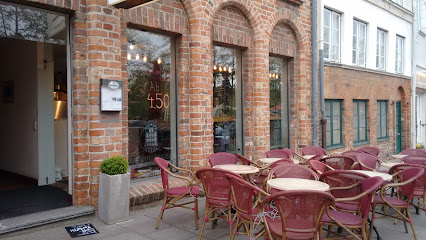
Wullenwever
0.3 km
Experience the pinnacle of fine dining at Wullenwever in Lübeck, where exquisite French cuisine meets local charm.
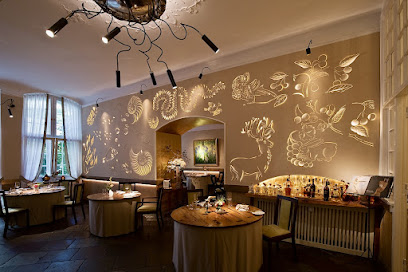
Markets, malls and hidden boutiques

Lübeck Laden
0.1 km
Explore Lübeck Laden, a charming gift shop in Lübeck's Altstadt, perfect for unique souvenirs and local crafts to remember your visit.
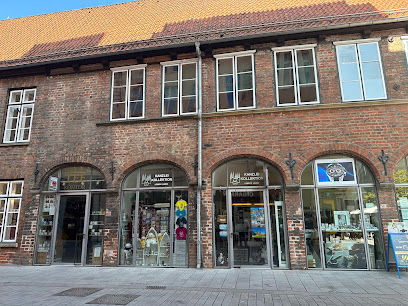
Wicky Lübeck
0.1 km
Discover unique souvenirs and local crafts at Wicky Lübeck, the ultimate gift shop in the heart of Lübecker Altstadt.
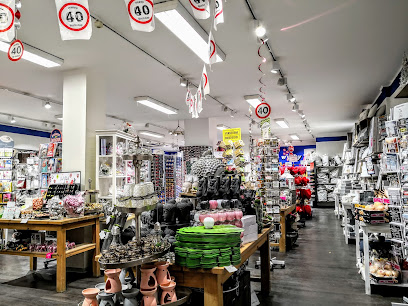
Flying Tiger Copenhagen
0.1 km
Explore a whimsical gift shop in Lübeck filled with unique, affordable items for all ages at Flying Tiger Copenhagen.
C&A
0.1 km
Discover the latest fashion trends at C&A in Lübeck, your go-to clothing store for stylish apparel for the whole family.
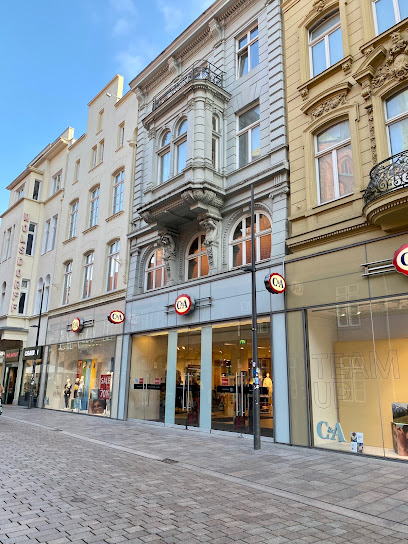
TK Maxx
0.2 km
Discover unbeatable deals on fashionable finds at TK Maxx, a must-visit department store in Lübeck's historical district.
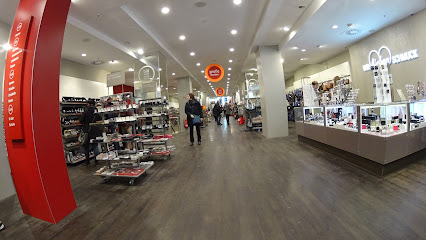
Boutique Armoni
0.2 km
Discover unique fashion finds at Boutique Armoni in Lübeck's historic Altstadt, where style meets local charm in a welcoming atmosphere.
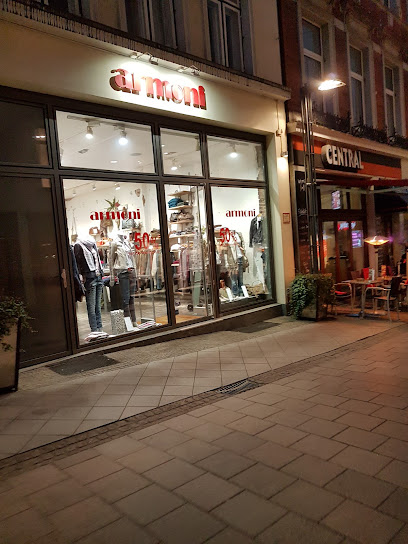
Marc O'Polo
0.2 km
Discover contemporary fashion at Marc O'Polo in Lübeck's historic Altstadt—where style meets sustainability.
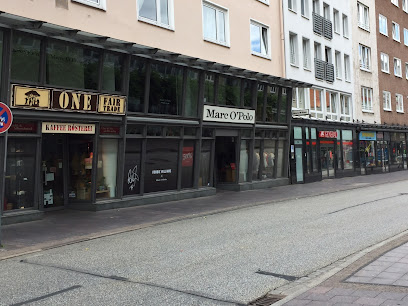
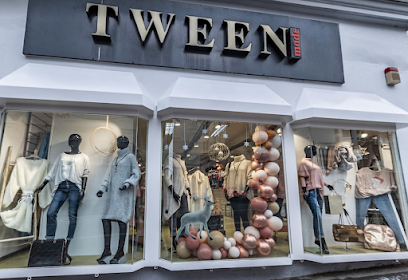
TWEEN MODE - Lübeck
0.2 km
Explore TWEEN MODE in Lübeck for a unique boutique experience featuring trendy clothing and accessories for all ages.
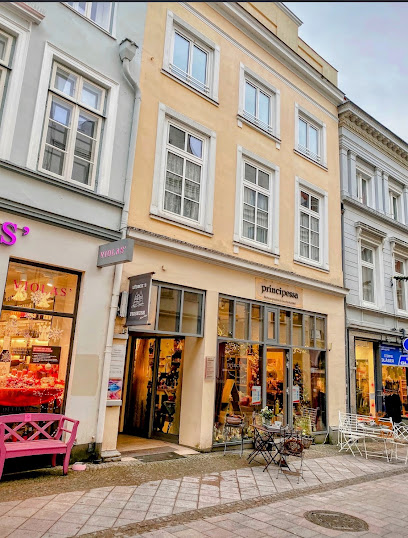
Principessa - Geschenkartikel & Wohnaccessoires
0.2 km
Explore the charm of Lübeck with unique gifts and home accessories at Principessa, a must-visit gift shop in the heart of the city.
Between
0.2 km
Explore the vibrant fashion scene at Between in Lübeck – where style meets quality in the heart of the city.
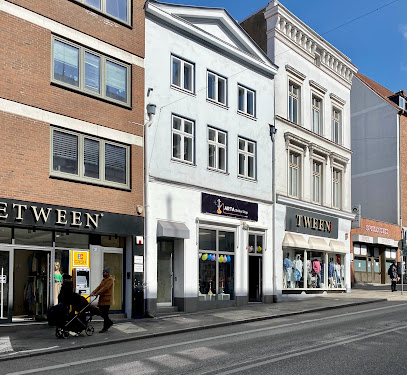
NEW YORKER
0.2 km
Explore the latest trends in fashion at NEW YORKER, Lübeck's premier clothing destination for stylish apparel and accessories.

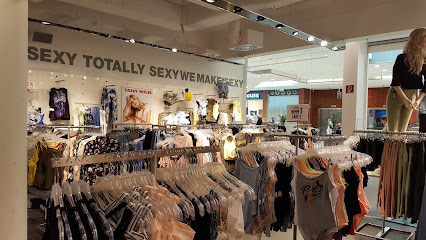
TALLY WEiJL
0.2 km
Explore trendy women's clothing at TALLY WEiJL in Lübeck's historic Altstadt, where fashion meets vibrant style and quality.
Your Style- Man Store
0.2 km
Explore the unique men's fashion at Your Style- Man Store in Lübeck, where contemporary style meets classic elegance.
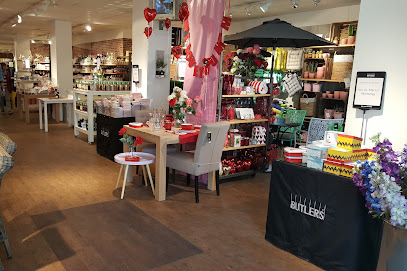
BUTLERS@home24 Lübeck Königstraße
0.2 km
Discover unique gifts and stylish home goods at BUTLERS@home24 Lübeck Königstraße, a must-visit shop in the heart of Lübeck's historic district.
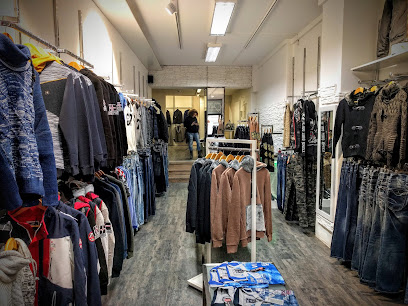
BlueBrixx Store Lübeck
0.2 km
Explore a treasure trove of toys and collectibles at BlueBrixx Store Lübeck, where creativity and fun come to life for all ages.

Essential bars & hidden hideouts

MENGwirtschaft
0.1 km
Discover MENGwirtschaft, a cozy bar in Lübeck's Altstadt, where local culture meets delightful drinks in a welcoming atmosphere.
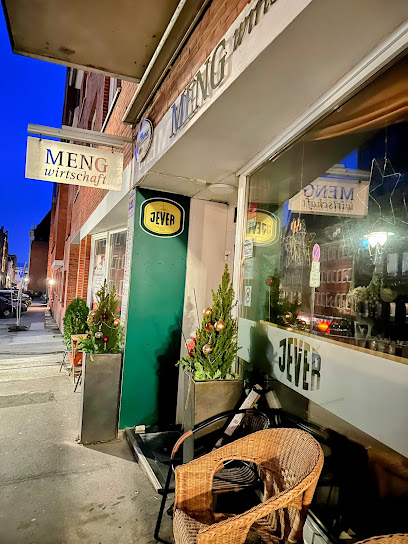
Lulu's Pub
0.2 km
Experience the heart of Lübeck at Lulu's Pub, where local brews and a cozy atmosphere bring friends together.
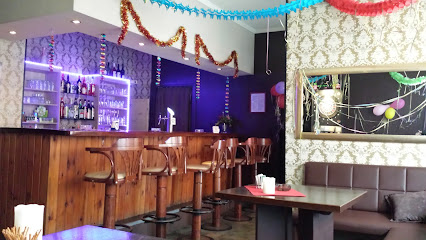
Finnegan Lübeck
0.2 km
Discover Finnegan Lübeck: A vibrant Irish pub in Lübeck's historic center, offering authentic cuisine and a lively atmosphere.
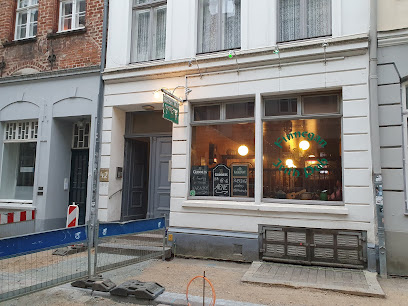
Caffe Grande Barcio
0.2 km
Discover Caffe Grande Barcio in Lübeck - a perfect blend of grill delights and café comforts in a charming atmosphere.
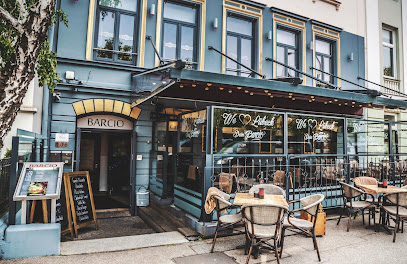
Dietrich's Bar - Luebeck
0.2 km
Experience the charm of Lübeck at Dietrich's Bar, where cozy atmosphere meets a delightful drink selection.
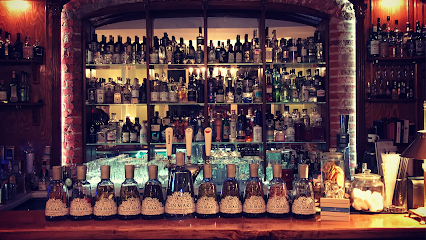
Mac Thomas - Lübeck
0.3 km
Discover the vibrant atmosphere of Mac Thomas, an Irish pub in Lübeck's Altstadt, offering authentic cuisine and a friendly ambiance.
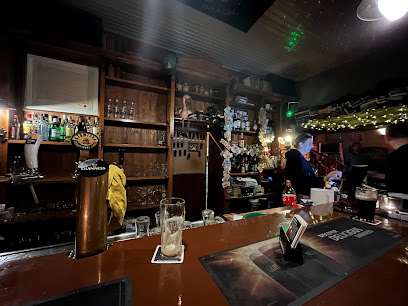
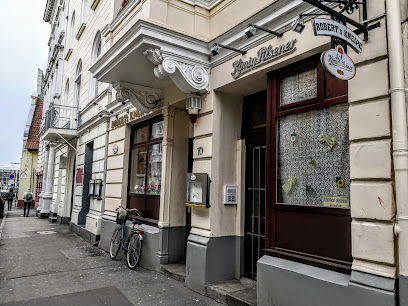
Roberts Kneipe - Lübeck
0.3 km
Experience the authentic taste of Lübeck at Roberts Kneipe, a cozy pub offering local brews and hearty meals in a historic setting.
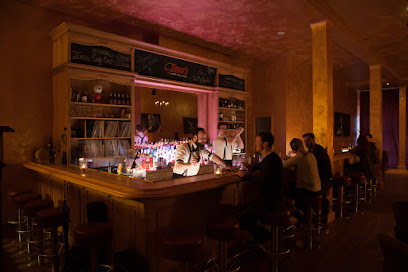
Torrio's - American Bar
0.3 km
Experience the vibrant American bar culture in Lübeck at Torrio's, where good drinks and lively atmosphere await.
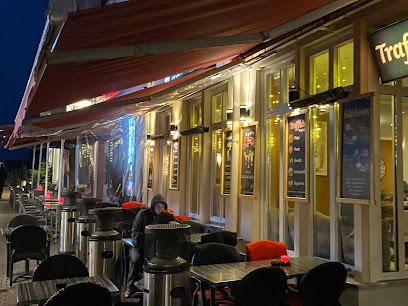
Traffico Cocktailbar, Restaurant und Café - täglich bis Open End!
0.4 km
Experience the vibrant nightlife of Lübeck at Traffico Cocktailbar, where delicious cocktails, gourmet dishes, and great atmosphere await.
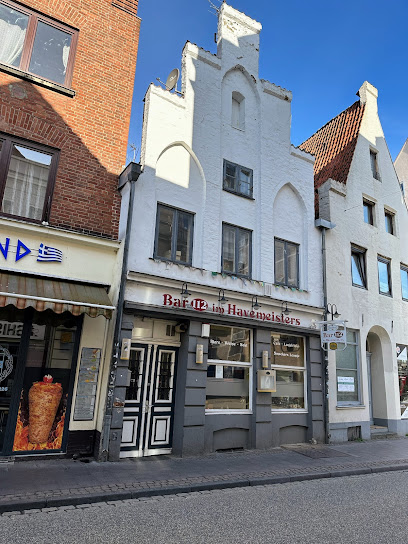
Bar 112 - Lübeck
0.4 km
Discover the lively spirit of Lübeck at Bar 112, where great drinks meet a vibrant atmosphere in the heart of the historic Altstadt.
Allegro Bar Svetlana Töbe
0.4 km
Discover the vibrant nightlife and welcoming atmosphere at Allegro Bar in Lübeck, where every night is a celebration of good drinks and great company.
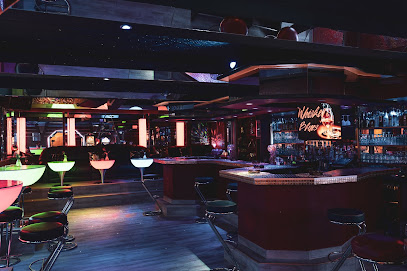
Unklar Bar - Lübeck
0.4 km
Experience the lively nightlife of Lübeck at Unklar Bar, where eclectic drinks and a friendly atmosphere await you.
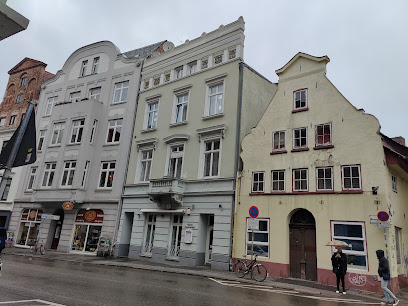
Blauer Engel - Lübeck
0.4 km
Discover the vibrant atmosphere of Blauer Engel in Lübeck, a cozy pub perfect for unwinding after exploring the city's historic treasures.
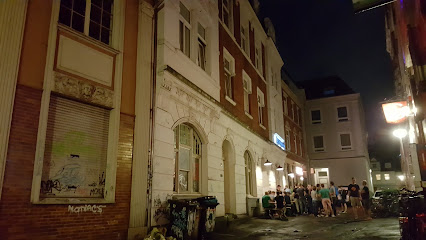
Weltwirtschaft - Lübeck
0.4 km
Experience the vibrant nightlife of Lübeck at Weltwirtschaft, a lively bar offering a unique atmosphere and excellent drinks to enjoy with friends.
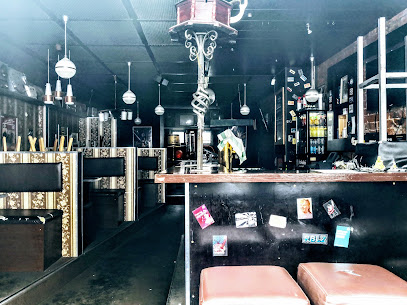
sZiggy's Bar
0.4 km
Discover the inviting atmosphere and delightful drinks at sZiggy's Bar, a must-visit spot in Lübeck's historic district for every traveler.
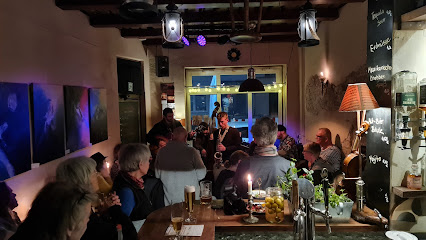
Nightclubs & after hour spots

Discothek Sounds
0.4 km
Discover Lübeck's nightlife at Discothek Sounds, a lively disco club filled with great music and an electric atmosphere that keeps the party going.
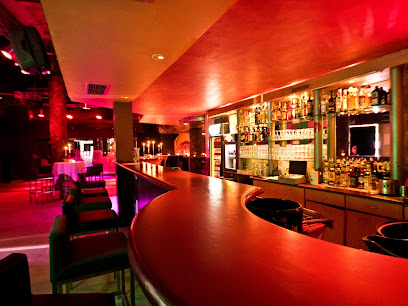
Caffe Grande Jazzcafe
0.6 km
Discover the vibrant atmosphere of Caffe Grande Jazzcafe in Lübeck, where delicious grilled cuisine meets soulful jazz melodies.
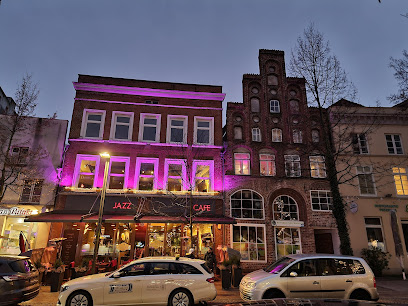
Hüx - Lübeck
0.7 km
Discover the electric nightlife of Lübeck at Hüx, a premier disco club with vibrant music and an unforgettable dance experience.
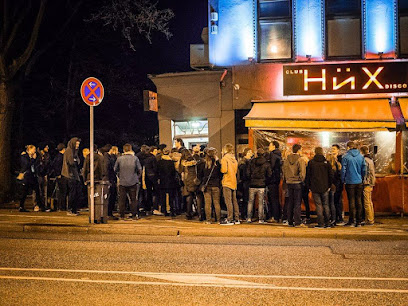
Fischtheke
0.8 km
Experience the electrifying nightlife at Fischtheke, Lübeck's premier night club, where music meets maritime charm.
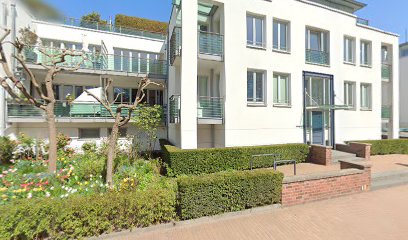
Bordell Club-Hotel Lübeck
0.9 km
Discover the unique nightlife at Bordell Club-Hotel Lübeck, where vibrant entertainment meets a lively atmosphere in a premier girl bar.
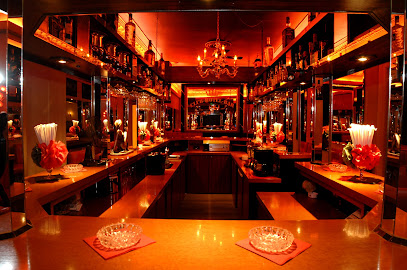
Strandsalon
1.0 km
Discover the vibrant atmosphere of Strandsalon in Lübeck, where delicious food, refreshing drinks, and exciting events come together.
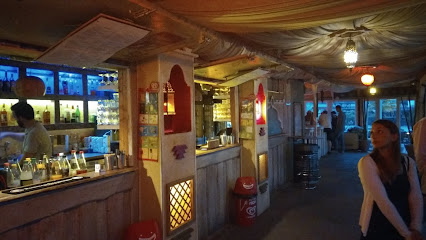
Bunker Lübeck
1.2 km
Discover the electrifying nightlife at Bunker Lübeck – an iconic night club featuring great music and an unforgettable atmosphere in Lübeck.
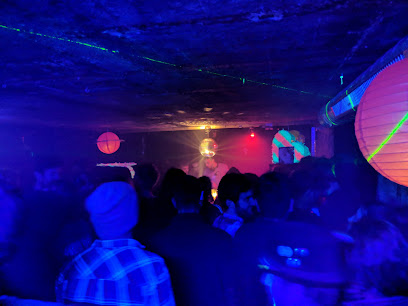
CIRCLE CLUB
1.2 km
Discover the lively nightlife at Circle Club in Lübeck, where unforgettable nights of dancing and music await in a vibrant atmosphere.
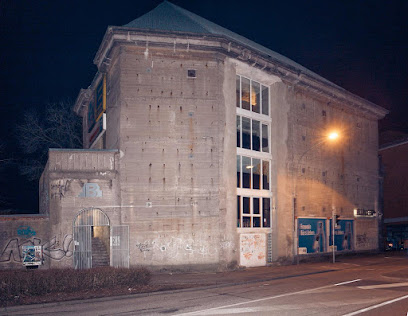
Baltic Gentlemen Club
1.4 km
Discover vibrant nightlife at the Baltic Gentlemen Club in Lübeck, where elegance meets entertainment for an unforgettable evening.
Semihs Prestige Clun
1.5 km
Discover the lively nightlife at Semihs Prestige Club in Lübeck, where music, dance, and unforgettable memories await every night.
Musikpark A1 Lübeck
1.6 km
Discover Lübeck's lively nightlife at Musikpark A1, a premier disco club offering unforgettable dance experiences and a diverse social scene.
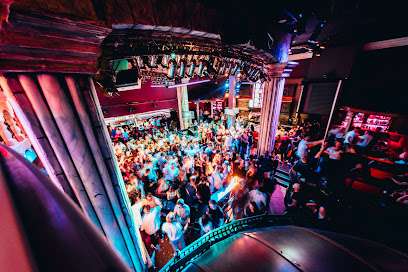
Club Kings
1.8 km
Discover the electrifying atmosphere of Club Kings in Lübeck, where vibrant nightlife, great music, and unforgettable memories await you.
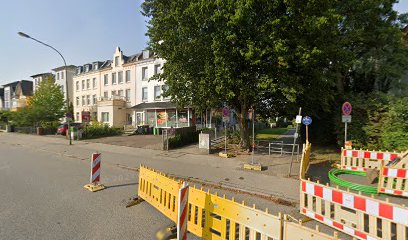
Lotta's Privathaus
2.0 km
Explore Lübeck's vibrant nightlife at Lotta's Privathaus, a lively night club with eclectic music and a welcoming atmosphere for all.
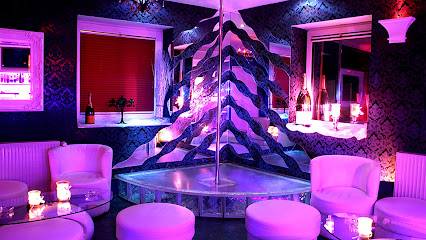
Mens World
2.2 km
Experience the vibrant nightlife at Mens World, Lübeck's top night club, offering an electrifying atmosphere and unforgettable entertainment for adults.
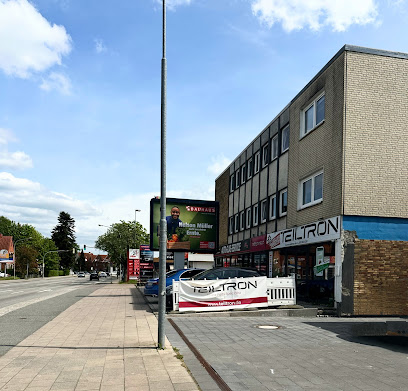
PRESTIGE CLUB Lübeck
2.8 km
Discover the vibrant nightlife of Lübeck at Prestige Club, where music, dance, and unforgettable memories await you.