Lübeck Cathedral: A Beacon of History and Faith
Discover Lübeck Cathedral, a magnificent blend of Gothic architecture, art treasures, and spiritual significance in the heart of Lübeck's UNESCO-listed Old Town.
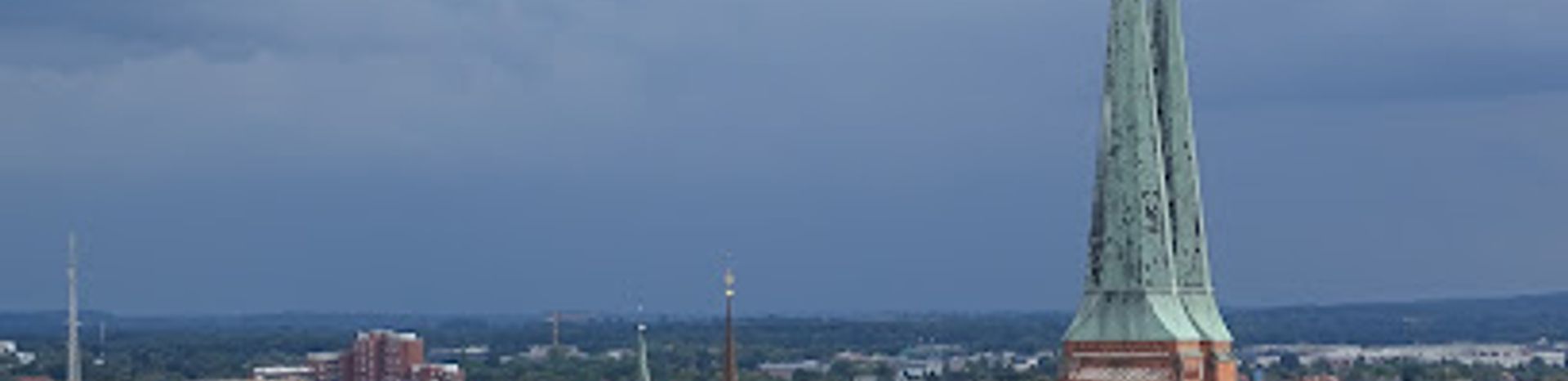
Lübeck Cathedral, or Lübecker Dom, stands as a powerful symbol of Lübeck's history and enduring spirit. Founded in 1173 by Henry the Lion, this Lutheran cathedral has evolved through Romanesque and Gothic architectural styles, bearing witness to centuries of change. Severely damaged during World War II, its reconstruction stands as a testament to resilience. Today, visitors can explore its awe-inspiring interior, home to priceless art treasures like Bernt Notke's Triumphal Cross, and experience its vibrant musical life. Located on the southern edge of Lübeck's Old Town, a UNESCO World Heritage site, the cathedral offers a serene escape and a profound connection to the city's rich past. Its towering presence and historical significance make it a must-see destination for any traveler.
A brief summary to Lübeck Cathedral
- Mühlendamm 2-6, Lübeck, Lübecker Altstadt, 23552, DE
- +4945174704
- Visit website
Local tips
- Attend a service or concert to experience the cathedral's exceptional acoustics and rich musical tradition.
- Take time to explore the surrounding cathedral quarter, an oasis of green spaces and historic buildings on the edge of the Old Town.
- Don't miss the Triumphal Cross by Bernt Notke, a towering masterpiece of late Gothic sculpture.
- Visit the cathedral museum to learn more about the history of the cathedral and its art treasures.
- Combine your visit with a walk through Lübeck's Old Town, a UNESCO World Heritage site, to discover its charming streets and historic landmarks.

Getting There
-
Walking
From Lübeck Markt (Market Square), head east, passing the Rathaus (Town Hall) on your right. Continue along Breite Strasse, then turn right onto Koberg. Walk towards the River Trave; the Dom zu Lübeck will become visible on your left. The walk is approximately 10 minutes and offers views of the historic city center.
-
Public Transport
From Lübeck Hauptbahnhof (Central Station), take bus lines 1, 2, 4, 5, 6, 7, 9, 10, 11, 15, 16, 21, 31, 32, 39, 8710, 8720, 8770 or 8780 to the 'Kohlmarkt/Sandstraße/Wahmstraße' bus stop. From there, it's approximately a 5-minute walk to the cathedral. Single bus fares within Lübeck are around €2.50-€3.50. Consider purchasing a day ticket for unlimited travel if you plan to visit multiple attractions. Tickets can be purchased at the bus stop or on the bus.
-
Taxi/Ride-Share
A taxi or ride-share from Lübeck Hauptbahnhof to Lübeck Cathedral will take approximately 5-10 minutes, depending on traffic. The estimated cost is between €10-€15. Be sure to confirm the fare with the driver before starting your journey.
-
Driving
Driving directly to Lübeck Cathedral is possible, but parking is limited in the immediate vicinity. Use the parking facilities at 'Parkhaus St. Marien Zentrum Lübeck' or 'Parkplatz Lastadie' near the Musik- und Kongresszentrum. From either parking location, it's a short walk to the cathedral. Parking fees typically range from €2-€3 per hour.
Discover more about Lübeck Cathedral
Iconic landmarks you can’t miss

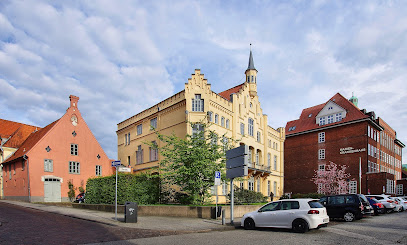
Palais Rantzau - ein Haus der Deutschen Stiftung Denkmalschutz
0.2 km
Discover the historical elegance of Palais Rantzau in Lübeck, a captivating blend of neogothic architecture and medieval history, now home to the Schleswig-Holstein Music Festival.
St. Peter's Church
0.6 km
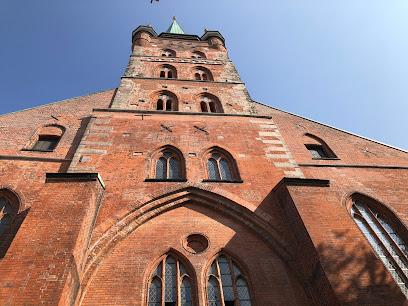
Explore Lübeck's St. Peter's Church: A historic Brick Gothic masterpiece offering panoramic views, modern art, and cultural events in the heart of the UNESCO-listed Old Town.
Reliefkarte von Lübeck
0.6 km
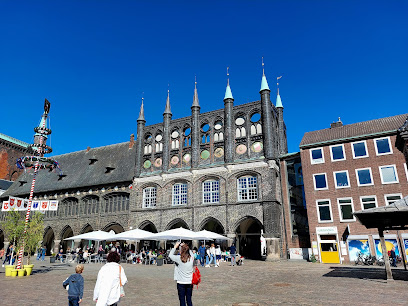
Discover Lübeck's historic heart: Markt, where centuries of history meet vibrant modern life in a UNESCO World Heritage setting.
Marktplatz Lübeck
0.7 km
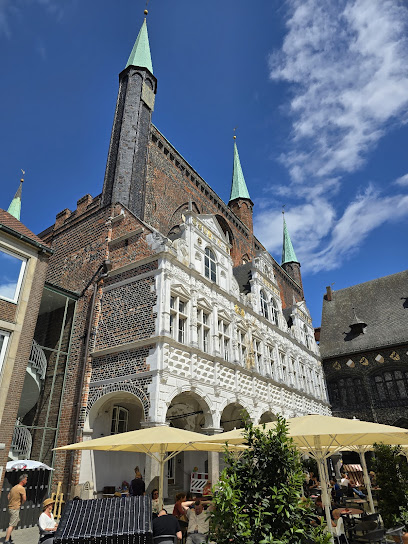
Discover Lübeck's Marktplatz: a historic square in the heart of the Altstadt, surrounded by stunning architecture and steeped in Hanseatic history, offering a vibrant cultural experience.
Stadtgraben
0.7 km
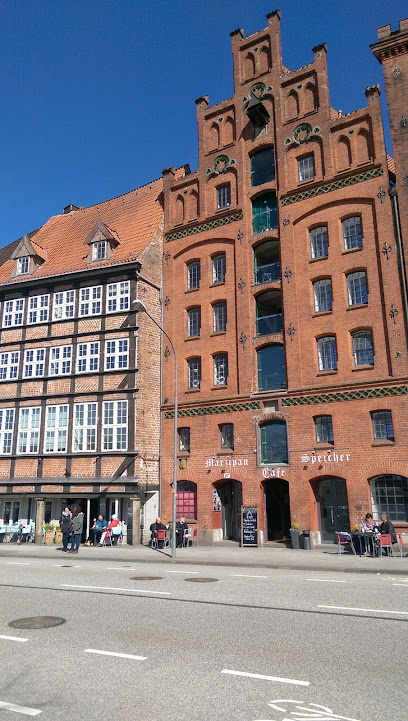
Discover Lübeck's Stadtgraben: A historic moat turned tranquil park, offering scenic views and a glimpse into the city's medieval past along the Altstadt.
The Broken Bells Of St. Mary's
0.7 km
Witness history etched in shattered bells at Lübeck's St. Mary's Church, a powerful memorial to peace within a Brick Gothic masterpiece, a UNESCO World Heritage site.

Marienkirche
0.8 km
Discover St. Mary's Church in Lübeck: A Brick Gothic masterpiece with soaring towers, rich history, and poignant wartime stories, offering an unforgettable cultural experience.
Lübecker Altstadt
0.8 km
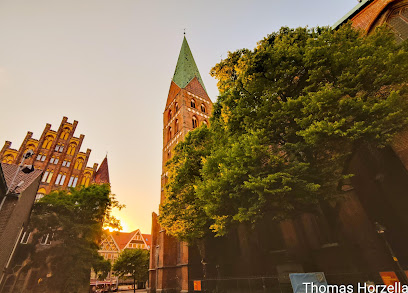
Explore Lübeck's UNESCO-listed Altstadt: a captivating blend of medieval architecture, Hanseatic history, and cultural treasures, offering an unforgettable journey through time.
Lübecker Löwen
0.8 km
Discover the majestic Lübecker Löwen, symbols of Lübeck's Hanseatic heritage, guarding the historic Burgtor and Holstentor in the heart of this UNESCO World Heritage city.
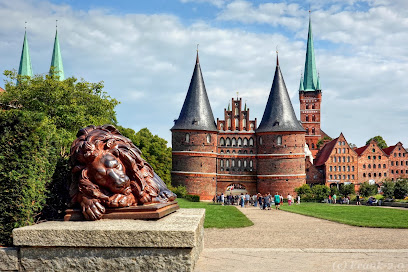
Puppenbrücke
0.9 km
Cross Lübeck's historic Puppenbrücke, adorned with captivating statues, and step into a world where art, history, and Hanseatic charm converge in a picturesque setting.
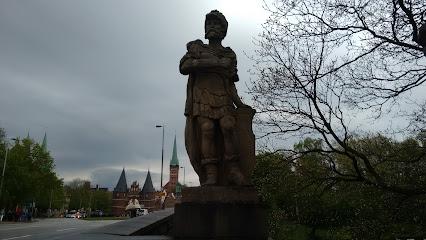
Lübeck Altstadt
1.0 km
Explore Lübeck's Altstadt, a UNESCO World Heritage site, where medieval charm meets modern vibrancy in a captivating blend of history, architecture, and Hanseatic heritage.
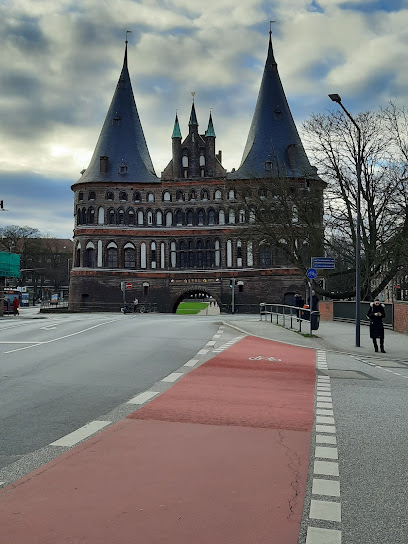
Bismarckdenkmal
1.0 km
Discover the Bismarckdenkmal in Lübeck, a historical landmark celebrating the legacy of Otto von Bismarck amidst serene gardens, offering a glimpse into Germany's past.
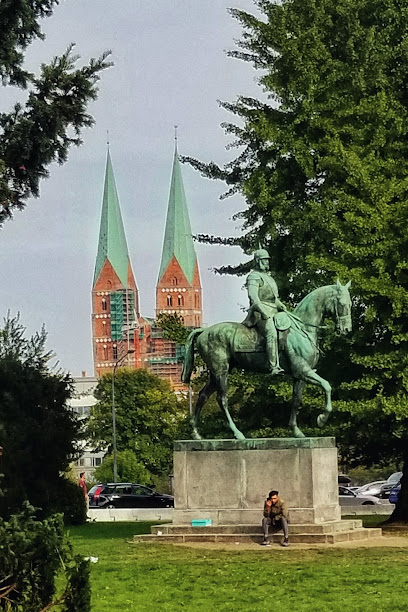
Klughafenbrücke
1.2 km
Discover the shimmering Klughafenbrücke in Lübeck, connecting history and modernity with scenic views of the Kanaltrave and easy access to UNESCO World Heritage sites.
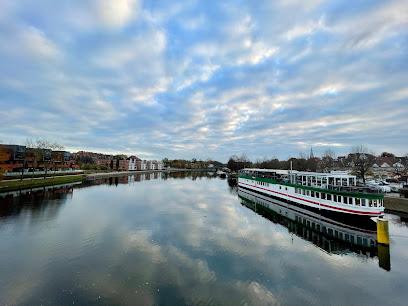
Koberg
1.2 km
Discover Koberg in Lübeck: A captivating square where medieval architecture meets Hanseatic history, offering a unique glimpse into the city's rich cultural heritage.
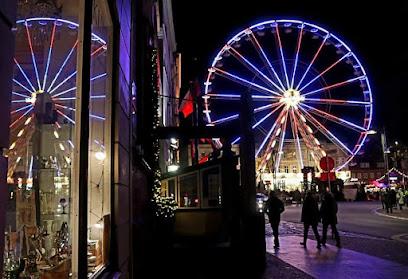
Church of St. Lawrence
1.3 km
Discover a peaceful retreat at St. Lawrence Church in Lübeck, a welcoming house of worship offering a serene escape and a glimpse into the local community's spiritual life.
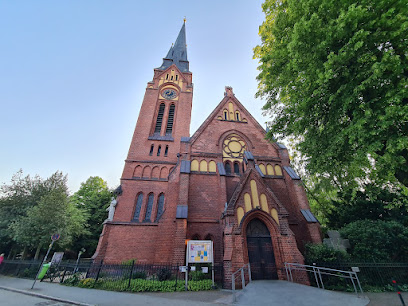
Unmissable attractions to see

Pulvermacherhaus
0.1 km
Explore the historical Pulvermacherhaus in Lübeck, a captivating testament to the city's rich heritage and stunning medieval architecture.
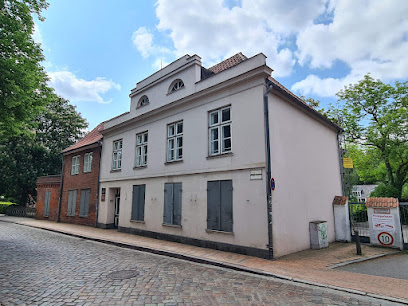
Stitens Almshouse
0.2 km
Explore the serene beauty and historical significance of Stitens Almshouse in Lübeck's enchanting Altstadt, a true gem of cultural heritage.
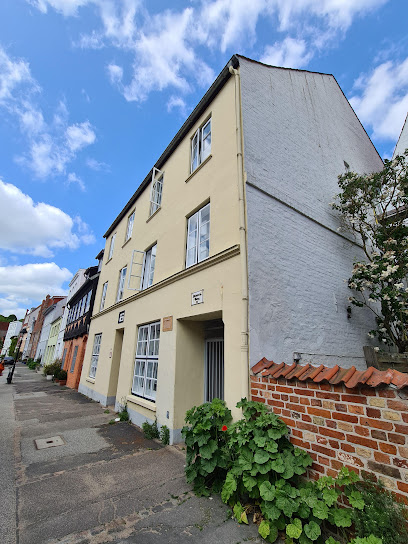
Kunsthalle St. Annen
0.3 km
Explore the artistic treasures of Lübeck at Kunsthalle St. Annen, where history and creativity converge in a stunning museum setting.
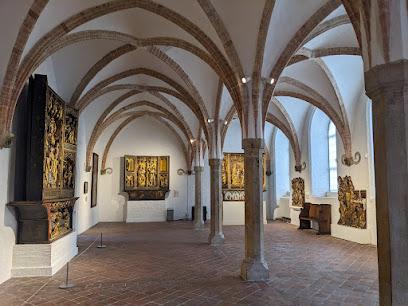
Museumsquartier St. Annen
0.3 km
Explore the cultural heart of Lübeck at Museumsquartier St. Annen, a must-visit art museum showcasing stunning collections and exhibitions.
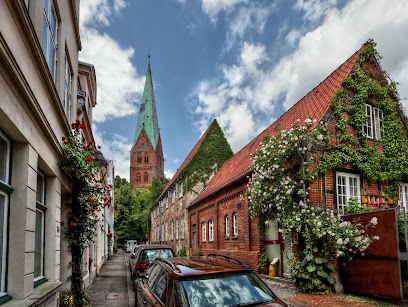
Ehemaliges Spinnhaus
0.3 km
Explore the historic Ehemaliges Spinnhaus in Lübeck, a captivating attraction that reveals the city’s rich industrial heritage and architectural beauty.
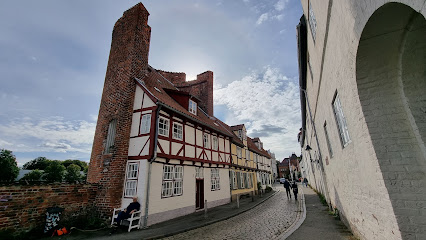
Halbturm
0.3 km
Explore the historic Halbturm in Lübeck, a captivating tower steeped in history and architectural beauty, perfect for every traveler.
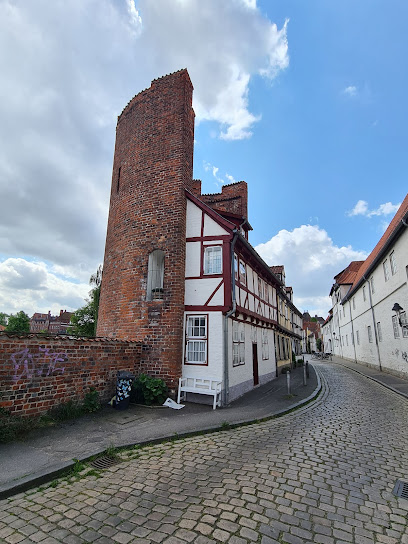
Kaisertor
0.3 km
Discover the Kaiser Tor in Lübeck, a stunning historical landmark that captures the essence of the city's rich medieval heritage.
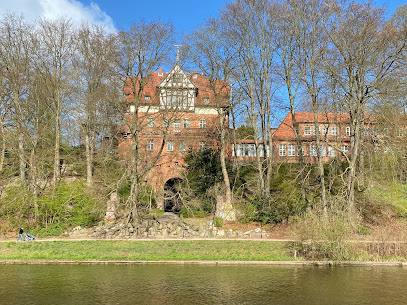
Wasserspiele Klingenberg
0.4 km
Discover the serenity of Wasserspiele Klingenberg in Lübeck, where stunning water features and lush gardens create a tranquil escape for all visitors.
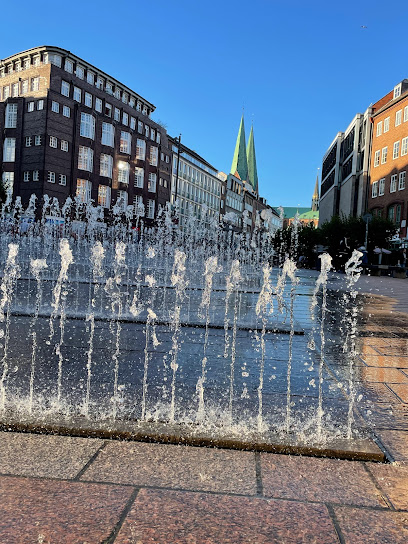
Malerwinkel
0.4 km
Explore the enchanting Malerwinkel in Lübeck, a picturesque spot perfect for photography and soaking in the city's artistic essence.
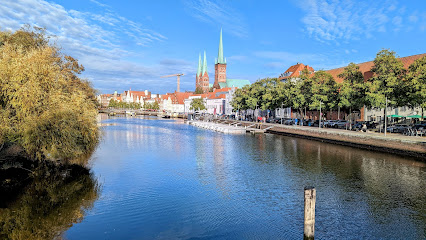
Predigerhaus von St. Aegidien
0.4 km
Explore the historic Predigerhaus von St. Aegidien in Lübeck, a captivating tourist attraction that showcases the city's Hanseatic heritage and medieval architecture.
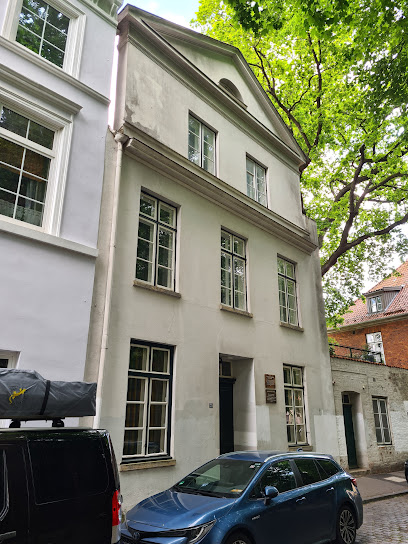
Haus Senkbeil
0.4 km
Experience the rich heritage and stunning architecture of Haus Senkbeil in Lübeck's historic Altstadt, a must-visit tourist attraction.
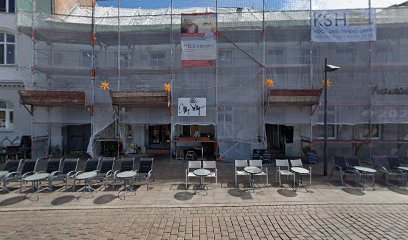
Wasserspiele Obertrave
0.5 km
Discover the serene beauty of Wasserspiele Obertrave, a tranquil water display attraction in Lübeck that captivates visitors with its artistic charm.
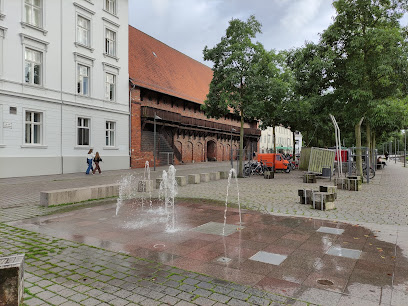
Wasserspiele Breite Straße
0.6 km
Discover the tranquil beauty of Wasserspiele Breite Straße, a captivating water feature attraction in Lübeck's historic old town.
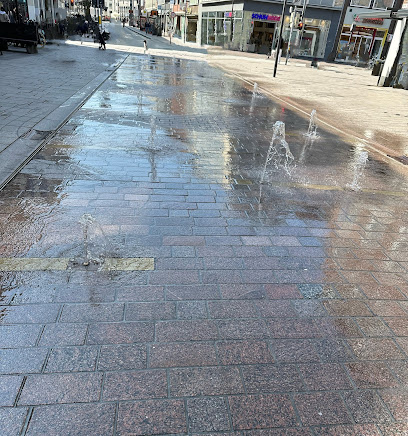
Hansestadt Lübeck Bronze
0.6 km
Experience the historical essence of Lübeck at the Hansestadt Lübeck Bronze, a stunning monument celebrating the city's rich Hanseatic heritage.
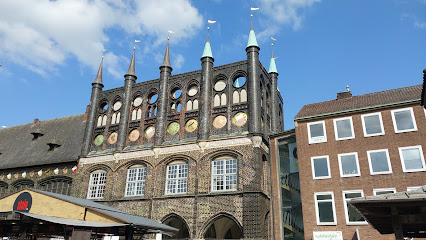
Marzipanmuseum Niederegger
0.6 km
Explore the sweet heritage of marzipan at the Marzipanmuseum Niederegger in Lübeck, a delightful blend of art, history, and delicious treats.
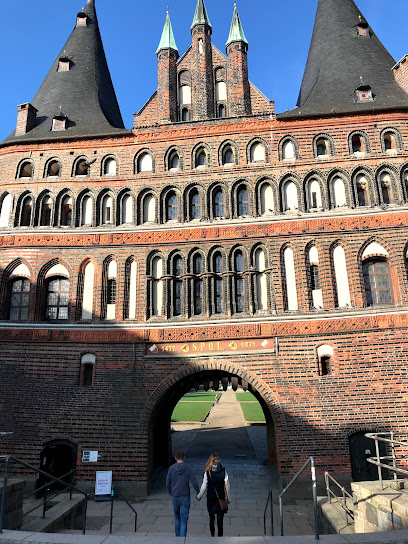
Essential places to dine

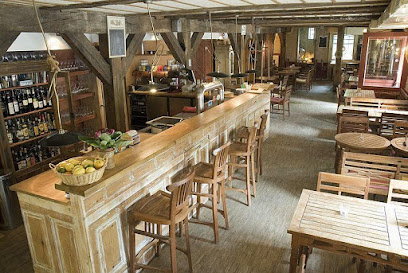
Alte Mühle - Lübeck
0.2 km
Experience authentic German cuisine at Alte Mühle in Lübeck - where tradition meets taste in a charming setting.
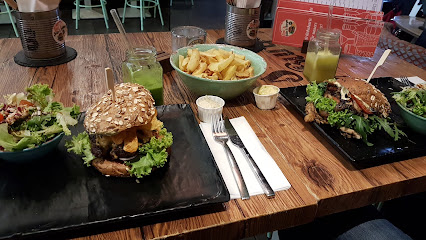
Leo's Juice & Burger
0.3 km
Experience mouthwatering burgers and fresh juices at Leo's Juice & Burger in Lübeck’s historic Altstadt, where quality meets flavor.
Paulaner am Dom
0.3 km
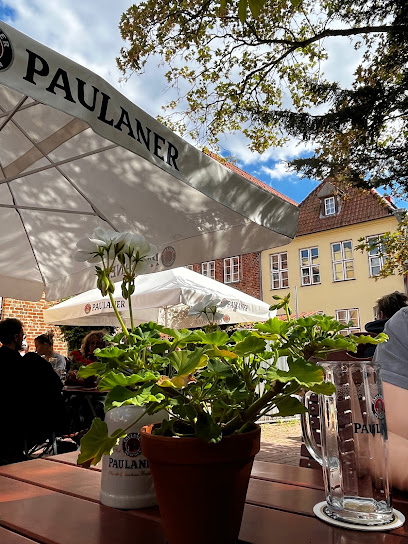
Discover authentic Bavarian flavors at Paulaner am Dom in Lübeck - where tradition meets taste in a charming setting.
Ristorante Italiano Florentina
0.3 km
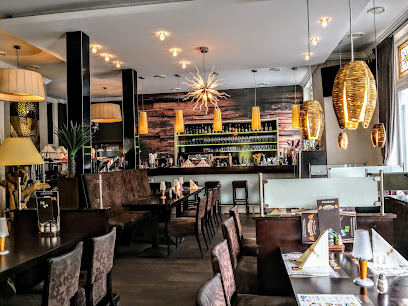
Experience authentic Italian cuisine at Ristorante Italiano Florentina in Lübeck - where every meal is a journey through Italy's rich culinary landscape.

Hacienda Rodizio
0.3 km
Experience authentic Brazilian cuisine at Hacienda Rodizio in Lübeck – where every meal is a celebration of flavor.
Bei Ulla
0.3 km
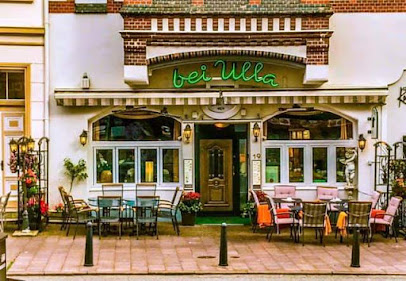
Experience authentic German cuisine at Bei Ulla in Lübeck's charming old town, where every dish tells a story.
Larry's Bar & Restaurant
0.4 km
Experience authentic Filipino cuisine in Lübeck at Larry's Bar & Restaurant - a culinary journey you won't forget!

Restaurant Alte Schmiede
0.4 km
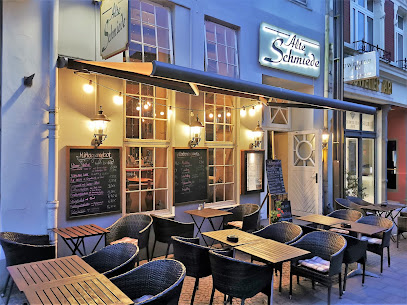
Experience authentic German cuisine at Restaurant Alte Schmiede in Lübeck's historic district with delightful flavors and inviting atmosphere.
Masala Darbar
0.4 km
Discover the vibrant flavors of India at Masala Darbar in Lübeck - where every dish tells a story.
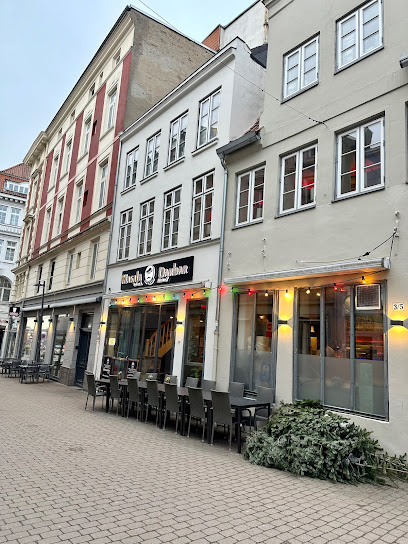
Restaurant Lübke's Speicher - Lübeck
0.4 km
Experience authentic German cuisine at Lübke's Speicher in Lübeck, where every dish tells a story and every meal is a celebration.
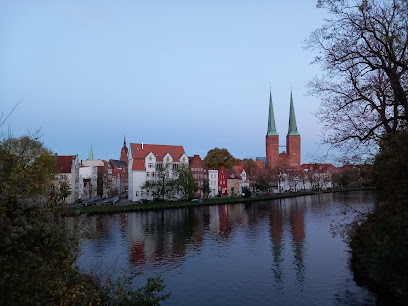
SALIS
0.5 km
Experience authentic German cuisine at SALIS, nestled in Lübeck's historic Altstadt, where tradition meets modernity.
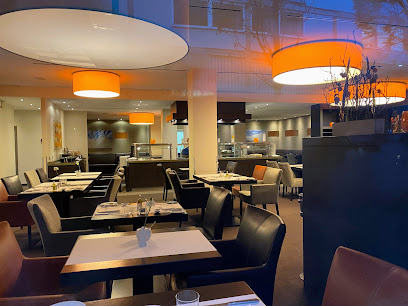
Buddha Bowl - Lübeck
0.5 km
Experience authentic Japanese flavors at Buddha Bowl in Lübeck's historic Altstadt - where culinary artistry meets tradition.
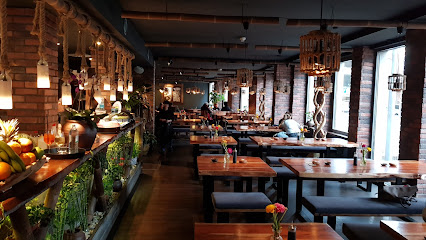
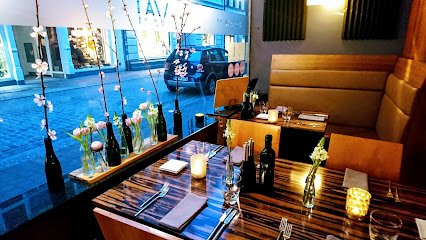
Restaurant VAI - Lübeck
0.6 km
Experience culinary artistry at Restaurant VAI in Lübeck—where tradition meets innovation in every delectable dish.
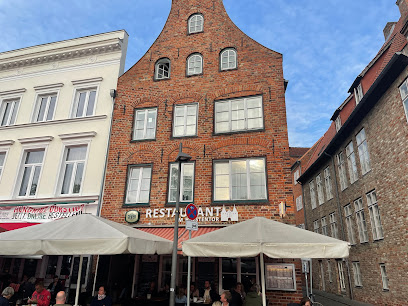
Restaurant am Holstentor Lübeck
0.6 km
Experience exquisite local cuisine at Restaurant am Holstentor in Lübeck's historic Old Town, near iconic landmarks and stunning views.
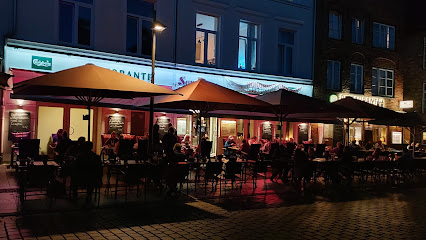
Ristorante San Remo
0.6 km
Discover authentic Italian cuisine at Ristorante San Remo in Lübeck – where every meal is a celebration of flavor and tradition.
Markets, malls and hidden boutiques

Julestjerne lubeck
0.2 km
Discover unique crafts and souvenirs at Julestjerne, a charming store in Lübeck's historic Altstadt, reflecting the city's rich cultural heritage.

Oxfam Shop Lübeck
0.4 km
Explore Oxfam Shop Lübeck: A thrift store haven for unique finds, fashion treasures, and charitable shopping in Lübeck's historic quarter.

ONE-Fair Trade coffee roaster
0.4 km
Experience ethical indulgence at ONE-Fair Trade Coffee Roaster, where every sip supports fair trade and sustainability in a cozy Lübeck setting.

Trekking König Outlet
0.4 km
Discover top-notch outdoor gear and sportswear at Trekking König Outlet in Lübeck, your gateway to adventure in Northern Germany.

KULT
0.5 km
Explore KULT in Lübeck for a fashionable shopping experience with stylish clothing for men and women in a vibrant atmosphere.

Arleol First Class second Hand
0.5 km
Explore Arleol First Class Second Hand in Lübeck for a unique shopping adventure filled with stylish, sustainable second-hand clothing.
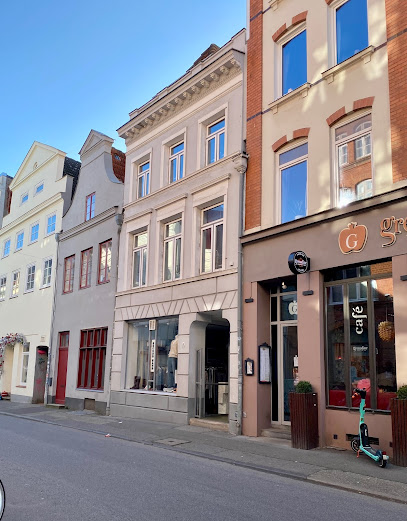
Gandalph Lübeck
0.5 km
Explore Gandalph Lübeck, where gamers and book lovers unite in a vibrant store filled with games, toys, and literary wonders.
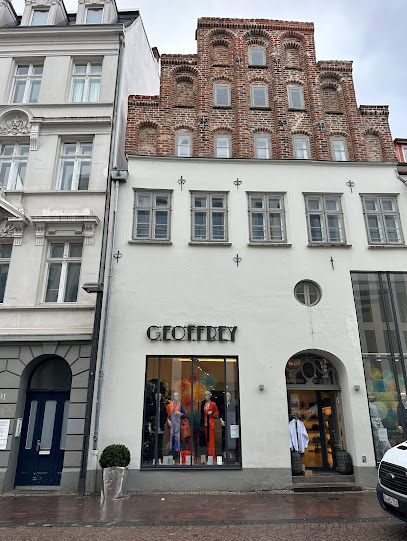
Geoffrey - Mode - Birgit Gotthard-Busch e.K.
0.5 km
Explore Geoffrey - Mode in Lübeck for a stylish selection of women's fashion that merges quality with contemporary trends in a historic setting.
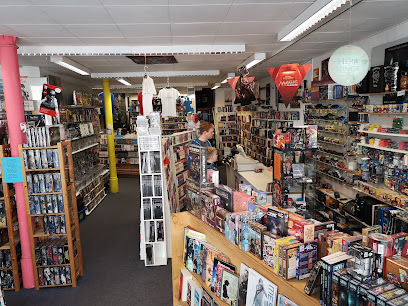
BlueBrixx Store Lübeck
0.5 km
Explore a treasure trove of toys and collectibles at BlueBrixx Store Lübeck, where creativity and fun come to life for all ages.

Haerder-Center
0.5 km
Experience vibrant shopping and dining at Haerder-Center, Lübeck's top shopping mall, perfect for travelers seeking local culture and retail therapy.
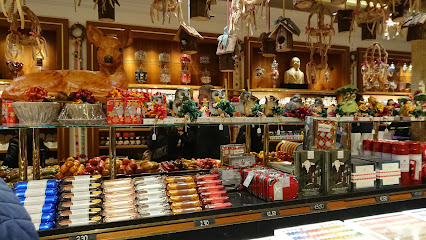
Tally Weijl
0.5 km
Explore the latest fashion trends at Tally Weijl in Lübeck's charming historic district, perfect for all your stylish needs.
NEW YORKER
0.5 km
Explore the latest trends in fashion at NEW YORKER, Lübeck's premier clothing destination for stylish apparel and accessories.

Your Style- Man Store
0.6 km
Explore the unique men's fashion at Your Style- Man Store in Lübeck, where contemporary style meets classic elegance.
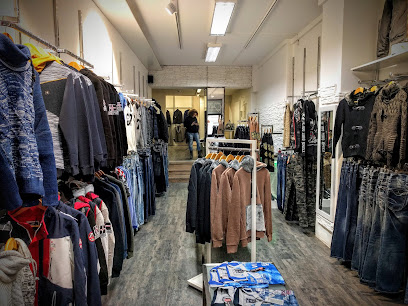
AUST Fashion Lübeck
0.6 km
Explore AUST Fashion Lübeck, the epitome of style and local charm in the heart of Lübeck's enchanting Altstadt.
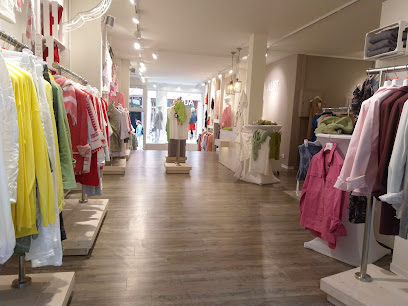
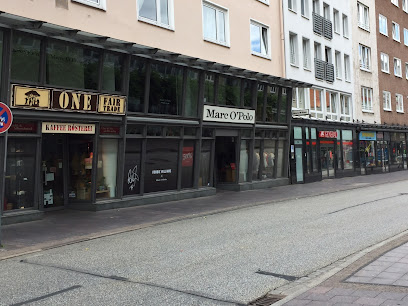
Marc O'Polo
0.6 km
Discover contemporary fashion at Marc O'Polo in Lübeck's historic Altstadt—where style meets sustainability.
Essential bars & hidden hideouts

Soul and Kitchen
0.2 km
Experience the vibrant flavors and cozy ambiance of Soul and Kitchen in Lübeck's historic Altstadt, an unmissable culinary gem.
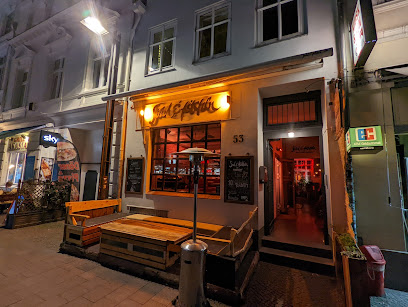
Gang No. 56 - Lübeck
0.4 km
Discover Gang No. 56 in Lübeck: A lively bar offering a fantastic selection of drinks in a charming atmosphere, perfect for unwinding in the heart of the city.
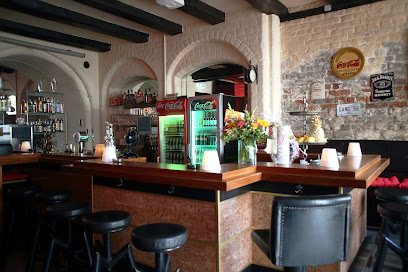
Bar 112 - Lübeck
0.4 km
Discover the lively spirit of Lübeck at Bar 112, where great drinks meet a vibrant atmosphere in the heart of the historic Altstadt.
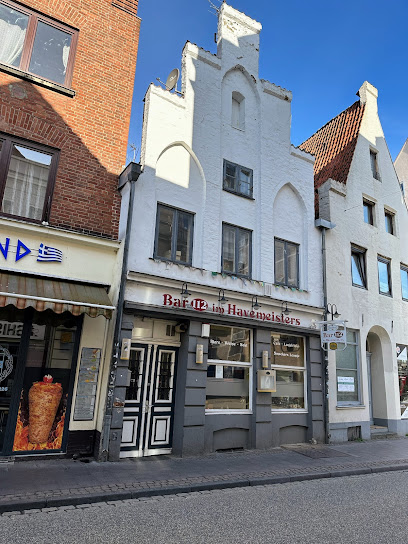
Allegro Bar Svetlana Töbe
0.4 km
Discover the vibrant nightlife and welcoming atmosphere at Allegro Bar in Lübeck, where every night is a celebration of good drinks and great company.
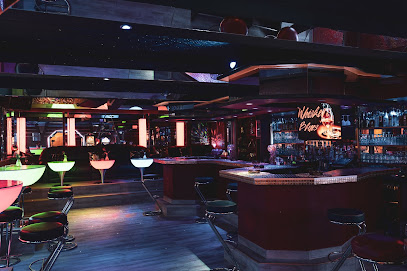
sZiggy's Bar
0.4 km
Discover the inviting atmosphere and delightful drinks at sZiggy's Bar, a must-visit spot in Lübeck's historic district for every traveler.
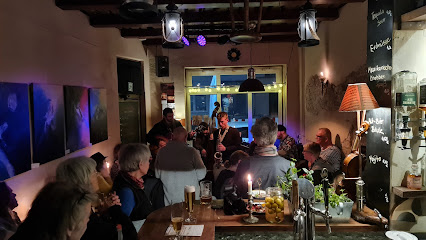
Funambules - Lübeck
0.5 km
Discover the lively spirit of Lübeck at Funambules, where live music, delicious cuisine, and a vibrant atmosphere come together.
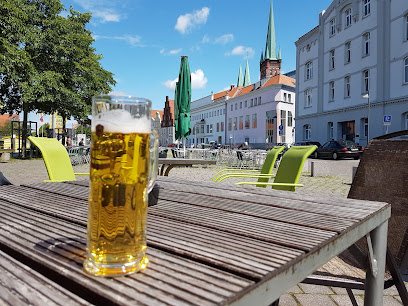
Cocoloco Bar - Lübeck
0.6 km
Discover the vibrant nightlife of Lübeck at Cocoloco Bar, where unforgettable evenings come alive with drinks, music, and a lively crowd.
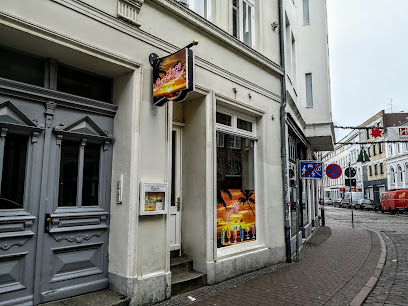
Rauchfang - Lübeck
0.6 km
Experience the warmth of Lübeck at Rauchfang, a cozy pub offering local brews and a vibrant atmosphere in the heart of the city.
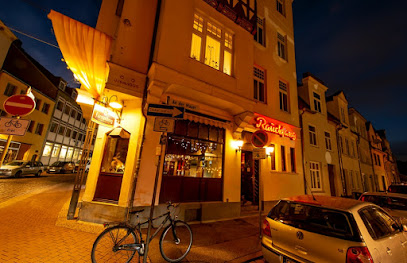
Sternschnuppe Lübeck
0.7 km
Discover the vibrant nightlife of Lübeck at Sternschnuppe, a cozy bar offering a diverse drink selection in the heart of the historic city.
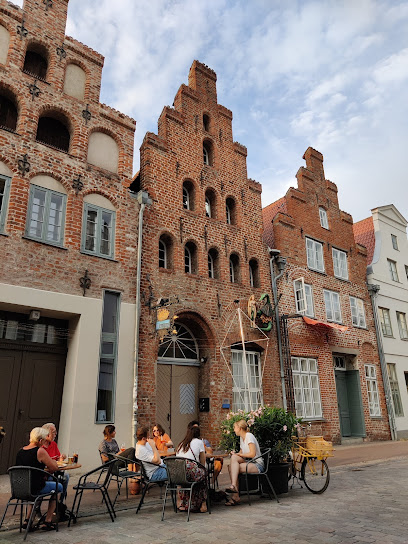
Lulu's Pub
0.7 km
Experience the heart of Lübeck at Lulu's Pub, where local brews and a cozy atmosphere bring friends together.
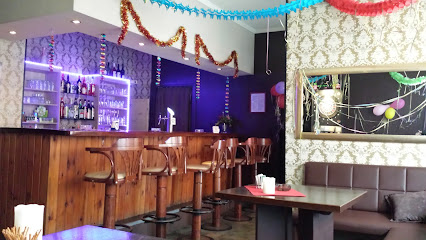
Kandinsky - Lübeck
0.7 km
Discover Kandinsky, a unique bar and restaurant in Lübeck's Altstadt, offering a vibrant atmosphere and diverse culinary delights.
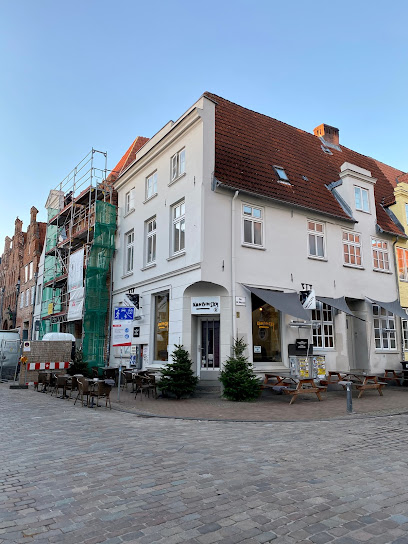
Dietrich's Bar - Luebeck
0.7 km
Experience the charm of Lübeck at Dietrich's Bar, where cozy atmosphere meets a delightful drink selection.
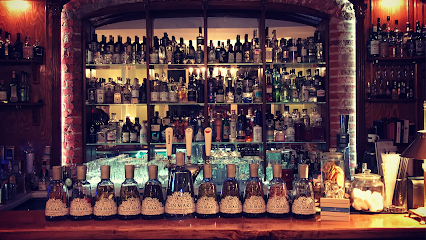
Caffe Grande Barcio
0.8 km
Discover Caffe Grande Barcio in Lübeck - a perfect blend of grill delights and café comforts in a charming atmosphere.
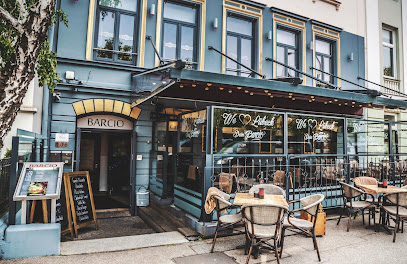
MENGwirtschaft
0.9 km
Discover MENGwirtschaft, a cozy bar in Lübeck's Altstadt, where local culture meets delightful drinks in a welcoming atmosphere.
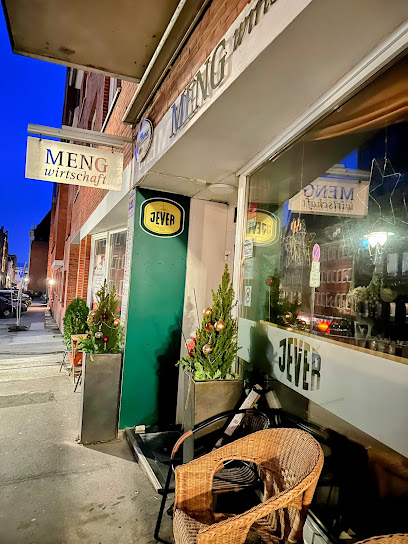
Finnegan Lübeck
0.9 km
Discover Finnegan Lübeck: A vibrant Irish pub in Lübeck's historic center, offering authentic cuisine and a lively atmosphere.
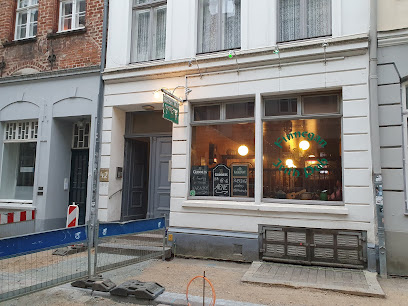
Nightclubs & after hour spots

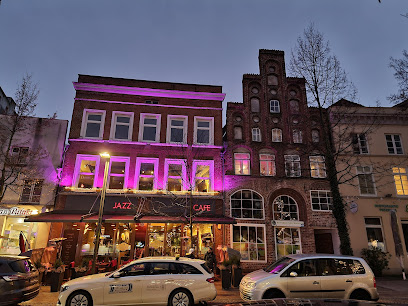
Caffe Grande Jazzcafe
0.2 km
Discover the vibrant atmosphere of Caffe Grande Jazzcafe in Lübeck, where delicious grilled cuisine meets soulful jazz melodies.
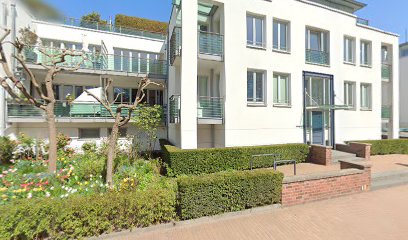
Fischtheke
0.3 km
Experience the electrifying nightlife at Fischtheke, Lübeck's premier night club, where music meets maritime charm.
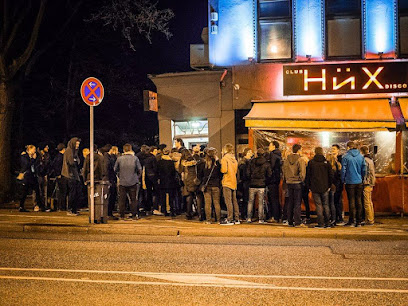
Hüx - Lübeck
0.7 km
Discover the electric nightlife of Lübeck at Hüx, a premier disco club with vibrant music and an unforgettable dance experience.
Baltic Gentlemen Club
0.8 km
Discover vibrant nightlife at the Baltic Gentlemen Club in Lübeck, where elegance meets entertainment for an unforgettable evening.
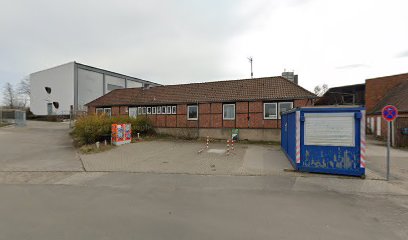
Bordell Club-Hotel Lübeck
1.0 km
Discover the unique nightlife at Bordell Club-Hotel Lübeck, where vibrant entertainment meets a lively atmosphere in a premier girl bar.
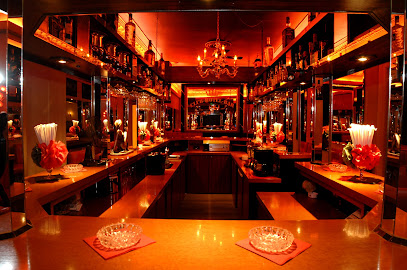
Discothek Sounds
1.1 km
Discover Lübeck's nightlife at Discothek Sounds, a lively disco club filled with great music and an electric atmosphere that keeps the party going.
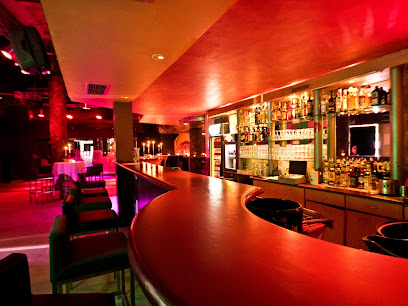
Lotta's Privathaus
1.3 km
Explore Lübeck's vibrant nightlife at Lotta's Privathaus, a lively night club with eclectic music and a welcoming atmosphere for all.
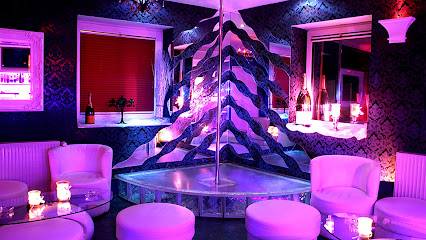
Mens World
1.5 km
Experience the vibrant nightlife at Mens World, Lübeck's top night club, offering an electrifying atmosphere and unforgettable entertainment for adults.
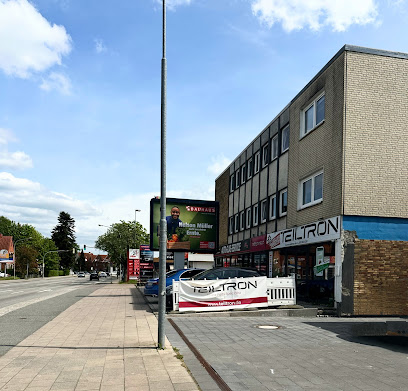
Bunker Lübeck
1.6 km
Discover the electrifying nightlife at Bunker Lübeck – an iconic night club featuring great music and an unforgettable atmosphere in Lübeck.
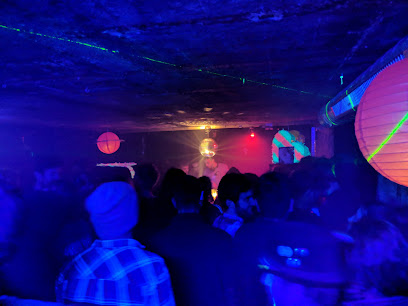
CIRCLE CLUB
1.6 km
Discover the lively nightlife at Circle Club in Lübeck, where unforgettable nights of dancing and music await in a vibrant atmosphere.
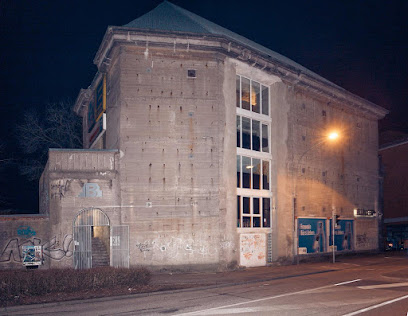
Strandsalon
1.7 km
Discover the vibrant atmosphere of Strandsalon in Lübeck, where delicious food, refreshing drinks, and exciting events come together.
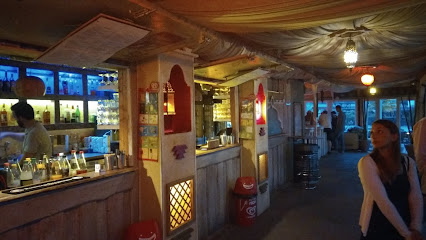
Semihs Prestige Clun
1.7 km
Discover the lively nightlife at Semihs Prestige Club in Lübeck, where music, dance, and unforgettable memories await every night.
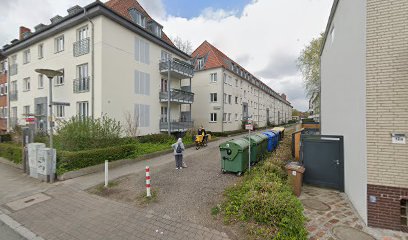
Club Kings
2.0 km
Discover the electrifying atmosphere of Club Kings in Lübeck, where vibrant nightlife, great music, and unforgettable memories await you.
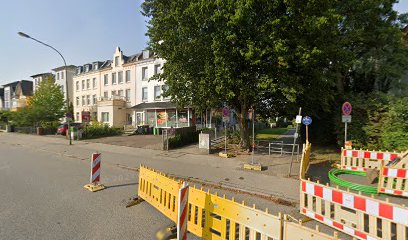
Musikpark A1 Lübeck
2.2 km
Discover Lübeck's lively nightlife at Musikpark A1, a premier disco club offering unforgettable dance experiences and a diverse social scene.
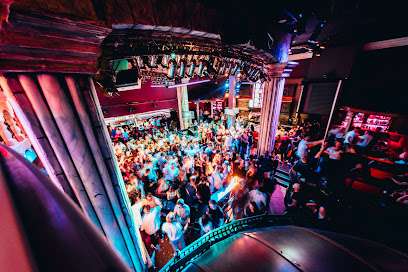
Kulturzentrum Dorfkrug
2.6 km
Experience the vibrant nightlife of Lübeck at Kulturzentrum Dorfkrug, a lively night club with exciting events and a friendly atmosphere.