

Free Nzema Travel Guide & Mobile App
Explore Nzema with free travel guides. Discover regional history, expert tips, proposed trips, and audio guides on web or mobile app.


Explore Nzema in western Ghana for Atlantic beaches, Nzulezu’s stilt village, rainforest, historic forts and living coastal culture.
Read more about Nzema
When is the best time to visit Nzema?
Best: December–February · 29–30°C| Month | High (°C) | Rainfall (mm) |
|---|---|---|
| January (best) | 29 | 15 |
| February (best) | 30 | 20 |
| March | 30 | 25 |
| April | 30 | 60 |
| May | 30 | 80 |
| June | 29 | 120 |
| July | 28 | 170 |
| August | 29 | 180 |
| September | 29 | 160 |
| October | 29 | 120 |
| November | 29 | 60 |
| December (best) | 29 | 20 |
Getting to and around Nzema
How to get there
Transportation
Destinations in Nzema
Resorts, valleys and scenic spots worth a trip of their own.
-

-


Swipe for more destinations
Best attractions in Nzema
Nzema’s attractions combine Atlantic scenery, living communities, historic trade sites and rainforest rather than a dense chain of conventional visitor facilities. Axim offers access to Fort San Antonio, coastal viewpoints and fishing-town life, while Beyin is the principal launching point for boat trips to Nzulezu, the stilt settlement on Lake Tadane. The excursion is as much about wetlands, canoe travel and local interpretation as the settlement itself. Around Ankasa, guided walks reveal a humid forest environment noted for its plant diversity, streams and birdlife. The coast provides opportunities for quiet beach visits and observation of fishing activity, although swimming conditions are variable and facilities may be limited. Nkroful adds a modern political-history dimension through its association with Kwame Nkrumah. Smaller villages, farms, lagoons and market towns reward visitors who travel slowly and arrange introductions locally. Those seeking extensive nightlife, polished resort infrastructure or tightly scheduled public tours may find the region comparatively undeveloped; its appeal lies in combining heritage and ecology with an everyday coastal and forest setting.
-
Restaurant
Kokrobite Garden
Discover the serene beauty and culinary delights of Kokrobite Garden, a perfect blend of relaxation and cultural immersion in Ghana.
-
Tourist attraction
Nzulezo-Stilt Village Tour
Discover the breathtaking Nzulezo Stilt Village, a traditional community on Amansuri Lake, where culture and nature intertwine in Ghana's serene landscape.
-
Athletic park
Cyanide Park
Discover Cyanide Park in Tarkwa, a vibrant athletic park perfect for family fun, sports, and relaxation amidst lush greenery.
-
Stadium
TNA Stadium
Experience the vibrant sporting culture and community spirit at TNA Stadium, a must-visit destination in Tarkwa, Ghana.


Best landmarks in Nzema
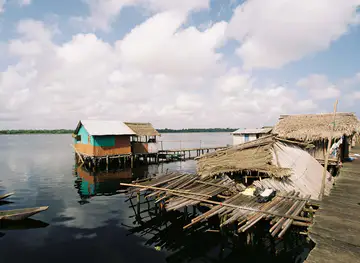
Fort San Antonio at Axim is Nzema’s most prominent architectural landmark, standing above the coast as a reminder of the Portuguese foundation and the later Dutch and British struggle for control of Gold Coast trade. Its walls and position make the history of coastal commerce tangible, while the surrounding town retains its relationship with fishing and the sea. Nzulezu is a different kind of landmark: a settlement built on stilts over Lake Tadane, reached by boat through a wetland landscape. Its form reflects adaptation to water and has become one of Ghana’s most recognisable cultural sites. Nkroful is important for its association with Kwame Nkrumah and Ghana’s independence story. Beyond built sites, the forested waterways and lagoons of the western borderlands form a distinctive natural landscape, while long beaches and coconut-lined coastal stretches provide the region with its visual identity. These places are best understood through local guides and community context, not simply photographed as isolated scenery.
-
Historical landmark
Cape Coast Castle
Explore Cape Coast Castle, a UNESCO World Heritage site in Ghana, where history and culture converge along the stunning Atlantic coastline.
-
Museum
Kwame Nkrumah Memorial Park & Mausoleum
Visit Kwame Nkrumah Memorial Park & Mausoleum in Accra: A tribute to Ghana's founding father amidst beautiful gardens and rich history.
-
Castle
Elmina Castle
Explore the rich history and haunting beauty of Elmina Castle, a UNESCO World Heritage Site in Ghana. Discover the stories of the past and enjoy stunning coastal views.
-
National park
Kakum National Park
Discover the breathtaking beauty of Kakum National Park, Ghana's premier national park, featuring iconic canopy walks and rich biodiversity.


Explore Nzema on the map
Plan your trip on one map. See where the top cities, national parks and sights are, and book hotels and experiences in a few clicks.
Best hotels in Nzema
Best restaurants in Nzema
Dining in Nzema is shaped by the coast, forest farming and Ghanaian home-style cooking. Fresh fish is commonly grilled, fried or served in stews with pepper, tomatoes and onions, while cassava, plantain, cocoyam, rice and beans provide familiar accompaniments. Palm oil, coconut, smoked fish and locally grown vegetables appear frequently in soups and sauces. In Axim, Beyin and other larger settlements, simple chop bars, roadside kitchens and guesthouse restaurants are the most dependable places to eat, with menus that may change according to the day’s ingredients. Look for grilled fish, banku or other fermented maize dishes, fufu with soup, kelewele and seasonal fruit rather than expecting a standardised tourist menu. Coconut water and fresh pineapple are useful refreshments in the heat. Rural food is often served early, and choices can become limited later in the evening, so travellers making a long excursion should carry water and confirm meal arrangements in advance.
-
Restaurant
Zen Garden
Experience culinary bliss at Zen Garden in Accra - where delicious food meets serene surroundings and live music.
-
Restaurant
Ike’s Cafe and Grill
Experience authentic Ghanaian cuisine at Ike’s Cafe and Grill in Kumasi—where tradition meets flavor in a vibrant cultural setting.
-
West African
The Buka Restaurant, Osu, Accra
Experience the authentic taste of West African cuisine at The Buka Restaurant in Osu, Accra – a culinary gem for every traveler.
-
Restaurant
Dimaensa Restaurant
Discover the flavors of Ghana at Dimaensa Restaurant in Accra – where traditional meets contemporary cuisine.


Best bars in Nzema
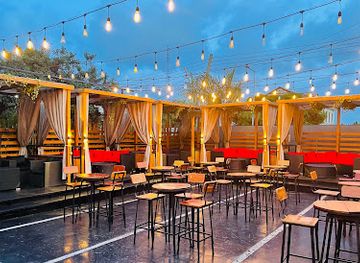
Nightlife in Nzema is modest and concentrated in the larger towns, particularly Axim, where local drinking spots, hotel bars and informal venues provide more evening activity than the villages. Traditional pubs and small bars commonly serve Ghanaian beer, bitters, soft drinks and spirits, while music may range from highlife and hiplife to contemporary popular styles. Beyin and smaller coastal communities generally offer a quieter evening centred on guesthouses, food stalls, conversation and occasional community events rather than nightclubs. Some celebrations connected with festivals or family occasions bring music and dancing, but dates and arrangements vary. Visitors should not expect a fixed club circuit or late-night transport between settlements. Drink responsibly, arrange transport before going out and remember that the region’s beaches, lagoons and forest tracks are not suitable for unaccompanied night walks.
-
Grill
The Republic Bar & Grill
Experience the vibrant flavors of Ghana at The Republic Bar & Grill in Accra, where delicious grilled dishes and lively atmosphere await.
-
Bar
Sky Bar 25 Restaurant and Bar
Experience the breathtaking skyline of Accra while savoring exquisite cuisine and vibrant cocktails at Sky Bar 25, the pinnacle of nightlife.
-
Bar
Bloom Bar
Experience the vibrant nightlife of Accra at Bloom Bar, a lively spot for drinks, music, and unforgettable moments.
-
Grill
Venus Lounge Bar and Grill
Discover the perfect blend of local flavors and vibrant nightlife at Venus Lounge Bar and Grill in Accra.



Best nightclubs in Nzema
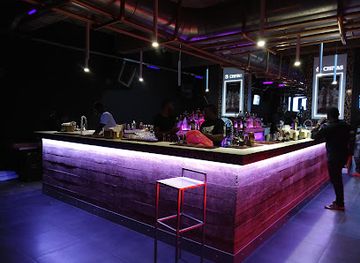
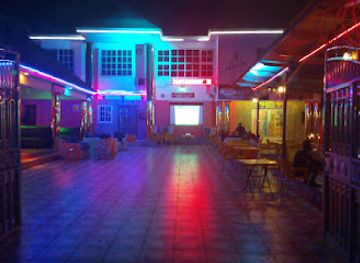
Nightlife in Nzema is modest and concentrated in the larger towns, particularly Axim, where local drinking spots, hotel bars and informal venues provide more evening activity than the villages. Traditional pubs and small bars commonly serve Ghanaian beer, bitters, soft drinks and spirits, while music may range from highlife and hiplife to contemporary popular styles. Beyin and smaller coastal communities generally offer a quieter evening centred on guesthouses, food stalls, conversation and occasional community events rather than nightclubs. Some celebrations connected with festivals or family occasions bring music and dancing, but dates and arrangements vary. Visitors should not expect a fixed club circuit or late-night transport between settlements. Drink responsibly, arrange transport before going out and remember that the region’s beaches, lagoons and forest tracks are not suitable for unaccompanied night walks.
-
Disco club
Plot 7
Experience Accra's vibrant nightlife at Plot 7, the ultimate disco club for music lovers and party enthusiasts.
-
Night club
Twist Night Club
Experience the vibrant nightlife of Accra at Twist Night Club, where music, dance, and culture come together in an unforgettable party atmosphere.
-
Disco club
Octapuz lounge and night club
Experience the vibrant nightlife of Accra at Octapuz Lounge, a premier disco club offering electrifying music, dancing, and unforgettable moments.
-
Night club
Kavalli @ Night
Experience the vibrant nightlife of Accra at Kavalli @ Night, where music, dance, and culture come together for an unforgettable evening.


Best shops in Nzema
Shopping in Nzema is primarily local and practical, with market towns supplying food, household goods, clothing and farm produce rather than luxury retail. Axim and Beyin are useful places to browse stalls selling fruit, cassava, plantain, smoked fish, spices and locally prepared snacks, while roadside sellers offer coconuts and seasonal produce along the coastal route. Visitors may find woven items, carved objects, printed cloth and small handmade souvenirs, but quality and availability vary, so buy directly from makers where possible and ask before photographing craft production. Packaged Ghanaian cocoa, shea-based products and locally produced food items can make suitable gifts, subject to transport regulations. There are few formal shopping centres in the region, and card payment is not dependable in open markets. Bargaining may be customary for some informal goods but not for every purchase; agree clearly and pay with small cedi notes.
-
Shopping mall
Achimota Mall
Explore Achimota Mall in Accra: Your ultimate shopping destination with diverse retail, dining, and entertainment options.
-
Shopping mall
Kumasi City Mall
Explore Kumasi City Mall for a unique shopping experience featuring local and international brands, delectable dining, and vibrant entertainment in Ghana.
-
Shopping mall
Marina mall
Experience the best of shopping, dining, and entertainment at Marina Mall, Accra's premier retail destination with local and international flair.
-
Shopping mall
Junction mall
Explore Junction Mall in Accra - a shopping paradise offering a variety of brands, dining options, and entertainment for an unforgettable experience.


Get your free copy of our complete guide to Nzema, delivered straight to you.
Everything on this page, from attractions and restaurants to essentials and local phrases, in one PDF you can read offline, print or share.
Already have an account? Sign in
Your Nzema guide is ready.
We'll send it to · Not you? Sign out

Getting your guide ready…
We are putting together a fresh copy of the Nzema guide. This can take up to a minute.
This can take a few moments. If your browser asks, choose Allow so the download can start. You'll find the guide in your Downloads folder.
Nothing happened? Download it again
Sorry, the guide is taking longer than usual. Please try again in a minute, or get it by email instead.
Nzema essentials
Currency and Payment
Safety
Emergency Situations
Do's and Don'ts
Local Tips
From Eve
Local phrases worth knowing
You don't need to get them perfect. A few words go a long way, and locals appreciate the effort.
Basics
| English | Local | Say it |
|---|---|---|
| Hello | Akwaba | [ah-kwah-bah] |
| Goodbye | Yaa yɛ | [yah yeh] |
| Yes | Yɛ | [yeh] |
| No | Daabi | [dah-bee] |
| Please/You're welcome | Mepa wo kyɛw | [meh-pah wo cheh] |
| Thank you | Medɔ wo | [meh-daw wo] |
| Excuse me/Sorry | Pardon | [pahr-dohn] |
| How are you? | Wo ho te sɛn? | [wo ho teh sen] |
| Fine. And you? | Me ho yɛ, na w'ano? | [meh ho yeh, nah wah-no] |
| Do you speak English? | Wopɛ sɛ woka Borɔfo? | [wo-peh seh woh-kah bo-roh-foh] |
| I don't understand | Mente aseɛ | [men-teh ah-seh] |
Eating & Drinking
| English | Local | Say it |
|---|---|---|
| I'd like to see the menu, please | Mepɛ sɛ mɛhwɛ menu no, mepa wo kyɛw | [meh-peh seh meh-hweh meh-noh noh, meh-pah wo cheh] |
| I don't eat meat | Mente nkuto | [men-teh nkoo-toh] |
| Cheers! | Nante yie! | [nan-teh yee-eh] |
| I would like to pay, please | Mepɛ sɛ mɛtua ka, mepa wo kyɛw | [meh-peh seh meh-twah kah, meh-pah wo cheh] |
Emergencies
| English | Local | Say it |
|---|---|---|
| Help! | Boa me! | [boh-ah meh] |
| Go away! | Kɔ na kɔ! | [kaw nah kaw] |
| Call the Police! | Frɛ ɔpolice! | [freh oh-po-lees] |
| Call a doctor! | Frɛ dɔkita! | [freh doh-kee-tah] |
| I'm lost | M'ada hɔ | [mah-dah ho] |
| I'm ill | M'ani abere | [mah-nee ah-beh-reh] |
Shopping
| English | Local | Say it |
|---|---|---|
| I'd like to buy... | Mepɛ sɛ mɛtɔ... | [meh-peh seh meh-toh] |
| I'm just looking | Merehwɛ nko ara | [meh-reh-hweh n-koh ah-rah] |
| How much is it? | Ɛyɛ dɛn? | [eh-yeh den] |
| That's too expensive | Ɛyɛ sika kɛse | [eh-yeh see-kah keh-seh] |
| Can you lower the price? | Wobɛtumi atɔ so? | [wo-beh-too-mee ah-toh soh] |
Time & Numbers
| English | Local | Say it |
|---|---|---|
| What time is it? | Berɛ bɛn na ɛyɛ? | [beh-reh behn nah eh-yeh] |
| It's one o'clock | Ɛyɛ dɔnhwere baako | [eh-yeh dohn-hweh-reh bah-koh] |
| Half past (10) | Dɔnhwere nkɔtɔso mmienu | [dohn-hweh-reh n-koh-toh-soh mee-eh-nu] |
| Morning | Anɔpa | [ah-noh-pah] |
| Afternoon | Awia | [ah-wee-ah] |
| Evening | Anadwo | [ah-nah-joh] |
| Yesterday | Ɛda a atwam | [eh-dah ah ah-twahm] |
| Today | Ɛnnɛ | [eh-neh] |
| Tomorrow | Ɛbɛyɛ ɔkyena | [eh-beh-yeh oh-cheh-nah] |
| 1 | Baako | [bah-koh] |
| 2 | Mmienu | [mee-eh-nu] |
| 3 | Mmienu | [mee-eh-nu] |
| 4 | Nan | [nahn] |
| 5 | Nnan | [n-nahn] |
| 6 | Nson | [n-sohn] |
| 7 | Nnan | [n-nahn] |
| 8 | Nnan | [n-nahn] |
| 9 | Nkyɛn | [n-chehn] |
| 10 | Dɔkɔ | [doh-koh] |
Transport & Directions
| English | Local | Say it |
|---|---|---|
| Where's a/the...? | Ɛhe na ...? | [eh-heh nah ...] |
| What's the address? | Ɛyɛ he na ɛda? | [eh-yeh heh nah eh-dah] |
| Can you show me (on the map)? | Wobɛtumi akyerɛ me (wɔ mapa no)? | [wo-beh-too-mee ah-cheh-reh meh (wo mah-pah noh)] |
| When's the next (bus)? | Dɛn na ɔkwan no bɛba? | [den nah oh-kwahn noh beh-bah] |
| A ticket (to ....) | Tiket (kɔ ...) | [tee-ket (koh ...)] |
History of Nzema
Early Nzema States and Coastal Society
The Nzema developed organised communities and political institutions across the south-western coastal and forest zone before European forts were built. Authority was expressed through traditional rulers, lineage structures and settlements connected by farming, fishing and regional exchange. Gold from the forest hinterland, salt, food crops and other goods moved through coastal networks, while lagoons and rivers provided transport and fishing grounds. Nzema cultural history cannot be confined to the present Ghanaian border: related communities also live in neighbouring Côte d’Ivoire. This cross-border identity remains important to language, kinship and ceremonial life.
Portuguese Trade and Fort San Antonio, 1500s
Portuguese merchants established Fort San Antonio at Axim in 1515, making it one of the earliest European forts on the Ghanaian coast. The fort was positioned near routes connecting the coast with gold-producing areas inland and became part of a wider Atlantic trading system. European commerce involved gold, ivory and other goods, while the coastal trade also became entangled in the expansion of the slave trade. The surviving fort, now a major historic presence in Axim, illustrates both the commercial ambitions of European powers and the coercive systems that reshaped West African societies.
Dutch and British Rivalry on the Western Coast
Fort San Antonio changed hands as European powers competed for influence along the Gold Coast. The Dutch captured it in the seventeenth century and later administered it as part of their coastal network, before British control expanded over the Gold Coast in the nineteenth century. These changes affected trade, diplomacy and the balance between coastal authorities and foreign companies. Forts were not isolated monuments: they depended on negotiations with local rulers, merchants and communities. In and around Axim, the built remains therefore sit within a much broader history of African agency, European rivalry and Atlantic commerce.
Christian Missions, Cocoa and Colonial Transformation
During the nineteenth and early twentieth centuries, mission activity, colonial administration, expanding roads and cash-crop agriculture altered the social and economic landscape of the Nzema area. Cocoa became especially important in the forest belt, joining older livelihoods based on farming, fishing, palm products and local trade. Schools and churches introduced new forms of education and religious organisation, while colonial boundaries separated communities that continued to share language and cultural connections. The period also intensified links between inland farms, market towns and ports, helping shape the settlement pattern encountered by visitors today.
Nkroful and Ghana’s Independence Movement
Nkroful, near Axim, is associated with Kwame Nkrumah, who became Ghana’s first prime minister and first president after leading the country to independence in 1957. The town is remembered as his birthplace and as a place connected with the political history of anti-colonial nationalism. Nkrumah’s career linked local experience in the western coastal region to wider Pan-African politics and the campaign for self-government. The memorial presence at Nkroful gives the Nzema area a direct connection with one of the defining political transformations of modern African history.
Post-Independence Change and the Western Oil Economy
After independence, the Nzema area continued to depend on agriculture, fishing, forestry and cross-border trade while roads, schools and district towns expanded. Offshore petroleum discoveries in Ghana’s western coastal waters, including the Jubilee field announced in 2007, added a new economic dimension to the wider Western Region. Oil development brought investment and employment expectations but also raised concerns about marine livelihoods, environmental protection and the distribution of benefits. For visitors, the region’s present character is best understood as a mixture of long-established coastal and forest economies with newer infrastructure and resource-sector pressures.
Nzema in Photos
Browse through our photo collection highlighting the charm and character of the destination.
Neighbouring regions of Nzema
The closest regions to Nzema, if you have time for more than one.
-

-
-

-

-


Swipe for more regions
Explore more

Explore more of Ghana
Discover Ghana: A vibrant blend of rich history, stunning landscapes, and warm hospitality in the heart of West Africa.
Explore Ghana