

Free Upper Rock Nature Reserve Travel Guide & Mobile App
Explore Upper Rock Nature Reserve with free travel guides. Discover regional history, expert tips, proposed trips, and audio guides on web or mobile app.


Explore Upper Rock Nature Reserve in Gibraltar for limestone trails, Barbary macaques, military tunnels, Mediterranean views and St Michael’s Cave.
Read more about Upper Rock Nature Reserve
When is the best time to visit Upper Rock Nature Reserve?
Best: June–July, September · 26–28°C| Month | High (°C) | Rainfall (mm) |
|---|---|---|
| January | 17 | 80 |
| February | 17 | 70 |
| March | 18 | 60 |
| April | 20 | 50 |
| May | 22 | 40 |
| June (best) | 26 | 30 |
| July (best) | 28 | 20 |
| August | 29 | 30 |
| September (best) | 27 | 40 |
| October | 24 | 50 |
| November | 20 | 60 |
| December | 18 | 70 |
Getting to and around Upper Rock Nature Reserve
How to get there
Transportation
Top city travel guides in Upper Rock Nature Reserve
The cities of Upper Rock Nature Reserve, and the easiest places to base yourself.
-

-

-
-

-

-


Swipe for more cities
Destinations in Upper Rock Nature Reserve
Resorts, valleys and scenic spots worth a trip of their own.
-
-


Swipe for more destinations
Best attractions in Upper Rock Nature Reserve
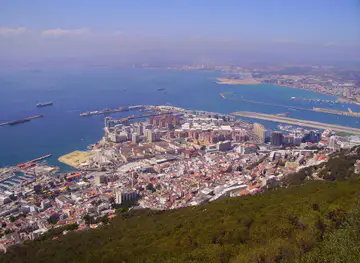
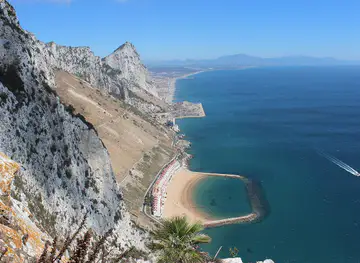
Upper Rock Nature Reserve brings together Gibraltar’s principal combination of wildlife, geology and military heritage. St Michael’s Cave is the best-known natural attraction, with a large limestone chamber whose formations and acoustics have given it a long place in Gibraltar’s visitor culture. The Upper Galleries and Great Siege Tunnels lead through excavated passages that explain how the Rock was defended, while other military installations and viewpoints occupy the summit and northern slopes. Barbary macaques are the reserve’s most recognisable wildlife, but the cliffs also support Mediterranean plants and passing or nesting birds. Walking is central to the experience, from shorter paths around the summit to the demanding Mediterranean Steps, which climb through rugged terrain and reward walkers with changing views. The Moorish Castle and summit areas add architectural and strategic context, while clear-weather panoramas take in the Strait, southern Iberia and the Moroccan coast. Attractions are dispersed vertically rather than arranged as a single park circuit, so visitors should allow for gradients, access restrictions and the time needed to move between natural, historical and military sites.
-
Tourist attraction
Gibraltar Cable Car
Discover breathtaking views and rich history at the Gibraltar Cable Car, your gateway to the stunning landscapes of Gibraltar.
-
Tourist attraction
Skywalk Gibraltar
Discover breathtaking views and thrilling experiences at Skywalk Gibraltar, a must-visit scenic spot for all tourists.
-
Botanical garden
Gibraltar Botanic Gardens
Explore the vibrant flora and serene landscapes of Gibraltar Botanic Gardens, a must-visit oasis for nature lovers and families.
-
Castle
Moorish Castle
Discover the Moorish Castle in Gibraltar: A historic fortress with breathtaking views and a glimpse into the Moorish era.


Best landmarks in Upper Rock Nature Reserve
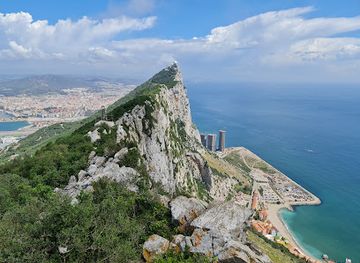
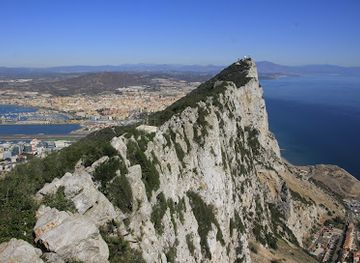
The Upper Rock’s landmarks are powerful because natural form and military history are inseparable. St Michael’s Cave is a major geological feature, its vast chamber formed within the limestone that gives Gibraltar its characteristic cliffs and underground passages. On the northern face, the Moorish Castle’s Tower of Homage and surviving defensive works mark the period when Gibraltar formed part of the medieval Islamic world. The Upper Galleries and Great Siege Tunnels are more than monuments: they are excavated military infrastructure cut directly into the Rock during the eighteenth-century siege and later expanded for defence. Near the summit, O’Hara’s Battery occupies one of Gibraltar’s defining high points and reflects the importance of artillery and observation. The summit viewpoints themselves are natural landmarks, with the Strait of Gibraltar, the coast of Spain and, in favourable conditions, North Africa spread across the horizon. The Mediterranean Steps provide a dramatic route through the reserve’s exposed upper landscape, linking geological scenery with the physical experience of Gibraltar’s steep terrain.
-
Tourist attraction
Saint Michael's Cave
Discover a world of geological wonders, history, and legends in the heart of Gibraltar's iconic Rock at St. Michael's Cave.
-
Tourist attraction
Gibraltar Cable Car
Reach the top of the Rock in minutes for breathtaking views, meet the Barbary apes, and explore Gibraltar's rich history.
-
Tourist attraction
Europa Point Lighthouse
Iconic lighthouse at Gibraltar's southern tip, guiding mariners and offering panoramic views of the Strait and African coast.
-
Mountain peak
Rock of Gibraltar
Explore the Rock of Gibraltar: History, stunning views, and the famous Barbary macaques await at this iconic Mediterranean landmark.


Explore Upper Rock Nature Reserve on the map
Plan your trip on one map. See where the top cities, national parks and sights are, and book hotels and experiences in a few clicks.
Best hotels in Upper Rock Nature Reserve
Best restaurants in Upper Rock Nature Reserve
Upper Rock Nature Reserve is not a dining destination in its own right, and food options within the protected area are limited compared with Gibraltar’s town and waterfront below. Visitors normally eat before climbing or return downhill for the territory’s broader choice of cafés, restaurants and pubs. A practical approach is to carry water and a modest snack where permitted, while taking all litter away and never offering food to macaques. In the wider Gibraltar context, menus reflect the territory’s Mediterranean setting and British connections, with seafood, grilled dishes, pastries, coffee and international cooking widely available. Casual cafés and family restaurants are concentrated outside the reserve, particularly in the urban areas at the foot of the Rock. The reserve’s appeal lies in walking, scenery and heritage rather than an established local food scene, so avoid planning a long meal between remote viewpoints or tunnel visits unless current facilities and access have been confirmed.
-
Restaurant
The Clipper
Discover The Clipper in Gibraltar: A top-notch restaurant offering exquisite local and international cuisine in a charming setting.
-
Restaurant
Jury's Café and Wine Bar
Discover exquisite Mediterranean flavors at Jury's Café and Wine Bar in Gibraltar – where delightful dining meets local charm.
-
Restaurant
Aquaterra
Discover Aquaterra: Where Mediterranean Flavors Meet Warm Hospitality in Gibraltar's Culinary Scene.
-
Asian
Curry and Sushi
Discover the fusion of Indian spices and Japanese sushi at Curry and Sushi in Gibraltar - a must-visit destination for food lovers.


Best bars in Upper Rock Nature Reserve
Upper Rock Nature Reserve has no meaningful nightlife scene: it is a protected, largely uninhabited landscape whose trails, caves and military attractions are primarily daytime destinations. Evening entertainment is concentrated in Gibraltar’s town and waterfront areas below the Rock, outside the reserve, where visitors can find British-style pubs, cafés, restaurants, cocktail bars and venues offering live music. The lower town has a stronger choice of places for a drink than the upper slopes, while the reserve’s quiet after-dark environment is shaped by access controls, wildlife protection and safety around cliffs and tunnels. Visitors should not assume that upper viewpoints or attractions remain open late, and should descend before darkness unless participating in an officially arranged activity. A visit to the reserve can therefore be paired with Gibraltar’s urban evening culture, but the two experiences are geographically and atmospherically distinct.
-
Pub
The Angry Friar
Discover the lively atmosphere and local flavors at The Angry Friar, a beloved pub in the heart of Gibraltar, perfect for food and fun.
-
Pub
The Lord Nelson
Experience the vibrant atmosphere of The Lord Nelson in Gibraltar, a nautical-themed pub perfect for relaxation and enjoyment.
-
Restaurant
Jury's Café and Wine Bar
Experience Gibraltar's culinary delights at Jury's Café and Wine Bar, where Mediterranean flavors meet an extensive wine selection in a charming atmosphere.
-
Restaurant
Aquaterra
Discover Aquaterra, Gibraltar's premier restaurant, where local flavors meet international cuisine in a welcoming atmosphere.

Best nightclubs in Upper Rock Nature Reserve
Upper Rock Nature Reserve has no meaningful nightlife scene: it is a protected, largely uninhabited landscape whose trails, caves and military attractions are primarily daytime destinations. Evening entertainment is concentrated in Gibraltar’s town and waterfront areas below the Rock, outside the reserve, where visitors can find British-style pubs, cafés, restaurants, cocktail bars and venues offering live music. The lower town has a stronger choice of places for a drink than the upper slopes, while the reserve’s quiet after-dark environment is shaped by access controls, wildlife protection and safety around cliffs and tunnels. Visitors should not assume that upper viewpoints or attractions remain open late, and should descend before darkness unless participating in an officially arranged activity. A visit to the reserve can therefore be paired with Gibraltar’s urban evening culture, but the two experiences are geographically and atmospherically distinct.
-
Pub
The Lord Nelson
Discover The Lord Nelson, a lively pub in Gibraltar's Casemates Square, offering local craft beers, delicious food, and unforgettable nightlife.
-
Restaurant
The Royal Calpe
Experience culinary delights at The Royal Calpe, a vibrant restaurant in Gibraltar serving local and international flavors in a welcoming atmosphere.
-
Bar
The Lounge Bar & Gastro Bar
Experience the vibrant atmosphere and exquisite Mediterranean flavors at The Lounge Bar & Gastro Bar in Gibraltar, a perfect spot for food lovers and nightlife enthusiasts.
-
Bar
Star Bar
Experience the vibrant nightlife of Gibraltar at Star Bar, a lively venue known for its great drinks and engaging events.


Best shops in Upper Rock Nature Reserve
Upper Rock Nature Reserve offers little conventional shopping, as its purpose is conservation, walking and heritage rather than retail. Souvenirs, drinks and practical supplies are more readily found in Gibraltar’s town below, outside the reserve, where visitors can look for Gibraltar-themed gifts, postcards, books about the Rock, locally branded products and items based on the territory’s macaque imagery. Urban shops also provide better opportunities to buy water and walking essentials before ascending. Shopping should not involve purchasing items made from protected wildlife, plants or geological material, and visitors should never remove stones or natural objects from the reserve. The most appropriate keepsakes are therefore responsibly produced books, prints, crafts or food products bought through established retailers in the lower town. Market-style and independent shopping is limited compared with a large city, but the contrast between Gibraltar’s compact commercial centre and the undeveloped upper landscape is part of the area’s character.
-
Department store
Marks & Spencer
Explore the best of fashion and gourmet delights at Marks & Spencer, Gibraltar's premier department store offering quality shopping experiences.
-
National museum
The Gibraltar National Museum
Discover Gibraltar's fascinating history and cultural heritage at the Gibraltar National Museum, an essential stop for every curious traveler.
-
Promenade
Felipe Gibraltar
Discover the lively promenade of Felipe Gibraltar, a destination rich in culture, shopping, and dining with stunning coastal views.
-
Clothing store
Trends
Explore Trends in Gibraltar for a unique shopping experience featuring designer clothing, accessories, and exceptional service in a vibrant atmosphere.


Get your free copy of our complete guide to Upper Rock Nature Reserve, delivered straight to you.
Everything on this page, from attractions and restaurants to essentials and local phrases, in one PDF you can read offline, print or share.
Already have an account? Sign in
Your Upper Rock Nature Reserve guide is ready.
We'll send it to · Not you? Sign out

Getting your guide ready…
We are putting together a fresh copy of the Upper Rock Nature Reserve guide. This can take up to a minute.
This can take a few moments. If your browser asks, choose Allow so the download can start. You'll find the guide in your Downloads folder.
Nothing happened? Download it again
Sorry, the guide is taking longer than usual. Please try again in a minute, or get it by email instead.
Upper Rock Nature Reserve essentials
Currency and Payment
Safety
Emergency Situations
Do's and Don'ts
Local Tips
From Eve
Local phrases worth knowing
You don't need to get them perfect. A few words go a long way, and locals appreciate the effort.
Basics
| English | Local | Say it |
|---|---|---|
| Hello | Hola | [OH-lah] |
| Goodbye | Adiós | [ah-DYOS] |
| Yes | Sí | [SEE] |
| No | No | [NO] |
| Please/You're welcome | Por favor | [por fah-VOR] |
| Thank you | Gracias | [GRAH-syahs] |
| Excuse me/Sorry | Perdón | [per-DON] |
| How are you? | ¿Cómo estás? | [KOH-moh es-TAS] |
| Fine. And you? | Bien. ¿Y tú? | [BYEN. ee TOO] |
| Do you speak English? | ¿Hablas inglés? | [AH-blas in-GLAYS] |
| I don't understand | No entiendo | [NO en-TYEN-do] |
Eating & Drinking
| English | Local | Say it |
|---|---|---|
| I'd like to see the menu, please | Me gustaría ver el menú, por favor | [meh goos-tah-REE-ah BARE el meh-NOO, por fah-VOR] |
| I don't eat meat | No como carne | [NO KOH-mo KAR-neh] |
| Cheers! | ¡Salud! | [sah-LOOD] |
| I would like to pay, please | Me gustaría pagar, por favor | [meh goos-tah-REE-ah pah-GAR, por fah-VOR] |
Emergencies
| English | Local | Say it |
|---|---|---|
| Help! | ¡Ayuda! | [ah-YOO-dah] |
| Go away! | ¡Vete! | [VEH-teh] |
| Call the Police! | ¡Llama a la policía! | [YAH-mah ah lah poh-lee-SIA] |
| Call a doctor! | ¡Llama a un doctor! | [YAH-mah ah oon dok-TOR] |
| I'm lost | Estoy perdido | [es-TOY per-DEE-do] |
| I'm ill | Estoy enfermo | [es-TOY en-FER-mo] |
Shopping
| English | Local | Say it |
|---|---|---|
| I'd like to buy... | Me gustaría comprar... | [meh goos-tah-REE-ah kom-PRAR] |
| I'm just looking | Solo estoy mirando | [SO-lo es-TOY mee-RAN-do] |
| How much is it? | ¿Cuánto cuesta? | [KWAN-to KWEH-stah] |
| That's too expensive | Eso es muy caro | [EH-so es MOOY KAH-ro] |
| Can you lower the price? | ¿Puedes bajar el precio? | [PWEH-des bah-HAR el PREH-syo] |
Time & Numbers
| English | Local | Say it |
|---|---|---|
| What time is it? | ¿Qué hora es? | [KEH OH-rah es] |
| It's one o'clock | Es la una | [es lah OO-nah] |
| Half past (10) | Y diez y media | [ee DYAS ee MEH-diah] |
| Morning | Mañana | [mah-NYAH-nah] |
| Afternoon | Tarde | [TAR-deh] |
| Evening | Noche | [NO-cheh] |
| Yesterday | Ayer | [ah-YER] |
| Today | Hoy | [OY] |
| Tomorrow | Mañana | [mah-NYAH-nah] |
| 1 | Uno | [OO-no] |
| 2 | Dos | [DOS] |
| 3 | Tres | [TRES] |
| 4 | Cuatro | [KWA-tro] |
| 5 | Cinco | [SEEN-ko] |
| 6 | Seis | [SAYS] |
| 7 | Siete | [SYEH-teh] |
| 8 | Ocho | [OH-cho] |
| 9 | Nueve | [NWEH-beh] |
| 10 | Diez | [DYAS] |
Transport & Directions
| English | Local | Say it |
|---|---|---|
| Where's a/the...? | ¿Dónde está...? | [DON-deh es-TAH] |
| What's the address? | ¿Cuál es la dirección? | [KWAL es lah dee-rek-SYON] |
| Can you show me (on the map)? | ¿Puedes mostrarme (en el mapa)? | [PWEH-des mos-TRAR-meh (en el MAH-pah)] |
| When's the next (bus)? | ¿Cuándo es el próximo (autobús)? | [KWAN-do es el PROHK-see-mo (ow-toh-BOOST)] |
| A ticket (to ....) | Un billete (a ....) | [OON bee-YET-teh (ah ....)] |
History of Upper Rock Nature Reserve
Limestone Caves and Prehistoric Gibraltar
The Upper Rock is formed from Jurassic limestone containing a complex network of caves, fissures and underground chambers. Gibraltar’s wider cave system preserves important evidence of prehistoric occupation, including Neanderthal remains and later human activity, making the Rock significant in the study of early human history. St Michael’s Cave and other cavities also shaped local cultural traditions and later tourism. Although not every archaeological site is open to visitors or situated within the present reserve boundary, the geology of Upper Rock Nature Reserve is inseparable from Gibraltar’s long prehistoric record.
Moorish Rule and the Castle on the Rock
Muslim forces established control of Gibraltar in 711, and the promontory remained connected to Al-Andalus for several centuries, with periods of changing political authority. The surviving Moorish Castle complex on the northern face reflects the Rock’s role as a fortified position overlooking the Strait. Its Tower of Homage and associated walls were altered over time, but the site remains one of the clearest reminders that Gibraltar was valued not only as a natural landmark but also as a military gateway between Europe and North Africa.
The Capture of Gibraltar in 1704
During the War of the Spanish Succession, an Anglo-Dutch force captured Gibraltar in 1704. Control of the Rock subsequently passed to Britain under the Treaty of Utrecht in 1713, although Spain has continued to claim sovereignty. The Upper Rock’s cliffs and summit became central to the territory’s defensive system because they overlooked the town, harbour and approaches from the mainland. Many later fortifications, roads and tunnels developed from this strategic transformation.
The Great Siege, 1779–1783
The Great Siege was Spain and France’s prolonged attempt to recover Gibraltar from Britain. Defenders excavated galleries into the northern face of the Rock to position artillery, creating the beginnings of the Upper Galleries and the network now associated with the Great Siege Tunnels. The siege demonstrated the military value of Gibraltar’s limestone geology: the Rock could serve simultaneously as fortress, observation platform and underground artillery position. These excavated spaces remain among Upper Rock Nature Reserve’s most important historical features.
Nineteenth-Century Fortification and the Barbary Macaques
After the Great Siege, Gibraltar’s defences continued to evolve, with batteries, roads and observation points added or improved across the Upper Rock. O’Hara’s Battery, near the summit, belongs to this continuing military history and takes its name from General Charles O’Hara, who served as Governor of Gibraltar in the late eighteenth century. The Barbary macaques also became firmly associated with the Rock during the modern period. Their precise early history in Gibraltar is debated, but the population has long been managed as part of the territory’s natural and cultural heritage.
The Rock in the Second World War
Gibraltar’s position at the entrance to the Mediterranean made it strategically important during the Second World War. Military engineers expanded the existing underground system, excavating extensive galleries and chambers within the Rock to house communications, hospitals, workshops, stores and personnel. Only selected sections are accessible to visitors, but the tunnels help explain why the Upper Rock was treated as a self-contained fortress. Their scale also illustrates how modern warfare transformed the landscape without removing its older Moorish and eighteenth-century defences.
From Fortress to Protected Visitor Landscape
As Gibraltar’s military role changed during the twentieth century, parts of the Upper Rock increasingly became valued for scenery, wildlife, scientific interest and public recreation as well as defence. The nature reserve framework brought greater attention to habitat protection, the macaque population and responsible access to fragile caves and cliffs. Today, historic batteries and tunnels coexist with walking routes, viewpoints and wildlife management. The result is a rare landscape in which Gibraltar’s strategic history remains visible within an internationally recognised Mediterranean environment.
Upper Rock Nature Reserve in Photos
Browse through our photo collection highlighting the charm and character of the destination.
Neighbouring regions of Upper Rock Nature Reserve
The closest regions to Upper Rock Nature Reserve, if you have time for more than one.
-

-

-

-

-


Swipe for more regions
Explore more

Explore more of Gibraltar
Discover Gibraltar, a unique blend of British and Spanish cultures, stunning natural beauty, and rich history at the gateway to the Mediterranean.
Explore Gibraltar