

Gibraltar Nature Reserve Travel Guide - Free Web & App
Your ultimate guide to Gibraltar Nature Reserve. Discover top landmarks, proposed trips, and local tips. Free on the web or via the Evendo companion app.


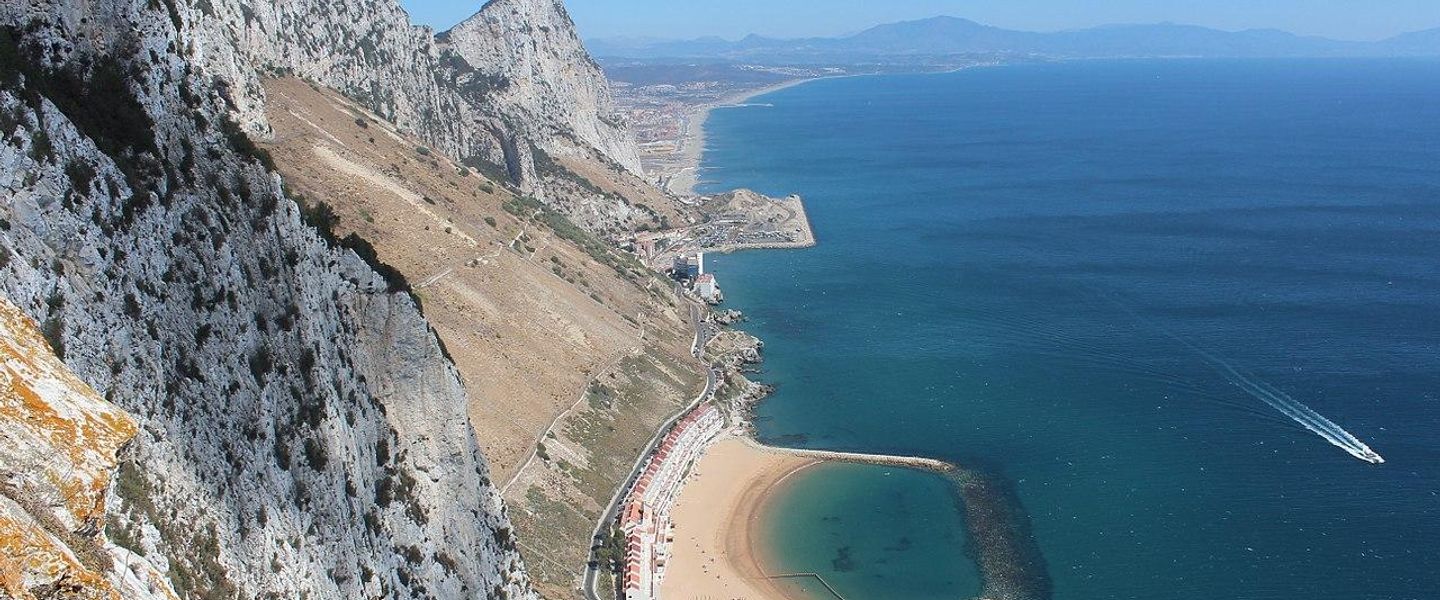


Gibraltar Nature Reserve reveals limestone cliffs, Barbary macaques, sea views, caves and historic tunnels above Gibraltar, Europe's southern gateway.
The Upper Rock Landscape
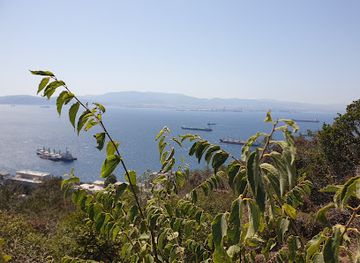
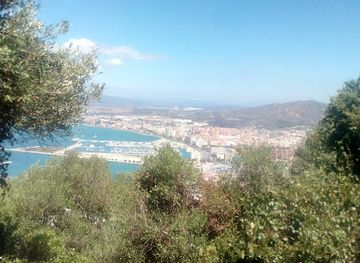
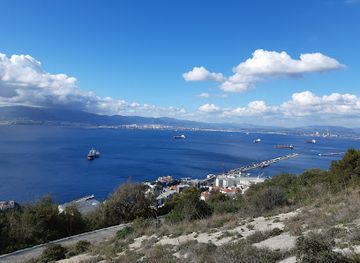
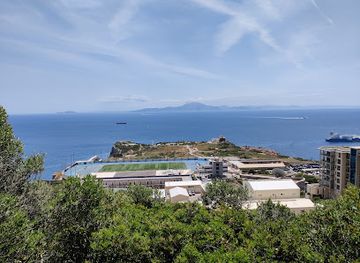
Gibraltar Nature Reserve occupies much of the Upper Rock, the limestone massif that rises dramatically above Gibraltar at the southern end of the Iberian Peninsula. Its narrow, rugged territory combines Mediterranean vegetation, sheer cliffs, caves, tunnels and elevated viewpoints, with views extending across the Strait of Gibraltar towards North Africa and eastwards along the Costa del Sol. The reserve is not a remote wilderness: roads, footpaths, historic fortifications and visitor attractions cross the Rock, while the urban streets of Gibraltar lie immediately below.Read more about Gibraltar Nature Reserve
Wildlife and Natural Features
Fortifications and Exploration
When is the best time to visit Gibraltar Nature Reserve?
Best: May–June, October · 23–27°C| Month | High (°C) | Rainfall (mm) |
|---|---|---|
| January | 19 | 66 |
| February | 19 | 60 |
| March | 19 | 49 |
| April | 21 | 41 |
| May (best) | 23 | 30 |
| June (best) | 27 | 17 |
| July | 29 | 14 |
| August | 30 | 16 |
| September | 29 | 28 |
| October (best) | 25 | 49 |
| November | 20 | 61 |
| December | 18 | 67 |
Getting to and around Gibraltar Nature Reserve
How to get there
Transportation
Best attractions in Gibraltar Nature Reserve
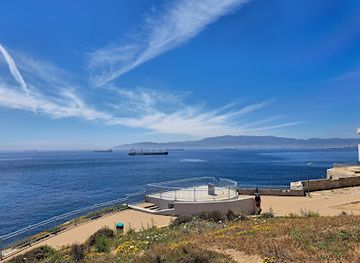
The Upper Rock's attractions combine natural scenery with an exceptional concentration of historic sites. St Michael's Cave is a large limestone cavern used for visitor performances, while the Great Siege Tunnels reveal the scale of eighteenth-century military engineering inside the Rock. The Moorish Castle and its tower occupy the northern slopes, and the Skywalk projects over the western side with views across Gibraltar, the bay and the Strait. The Apes' Den is associated with the reserve's Barbary macaques, although sightings should never mean feeding or approaching them. Walkers can take on the Mediterranean Steps, a steep route along the eastern face, or explore roads and footpaths linking viewpoints and fortifications. At the southern end, the rocky surroundings of O'Hara's Battery and the approaches to the summit provide wide vistas when conditions are clear. Archaeological interest extends to the Gorham's Cave Complex on the eastern side of Gibraltar, a protected World Heritage site whose caves are significant rather than conventional walk-in attractions.
-
Tourist attraction
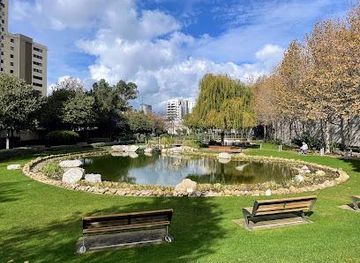
Commonwealth Park
Experience the natural beauty of Commonwealth Park in Gibraltar, a perfect blend of tranquility, vibrant flora, and stunning sea views for every traveler.
-
Tourist attraction
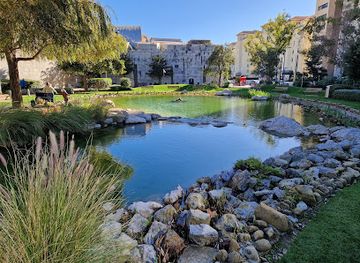
Commonwealth Park
Discover the serene beauty of Commonwealth Park in Gibraltar, where modern design meets nature in a peaceful urban oasis.
-
Hiking area
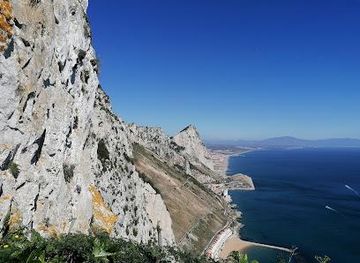
Mediterranean Steps
Discover the breathtaking Mediterranean Steps in Gibraltar, where stunning views and rich history await every hiker.
-
Park
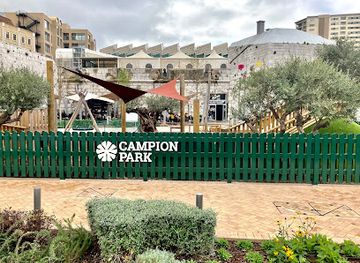
Campion Park
Experience the serene beauty of Campion Park in Gibraltar, a perfect retreat for nature lovers and families seeking relaxation and outdoor fun.
Best landmarks in Gibraltar Nature Reserve
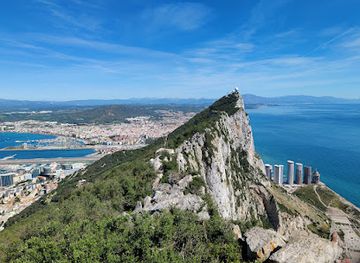
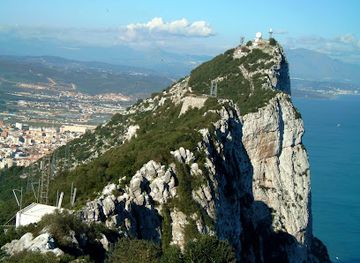
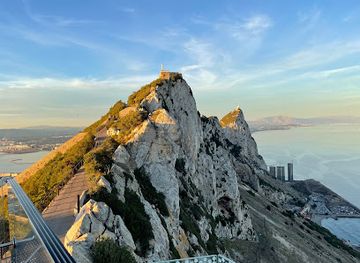
The Rock of Gibraltar is the reserve's defining natural landmark, a steep Jurassic limestone massif rising above the town and the western entrance to the Mediterranean. Its cliffs, caves and elevated summit create the distinctive profile visible from both sides of the Strait. St Michael's Cave is an important geological and visitor landmark, while the Moorish Castle records the Rock's medieval Islamic heritage and later defensive development. The Great Siege Tunnels are an equally significant man-made landmark, cut through the limestone during the eighteenth-century siege and expanded as part of Gibraltar's fortress system. The Skywalk and elevated batteries provide architectural and scenic markers on the western and southern heights. On Gibraltar's eastern side, the Gorham's Cave Complex represents a landmark of prehistoric and archaeological importance, with evidence connected to Neanderthal occupation and international heritage recognition.
-
Tourist attraction
Saint Michael's Cave
Explore the depths of history and natural beauty in Gibraltar's famous limestone cave, featuring stunning formations and captivating light shows.
-
Tourist attraction
Gibraltar Cable Car
Reach the Top of the Rock in minutes! Enjoy breathtaking views, encounter Barbary macaques, and explore Gibraltar's rich history.
-
Tourist attraction
Skywalk Gibraltar
Experience breathtaking views from a glass platform atop the Rock of Gibraltar, offering a unique perspective of Europe and Africa.
-
 Historical landmark
Moorish Castle
Explore the Moorish Castle in Gibraltar, a historic fortress offering panoramic views and a glimpse into the region's rich past.
Explore Gibraltar Nature Reserve on the map
Plan your trip on one map. See where the top attractions, landmarks, restaurants and hotels are, and book hotels and experiences in a few clicks.
Best hotels in Gibraltar Nature Reserve
Best restaurants in Gibraltar Nature Reserve
There are few conventional dining facilities within the nature reserve itself, so most meals are taken in Gibraltar town or at establishments serving visitors around the Rock. Gibraltar's food culture reflects its British, Andalusian, Genoese, Maltese, Jewish and North African connections, with seafood, Mediterranean cooking, international dishes and British-style cafés all represented in the wider town. Visitors may find casual food, cafés and restaurants around Main Street, Casemates Square and nearby residential areas, while the villages and towns across the border in Spain offer the broader Andalusian dining scene of the Campo de Gibraltar. Pack water and a snack for longer Upper Rock walks rather than relying on refreshments at every attraction. Local shopping areas can also provide provisions, although visitors should keep food concealed from macaques and avoid eating close to them.
-
Restaurant
The Clipper
Experience the flavors of Gibraltar at The Clipper – where local ingredients meet culinary creativity in a cozy atmosphere.
-
Restaurant
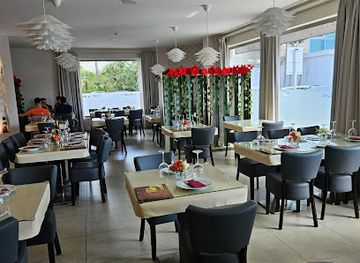
Jury's Café and Wine Bar
Experience exquisite dining at Jury's Café and Wine Bar in Gibraltar - where local flavors meet global tastes in a cozy atmosphere.
-
Asian
Curry and Sushi
Discover the fusion of flavors at Curry and Sushi in Gibraltar—where Indian spices meet Japanese artistry for an unforgettable dining experience.
-
Restaurant
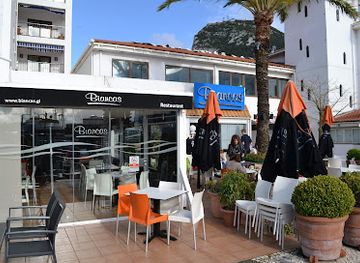
Biancas Restaurant
Experience the essence of Gibraltar's culinary scene at Biancas Restaurant - where Mediterranean flavors meet stunning marina views.
Best bars in Gibraltar Nature Reserve
The nature reserve itself has no meaningful nightlife scene, and the Upper Rock becomes a quiet landscape of cliffs, tunnels and viewpoints rather than an evening entertainment district. After visiting, most people return to Gibraltar town, where pubs, hotel bars, cafés and restaurants provide the main places for an evening drink. Casemates Square and the streets around Main Street have a concentration of hospitality venues, while the marina and waterfront areas offer further options outside the reserve. Entertainment varies by season and venue, so visitors should check current arrangements locally rather than assuming late opening or live performances. Across the border, La Línea de la Concepción and the wider Costa del Sol provide a larger Spanish nightlife market, but these are separate destinations rather than part of Gibraltar Nature Reserve.
-
Pub
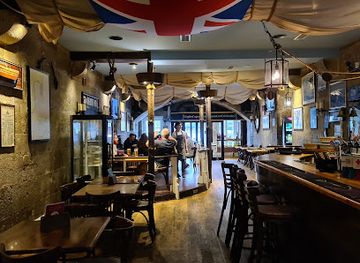
The Angry Friar
Experience the vibrant atmosphere of The Angry Friar, Gibraltar's beloved pub with hearty food, local drinks, and a lively ambiance.
-
Pub
The Lord Nelson
Experience the charm of Gibraltar at The Lord Nelson, a historic pub with local flavors and a welcoming atmosphere.
-
Restaurant
Jury's Café and Wine Bar
Experience culinary delight at Jury's Café and Wine Bar in Gibraltar, where local flavors meet international cuisine in a vibrant setting.
-
Bar
O'Reilly's Irish Pub & Steakhouse
Discover a vibrant Irish dining experience at O'Reilly's Pub & Steakhouse in Gibraltar, where tradition meets flavor in a lively atmosphere.
Best nightclubs in Gibraltar Nature Reserve
The nature reserve itself has no meaningful nightlife scene, and the Upper Rock becomes a quiet landscape of cliffs, tunnels and viewpoints rather than an evening entertainment district. After visiting, most people return to Gibraltar town, where pubs, hotel bars, cafés and restaurants provide the main places for an evening drink. Casemates Square and the streets around Main Street have a concentration of hospitality venues, while the marina and waterfront areas offer further options outside the reserve. Entertainment varies by season and venue, so visitors should check current arrangements locally rather than assuming late opening or live performances. Across the border, La Línea de la Concepción and the wider Costa del Sol provide a larger Spanish nightlife market, but these are separate destinations rather than part of Gibraltar Nature Reserve.
-
Bar
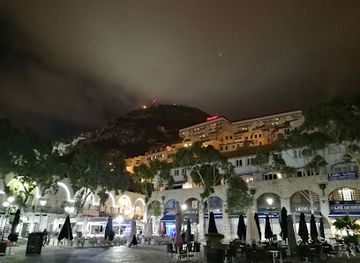
The Skull
Experience the vibrant nightlife at The Skull, Gibraltar's favorite bar for cocktails, live music, and a fun atmosphere.
-
Bar
The Ship
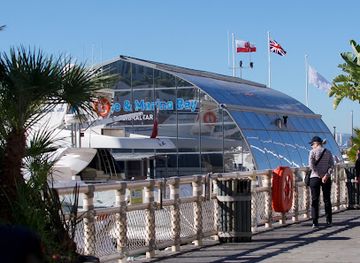
Discover The Ship, a vibrant bar in Gibraltar's Marina Bay, offering delicious drinks, lively events, and breathtaking waterfront views.
-
Bar
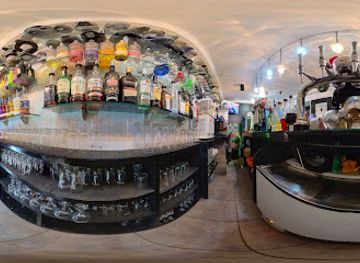
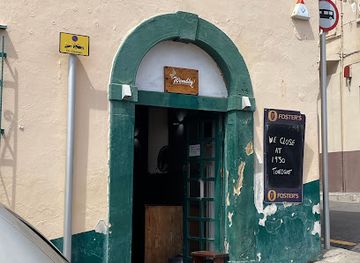
Wembley Bar
Experience the vibrant ambiance and affordable drinks at Wembley Bar, a must-visit spot in Gibraltar for locals and tourists alike.
-
Night club
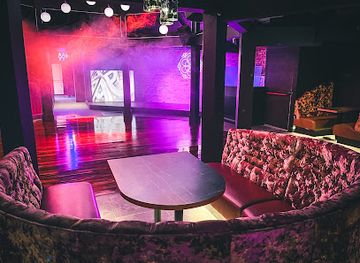
Viceroy
Discover Gibraltar's nightlife at Viceroy, a vibrant night club offering music, dancing, and stunning views along Ocean Village Promenade.
Best shops in Gibraltar Nature Reserve
Shopping is concentrated in Gibraltar town rather than inside the nature reserve. Main Street and the surrounding streets contain a mixture of independent retailers, convenience shops, cafés and businesses serving visitors, while the commercial areas near the waterfront and Casemates Square provide additional places to browse. Common purchases associated with Gibraltar include tobacco and spirits, subject to personal allowances and customs rules, as well as souvenirs, confectionery and goods reflecting the territory's British and Mediterranean connections. The Upper Rock is primarily a landscape of attractions and protected features, not a craft or retail district, so practical supplies should be obtained before beginning a longer walk. Larger shopping centres and specialist retailers are found in the urban area; La Línea across the border offers further Spanish retail options but lies outside the destination.
-
Scenic spot
Apes Den
Explore the iconic Apes Den in Gibraltar, a scenic spot where playful Barbary macaques and stunning views create unforgettable moments.
-
Department store
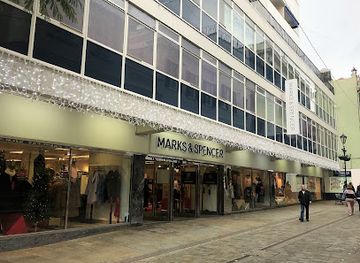
Marks & Spencer
Explore the stylish offerings of Marks & Spencer, Gibraltar's premier department store for fashion, accessories, and gourmet groceries.
-
Hiking area
Mediterranean Steps
Explore the Mediterranean Steps: A stunning hiking trail in Gibraltar with breathtaking views of the Mediterranean Sea and rich historical landmarks.
-
Tourist attraction
Gibraltar Rock
Explore the breathtaking beauty of Gibraltar Rock, a UNESCO World Heritage Site, where history, wildlife, and stunning views converge for an unforgettable adventure.
Get your free copy of our complete guide to Gibraltar Nature Reserve, delivered straight to you.
Everything on this page, from attractions and restaurants to essentials and local phrases, in one PDF you can read offline, print or share.
Already have an account? Sign in
Your Gibraltar Nature Reserve guide is ready.
We'll send it to · Not you? Sign out

Getting your guide ready…
We are putting together a fresh copy of the Gibraltar Nature Reserve guide. This can take up to a minute.
This can take a few moments. If your browser asks, choose Allow so the download can start. You'll find the guide in your Downloads folder.
Nothing happened? Download it again
Sorry, the guide is taking longer than usual. Please try again in a minute, or get it by email instead.
Gibraltar Nature Reserve essentials
Currency and Payment
Safety
Emergency Situations
Do's and Don'ts
Local Tips
From Eve
Local phrases worth knowing
You don't need to get them perfect. A few words go a long way, and locals appreciate the effort.
Basics
| English | Local | Say it |
|---|---|---|
| Hello | Hola | [oh-la] |
| Goodbye | Adiós | [ah-dee-ohs] |
| Yes | Sí | [see] |
| No | No | [noh] |
| Please/You're welcome | Por favor/De nada | [por fah-vor/de nah-dah] |
| Thank you | Gracias | [grah-see-ahs] |
| Excuse me/Sorry | Perdón/Lo siento | [pair-dohn/lo see-en-toh] |
| How are you? | ¿Cómo estás? | [koh-moh ess-tahs] |
| Fine. And you? | Bien. ¿Y tú? | [bee-en. ee too] |
| Do you speak English? | ¿Hablas inglés? | [ah-blahs een-glays] |
| I don't understand | No entiendo | [noh en-tee-en-doh] |
Eating & Drinking
| English | Local | Say it |
|---|---|---|
| I'd like to see the menu, please | Me gustaría ver el menú, por favor | [may goo-stah-ree-ah ver el meh-noo, por fah-vor] |
| I don't eat meat | No como carne | [noh koh-moh kahr-neh] |
| Cheers! | ¡Salud! | [sah-lood] |
| I would like to pay, please | Me gustaría pagar, por favor | [may goo-stah-ree-ah pah-gar, por fah-vor] |
Emergencies
| English | Local | Say it |
|---|---|---|
| Help! | ¡Ayuda! | [ah-yoo-dah] |
| Go away! | ¡Vete! | [veh-teh] |
| Call the Police! | ¡Llama a la policía! | [yah-mah ah lah poh-lee-see-ah] |
| Call a doctor! | ¡Llama a un médico! | [yah-mah ah oon meh-dee-koh] |
| I'm lost | Estoy perdido | [ess-toy pair-dee-doh] |
| I'm ill | Estoy enfermo | [ess-toy en-fehr-moh] |
Shopping
| English | Local | Say it |
|---|---|---|
| I'd like to buy... | Me gustaría comprar... | [may goo-stah-ree-ah kohm-prar] |
| I'm just looking | Solo estoy mirando | [soh-loh ess-toy mee-rahn-doh] |
| How much is it? | ¿Cuánto cuesta? | [kwan-to kweh-stah] |
| That's too expensive | Es demasiado caro | [ess deh-mah-see-ah-doh kah-roh] |
| Can you lower the price? | ¿Puedes bajar el precio? | [pweh-des bah-har el pree-seh-oh] |
Time & Numbers
| English | Local | Say it |
|---|---|---|
| What time is it? | ¿Qué hora es? | [keh oh-rah ess] |
| It's one o'clock | Es la una | [ess lah oo-nah] |
| Half past (10) | Las diez y media | [lahs dee-ehs ee meh-dee-ah] |
| Morning | Mañana | [mah-nyah-nah] |
| Afternoon | Tarde | [tahr-deh] |
| Evening | Noche | [noh-cheh] |
| Yesterday | Ayer | [ah-yehr] |
| Today | Hoy | [oy] |
| Tomorrow | Mañana | [mah-nyah-nah] |
| 1 | Uno | [oo-noh] |
| 2 | Dos | [dohs] |
| 3 | Tres | [trehs] |
| 4 | Cuatro | [kwah-troh] |
| 5 | Cinco | [seen-koh] |
| 6 | Seis | [says] |
| 7 | Siete | [syeh-teh] |
| 8 | Ocho | [oh-choh] |
| 9 | Nueve | [nweh-veh] |
| 10 | Diez | [dee-ehs] |
Transport & Directions
| English | Local | Say it |
|---|---|---|
| Where's a/the...? | ¿Dónde está...? | [dohn-deh ess-tah] |
| What's the address? | ¿Cuál es la dirección? | [kwahl ess lah dee-rehk-see-ohn] |
| Can you show me (on the map)? | ¿Puedes mostrarme (en el mapa)? | [pweh-des mohs-trar-meh (en el mah-pah)] |
| When's the next (bus)? | ¿Cuándo es el próximo (autobús)? | [kwan-doh ess el proh-ksee-moh (ow-toe-booce)] |
| A ticket (to ....) | Un billete (a...) | [oon bee-yeh-teh (ah)] |
History of Gibraltar Nature Reserve
Limestone Foundations of the Rock
Gibraltar's Rock is formed principally from Jurassic limestone, deposited in an ancient marine environment and later uplifted and folded as the African and Eurasian tectonic plates converged. Weathering created the cliffs, fissures and cave systems that define the Upper Rock. The caves are not merely geological features: their sheltered interiors and position beside the Strait of Gibraltar made the Rock an important location for human occupation and movement between Europe and Africa.
Neanderthals and Early Human Occupation
The caves on Gibraltar's eastern and southern sides preserve evidence of prehistoric occupation. Gorham's Cave, together with the other caves in the Gorham's Cave Complex, is associated with Neanderthal activity and has produced evidence indicating that Neanderthals survived in the region until a relatively late stage of their history. The complex became a UNESCO World Heritage Site in 2016. These archaeological sites are protected and are not simply open-access visitor attractions, but they are central to Gibraltar's significance in the story of human evolution.
The Moorish and Spanish Gibraltar
Gibraltar was captured by Muslim forces in 711 and remained under Islamic rule for much of the medieval period, before being taken by Castile in 1462. The Moorish Castle and surviving fortification remains on the Upper Rock reflect the Rock's continuing defensive importance, although the visible structures represent several phases of construction and alteration rather than a single medieval building campaign. Gibraltar's position controlling access to the Strait made it strategically valuable to successive rulers.
British Rule and the Great Siege
An Anglo-Dutch force captured Gibraltar in 1704 during the War of the Spanish Succession, and the Treaty of Utrecht formally transferred it to Britain in 1713. Spain later attempted to recover the territory during the Great Siege of 1779–1783. British engineers cut the Great Siege Tunnels into the northern face of the Rock, creating gun positions and protected routes within the limestone. Further military works accumulated over the centuries, transforming the Upper Rock into an unusually dense defensive landscape.
From Fortress to Protected Landscape
Although Gibraltar remained an important military stronghold, the Upper Rock gradually became a destination for visitors drawn by its scenery, caves, fortifications and famous macaques. The Gibraltar Nature Reserve was established in 1893, and later conservation management brought greater attention to the Rock's plants, birdlife, geological features and archaeological heritage. Military use, public access and environmental protection continue to coexist, so visitors encounter a landscape where historic installations and sensitive natural habitats occupy the same steep terrain.
Gibraltar Nature Reserve in Photos
Browse through our photo collection highlighting the charm and character of the destination.
Cities in Gibraltar Nature Reserve
The towns and cities of Gibraltar Nature Reserve, and the easiest places to base yourself.
-

-

-

-

-

-


Swipe for more cities
Neighbouring destination travel guides
The closest destinations to Gibraltar Nature Reserve, if you have time for more than one.
-

-

-

-

-


Swipe for more destinations
Explore more

Explore more of Upper Rock Nature Reserve
Explore Upper Rock Nature Reserve in Gibraltar: A stunning blend of wildlife, history, and panoramic views, offering unforgettable experiences for nature lovers and history enthusiasts alike.
Explore Upper Rock Nature Reserve
Explore more of Gibraltar
Discover Gibraltar, a unique blend of British and Spanish cultures, stunning natural beauty, and rich history at the gateway to the Mediterranean.
Explore Gibraltar