

Free Volos Travel Guide & Mobile App
Plan your Volos trip with Evendo. Get free guides to top attractions, restaurants, hotels, and bars. Web access or download the mobile app.


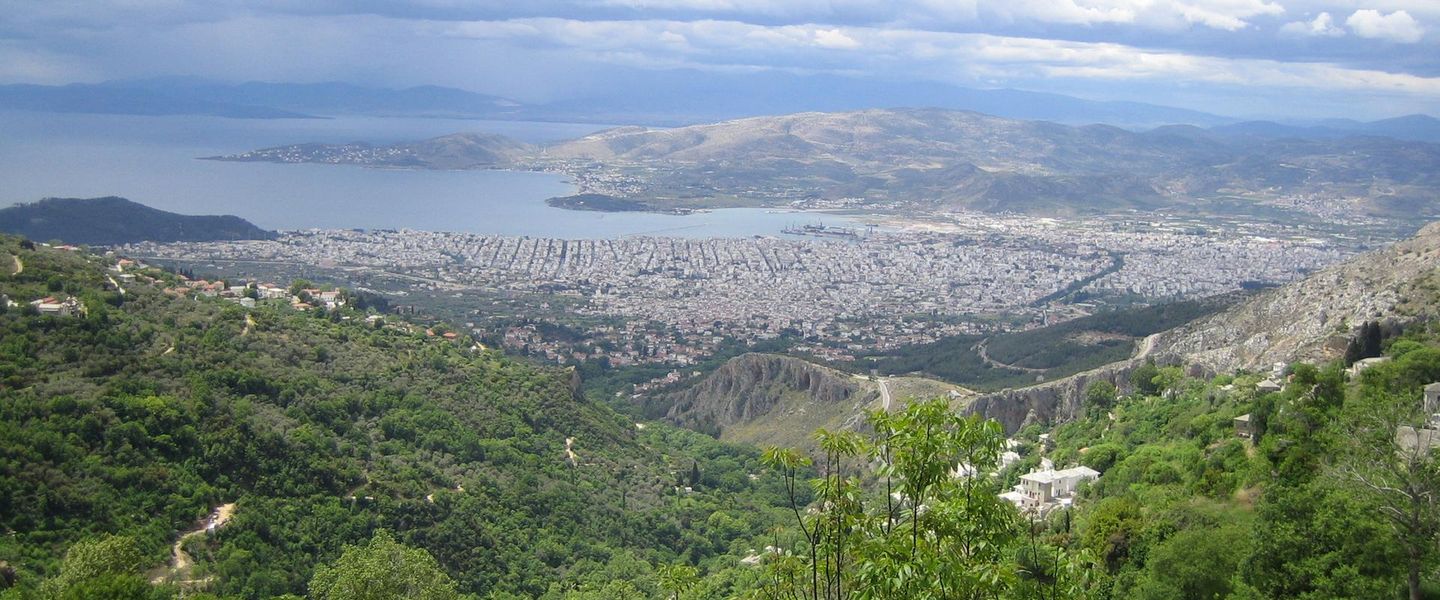


Volos, Greece combines a lively seafront, ancient Thessalian history, tsipouradika dining and easy access to Mount Pelion and the Pagasetic Gulf.
Between Gulf and Mountain
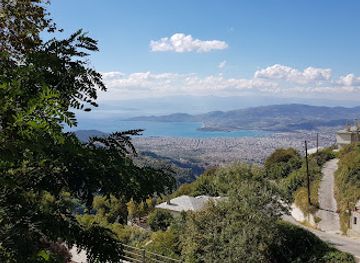
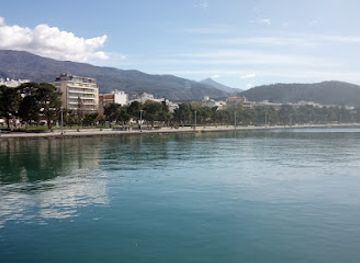
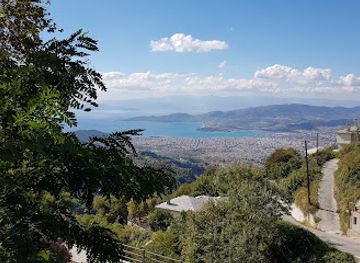
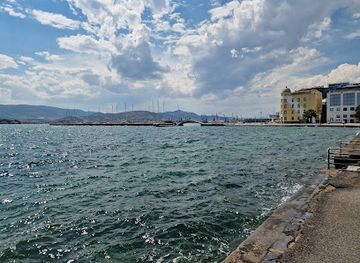
Volos occupies a striking position on the Pagasetic Gulf in central Greece, with the forested slopes of Mount Pelion rising behind the city and the sea opening towards the Sporades. This geography gives Volos a distinctive dual character: it is both a working port and a relaxed waterfront city, shaped by maritime trade, mountain villages and long-established food traditions. The broad seafront promenade, lined with cafés, ouzeries and restaurants, is the natural centre of daily life, while the city’s streets extend inland towards markets, museums and neighbourhoods built during its modern expansion.Read more about Volos
History in the Urban Landscape
Food, Culture and Excursions
When is the best time to visit Volos?
Best: April–May, October · 25–30°C| Month | High (°C) | Rainfall (mm) |
|---|---|---|
| January | 15 | 80 |
| February | 17 | 70 |
| March | 21 | 60 |
| April (best) | 25 | 40 |
| May (best) | 30 | 30 |
| June | 35 | 20 |
| July | 33 | 20 |
| August | 33 | 20 |
| September | 31 | 30 |
| October (best) | 26 | 40 |
| November | 20 | 60 |
| December | 17 | 70 |
Getting to and around Volos
How to get there
Transportation
Best attractions in Volos
Volos offers a compact mixture of museums, waterfront scenery and urban history. The Archaeological Museum of Volos presents important finds from Thessaly, including material from Dimini and Sesklo, while the nearby Anavros area provides a pleasant seafront setting for walking. At the Tsalapatas Brickworks Museum, former industrial buildings and machinery explain the city’s manufacturing past in a substantial nineteenth- and twentieth-century complex. The waterfront promenade leads past cafés, harbour views and the port, where the city’s connection with the Pagasetic Gulf is most apparent. Central streets reveal neoclassical façades, commercial arcades and the covered market area, while the Church of Saints Constantine and Helena marks the eastern end of a popular coastal route. The archaeological site of ancient Demetrias lies outside the central urban core but remains closely connected with Volos’s history. Pelion villages, beaches and mountain trails are regional excursions rather than city attractions, yet their proximity gives Volos an unusually varied sightseeing base.
-
Tourist attraction
Makrinitsa Central Square
Experience breathtaking views and traditional charm at Makrinitsa Central Square, the 'Balcony of Pelion,' offering a glimpse into Greece's rich history and culture.
18 min drive · 5.9 km from city centre
-
Tourist attraction
Centaurs' path
Hike through myth and nature on the Centaurs' Path in Pelion, Greece, where legends come to life amidst stunning scenery and tranquil forests.
18 min drive · 6.0 km from city centre
-
Park
Saint Konstantinos Park
Discover a green oasis in Volos: Saint Konstantinos Park offers history, culture, and relaxation by the sea, perfect for families and solo travelers.
16 min walk · 1.3 km from city centre
-
Beach
Chorefto Beach
Discover Chorefto Beach: a scenic Pelion escape with golden sands, turquoise waters, and a rich history as Zagora's ancient port.
39 min drive · 19 km from city centre

Best landmarks in Volos
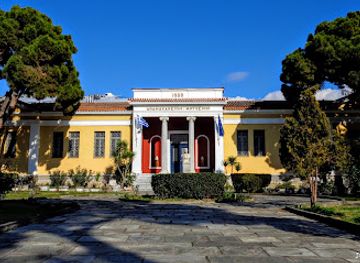
Volos’s landmarks reflect its prehistoric setting, Hellenistic past, industrial growth and maritime identity. The Archaeological Museum of Volos is a neoclassical building whose collections give material form to the long history of Thessaly, from Neolithic settlements to later periods. The remains of ancient Demetrias, south of the modern centre, mark the strategic Hellenistic city founded by Demetrius Poliorcetes in the third century BC. Along the waterfront, the Church of Saints Constantine and Helena is a prominent twentieth-century religious landmark facing the Pagasetic Gulf, while the port remains central to the city’s commercial character. The Tsalapatas Brickworks Museum preserves an industrial complex of kilns, workshops and production spaces, illustrating the manufacturing era that shaped modern Volos. In the centre, surviving neoclassical façades and older commercial buildings reveal the prosperity and urban expansion that followed the city’s incorporation into Greece in 1881.
-
Scenic spot
Centaurs' path
Hike the mythical Centaurs' Path in Volos, Greece, and discover stunning landscapes, lush forests, and the legends of Mount Pelion.
18 min drive · 6.0 km from city centre
-
Park
Saint Konstantinos Park
Discover a tranquil escape in Volos at Saint Konstantinos Park: lush greenery, historic monuments, and stunning sea views await!
16 min walk · 1.3 km from city centre
-
 Hotel
HotelVOLOS PALACE HOTEL
Experience neoclassical elegance and modern comfort at Volos Palace Hotel, perfectly located in the heart of Volos, Greece.
3 min walk · 0.2 km from city centre
-
Archaeological museum
Athanasakio Archaeological Museum of Volos
Explore Thessaly's ancient past at Volos' Archaeological Museum: Neolithic treasures to Byzantine art in a stunning neoclassical setting.
6 min drive · 2.1 km from city centre
Explore Volos on the map
Plan your Volos trip on one map. See where the top attractions, landmarks, restaurants, bars and hotels are, find what's near where you're staying, and book hotels and experiences in a few clicks.
Best hotels in Volos
Best restaurants in Volos
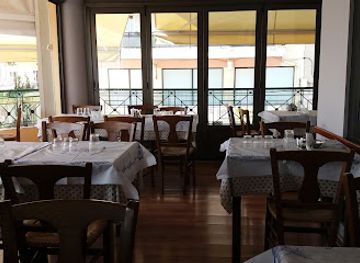
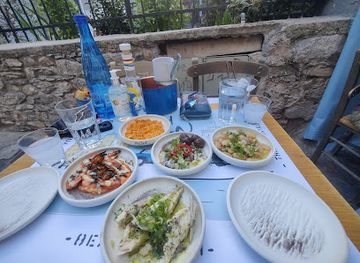
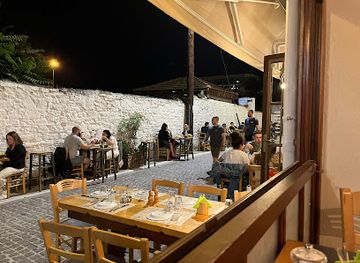
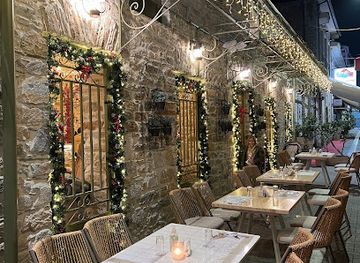
Volos has a distinctive dining culture centred on tsipouradika, informal establishments where tsipouro is served with successive small plates known as meze. Depending on the season and the kitchen, these may include grilled or marinated seafood, anchovies, octopus, shellfish, salads, pulses, pickles and local cheeses; the food is part of the drinking ritual rather than an accompaniment chosen entirely in advance. The seafront and streets behind the harbour contain many places associated with this tradition, while the central market area adds bakeries, cafés, produce shops and casual eateries. Thessalian ingredients such as beans, dairy products, vegetables and meat appear alongside the strong coastal emphasis on fish. Pelion contributes regional flavours including sausages, mountain greens, fruit preserves and dishes influenced by village cooking. Contemporary restaurants and cafés broaden the scene without displacing the sociable, leisurely character of the traditional table.
-
Greek
BOKOS OUZERI
Experience authentic Greek cuisine at BOKOS OUZERI in Nea Ionia—where every meal tells a story.
5 min drive · 1.5 km from city centre
-
Small Plates
Mezen
Experience authentic Mediterranean flavors at Mezen, Volos' premier small plates restaurant perfect for sharing delightful dishes.
9 min walk · 0.7 km from city centre
-
Restaurant
Staphylos
Experience the best of Greek cuisine at Staphylos in Volos - where tradition meets modernity in every dish.
4 min walk · 0.3 km from city centre
-
Restaurant
ΚΡΕΑΤΟΣ ΤΕΧΝΗ
Indulge in authentic Greek flavors at ΚΡΕΑΤΟΣ ΤΕΧΝΗ in Volos - where exquisite meats meet warm hospitality.
6 min walk · 0.5 km from city centre
Best bars in Volos
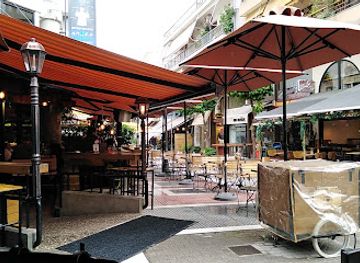
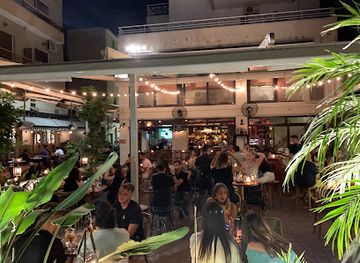
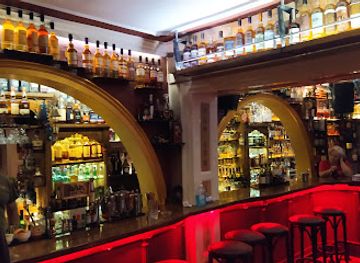
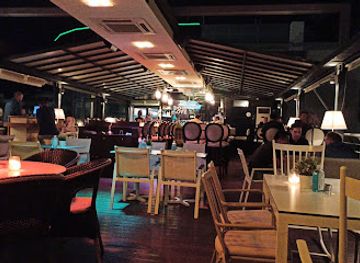
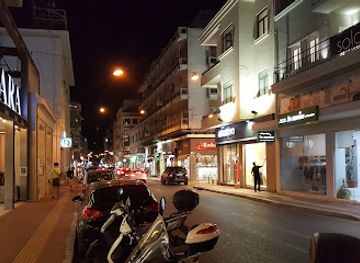
Evenings in Volos begin around the waterfront, where cafés, bars and restaurants remain active well after sunset, then continue into the central streets near the commercial core. The city’s most characteristic night-time ritual is still the relaxed tsipouradiko meal, but the wider scene includes modern cocktail bars, cafés and venues appealing to the substantial student population associated with the University of Thessaly. Music tends to range from Greek popular styles to international selections, with occasional live performances and cultural events providing alternatives to clubbing. The atmosphere is social rather than intensely concentrated in one nightlife quarter: people move between the seafront, pedestrianised streets and smaller central venues. For a quieter evening, Anavros and the coastal route towards the church of Saints Constantine and Helena offer sea air and illuminated views rather than loud entertainment. Opening patterns vary by season and day of the week, particularly outside the university year.
-
Bar
Grooove
Experience the vibrant nightlife of Volos at Grooove, where creative cocktails and a lively atmosphere await every visitor.
11 min walk · 0.9 km from city centre
-
Wine bar
Grappa Vino & Aperitivo
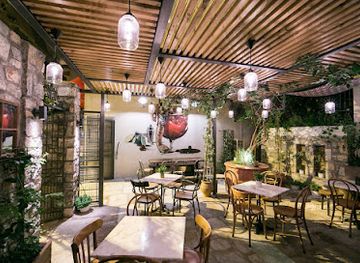
Discover the exquisite flavors of Greece at Grappa Vino & Aperitivo, a charming wine bar in Volos offering a delightful selection of wines and Mediterranean bites.
10 min walk · 0.8 km from city centre
-
Bar
Red Nose Bar
Discover the lively Red Nose Bar in Volos, where exquisite cocktails and a vibrant atmosphere await to enhance your Greek getaway.
10 min walk · 0.8 km from city centre
-
Gastropub
Valentin - Curious Bierkneipe
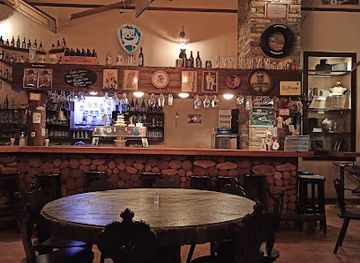
Discover Valentin - Curious Bierkneipe, a vibrant gastropub in Volos, offering an exceptional selection of craft beers and delightful culinary creations.
6 min walk · 0.4 km from city centre
Best nightclubs in Volos
Evenings in Volos begin around the waterfront, where cafés, bars and restaurants remain active well after sunset, then continue into the central streets near the commercial core. The city’s most characteristic night-time ritual is still the relaxed tsipouradiko meal, but the wider scene includes modern cocktail bars, cafés and venues appealing to the substantial student population associated with the University of Thessaly. Music tends to range from Greek popular styles to international selections, with occasional live performances and cultural events providing alternatives to clubbing. The atmosphere is social rather than intensely concentrated in one nightlife quarter: people move between the seafront, pedestrianised streets and smaller central venues. For a quieter evening, Anavros and the coastal route towards the church of Saints Constantine and Helena offer sea air and illuminated views rather than loud entertainment. Opening patterns vary by season and day of the week, particularly outside the university year.
-
Night club
Cafe Santan
Discover the energetic nightlife of Cafe Santan in Volos, Greece, a vibrant night club and live music venue perfect for an unforgettable evening.
7 min walk · 0.6 km from city centre
-
Bar
Alter Ego Rock & Blues Bar
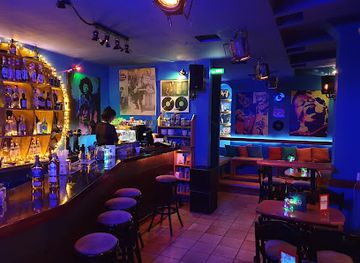
Experience the vibrant nightlife at Alter Ego Rock & Blues Bar in Volos, where live rock and blues music meets an inviting atmosphere.
10 min walk · 0.8 km from city centre
-
Bar
Yacht Club
Discover the vibrant nightlife at Yacht Club, a top bar in Volos, blending lively atmosphere, great drinks, and beautiful views for an unforgettable experience.
5 min drive · 1.8 km from city centre
-
Night club
Φεγγάρια Live
Discover the electrifying nightlife of Volos at Φεγγάρια Live, where exceptional music and vibrant crowds create an unforgettable experience.
6 min drive · 2.1 km from city centre

Best shops in Volos
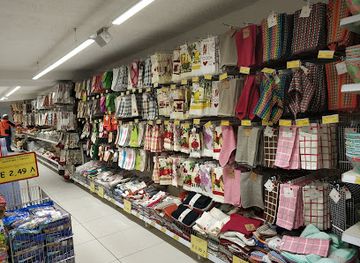
Shopping in Volos is concentrated around the pedestrianised commercial streets and the central market area, where independent shops, cafés, bakeries and everyday Greek retailers occupy the urban core. The market is particularly useful for observing local food culture through displays of fruit, vegetables, cheeses, olives, spices and other provisions, while bakeries offer regional pastries and breads for informal purchases. Visitors seeking gifts may find items connected with Thessalian food traditions, including preserves, herbs, honey, olive products and locally made spirits, as well as ceramics and small craft goods. Shops also reflect contemporary Greek retail, with clothing, footwear, books and household goods alongside long-established family businesses. Pelion villages are better known for their own regional products, such as mountain herbs, fruit preserves and handicrafts, but these can also appear in specialist shops in Volos. The city’s retail experience is more local and practical than centred on large luxury shopping complexes.
-
Jewelry store
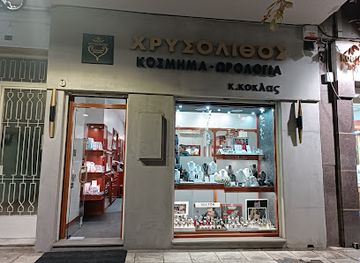
GOLDSTONE JEWELLERY - KOKLAS
Discover unparalleled craftsmanship at Goldstone Jewellery - Koklas in Volos, where exquisite jewelry meets expert repair and engraving services.
8 min walk · 0.6 km from city centre
-
Electronics store
Public Βόλου
Explore the ultimate shopping experience in Volos at Public Βόλου, your destination for electronics, books, and games.
11 min walk · 0.9 km from city centre
-
Toy store
JUMBO Βόλος
Discover the joy of play at JUMBO Βόλος, where magical toys and games await every young adventurer in the heart of Volos.
11 min walk · 0.9 km from city centre
-
Clothing store
ZARA
Discover the latest fashion trends at ZARA in Volos, where style meets affordability in a chic shopping environment.
6 min walk · 0.5 km from city centre

Get your free copy of our complete guide to Volos, delivered straight to you.
Everything on this page, from attractions and restaurants to essentials and local phrases, in one PDF you can read offline, print or share.
Already have an account? Sign in
Your Volos guide is ready.
We'll send it to · Not you? Sign out

Getting your guide ready…
We are putting together a fresh copy of the Volos guide. This can take up to a minute.
This can take a few moments. If your browser asks, choose Allow so the download can start. You'll find the guide in your Downloads folder.
Nothing happened? Download it again
Sorry, the guide is taking longer than usual. Please try again in a minute, or get it by email instead.
Volos essentials
Currency and Payment
Safety
Emergency Situations
Do's and Don'ts
Local Tips
From Eve
Local phrases worth knowing
You don't need to get them perfect. A few words go a long way, and locals appreciate the effort.
Basics
| English | Local | Say it |
|---|---|---|
| Hello | Γεια σας | [Yia sas] |
| Goodbye | Αντίο | [Adio] |
| Yes | Ναι | [Ne] |
| No | Όχι | [Ohi] |
| Please/You're welcome | Παρακαλώ | [Parakalo] |
| Thank you | Ευχαριστώ | [Efharisto] |
| Excuse me/Sorry | Συγγνώμη | [Signomi] |
| How are you? | Τι κάνετε; | [Ti kanete?] |
| Fine. And you? | Καλά. Εσείς; | [Kala. Esis?] |
| Do you speak English? | Μιλάτε Αγγλικά; | [Milate Agglika?] |
| I don't understand | Δεν καταλαβαίνω | [Den katalaveno] |
Eating & Drinking
| English | Local | Say it |
|---|---|---|
| I'd like to see the menu, please | Θα ήθελα να δω το μενού, παρακαλώ | [Tha ithela na do to menu, parakalo] |
| I don't eat meat | Δεν τρώω κρέας | [Den troo kreas] |
| Cheers! | ΥΓΕΙΑ! | [Yia] |
| I would like to pay, please | Θα ήθελα να πληρώσω, παρακαλώ | [Tha ithela na plirosso, parakalo] |
Emergencies
| English | Local | Say it |
|---|---|---|
| Help! | Βοήθεια! | [Voithia] |
| Go away! | Φύγε! | [Fiye] |
| Call the Police! | Καλέστε την Αστυνομία! | [Kaleste tin Astinomia] |
| Call a doctor! | Καλέστε γιατρό! | [Kaleste giatro] |
| I'm lost | Έχω χαθεί | [Eho hathi] |
| I'm ill | Είμαι άρρωστος | [Eimai arrostos] |
Shopping
| English | Local | Say it |
|---|---|---|
| I'd like to buy... | Θα ήθελα να αγοράσω... | [Tha ithela na agoraso] |
| I'm just looking | Απλά κοιτάω | [Apla kitao] |
| How much is it? | Πόσο κοστίζει; | [Poso kostizi?] |
| That's too expensive | Αυτό είναι πολύ ακριβό | [Afto ine poli akribo] |
| Can you lower the price? | Μπορείτε να μειώσετε την τιμή; | [Borite na miosete tin timi?] |
Time & Numbers
| English | Local | Say it |
|---|---|---|
| What time is it? | Τι ώρα είναι; | [Ti ora ine?] |
| It's one o'clock | Είναι μία ώρα | [Ine mia ora] |
| Half past (10) | Μισή (10) | [Misi (10)] |
| Morning | Πρωί | [Proi] |
| Afternoon | Απόγευμα | [Apoyevma] |
| Evening | Βράδυ | [Vradi] |
| Yesterday | Χθες | [Hthes] |
| Today | Σήμερα | [Simera] |
| Tomorrow | Αύριο | [Avrio] |
| 1 | Ένα | [Ena] |
| 2 | Δύο | [Dyo] |
| 3 | Τρία | [Tria] |
| 4 | Τέσσερα | [Tessera] |
| 5 | Πέντε | [Pente] |
| 6 | Έξι | [Exi] |
| 7 | Επτά | [Epta] |
| 8 | Οχτώ | [Ochto] |
| 9 | Εννιά | [Ennia] |
| 10 | Δέκα | [Deka] |
Transport & Directions
| English | Local | Say it |
|---|---|---|
| Where's a/the...? | Πού είναι ένα/το...; | [Pou ine ena/to...?] |
| What's the address? | Ποια είναι η διεύθυνση; | [Pia ine i diefthinsi?] |
| Can you show me (on the map)? | Μπορείτε να μου δείξετε (στο χάρτη); | [Borite na mou dixete (sto charti)?] |
| When's the next (bus)? | Πότε είναι το επόμενο (λεωφορείο); | [Pote ine to epomeno (leoforeio)?] |
| A ticket (to ....) | Ένα εισιτήριο (για ....) | [Ena isitirio (gia ....)] |
History of Volos
Iolcos and Early Thessalian Settlements
The wider Volos area has exceptionally deep prehistoric roots. The archaeological sites of Dimini and Sesklo, near the modern city, preserve evidence of organised Neolithic communities dating back several millennia. Their remains point to settled agriculture, pottery production and complex social life in the fertile Thessalian plain. Later tradition identified Iolcos, associated with Jason and the Argonauts, with the region around modern Volos, although the precise historical relationship between the legendary city and archaeological sites remains a matter of interpretation. These early settlements established the area’s long connection with farming, craft production and the Pagasetic Gulf, a sheltered maritime environment that would continue to support movement and exchange in later periods.
The Hellenistic City of Demetrias
In the third century BC, the Macedonian king Demetrius Poliorcetes founded Demetrias on the Pagasetic Gulf. The new city brought together or absorbed nearby communities and became an important political, military and commercial centre under the Macedonian kingdom. Its harbour gave it strategic value, while its position connected the Gulf with routes across Thessaly and the Aegean. Demetrias remained significant during the Roman period, though its prominence changed as political and trading networks shifted. Archaeological remains in the southern outskirts of Volos, including fortifications and parts of the ancient urban area, provide physical evidence of a city whose influence preceded the emergence of modern Volos.
Byzantine and Ottoman Thessaly
After the transformation of the Roman world, settlements around the Pagasetic Gulf continued within the Byzantine sphere, although the area experienced changing political control and periods of insecurity. Thessaly was incorporated into the Ottoman Empire in the fifteenth century, and the region remained predominantly rural for much of the Ottoman period. The modern city of Volos was not yet the major urban centre it would become, but nearby agricultural communities, mountain settlements and coastal routes sustained local commerce. Pelion’s villages developed distinctive stone architecture and craft traditions, while the gulf supported small-scale maritime activity. These regional networks later helped Volos expand rapidly when political and economic conditions changed in the nineteenth century.
The Rise of Modern Volos
Volos became part of the Greek state in 1881, when Thessaly was incorporated into Greece, and the town then developed quickly as a port and commercial centre. Rail connections linked Volos with the Thessalian interior and wider national networks, encouraging the movement of grain, agricultural produce and manufactured goods. Warehouses, factories and the harbour reshaped the urban landscape, while merchants and migrants contributed to a growing cosmopolitan society. The city’s grid, neoclassical buildings and industrial premises reflect this period of expansion. Volos also became an important point of contact between the mainland, the Pagasetic Gulf and the island routes leading towards the northern Aegean.
Industry, Refugees and Urban Change
During the twentieth century, Volos combined port activity with manufacturing, food processing, metalworking and brick production. The arrival of refugees from Asia Minor after the Greco-Turkish population exchange of 1923 altered the city’s population and social life, adding new communities, skills, businesses and culinary traditions. Industrial growth continued, although economic crises, wartime disruption and later deindustrialisation changed the character of former factory districts. The Tsalapatas brickworks complex, now preserved as a museum, illustrates the scale of this industrial era. Volos was also affected by the 1955 earthquake, which damaged many buildings and contributed to further rebuilding and modernisation.
Volos in Contemporary Greece
Today Volos is the administrative and cultural centre of Magnesia and an important university city, port and transport gateway. Its identity combines industrial heritage with waterfront leisure, contemporary education and access to Pelion’s villages and beaches. The port continues to connect the city with maritime activity and island services, while the promenade and central districts support a strong café and restaurant culture. Museums and archaeological sites preserve the area’s prehistoric, Hellenistic and industrial histories, and the urban fabric continues to show traces of reconstruction alongside older neoclassical and commercial buildings. Volos’s modern character is therefore shaped by both its outward-looking port and its close relationship with the mainland mountain landscape.
Travel experiences inspired by this city
-
 10 Day Trip
Family Adventure in the Heart of Pelion, Greece
Discover the cultural richness and natural beauty of Pelion, Greece on a family adventure blending tradition, exploration, and relaxation.
10 Day Trip
Family Adventure in the Heart of Pelion, Greece
Discover the cultural richness and natural beauty of Pelion, Greece on a family adventure blending tradition, exploration, and relaxation.
 5 Dec 2025
By Eman Hassan -
 7 Day Trip
Exploring the Enchanting Landscapes of Mount Pelion
Discover the serene beauty and cultural richness of Mount Pelion with Kirsten and Hans on a sustainable journey through Greece's hidden gem.
7 Day Trip
Exploring the Enchanting Landscapes of Mount Pelion
Discover the serene beauty and cultural richness of Mount Pelion with Kirsten and Hans on a sustainable journey through Greece's hidden gem.
 15 Oct 2025
By Kirsten Nielsen -
 11 Day Trip
Solo Cultural Exploration in Pelion, Greece
Embark on a solo journey to Pelion, Greece, to explore its cultural heritage, stunning landscapes, and connect with the local community.
11 Day Trip
Solo Cultural Exploration in Pelion, Greece
Embark on a solo journey to Pelion, Greece, to explore its cultural heritage, stunning landscapes, and connect with the local community.
 5 Oct 2025
By Fatima Ahmadi -
 14 Day Trip
Exploring the Natural Beauty and Cultural Richness of Mount Pelion
Discover the hidden gem of Mount Pelion, Greece, with its breathtaking landscapes, charming villages, and rich cultural heritage.
14 Day Trip
Exploring the Natural Beauty and Cultural Richness of Mount Pelion
Discover the hidden gem of Mount Pelion, Greece, with its breathtaking landscapes, charming villages, and rich cultural heritage.
 1 Sep 2025
By Giulia Colombo-Tremblay -
 9 Day Trip
Exploring the Natural and Cultural Wonders of Pelion, Greece
Join us as we explore Pelion, Greece, discovering its lush landscapes and rich history while immersing in local culture and cuisine.
9 Day Trip
Exploring the Natural and Cultural Wonders of Pelion, Greece
Join us as we explore Pelion, Greece, discovering its lush landscapes and rich history while immersing in local culture and cuisine.
 5 Aug 2025
By David Smith -
 9 Day Trip
Exploring the Hidden Gems of Pelion with Friends
Discover the beauty of Pelion with friends; explore stunning beaches, rich culture, and charming villages in Greece's hidden paradise.
9 Day Trip
Exploring the Hidden Gems of Pelion with Friends
Discover the beauty of Pelion with friends; explore stunning beaches, rich culture, and charming villages in Greece's hidden paradise.
 5 Aug 2025
By Jose Martinez
Swipe for more travel diaries
Volos in Photos
Browse through our photo collection highlighting the charm and character of the destination.
Cities near Volos
The closest cities to Volos, if you have time for more than one stop.
-

-

-

-

-


Swipe for more cities
Explore more
Explore more of Greece
Discover Greece: A land where ancient history meets modern vibrancy, offering stunning islands, crystal-clear seas, and unforgettable cultural experiences.
Explore Greece