

Chania, Greece Travel Guide
Discover Chania, Crete's enchanting blend of history, culture, and natural beauty, where Venetian and Turkish influences meet pristine beaches and vibrant local life.
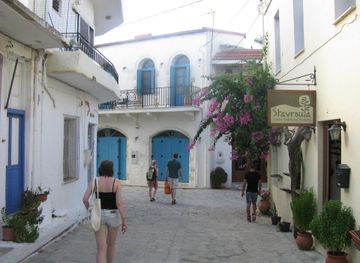
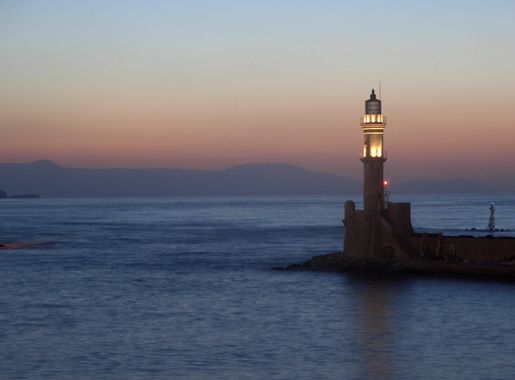
Chania, located on the stunning island of Crete, is a city that harmoniously blends history, culture, and natural beauty. Known for its charming Old Town, Chania is a labyrinth of narrow streets filled with Venetian and Turkish architecture. The picturesque harbor, with its iconic lighthouse, is a great place to start your exploration. Here, you can enjoy a leisurely stroll, dine at waterfront tavernas, and soak in the vibrant atmosphere. Beyond the Old Town, Chania offers plenty of attractions for nature lovers. The nearby Samaria Gorge is one of Europe's longest and most famous hiking trails. For those who prefer relaxation, the pristine beaches such as Elafonissi and Balos are perfect for sunbathing and swimming in crystal-clear waters. The region's diverse landscapes, from rugged mountains to serene coastlines, provide endless opportunities for outdoor activities. Cultural enthusiasts will find Chania rich in history and tradition. The Archaeological Museum and Maritime Museum offer insights into the city's storied past. Local markets, like the Municipal Market of Chania, are excellent for sampling Cretan cuisine and purchasing unique handicrafts. The city's vibrant nightlife, with its mix of modern bars and traditional music venues, ensures that there is something for everyone to enjoy.

Know before you go
Hi, I'm Eve. Here are a few practical things to know before exploring Chania.
- Visit the Old Town early in the morning or late in the afternoon to avoid the crowds and enjoy a more relaxed atmosphere.
- Wear comfortable shoes as the cobblestone streets in the Old Town can be uneven.
- Try the local cuisine, especially dishes like dakos, moussaka, and fresh seafood at waterfront tavernas.
- Rent a car if you plan to visit the beaches or hike the Samaria Gorge, as public transport can be infrequent.
- Bring sunscreen and a hat, especially if you plan to spend a lot of time outdoors, as the sun can be quite strong.


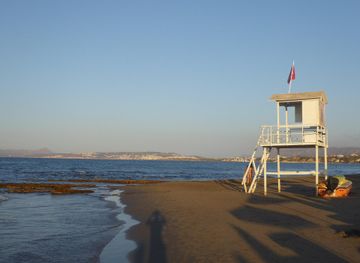
Explore Chania: Things to Do, Places to Eat, Hotels & More
Handpicked recommendations for top attractions, local dining, accommodations, and more

Best attractions in Chania
Top-rated picks
Best Attractions
Browse the full guide
All Attractions

Old Venetian Port of Chania
Explore the Old Venetian Port of Chania, a historical gem with stunning architecture, vibrant culture, and a vibrant culinary scene in the heart of Crete.

Fortezza of Rethymnon
Discover the historical beauty of the Fortezza of Rethymnon, a Venetian fortress with stunning views and rich cultural events in Crete.

Old Chania Market
Discover the Old Chania Market, a vibrant hub of local culture and flavors in the heart of Chania, Greece, perfect for an authentic Cretan experience.

Rimondi Fountain
Discover the enchanting Rimondi Fountain in Rethymno, an iconic historical landmark showcasing stunning Renaissance architecture and vibrant local culture.

Best landmarks in Chania
Top-rated picks
Best Landmarks
Browse the full guide
All Landmarks

Chania Municipal Garden
Discover the lush beauty and cultural significance of Chania Municipal Garden, a serene escape in the heart of Crete, perfect for relaxation and exploration.

Splantzia Square
Experience the vibrant atmosphere of Splantzia Square in Chania, Greece, where history, culture, and local cuisine converge in a picturesque setting.

1866 Square
Explore the lush beauty and cultural vibrancy of 1866 Square, a tranquil park in the heart of Chania, Greece.

Chania Harbor View
Explore Chania's Venetian Harbor: a picturesque blend of history, architecture, and vibrant Mediterranean culture on the beautiful island of Crete.

Best restaurants in Chania
Top-rated picks
Best Restaurants
Browse the full guide
All Restaurants
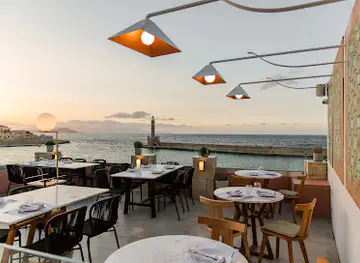
PALLAS
Experience exquisite Mediterranean cuisine with stunning sea views at PALLAS in Chania - where every meal is a celebration of flavor.
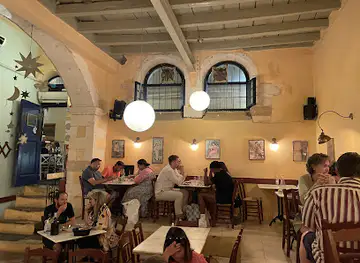
TAMAM RESTAURANT CHANIA
Experience authentic Cretan cuisine at Tamam Restaurant in Chania's enchanting Old Harbour - a culinary delight awaits!

Salis
Experience an exquisite blend of Greek and modern European cuisine at Salis, Chania's premier fine dining destination.

To Maridaki
Experience authentic Greek cuisine at To Maridaki in Chania - where fresh seafood meets warm Cretan hospitality.

Best bars in Chania
Top-rated picks
Best Bars
Browse the full guide
All Bars
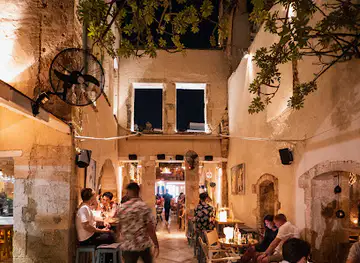
Sinagogi coctail bar
Discover the vibrant nightlife at Sinagogi Cocktail Bar in Chania, renowned for its expertly crafted cocktails and lively atmosphere.

Ammos & Ilios
Experience the ultimate beach bar atmosphere at Ammos & Ilios in Agia Marina, where the Mediterranean meets relaxation and vibrant nightlife.

Το μοναστήρι του καρόλου
Discover the Monastery of Karolos in Chania, a cocktail bar that offers a unique blend of innovative drinks and a serene garden atmosphere.

Red Havana Premium
Experience the vibrant energy of Red Havana Premium in Agia Marina, where exceptional cocktails and delicious cuisine meet lively entertainment.

Best nightclubs in Chania
Top-rated picks
Best Nightclubs
Browse the full guide
All Nightclubs

Sinagogi coctail bar
Experience the vibrant nightlife of Chania at Sinagogi Cocktail Bar, where expertly crafted cocktails and a lively atmosphere await.

Red Havana Premium
Discover an unforgettable nightlife experience at Red Havana Premium, where exquisite cocktails meet vibrant entertainment in Agia Marina.

Bras de Frères
Experience vibrant nightlife at Bras de Frères, Chania's top karaoke bar, where every night is filled with music, fun, and unforgettable memories.

Neromilos
Discover the charm of Neromilos, a perfect beachside bar in Platanias, offering refreshing drinks and a vibrant atmosphere for a memorable experience.

Best shops in Chania
Top-rated picks
Best Shops
Browse the full guide
All Shops

OLEA
Experience the vibrant shopping scene at OLEA in Platanias, where local culture meets international brands and delightful dining options await.

Workshop Tsouris
Explore the artistic heart of Crete at Workshop Tsouris in Topolia, where local craftsmanship meets enchanting souvenirs.

Cretan Knives Skalidakis
Explore the artistry of traditional Cretan knives at Skalidakis in Chania, where craftsmanship and culture come together.

Just Creta
Discover a shopper's paradise at Just Creta, where local charm meets international brands in Agia Marina.

Explore Chania on the Map
A handpicked selection of must-see spots in Chania, mapped for you.
Chania Essentials
-
Chania is located on the northwest coast of the island of Crete in Greece. The nearest airport is Chania International Airport (CHQ), also known as Ioannis Daskalogiannis Airport, which is approximately 14 kilometers from the city center. Direct flights are available from many European cities, especially during the summer season. Alternatively, you can fly into Heraklion International Airport (HER) and take a bus or rent a car for the approximately 2-hour drive to Chania. Ferries from Athens (Piraeus Port) also operate regularly, docking at the port of Souda, about 7 kilometers from Chania city center.
-
Chania is well-connected by public transportation. The main bus station (KTEL) offers routes to various parts of the island, including Heraklion, Rethymno, and smaller towns and villages. Local buses are also available for travel within the city. Taxis are readily available and can be hailed on the street or booked via phone. For those who prefer more flexibility, car rentals are available at the airport and in the city. Bicycles and scooters can also be rented for a more eco-friendly mode of transport.
-
The official currency in Greece is the Euro (€). Credit and debit cards are widely accepted in Chania, especially in hotels, restaurants, and larger shops. However, it is advisable to carry some cash for smaller purchases, especially in markets and rural areas. ATMs are plentiful and can be found throughout the city. Ensure your card is enabled for international transactions before you travel to avoid any inconvenience.
-
Chania is generally a safe destination for tourists, with low crime rates. However, it is advisable to take standard precautions such as keeping an eye on your belongings in crowded areas and avoiding poorly lit streets at night. The Old Town and the Venetian Harbor are popular tourist spots and can get crowded, so be vigilant against pickpockets. Areas with higher crime rates targeting tourists are rare, but always stay aware of your surroundings.
-
In case of emergency, dial 112, the European emergency number, for immediate assistance. Chania has several hospitals and medical facilities, including the Chania General Hospital. Pharmacies are plentiful and usually have a green cross sign. It is recommended to have travel insurance that covers medical emergencies. For minor health issues, pharmacists can often provide advice and over-the-counter medications.
-
Fashion: Do dress modestly when visiting religious sites. Avoid wearing beachwear or overly revealing clothing in public places. Religion: Do respect local customs and traditions. When entering churches, cover your shoulders and knees. Public Transport: Do be respectful and offer your seat to elderly passengers. Don't eat or drink on public transport. Greetings: Do greet people with a handshake or a friendly 'Kalimera' (Good Morning). Eating & Drinking: Do try local dishes and accept food offerings graciously. Don’t decline hospitality, as it is considered impolite.
-
To experience Chania like a local, visit the Municipal Market of Chania (Agora) where you can buy fresh produce and traditional Cretan goods. Take a stroll through the narrow streets of the Old Town and explore the Venetian Harbor. Engage with locals, who are often friendly and willing to share stories about the city's history and culture. Don't miss the chance to try local delicacies such as Dakos, Kalitsounia, and Raki. For a unique experience, visit the nearby village of Theriso, known for its history and beautiful natural surroundings.
When is the best time to visit Chania?
Useful Local Phrases for Chania
You don't need to speak the language perfectly. Even learning a few simple words can make conversations warmer—and locals usually appreciate the effort.
— Eve

Here are the phrases I use most often in Chania. Try a few—you'll be surprised how far they go! 😊
❤️
-
- HelloΓειά σας
[Yah sas] - GoodbyeΑντίο
[Adio] - YesΝαι
[Ne] - NoΌχι
[Ohi] - Please/You're welcomeΠαρακαλώ
[Parakalo] - Thank youΕυχαριστώ
[Efharisto] - Excuse me/SorryΣυγνώμη
[Signomi] - How are you?Πώς είστε;
[Pos iste?] - Fine. And you?Καλά. Εσείς;
[Kala. Esis?] - Do you speak English?Μιλάτε αγγλικά;
[Milate anglika?] - I don't understandΔεν καταλαβαίνω
[Den katalaveno]
- HelloΓειά σας
-
- I'd like to see the menu, pleaseΘα ήθελα να δω το μενού, παρακαλώ
[Tha ithela na do to menu, parakalo] - I don't eat meatΔεν τρώω κρέας
[Den troo kreas] - Cheers!Στην υγειά μας!
[Stin igia mas] - I would like to pay, pleaseΘα ήθελα να πληρώσω, παρακαλώ
[Tha ithela na plirosso, parakalo]
- I'd like to see the menu, pleaseΘα ήθελα να δω το μενού, παρακαλώ
-
- Help!Βοήθεια!
[Voithia!] - Go away!Πήγαινε μακριά!
[Pigaine makria!] - Call the Police!Καλέστε την Αστυνομία!
[Kaleste tin Astinomia!] - Call a doctor!Καλέστε γιατρό!
[Kaleste yatro!] - I'm lostΈχω χαθεί
[Eho hathi] - I'm illΕίμαι άρρωστος
[Ime arrostos]
- Help!Βοήθεια!
-
- I'd like to buy...Θα ήθελα να αγοράσω...
[Tha ithela na agoraso...] - I'm just lookingΑπλά κοιτάω
[Apla kitao] - How much is it?Πόσο κοστίζει;
[Poso kostizi?] - That's too expensiveΑυτό είναι πολύ ακριβό
[Afto ine poli akribo] - Can you lower the price?Μπορείτε να μειώσετε την τιμή;
[Borite na miosete tin timi?]
- I'd like to buy...Θα ήθελα να αγοράσω...
-
- What time is it?Τι ώρα είναι;
[Ti ora ine?] - It's one o'clockΕίναι μία ώρα
[Ine mia ora] - Half past (10)Μισή (10)
[Misi (10)] - MorningΠρωί
[Proi] - AfternoonΑπόγευμα
[Apoyevma] - EveningΒράδυ
[Vradi] - YesterdayΧθες
[Hthes] - TodayΣήμερα
[Simera] - TomorrowΑύριο
[Aurio] - 1Ένα
[Ena] - 2Δύο
[Dio] - 3Τρία
[Tria] - 4Τέσσερα
[Tessera] - 5Πέντε
[Pente] - 6Έξι
[Exi] - 7Εφτά
[Efta] - 8Οκτώ
[Okto] - 9Εννιά
[Ennia] - 10Δέκα
[Deka]
- What time is it?Τι ώρα είναι;
-
- Where's a/the...?Πού είναι ένα/το...;
[Pou ine ena/to...?] - What's the address?Ποια είναι η διεύθυνση;
[Pia ine i diefthinsi?] - Can you show me (on the map)?Μπορείτε να μου δείξετε (στο χάρτη);
[Borite na mou dixete (sto charti)?] - When's the next (bus)?Πότε είναι το επόμενο (λεωφορείο);
[Pote ine to epomeno (leoforeio)?] - A ticket (to ....)Ένα εισιτήριο (για το ....)
[Ena isitirio (gia to ....)]
- Where's a/the...?Πού είναι ένα/το...;
History of Chania
-
Chania's history dates back to the Minoan civilization, around 3000 BCE to 1450 BCE. The ancient city of Kydonia, referenced in Homer's Odyssey, was located here. Archaeological excavations have uncovered significant artifacts, including remnants of Minoan settlements and ceramics, indicating Chania's importance as a trading hub in ancient times.
-
During the Classical and Hellenistic periods, Chania flourished as a vibrant city-state. The region was known for its naval prowess and strategic location, which made it a significant player in regional politics and commerce. The city was involved in various alliances and conflicts, including support for the Athenians during the Peloponnesian War.
-
Chania fell under Roman rule in 69 BCE and subsequently became part of the Byzantine Empire in the 4th century CE. The Roman and Byzantine periods were relatively peaceful times, allowing for the construction of public buildings, fortifications, and churches. The city continued to be a crucial trading center, connecting the eastern and western parts of the Mediterranean.
-
In 1252, Chania came under Venetian control, marking a period of significant architectural and cultural development. The Venetians fortified the city, building impressive walls and the famous harbor that still stands today. The Old Venetian Harbor, with its lighthouse and arsenals, became a bustling center of maritime trade. Venetian influence is evident in the city's architecture, urban planning, and cultural life.
-
The Ottoman Empire conquered Chania in 1645, introducing new cultural and architectural elements to the city. Mosques, bathhouses, and fountains were constructed, and the city saw a blend of Ottoman and Venetian styles. Despite periods of unrest and conflict, Chania remained a vital administrative and economic center under Ottoman rule until the late 19th century.
-
The 19th century was a tumultuous time for Chania, marked by uprisings and a push for independence from Ottoman rule. The city played a crucial role in the Cretan Revolt of 1866-1869. In 1913, after the Balkan Wars, Crete was finally unified with Greece. Chania became the capital of Crete, fostering economic growth and cultural revival until the capital was moved to Heraklion in 1971.
-
During World War II, Chania was heavily bombed in the Battle of Crete in 1941. The city fell under German occupation, leading to significant hardship for its residents. Many historical buildings were damaged or destroyed. However, the period also showcased the resilience and bravery of the local population, who played a crucial role in the resistance movement.
-
Following World War II, Chania underwent extensive reconstruction and modernization. The city expanded beyond its historical core, blending old and new elements. Today, Chania is a thriving tourist destination, celebrated for its rich history, cultural heritage, and stunning landscapes. The Old Town and harbor remain central attractions, drawing visitors from around the world.
Travel experiences inspired by this city


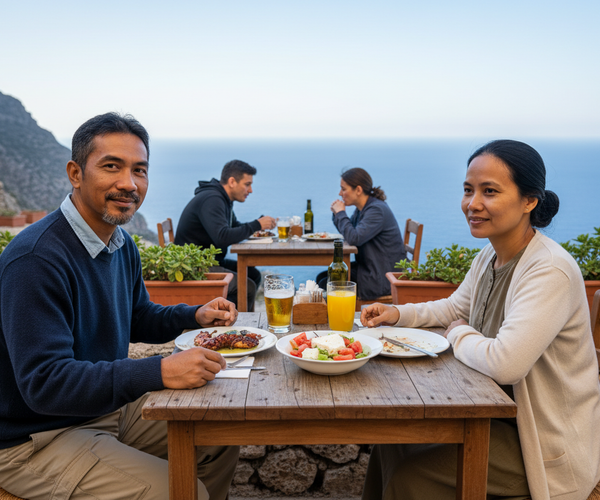

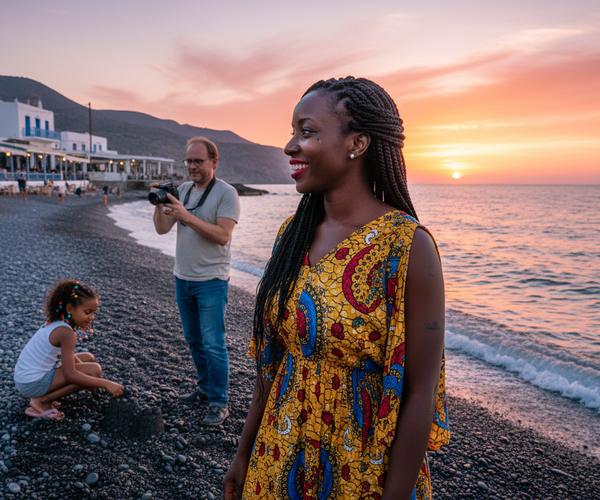

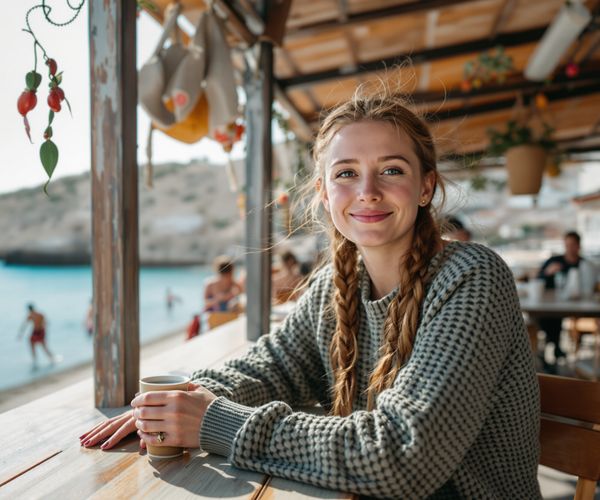

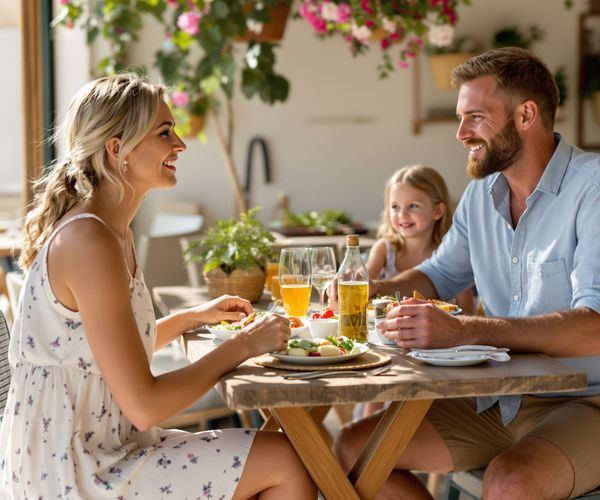



Cities near Chania
The closest cities to Chania, if you have time for more than one stop.


Your all‑in‑one travel companion app
Explore expert travel guides, compare and book tours, experiences, hotels, and more—all from the palm of your hand. Download now for seamless trip planning wherever your wanderlust takes you.


Chania in Photos
Browse through our photo collection highlighting the charm and character of the destination.




Chania: A Jewel of Crete
Chania, located on the stunning island of Crete, is a city that harmoniously blends history, culture, and natural beauty. Known for its charming Old Town, Chania is a labyrinth of narrow streets filled with Venetian and Turkish architecture. The picturesque harbor, with its iconic lighthouse, is a great place to start your exploration. Here, you can enjoy a leisurely stroll, dine at waterfront tavernas, and soak in the vibrant atmosphere. Beyond the Old Town, Chania offers plenty of attractions for nature lovers. The nearby Samaria Gorge is one of Europe's longest and most famous hiking trails. For those who prefer relaxation, the pristine beaches such as Elafonissi and Balos are perfect for sunbathing and swimming in crystal-clear waters. The region's diverse landscapes, from rugged mountains to serene coastlines, provide endless opportunities for outdoor activities. Cultural enthusiasts will find Chania rich in history and tradition. The Archaeological Museum and Maritime Museum offer insights into the city's storied past. Local markets, like the Municipal Market of Chania, are excellent for sampling Cretan cuisine and purchasing unique handicrafts. The city's vibrant nightlife, with its mix of modern bars and traditional music venues, ensures that there is something for everyone to enjoy.
Explore More of Mount Parnassus
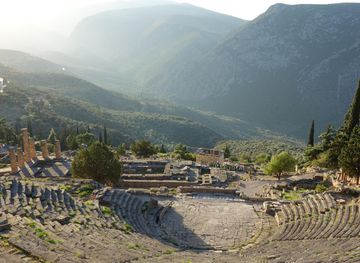
Looking beyond Chania? Discover Mount Parnassus for broader travel guides, local hot-spots, and regional highlights.
Explore Mount ParnassusExplore More of Greece
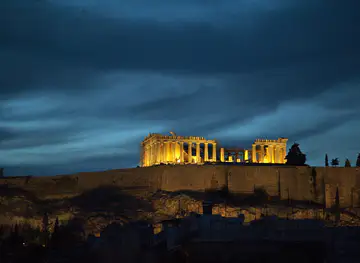
Looking beyond Chania? Discover Greece for broader travel guides, local hot-spots, and regional highlights.
Explore Greece