

Mount Parnassus Travel Guide - Free Web & App
Your ultimate guide to Mount Parnassus. Discover top landmarks, proposed trips, and local tips. Free on the web or via the Evendo companion app.


Mount Parnassus, Greece: explore Delphi, fir forests, limestone peaks, winter skiing, mountain villages and the landscapes of Central Greece.
A Limestone Mountain in Central Greece
\n\nMount Parnassus rises in Central Greece between the Gulf of Corinth and the highlands around Amfikleia, forming a rugged limestone massif whose summit, Liakoura, reaches 2,457 metres. Its slopes combine fir forest, exposed rock, alpine meadows and deep ravines, while the Parnassus National Park protects an important mountain environment above the settlements of Delphi and Arachova. The mountain’s terrain changes markedly with altitude: lower slopes lead through olive-growing country and villages, while higher ground becomes cooler, more open and frequently snow-covered in winter.\n\nDelphi, Villages and Mountain Landscapes
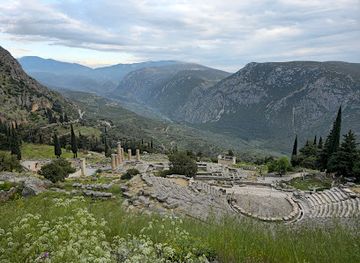
\n\nParnassus is inseparable from Delphi, the ancient sanctuary of Apollo built on the southern slopes of the massif. The archaeological site and museum provide the principal cultural focus, while the modern village of Delphi and nearby Arachova serve as important bases for exploring the mountain. Eptalofos, also known as Agoriani, offers access to a quieter forested side of the massif, and Amfikleia is a useful gateway from the east. The Corycian Cave, associated with the ancient worship of Pan and the Muses, lies within the wider mountain landscape.\n\nOutdoor Recreation and Seasonal Character
\n\nWalking routes range from woodland excursions and village paths to demanding mountain journeys requiring sound navigation and appropriate equipment. In winter, the Parnassos Ski Centre draws visitors to the higher eastern slopes, although weather and operating conditions vary. Spring and early summer bring flowering uplands and clear walking conditions at lower elevations, while autumn colours the fir forests and ravines. Local food in the surrounding villages reflects Roumeli and Central Greek traditions, with mountain cheeses, meats, pies and regional wines appearing alongside everyday taverna cooking.When is the best time to visit Mount Parnassus?
Best: May, September–October · 24–30°C| Month | High (°C) | Rainfall (mm) |
|---|---|---|
| January | 12 | 60 |
| February | 13 | 50 |
| March | 15 | 50 |
| April | 20 | 40 |
| May (best) | 27 | 30 |
| June | 32 | 20 |
| July | 35 | 10 |
| August | 35 | 10 |
| September (best) | 30 | 30 |
| October (best) | 24 | 40 |
| November | 17 | 50 |
| December | 13 | 60 |
Getting to and around Mount Parnassus
How to get there
Transportation
Best attractions in Mount Parnassus
The major cultural attraction of Mount Parnassus is Delphi, where the sanctuary of Apollo, the theatre, the Temple of Apollo and the Delphi Archaeological Museum explain the religious and political importance of the ancient site. Above and around the sanctuary, the mountain landscape opens into paths, rocky slopes and views towards the Gulf of Corinth. The Corycian Cave offers a more remote natural and mythological point of interest, although access requires suitable preparation and current local information. Arachova combines mountain scenery with traditional streets, local food and access towards the higher eastern slopes, while Eptalofos and its surrounding fir forests provide a quieter setting for walking. In winter, the Parnassos Ski Centre is the principal developed recreation area on the massif. The national park’s ravines, limestone formations, forests and upland habitats are attractions in their own right, best explored through responsible walking rather than hurried sightseeing.
-
Tourist attraction
Temple of Apollo
Explore the Temple of Apollo in Delphi, a UNESCO World Heritage site, and immerse yourself in the rich history and breathtaking landscapes of ancient Greece.
-
Beach
Kavos beach
Discover the tranquil beauty of Kavos Beach in Lichada, Greece, where crystal-clear waters and golden sands await your arrival.
-
Tourist attraction
Waterfall Agoriani
Discover the serene beauty of Waterfall Agoriani in Eptalofos, a hidden gem surrounded by lush landscapes and perfect for nature lovers.
-
Tourist attraction
Folklore Museum of Arachova
Explore Arachova's heritage at the Folklore Museum, showcasing traditional artifacts and local history in a charming mountain setting.


Best landmarks in Mount Parnassus
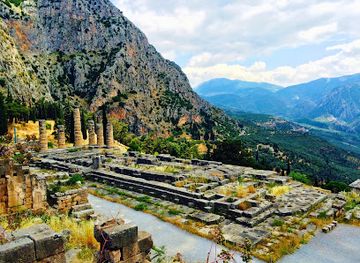
The ancient sanctuary of Delphi is the defining historic landmark on the southern slopes of Mount Parnassus, with the Temple of Apollo, theatre, monuments and sacred spring expressing the mountain’s importance in ancient Greek religion. The Corycian Cave is a significant natural and mythological landmark associated in antiquity with Pan and the Nymphs. Liakoura, the mountain’s highest summit at 2,457 metres, forms the principal high point of the massif, while the surrounding limestone ridges, ravines and fir forests give Parnassus its distinctive physical identity. The national park protects this combination of geological terrain and mountain habitat. Arachova’s traditional settlement, positioned on a steep slope beneath the high massif, is an important cultural landmark in the wider Parnassus landscape, linking modern village life with historic routes across Central Greece.
-
Art museum
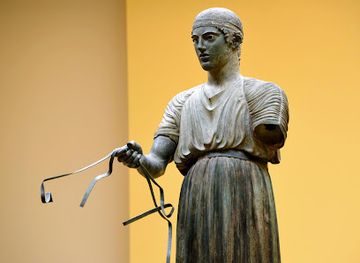
Delphi Archaeological Museum
Discover ancient treasures at the Delphi Archaeological Museum, home to remarkable artifacts from the sacred Sanctuary of Delphi, a UNESCO World Heritage site.
-
Historical landmark
Temple of Apollo
Explore the ruins of the Temple of Apollo in Delphi, the spiritual center of the ancient world, and discover the mysteries of the Oracle.
-
Historical landmark
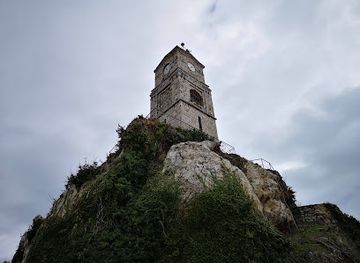
Clock Tower of Arachova
Discover the Clock Tower of Arachova, a historical gem in Greece offering stunning views and a glimpse into the town's rich heritage.
-
Historical landmark
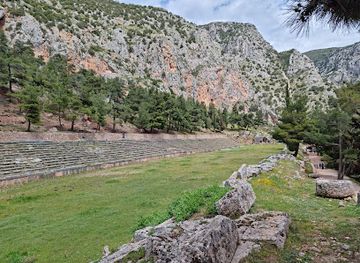
Ancient Stadium of Delphi
Explore the Ancient Stadium of Delphi, home of the Pythian Games, and witness a remarkably preserved monument to athletic competition and ancient Greek history.
Explore Mount Parnassus on the map
Plan your trip on one map. See where the top attractions, landmarks, restaurants and hotels are, and book hotels and experiences in a few clicks.
Best hotels in Mount Parnassus
Best restaurants in Mount Parnassus
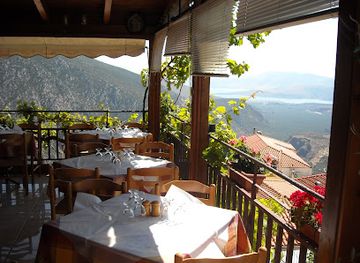
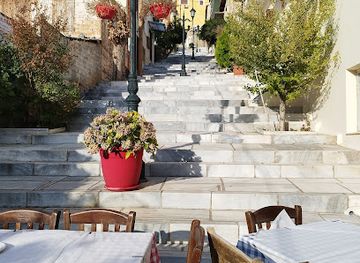
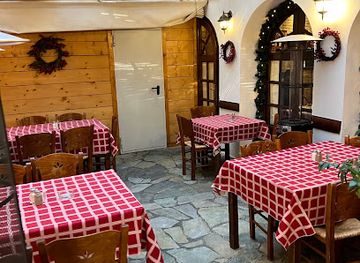
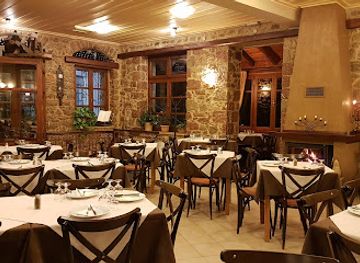
Dining on Mount Parnassus is concentrated in Arachova, Delphi, Eptalofos, Amfikleia and other surrounding settlements rather than in the high mountain areas. Village tavernas and family-run restaurants typically draw on Central Greek and Roumeli cooking, with grilled meats, seasonal vegetables, pies, pulses, local cheeses and yoghurt appearing alongside familiar Greek dishes. Arachova is especially associated with mountain produce, including formaela cheese, while the wider region has strong links with olives, honey, herbs and wines from Central Greece. Delphi offers convenient dining for visitors to the archaeological site, although choices range from everyday tavernas to more visitor-oriented restaurants. In rural areas, meal times and opening patterns can be seasonal, so walkers should not assume that food is available near trailheads or at the ski centre outside its operating periods.
-
Restaurant
Taverna Vakhos
Savor the flavors of Greece at Taverna Vakhos – a must-visit restaurant in Delphi known for its authentic cuisine and welcoming atmosphere.
-
Restaurant
Tavern DION
Experience authentic Greek cuisine at Tavern DION in Delphi – where tradition meets taste amidst breathtaking views.
-
Greek
Phterolakka
Discover Phterolakka in Arachova - where authentic Greek flavors meet stunning mountain views for an unforgettable dining experience.
-
Greek
THE AGNANTIO - TAVERN - ARACHOVA
Discover the heart of Greek culinary tradition at The Agnantio Tavern in Arachova – where flavor meets hospitality.
Best bars in Mount Parnassus
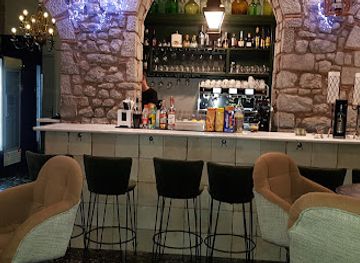
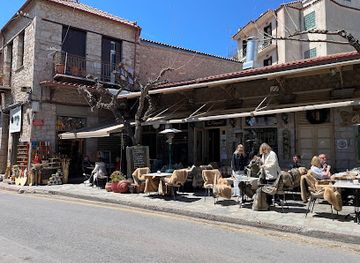
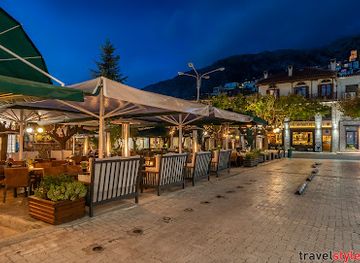
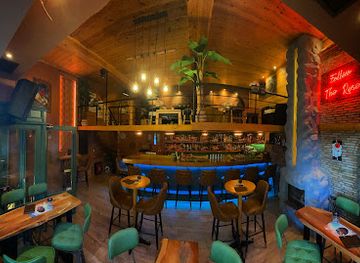
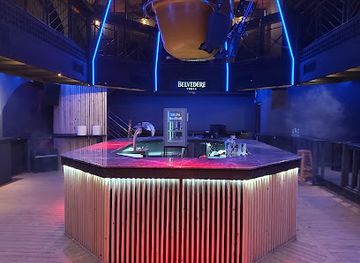
Evenings around Mount Parnassus are generally sociable but restrained rather than centred on large nightclubs. Arachova has the liveliest après-ski and evening atmosphere, with cafés, bars and restaurants serving residents and winter visitors, while Delphi and Eptalofos offer quieter places for a drink after sightseeing or walking. Traditional cafés and village tavernas remain important social settings, especially outside the busiest winter periods. Amfikleia provides another rural base where evenings are shaped more by local hospitality than by organised nightlife. Entertainment may be seasonal and individual venues can change, so visitors should expect a mountain destination with late evenings focused on food, conversation and views rather than a continuous club scene.
-
Bar
Sehre
Discover Sehre in Arachova, where bar, restaurant, and café blend to create an unforgettable culinary adventure amidst stunning mountain views.
-
Bar
Oístros
Experience the heart of Arachova with delicious Greek cuisine at Oístros, a vibrant bar and restaurant with stunning mountain views.
-
Diner
Barile Resto Vino Bar
Discover the culinary wonders of Arachova at Barile Resto Vino Bar, where Mediterranean flavors and fine wines create unforgettable dining moments.
-
Cocktail bar
Mr.Rose Cocktail Bar
Discover the vibrant cocktail culture at Mr. Rose Cocktail Bar in Delphi, where expertly crafted drinks meet a lively atmosphere.
Best nightclubs in Mount Parnassus
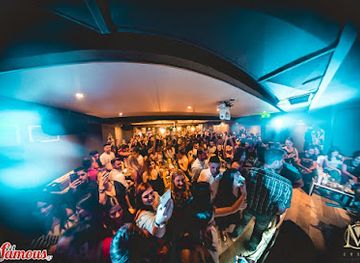
Evenings around Mount Parnassus are generally sociable but restrained rather than centred on large nightclubs. Arachova has the liveliest après-ski and evening atmosphere, with cafés, bars and restaurants serving residents and winter visitors, while Delphi and Eptalofos offer quieter places for a drink after sightseeing or walking. Traditional cafés and village tavernas remain important social settings, especially outside the busiest winter periods. Amfikleia provides another rural base where evenings are shaped more by local hospitality than by organised nightlife. Entertainment may be seasonal and individual venues can change, so visitors should expect a mountain destination with late evenings focused on food, conversation and views rather than a continuous club scene.
-
Disco club
Omnia Nightclub
Discover the electrifying nightlife at Omnia Nightclub in Amfissa, where pulsating beats and vibrant crowds create unforgettable evenings.
-
Night club
ΚΤΗΜΑ ΑΛΑΦΟΓΙΑΝΝΗΣ
Discover the vibrant nightlife at ΚΤΗΜΑ ΑΛΑΦΟΓΙΑΝΝΗΣ, Livadia's premier night club, offering electrifying music and exquisite cocktails.
-
Night club
Rodon Palace
Experience the vibrant nightlife of Livadia at Rodon Palace, where electrifying music and a lively atmosphere await your arrival.
-
Disco club
Laax Club
Experience the electrifying nightlife at Laax Club in Arachova, the ultimate disco destination for music and dance lovers in Greece.
Best shops in Mount Parnassus
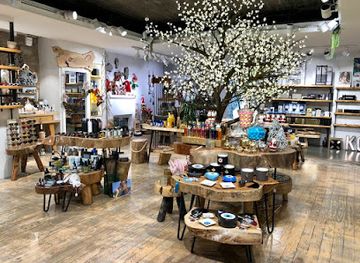
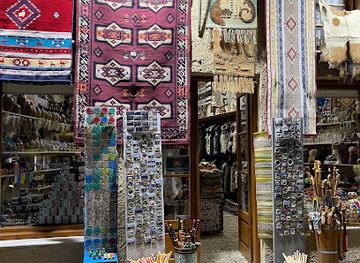
Shopping opportunities are concentrated in Arachova, Delphi, Eptalofos and Amfikleia, with only limited retail provision in the mountain interior. Arachova is known for regional food products such as formaela cheese, honey, herbs, preserves and other mountain produce, while village shops and delicatessens around Delphi provide Greek foods and locally made gifts for visitors to the archaeological site. Small craft and textile businesses may offer woven goods, leather items, woodwork or traditional-style souvenirs, though the range varies between settlements and seasons. Independent galleries and shops in Delphi often reflect the area’s archaeological identity, while the more practical outlets in gateway towns serve residents as well as travellers. Visitors should distinguish genuinely regional produce from generic souvenirs and avoid removing archaeological objects, stones or natural materials from protected areas.
-
Boutique
Costa Lekka
Discover Costa Lekka in Arachova: a premier boutique offering unique appliances, elegant interior design, and luxurious perfumes for an unforgettable shopping experience.
-
Store
TSELIOS FURS ARACHOVA
Explore Tselios Furs in Arachova for exquisite luxury fur garments, the perfect blend of elegance and traditional craftsmanship.
-
Clothing store
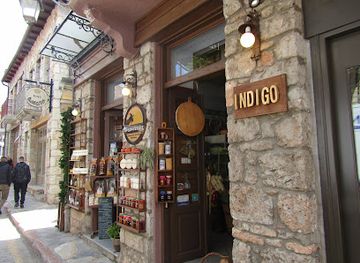
Indigo Store Arachova
Discover the essence of Arachova's fashion scene at Indigo Store, where style meets the stunning backdrop of the mountains.
-
Women's clothing store
George Mastroianni fur
Explore the stylish offerings at George Mastroianni fur in Arachova, where contemporary women's fashion meets the charm of Greece's mountainous landscapes.
Get your free copy of our complete guide to Mount Parnassus, delivered straight to you.
Everything on this page, from attractions and restaurants to essentials and local phrases, in one PDF you can read offline, print or share.
Already have an account? Sign in
Your Mount Parnassus guide is ready.
We'll send it to · Not you? Sign out

Getting your guide ready…
We are putting together a fresh copy of the Mount Parnassus guide. This can take up to a minute.
This can take a few moments. If your browser asks, choose Allow so the download can start. You'll find the guide in your Downloads folder.
Nothing happened? Download it again
Sorry, the guide is taking longer than usual. Please try again in a minute, or get it by email instead.
Mount Parnassus essentials
Currency and Payment
Safety
Emergency Situations
Do's and Don'ts
Local Tips
From Eve
Local phrases worth knowing
You don't need to get them perfect. A few words go a long way, and locals appreciate the effort.
Basics
| English | Local | Say it |
|---|---|---|
| Hello | Γεια σας | [Ya sas] |
| Goodbye | Αντίο | [An-dio] |
| Yes | Ναι | [Neh] |
| No | Όχι | [Ohi] |
| Please/You're welcome | Παρακαλώ | [Pa-ra-ka-lo] |
| Thank you | Ευχαριστώ | [Ef-ha-ris-to] |
| Excuse me/Sorry | Συγνώμη | [Sig-no-mi] |
| How are you? | Πώς είσαι; | [Pos ise;] |
| Fine. And you? | Καλά. Εσύ; | [Ka-la. E-se;] |
| Do you speak English? | Μιλάτε αγγλικά; | [Mi-la-te an-gli-ka;] |
| I don't understand | Δεν καταλαβαίνω | [Then ka-ta-la-ve-no] |
Eating & Drinking
| English | Local | Say it |
|---|---|---|
| I'd like to see the menu, please | Θα ήθελα να δω το μενού, παρακαλώ | [Tha i-thela na tho to me-no, pa-ra-ka-lo] |
| I don't eat meat | Δεν τρώω κρέας | [Then tro-o kre-as] |
| Cheers! | Υγεία! | [I-yi-a!] |
| I would like to pay, please | Θα ήθελα να πληρώσω, παρακαλώ | [Tha i-thela na pli-ro-so, pa-ra-ka-lo] |
Emergencies
| English | Local | Say it |
|---|---|---|
| Help! | Βοήθεια! | [Vo-i-thi-a!] |
| Go away! | Φύγε! | [Fi-ge!] |
| Call the Police! | Καλέστε την αστυνομία! | [Ka-le-ste tin as-ti-no-mi-a!] |
| Call a doctor! | Καλέστε γιατρό! | [Ka-le-ste gia-tro!] |
| I'm lost | Έχω χαθεί | [E-ho cha-the-i] |
| I'm ill | Είμαι άρρωστος | [I-mi ar-ro-stos] |
Shopping
| English | Local | Say it |
|---|---|---|
| I'd like to buy... | Θα ήθελα να αγοράσω... | [Tha i-thela na a-gho-ra-so...] |
| I'm just looking | Απλά κοιτάω | [A-pla ki-ta-o] |
| How much is it? | Πόσο κοστίζει; | [Po-so ko-sti-zi;] |
| That's too expensive | Αυτό είναι πολύ ακριβό | [Af-to i-ne po-li ak-ri-vo] |
| Can you lower the price? | Μπορείτε να μειώσετε την τιμή; | [Bo-ri-te na mi-o-se-te tin ti-mi;] |
Time & Numbers
| English | Local | Say it |
|---|---|---|
| What time is it? | Τι ώρα είναι; | [Ti o-ra i-ne;] |
| It's one o'clock | Είναι μία ώρα | [I-ne mi-a o-ra] |
| Half past (10) | Μισή (10) | [Mi-si (10)] |
| Morning | Πρωί | [Pro-i] |
| Afternoon | Απόγευμα | [A-po-yef-ma] |
| Evening | Βράδυ | [Vra-di] |
| Yesterday | Χθες | [Chthes] |
| Today | Σήμερα | [Si-me-ra] |
| Tomorrow | Αύριο | [Au-rio] |
| 1 | Ένα | [E-na] |
| 2 | Δύο | [Thi-o] |
| 3 | Τρία | [Tri-a] |
| 4 | Τέσσερα | [Tes-se-ra] |
| 5 | Πέντε | [Pen-de] |
| 6 | Έξι | [E-xi] |
| 7 | Επτά | [Ep-ta] |
| 8 | Οκτώ | [Ok-to] |
| 9 | Εννέα | [En-ne-a] |
| 10 | Δέκα | [The-ka] |
Transport & Directions
| English | Local | Say it |
|---|---|---|
| Where's a/the...? | Πού είναι ένα/το...; | [Pou i-ne e-na/to...;] |
| What's the address? | Ποια είναι η διεύθυνση; | [Pia i-ne i di-ef-thin-si;] |
| Can you show me (on the map)? | Μπορείτε να μου δείξετε (στο χάρτη); | [Bo-ri-te na mu thi-xe-te (sto har-ti);] |
| When's the next (bus)? | Πότε είναι το επόμενο (λεωφορείο); | [Po-te i-ne to e-po-me-no (le-o-fo-ri-o);] |
| A ticket (to ....) | Ένα εισιτήριο (για ....) | [E-na i-si-ti-rio (gia ....)] |
History of Mount Parnassus
Limestone Origins and Mountain Formation
Mount Parnassus is a limestone mountain system shaped over geological timescales by uplift, erosion and the action of water through soluble rock. Its karst terrain includes ravines, rocky outcrops and caves, characteristics that have influenced both movement across the massif and the location of springs and settlements. The mountain’s high ridges and forested valleys create marked differences in climate and vegetation between the lower foothills and the alpine zone. These physical features provide the landscape setting for Delphi and for the later development of protected natural areas and winter recreation.
Sacred Parnassus in Greek Myth
In Greek mythology, Parnassus was associated with Apollo, the Muses and the Corycian nymphs, giving the mountain a cultural identity that extended beyond its physical geography. The Corycian Cave became a place of religious significance, while the southern slopes developed into the sanctuary of Delphi. Ancient Greek writers connected Parnassus with music, poetry, prophecy and the literary arts. These traditions helped establish the mountain as one of the most recognisable sacred landscapes of the ancient Greek world, even though the modern mountain includes extensive areas far beyond the archaeological site.
Delphi and the Ancient World
The sanctuary of Apollo at Delphi grew into one of the most influential religious centres of ancient Greece. Pilgrims and delegations from across the Greek world consulted the oracle, dedicated offerings and participated in festivals, while the sanctuary’s position on the southern slopes of Parnassus gave it a powerful geographical setting. The nearby Castalian Spring was connected with ritual purification, and the Pythian Games linked religious observance with athletic and cultural competition. Delphi’s importance continued through the Roman period, although the sanctuary later declined as political and religious conditions changed.
Villages, Agriculture and Mountain Life
For centuries, communities around Parnassus combined farming, pastoral activity, forestry and trade adapted to steep terrain and seasonal weather. Arachova developed as a mountain settlement on the route between the interior and the Gulf of Corinth, while communities such as Eptalofos and Amfikleia retained close relationships with surrounding woodland and upland pasture. The region’s built heritage and food traditions reflect this rural economy, including stone construction, local cheeses, preserved meats and savoury pies. Modern roads and tourism altered older patterns of movement without removing the importance of mountain villages as service and cultural centres.
Protection and Modern Mountain Tourism
The Parnassus National Park was established in 1938, placing a substantial part of the massif within an early framework for protecting its forests, geological character and wildlife habitats. During the twentieth century, Delphi became an internationally recognised archaeological destination, while Arachova and the higher eastern slopes developed stronger links with leisure tourism. The Parnassos Ski Centre introduced a major winter use of the mountain, complementing walking, heritage visits and summer exploration. Contemporary management must balance visitor access with the conservation of fragile alpine habitats, forests, caves and archaeological landscapes.
Mount Parnassus in Photos
Browse through our photo collection highlighting the charm and character of the destination.
Cities in Mount Parnassus
The towns and cities of Mount Parnassus, and the easiest places to base yourself.
-
-

-

-

-

-


Swipe for more cities
Neighbouring destination travel guides
The closest destinations to Mount Parnassus, if you have time for more than one.
-

-

-
-

-


Swipe for more destinations
Explore more

Explore more of Central Greece
Discover Central Greece: A journey through ancient history, stunning landscapes, and vibrant local culture in the heart of Greece.
Explore Central Greece
Explore more of Greece
Discover Greece: A land where ancient history meets modern vibrancy, offering stunning islands, crystal-clear seas, and unforgettable cultural experiences.
Explore Greece