Minoan Settlement Archeological Site, Crete Travel Guide
Uncover the mysteries of Minoan civilization at the Myrtos-Pyrgos settlement near Ierapetra, Crete. Explore ancient ruins and artifacts.
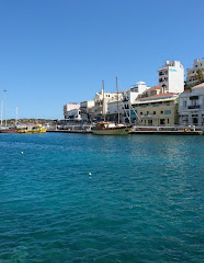
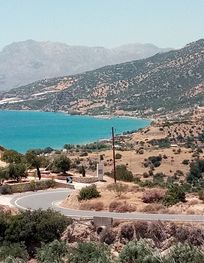
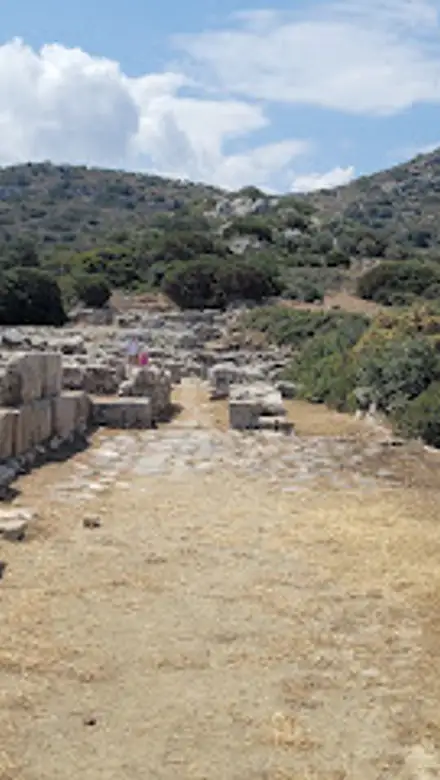
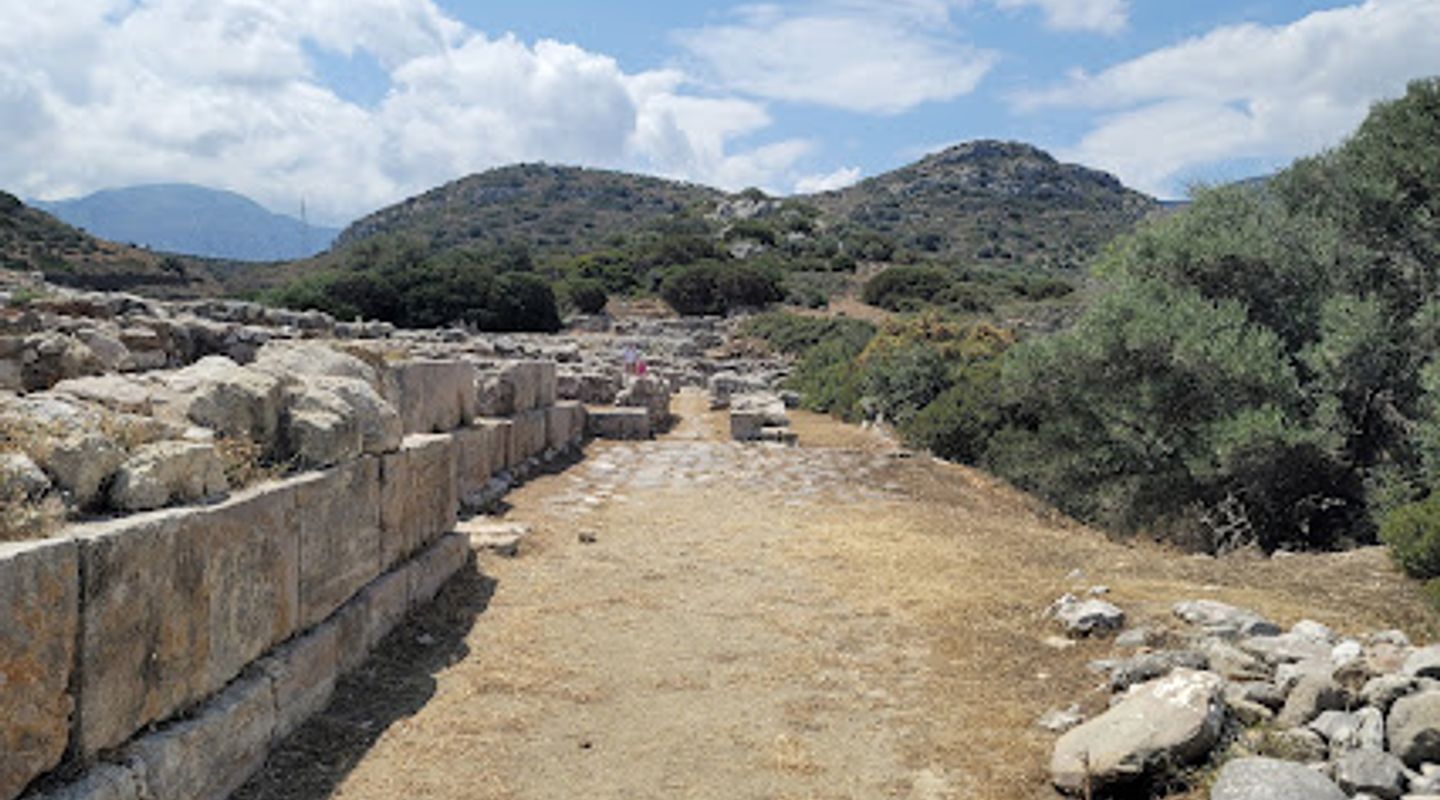
Explore the ruins of the Minoan settlement of Myrtos-Pyrgos near Ierapetra, Crete, offering a glimpse into Minoan life from 3000 BC to 1170 BC. Discover remnants of homes, workshops, and administrative structures, revealing insights into this ancient civilization.
A brief summary to Minoan Settlement Archeological Site
- Ierapetra, GR

Know before you go
Hi, I'm Eve. Here are a few practical things to know before exploring Minoan Settlement Archeological Site.
- Wear sturdy shoes as the terrain is uneven.
- Bring water and sun protection, as there is limited shade.
- Visit early in the morning or late in the afternoon to avoid the midday heat.
- Combine your visit with a trip to the nearby village of Myrtos for a taste of local life.
Do you manage this location?
Take control to get all the benefits, like improved information, better appearance, and stronger visibility across AI-powered discovery. Learn more about listing your business on Evendo
Activate your presenceOther nearby places you may find interesting
The closest places of the same kind, if this one is not quite what you had in mind.

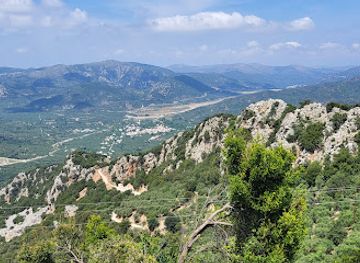
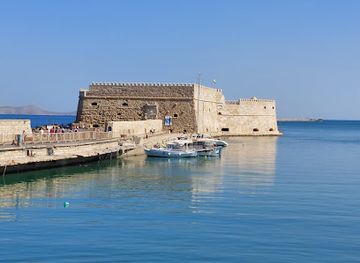
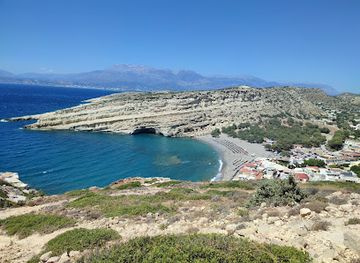

Explore Minoan Settlement Archeological Site on the Map
A handpicked selection of must-see spots near Minoan Settlement Archeological Site, mapped for you.
Getting There
-
Walking
From the main road near Myrtos, a short, signposted path leads to the archaeological site. The walk is uphill and takes approximately 15 minutes. The path is well-defined but can be uneven in places.
-
Public Transport
Take the KTEL bus from Ierapetra towards Myrtos. Get off at the stop closest to Myrtos village. From there, follow the signs to the archaeological site, a walk of approximately 1.2 miles (2 kilometers) uphill. Bus fare from Ierapetra to Myrtos is approximately €2-€4.
-
Taxi
A taxi from Ierapetra to the Minoan Settlement of Myrtos-Pyrgos costs approximately €25-€35, and the journey takes around 20 minutes. The taxi will drop you off near the base of the hill, from where you can walk up to the site.
Discover more about Minoan Settlement Archeological Site
More to explore near Minoan Settlement Archeological Site
-

Best experiences near Minoan Settlement Archeological Site
-

Best hotels near Minoan Settlement Archeological Site
-

Best attractions near Minoan Settlement Archeological Site
-

Best shops near Minoan Settlement Archeological Site
-

Best restaurants near Minoan Settlement Archeological Site
-

Best bars near Minoan Settlement Archeological Site







Your all‑in‑one travel companion app
Explore expert travel guides, compare and book tours, experiences, hotels, and more—all from the palm of your hand. Download now for seamless trip planning wherever your wanderlust takes you.


Explore More of Crete
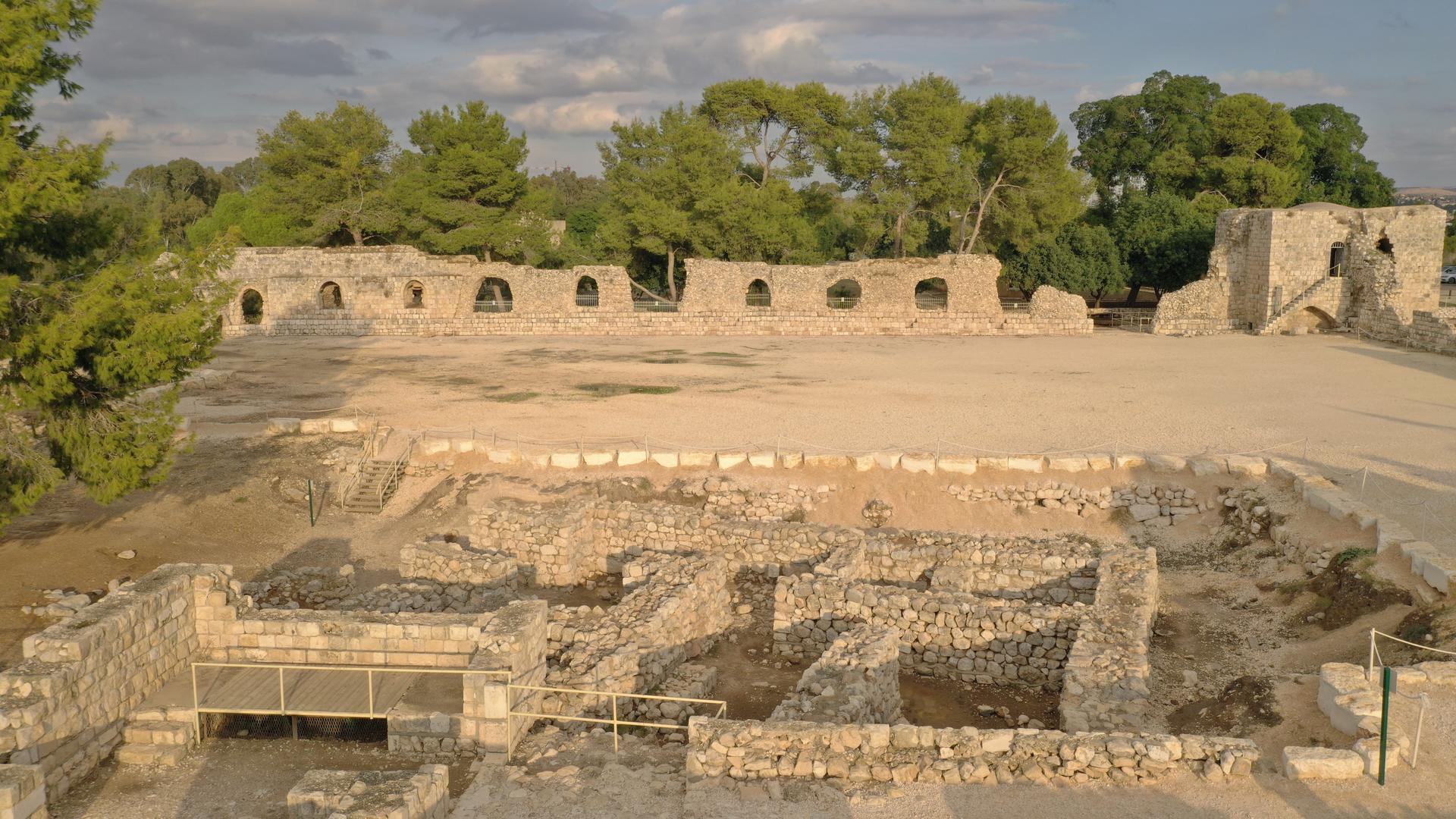
Looking beyond Minoan Settlement Archeological Site? Discover Crete for broader travel guides, local hot-spots, and regional highlights.
Explore Crete