

Theopetra Cave, Meteora Travel Guide
Free Guide: Explore Theopetra Cave: Journey through 130,000 years of human history near Meteora, Greece. Discover ancient tools, structures, and secrets of early civilizations.


A brief summary of Theopetra Cave
Explore Theopetra Cave: Journey through 130,000 years of human history near Meteora, Greece. Discover ancient tools, structures, and secrets of early civilizations.
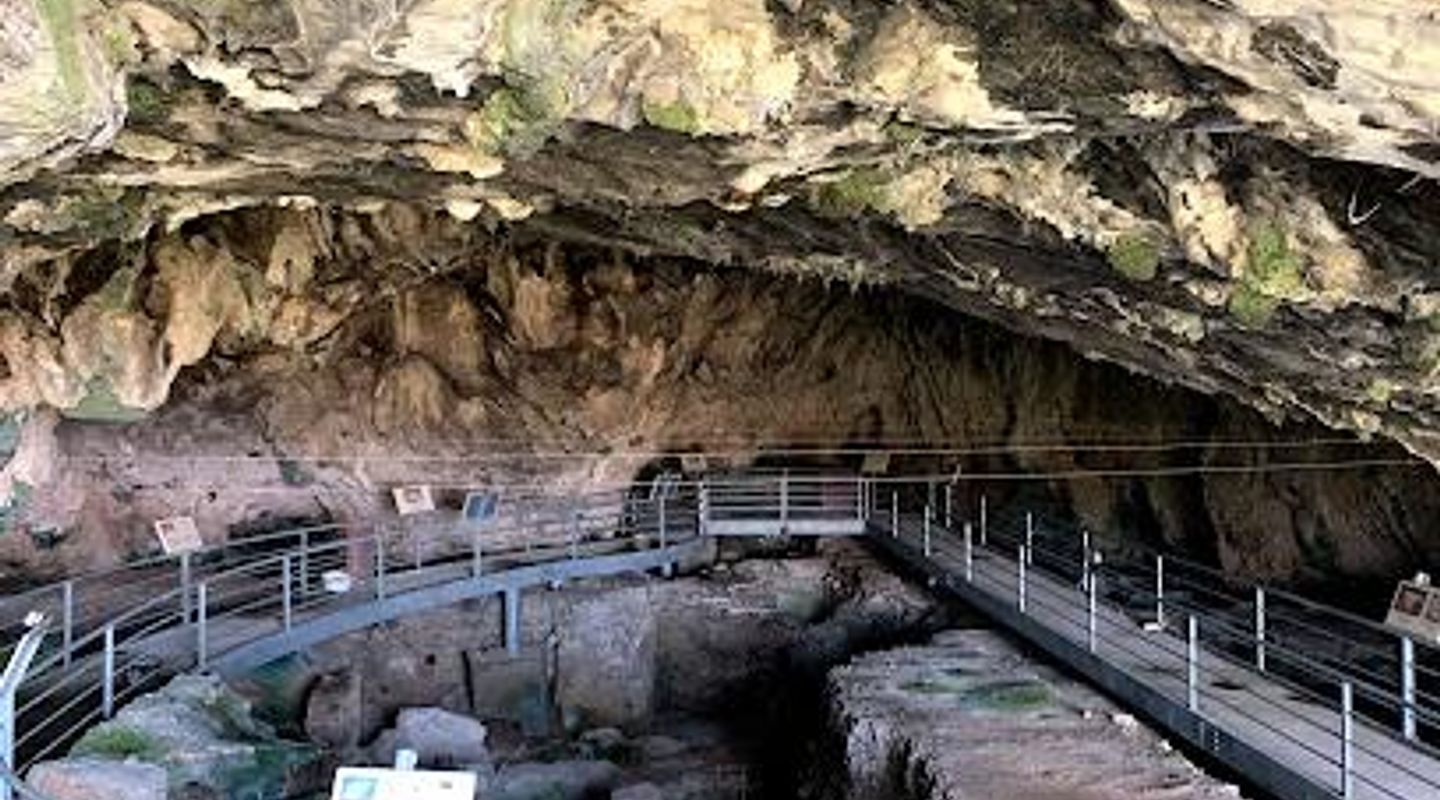
Theopetra Cave, located near Meteora, is a significant archaeological site revealing human presence dating back 130,000 years. It features findings from the Paleolithic to the Neolithic periods, including stone tools, burials, and the oldest known human-built structure, offering insights into early human life and the transition from Neanderthals to Homo sapiens.
- Address
- Θεόπετρα 422 00
- Phone
- Website
Getting there
Walking
Public Transport
Taxi
Discover more about Theopetra Cave
Overview
Theopetra Cave, situated a few kilometers from the stunning Meteora rock formations, offers a unique journey into prehistoric Greece. This archaeological site reveals evidence of human occupation spanning an extraordinary 130,000 years, from the Middle Paleolithic to the end of the Neolithic period.The cave itself is an impressive chamber at the foot of a limestone hill, with a large entrance measuring 17 meters wide and 3 meters high. Excavations have uncovered a wealth of artifacts, including stone tools, pottery, animal bones, and human remains, providing invaluable insights into the lives of early humans and Neanderthals who inhabited the region. One of the most remarkable discoveries is a 23,000-year-old stone wall, believed to be the oldest known human-built structure, likely constructed to protect the inhabitants from the cold during the last Ice Age.Theopetra Cave is also significant for showcasing two major cultural transitions: the replacement of Neanderthals by modern humans and the shift from hunter-gathering to farming. The cave's location provided early settlers with access to fresh water, food sources, and a strategic vantage point, making it an ideal dwelling for millennia. Today, visitors can explore the cave and the nearby Documentation and Education Center, which displays artifacts and provides information about the cave's history and significance.
Evendo Review Centre
 Google
Guest reviews
Explore Theopetra Cave on the map
A handpicked selection of must-see spots near Theopetra Cave, mapped for you.
Get your free copy of our complete guide to Theopetra Cave, delivered straight to you.
Everything on this page, from opening hours and how to get there to Eve’s tips and the best time to go, in one PDF you can read offline, print or share.
Already have an account? Sign in
Your Theopetra Cave guide is ready.
We'll send it to · Not you? Sign out

Getting your guide ready…
We are putting together a fresh copy of the Theopetra Cave guide. This can take up to a minute.
This can take a few moments. If your browser asks, choose Allow so the download can start. You'll find the guide in your Downloads folder.
Nothing happened? Download it again
Sorry, the guide is taking longer than usual. Please try again in a minute, or get it by email instead.
Unlock the best of Theopetra Cave
Skip-the-line tickets, guided tours with entry, and walking tours of the area, booked in a few clicks.


Other nearby places you may find interesting
The closest places of the same kind, if this one is not quite what you had in mind.
-
-
-
-
-


Swipe for more places
More to explore near Theopetra Cave

 Best experiences near Theopetra Cave
 Best hotels near Theopetra Cave
 Best landmarks near Theopetra Cave
 Best attractions near Theopetra Cave
 Best shops near Theopetra Cave
 Best restaurants near Theopetra Cave
 Best bars near Theopetra Cave
Do you manage this location?
Take control to get all the benefits, like improved information, better appearance, and stronger visibility across AI-powered discovery.
Explore more

Explore more of Meteora
Discover Meteora, Greece: A UNESCO World Heritage site with sky-high monasteries, breathtaking rock formations, and thrilling outdoor adventures.
Explore Meteora
Explore more of Greece
Discover Greece: A land where ancient history meets modern vibrancy, offering stunning islands, crystal-clear seas, and unforgettable cultural experiences.
Explore Greece
