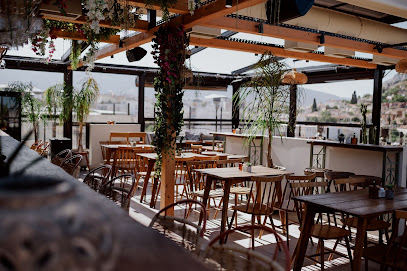
Acropolis of Athens: Ancient Citadel
Explore the iconic Acropolis of Athens, a UNESCO World Heritage site and symbol of ancient Greek civilization, with its breathtaking views and monuments.
The Acropolis of Athens, a UNESCO World Heritage site, is an ancient citadel perched atop a rocky hill overlooking the city. Home to iconic structures like the Parthenon, the Erechtheion, and the Temple of Athena Nike, it stands as a symbol of ancient Greek civilization and Athenian power.
A brief summary to Acropolis of Athens
- Athens, GR
- +302103214172
- Visit website
Local tips
- Purchase tickets online in advance to avoid long queues, especially during peak season.
- Visit early in the morning or later in the afternoon to avoid crowds and the heat.
- Wear comfortable shoes with good traction as the marble grounds can be slippery.
- Bring water, as only water is allowed inside the archaeological site, and consider a hat and sunscreen during summer.
- Use the lesser-known southeast entrance near the Theater of Dionysus for shorter lines.

Getting There
-
Metro
The most convenient way to reach the Acropolis is via the Athens Metro. Take Line M2 (Red Line) to the Acropoli station. From the Acropoli station, the southeast entrance of the Acropolis is only a 2-minute walk. Alternatively, you can take Line M1 (Green Line) or Line M3 (Blue Line) to Monastiraki station, which is approximately a 10-minute walk to the main entrance.
-
Bus
Several bus lines serve the Acropolis. Bus routes 230, 035, 040, 550, and A2 will take you to the Acropolis. Get off at the Akropolē bus stop, which is a short 3-minute walk to the main entrance. A single bus or metro ticket costs €1.20 and is valid for 90 minutes.
-
Taxi
Taxis can drop you off near the Acropolis, but note that the immediate vicinity is a pedestrian zone. From Syntagma Square, a taxi ride to the Acropolis typically costs around €8-€20, depending on traffic and time of day. Keep in mind that there's a base fare of €1.80, and a charge of €0.90/km during the day (05:00 to 24:00) and €1.25/km at night (24:00 to 05:00). Expect to pay more during night hours. Apps like Uber and Beat are available for booking taxis. Parking near the Acropolis is limited and can be expensive. Metered street parking costs €0.50 for 30 minutes, €1 for 1 hour, €1.5 for 1.5 hours, €2 for 2 hours, €4 for 2.5 hours, and €6 for 3 hours. Paid parking garages are also available in the Plaka and Koukaki areas, with hourly rates ranging from €6 to €12 for the first hour and €1 for each additional hour.
-
Walking
From Syntagma Square, walk southeast on Leof. Vasilissis Amalias, past the National Gardens. Turn right onto Dionysiou Areopagitou, opposite the Temple of Olympian Zeus, and continue up the street to reach the southeast entrance of the Acropolis. The walk takes approximately 25 minutes. From Monastiraki Square, walk up Adrianou Street, which turns into Apostolou Pavlou. Follow the road, keep right, and you'll find yourself at the Acropolis.
Discover more about Acropolis of Athens
Iconic landmarks you can’t miss

Acropolis
0.0 km
Explore the Acropolis, the iconic symbol of ancient Greece, and discover the Parthenon and other architectural marvels in the heart of Athens.
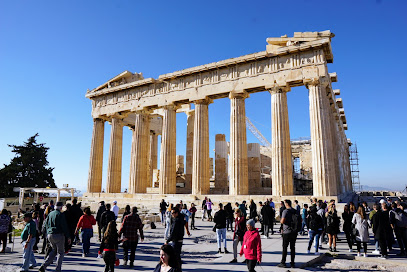
Base of the Statue of Athena Promachos
0.0 km
Explore the historical essence of Athens at the Base of the Statue of Athena Promachos, a symbol of ancient Greek heritage and cultural vitality.
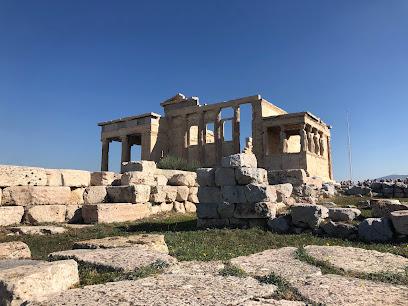
Monument of Agrippa
0.1 km
Explore the Monument of Agrippa on the Acropolis: a historical landmark showcasing Greek and Roman influences in ancient Athens.
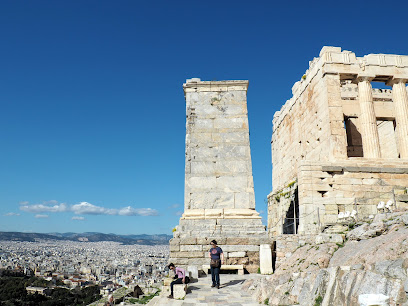
Temple of Themis
0.1 km
Discover the Temple of Themis in Athens, a historical monument dedicated to the Greek goddess of justice and divine order.
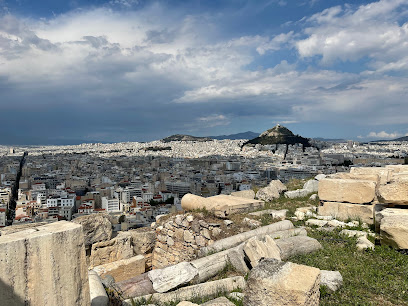
Erechtheion
0.1 km
Discover the Erechtheion, an iconic temple on the Acropolis of Athens, famed for its unique architecture, sacred history, and the Porch of the Caryatids.
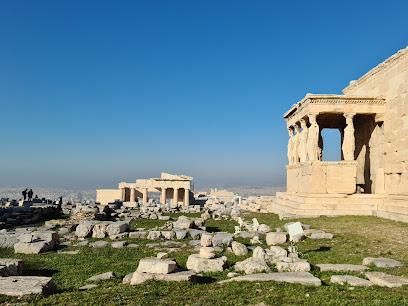
Paved Court of Klepsydra
0.1 km
Discover the ancient Klepsydra spring on the Acropolis, a vital water source in ancient Athens with a rich history and archaeological significance.
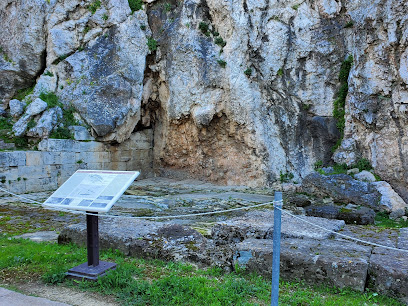
Beulé Gate
0.1 km
Discover the Beulé Gate at the Acropolis, a Roman-era entrance built with ancient repurposed materials, echoing centuries of Athenian history.
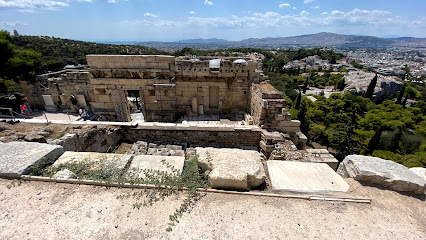
Stoa of Eumenes ΙΙ
0.1 km
Explore the ruins of this ancient covered walkway on the south slope of the Acropolis, once a gift from a king to the city of Athens.
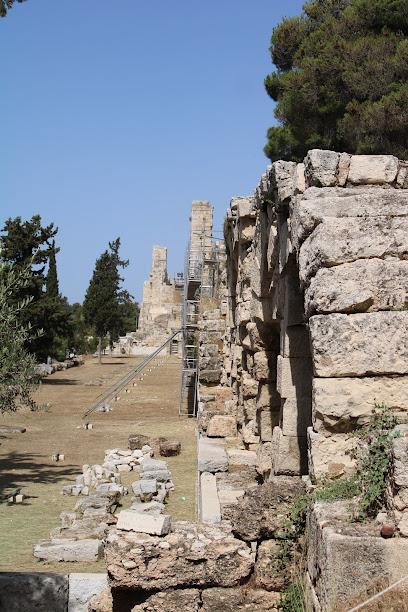
Greek Flag of Athens Acropolis
0.2 km
Witness the iconic Greek Flag atop the Acropolis, a symbol of Athenian history, pride, and breathtaking panoramic views of ancient and modern Athens.
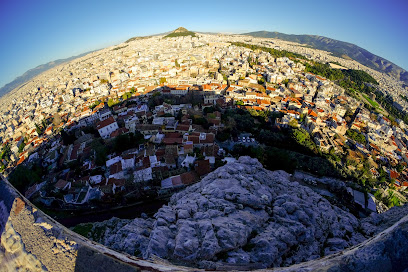
Plate with Apostle Paul's Sermon
0.2 km
Explore the Plate with Apostle Paul's Sermon in Athens, a captivating sculpture honoring a pivotal moment in Christian history amidst rich cultural heritage.
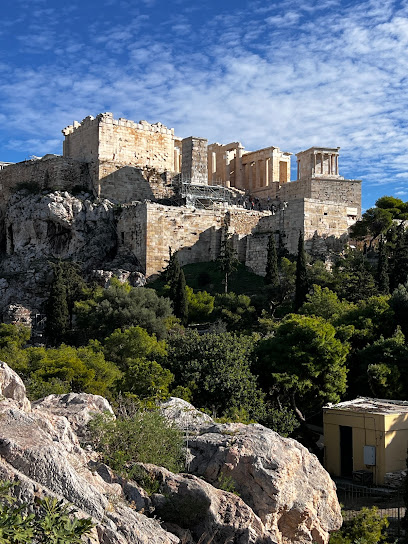
Holy Church of Saint Sophia
0.2 km
Discover the Holy Church of Saint Sophia in Athens: A serene Byzantine sanctuary near the Acropolis with stunning mosaics and rich history.
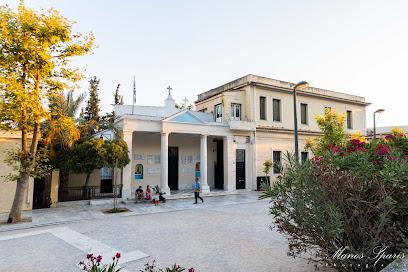
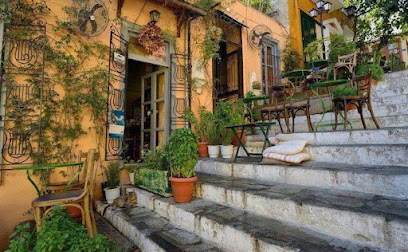
Las escaleras de Mnisikleous
0.3 km
Discover the vibrant charm of Las Escaleras de Mnisikleous, a picturesque Athenian stairway with colorful murals, cafes, and stunning city views.
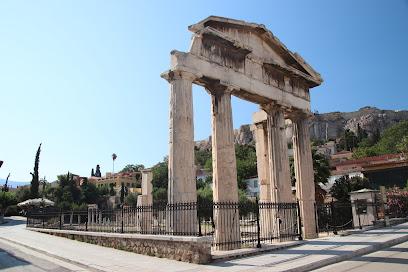
Gate of Athena Archegetis
0.3 km
Explore the Gate of Athena Archegetis, a symbol of Roman patronage and Athenian heritage, at the heart of Athens' ancient marketplace.
Hop on Riveria bus station
0.3 km
Explore Athens and the Athenian Riviera with convenient hop-on-hop-off bus tours from this central station. Discover history and coastal beauty!
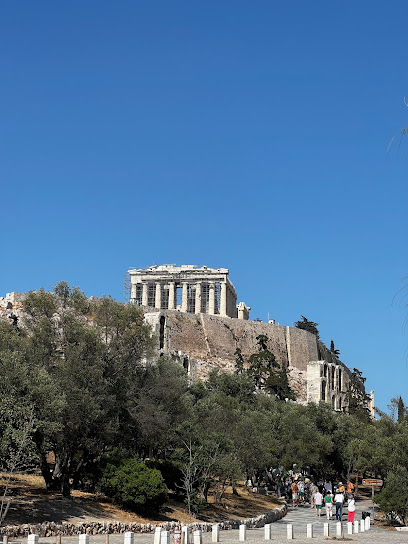
Akropolē
0.3 km
Explore the Acropolis, Athens: A timeless symbol of ancient Greek civilization and architectural marvel.

Unmissable attractions to see

Propylaea
0.1 km
Discover the Propylaea, an architectural marvel and gateway to the Acropolis, where ancient history and breathtaking views come together.

Temple of Athena Nike
0.1 km
Explore the Temple of Athena Nike, an exquisite ancient shrine on the Acropolis, showcasing remarkable architecture and breathtaking views of Athens.
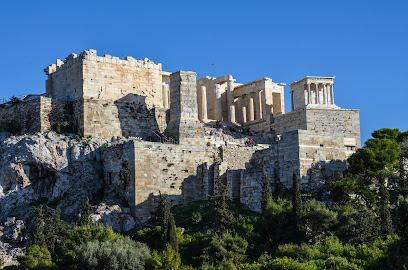
The Porch of the Caryatids
0.1 km
Explore the Porch of the Caryatids, a breathtaking historical site in Athens showcasing ancient Greek architectural brilliance and cultural significance.
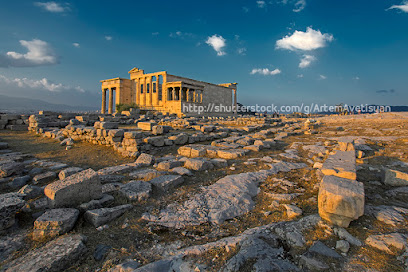
Parthenon
0.1 km
Discover the Parthenon, an architectural marvel and the heart of ancient Athens, steeped in history and breathtaking beauty.
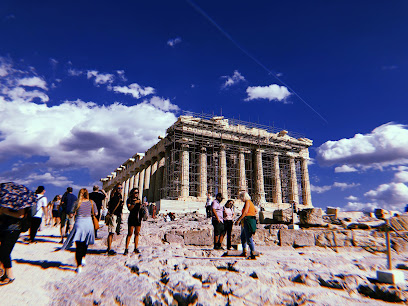
Byzantine Cistern
0.1 km
Explore the Byzantine Cistern in Athens, a captivating historical landmark showcasing ancient architecture and a rich cultural heritage.
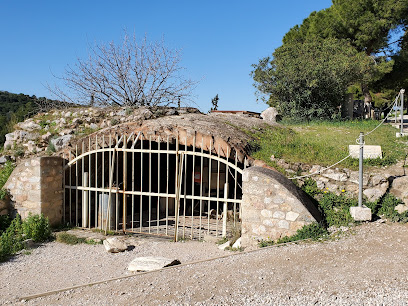
Temple of Asklepios
0.1 km
Explore the Temple of Asklepios in Athens, a historical landmark celebrating ancient healing practices with breathtaking views and rich cultural heritage.
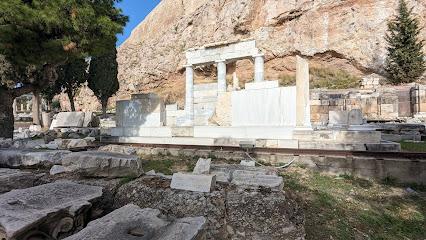
Odeon of Herodes Atticus
0.1 km
Explore the Odeon of Herodes Atticus, an ancient amphitheater in Athens that offers incredible acoustics and a rich cultural experience amidst historical splendor.

"Man and Tools" - Museum of Modern Greek Culture
0.2 km
Explore the Man and Tools Museum of Modern Greek Culture in Athens for a captivating journey through Greece's rich heritage and craftsmanship.
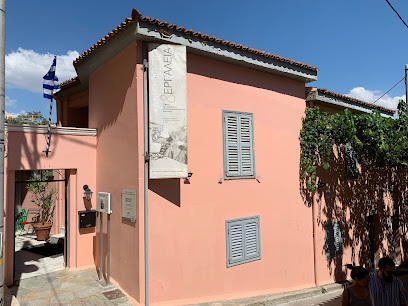
Athens University History Museum
0.2 km
Explore the rich academic heritage of Greece at the Athens University History Museum, a must-visit for history enthusiasts and curious travelers alike.
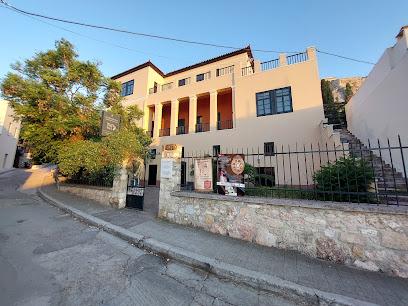
Theatre of Dionysus
0.2 km
Explore the Theatre of Dionysus in Athens, the birthplace of Western theatre, where ancient drama and rich history come to life.
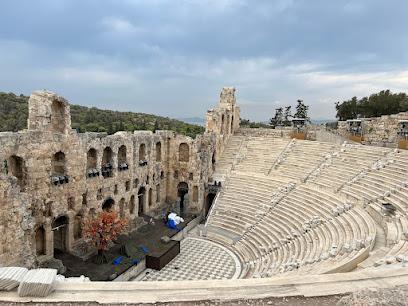
Anafiotika
0.2 km
Explore Anafiotika, a serene neighborhood in Athens, where charming whitewashed houses and stunning views of the Acropolis await.
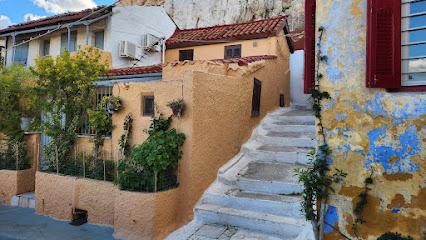
Areopagus Hill
0.2 km
Explore Areopagus Hill, a historic landmark in Athens offering stunning views and a rich tapestry of ancient history, perfect for cultural enthusiasts and nature lovers alike.

Ilias Lalaounis Jewelry Museum
0.3 km
Explore the exquisite artistry and cultural significance of jewelry at the Ilias Lalaounis Jewelry Museum in Athens, where history meets craftsmanship.
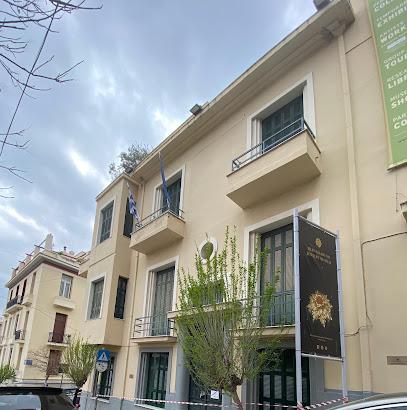
Roman Forum of Athens (Roman Agora)
0.3 km
Explore the Roman Forum of Athens, a captivating historical landmark showcasing the beauty and significance of ancient Roman culture.
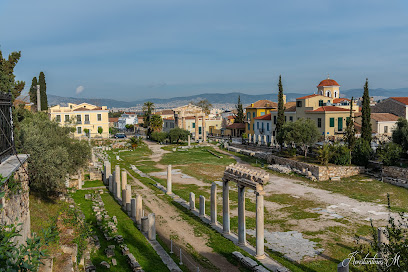
Holy Church of Saint Nicholas Rangavas
0.3 km
Explore the Holy Church of Saint Nicholas Rangavas, a serene Greek Orthodox treasure nestled in the heart of Athens, rich in history and architectural beauty.

Essential places to dine

Klepsydra
0.2 km
Discover authentic Greek flavors at Klepsydra in Athens - where tradition meets modern culinary excellence.
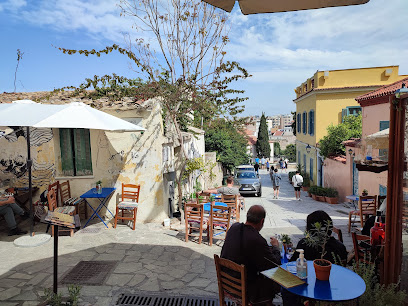
Xenious Zeus
0.2 km
Discover the rich flavors of Greece at Xenious Zeus, where authentic cuisine meets warm hospitality in the heart of Athens.
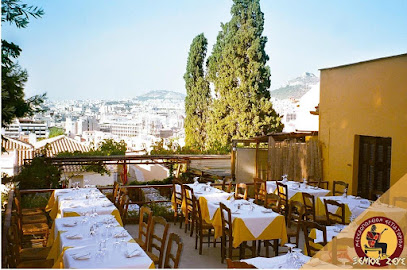
Geros Tou Moria Restaurant
0.3 km
Discover authentic Greek cuisine at Geros Tou Moria Restaurant in Athens - where tradition meets taste in every dish.
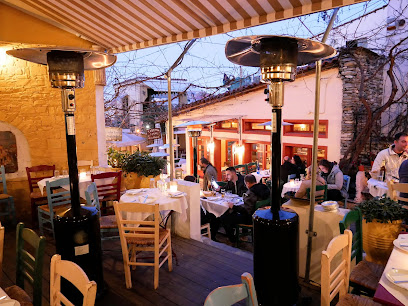
Anafiotika Cafe - Restaurant
0.3 km
Experience authentic Greek cuisine and breathtaking views at Anafiotika Cafe - your serene escape in the heart of Athens.
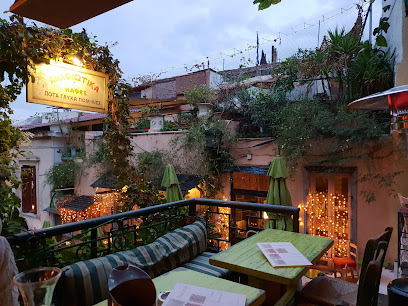
Strofi Athenian Restaurant
0.3 km
Experience authentic Greek cuisine at Strofi Athenian Restaurant with breathtaking views of the Acropolis in Athens.
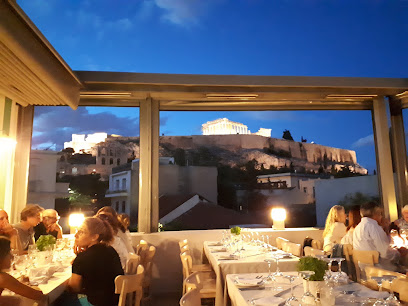
GH Attikos Restaurant
0.3 km
Savor exquisite Greek cuisine with stunning Acropolis views at GH Attikos Restaurant in Athens.
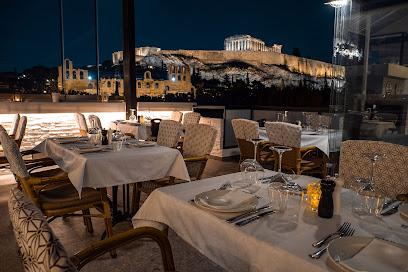
Restaurant Scholarhio
0.3 km
Experience the heart of Greece through exceptional flavors at Restaurant Scholarhio in Athens.
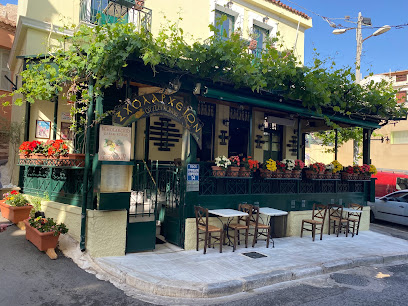
To Kafeneio
0.4 km
Experience authentic Greek cuisine at To Kafeneio - where tradition meets flavor in the heart of Athens.
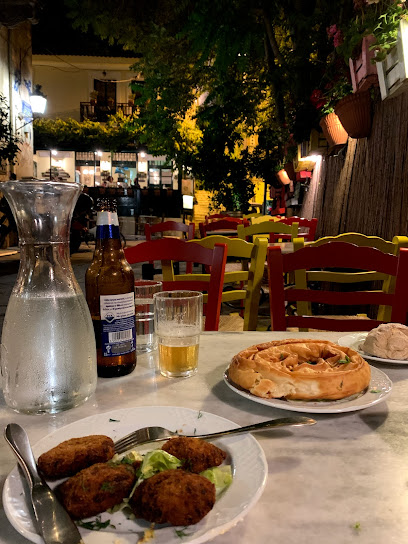
Daphne's Restaurant
0.4 km
Experience authentic Greek cuisine at Daphne's Restaurant in Athens - where every dish tells a story.
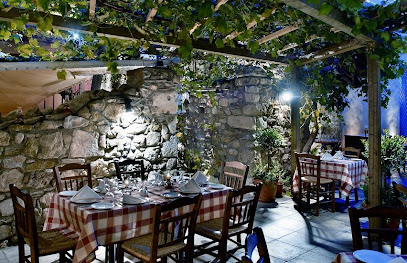
Kosmikon
0.4 km
Savor authentic Greek flavors at Kosmikon – a culinary gem in Athens showcasing Mediterranean delights.
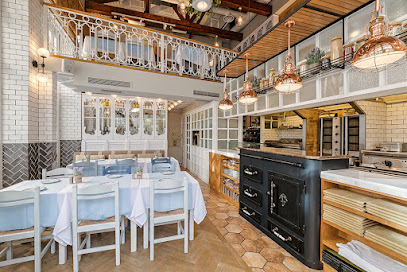
Trattoria
0.5 km
Experience authentic Greek cuisine at Trattoria in Athens - where tradition meets flavor in every dish.
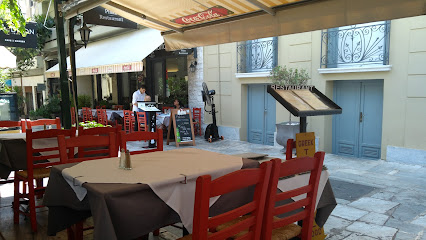
Efcharis restaurant
0.5 km
Discover the authentic taste of Greece at Efcharis Restaurant in Athens - where tradition meets flavor in every dish.
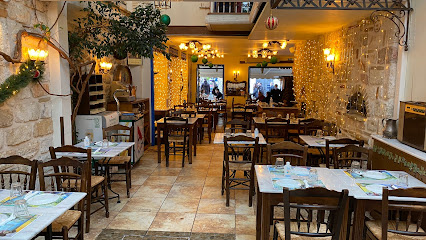
Maiandros Restaurant
0.5 km
Experience authentic Greek cuisine at Maiandros Restaurant in Athens—where tradition meets flavor in a family-friendly atmosphere.
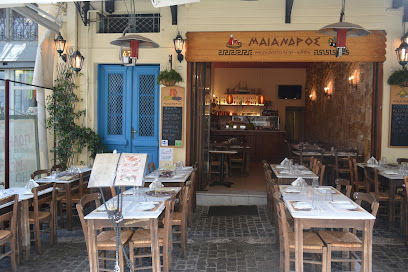
Taverna Vyzantino
0.5 km
Discover authentic Greek flavors at Taverna Vyzantino in Athens – where tradition meets taste in every dish.
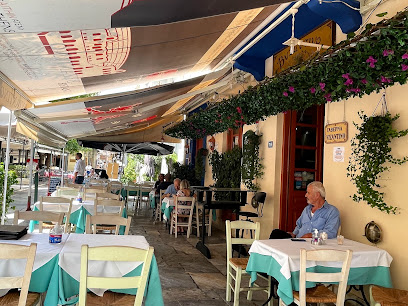
LIONDI Traditional Greek Restaurant
0.5 km
Experience authentic Greek cuisine at LIONDI Traditional Greek Restaurant in Athens, where every dish tells a story of tradition and flavor.
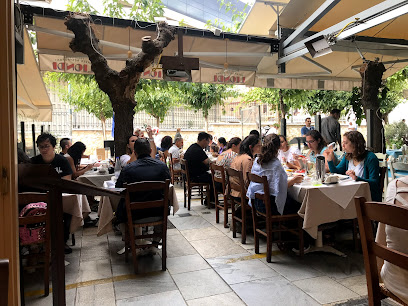
Markets, malls and hidden boutiques

Hydra Gallery - Athens Greece
0.3 km
Immerse yourself in the vibrant contemporary art scene at Hydra Gallery in Athens, Greece - a haven for art lovers and cultural enthusiasts.
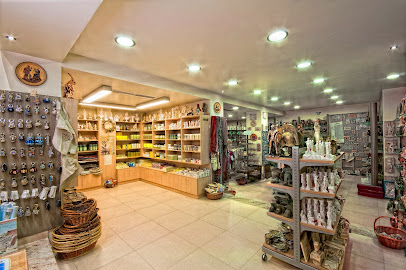
Emporion Gift Shop Plaka
0.3 km
Shop unique souvenirs and crafts at Emporion Gift Shop Plaka, where Greek culture comes alive in every delightful piece.
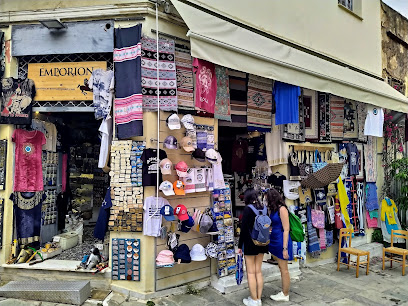
T-Greeks Shop Athens
0.4 km
Explore T-Greeks Shop in Athens for authentic Greek souvenirs, unique crafts, and the perfect gifts that celebrate Greece's rich culture.
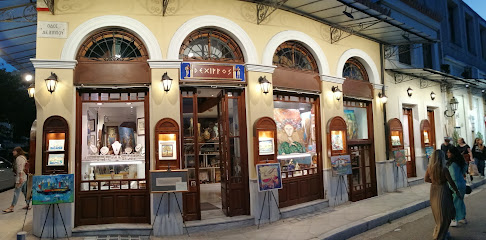
Cool Greek shops
0.4 km
Discover unique local crafts and artisanal goods at Cool Greek Shops - a must-visit destination for authentic souvenirs in Athens.
Potpourri Concept Store
0.4 km
Explore the Potpourri Concept Store in Athens for unique fashion accessories, perfumes, and creative supplies in a charming atmosphere.
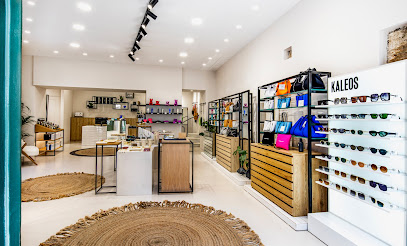
NOSTALGIA GIFT SHOP
0.4 km
Discover unique souvenirs and artistic handicrafts at Nostalgia Gift Shop in Athens, where every item tells a story of Greece's rich heritage.

anastasia memories from athens
0.4 km
Discover unique Greek souvenirs at Anastasia Memories in Athens, where every item tells a story and enriches your travel experience.
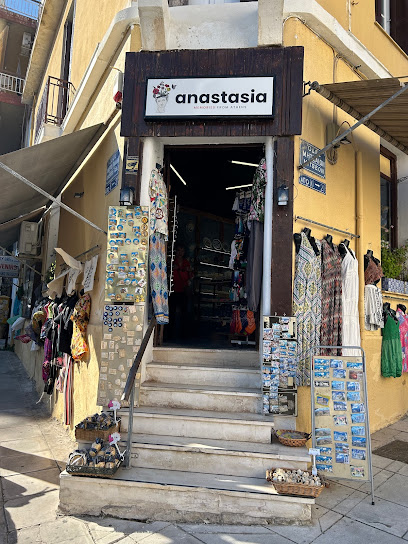
Roy's Shop - Greek Art & Souvenirs
0.4 km
Explore Roy's Shop in Athens for unique Greek art and souvenirs that embody the spirit of Greece, perfect for travelers seeking authentic keepsakes.
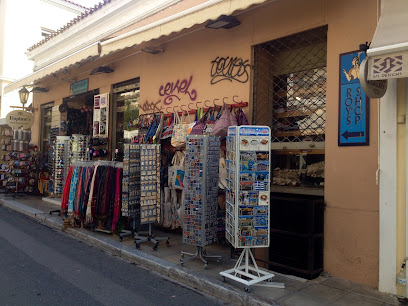
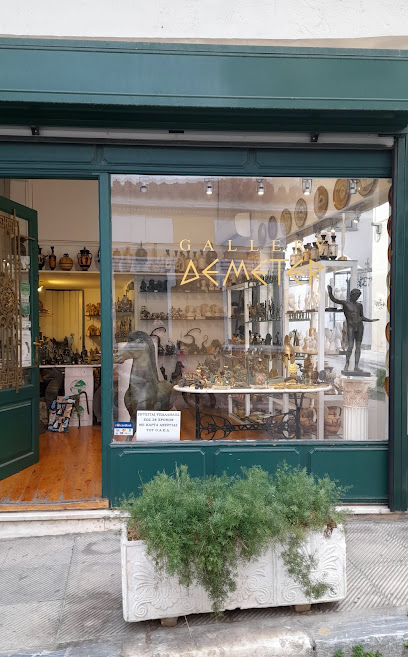
Gallery Demeter
0.4 km
Explore Gallery Demeter in Athens for unique souvenirs that embody Greek culture and artistry, perfect for every traveler seeking authentic keepsakes.
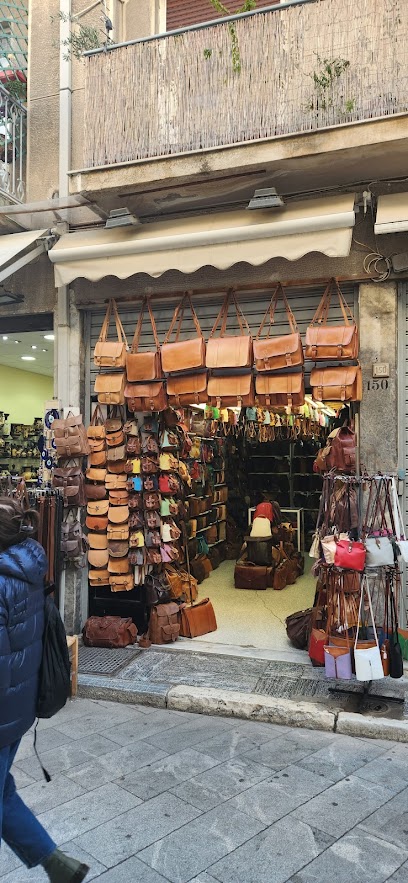
Leather Shop
0.4 km
Explore the Leather Shop in Athens for unique, handcrafted leather goods that embody Greek craftsmanship and culture.
Olive House
0.4 km
Explore Olive House: A charming gift shop in Athens offering unique souvenirs and authentic Greek treasures.
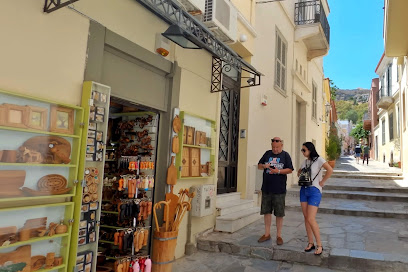
Nomad Concept Store
0.4 km
Explore the Nomad Concept Store in Athens for unique gifts, stylish clothing, and a taste of local craftsmanship.

Hercules Shop
0.4 km
Explore Hercules Shop in Athens for unique souvenirs, local crafts, and authentic Greek treasures that embody the rich culture of Greece.
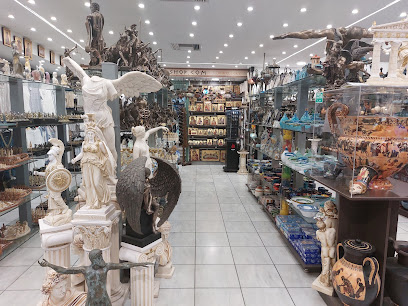
Canvas Greece
0.4 km
Explore the artistic heart of Athens at Canvas Greece, where local creativity meets contemporary charm in a unique shopping experience.
Museum Shop
0.4 km
Explore a treasure trove of unique souvenirs and cultural artifacts at the Museum Shop in Athens, reflecting the rich heritage of Greece.
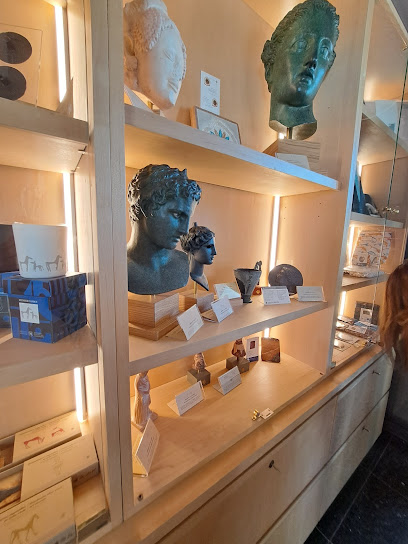
Essential bars & hidden hideouts

Plaka street
0.3 km
Discover the charm of Plaka Street, where vibrant bars meet historic Athenian culture, offering an unforgettable experience in the heart of Greece.
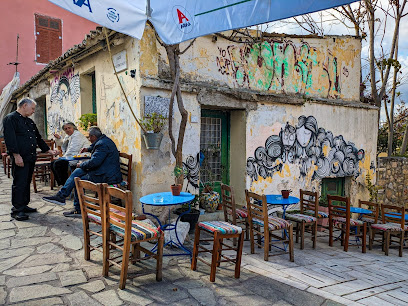
Jackass Penguin Gallery and Cocktail Bar
0.4 km
Discover the unique flavors of Greece at Jackass Penguin Gallery and Cocktail Bar, where culinary excellence meets vibrant local art.
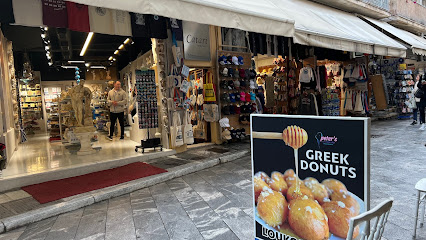
Licores
0.4 km
Experience the lively atmosphere and unique cocktails at Licores, one of Athens' top bars for nightlife and relaxation.
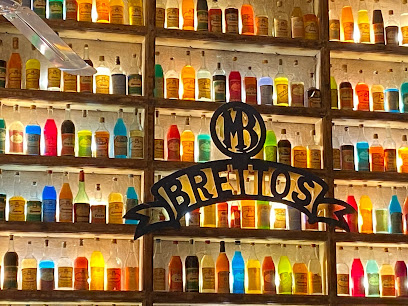
Brettos bar
0.4 km
Experience the rich tradition of Greek spirits at Brettos Bar in Plaka, Athens—where history and vibrant nightlife converge.
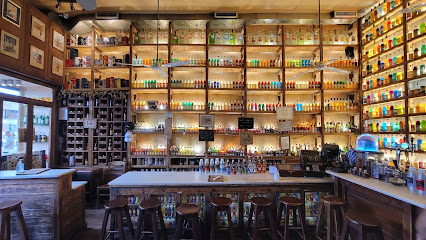
CHANDELIER
0.5 km
Discover the authentic flavors of Greece at Chandelier, a top grill restaurant in Athens, offering a vibrant atmosphere and mouthwatering dishes.
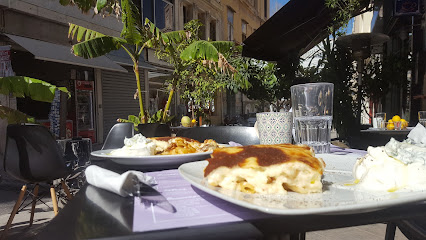
Athens Sports Bar
0.5 km
Athens Sports Bar: Your go-to destination for sports, karaoke, and a lively atmosphere in the heart of Athens.
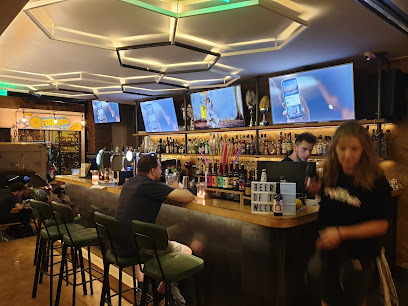
360 Cocktail Bar
0.5 km
Experience breathtaking views and expertly crafted cocktails at 360 Cocktail Bar, a rooftop gem in the heart of Athens.

City ZEN All Day Bar Restaurant
0.5 km
Experience the essence of Athens at City ZEN All Day Bar Restaurant, where culinary delights and a vibrant atmosphere await every visitor.
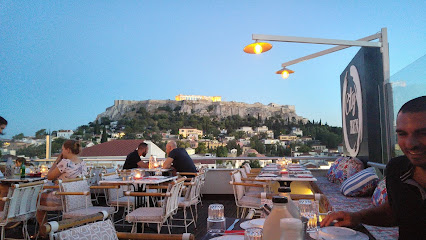
Norman Athens Bar
0.6 km
Discover the vibrant nightlife of Athens at Norman Athens Bar, where unique cocktails and a lively atmosphere await you in the heart of the city.
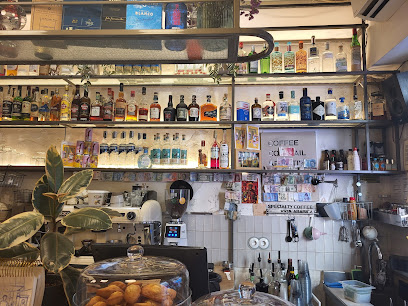
Couleur Locale
0.6 km
Discover the vibrant atmosphere and stunning Acropolis views at Couleur Locale, a unique bar and bistro in the heart of Athens.
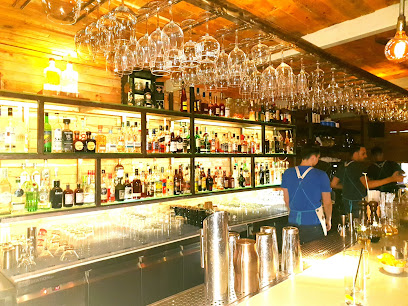
Thea Terrace
0.6 km
Discover the charm of Athens at Thea Terrace, where stunning views and delightful drinks create the perfect atmosphere for relaxation.

Tiki Bar Athens
0.6 km
Experience the vibrant atmosphere of Tiki Bar Athens, where tropical vibes and refreshing cocktails await in the heart of the city.
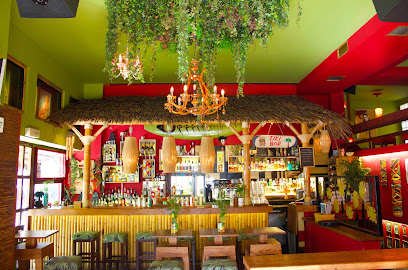
Ipitou The Bar
0.6 km
Discover the lively Ipitou The Bar in Athens, where craft beers and creative cocktails meet a vibrant atmosphere for unforgettable nights.
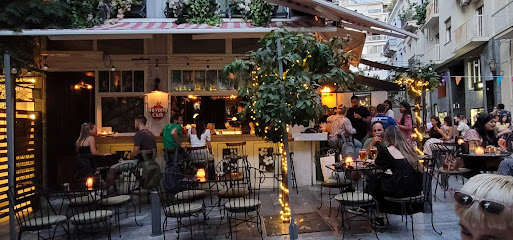
All Day Bar
0.6 km
Experience the vibrant nightlife of Athens at All Day Bar, where adult entertainment and a lively atmosphere come together for an unforgettable night.
Attic Urban Rooftop
0.6 km
Discover Attic Urban Rooftop, where innovative cocktails meet breathtaking views in the heart of Athens' vibrant nightlife.