Temple of Apollo (Portara)
Naxos's iconic marble gate, the Portara, is a window to ancient Greece with breathtaking sunset views, standing on the islet of Palatia.
The Temple of Apollo, also known as Portara, is an iconic landmark on the island of Naxos, Greece. It's a massive marble doorway, the only remaining part of an unfinished temple dating back to 530 BC. Situated on the islet of Palatia, near the Naxos harbor, it offers stunning views, especially at sunset.
A brief summary to Temple of Apollo
- Naxos, 843 00, GR
Local tips
- Visit during sunset for the most spectacular views through the Portara.
- Wear comfortable shoes as the path to the Portara involves some walking and a slight climb.
- Be cautious walking to Portara at night as the path is unlit and waves may splash onto the causeway.
- There is no entrance fee, making it a budget-friendly attraction.

Getting There
-
Walking
From Naxos Town (Chora), start at the main harbor. Follow the coastal boardwalk towards the north. The boardwalk narrows into a paved causeway leading to the islet of Palatia, where the Temple of Apollo is located. The walk is short and offers scenic views. There are no costs involved.
-
Public Transport
The main bus station is near the port in Naxos Town. From the bus station, walk along the harbor towards the north. The boardwalk will turn into a causeway that leads to the Temple of Apollo. Bus tickets range from €1.80 to €6.20, depending on the route. The walk from the bus station to the temple is short and free.
-
Taxi
Taxis are available at the port of Naxos. A taxi from the port to the edge of Naxos Town closest to the causeway will cost approximately €20. From there, walk along the causeway to the Temple of Apollo.
Discover more about Temple of Apollo
Iconic landmarks you can’t miss

Statue of Afrodite
0.2 km
Discover the modern Statue of Afrodite on Naxos, a tribute to the goddess of love and beauty, offering stunning Aegean views.

Heroes Monument
0.3 km
A solemn tribute to Naxos' heroes, the Heroes Monument stands as a powerful symbol of bravery and remembrance in the heart of Naxos Town.

Catholic Cathedral of the Presentation of the Lord
0.6 km
Explore Naxos's Catholic Cathedral: a blend of Venetian history, Byzantine art, and spiritual tranquility in the heart of Kastro.

Sacred Band monument, October 1944
0.7 km
Honor the heroes of the Sacred Band at this historical Naxos monument, a place of reflection surrounded by the island's natural beauty.

Sanctuary of the Source-Flerio
7.5 km
Explore the Sanctuary of the Source-Flerio in Naxos: an ancient site dedicated to fertility and the protectors of marble quarries.
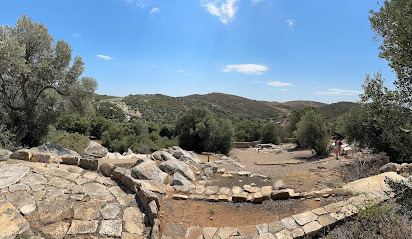
Apano Kastro
9.1 km
Explore Apano Kastro, Naxos: A Venetian fortress with stunning views and ancient ruins, offering a glimpse into the island's rich history.
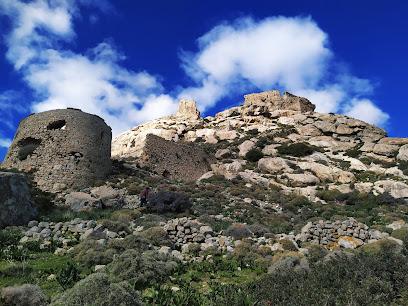
Venetian Castle
12.1 km
Explore the historic Venetian Castle in Naousa, Paros: a scenic landmark with stunning views and a glimpse into the island's past.
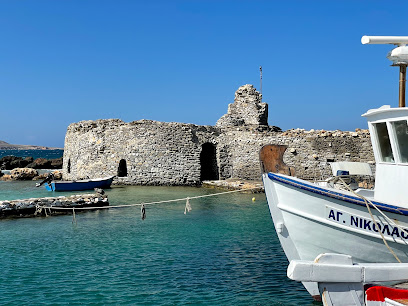
Cedar Forest of Alyko
14.2 km
Discover a unique Naxian paradise: the Cedar Forest of Alyko, where ancient cedar trees meet pristine beaches and vibrant street art.
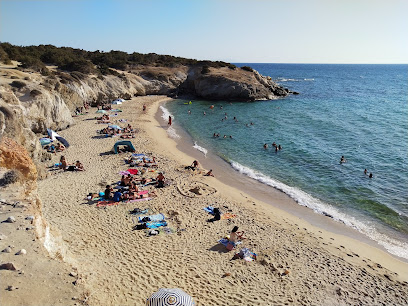
Mycenaean Acropolis (Koukounaries)
14.6 km
Explore the ancient Mycenaean Acropolis at Koukounaries, Paros: where history meets stunning Aegean views.
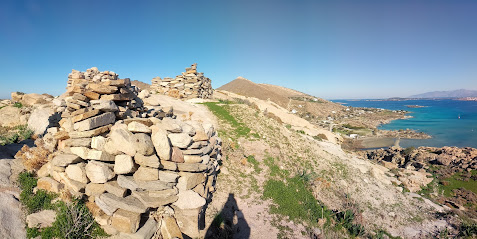
Ancient Marble Quarries
15.6 km
Discover the source of Parian marble, used in ancient masterpieces, at these historic quarries on the enchanting island of Paros.
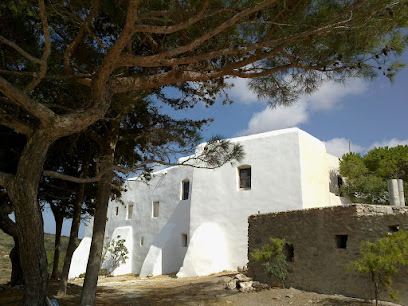
Apollonas Kouros
17.4 km
Discover the unfinished Apollonas Kouros, a colossal marble statue offering a glimpse into ancient Greek artistry and mythology on Naxos Island.
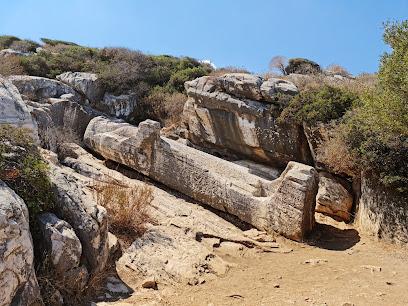
Ancient Cemetery
19.6 km
Explore ancient burial traditions at Paros' Ancient Cemetery, an archaeological park with tombs dating from the 8th century BC to the 3rd century AD.
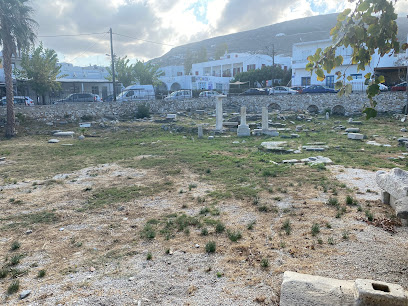
Archaeological Museum of Paros
19.7 km
Discover ancient sculptures, pottery, and artifacts at the Archaeological Museum of Paros, showcasing the island's rich history from Neolithic to Roman times.
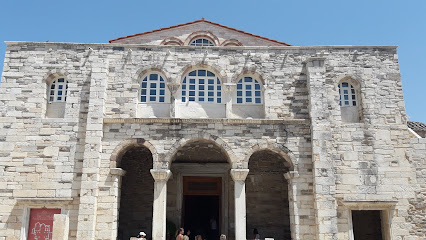
Holy Shrine of the Virgin Mary Ekatontapyliani
19.8 km
Discover a magnificent Byzantine church in Paros, dating back to the 4th century, with stunning architecture, religious art, and a rich history.
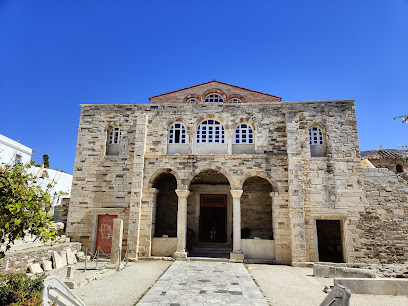
Paros
19.8 km
Discover Paros: An Aegean paradise with stunning beaches, charming villages, and a rich history waiting to be explored.
Unmissable attractions to see

Anchor
0.4 km
Explore the stunning beauty and rich heritage of Anchor in Naxos, Greece, where history meets the breathtaking Aegean Sea.
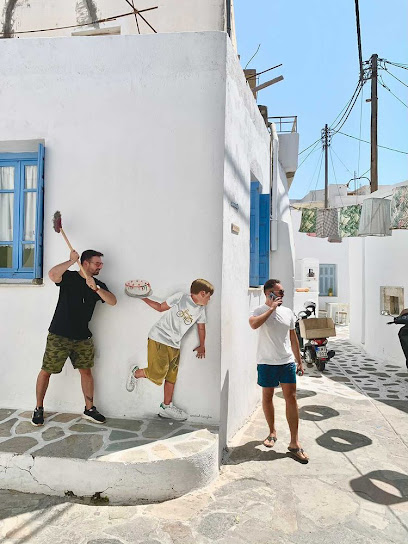
Kid with the cake - Michael Tsinoglou
0.4 km
Experience the magic of cake artistry at Kid with the Cake in Naxos, where every dessert is a delightful adventure for visitors of all ages.
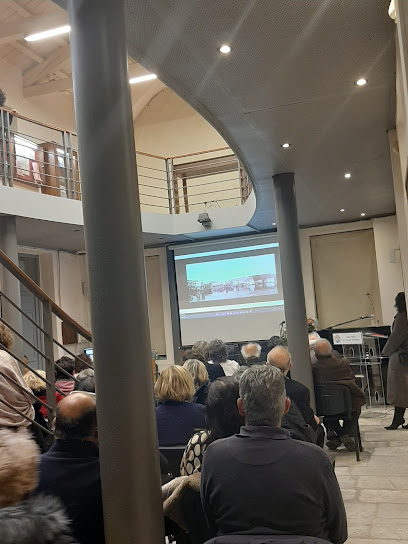
Θεατρικό Μουσείο Ιάκωβος Καμπανέλλης
0.5 km
Discover the artistic treasures of the Iakovos Kanellopoulos Museum in Naxos, Greece, showcasing a rich collection of local culture and history.
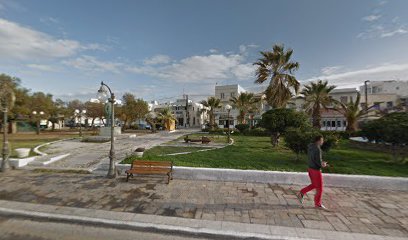
Χώρα Νάξου
0.5 km
Explore Χώρα Νάξου, the enchanting capital of Naxos, where history meets charming Cycladic beauty and vibrant local culture awaits.
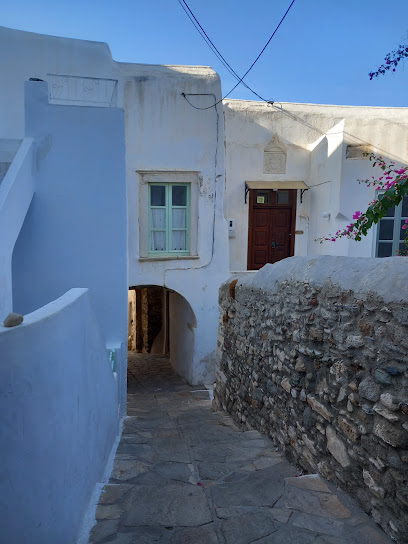
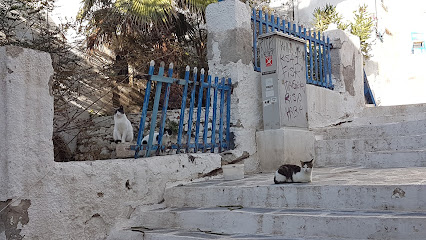
Cat Staircase
0.5 km
Explore the Cat Staircase in Naxos, a picturesque tourist attraction that showcases the island's unique charm and vibrant local culture.
Katharsis-Naxos
0.6 km
Experience the vibrant cultural scene of Naxos at Katharsis, a center dedicated to artistic expression and community engagement.
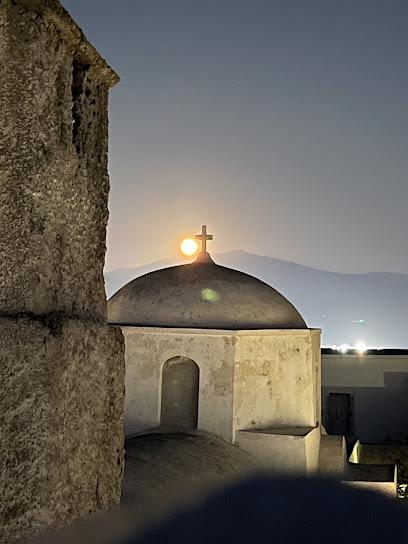
Naxos Photo Location
0.6 km
Experience breathtaking views and rich history at the Naxos Photo Location, a must-visit attraction for every traveler to the island.

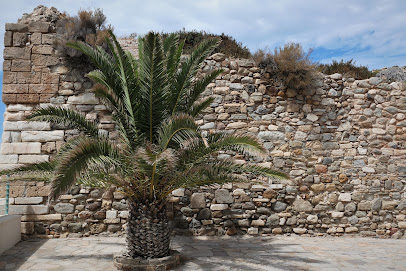
Pyrgos Sanoudos-Kastro
0.6 km
Explore the historic Pyrgos Sanoudos-Kastro in Naxos, Greece, where ancient architecture meets stunning Aegean views, perfect for every traveler.
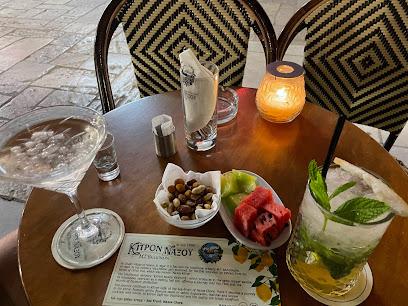
Kitron
0.7 km
Experience the vibrant atmosphere and exquisite flavors at Kitron, Naxos' top cocktail bar and café, perfect for brunch and relaxation.
Antico Veneziano Art gallery Naxos, greece
0.7 km
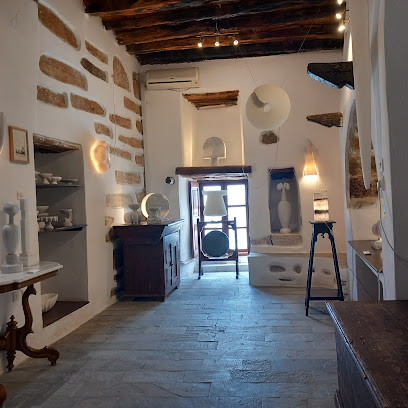
Discover the charm of Antico Veneziano Art Gallery in Naxos, Greece, where art and culture come alive in a unique blend of tradition and creativity.
Archaeological Museum of Naxos
0.7 km
Explore the treasures of Naxos at the Archaeological Museum, where ancient history comes to life through captivating exhibits and rich artifacts.
Xanemo Sailing
0.7 km
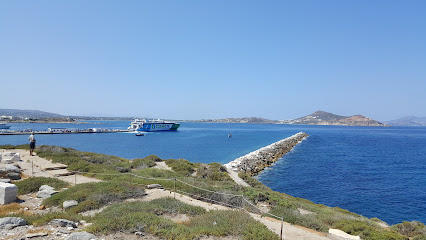
Discover the best of the Aegean Sea with Xanemo Sailing in Naxos. Private charters and guided tours await you in this stunning Greek paradise.
Naxos
0.9 km
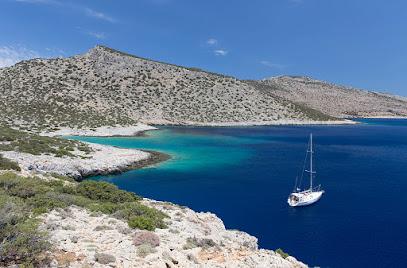
Explore Naxos, the largest Cycladic island, where stunning beaches, rich history, and vibrant culture await every traveler.
Σφίγγα των Ναξίων
0.9 km
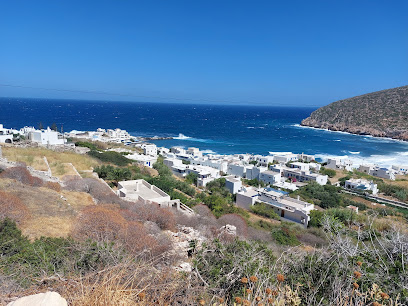
Discover the captivating Σφίγγα των Ναξίων in Naxos, where ancient history meets breathtaking Aegean landscapes.
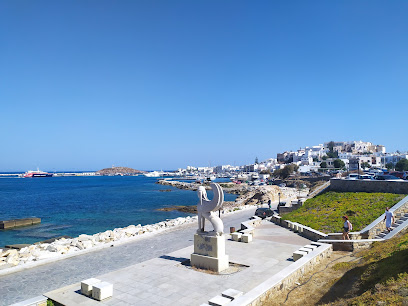
Syntribáni
1.0 km
Explore Syntribáni, a captivating tourist attraction in Naxos, Greece, where history and serene beauty intertwine for a memorable experience.
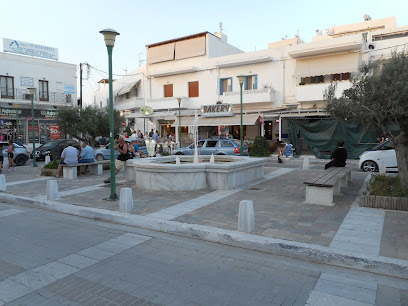
Essential places to dine

Irini's Restaurant
0.4 km
Experience authentic Greek flavors at Irini's Restaurant in Hora, Naxos - where tradition meets taste.
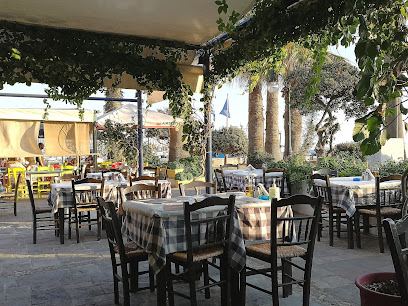
Doukato Restaurant
0.4 km
Experience authentic Greek flavors at Doukato Restaurant in Naxos - where every dish tells a story of tradition and quality.
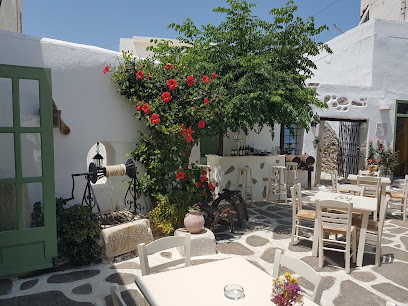
Labyrinth Wine Restaurant
0.4 km
Discover authentic Greek cuisine paired with exquisite local wines at Labyrinth Wine Restaurant in Naxos' charming Old Town.
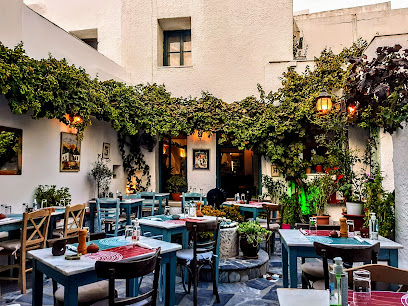
Το κάτι Άλλο
0.5 km
Indulge in delicious Greek dishes at Το κάτι Άλλο - a culinary gem in Naxos' charming Chora.
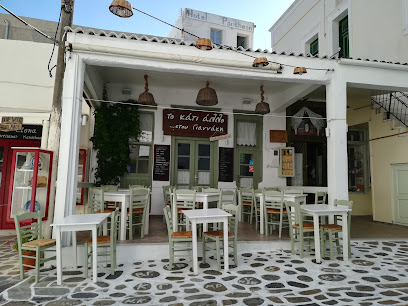
La Vigne - Restaurant - Wine - cellar since 2009
0.5 km
Discover La Vigne in Naxos: A delightful restaurant where local flavors meet fine wines for an unforgettable dining experience.
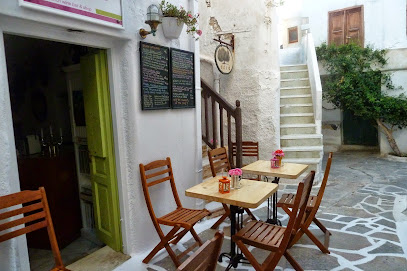
Meze *2
0.6 km
Experience authentic Greek cuisine at Meze *2 in Naxos—where every dish tells a story.
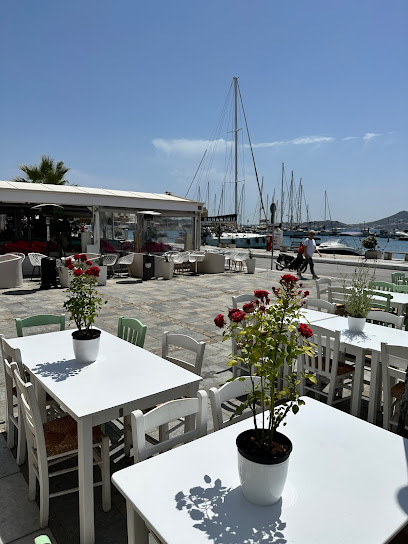
Su e Giu
0.6 km
Experience authentic Italian cuisine in Naxos at Su e Giu – where every bite transports you to Italy!
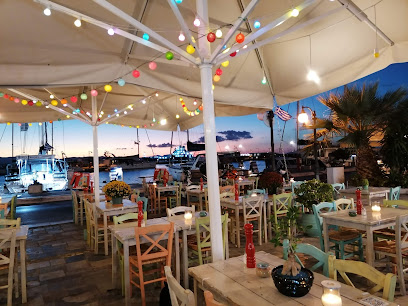
Typografio Restaurant
0.7 km
Experience exquisite Mediterranean cuisine at Typografio Restaurant in Naxos' charming Castle Area, where every dish tells a story.
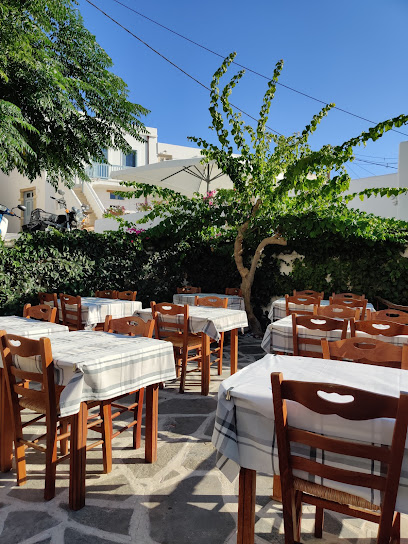
1926 Γεύσεις Νάξου - Naxos Restaurant
0.7 km
Experience authentic Greek cuisine with stunning sea views at 1926 Γεύσεις Νάξου in Naxos Town - a culinary journey you won't forget.
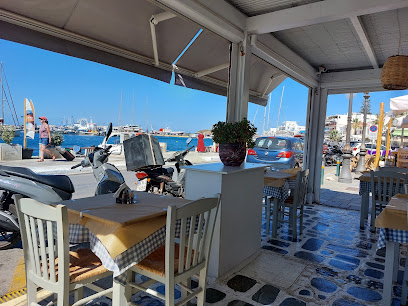
Oniro Wine Bar Restaurant
0.7 km
Indulge in authentic Mediterranean flavors at Oniro Wine Bar Restaurant in Naxos – where every meal is a celebration of taste.
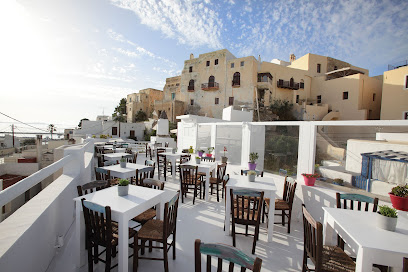
Dal Professore Naxos Mediterranean Restaurant
0.8 km
Experience exquisite Italian and seafood cuisine at Dal Professore Naxos Mediterranean Restaurant with breathtaking sea views.
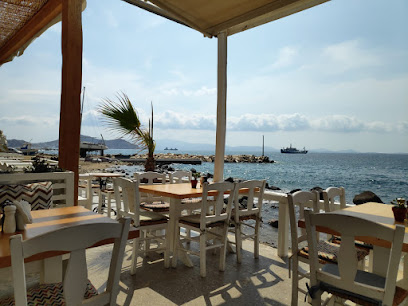
The Souvlaki of Makis
0.8 km
Experience authentic Greek flavors at The Souvlaki of Makis in Naxos - where every bite takes you on a culinary journey through Greece.
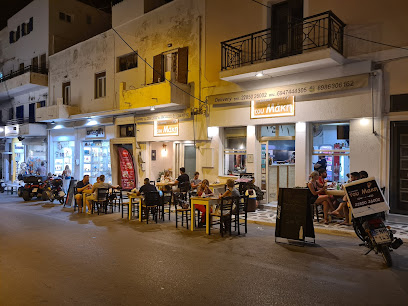
Antamoma DeliCuisine
0.8 km
Experience the best of Greek cuisine at Antamoma DeliCuisine in Naxos - where every meal is a celebration of flavors and tradition.
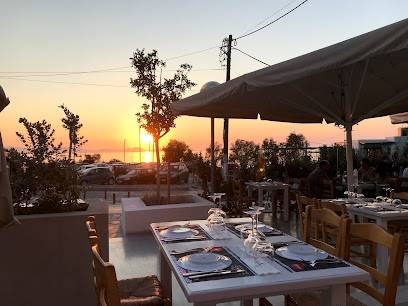
Τα Φιλαράκια
0.9 km
Discover family-friendly dining at Τα Φιλαράκια in Naxos - where authentic Greek flavors meet warm hospitality.
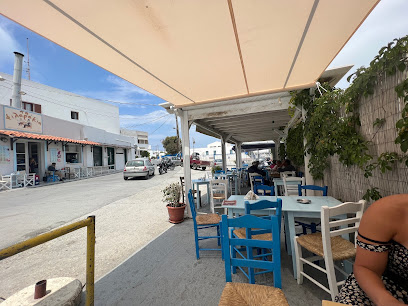
Scirocco Restaurant
0.9 km
Experience authentic Greek flavors at Scirocco Restaurant in Naxos – where every meal is a celebration of Mediterranean cuisine.
Markets, malls and hidden boutiques

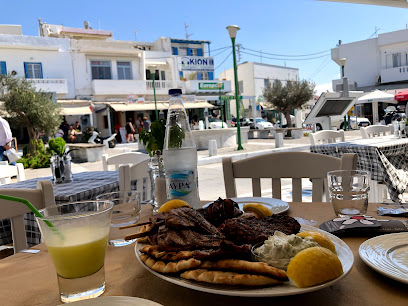
Ιδέα Shop - Souvenirs T-shirts Clothes Gifts Naxos
0.4 km
Discover authentic Naxos souvenirs, unique clothing, and memorable gifts at Ιδέα Shop, your go-to destination for treasures from the island.
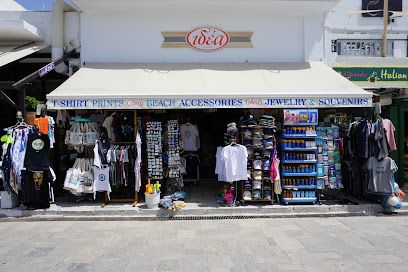
TA AXOTICA
0.4 km
Explore TA AXOTICA in Naxos for unique gifts, fashion, and local artistry that embody the spirit of Greece.
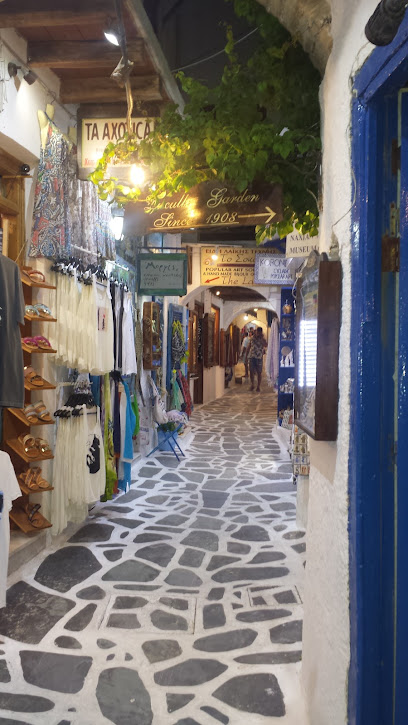
Alley Naxos
0.4 km
Explore Alley Naxos for stylish women's clothing and accessories that blend Greek charm with modern design in the heart of Naxos.
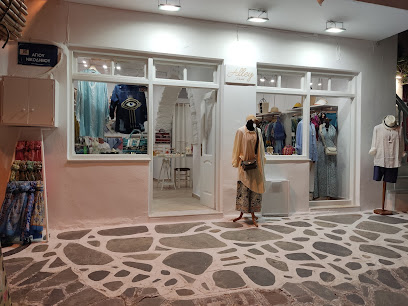
Evdora
0.5 km
Discover exquisite jewelry and local craftsmanship at Evdora, a hidden gem near the port of Scopelitis in Naxos, Greece.
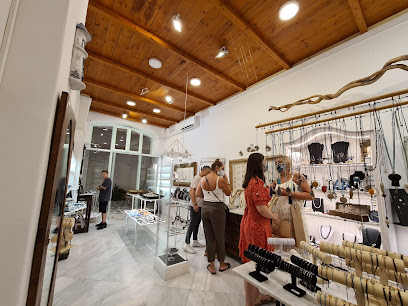
Manos Art and Style
0.5 km
Explore Manos Art and Style, the ultimate destination for unique souvenirs and local artistry in the heart of Naxos.
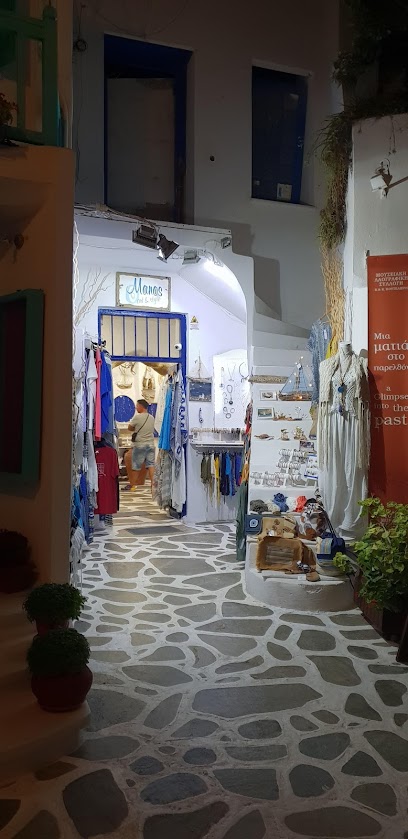
Pocket Gallery
0.5 km
Explore Pocket Gallery in Naxos for unique art and jewelry that capture the island's rich cultural heritage.
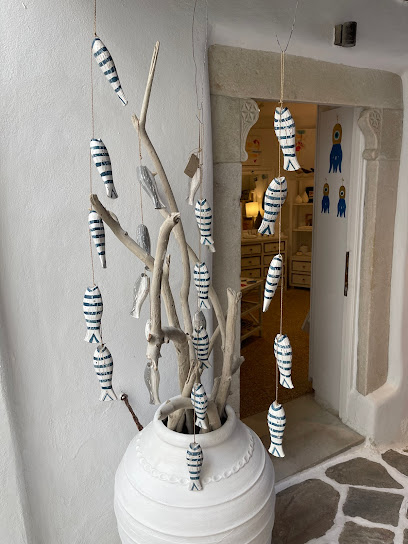
Jubilee Naxos
0.5 km
Explore the unique gifts and local artistry at Jubilee Naxos, the must-visit shop in the heart of Old Town Naxos.
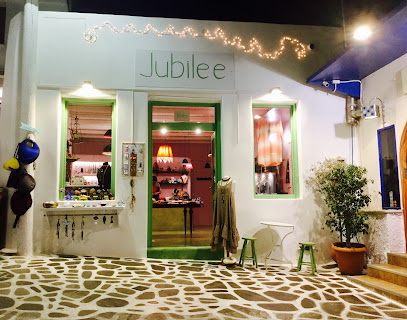
Vacanzaboutique
0.5 km
Explore Vacanzaboutique in Naxos for unique clothing that captures the island's essence, blending local style with a warm shopping experience.
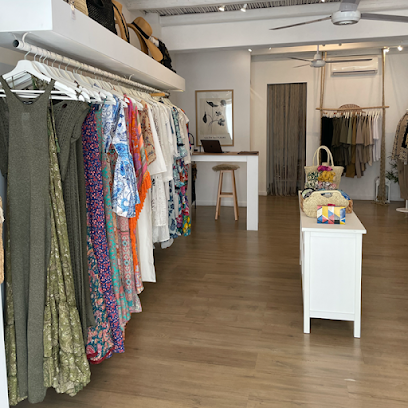
Miniatoúra
0.6 km
Explore Miniatoúra in Naxos for unique souvenirs, handcrafted jewelry, and local pottery that embody the spirit of Greek craftsmanship.
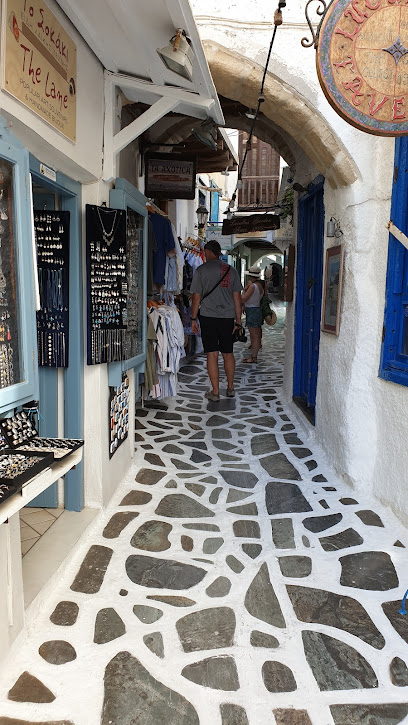
Izu Summer Boutique
0.6 km
Explore Izu Summer Boutique in Naxos for a unique selection of clothing and accessories that capture the essence of Greek island style.
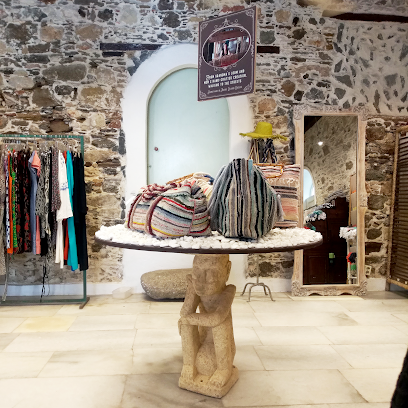
Bakxes Naxos
0.6 km
Discover unique souvenirs at Bakxes Naxos, where creativity meets craftsmanship in the heart of Kastro village.
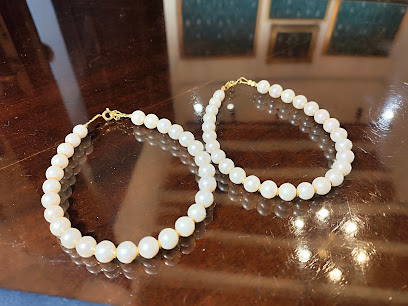
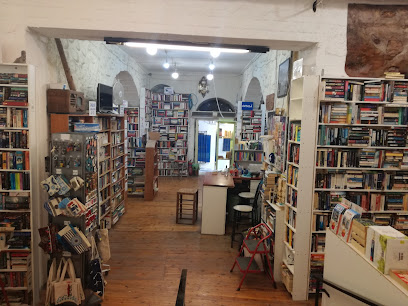
Papyrus
0.6 km
Explore the enchanting world of second-hand books and unique treasures at Papyrus, Naxos' beloved used book store.
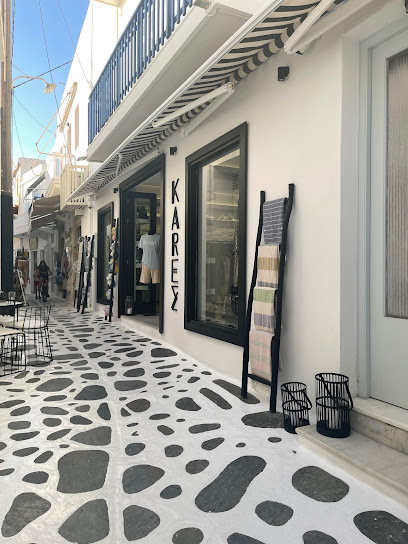
Kares
0.6 km
Explore Kares in Naxos for a unique selection of Greek fashion, blending traditional craftsmanship with modern styles in a charming boutique setting.
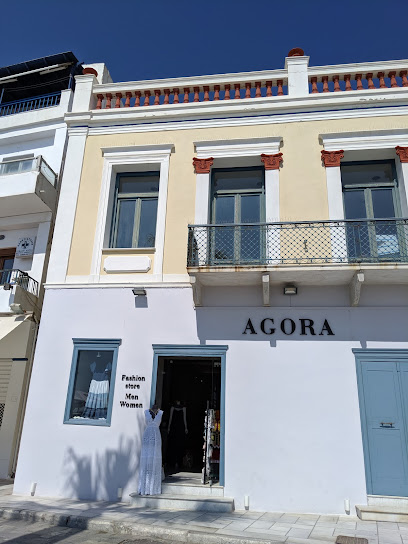
Agora fashion store
0.6 km
Explore Agora Fashion Store in Naxos for unique clothing and accessories that capture the spirit of Greek style and culture.
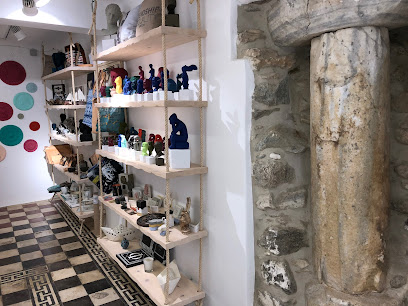
APODO Hellenic Design Gift Store
0.7 km
Explore the charm of APODO Hellenic Design Gift Store in Kastro, Naxos - your destination for unique Greek souvenirs and handmade treasures.
Essential bars & hidden hideouts

Fragile bar
0.4 km
Experience the lively nightlife at Fragile Bar in Naxos, where delicious cocktails and a vibrant atmosphere create unforgettable memories.
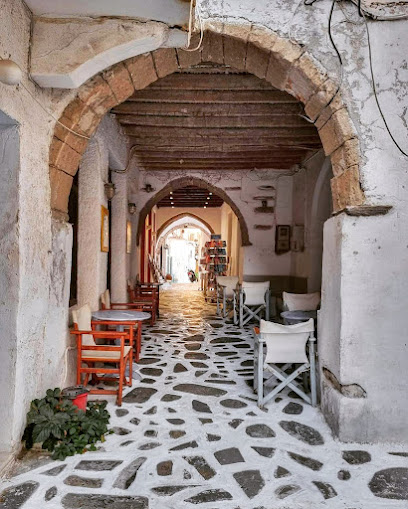
Babylonia Bar
0.4 km
Babylonia Bar: A lively gay bar in Naxos offering vibrant nightlife, delicious cocktails, and an inclusive atmosphere for all guests.
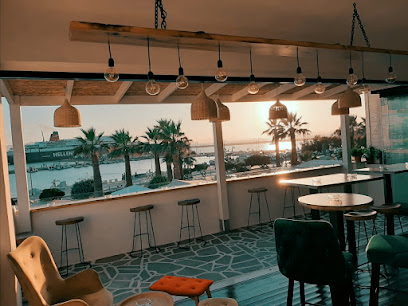
naxos cafe
0.5 km
Discover the vibrant atmosphere and exquisite cocktails at Naxos Café, a must-visit cocktail bar in the heart of Naxos, Greece.
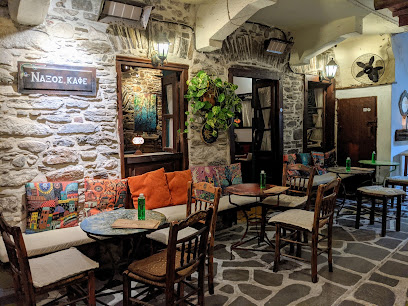
Notos Art Club
0.6 km
Explore the artistic vibes and vibrant nightlife at Notos Art Club in Naxos, Greece - where culture and cocktails come alive.
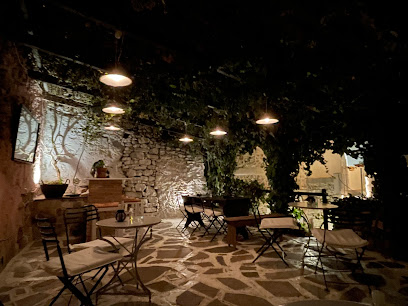
Like Home Bar
0.6 km
Discover Like Home Bar in Naxos: a lively cocktail bar offering exquisite drinks, sushi, and an unforgettable nightlife experience in the heart of Old Town.
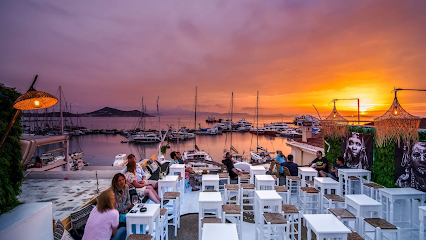
520 Cocktail Bar Restaurant
0.6 km
Immerse yourself in the lively atmosphere of 520 Cocktail Bar Restaurant, where expertly crafted cocktails meet delicious Mediterranean cuisine in Naxos.
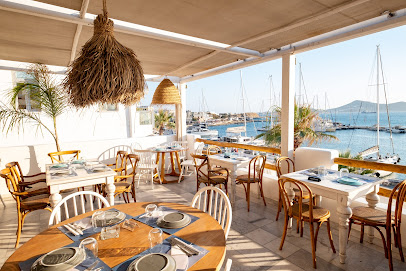
The Rum Bar cocktails & spirits
0.6 km
Experience the vibrant nightlife of Naxos at The Rum Bar, where exquisite cocktails and fine spirits meet a lively atmosphere.
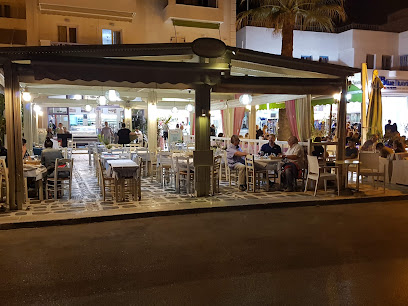
Prime Bar
0.6 km
Experience the vibrant nightlife of Naxos at Prime Bar, where expertly crafted cocktails meet a lively atmosphere under the stars.
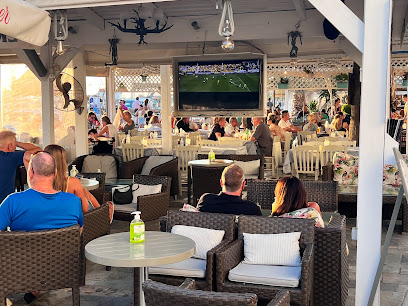
Belman
0.7 km
Experience the vibrant nightlife of Naxos at Belman, renowned for its unique cocktails and lively atmosphere, perfect for evening relaxation.
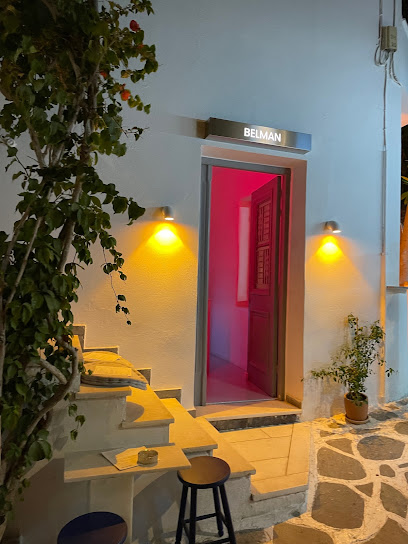
MBEBEKA
0.7 km
Experience the vibrant atmosphere of MBEBEKA, a premier bar in Naxos, Cyclades, where refreshing cocktails meet stunning scenery.
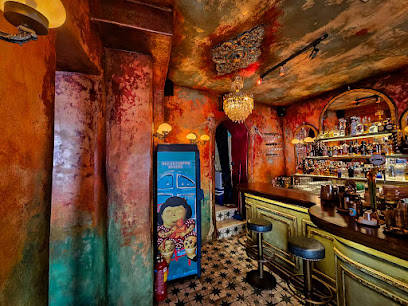
Swing Bar
0.7 km
Discover the vibrant nightlife at Swing Bar in Naxos, a cocktail haven perfect for unwinding and dancing the night away with friends.
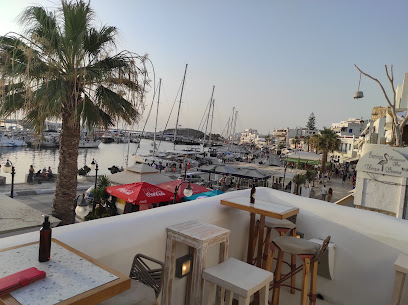
Honey & Cinnamon Bar
0.8 km
Discover the perfect blend of cocktails and traditional Greek cuisine at Honey & Cinnamon Bar in the heart of Naxos.
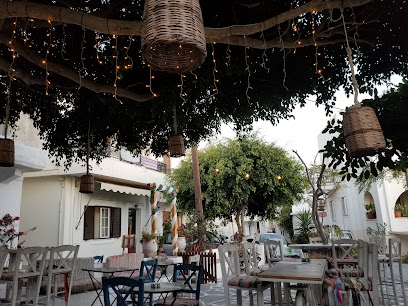
BACO
0.8 km
Discover the vibrant atmosphere of BACO, Naxos' premier cocktail bar and brunch spot, offering stunning sea views and exquisite flavors.
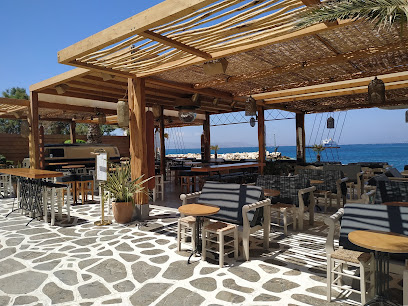
Toro Rooftop Cocktail Bar Naxos
0.8 km
Unwind at Toro Rooftop Cocktail Bar in Naxos, where breathtaking views and exquisite cocktails create the ideal night out in paradise.
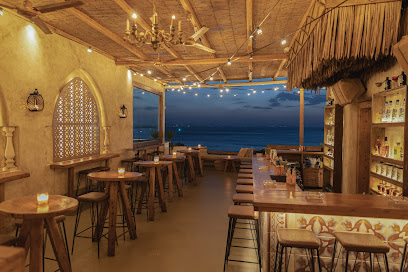
On The Rocks Bar
0.8 km
Experience the vibrant nightlife of Naxos at On The Rocks Bar, your go-to destination for cocktails, karaoke, and unforgettable memories.
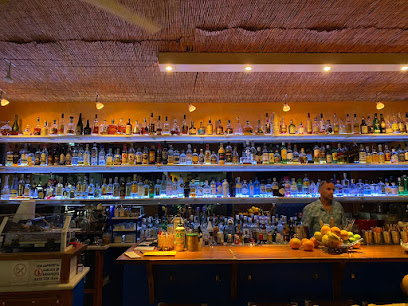
Nightclubs & after hour spots

AMEN CLUB - NAXOS
0.5 km
Discover the ultimate nightlife at AMEN CLUB in Naxos, where vibrant beats meet stunning ambiance for an unforgettable evening of fun.
Dome Lounge Bar
0.5 km
Experience the vibrant nightlife and serene ambiance at Dome Lounge Bar, a must-visit destination in Naxos for cocktail lovers and night owls.
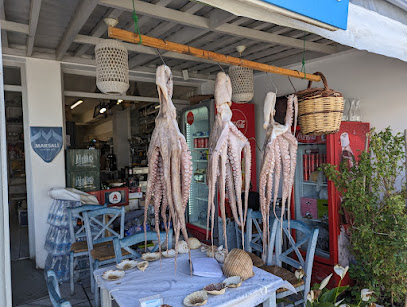
Jazz & Blues
0.5 km
Discover the rhythm of Naxos at Jazz & Blues, where live music meets delightful cocktails in a vibrant atmosphere.
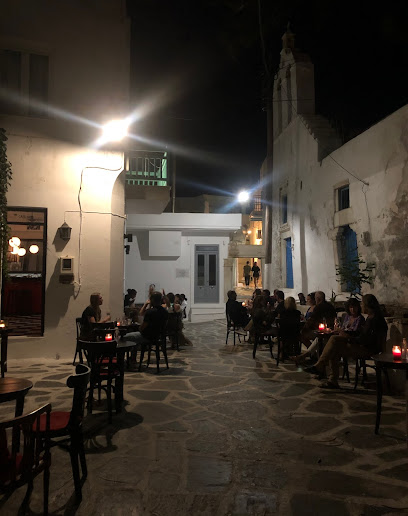
Lab Club
0.8 km
Join the vibrant nightlife at Lab Club in Naxos, where electrifying music and a lively atmosphere create unforgettable experiences.
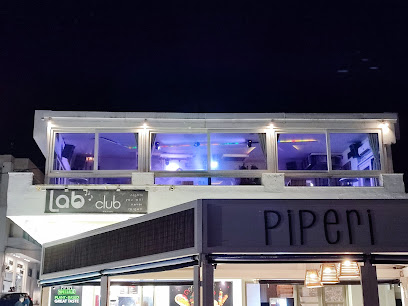
The Ocean Club
0.8 km
Discover the vibrant nightlife of The Ocean Club in Naxos, where stunning views and electrifying music unite for an unforgettable party experience.
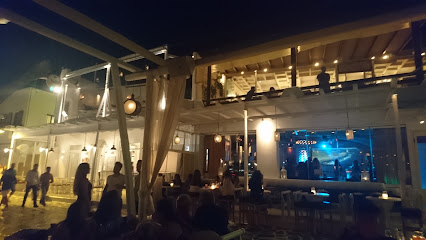
Sifnaios Nektarios
12.0 km
Experience the vibrant nightlife and exquisite dining at Sifnaios Nektarios in Naousa, where unforgettable moments await under the Greek stars.
Linardo
12.0 km
Experience the vibrant nightlife of Naousa at Linardo, where delicious cocktails and stunning sea views come together for an unforgettable evening.
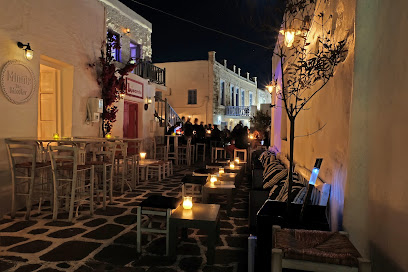
Akanthus Night Club - Paros
12.0 km
Experience the electrifying nightlife at Akanthus Night Club in Paros, where vibrant music and stylish ambiance create unforgettable memories.
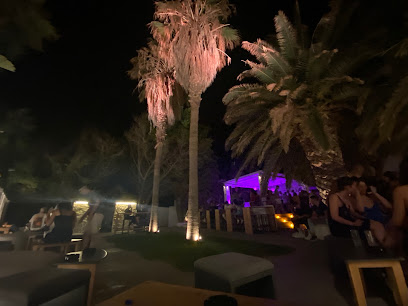
VIVA PUNDA
14.0 km
Discover the vibrant atmosphere of VIVA PUNDA, a beach club offering refreshing cocktails, delicious cuisine, and lively events in Punda, Greece.
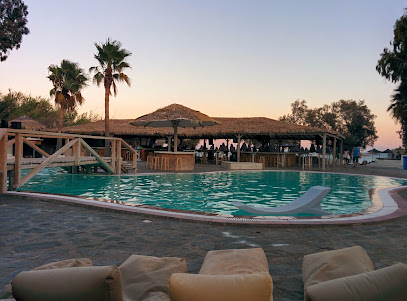
Ocean Room Mykonos
36.1 km
Experience unforgettable nightlife at Ocean Room Mykonos, where vibrant energy meets stunning beach views and top-tier entertainment.
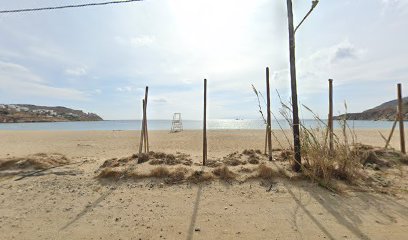
VOID mykonos
37.4 km
Discover the electrifying nightlife of Mykonos at VOID, the ultimate destination for high-energy dance and world-class DJs.

ASTRA
37.5 km
Experience the epitome of nightlife in Mykonos at ASTRA, where vibrant beats meet luxury and excitement.
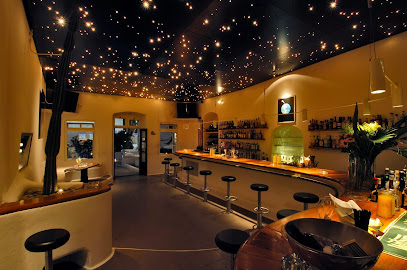
Lola Bar
37.6 km
Experience the vibrant nightlife of Mykonos at Lola Bar, a welcoming gay bar offering creative cocktails and a lively atmosphere.
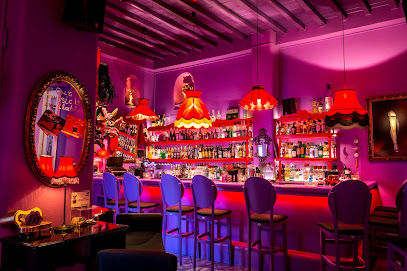
Scarpa bar
37.6 km
Experience the vibrant nightlife of Mykonos at Scarpa Bar, a premier destination for exquisite cocktails and unforgettable dance parties.
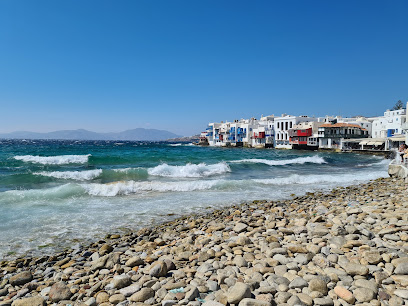
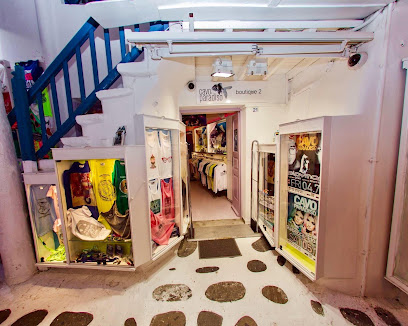
Boutique 2 by Cavo Paradiso Club Mykonos (CAVO PARADISO BOUTIQUE 2)
37.6 km
Discover the vibrant nightlife of Mykonos at Cavo Paradiso Boutique 2, where stunning views and electrifying music create unforgettable experiences.