

Meteora Travel Guide
Free Guide: Discover the breathtaking beauty and spiritual heritage of Meteora's monasteries, suspended between heaven and earth in the heart of Greece.


A brief summary of Meteora
Discover the breathtaking beauty and spiritual heritage of Meteora's monasteries, suspended between heaven and earth in the heart of Greece.
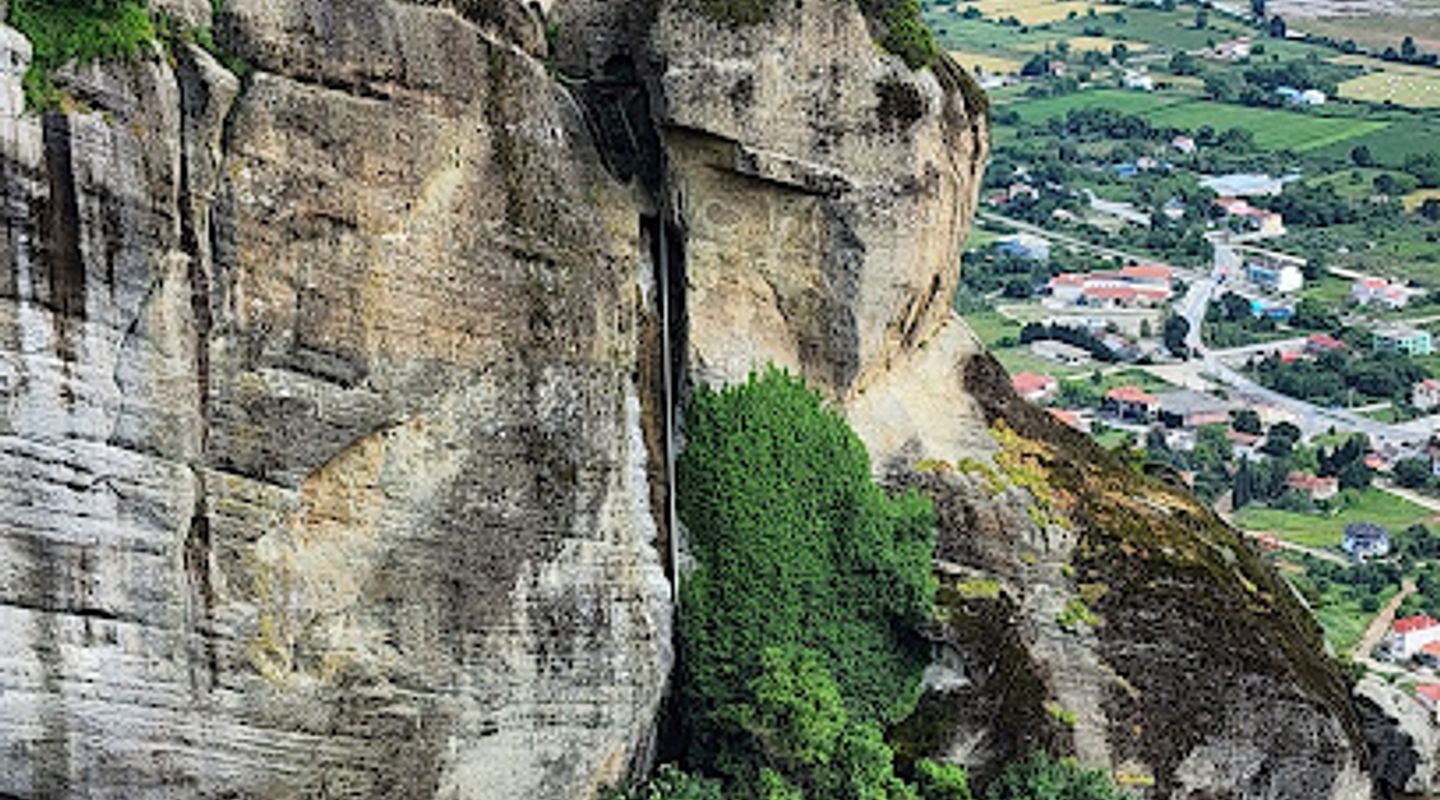
Meteora, a UNESCO World Heritage site in Thessaly, Greece, is famed for its towering rock formations and the monasteries perched atop them. These unique structures, dating back to the 14th century, offer a breathtaking blend of natural beauty and spiritual significance.
- Address
- Kalabaka 422 00
Getting there
Public Transport
Taxi
Walking
Discover more about Meteora
Overview
Meteora, meaning 'suspended in the air' in Greek, is a landscape of striking rock formations rising from the plains of Thessaly. Since the 11th century, monks have sought refuge in these towering rocks, with the first monastic communities forming in the 12th century. By the 14th century, 24 monasteries had been built, offering sanctuary during times of political upheaval. Today, six monasteries remain active, showcasing the stunning architecture and enduring faith of the Eastern Orthodox Church. Accessible by pathways and staircases carved into the rocks, each monastery offers unique views and insights into monastic life. Visitors should be prepared to climb steps, with some monasteries like Great Meteoron and Holy Trinity having over 300 steps. St. Stephen's Monastery is the most accessible, connected by a bridge.The monasteries not only stand as architectural marvels but also as living museums, preserving invaluable artifacts and offering a glimpse into Byzantine history and art. Theophanes of Crete, a renowned iconographer, contributed frescoes to St. Nicholas Anapausas Monastery in the 16th century. Photography is permitted but may be restricted in certain areas. Visitors are expected to dress modestly, with covered shoulders and knees. Skirts are often provided at the entrance for women.Meteora's allure extends beyond its monasteries. Hiking trails wind through the rock formations, offering panoramic views of the valley. The village of Kastraki, smaller and quieter than Kalabaka, provides a peaceful base for exploring the region.
Evendo Review Centre
 Google
Guest reviews
Explore Meteora on the map
A handpicked selection of must-see spots near Meteora, mapped for you.
Get your free copy of our complete guide to Meteora, delivered straight to you.
Everything on this page, from opening hours and how to get there to Eve’s tips and the best time to go, in one PDF you can read offline, print or share.
Already have an account? Sign in
Your Meteora guide is ready.
We'll send it to · Not you? Sign out

Getting your guide ready…
We are putting together a fresh copy of the Meteora guide. This can take up to a minute.
This can take a few moments. If your browser asks, choose Allow so the download can start. You'll find the guide in your Downloads folder.
Nothing happened? Download it again
Sorry, the guide is taking longer than usual. Please try again in a minute, or get it by email instead.
Unlock the best of Meteora
Skip-the-line tickets, guided tours with entry, and walking tours of the area, booked in a few clicks.


 Tour
TourMeteora Hiking Tour - Optional Pick up from Kalambaka, Trikala, Kastraki
from $34.15 Tour
TourMeteora: Morning Half Day Sightseeing and Monasteries Tour
from $37.35 Tour
TourMidday Meteora Monastery tour from Kalabaka's train station
from $37.35 Tour
TourPanoramic Meteora and Monasteries Tour from Kalabaka
from $37.35
Other nearby places you may find interesting
The closest places of the same kind, if this one is not quite what you had in mind.
-
-
-
-
-


Swipe for more places
More to explore near Meteora

 Best experiences near Meteora
 Best hotels near Meteora
 Best landmarks near Meteora
 Best attractions near Meteora
 Best shops near Meteora
 Best restaurants near Meteora
 Best bars near Meteora
Do you manage this location?
Take control to get all the benefits, like improved information, better appearance, and stronger visibility across AI-powered discovery.
Explore more

Explore more of Thrace
Discover Thrace, Greece's hidden treasure where ancient history, diverse cultures, and breathtaking landscapes converge.
Explore Thrace
Explore more of Greece
Discover Greece: A land where ancient history meets modern vibrancy, offering stunning islands, crystal-clear seas, and unforgettable cultural experiences.
Explore Greece
