

Free Ritidian Point Travel Guide & Mobile App
Explore Ritidian Point with free travel guides. Discover regional history, expert tips, proposed trips, and audio guides on web or mobile app.


Ritidian Point reveals northern Guam through limestone forest, turtle habitat, Chamoru heritage and a remote Pacific coastline shaped by conservation.
Read more about Ritidian Point
When is the best time to visit Ritidian Point?
Best: January–March · 29°C| Month | High (°C) | Rainfall (mm) |
|---|---|---|
| January (best) | 29 | 100 |
| February (best) | 29 | 80 |
| March (best) | 29 | 90 |
| April | 30 | 100 |
| May | 30 | 120 |
| June | 30 | 150 |
| July | 30 | 180 |
| August | 30 | 200 |
| September | 30 | 200 |
| October | 30 | 180 |
| November | 30 | 150 |
| December | 29 | 120 |
Getting to and around Ritidian Point
How to get there
Transportation
Best attractions in Ritidian Point
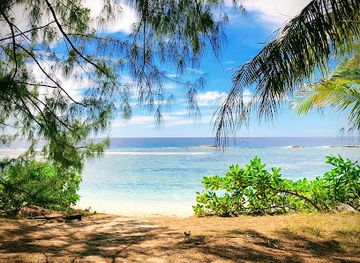
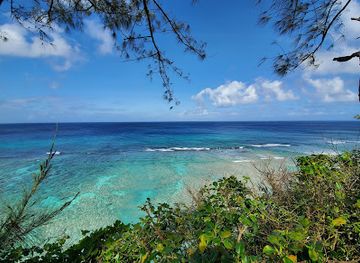
Ritidian Point’s attractions are primarily ecological and cultural rather than commercial. The Ritidian Unit of the Guam National Wildlife Refuge protects northern limestone forest, coastal scrub and beach habitat where visitors may observe Guam’s distinctive tropical environment and, with patience and appropriate distance, wildlife associated with the shore. The beach and surrounding coast are visually striking, but swimming conditions vary and should never be judged from appearance alone. Forest and coastal walks offer an introduction to the raised-limestone geology that characterises much of northern Guam. The area also has archaeological significance connected with ancient Chamoru occupation, making careful interpretation more important than casual exploration of caves or ruins. There are no amusement parks, museums, restaurant complexes or organised shopping attractions at the point itself. Instead, the experience is shaped by open space, Pacific views, habitat protection and the relative absence of development. Visitors looking for fuller cultural and historical programming will need to travel to other parts of Guam, while Ritidian is best reserved for a daylight visit focused on landscape, conservation and the northern coast.
-
Tourist attraction
Ritidian Point
Explore Guam's natural beauty and ancient history at Ritidian Point, a pristine wildlife refuge with stunning beaches and diverse ecosystems.
-
Tourist attraction
Guam National Wildlife Refuge
Explore Guam National Wildlife Refuge: A haven for endangered species, scenic beauty, and Chamorro cultural heritage in Yigo, Guam.
-
Tourist attraction
Guam Star Sand Jungle Adventure
Experience Guam's natural beauty: Explore lush jungles, discover unique star sand beaches, and create unforgettable memories.
Best landmarks in Ritidian Point
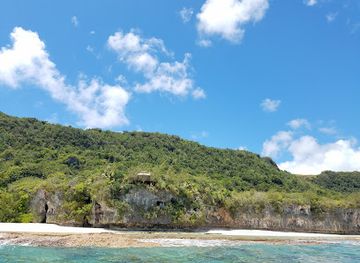
Ritidian Point’s defining landmark is the northern limestone headland itself, where Guam’s elevated plateau meets the Philippine Sea in a line of pale cliffs, forest and beach. Its significance is geographical as well as visual: the point marks the island’s northern extremity and provides a clear sense of Guam’s exposure to the open western Pacific. The surrounding limestone landscape, including its coastal caves and cavities, is also important because it preserves environments associated with ancient Chamoru occupation, although these places are culturally sensitive and should not be entered or explored without permission. The refuge’s protected forest is another landmark in the broader sense, representing one of the northern areas where habitat remains less intensively developed than Guam’s hotel and urban corridors. Unlike a colonial church or civic monument, Ritidian is experienced as a connected landscape rather than a single constructed object. Its value lies in the relationship between headland, shore, forest, wildlife habitat and archaeological setting, all of which depend on visitors leaving the area undisturbed.
-
Tourist attraction
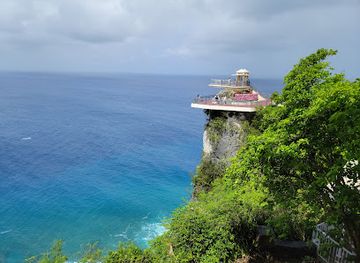
Two Lover’s Point
Experience Guam's beauty and a timeless love story at Two Lover's Point, offering panoramic views and cultural significance.
-
Tourist attraction
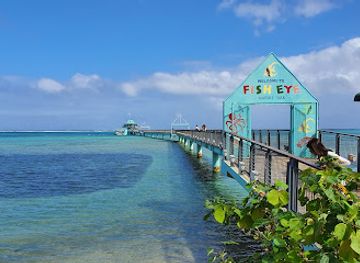
Fish Eye Marine Park - Visitor Center
Discover Guam's underwater wonders at Fish Eye Marine Park, featuring Micronesia's only underwater observatory in the vibrant Piti Bay Marine Preserve.
-
Park
Ypao Beach
Discover Ypao Beach in Guam: a family-friendly paradise with clear waters, vibrant marine life, and rich cultural history.
-
Historical place
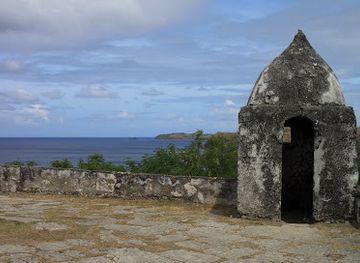
Fort Nuestra Señora de la Soledad
Explore Guam's Spanish colonial past at Fort Soledad, offering stunning views of Umatac Bay and a glimpse into the island's rich history.
Explore Ritidian Point on the map
Plan your trip on one map. See where the top cities, national parks and sights are, and book hotels and experiences in a few clicks.
Best hotels in Ritidian Point
Best restaurants in Ritidian Point
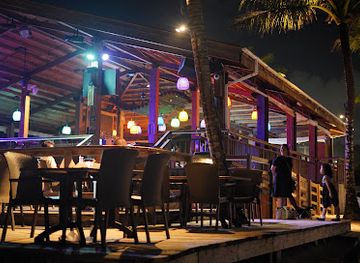
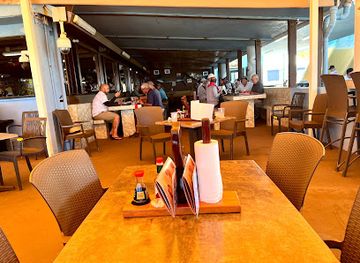
There is no restaurant district or dependable food outlet at Ritidian Point, so dining must be planned before leaving Guam’s serviced areas. Visitors typically bring water, snacks or a packed meal, taking all rubbish away and avoiding food preparation that could attract wildlife. The nearest practical places to eat are outside Ritidian Point, particularly around Yigo and the more developed central and western parts of Guam, where visitors can find cafés, bakeries, casual American-style dining and Chamoru food. Guam’s wider culinary culture reflects Chamoru traditions alongside Filipino, Japanese, Korean and American influences; regional specialities may include red rice, kelaguen, barbecue and dishes using local seafood, although not every establishment serves them in the same style. For a meal after a northern excursion, confirm the location and opening arrangements in advance rather than assuming that a rural roadside business will be operating. Ritidian’s food experience is therefore picnic-based and self-sufficient, with the emphasis on protecting the refuge rather than on dining beside the beach.
-
Hamburger
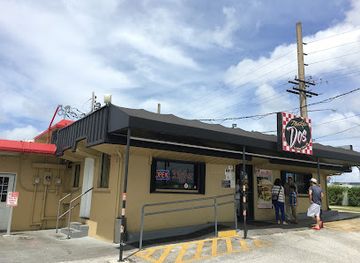
Meskla Dos - Upper Tumon
Discover Meskla Dos in Upper Tumon – where gourmet hamburgers meet local flavors for an unforgettable dining experience.
-
Grill
The Beach Restaurant & Bar Guam
Experience beachfront dining at The Beach Restaurant & Bar Guam with stunning views and delicious grilled cuisine.
-
Grill
Jeff's Pirates Cove
Discover delicious grilled dishes and breathtaking ocean views at Jeff's Pirates Cove in Ipan, Guam - a must-visit for every traveler.
-
American
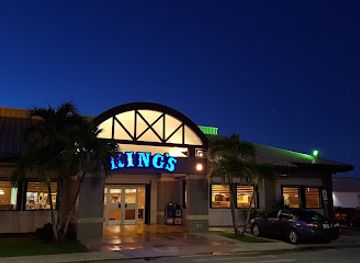
King's Restaurant
Discover delicious American fare at King's Restaurant in Guam - perfect for breakfast or lunch after shopping!
Best bars in Ritidian Point
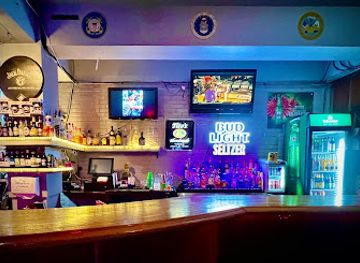
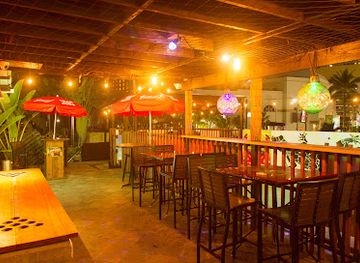
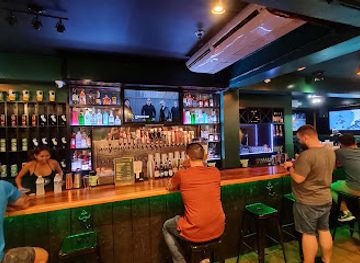
Ritidian Point has no bars, nightclubs or evening entertainment, and the refuge should be treated as a daylight destination. There is no safe or practical reason to plan a late-night beach visit, particularly when access rules, weather and limited lighting may change the experience considerably. After returning south, visitors can find Guam’s principal evening activity in developed areas such as Tumon and Hagåtña, outside Ritidian Point. There, the wider island offers hotel bars, casual restaurants, live music and a modest selection of late-night venues, with the greatest concentration around the main visitor districts. Yigo, also outside the point, provides more local everyday services but is not a major nightlife centre. A northern itinerary is better suited to an early start, a meal elsewhere and a return before dark than to combining the refuge with a night out. Alcohol should never be taken into the water or used as a substitute for attention to surf, heat and remote-road conditions.
-
Grill
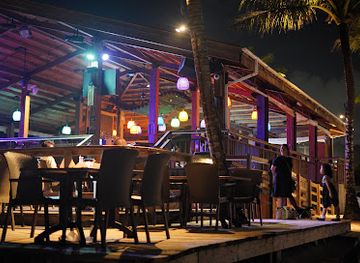
The Beach Restaurant & Bar Guam
Experience the perfect blend of local flavors and breathtaking views at The Beach Restaurant & Bar in Guam, a culinary gem by the ocean.
-
Bar
Porky's
Experience the vibrant nightlife at Porky's in Tumon, Guam, where live music and great drinks create unforgettable memories.
-
Tiki bar
Green Lizzard Tiki Bar
Discover a vibrant oasis at Green Lizzard Tiki Bar in Tumon, where tropical cocktails and lively entertainment await your arrival.
-
Pub
Shamrocks Sports Pub
Shamrocks Sports Pub: A vibrant gathering spot in Tumon, Guam, offering delicious pub fare and a lively atmosphere for all.
Best shops in Ritidian Point
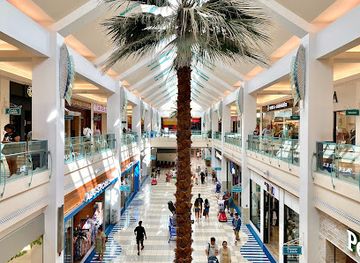
Ritidian Point has no shops, market, craft centre or visitor retail area. Bring water, sun protection, food and any specialist walking supplies before travelling north, and do not expect to buy souvenirs or beach equipment at the refuge. Shopping connected with a visit is better handled in Guam’s larger towns and visitor districts outside Ritidian Point. Supermarkets and local food shops are useful for provisions, while craft and gift retailers elsewhere on the island may offer Chamoru-inspired artwork, woven goods, locally themed clothing, food products and other souvenirs. Visitors should distinguish genuinely locally made items from generic imported merchandise and should never purchase archaeological material, coral, shells or wildlife products. A practical souvenir of Ritidian is often a photograph or a responsibly chosen Guam-made product bought elsewhere, rather than anything collected from the coast. Because retail businesses and markets can change, confirm current locations and opening arrangements before making a special journey.
-
Outlet mall
Guam Premier Outlets
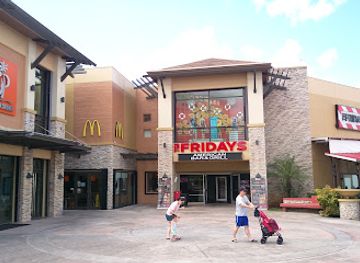
Discover unbeatable deals and a vibrant shopping atmosphere at Guam Premier Outlets, the perfect destination for tourists seeking local treasures and global brands.
-
Shopping mall
Micronesia Mall
Explore Micronesia Mall in Guam, your ultimate shopping destination with diverse stores, dining options, and family-friendly entertainment.
-
Duty free store
DFS Guam
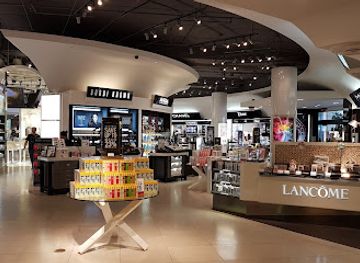
Explore luxury shopping at DFS Guam, your premier destination for duty-free goods, fashion, beauty, and more in Tumon.
-
Shopping mall
JP Superstore
Explore JP Superstore in Tumon, Guam, where shopping meets local culture, offering a unique blend of retail, dining, and unforgettable experiences.

Get your free copy of our complete guide to Ritidian Point, delivered straight to you.
Everything on this page, from attractions and restaurants to essentials and local phrases, in one PDF you can read offline, print or share.
Already have an account? Sign in
Your Ritidian Point guide is ready.
We'll send it to · Not you? Sign out

Getting your guide ready…
We are putting together a fresh copy of the Ritidian Point guide. This can take up to a minute.
This can take a few moments. If your browser asks, choose Allow so the download can start. You'll find the guide in your Downloads folder.
Nothing happened? Download it again
Sorry, the guide is taking longer than usual. Please try again in a minute, or get it by email instead.
Ritidian Point essentials
Currency and Payment
Safety
Emergency Situations
Do's and Don'ts
Local Tips
From Eve
Local phrases worth knowing
You don't need to get them perfect. A few words go a long way, and locals appreciate the effort.
Basics
| English | Local | Say it |
|---|---|---|
| Hello | Håfa adai | [Hah-fah ah-dye] |
| Goodbye | Adios | [Ah-dee-ohs] |
| Yes | Åhe | [Ah-heh] |
| No | Ahe | [Ah-eh] |
| Please/You're welcome | Por favor | [Por fah-vor] |
| Thank you | Si Yu'os ma'åse' | [See yoo-os mah-ah-seh] |
| Excuse me/Sorry | Dispensa | [Dis-pen-sah] |
| How are you? | Kumusta? | [Koo-moos-tah] |
| Fine. And you? | Malisu. Håfa håo? | [Mah-lee-soo. Hah-fah how?] |
| Do you speak English? | Sao i na'ån English? | [Sow ee nah-ahn English?] |
| I don't understand | Ti hu na'ån | [Tee hoo nah-ahn] |
Eating & Drinking
| English | Local | Say it |
|---|---|---|
| I'd like to see the menu, please | Gusto yu' i menu, por favor | [Goos-toh yoo ee meh-noo, por fah-vor] |
| I don't eat meat | Ti hu mangan karne | [Tee hoo mahn-gan kar-neh] |
| Cheers! | Santé! | [Sahn-teh] |
| I would like to pay, please | Gusto yu' pay, por favor | [Goos-toh yoo pay, por fah-vor] |
Emergencies
| English | Local | Say it |
|---|---|---|
| Help! | Help! | [Help!] |
| Go away! | Sige, ufan! | [See-geh, oo-fahn!] |
| Call the Police! | Håfa i Police! | [Hah-fah ee po-leese!] |
| Call a doctor! | Håfa i doktu! | [Hah-fah ee dock-too!] |
| I'm lost | Ti hu ma'åse' | [Tee hoo mah-ah-seh] |
| I'm ill | Ti hu ma'åse' i salappe' | [Tee hoo mah-ah-seh ee sah-lah-peh] |
Shopping
| English | Local | Say it |
|---|---|---|
| I'd like to buy... | Gusto yu' prute | [Goos-toh yoo proo-teh] |
| I'm just looking | Nene' yu' mas ki | [Neh-neh yoo mahs kee] |
| How much is it? | Håfa i prisi? | [Hah-fah ee pree-see?] |
| That's too expensive | Matu' i prisi | [Mah-too ee pree-see] |
| Can you lower the price? | Puedi yu' maolek i prisi? | [Pweh-dee yoo moh-lek ee pree-see?] |
Time & Numbers
| English | Local | Say it |
|---|---|---|
| What time is it? | Håfa tiempo? | [Hah-fah tee-em-poh?] |
| It's one o'clock | I uno ora | [Ee oo-noh oh-rah] |
| Half past (10) | Siento na taya | [See-en-toh nah tah-yah] |
| Morning | Månan | [Mah-nahn] |
| Afternoon | Paseo | [Pah-seh-oh] |
| Evening | Sangaili | [Sahn-gah-ee-lee] |
| Yesterday | Håfa i nene' | [Hah-fah ee neh-neh] |
| Today | I nene' | [Ee neh-neh] |
| Tomorrow | I mañan | [Ee mah-nyan] |
| 1 | Uno | [Oo-noh] |
| 2 | Dos | [Dohs] |
| 3 | Tres | [Tres] |
| 4 | Kuatro | [Kwah-troh] |
| 5 | Singko | [Sing-koh] |
| 6 | Sais | [Sighs] |
| 7 | Siete | [See-eh-teh] |
| 8 | Ocho | [Oh-choh] |
| 9 | Nueve | [Nweh-veh] |
| 10 | Diez | [Dee-ehs] |
Transport & Directions
| English | Local | Say it |
|---|---|---|
| Where's a/the...? | Håfa i ...? | [Hah-fah ee ...?] |
| What's the address? | Håfa i adres? | [Hah-fah ee ah-dress?] |
| Can you show me (on the map)? | Puedi yu' maolek yu' (i mapa)? | [Pweh-dee yoo moh-lek yoo (ee mah-pah)?] |
| When's the next (bus)? | Håfa tiempo i mas próximo (bus)? | [Hah-fah tee-em-poh ee mahs prok-see-moh (bus)?] |
| A ticket (to ....) | Un tiket (para ....) | [Oon tee-ket (pah-rah ....)] |
History of Ritidian Point
Ancient Chamoru Settlement
Ritidian lies within a northern Guam landscape occupied by the Chamoru people long before European contact. Caves, terraces, coastal resources and archaeological deposits across the limestone plateau provide evidence of settlement, movement and food gathering. The northern tip’s value is therefore not limited to scenery: it forms part of Guam’s broader record of an ocean-going society that developed distinctive architecture, social traditions and maritime knowledge in the Mariana Islands. Archaeological material is fragile and often protected, so visitors should observe rather than collect or disturb anything in the landscape.
Spanish Contact and Colonial Rule
Spanish contact with the Mariana Islands began in the sixteenth century, followed by the establishment of a permanent Spanish colonial presence on Guam in the seventeenth century. Missionisation, disease, conflict and population displacement transformed Chamoru society, while settlements and administrative activity became concentrated in more accessible parts of the island. Ritidian did not develop into a major colonial town, but its caves, coast and forest belong to the island environment shaped by this long period of Spanish rule, which ended after the Spanish-American War.
American Administration after 1898
Following the Spanish-American War, Guam became an American possession and was administered by the United States Navy for much of the first half of the twentieth century. The period brought new systems of government, infrastructure and education, while also limiting civilian control over land and public life. Northern Guam remained comparatively rural, and the island’s strategic position in the western Pacific increasingly influenced how land was used. These changes established the political and military context in which the modern Ritidian landscape is understood.
Japanese Occupation, 1941–1944
Japanese forces captured Guam in December 1941, beginning an occupation that lasted until American forces retook the island in 1944. The period brought military control, hardship and profound disruption for Guam’s population. The principal battles and heavily documented wartime sites lie elsewhere on the island, but Ritidian’s northern position formed part of Guam’s strategically important coastal geography. Visitors should not assume that every wartime trace is safe to approach, as unexploded ordnance and restricted areas remain potential concerns in parts of Guam.
Post-war Guam and Strategic Land Use
After liberation, Guam developed as an unincorporated territory of the United States, with rapid improvements in roads, communications and public services alongside an enduring American military presence. Tourism later expanded strongly around western and central hotel districts, while northern areas retained more open forest and undeveloped coast. This contrast helps explain Ritidian’s present character: it is close enough for a day trip from Guam’s populated areas, yet protected from the intensive commercial development found elsewhere on the island.
Creation of the National Wildlife Refuge
The Ritidian Unit became part of the Guam National Wildlife Refuge in the late twentieth century, bringing greater emphasis to habitat protection, native species and responsible public access. Conservation work is particularly important in Guam, where introduced species and habitat loss have placed pressure on native wildlife. The refuge designation also reinforces the archaeological and cultural sensitivity of the area. Contemporary visits are consequently governed by protection priorities, and access arrangements may change when wildlife, weather or public safety requires it.
Ritidian Point in Photos
Browse through our photo collection highlighting the charm and character of the destination.
Neighbouring regions of Ritidian Point
The closest regions to Ritidian Point, if you have time for more than one.
-
-

-

-

-


Swipe for more regions
Explore more
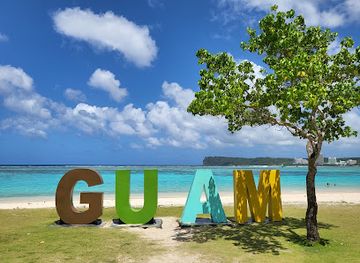
Explore more of Guam
Discover Guam: A tropical paradise offering pristine beaches, rich Chamorro culture, and diverse marine life, perfect for adventure seekers and relaxation enthusiasts alike.
Explore Guam