

Free Northern Guam Travel Guide & Mobile App
Explore Northern Guam with free travel guides. Discover regional history, expert tips, proposed trips, and audio guides on web or mobile app.


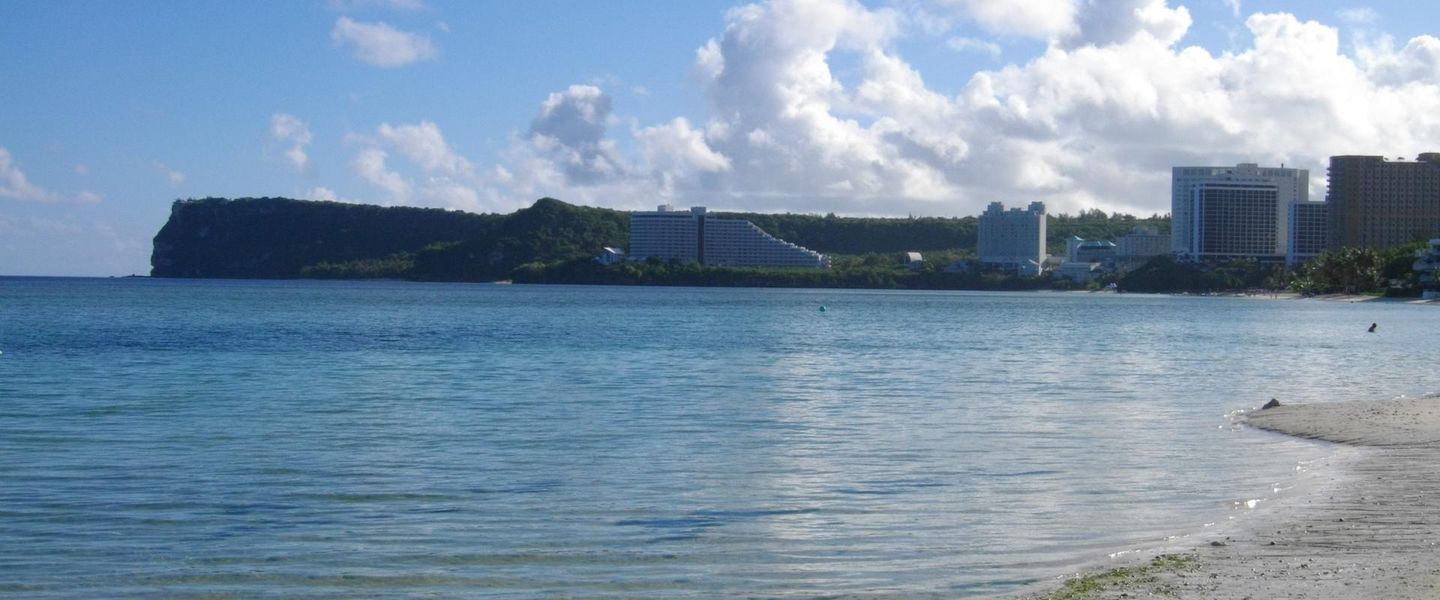


Northern Guam combines Chamorro heritage, limestone coast, wildlife habitat, village markets and open Pacific landscapes beyond the resort corridor.
Read more about Northern Guam
When is the best time to visit Northern Guam?
Best: January–March · 29–30°C| Month | High (°C) | Rainfall (mm) |
|---|---|---|
| January (best) | 29 | 105 |
| February (best) | 29 | 95 |
| March (best) | 30 | 95 |
| April | 31 | 105 |
| May | 31 | 135 |
| June | 32 | 185 |
| July | 32 | 245 |
| August | 32 | 275 |
| September | 32 | 275 |
| October | 31 | 245 |
| November | 31 | 185 |
| December | 29 | 135 |
Getting to and around Northern Guam
How to get there
Transportation
Top city travel guides in Northern Guam
The cities of Northern Guam, and the easiest places to base yourself.
-

-

-

-

-

-


Swipe for more cities
Destinations in Northern Guam
Resorts, valleys and scenic spots worth a trip of their own.
-

-

-


Swipe for more destinations
Best attractions in Northern Guam
Northern Guam’s attractions combine Indigenous heritage, wildlife habitat, military history and everyday village life rather than forming a single concentrated sightseeing circuit. Dededo provides practical urban experiences, including Micronesia Mall and the long-established Sunday morning market, where local produce and prepared foods offer an informal introduction to Guam’s contemporary community life. In Yigo, the Pågat archaeological area presents latte stones, forest and coastline within a historically important Chamorro setting; access involves walking and should be arranged responsibly. At the northern tip, the Ritidian unit of the Guam National Wildlife Refuge protects limestone forest, coastal habitat and beaches, although opening conditions can be affected by weather, conservation needs and security arrangements. The plateau around Yigo also offers broad views, vegetation and geological interest, but much of the land is privately owned or associated with military facilities. Outdoor visitors should expect heat, uneven limestone and limited services rather than highly developed park infrastructure. Northern Guam is best appreciated through a combination of a market visit, a carefully planned heritage or nature outing, and time spent observing how residential, military and natural landscapes meet.
-
Tourist attraction
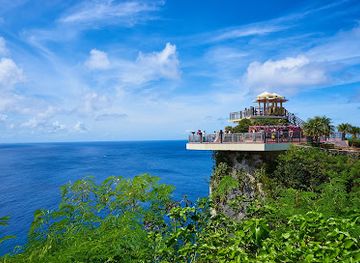
Two Lover’s Point
Discover Guam's most famous landmark: a cliffside vista steeped in Chamorro legend, offering breathtaking views and a poignant love story.
-
Tourist attraction
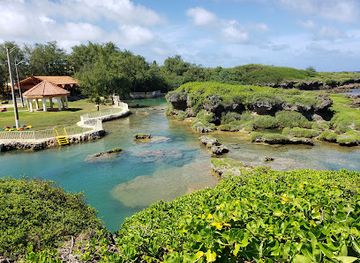
Inarajan Natural Pool
Discover the beauty and tranquility of Inarajan Natural Pool, a unique swimming and snorkeling spot in historic Inarajan, Guam.
-
Tourist attraction
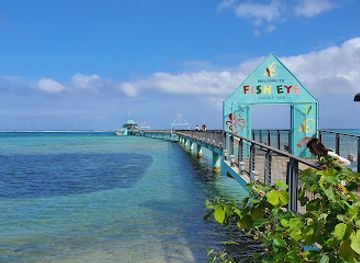
Fish Eye Marine Park - Visitor Center
Explore Guam's underwater wonders at Fish Eye Marine Park: Micronesia's only underwater observatory in the vibrant Piti Bay Marine Preserve.
-
Park
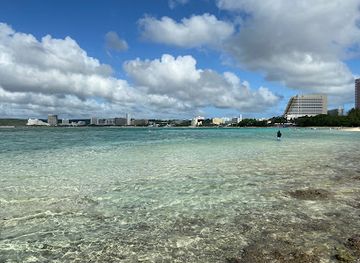
Ypao Beach
Discover Ypao Beach in Guam: Pristine sands, clear waters, and a vibrant park blend history and recreation in a tropical paradise.
Best landmarks in Northern Guam
Ritidian Point is Northern Guam’s most recognisable natural landmark, where the island’s limestone plateau reaches the Philippine Sea in forested headlands, cliffs and beaches. Its significance is both scenic and ecological, as the area forms part of the Guam National Wildlife Refuge and protects habitat in a heavily developed island environment. In Yigo, the Pågat archaeological landscape is a landmark of Chamorro history: its latte stones and coastal setting provide tangible evidence of an ancient settlement and the long relationship between Indigenous communities and the northern shore. Mount Santa Rosa, also in the north, is a prominent upland feature and one of Guam’s highest points, although access and views can be affected by land control, vegetation and weather. Andersen Air Force Base is another defining northern presence, but it is an active military installation rather than a public landmark; visitors must not enter restricted areas or photograph controlled facilities where prohibited. Together, these places express the region’s central contrast between ancestral heritage, exposed limestone geology, protected habitat and strategic military land.
-
Tourist attraction
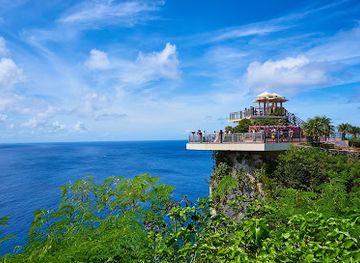
Two Lover’s Point
Discover Guam's iconic Two Lover's Point: breathtaking views, a timeless love story, and a must-see landmark steeped in Chamorro legend.
-
Park
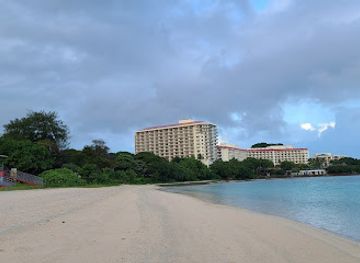
Ypao Beach
Discover Ypao Beach Park in Guam: a tropical paradise with pristine sands, clear waters, and a rich blend of recreation and Chamorro culture.
-
Historical landmark
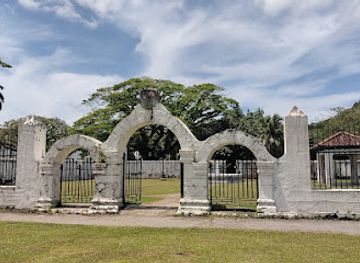
Plaza de España
Explore Guam's colonial past at Plaza de España in Hagåtña, where Spanish history meets Chamorro culture in a serene and scenic setting.
-
Historical place
Fort Nuestra Señora de la Soledad
Explore Guam's Spanish colonial past at Fort Soledad, offering stunning views of Umatac Bay and a glimpse into island history.
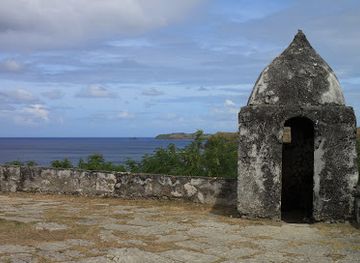
Explore Northern Guam on the map
Plan your trip on one map. See where the top cities, national parks and sights are, and book hotels and experiences in a few clicks.
Best hotels in Northern Guam
Best restaurants in Northern Guam
Northern Guam has a broad, practical dining scene shaped by Chamorro traditions and the island’s Pacific connections. In Dededo and Yigo, family-run restaurants, bakeries, food stalls and casual dining rooms serve dishes influenced by Chamorro, Filipino, Japanese, Korean and American cooking. Visitors may encounter red rice, kelaguen, barbecue, titiyas, soups and seafood alongside contemporary interpretations and familiar international meals. Kelaguen, often prepared with chicken or seafood, is particularly associated with Guam’s Chamorro food culture, while local produce and coconut appear in home-style cooking and market offerings. Dededo’s Sunday market is useful for sampling prepared food and buying fruit or snacks, though individual stalls and availability can vary. Supermarkets and shopping centres provide the widest choice of provisions for self-catering or beach days. Formal dining is more concentrated outside the northern region in Guam’s central and resort districts, but northern restaurants are valuable for their everyday character, generous portions and mixture of island and migrant culinary influences.
-
American
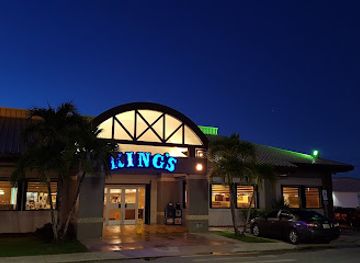
King's Restaurant
Discover the delicious fusion of American and local flavors at King's Restaurant in Guam - a must-visit for every food-loving traveler!
-
Restaurant
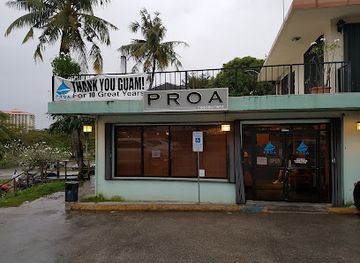
Proa Restaurant
Discover the essence of Guam's culinary scene at Proa Restaurant – where local flavors meet exceptional dining.
-
Restaurant
Pika's Cafe
Discover Pika's Cafe in Upper Tumon – where delicious breakfasts meet vibrant local flavors in a cozy setting.
-
Restaurant
Ruby Tuesday Restaurant
Experience the best of American dining at Ruby Tuesday Guam - where delicious food meets island hospitality.


Best bars in Northern Guam
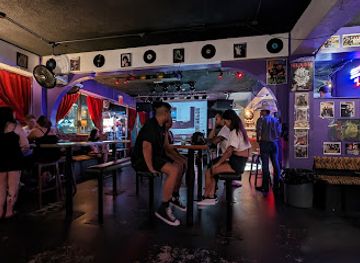
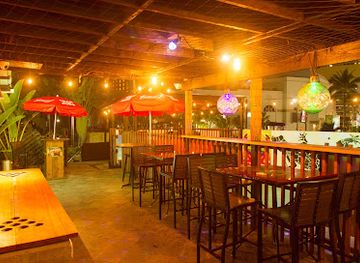
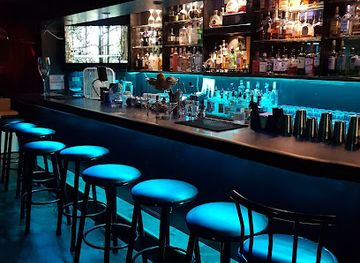
Evening life in Northern Guam is centred on casual restaurants, neighbourhood bars, karaoke, sports-focused venues and social gatherings rather than a dense nightclub district. Dededo offers the greatest concentration of late-opening commercial activity in the region, with larger shopping and dining areas providing more choice than rural Yigo. Local bars may combine drinks with food, televised sport or music, while karaoke reflects Guam’s wider East Asian and Pacific cultural connections. Nightlife in the north is generally quieter and more dispersed than in Tumon, outside the region, where many resort-oriented bars and evening venues are located. Visitors staying in Dededo or Yigo should arrange transport in advance, especially after drinking, because distances, limited late public transport and dark rural roads make walking an unsafe substitute. Breweries, cocktail venues and live entertainment can change as businesses open or close, so current local listings should be checked rather than relying on an assumed permanent nightlife scene.
-
Bar
Porky's
Experience the vibrant nightlife at Porky's, the ultimate bar in Tumon, Guam, where local culture meets refreshing drinks and delicious bites.
-
Tiki bar
Green Lizzard Tiki Bar
Experience the vibrant nightlife at Green Lizzard Tiki Bar in Tumon, Guam, where tropical cocktails and lively music create unforgettable memories.
-
Pub
Shamrocks Sports Pub
Experience the vibrant atmosphere at Shamrocks Sports Pub in Tumon, Guam, where sports, socializing, and delicious food come together.
-
Lounge
Drop
Experience the vibrant nightlife at Drop, Tumon's chic lounge with exquisite cocktails and live entertainment in a stylish setting.

Best nightclubs in Northern Guam
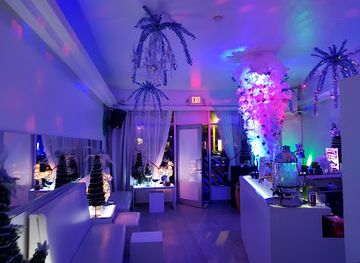
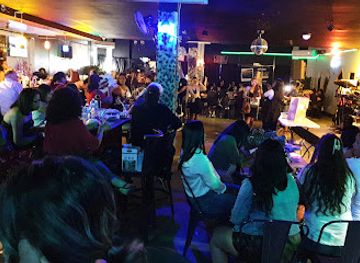
Evening life in Northern Guam is centred on casual restaurants, neighbourhood bars, karaoke, sports-focused venues and social gatherings rather than a dense nightclub district. Dededo offers the greatest concentration of late-opening commercial activity in the region, with larger shopping and dining areas providing more choice than rural Yigo. Local bars may combine drinks with food, televised sport or music, while karaoke reflects Guam’s wider East Asian and Pacific cultural connections. Nightlife in the north is generally quieter and more dispersed than in Tumon, outside the region, where many resort-oriented bars and evening venues are located. Visitors staying in Dededo or Yigo should arrange transport in advance, especially after drinking, because distances, limited late public transport and dark rural roads make walking an unsafe substitute. Breweries, cocktail venues and live entertainment can change as businesses open or close, so current local listings should be checked rather than relying on an assumed permanent nightlife scene.
-
Lounge
Drop
Experience a vibrant nightlife at Drop, Tumon's stylish lounge, featuring unique cocktails and a chic ambiance perfect for relaxation.
-
Lounge
Gudtaym Lounge
Discover the lively ambiance of Gudtaym Lounge, where karaoke and live music meet the heart of Guam's nightlife.
-
Bar
Metro Club
Experience the vibrant nightlife at Metro Club in Macheche, Guam, where good vibes and electrifying music create unforgettable memories.
-
Adult entertainment club
CLUB U.S.A.
Dive into the vibrant nightlife at CLUB U.S.A. in Tumon, Guam, where captivating performances and strong drinks create an unforgettable experience.


Best shops in Northern Guam
Shopping in Northern Guam is most developed in Dededo, where Micronesia Mall and surrounding commercial areas provide supermarkets, fashion, electronics, dining and practical supplies. The larger retail environment reflects Guam’s role as a Pacific territory and is oriented towards residents as well as visitors, rather than being exclusively a souvenir district. For a more local experience, Dededo’s Sunday morning market offers produce, prepared foods and small-scale informal trading; arrive early and carry cash as a backup because stall arrangements vary. Yigo has fewer concentrated retail areas, but roadside sellers, convenience shops and local food outlets can be useful when travelling towards the northern coast. Appropriate purchases include packaged Chamorro foods, coconut-based products, locally made crafts and art from established vendors, although genuine local provenance should be checked. Do not buy archaeological objects, coral, shells or wildlife products removed from beaches or heritage sites, and remember that market products and individual sellers may be seasonal.
-
Duty free store
DFS Guam
Discover the ultimate duty-free shopping experience at DFS Guam, where luxury meets affordability in Tumon's vibrant shopping district.
-
Department store
Kmart
Explore Kmart Guam for unbeatable deals on clothing, electronics, and home goods in a convenient, family-friendly shopping environment.
-
Clothing store
Ross Dress for Less
Discover unbeatable deals on trendy clothing for everyone at Ross Dress for Less, your essential shopping destination in Guam.
-
General store
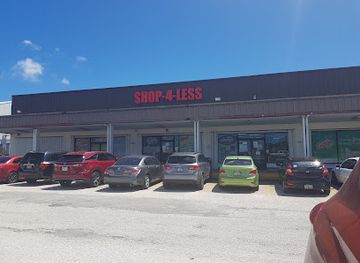
Shop 4 Less
Explore the vibrant world of crafts, office supplies, and party essentials at Shop 4 Less in Mongmong, Guam - a must-visit for every traveler.



Get your free copy of our complete guide to Northern Guam, delivered straight to you.
Everything on this page, from attractions and restaurants to essentials and local phrases, in one PDF you can read offline, print or share.
Already have an account? Sign in
Your Northern Guam guide is ready.
We'll send it to · Not you? Sign out

Getting your guide ready…
We are putting together a fresh copy of the Northern Guam guide. This can take up to a minute.
This can take a few moments. If your browser asks, choose Allow so the download can start. You'll find the guide in your Downloads folder.
Nothing happened? Download it again
Sorry, the guide is taking longer than usual. Please try again in a minute, or get it by email instead.
Northern Guam essentials
Currency and Payment
Safety
Emergency Situations
Do's and Don'ts
Local Tips
From Eve
Local phrases worth knowing
You don't need to get them perfect. A few words go a long way, and locals appreciate the effort.
Basics
| English | Local | Say it |
|---|---|---|
| Hello | Håfa adai | [Hah-fah ah-dai] |
| Goodbye | Adios | [Ah-dee-ohs] |
| Yes | Åhe | [Ah-heh] |
| No | Ahe | [Ah-heh] |
| Please/You're welcome | Por favor | [Por fah-vor] |
| Thank you | Si Yu'us ma'åse' | [See Yoo-us mah-ah-seh] |
| Excuse me/Sorry | Dispensa | [Dees-pen-sah] |
| How are you? | Kumusta? | [Koo-moos-tah] |
| Fine. And you? | Malisu. Håfa hao? | [Mah-lee-soo. Hah-fah how?] |
| Do you speak English? | Tåya' hao na' chålek English? | [Tah-yah how nah chah-lek English?] |
| I don't understand | Ti ya' un na' fanhasso' | [Tee yah oon nah fan-hah-soh] |
Eating & Drinking
| English | Local | Say it |
|---|---|---|
| I'd like to see the menu, please | Gusto yu' na' siha i menu, por favor | [Goo-stoh yoo nah see-hah ee meh-noo, por fah-vor] |
| I don't eat meat | Ti yu' chumo' na' metgot | [Tee yoo choo-moh nah met-got] |
| Cheers! | Biba! | [Bee-bah] |
| I would like to pay, please | Gusto yu' na' bay, por favor | [Goo-stoh yoo nah bye, por fah-vor] |
Emergencies
| English | Local | Say it |
|---|---|---|
| Help! | Help! | [Help!] |
| Go away! | Sigu na' apaka! | [See-goo nah ah-pah-kah] |
| Call the Police! | Håfa na' chålek i Police! | [Hah-fah nah chah-lek ee po-lees] |
| Call a doctor! | Håfa na' chålek i dokto! | [Hah-fah nah chah-lek ee dok-toh] |
| I'm lost | Malu na' guaha | [Mah-loo nah goo-ah] |
| I'm ill | Malu na' malångu | [Mah-loo nah mah-lahng-goo] |
Shopping
| English | Local | Say it |
|---|---|---|
| I'd like to buy... | Gusto yu' na' pruta... | [Goo-stoh yoo nah proo-tah] |
| I'm just looking | Sigo na' guaha | [See-go nah goo-ah-hah] |
| How much is it? | Maliah hu? | [Mah-lee-ah hoo?] |
| That's too expensive | Masi' na' expensive | [Mah-see nah expen-siv] |
| Can you lower the price? | Hu na' hu guaha i prisu? | [Hoo nah hoo goo-ah-hah ee pree-soo?] |
Time & Numbers
| English | Local | Say it |
|---|---|---|
| What time is it? | Håfa tiempo? | [Hah-fah tee-ehm-poh] |
| It's one o'clock | Uno na' orasan | [Oo-no nah oh-rah-sahn] |
| Half past (10) | Mediu na' orasan (10) | [Meh-dee-oo nah oh-rah-sahn (10)] |
| Morning | Mañana | [Mah-nyah-nah] |
| Afternoon | Mañana na' malångu | [Mah-nyah-nah nah mah-lahng-goo] |
| Evening | Påtgon | [Pah-tgon] |
| Yesterday | Inagof | [Ee-nah-gof] |
| Today | Inayek | [Ee-nah-yehk] |
| Tomorrow | Båsta | [Bah-stah] |
| 1 | Suno | [Soo-no] |
| 2 | Dos | [Dohs] |
| 3 | Tres | [Tres] |
| 4 | Kåtro | [Kah-troh] |
| 5 | Sinko | [Sin-koh] |
| 6 | Sais | [Sah-eess] |
| 7 | Siete | [See-eh-teh] |
| 8 | Ocho | [Oh-cho] |
| 9 | Nueve | [Nweh-veh] |
| 10 | Diyes | [Dee-yes] |
Transport & Directions
| English | Local | Say it |
|---|---|---|
| Where's a/the...? | Håfa na' i...? | [Hah-fah nah ee...?] |
| What's the address? | Håfa na' i adres? | [Hah-fah nah ee ah-dres?] |
| Can you show me (on the map)? | Hu na' siha (i mapa)? | [Hoo nah see-hah (ee mah-pah)?] |
| When's the next (bus)? | Cuando na' i sumas (bus)? | [Kwan-doh nah ee soo-mas (bus)?] |
| A ticket (to ....) | Un tiket (para ....) | [Oon tee-ket (pah-rah ...)] |
History of Northern Guam
Ancient Chamorro Settlement and Latte Culture
People have lived on Guam for thousands of years, developing a seafaring culture adapted to the island’s reefs, forests and limestone plateaux. Northern Guam contains important evidence of this history, particularly at Pågat in Yigo, where latte stones mark the foundations of an ancient settlement. Latte structures, made from upright pillars and capstones, are among the most recognisable expressions of ancestral Chamorro architecture. The site’s position near the coast also illustrates the importance of marine resources, freshwater and canoe travel to the communities that occupied northern Guam before European contact.
Spanish Contact and Missionisation, 1521–1898
Ferdinand Magellan’s expedition reached Guam in 1521, beginning sustained European contact, while Spain established a permanent colonial presence in the seventeenth century. Missionisation, introduced diseases, forced relocations and conflict transformed Chamorro society. Northern settlements were drawn into the wider Spanish administrative and religious system centred on villages and churches, although the effects of colonial rule were felt across the island rather than in one northern location alone. Spanish influence remains visible in Guam’s Catholic traditions, place names and elements of its built and cultural landscape.
The Spanish–Chamorro Wars and Colonial Consolidation
During the late seventeenth and early eighteenth centuries, resistance to Spanish missionisation and colonial control led to prolonged conflict commonly known as the Spanish–Chamorro Wars. Fighting, displacement and demographic decline reshaped communities throughout Guam. Northern districts such as Yigo and Dededo later formed part of a more settled colonial landscape, but their history must be understood alongside the disruption experienced by Indigenous families across the island. The period marked a decisive transition from independent village societies to life under Spanish political, military and religious authority.
American Naval Rule and the Modern Military Landscape
After the Spanish–American War, Guam became a United States possession in 1898 and was administered by the US Navy until 1950. Naval rule brought new systems of government, education, infrastructure and economic organisation, while restricting political participation for local residents. Northern Guam’s large areas of military land and the presence of Andersen Air Force Base are part of this longer strategic history. The military footprint has shaped roads, land access, employment and settlement patterns, and remains a major feature of the northern landscape.
Japanese Occupation and the Liberation of Guam, 1941–1944
Japanese forces occupied Guam from December 1941 until American forces returned in 1944. The occupation brought coercion, shortages, forced labour and severe hardship for Chamorro civilians. The northern plateau and coastal areas became connected to Japanese defensive planning, while the island’s population endured displacement and violence. The liberation battles of 1944 caused extensive destruction and loss of life before Japanese rule ended. Northern Guam’s military installations, roads and restricted areas continue to reflect the strategic importance established during and after the Second World War.
Postwar Growth, Migration and Guam’s Contemporary Identity
Following the war, Guam was rebuilt as a United States territory and developed into a centre for military activity, tourism and regional commerce. The Organic Act of 1950 granted US citizenship and established a civilian government, although Guam’s territorial status remains politically distinctive. Dededo expanded rapidly as housing, roads and commercial centres spread north from the island’s older settlements. Migration from other Pacific islands, the Philippines, East Asia and the United States added to Guam’s cultural complexity, while Chamorro language revitalisation and heritage protection continue to shape contemporary identity.
Northern Guam in Photos
Browse through our photo collection highlighting the charm and character of the destination.
Neighbouring regions of Northern Guam
The closest regions to Northern Guam, if you have time for more than one.
-

-

-

-

-


Swipe for more regions
Explore more
Explore more of Guam
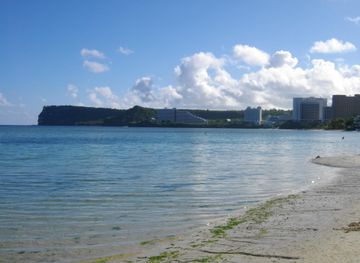
Discover Guam: A tropical paradise offering pristine beaches, rich Chamorro culture, and diverse marine life, perfect for adventure seekers and relaxation enthusiasts alike.
Explore Guam