Tikal National Park Travel Guide
Free Guide: Explore Tikal National Park: Where Mayan civilization meets lush rainforest, offering a unique blend of history, culture, and natural beauty.


A brief summary of Tikal National Park
Explore Tikal National Park: Where Mayan civilization meets lush rainforest, offering a unique blend of history, culture, and natural beauty.
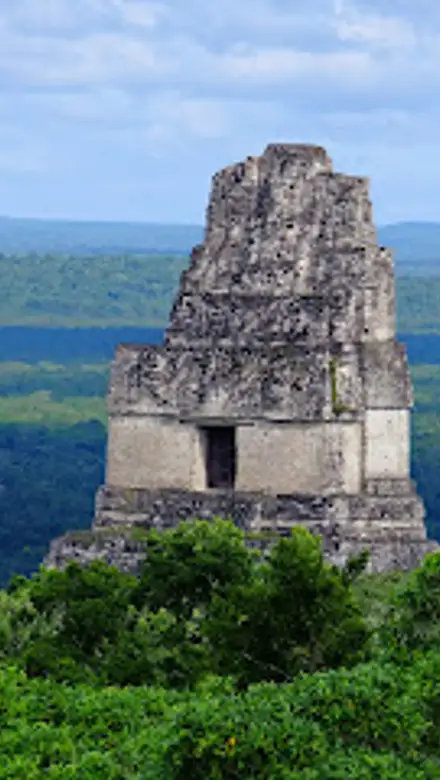
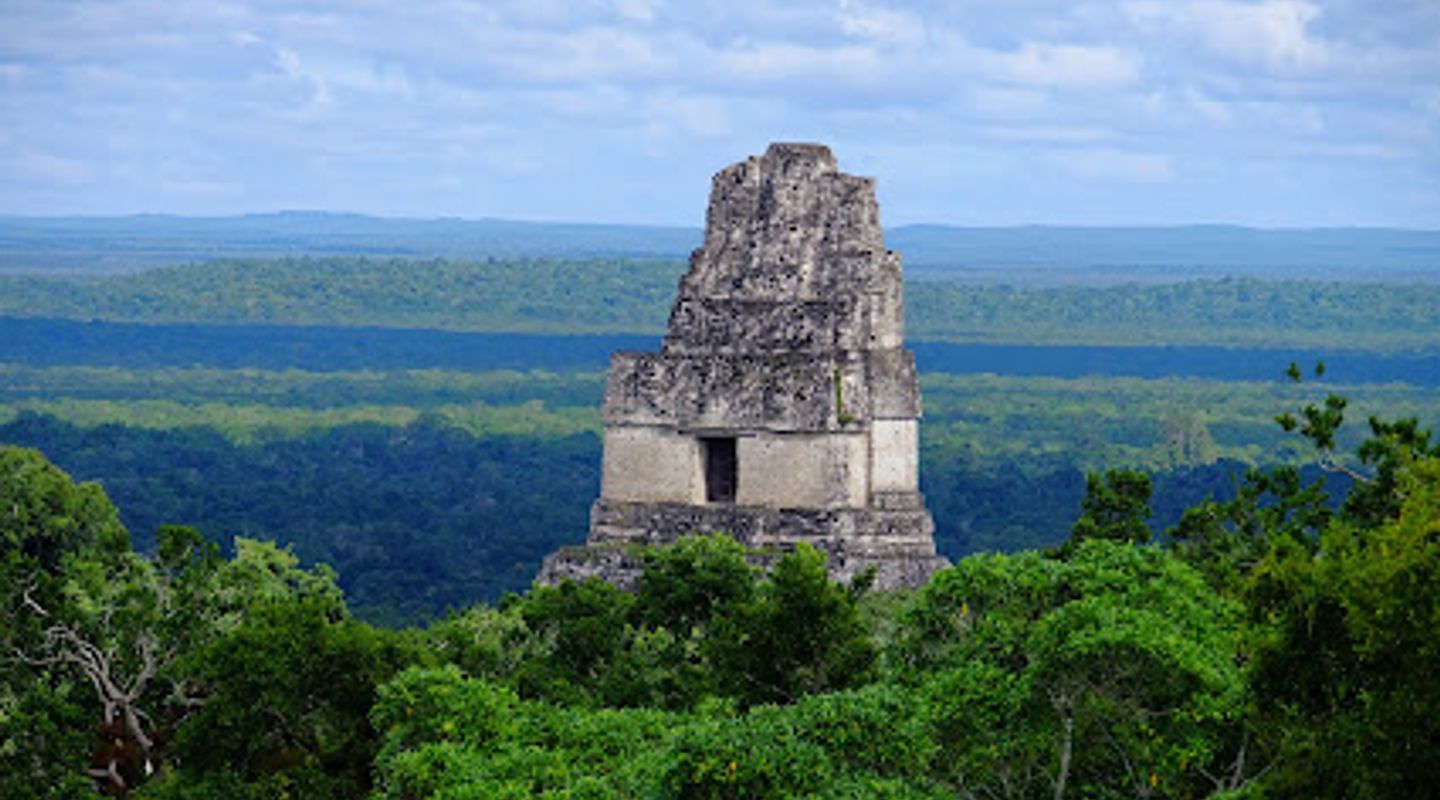
Tikal National Park, a UNESCO World Heritage site in northern Guatemala's Petén Department, encompasses the ancient Mayan city of Tikal and its surrounding rainforest, savannas, and wetlands. This 57,600-hectare park protects thousands of architectural and artistic remnants of the Mayan civilization, dating from 600 BC to 900 AD, along with diverse flora and fauna. Tikal stands as a testament to the Mayan civilization's cultural evolution and is a national symbol of Guatemala.
Opening hours
- Every day6 am–6 pm
Opening hours as listed on the venue’s Google Business Profile. Hours can change for services and special events, so check with the venue before you go.
- Address
- Tikal
- Phone
- Website
Getting there
Shuttle
Taxi
Public Transport
Discover more about Tikal National Park
Overview
Tikal National Park, nestled in the heart of the Maya Biosphere Reserve, is a captivating blend of ancient history and natural beauty. The park protects the ruins of Tikal, a major Mayan city inhabited from the 6th century BC to the 10th century AD. The ceremonial center features magnificent temples, palaces, and public squares accessible by ramps, with remains of dwellings scattered throughout the countryside.Tikal was a major political, economic, and military center, showcasing the cultural evolution of Mayan society. The city thrived as a commercial crossroads and a significant cultural and religious hub. Hieroglyphs reveal a dynamic history and connections with distant civilizations. The city's decline began in the late ninth century, with various theories suggesting wars, famine, overpopulation, or resource depletion as potential causes. The jungle gradually reclaimed the stone temples, concealing them from the Spanish conquerors in 1525.The park is home to a diverse range of flora and fauna. Over 2,000 plant species and 200 tree species have been recorded. The park provides habitats for jaguars, pumas, monkeys, anteaters, and over 300 bird species. Tikal also hosts over 100 reptile species, including the endangered Central American River Turtle and Morelet's Crocodile.Declared a national monument in 1931 and a national park in 1955, Tikal became one of Guatemala's first protected areas. UNESCO recognized it as a World Heritage Site in 1979, acknowledging its outstanding Mesoamerican ruins and unique ecology. Today, Tikal stands as a national symbol, drawing visitors to explore its ancient wonders and natural beauty.
Evendo Review Centre
 Google
Guest reviews
Explore Tikal National Park on the map
A handpicked selection of must-see spots near Tikal National Park, mapped for you.
Get your free copy of our complete guide to Tikal National Park, delivered straight to you.
Everything on this page, from opening hours and how to get there to Eve’s tips and the best time to go, in one PDF you can read offline, print or share.
Already have an account? Sign in
Your Tikal National Park guide is ready.
We'll send it to · Not you? Sign out

Getting your guide ready…
We are putting together a fresh copy of the Tikal National Park guide. This can take up to a minute.
This can take a few moments. If your browser asks, choose Allow so the download can start. You'll find the guide in your Downloads folder.
Nothing happened? Download it again
Sorry, the guide is taking longer than usual. Please try again in a minute, or get it by email instead.
Unlock the best of Tikal National Park
Skip-the-line tickets, guided tours with entry, and walking tours of the area, booked in a few clicks.

 Tour with entry
Tikal Sunset Tour Guided Exploration with Flores Pickup
from $22.80 Tour with entry
Basic Tour to Tikal Includes Transportation and Guide Service
from $23.75 Tour with entry
Tikal Ruins Day Tour from Flores
from $29.45 Tour with entry
From Flowers Sunrise in Tikal and Sunset in Yaxha in a day
from $57.00


Other nearby places you may find interesting
The closest places of the same kind, if this one is not quite what you had in mind.
-
-

-
-
-


Swipe for more places
More to explore near Tikal National Park

 Best experiences near Tikal National Park
 Best hotels near Tikal National Park
 Best landmarks near Tikal National Park
 Best attractions near Tikal National Park
 Best shops near Tikal National Park
 Best restaurants near Tikal National Park
 Best bars near Tikal National Park
Do you manage this location?
Take control to get all the benefits, like improved information, better appearance, and stronger visibility across AI-powered discovery.
Explore more

Explore more of Ixil Triangle
Discover the Ixil Triangle, a hidden gem in Guatemala's highlands, renowned for its rich Mayan culture, stunning landscapes, and traditional villages.
Explore Ixil Triangle
Explore more of Guatemala
Discover Guatemala: A land of ancient Mayan wonders, breathtaking natural beauty, and vibrant cultural experiences. Perfect for history buffs, nature lovers, and adventure seekers.
Explore Guatemala