

Portelet Bay Travel Guide - Free Web & App
Your ultimate guide to Portelet Bay. Discover top landmarks, proposed trips, and local tips. Free on the web or via the Evendo companion app.


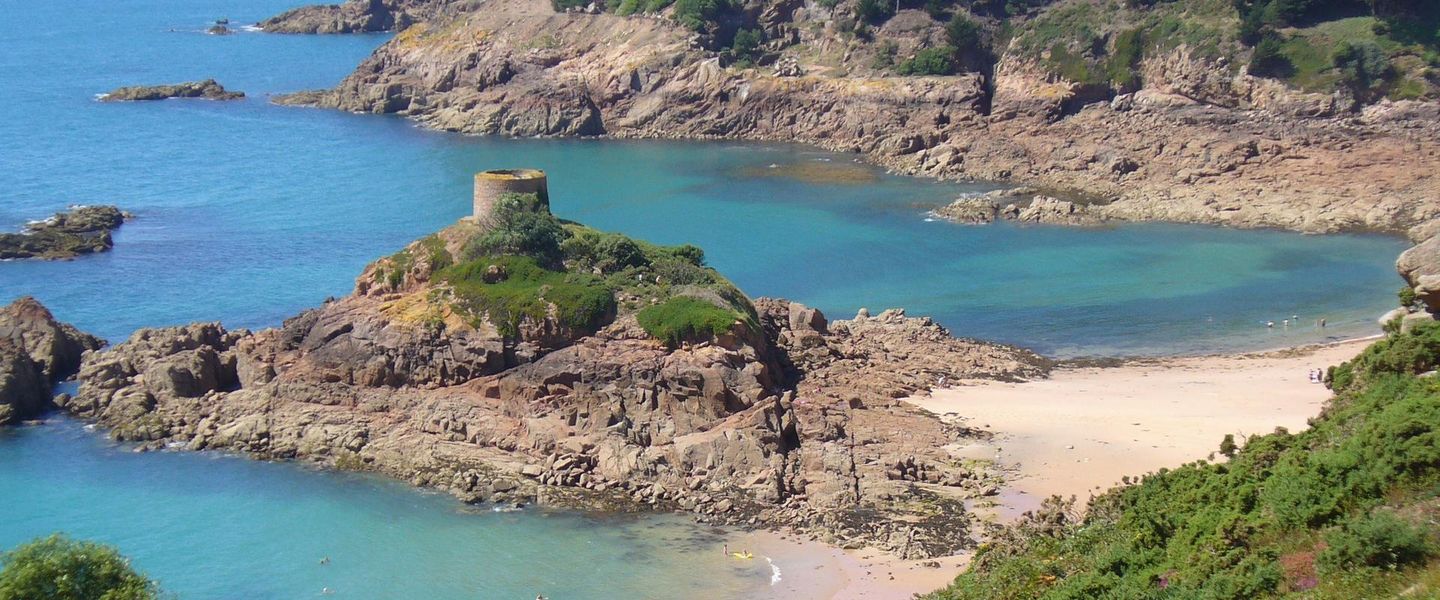


Discover the serene beauty and historical charm of Portelet Bay in Guernsey, a hidden gem perfect for relaxation, water sports, and picturesque coastal hikes.
Read more about Portelet Bay
When is the best time to visit Portelet Bay?
Best: July–September · 18–19°C| Month | High (°C) | Rainfall (mm) |
|---|---|---|
| January | 10 | 89 |
| February | 10 | 69 |
| March | 10 | 64 |
| April | 11 | 57 |
| May | 13 | 60 |
| June | 17 | 46 |
| July (best) | 19 | 34 |
| August (best) | 19 | 33 |
| September (best) | 18 | 41 |
| October | 17 | 79 |
| November | 14 | 98 |
| December | 13 | 115 |
Getting to and around Portelet Bay
How to get there
Transportation
Best attractions in Portelet Bay
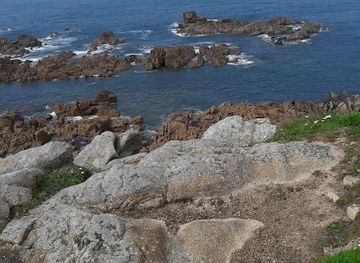
Portelet Bay in Guernsey offers visitors a mesmerizing blend of natural beauty and historical intrigue. From the picturesque sandy beach and crystal-clear waters perfect for swimming and sunbathing, to the iconic Martello Tower standing proudly on the headland, there is something for everyone to enjoy. Take a leisurely stroll along the coastal path, explore the rugged cliffs and caves, or simply relax and soak in the stunning views of the bay. History buffs will be fascinated by the remnants of the German Occupation scattered throughout the area, providing a glimpse into the island's past. Whether you are seeking adventure, relaxation, or a lesson in history, Portelet Bay has it all.
Best landmarks in Portelet Bay
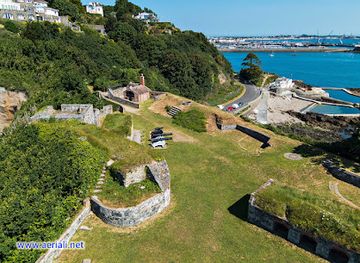
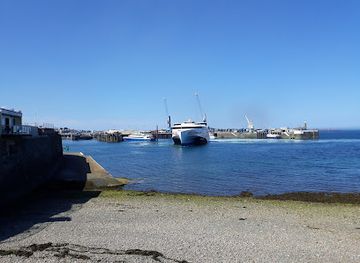
Portelet Bay in Guernsey offers visitors a captivating mix of natural beauty and historical intrigue. From the iconic Portelet Tower perched on a rocky outcrop overlooking the bay, to the stunning sandy beach perfect for sunbathing and swimming, there is something for everyone to enjoy. Explore the ancient ruins of Fort Grey and learn about the island's maritime history, or take a leisurely stroll along the coastal paths for breathtaking views of the rugged coastline. With its picturesque scenery and rich heritage, Portelet Bay is a must-visit destination for anyone looking to experience the charm of Guernsey.
-
Museum
Castle Cornet
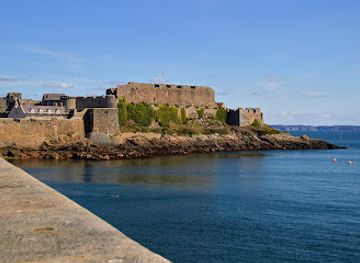
Explore the majestic Castle Cornet in Guernsey, a historic fortress brimming with maritime history and stunning coastal views.
-
Chapel
The Little Chapel
Discover the whimsical charm of The Little Chapel in Guernsey, a unique blend of art and spirituality in a picturesque setting.
-
Park
Saumarez Park
Explore Saumarez Park in Guernsey, a beautiful park offering tranquil gardens, scenic walks, and a perfect spot for relaxation and family fun.
-
War museum
German Occupation Museum
Discover Guernsey's poignant past at the German Occupation Museum, where history and humanity intersect through powerful exhibits and personal stories.
Explore Portelet Bay on the map
Plan your trip on one map. See where the top attractions, landmarks, restaurants and hotels are, and book hotels and experiences in a few clicks.
Best hotels in Portelet Bay
Best restaurants in Portelet Bay
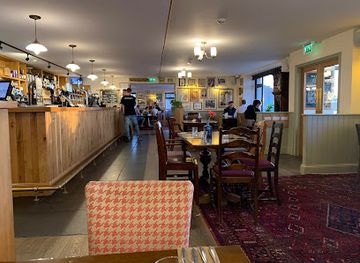
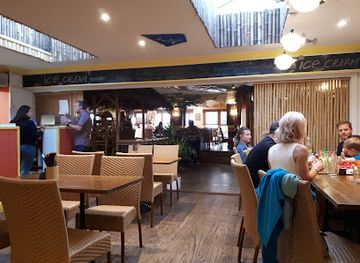
Portelet Bay offers a diverse dining scene for visitors to enjoy, ranging from quaint cafes serving freshly baked pastries to upscale seafood restaurants with stunning ocean views. Indulge in locally caught seafood dishes, traditional Guernsey cuisine, and international flavors, all while soaking in the charming coastal atmosphere. Whether you're looking for a casual beachside meal or a fine dining experience, Portelet Bay has something to satisfy every palate.
-
Gastropub
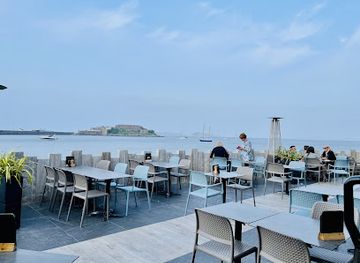
The Rockmount - Randalls
Discover The Rockmount - Randalls: A premier gastropub offering exquisite dishes and stunning coastal views in Guernsey.
-
Restaurant
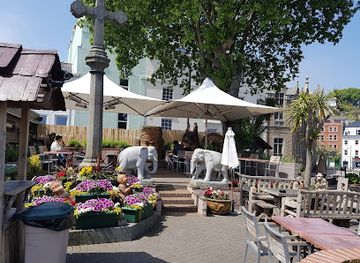
Crabby Jack's
Discover Crabby Jack's in Guernsey - where fresh seafood meets stunning coastal views for an unforgettable dining experience.
-
Restaurant
Octopus Restaurant
Experience fresh seafood delights at Octopus Restaurant in St. Peter Port—where local flavors meet stunning coastal views.
-
Thai
The Terrace Garden Cafe
Experience authentic Thai flavors at The Terrace Garden Cafe in Guernsey – where delicious meets delightful!
Best bars in Portelet Bay
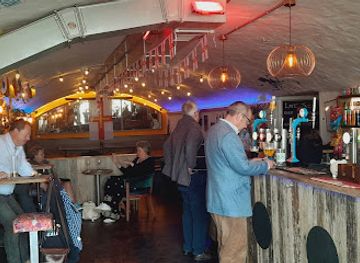
As the sun sets over the picturesque Portelet Bay in Guernsey, visitors can immerse themselves in a vibrant nightlife scene that offers a mix of seaside charm and lively entertainment. From cozy beachfront bars serving up local cocktails to bustling nightclubs pulsating with music and energy, there is something for everyone looking to unwind and have a good time. Whether you prefer sipping drinks under the stars or dancing the night away with new friends, Portelet Bay's nightlife scene is sure to leave a lasting impression on all who visit.
-
Gastropub
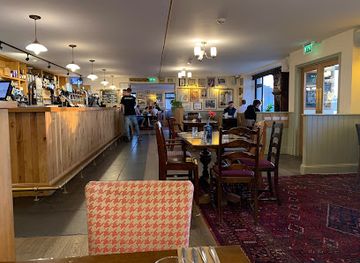
The Rockmount - Randalls
Discover the gastronomic wonders of The Rockmount - Randalls, a coastal gastropub blending local flavors with a stunning seaside view.
-
Gastropub
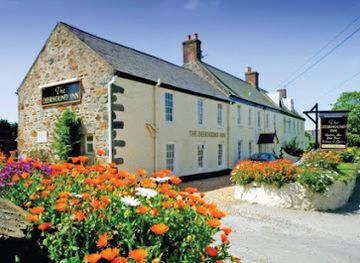
The Deerhound
Discover the heart of Guernsey at The Deerhound, a cozy gastropub offering delicious food, local drinks, and a welcoming atmosphere.
-
Pub
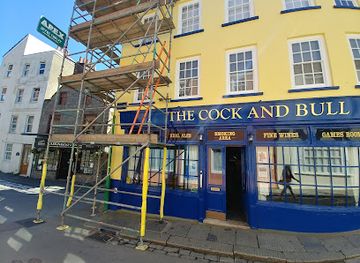
The Cock and Bull
Experience the lively atmosphere at The Cock and Bull, a premier pub in St. Peter Port, Guernsey, renowned for its craft beers and live music.
-
Restaurant
The Imperial Hotel & Restaurant
Experience the perfect blend of comfort and culinary excellence at The Imperial Hotel & Restaurant in stunning Guernsey.
Best nightclubs in Portelet Bay
As the sun sets over the picturesque Portelet Bay in Guernsey, visitors can immerse themselves in a vibrant nightlife scene that offers a mix of seaside charm and lively entertainment. From cozy beachfront bars serving up local cocktails to bustling nightclubs pulsating with music and energy, there is something for everyone looking to unwind and have a good time. Whether you prefer sipping drinks under the stars or dancing the night away with new friends, Portelet Bay's nightlife scene is sure to leave a lasting impression on all who visit.
-
Cocktail bar
Amigos
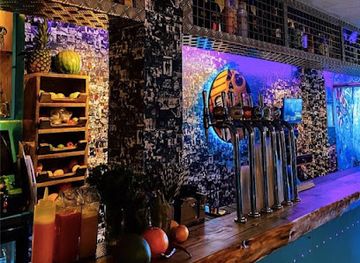
Experience the vibrant nightlife of Guernsey at Amigos, where expertly crafted cocktails meet an unforgettable atmosphere.
-
Bar
Mojito
Discover Mojito Bar in Guernsey for exceptional cocktails and a vibrant nightlife experience, perfect for socializing and unwinding.
-
Bar
PingQuay
Discover the vibrant nightlife of Guernsey at PingQuay, a charming bar offering local drinks and stunning waterfront views.
-
Bar
The Crown Club at Old Government House Hotel
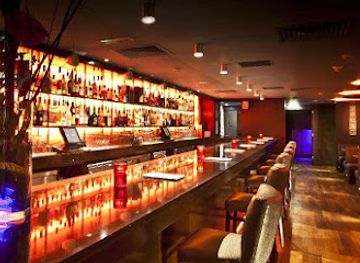
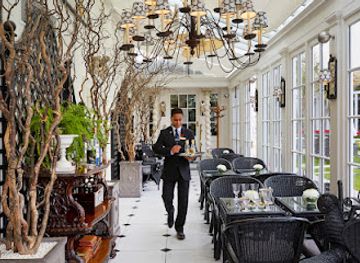
Experience Guernsey's culinary excellence at The Crown Club, a sophisticated bar and restaurant offering gourmet dining and exquisite cocktails.
Best shops in Portelet Bay
Visitors to Portelet Bay can expect a unique shopping experience, with charming boutiques offering a variety of local goods and souvenirs. From handmade jewelry to locally crafted pottery, there is something for everyone to discover. The bustling market streets are lined with colorful stalls selling fresh produce and artisanal products, providing a feast for the senses. Don't miss the opportunity to taste the delicious local delicacies and immerse yourself in the vibrant atmosphere of Portelet Bay's shopping scene.
-
Jewelry store
Guernsey Pearl
Explore the exquisite craftsmanship of Guernsey Pearl, where local artistry meets elegant jewelry in a stunning island setting.
-
Cafe
Portelet Kiosk
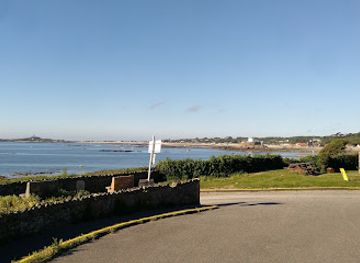
Discover the charm of Portelet Kiosk, a coastal café in Guernsey offering delicious treats and stunning views.
-
Grocery store
Forest Stores
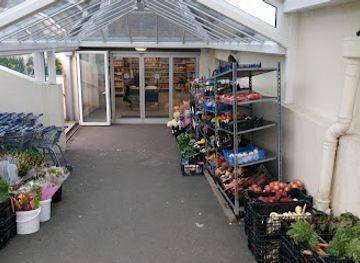
Explore Forest Stores in Guernsey for local produce and unique artisanal goods in a charming community atmosphere.
-
Convenience store
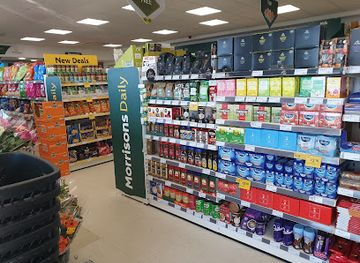
Morrisons Daily
Discover convenience at Morrisons Daily in St Saviour, Guernsey, your go-to spot for essentials and local treats.

Get your free copy of our complete guide to Portelet Bay, delivered straight to you.
Everything on this page, from attractions and restaurants to essentials and local phrases, in one PDF you can read offline, print or share.
Already have an account? Sign in
Your Portelet Bay guide is ready.
We'll send it to · Not you? Sign out

Getting your guide ready…
We are putting together a fresh copy of the Portelet Bay guide. This can take up to a minute.
This can take a few moments. If your browser asks, choose Allow so the download can start. You'll find the guide in your Downloads folder.
Nothing happened? Download it again
Sorry, the guide is taking longer than usual. Please try again in a minute, or get it by email instead.
Portelet Bay essentials
Currency and Payment
Safety
Emergency Situations
Do's and Don'ts
Local Tips
From Eve
Local phrases worth knowing
You don't need to get them perfect. A few words go a long way, and locals appreciate the effort.
Basics
| English | Local | Say it |
|---|---|---|
| Hello | Bonjour | [bon-zhoor] |
| Goodbye | Au revoir | [oh re-vwah] |
| Yes | Oui | [wee] |
| No | Non | [nohn] |
| Please/You're welcome | S'il vous plaît | [seel voo pleh] |
| Thank you | Merci | [mehr-see] |
| Excuse me/Sorry | Excusez-moi | [ex-kew-zay mwa] |
| How are you? | Comment ça va? | [koh-mohn sah vah] |
| Fine. And you? | Bien. Et toi? | [byen. ey twah] |
| Do you speak English? | Parlez-vous anglais? | [par-lay voo ahn-glay] |
| I don't understand | Je ne comprends pas | [zhuh nuh kohm-prahn pah] |
Eating & Drinking
| English | Local | Say it |
|---|---|---|
| I'd like to see the menu, please | Je voudrais voir le menu, s'il vous plaît | [zhuh voo-dray vwahr luh meh-nyoo, seel voo pleh] |
| I don't eat meat | Je ne mange pas de viande | [zhuh nuh mahnj pah duh vyand] |
| Cheers! | Santé! | [san-tay] |
| I would like to pay, please | Je voudrais payer, s'il vous plaît | [zhuh voo-dray pay-ay, seel voo pleh] |
Emergencies
| English | Local | Say it |
|---|---|---|
| Help! | À l'aide! | [ah leyd] |
| Go away! | Allez-vous en! | [ah-lay vooz ahn] |
| Call the Police! | Appelez la police! | [ah-peh-lay lah poh-leez] |
| Call a doctor! | Appelez un médecin! | [ah-peh-lay uh meh-duh-sahn] |
| I'm lost | Je suis perdu | [zhuh swee pair-doo] |
| I'm ill | Je suis malade | [zhuh swee mah-lahd] |
Shopping
| English | Local | Say it |
|---|---|---|
| I'd like to buy... | Je voudrais acheter... | [zhuh voo-dray ah-shet-ay] |
| I'm just looking | Je regarde juste | [zhuh ruh-gahrd zhewst] |
| How much is it? | Combien ça coûte? | [kohm-byen sah koot] |
| That's too expensive | C'est trop cher | [say tro shair] |
| Can you lower the price? | Pouvez-vous baisser le prix? | [poo-veh voo bay-say luh pree] |
Time & Numbers
| English | Local | Say it |
|---|---|---|
| What time is it? | Quelle heure est-il? | [kell er ay-teel] |
| It's one o'clock | Il est une heure | [eel ay tun er] |
| Half past (10) | Dix heures et demi | [dees er ay dem-ee] |
| Morning | Matin | [ma-tan] |
| Afternoon | Après-midi | [ah-prey mee-dee] |
| Evening | Soir | [swahr] |
| Yesterday | Hier | [yair] |
| Today | Aujourd'hui | [oh-zhoor dwee] |
| Tomorrow | Demain | [duh-man] |
| 1 | Un | [uh] |
| 2 | Deux | [duh] |
| 3 | Trois | [trwah] |
| 4 | Quatre | [kat] |
| 5 | Cinq | [sank] |
| 6 | Six | [sees] |
| 7 | Sept | [sett] |
| 8 | Huit | [weet] |
| 9 | Neuf | [nuff] |
| 10 | Dix | [dees] |
Transport & Directions
| English | Local | Say it |
|---|---|---|
| Where's a/the...? | Où est... | [oo ay] |
| What's the address? | Quelle est l'adresse? | [kell ay lah-dress] |
| Can you show me (on the map)? | Pouvez-vous me montrer (sur la carte)? | [poo-veh voo muh mohn-tray (surr lah kart)] |
| When's the next (bus)? | Quand est le prochain (bus)? | [kahn ay luh proh-shahn (bus)] |
| A ticket (to ....) | Un billet (pour ...) | [uhn bee-yay (poor)] |
History of Portelet Bay
Early Settlements and Maritime Beginnings
Portelet Bay, nestled on the west coast of Guernsey, boasts a rich history dating back to ancient times. Archaeological evidence suggests that early settlers inhabited the area, drawn by its natural resources and strategic maritime location. The bay served as a crucial point for fishing and trade, with early inhabitants building simple structures along its shores. The picturesque landscape provided both sustenance and protection, fostering a small but thriving community.
Medieval Maritime Trade and Defense
During the medieval period, Portelet Bay became a significant hub for maritime trade. The bay's natural harbor offered safe anchorage for merchant vessels, facilitating commerce between Guernsey and mainland Europe. The period also saw the construction of defensive structures, including watchtowers and rudimentary fortifications, to protect against pirate raids and potential invasions. These developments bolstered the bay's importance as both a commercial and defensive asset.
The Napoleonic Era and Fortifications
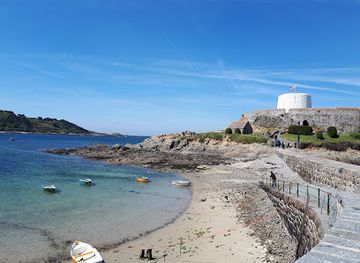
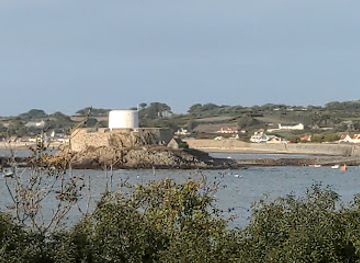
The threat of Napoleonic invasions in the late 18th and early 19th centuries prompted significant military fortifications around Portelet Bay. Fort Grey, famously known as the 'Cup and Saucer,' was constructed on a tidal islet just off the bay. This Martello tower served as a formidable defensive structure, equipped with heavy artillery to ward off French incursions. The fort remains a prominent historical landmark, offering visitors insights into the bay's strategic military significance during the Napoleonic Wars.
World War II Occupation
Portelet Bay, like the rest of Guernsey, experienced the harsh realities of World War II during the German occupation from 1940 to 1945. The bay's strategic position saw it fortified with bunkers, gun emplacements, and other defensive structures as part of the Atlantic Wall. The remnants of these fortifications stand as a somber reminder of the island's wartime struggles and resilience. Today, these historical sites are preserved, allowing visitors to explore and reflect on this tumultuous period.
Post-War Regeneration and Tourism
Following the liberation of Guernsey in 1945, Portelet Bay underwent a period of regeneration. The local community worked to rebuild and restore the bay area, transforming it into a tranquil and picturesque destination. The natural beauty of the bay, combined with its rich historical tapestry, began to attract tourists from around the world. Today, Portelet Bay is celebrated not only for its stunning scenery but also for the layers of history that have shaped its identity.
Portelet Bay in Photos
Browse through our photo collection highlighting the charm and character of the destination.
Cities in Portelet Bay
The towns and cities of Portelet Bay, and the easiest places to base yourself.
-
 St. Peter Port
Discover the historic charm and vibrant culture of St. Peter Port, Guernsey's picturesque capital, known for its stunning harbor, rich history, and delightful local cuisine.
St. Peter Port
Discover the historic charm and vibrant culture of St. Peter Port, Guernsey's picturesque capital, known for its stunning harbor, rich history, and delightful local cuisine.
-
 St. Martin
Discover the timeless charm of St. Martin in Guernsey, where history, nature, and local culture come together to create an unforgettable travel experience.
St. Martin
Discover the timeless charm of St. Martin in Guernsey, where history, nature, and local culture come together to create an unforgettable travel experience.
-
 Castel
Discover the serene beauty and rich history of Castel in Guernsey, a coastal gem offering stunning beaches, historical sites, and delightful local cuisine.
Castel
Discover the serene beauty and rich history of Castel in Guernsey, a coastal gem offering stunning beaches, historical sites, and delightful local cuisine.
-
 St. Andrew
Discover the serene landscapes, historical landmarks, and local culinary delights of St. Andrew, the heart of Guernsey's charm.
St. Andrew
Discover the serene landscapes, historical landmarks, and local culinary delights of St. Andrew, the heart of Guernsey's charm.
-
 Forest
Discover the serene beauty of Guernsey's forests, a tranquil haven for nature enthusiasts, hikers, and wildlife lovers in the heart of the Channel Islands.
Forest
Discover the serene beauty of Guernsey's forests, a tranquil haven for nature enthusiasts, hikers, and wildlife lovers in the heart of the Channel Islands.
-
 St. Anne
Discover the serene charm and rich history of St. Anne in Guernsey, where picturesque landscapes meet vibrant culture in a tranquil island setting.
St. Anne
Discover the serene charm and rich history of St. Anne in Guernsey, where picturesque landscapes meet vibrant culture in a tranquil island setting.
Swipe for more cities
Neighbouring destination travel guides
The closest destinations to Portelet Bay, if you have time for more than one.
-
 Petit Bot Bay
Discover Petit Bot Bay in Guernsey: A serene escape with sandy shores, clear waters, and historical intrigue, perfect for families and nature enthusiasts.
Petit Bot Bay
Discover Petit Bot Bay in Guernsey: A serene escape with sandy shores, clear waters, and historical intrigue, perfect for families and nature enthusiasts.
-
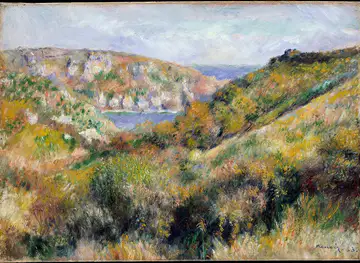 Moulin Huet Bay
Discover Moulin Huet Bay in Guernsey – a serene retreat with stunning scenery, historical charm, and plenty of outdoor activities to enjoy.
Moulin Huet Bay
Discover Moulin Huet Bay in Guernsey – a serene retreat with stunning scenery, historical charm, and plenty of outdoor activities to enjoy.
-
 Jerbourg Point
Discover the breathtaking views, rich history, and natural beauty of Jerbourg Point in Guernsey, a must-visit spot for nature lovers and history enthusiasts alike.
Jerbourg Point
Discover the breathtaking views, rich history, and natural beauty of Jerbourg Point in Guernsey, a must-visit spot for nature lovers and history enthusiasts alike.
-
 Fermain Bay
Discover Fermain Bay in Guernsey: A tranquil coastal escape featuring crystal-clear waters, scenic walking trails, and a charming beach café, perfect for relaxation and adventure.
Fermain Bay
Discover Fermain Bay in Guernsey: A tranquil coastal escape featuring crystal-clear waters, scenic walking trails, and a charming beach café, perfect for relaxation and adventure.
-
 Les Tielles
Discover the tranquil beauty and rich history of Les Tielles, Guernsey's hidden coastal gem, perfect for hiking, rock pooling, and bird watching.
Les Tielles
Discover the tranquil beauty and rich history of Les Tielles, Guernsey's hidden coastal gem, perfect for hiking, rock pooling, and bird watching.
Swipe for more destinations

