

Barima-Waini, Guyana Travel Guide
Explore Barima-Waini in Guyana, where untouched rainforests, vibrant indigenous cultures, and rich wildlife create an unforgettable adventure for nature lovers and history enthusiasts.
Barima-Waini, located in the northwestern part of Guyana, is a hidden gem offering unparalleled natural beauty and rich cultural experiences. This remote region is named after its two main rivers, the Barima and the Waini, which snake through lush rainforests and create an ecosystem teeming with wildlife. The area is a haven for adventurers and nature lovers who seek to explore pristine landscapes untouched by modern development. Barima-Waini is home to several indigenous communities, each with its own unique traditions and way of life. Visitors have the opportunity to engage with these communities, learning about their customs, crafts, and sustainable living practices. The region is also known for its diverse flora and fauna, including rare bird species, exotic plants, and elusive mammals. Whether you are trekking through dense jungles, bird-watching, or participating in a traditional dance, Barima-Waini offers an authentic and immersive experience. The region's waterways are perfect for boating and fishing, offering serene views and abundant catches. For those interested in history, Barima-Waini has several archaeological sites that shed light on the ancient civilizations that once thrived here. The combination of natural beauty, cultural richness, and historical significance makes Barima-Waini a must-visit destination for those looking to explore Guyana's lesser-known treasures.

Know before you go
Hi, I'm Eve. Here are a few practical things to know before exploring Barima-Waini.
- Pack lightweight, moisture-wicking clothing to stay comfortable in the humid climate.
- Bring insect repellent to protect against mosquitoes and other insects.
- Hire a local guide to enhance your experience and ensure safe navigation through the wilderness.
- Respect local customs and traditions when visiting indigenous communities.
- Carry cash, as ATMs and card payment facilities are limited in remote areas.
Top City Travel Guides in Barima-Waini
The cities of Barima-Waini, and the easiest places to base yourself.

Destinations in Barima-Waini
Resorts, valleys and scenic spots worth a trip of their own.

Explore Barima-Waini: Things to Do, Places to Eat, Hotels & More
Handpicked recommendations for top attractions, local dining, accommodations, and more

Top Attractions & Sightseeing in Barima-Waini
Top-rated picks
Best Attractions

Punta Guainí
Explore the unspoiled beauty and rich biodiversity of Punta Guainí, a hidden gem in Morawhanna, Guyana, perfect for nature lovers and adventure seekers alike.

Mabaruma Stone Monument
Explore the historic Mabaruma Stone Monument, an emblem of Guyana’s cultural heritage set in the stunning landscapes of Mabaruma.

Yarakita Tiger Hill
Discover Yarakita Tiger Hill, a stunning tourist attraction in Wauna-Yarikita, renowned for its breathtaking views and rich biodiversity.


Best restaurants in Barima-Waini
Top-rated picks
Best Restaurants

Keisser Burgers
Experience the delicious taste of fresh burgers at Keisser Burgers in Port Kaituma – where every bite is packed with flavor!

Golden Rincon Restaurant & Bakery
Experience authentic Guyanese cuisine at Golden Rincon Restaurant & Bakery in Kumaka - where every meal is a celebration of flavor.

Station View Restaurant
Discover authentic fast food at Station View Restaurant in Port Kaituma – where local flavors meet friendly service.

Best bars in Barima-Waini
Top-rated picks
Best Bars

Guinness Bar
Discover the vibrant atmosphere and authentic local flavors at the Guinness Bar in Georgetown, a must-visit for all travelers.

Seeta's Bar
Discover the lively spirit of Georgetown at Seeta's Bar, where cold drinks and great music create unforgettable experiences.

PlayBoys Restaurant &Bar
Discover the vibrant flavors of Success at PlayBoys Restaurant & Bar, where grilled delights meet a lively atmosphere for an unforgettable dining experience.

Buju's Pool Bar
Experience the vibrant atmosphere and savor the flavors at Buju's Pool Bar, a lively grill restaurant in Anna Regina renowned for its relaxing poolside setting.


Best shops in Barima-Waini
Top-rated picks
Best Shops

Giftland Mall
Discover a world of shopping, dining, and entertainment at Giftland Mall, Georgetown's top destination for tourists.

Amazonia Mall
Discover a vibrant shopping experience at Amazonia Mall in Georgetown, where retail therapy meets delightful dining and family-friendly entertainment.
Styles Guyana
Discover unique fashion at Styles Guyana, where local style meets exceptional service in the heart of Parika.

Platinum General Store
Explore local craftsmanship and essential hardware supplies at Platinum General Store, your go-to destination in Port Kaituma.

Explore Barima-Waini on the Map
A handpicked selection of must-see spots in Barima-Waini, mapped for you.
Barima-Waini Essentials
-
Barima-Waini is located in the northwestern region of Guyana. The most common way to reach Barima-Waini is by air. Flights are available from Georgetown, the capital city of Guyana, to Mabaruma Airport, which is one of the main entry points into the region. From Mabaruma, you can charter a boat or a smaller plane to reach more remote areas. Alternatively, you can also take a boat from Georgetown, which is a longer but scenic journey along the coast and rivers.
-
Transportation within Barima-Waini primarily consists of boats, as the region is crisscrossed by numerous rivers. Small planes and helicopters are also used for reaching remote areas. In Mabaruma and other populated areas, you can find local taxis and minibuses for short distances. Renting a boat or arranging for guided tours is advisable for exploring more isolated locations. Always ensure your transportation is arranged through reputable sources.
-
The official currency in Guyana is the Guyanese Dollar (GYD). It is recommended to carry cash, as credit cards are not widely accepted in remote areas of Barima-Waini. ATMs are scarce, so it is best to withdraw sufficient cash while in Georgetown. Keep smaller denominations handy for convenience, especially when dealing with local vendors and smaller establishments.
-
Barima-Waini is generally a safe destination, but it is essential to exercise standard precautions. Avoid traveling alone at night in unfamiliar areas and always keep an eye on your belongings. Petty crime can occur, especially in crowded places. Some remote areas may have higher crime rates, so it is advised to stay informed and consult with local guides or authorities. Always keep your travel documents and valuables secure.
-
In case of emergency, dial 911 for immediate assistance. It is crucial to have travel insurance that covers medical emergencies. The main medical facilities are located in Mabaruma, but they may not be equipped for severe cases, so evacuation to Georgetown might be necessary. For minor health issues, local pharmacies can provide over-the-counter medications. Always carry a basic first aid kit and any personal medications you may need.
-
Fashion: Do dress modestly, especially in traditional villages. Avoid wearing revealing or flashy clothing. Religion: Do respect local customs and traditions. Remove your hat and shoes when entering religious sites. Public Transport: Do be respectful and courteous to fellow passengers. Avoid loud conversations and maintain cleanliness. Greetings: Do greet people with a friendly handshake or a nod. Being polite and respectful goes a long way. Eating & Drinking: Do try local dishes and accept food offerings graciously. Don't waste food, as it is considered disrespectful. Always ask for permission before taking photos, especially of people.
-
To experience Barima-Waini like a local, visit the local markets and interact with the indigenous communities. Participate in traditional activities and ceremonies if invited. Try local delicacies such as cassava bread and fresh fish. Engage with local guides who can offer insights into the region's rich culture and history. Don't miss the chance to explore the natural beauty of the area, including the rivers, forests, and wildlife. Respect the environment and the local way of life to ensure a positive experience for both yourself and the residents.
When is the best time to visit Barima-Waini?
Useful Local Phrases for Barima-Waini
You don't need to speak the language perfectly. Even learning a few simple words can make conversations warmer—and locals usually appreciate the effort.
— Eve

Here are the phrases I use most often in Barima-Waini. Try a few—you'll be surprised how far they go! 😊
❤️
-
- HelloWah Gwaan
[Wah Gwaan] - GoodbyeLata
[Lata] - YesYea
[Yea] - NoNo
[No] - Please/You’re welcomeNo problem
[No problem] - Thank youTank yuh
[Tank yuh] - Excuse me/SorryScuse me/Sorry
[Scuse me/Sorry] - How are you?Wah yuh deh?
[Wah yuh deh?] - Fine. And you?I deh good. An yuh?
[I deh good. An yuh?] - Do you speak English?Yuh speak English?
[Yuh speak English?] - I don't understandAh nuh undastand
[Ah nuh undastand]
- HelloWah Gwaan
-
- I’d like to see the menu, pleaseAh want see di menu, please
[Ah want see di menu, please] - I don’t eat meatAh nah eat meat
[Ah nah eat meat] - Cheers!Cheers!
[Cheers!] - I would like to pay, pleaseAh wan pay, please
[Ah wan pay, please]
- I’d like to see the menu, pleaseAh want see di menu, please
-
- Help!Help!
[Help!] - Go away!Go way!
[Go way!] - Call the Police!Call di Police!
[Call di Police!] - Call a doctor!Call a doctor!
[Call a doctor!] - I’m lostAh lost
[Ah lost] - I’m illAh sick
[Ah sick]
- Help!Help!
-
- I’d like to buy...Ah wan buy...
[Ah wan buy...] - I’m just lookingAh just a look
[Ah just a look] - How much is it?Wah price dis?
[Wah price dis?] - That’s too expensiveDat too expensive
[Dat too expensive] - Can you lower the price?Yuh can lower di price?
[Yuh can lower di price?]
- I’d like to buy...Ah wan buy...
-
- What time is it?Wah time it?
[Wah time it?] - It’s one o’clockIt one o'clock
[It one o'clock] - Half past (10)Half past ten
[Half past ten] - MorningMornin'
[Mornin'] - AfternoonAfternoon
[Afternoon] - EveningEvenin'
[Evenin'] - YesterdayYesterday
[Yesterday] - TodayToday
[Today] - TomorrowTomorrow
[Tomorrow] - 1One
[One] - 2Two
[Two] - 3Three
[Three] - 4Four
[Four] - 5Five
[Five] - 6Six
[Six] - 7Seven
[Seven] - 8Eight
[Eight] - 9Nine
[Nine] - 10Ten
[Ten]
- What time is it?Wah time it?
-
- Where's a/the...?Wheh de...?
[Wheh de...?] - What's the address?Wah di address?
[Wah di address?] - Can you show me (on the map)?Yuh can show me (pon di map)?
[Yuh can show me (pon di map)?] - When's the next (bus)?Wen di next (bus)?
[Wen di next (bus)?] - A ticket (to ....)A ticket (to....)
[A ticket (to....)]
- Where's a/the...?Wheh de...?
History of Barima-Waini
-
Barima-Waini is home to several Indigenous groups, including the Arawak, Carib, and Warao peoples. These communities have lived in the region for centuries, developing unique cultures, languages, and traditions. Their way of life is closely linked to the land and waterways, with fishing, hunting, and farming being central to their subsistence. Many Indigenous cultural practices and festivals, such as the annual Arawak 'Payako' celebration, continue to be observed, offering a glimpse into the rich heritage of the region.
-
The arrival of European explorers in the 16th century marked a significant turning point for Barima-Waini. Spanish, Dutch, and British colonizers explored the area in search of gold and other resources. The Dutch established trading posts and forts along the rivers, including the Barima and Waini rivers, to facilitate trade and exert control over the region. The British eventually took control in the 19th century, integrating Barima-Waini into British Guiana.
-
The region of Barima-Waini has been at the center of a long-standing territorial dispute between Guyana and Venezuela. Known as the 'Essequibo Dispute,' this conflict dates back to colonial times when the boundaries between Spanish and British territories were loosely defined. Despite the 1899 arbitration ruling in favor of British Guiana, Venezuela continues to lay claim to parts of Barima-Waini, making it a significant and contentious area in Guyanese history.
-
In the 20th century, Barima-Waini saw significant economic development, particularly in the logging industry. The region's vast forests became a source of valuable timber, attracting both local and international logging companies. This industry brought economic opportunities but also raised environmental concerns and impacted Indigenous communities whose livelihoods were closely tied to the forest ecosystem.
-
Barima-Waini experienced a gold rush during the late 19th and early 20th centuries. Prospectors flocked to the region, leading to the establishment of mining camps and small settlements. This influx of people and activities contributed to the local economy but also brought challenges, including environmental degradation and conflicts with Indigenous communities over land rights and resource use.
-
Barima-Waini is known for its vibrant cultural festivals, reflecting the diverse heritage of its inhabitants. Events such as the Indigenous Heritage Month celebrations in September highlight traditional music, dance, crafts, and cuisine. These festivals provide an opportunity for both locals and visitors to immerse themselves in the cultural richness of the region and gain a deeper understanding of its historical significance.
-
In recent years, there has been a growing focus on conservation in Barima-Waini. Efforts to protect the region's unique ecosystems, such as the Shell Beach Protected Area, have been initiated to preserve its biodiversity. This area is a critical nesting site for four species of sea turtles and is also home to diverse wildlife, including jaguars, giant river otters, and numerous bird species. Conservation initiatives often involve collaboration with Indigenous communities, recognizing their role as stewards of the land.
Neighbouring Regions of Barima-Waini
The closest regions to Barima-Waini, if you have time for more than one.


Your all‑in‑one travel companion app
Explore expert travel guides, compare and book tours, experiences, hotels, and more—all from the palm of your hand. Download now for seamless trip planning wherever your wanderlust takes you.


Explore More of Guyana

Looking beyond Barima-Waini? Discover Guyana for broader travel guides, local hot-spots, and regional highlights.
Explore GuyanaBarima-Waini in Photos
Browse through our photo collection highlighting the charm and character of the destination.


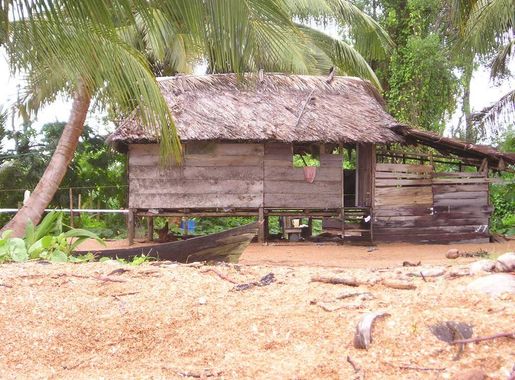


The Untamed Beauty of Barima-Waini
Barima-Waini, located in the northwestern part of Guyana, is a hidden gem offering unparalleled natural beauty and rich cultural experiences. This remote region is named after its two main rivers, the Barima and the Waini, which snake through lush rainforests and create an ecosystem teeming with wildlife. The area is a haven for adventurers and nature lovers who seek to explore pristine landscapes untouched by modern development. Barima-Waini is home to several indigenous communities, each with its own unique traditions and way of life. Visitors have the opportunity to engage with these communities, learning about their customs, crafts, and sustainable living practices. The region is also known for its diverse flora and fauna, including rare bird species, exotic plants, and elusive mammals. Whether you are trekking through dense jungles, bird-watching, or participating in a traditional dance, Barima-Waini offers an authentic and immersive experience. The region's waterways are perfect for boating and fishing, offering serene views and abundant catches. For those interested in history, Barima-Waini has several archaeological sites that shed light on the ancient civilizations that once thrived here. The combination of natural beauty, cultural richness, and historical significance makes Barima-Waini a must-visit destination for those looking to explore Guyana's lesser-known treasures.