

Kanuku Mountains, Guyana Travel Guide
Discover the Kanuku Mountains: Guyana’s pristine wilderness teeming with wildlife, lush forests, and rich cultural heritage, offering a sanctuary for nature lovers and adventurers.
Nestled in the heart of Guyana, the Kanuku Mountains stand as a majestic testament to nature's beauty and diversity. These mountains, divided into the Eastern and Western ranges, are a haven for an incredible variety of wildlife, making them a dream destination for nature enthusiasts and eco-tourists alike. The name 'Kanuku' means 'forest' in the local Wapishana language, and it's easy to see why once you explore this lush paradise. The Kanuku Mountains are home to over 70% of Guyana’s bird species, making it a bird-watcher’s paradise. You can spot the Harpy Eagle soaring above or catch a glimpse of the colorful Cock-of-the-rock. The mountains also shelter a rich array of mammals, including jaguars, giant anteaters, and the elusive giant river otter. For plant lovers, the biodiversity is just as impressive, with countless species of flora creating a vibrant tapestry of colors and textures. Exploring the Kanuku Mountains offers a unique blend of adventure and tranquility. The region is crisscrossed with rivers and waterfalls, perfect for kayaking or a refreshing dip. Trails meander through the forest, offering opportunities for hiking and immersing yourself in the serene beauty of the landscape. Local indigenous communities, such as the Wapishana and the Macushi, offer culturally enriching experiences, sharing their traditions and knowledge of the land. Whether you are an avid trekker, a wildlife enthusiast, or simply someone looking to disconnect and rejuvenate in nature, the Kanuku Mountains provide an unforgettable experience. The blend of pristine wilderness and rich cultural heritage makes it a must-visit destination in Guyana.

Know before you go
Hi, I'm Eve. Here are a few practical things to know before exploring Kanuku Mountains.
- Visit during the dry season (September to April) for easier hiking and wildlife spotting.
- Hire a local guide to enhance your experience and learn about the rich biodiversity and culture.
- Bring insect repellent and long-sleeved clothing to protect against mosquitoes and other insects.
- Stay in eco-lodges or community guesthouses to support local communities and enjoy authentic experiences.
- Carry sufficient cash as ATMs are scarce and many places do not accept credit cards.
Top City Travel Guides in Kanuku Mountains
The cities of Kanuku Mountains, and the easiest places to base yourself.

Explore Kanuku Mountains: Things to Do, Places to Eat, Hotels & More
Handpicked recommendations for top attractions, local dining, accommodations, and more

Top Attractions & Sightseeing in Kanuku Mountains
Top-rated picks
Best Attractions

Stabroek Market
Experience the heart of Georgetown at Stabroek Market, where vibrant culture, local goods, and authentic flavors come together in a bustling atmosphere.

Guyana Zoo
Discover the rich wildlife of Guyana at Guyana Zoo, where education meets conservation in a beautiful natural setting.

Kaieteur National Park
Discover the breathtaking beauty of Kaieteur National Park in Guyana, home to stunning waterfalls and diverse wildlife in a pristine rainforest setting.

D'Urban Park
Experience the tranquility and natural beauty of D'Urban Park in Georgetown, a perfect spot for relaxation, picnics, and outdoor activities.

Best landmarks in Kanuku Mountains
Top-rated picks
Best Landmarks

Stabroek Market
Discover the vibrant Stabroek Market in Georgetown, where local culture, delicious food, and unique crafts await every traveler.
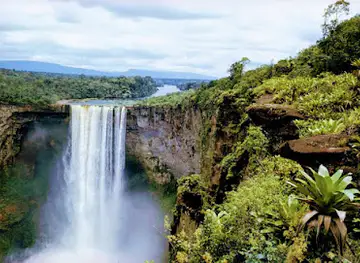
Kaieteur Falls - Guyana
Discover the breathtaking beauty of Kaieteur Falls, a majestic natural wonder in the heart of Guyana's rainforest, where adventure meets tranquility.

National Park
Discover the natural beauty and wildlife of Georgetown's National Park, a perfect retreat for nature enthusiasts and adventure seekers alike.

Promenade Gardens Guyana
Explore the lush landscapes and serene atmosphere of Promenade Gardens, a tranquil escape in Georgetown, Guyana's bustling heart.

Best restaurants in Kanuku Mountains
Top-rated picks
Best Restaurants

Grand Coastal Hotel
Discover luxurious comfort at Grand Coastal Hotel – your gateway to East Coast adventures with fine dining and vibrant nightlife.

Hard Rock Cafe Guyana
Discover the vibrant atmosphere and delicious American cuisine at Hard Rock Cafe Guyana in Movie Towne.

Aagman Indian Restaurant
Experience the vibrant flavors of India at Aagman Indian Restaurant in Georgetown - a must-visit for every food lover.

Maharaja Palace Restaurant
Discover authentic Indian cuisine blended with Asian flavors at Maharaja Palace Restaurant in Georgetown.

Best bars in Kanuku Mountains
Top-rated picks
Best Bars

Hard Rock Cafe Guyana
Discover the vibrant fusion of American cuisine and rock culture at Hard Rock Cafe Guyana, where every meal is a musical experience.

German's
Savor authentic Guyanese cuisine at German's Restaurant in Georgetown, a culinary gem offering delicious local flavors in a warm atmosphere.

Tribe Gastronomic Lounge
Discover the vibrant flavors of Georgetown at Tribe Gastronomic Lounge, where local cuisine meets international flair in a lively atmosphere.

Jagdesh Duck Curry Bar
Discover the unique taste of duck curry and vibrant Caribbean flavors at Jagdesh Duck Curry Bar in Anna Regina, Guyana.

Best nightclubs in Kanuku Mountains
Top-rated picks
Best Nightclubs

Ramada Georgetown Princess Hotel
Discover comfort and tranquility at Ramada Georgetown Princess Hotel, your perfect base for exploring the rich culture of Guyana.

Tropical Reflections
Discover the flavors of Linden at Tropical Reflections, where local cuisine meets a tropical paradise in a serene dining setting.

Kanuku Suites Hotel & Apartments
Discover comfort and convenience at Kanuku Suites Hotel & Apartments, your home away from home in Georgetown, Guyana.

Park Square Funcity
Discover family fun and relaxation at Park Square Funcity in Mahaicony, a vibrant recreation center for all ages.

Best shops in Kanuku Mountains
Top-rated picks
Best Shops

Stabroek Market
Discover the vibrant colors and flavors of Stabroek Market, a must-visit destination in Georgetown, Guyana's bustling cultural heart.

Giftland Mall
Discover a vibrant shopping experience at Giftland Mall in Georgetown, where unique finds and local flavors await every visitor.

Amazonia Mall
Discover shopping, dining, and entertainment at Amazonia Mall, Georgetown's ultimate retail experience.

Mon Repos Market
Experience the flavors of North Mon Repos at Mon Repos Market, a vibrant supermarket showcasing local produce and culinary delights.

Explore Kanuku Mountains on the Map
A handpicked selection of must-see spots in Kanuku Mountains, mapped for you.
Kanuku Mountains Essentials
-
The Kanuku Mountains are located in the Rupununi region of southwestern Guyana. The nearest major town is Lethem, which has an airport that receives domestic flights from Georgetown, the capital of Guyana. From Georgetown, you can fly to Lethem via domestic airlines such as Trans Guyana Airways or Air Services Limited. The flight takes approximately 1.5 hours. Alternatively, you can travel by road from Georgetown to Lethem, though this journey can take up to 12 hours due to the condition of the roads.
-
Once in Lethem, you can hire a 4x4 vehicle or arrange for local transportation to take you into the Kanuku Mountains. It is advisable to hire a knowledgeable local guide who can navigate the terrain and enhance your experience with insights about the area. Local minibusses and taxis are also available in Lethem for short trips.
-
The official currency in Guyana is the Guyanese Dollar (GYD). Credit cards are accepted in some hotels and larger establishments in Lethem, but it is advisable to carry cash, especially when venturing into rural areas like the Kanuku Mountains. ATMs are available in Lethem, but they might not be reliable, so it's best to withdraw sufficient cash before your journey.
-
The Kanuku Mountains and the surrounding Rupununi region are generally safe for tourists. However, standard precautions should be taken, such as avoiding isolated areas at night and keeping an eye on personal belongings. Lethem is relatively safe, but it is always wise to stay vigilant. Petty crimes like pickpocketing can occur, so be cautious in crowded places.
-
In case of emergency, you can contact the local police in Lethem by dialing 911. Medical facilities in Lethem are limited, so for serious medical emergencies, you may need to be evacuated to Georgetown. It is highly recommended to have comprehensive travel insurance that covers medical emergencies and evacuation. Always carry a basic first-aid kit when exploring the Kanuku Mountains.
-
Fashion: Do wear lightweight, breathable clothing and sturdy hiking boots. Avoid wearing flashy jewelry or expensive items. Religion: Do respect local customs and traditions. If visiting indigenous communities, ask for permission before taking photographs. Public Transport: Do be polite and patient when using local transport. Don't expect strict adherence to schedules. Greetings: Do greet people with a friendly 'Good morning' or 'Good afternoon.' A handshake is common. Eating & Drinking: Do try the local cuisine and accept food offerings graciously. Don't waste food, as it is considered disrespectful.
-
To experience the Kanuku Mountains like a local, consider visiting during the Rupununi Rodeo, an annual event held in Lethem that showcases local culture and traditions. Engage with the indigenous communities, such as the Wapishana and Macushi, who can offer unique insights into their way of life. Don't miss the opportunity to explore the diverse flora and fauna of the region, and always respect the natural environment by following 'Leave No Trace' principles.
When is the best time to visit Kanuku Mountains?
Useful Local Phrases for Kanuku Mountains
You don't need to speak the language perfectly. Even learning a few simple words can make conversations warmer—and locals usually appreciate the effort.
— Eve

Here are the phrases I use most often in Kanuku Mountains. Try a few—you'll be surprised how far they go! 😊
❤️
-
- HelloWah Gwaan
[Wah Gwaan] - GoodbyeLaters
[Leh-tahs] - YesYea
[Yea] - NoNo
[No] - Please/You're welcomeAhn
[Ahn] - Thank youTenk yuh
[Tenk yuh] - Excuse me/SorrySowee
[Sowee] - How are you?Ow yuh doin?
[Ow yuh doin?] - Fine. And you?Fine. Ahn yuh?
[Fine. Ahn yuh?] - Do you speak English?Yuh speak English?
[Yuh speak English?] - I don't understandMi nuh undastand
[Mi nuh undastand]
- HelloWah Gwaan
-
- I'd like to see the menu, pleaseMi wan si di menu, please
[Mi wan si di menu, please] - I don't eat meatMi nuh eat meat
[Mi nuh eat meat] - Cheers!Cheers!
[Cheers!] - I would like to pay, pleaseMi wan pay, please
[Mi wan pay, please]
- I'd like to see the menu, pleaseMi wan si di menu, please
-
- Help!Help!
[Help!] - Go away!Guh way!
[Guh way!] - Call the Police!Call di Police!
[Call di Police!] - Call a doctor!Call a doctor!
[Call a doctor!] - I'm lostMi lost
[Mi lost] - I'm illMi siick
[Mi siick]
- Help!Help!
-
- I'd like to buy...Mi wan buy...
[Mi wan buy...] - I'm just lookingMi jus a look
[Mi jus a look] - How much is it?Ow much dat cost?
[Ow much dat cost?] - That's too expensiveDat too expensive
[Dat too expensive] - Can you lower the price?Yuh can lower di price?
[Yuh can lower di price?]
- I'd like to buy...Mi wan buy...
-
- What time is it?Wah time it?
[Wah time it?] - It's one o'clockIt one o'clock
[It one o'clock] - Half past (10)Half past ten
[Half past ten] - MorningMornin
[Mornin] - AfternoonAfternoon
[Afternoon] - EveningEvenin
[Evenin] - YesterdayYesterday
[Yesterday] - TodayToday
[Today] - TomorrowTomorrow
[Tomorrow] - 1One
[One] - 2Two
[Two] - 3Three
[Three] - 4Four
[Four] - 5Five
[Five] - 6Six
[Six] - 7Seven
[Seven] - 8Eight
[Eight] - 9Nine
[Nine] - 10Ten
[Ten]
- What time is it?Wah time it?
-
- Where's a/the...?Wah deh...?
[Wah deh...?] - What's the address?Wah di address?
[Wah di address?] - Can you show me (on the map)?Yuh can show mi (pon di map)?
[Yuh can show mi (pon di map)?] - When's the next (bus)?Wen di next (bus)?
[Wen di next (bus)?] - A ticket (to ....)A ticket (to ....)
[A ticket (to ....)]
- Where's a/the...?Wah deh...?
History of Kanuku Mountains
-
The Kanuku Mountains have been home to indigenous peoples for thousands of years. The Wapishana and Macushi tribes, among others, have traditionally inhabited this region, relying on its rich biodiversity for sustenance and cultural practices. These communities have developed a deep understanding of the local ecosystem, which is evident in their traditional knowledge of medicinal plants and sustainable hunting techniques.
-
European explorers first documented the Kanuku Mountains in the 19th century. British and Dutch expeditions mapped the region, driven by the allure of its uncharted territories and potential resources. These early maps laid the groundwork for further scientific exploration and eventual conservation efforts.
-
The Kanuku Mountains are renowned for their incredible biodiversity, often referred to as the 'Mountains of Life'. The area is a haven for countless species, including jaguars, giant anteaters, and over 400 bird species. This rich biodiversity has made the region a focal point for biological research and conservation initiatives.
-
In the early 21st century, the Kanuku Mountains gained recognition for their ecological importance, leading to concerted conservation efforts. In 2011, the area was designated as a protected region within the Kanuku Mountains Protected Area (KMPA), ensuring the preservation of its unique landscapes and biodiversity. Organizations like the World Wildlife Fund (WWF) and the Guyana Forestry Commission have played crucial roles in these conservation efforts.
-
The cultural heritage of the indigenous peoples in the Kanuku Mountains is rich and vibrant. Traditional practices such as storytelling, craft making, and communal festivals are integral to the community's way of life. These cultural expressions not only preserve historical narratives but also foster a sense of identity and continuity among the indigenous populations.
-
In recent years, the Kanuku Mountains have become a sought-after destination for ecotourism. Visitors are drawn to the region's pristine natural beauty and the opportunity to engage with local cultures. Ecotourism initiatives are designed to be sustainable, offering employment opportunities to local communities while promoting environmental conservation and cultural preservation.
Neighbouring Regions of Kanuku Mountains
The closest regions to Kanuku Mountains, if you have time for more than one.




Your all‑in‑one travel companion app
Explore expert travel guides, compare and book tours, experiences, hotels, and more—all from the palm of your hand. Download now for seamless trip planning wherever your wanderlust takes you.


Explore More of Guyana

Looking beyond Kanuku Mountains? Discover Guyana for broader travel guides, local hot-spots, and regional highlights.
Explore GuyanaKanuku Mountains in Photos
Browse through our photo collection highlighting the charm and character of the destination.

The Enchanted Kanuku Mountains: Guyana's Hidden Gem
Nestled in the heart of Guyana, the Kanuku Mountains stand as a majestic testament to nature's beauty and diversity. These mountains, divided into the Eastern and Western ranges, are a haven for an incredible variety of wildlife, making them a dream destination for nature enthusiasts and eco-tourists alike. The name 'Kanuku' means 'forest' in the local Wapishana language, and it's easy to see why once you explore this lush paradise. The Kanuku Mountains are home to over 70% of Guyana’s bird species, making it a bird-watcher’s paradise. You can spot the Harpy Eagle soaring above or catch a glimpse of the colorful Cock-of-the-rock. The mountains also shelter a rich array of mammals, including jaguars, giant anteaters, and the elusive giant river otter. For plant lovers, the biodiversity is just as impressive, with countless species of flora creating a vibrant tapestry of colors and textures. Exploring the Kanuku Mountains offers a unique blend of adventure and tranquility. The region is crisscrossed with rivers and waterfalls, perfect for kayaking or a refreshing dip. Trails meander through the forest, offering opportunities for hiking and immersing yourself in the serene beauty of the landscape. Local indigenous communities, such as the Wapishana and the Macushi, offer culturally enriching experiences, sharing their traditions and knowledge of the land. Whether you are an avid trekker, a wildlife enthusiast, or simply someone looking to disconnect and rejuvenate in nature, the Kanuku Mountains provide an unforgettable experience. The blend of pristine wilderness and rich cultural heritage makes it a must-visit destination in Guyana.