

Free Petionville Travel Guide & Mobile App
Plan your Petionville trip with Evendo. Get free guides to top attractions, restaurants, hotels, and bars. Web access or download the mobile app.


Petionville, Haiti blends hillside views, Haitian art, restaurants, markets and nightlife with access to Port-au-Prince’s history, museums and culture.
Hills Above Port-au-Prince
Pétion-Ville occupies the cooler eastern hills above Port-au-Prince, with broad views towards the capital, the Bay of Port-au-Prince and the mountains beyond. Founded in the nineteenth century and named after Alexandre Pétion, one of Haiti’s independence leaders and later president, it has developed into a densely settled municipality known for its restaurants, galleries, hotels, offices and residential streets. Its elevation gives parts of the town a different atmosphere from the capital’s lower-lying districts, although the two urban areas are closely connected and traffic can make journeys slow.Read more about Petionville
Art, Markets and Everyday Life
When is the best time to visit Petionville?
Best: January–March · 28–29°C| Month | High (°C) | Rainfall (mm) |
|---|---|---|
| January (best) | 28 | 61 |
| February (best) | 28 | 58 |
| March (best) | 29 | 72 |
| April | 29 | 134 |
| May | 30 | 199 |
| June | 31 | 259 |
| July | 31 | 259 |
| August | 31 | 259 |
| September | 31 | 244 |
| October | 30 | 184 |
| November | 30 | 112 |
| December | 29 | 74 |
Getting to and around Petionville
How to get there
Transportation
Best attractions in Petionville
Pétion-Ville’s attractions are primarily urban and cultural rather than monumental. Place Saint-Pierre provides a useful starting point for observing daily life, with its church, surrounding businesses and busy movement through the centre. The town’s galleries and craft shops offer access to Haiti’s celebrated painting, sculpture, metalwork and decorative arts, while market streets reveal the practical rhythm of local trade. Visitors can also explore the restaurants, cafés and commercial avenues around the central district, where contemporary Haitian life is more visible than in a formal museum setting. The hillside position creates changing views towards Port-au-Prince and the bay, although viewpoints are often informal rather than purpose-built. For major historical collections and national institutions, the capital is nearby but separate: the Musée du Panthéon National Haïtien and the Musée d’Art Haïtien du Collège Saint-Pierre are in Port-au-Prince, not Pétion-Ville, and should be planned as metropolitan excursions with current local guidance.
-
Park
Champ de Mars
Explore the vibrant Champ de Mars park in Port-au-Prince, where local culture meets lush greenery, perfect for relaxation and exploration.
19 min drive · 6.2 km from city centre
-
Park
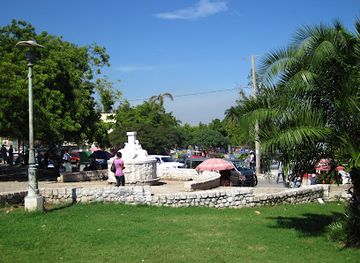
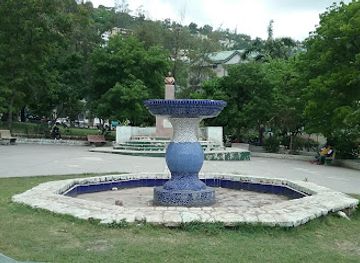
Place Saint-Pierre
Experience the tranquil beauty of Place Saint-Pierre in Port-au-Prince, a peaceful park that showcases the rich culture and vibrant life of Haiti.
5 min walk · 0.4 km from city centre
-
Heritage museum
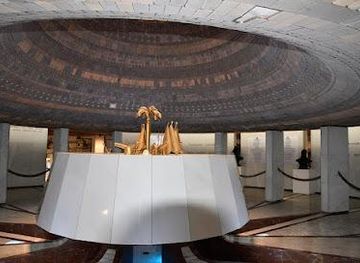
The National Pantheon Museum
Discover Haiti's cultural legacy at The National Pantheon Museum, where history comes alive through captivating exhibits and inspiring stories.
19 min drive · 6.4 km from city centre
-
Tourist attraction
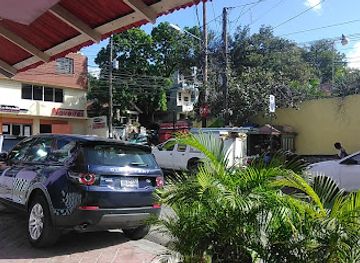
Caribe Tours
Experience the beauty and culture of Haiti with Caribe Tours, your gateway to unforgettable adventures in Petion-Ville.
7 min walk · 0.6 km from city centre

Best landmarks in Petionville
Pétion-Ville has fewer monumental landmarks than central Port-au-Prince, but several places help explain its civic and cultural identity. Place Saint-Pierre is the town’s best-known public space and a reference point for local movement, commerce and community life, while the church associated with the square gives the centre a visible religious focus. The municipality’s name itself is a historical landmark in civic form, commemorating Alexandre Pétion, a revolutionary leader and president of Haiti. Galleries and cultural buildings are also significant because they preserve and display the country’s visual traditions, from painting to metal sculpture. The surrounding hills form a geographical landmark, defining the town’s cooler elevation and views over the metropolitan area. Visitors should distinguish these Pétion-Ville landmarks from Port-au-Prince’s national monuments and museums, which lie downhill and belong to the wider capital rather than to the municipality itself.
-
Park
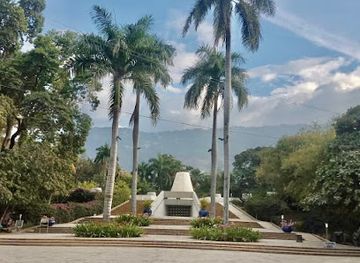
Champ de Mars
Explore Champ de Mars, a lush park in Port-au-Prince, featuring historical monuments and scenic views, perfect for relaxation and cultural immersion.
19 min drive · 6.2 km from city centre
-
Hotel
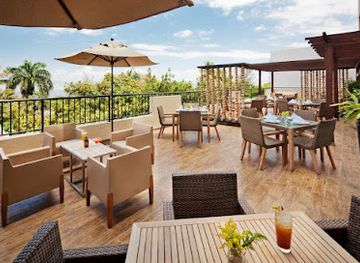
Best Western Premier Petion-Ville
Experience luxury and comfort at Best Western Premier Petion-Ville, your perfect gateway to the vibrant culture and beauty of Haiti.
1 min walk · 0.1 km from city centre
-
Park
Place Saint-Pierre
Experience the natural beauty and local culture at Place Saint-Pierre, a serene park in the heart of Port-au-Prince, ideal for relaxation and exploration.
5 min walk · 0.4 km from city centre
-
Fast Food
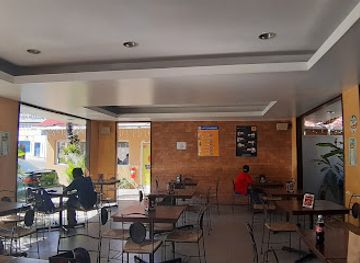
Point Chaud
Explore the vibrant flavors of Haiti at Point Chaud, a favorite fast-food spot in Petion-Ville, serving delicious breakfast and local favorites.
6 min drive · 1.9 km from city centre
Explore Petionville on the map
Plan your Petionville trip on one map. See where the top attractions, landmarks, restaurants, bars and hotels are, find what's near where you're staying, and book hotels and experiences in a few clicks.
Best hotels in Petionville
Best restaurants in Petionville
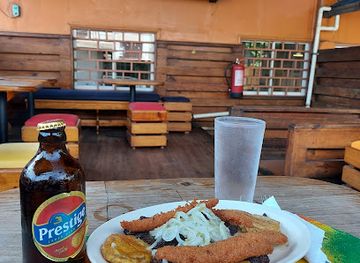
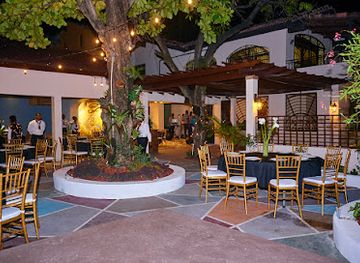
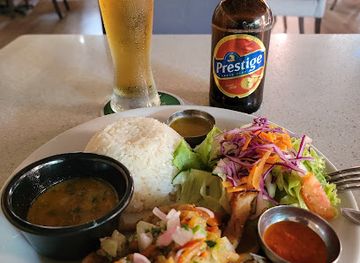
Pétion-Ville has one of the Port-au-Prince metropolitan area’s broadest selections of restaurants, combining Haitian cooking with French, Caribbean, North American and other international influences. Traditional dishes may include griyo, marinated and fried pork served with pikliz; tassot; rice and beans; bannann peze; vegetable dishes such as legim; and soups whose recipes vary by household and occasion. Seafood, tropical fruit, coffee and rum-based drinks reflect Haiti’s Caribbean setting, while bakeries and cafés provide lighter choices. Formal restaurants and hotel dining rooms sit alongside smaller eateries and informal food stalls, with the most concentrated choice around central commercial streets. Menus, payment methods and opening arrangements can change, so local advice is useful. Pétion-Ville’s dining scene also reflects social contrasts, bringing together business lunches, family meals, creative gatherings and evening dining in a compact but busy hillside setting.
-
Italian
Portofino
Discover authentic Italian cuisine at Portofino in Petion Ville—where traditional flavors meet the vibrant culture of Haiti.
6 min walk · 0.5 km from city centre
-
Creole
5 Coins Pétionville
Discover authentic Haitian flavors at 5 Coins Pétionville - where every meal tells a story through rich spices and vibrant ingredients.
6 min walk · 0.5 km from city centre
-
Restaurant
Kokoye
Discover Kokoye in Petion-Ville: A vibrant restaurant offering a delightful fusion of Haitian flavors and international cuisine.
4 min walk · 0.3 km from city centre
-
Haitian
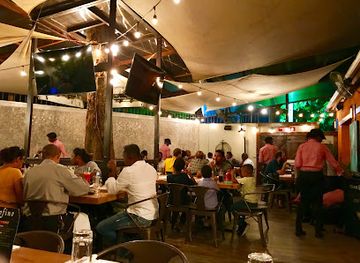
Jojo Restaurant
Discover the authentic taste of Haiti at Jojo Restaurant in Pétion-Ville—where every dish tells a story.
5 min walk · 0.4 km from city centre
Best bars in Petionville
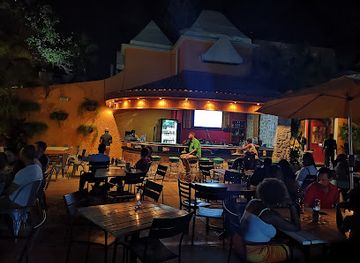
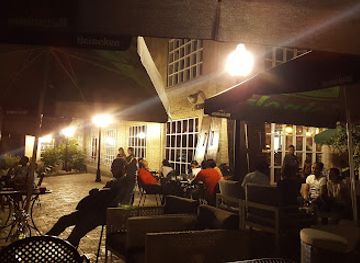
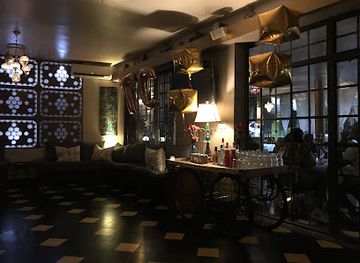
Evenings in Pétion-Ville tend to centre on restaurants, hotel lounges, cocktail bars, music venues and social gatherings rather than a single club district. Live Haitian music, including kompa and other popular styles, may feature in organised events and nightlife venues, while some establishments offer dancing, DJs or quieter spaces for conversation. The area around central commercial streets has the greatest concentration of evening activity, but venues and schedules can change with security conditions, electricity supply and local events. Visitors should use trusted transport, avoid walking between venues late at night and confirm arrangements before setting out. Port-au-Prince and Pétion-Ville share a metropolitan cultural scene, yet nightlife is not uniform across the hills; it is better approached through specific, locally recommended venues than through an assumption of continuous late-night activity.
-
Haitian
Jojo Restaurant
Experience the rich flavors of Haiti at Jojo Restaurant in Pétion-Ville, where every dish tells a story of tradition and taste.
5 min walk · 0.4 km from city centre
-
Bar
FUBAR
Discover the vibrant nightlife at FUBAR in Petion-Ville, where local flavors meet a lively atmosphere, perfect for tourists and locals alike.
7 min walk · 0.6 km from city centre
-
Lebanese
Magdoos Restaurant
Experience authentic Lebanese dining at Magdoos Restaurant in Petion-Ville, offering delicious Mediterranean and Middle Eastern dishes.
5 min walk · 0.4 km from city centre
-
Bar
Cafe36 Resto Hôtel
Discover the charm of Cafe36 Resto Hôtel in Petion-Ville, where vibrant drinks and local culture blend for an unforgettable experience.
6 min walk · 0.5 km from city centre
Best nightclubs in Petionville
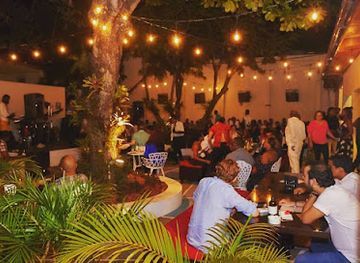
Evenings in Pétion-Ville tend to centre on restaurants, hotel lounges, cocktail bars, music venues and social gatherings rather than a single club district. Live Haitian music, including kompa and other popular styles, may feature in organised events and nightlife venues, while some establishments offer dancing, DJs or quieter spaces for conversation. The area around central commercial streets has the greatest concentration of evening activity, but venues and schedules can change with security conditions, electricity supply and local events. Visitors should use trusted transport, avoid walking between venues late at night and confirm arrangements before setting out. Port-au-Prince and Pétion-Ville share a metropolitan cultural scene, yet nightlife is not uniform across the hills; it is better approached through specific, locally recommended venues than through an assumption of continuous late-night activity.
-
Bar
FUBAR
Discover the vibrant nightlife of Petion-Ville at FUBAR, where great drinks and unforgettable experiences await you in a lively atmosphere.
7 min walk · 0.6 km from city centre
-
Night club
Esquina Latina
Discover the vibrant nightlife of Petion-Ville at Esquina Latina, where music, dance, and energy come together for an unforgettable experience.
12 min walk · 0.9 km from city centre
-
Disco club
Karamel Resto Club
Discover the vibrant nightlife at Karamel Resto Club in Port-au-Prince, where delicious food meets electrifying dance beats for an unforgettable experience.
9 min drive · 3.1 km from city centre
-
Bar
OBLAKA LOUNGE
Experience the vibrant nightlife at OBLAKA LOUNGE, where delicious cuisine meets a lively atmosphere in the heart of Pétion-Ville.
4 min walk · 0.4 km from city centre


Best shops in Petionville
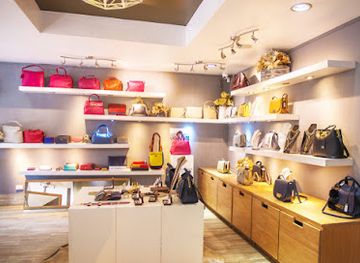
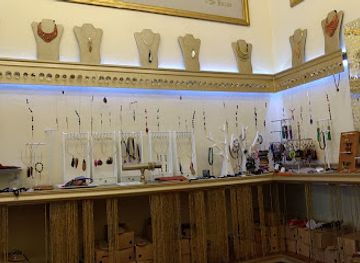
Shopping in Pétion-Ville ranges from everyday market commerce to galleries, craft businesses, boutiques and modern retail serving the metropolitan population. Market streets and informal stalls sell clothing, household goods, fruit, prepared food and practical necessities, while galleries and workshops offer paintings, woodwork, metal sculpture, textiles, jewellery and other Haitian-made objects. Haitian metal art, colourful paintings and handcrafts can be distinctive purchases, but buyers should ask about the maker, materials, provenance and any requirements for taking artworks abroad. Central commercial areas contain the greatest concentration of shops, although the character changes from busy local trading to more curated retail and gallery displays. Bargaining may be appropriate in informal markets but should be courteous; fixed-price shops and established galleries generally operate differently. Carry purchases discreetly and avoid displaying cash while moving between shops.
-
Fashion accessories store
Luminescence
Discover the vibrant essence of Haiti at Luminescence, your ultimate destination for unique fashion accessories in Petion-Ville.
6 min walk · 0.5 km from city centre
-
Shopping mall
Promenade (Espace Boutiques)
Discover unique shopping and local flavors at the Promenade (Espace Boutiques) in Port-au-Prince, a vibrant hub for tourists and locals alike.
6 min walk · 0.5 km from city centre
-
Gift shop
Creations Dorees
Explore Creations Dorees in Petion Ville for unique handmade jewelry, stylish bags, and beautiful shoes that embody Haitian artistry.
5 min walk · 0.4 km from city centre
-
Clothing store
BLACK STORE HAITI
Explore the vibrant essence of Haitian culture through unique fashion and accessories at Black Store Haiti in Petion-Ville.
2 min walk · 0.1 km from city centre


Get your free copy of our complete guide to Petionville, delivered straight to you.
Everything on this page, from attractions and restaurants to essentials and local phrases, in one PDF you can read offline, print or share.
Already have an account? Sign in
Your Petionville guide is ready.
We'll send it to · Not you? Sign out

Getting your guide ready…
We are putting together a fresh copy of the Petionville guide. This can take up to a minute.
This can take a few moments. If your browser asks, choose Allow so the download can start. You'll find the guide in your Downloads folder.
Nothing happened? Download it again
Sorry, the guide is taking longer than usual. Please try again in a minute, or get it by email instead.
Petionville essentials
Currency and Payment
Safety
Emergency Situations
Do's and Don'ts
Local Tips
From Eve
Local phrases worth knowing
You don't need to get them perfect. A few words go a long way, and locals appreciate the effort.
Basics
| English | Local | Say it |
|---|---|---|
| Hello | Bonjou | [bon-zho] |
| Goodbye | Orevwa | [o-rev-wa] |
| Yes | Wi | [wee] |
| No | Non | [non] |
| Please/You're welcome | Tanpri | [tan-pree] |
| Thank you | Mèsi | [meh-see] |
| Excuse me/Sorry | Padon | [pa-don] |
| How are you? | Kijan ou ye? | [kee-zhan oo yay] |
| Fine. And you? | Byen. Ak ou? | [byen. ak oo] |
| Do you speak English? | Eske ou pale angle? | [es-ke oo pal an-glay] |
| I don't understand | Mwen pa konprann | [mwen pa kon-pran] |
Eating & Drinking
| English | Local | Say it |
|---|---|---|
| I'd like to see the menu, please | Mwen ta renmen wè meni silvouple | [mwen ta ren-men weh meh-nee see voo-pleh] |
| I don't eat meat | Mwen pa manje kòb | [mwen pa manj koh] |
| Cheers! | Santé! | [san-tay] |
| I would like to pay, please | Mwen ta renmen peye, silvouple | [mwen ta ren-men pe-ye see voo-pleh] |
Emergencies
| English | Local | Say it |
|---|---|---|
| Help! | Èd! | [ayd] |
| Go away! | Ale! | [ah-leh] |
| Call the Police! | Rele Polis la! | [reh-leh po-lees lah] |
| Call a doctor! | Rele yon doktè! | [reh-leh yon dok-teh] |
| I'm lost | Mwen pedi | [mwen peh-dee] |
| I'm ill | Mwen malad | [mwen ma-lad] |
Shopping
| English | Local | Say it |
|---|---|---|
| I'd like to buy... | Mwen ta renmen achte... | [mwen ta ren-men ach-teh] |
| I'm just looking | Mwen jis ap gade | [mwen zhees ap gah-deh] |
| How much is it? | Konbyen li ye? | [kon-byen lee yay] |
| That's too expensive | Sa tro chè | [sa tro sheh] |
| Can you lower the price? | Eske ou ka ba pri la? | [es-ke oo ka bah pree lah] |
Time & Numbers
| English | Local | Say it |
|---|---|---|
| What time is it? | Kisa lè li ye? | [kee-sa leh lee yay] |
| It's one o'clock | Li senkè | [lee sen-keh] |
| Half past (10) | Demi (10) | [deh-mee (dis)] |
| Morning | Maten | [ma-ten] |
| Afternoon | Apremidi | [ap-reh-mee-dee] |
| Evening | Aswè | [a-sweh] |
| Yesterday | Ye | [yeh] |
| Today | Jodi a | [jo-dee ah] |
| Tomorrow | Demain | [deh-mehn] |
| 1 | 1 | [1] |
| 2 | 2 | [2] |
| 3 | 3 | [3] |
| 4 | 4 | [4] |
| 5 | 5 | [5] |
| 6 | 6 | [6] |
| 7 | 7 | [7] |
| 8 | 8 | [8] |
| 9 | 9 | [9] |
| 10 | 10 | [10] |
Transport & Directions
| English | Local | Say it |
|---|---|---|
| Where's a/the...? | Ki kote... | [kee ko-teh] |
| What's the address? | Ki adrès la? | [kee ad-res lah] |
| Can you show me (on the map)? | Eske ou ka montre mwen (sou kat la)? | [es-ke oo ka mon-treh mwen (sou kaht lah)] |
| When's the next (bus)? | Poukisa pwochen an (bis)? | [poo-kee-sa pwosh-en an (bees)] |
| A ticket (to ....) | Yon tikè (pou ....) | [yon tee-keh (poo)] |
History of Petionville
The Founding of Pétion-Ville
Pétion-Ville emerged in the early nineteenth century during the consolidation of independent Haiti. It was formally established in 1831 and named for Alexandre Pétion, a leader of the Haitian Revolution who became president of the southern Republic of Haiti and later helped shape the reunited state. The settlement’s elevated position east of Port-au-Prince offered a cooler environment and a strategically useful setting above the capital. Its growth reflected the expansion of Haiti’s political and commercial life beyond the waterfront and lowland districts. The name also preserves the memory of one of the country’s founding figures, whose rivalry and alliance with other revolutionary leaders formed part of the difficult political history of post-independence Haiti.
A Hillside Settlement Expands
During the nineteenth and early twentieth centuries, Pétion-Ville developed as a residential and commercial settlement linked to Port-au-Prince by roads climbing into the hills. Its altitude and relatively open setting encouraged affluent families, officials and merchants to build homes away from the crowded lower city. Churches, schools, trading places and civic spaces gradually gave the municipality a more established urban identity. Agriculture and market gardening in the surrounding hills supplied the expanding capital, while movement between the two towns strengthened their economic relationship. Pétion-Ville was never isolated from Port-au-Prince: its history is best understood as part of the wider metropolitan development of Haiti’s political and commercial centre.
Political Change and Urban Growth
Twentieth-century Haiti brought political upheaval, economic difficulty and substantial demographic change, all of which affected Pétion-Ville. As Port-au-Prince expanded, the municipality became increasingly integrated into a connected metropolitan area, attracting businesses, diplomatic activity, schools, medical services and cultural organisations. Population growth also placed pressure on roads, drainage, housing and public services, particularly as people moved towards the hills in search of work and security. The town’s reputation as a relatively affluent district coexisted with marked inequality and informal development. This contrast remains visible in the mixture of gated residences, busy commercial streets, small workshops and densely settled neighbourhoods.
The 2010 Earthquake
The earthquake of 12 January 2010 transformed Port-au-Prince and surrounding municipalities, including Pétion-Ville. Buildings were damaged or destroyed, residents were displaced, and the pressure on roads, hospitals, schools and temporary settlements intensified across the metropolitan area. Reconstruction progressed unevenly, with new commercial and residential construction appearing alongside damaged structures and longstanding infrastructure problems. The disaster also changed international perceptions of the city and brought extensive humanitarian activity to the region. In Pétion-Ville, the post-earthquake landscape became part of a wider story of recovery, adaptation and continuing vulnerability to earthquakes, storms and other natural hazards.
Contemporary Pétion-Ville
Today, Pétion-Ville forms one of the principal urban and commercial centres of the Port-au-Prince metropolitan area. Hotels, restaurants, galleries, offices, schools and retail businesses serve local residents, international organisations and visitors, while markets and neighbourhood workshops retain strong links with everyday Haitian commerce. The municipality’s cultural identity is expressed through painting, sculpture, music, religious life and food, rather than through a large concentration of monumental architecture. Its history is therefore encountered in layers: the memory of Alexandre Pétion, the urban expansion of the capital, the social contrasts of modern Haiti and the continuing effort to rebuild and maintain a hillside city exposed to economic and environmental pressures.
Petionville in Photos
Browse through our photo collection highlighting the charm and character of the destination.
Cities near Petionville
The closest cities to Petionville, if you have time for more than one stop.
-

-

-

-

-


Swipe for more cities
Explore more

Explore more of Haiti
Discover Haiti: A Caribbean gem with vibrant culture, rich history, stunning landscapes, and a unique culinary scene.
Explore Haiti