

Free Bodrogköz Travel Guide & Mobile App
Explore Bodrogköz with free travel guides. Discover regional history, expert tips, proposed trips, and audio guides on web or mobile app.


Explore Bodrogköz in north-eastern Hungary for quiet river landscapes, medieval village churches, wetlands, cycling and rural heritage.
Read more about Bodrogköz
When is the best time to visit Bodrogköz?
Best: June, August–September · 23–27°C| Month | High (°C) | Rainfall (mm) |
|---|---|---|
| January | 4 | 25 |
| February | 6 | 25 |
| March | 11 | 30 |
| April | 17 | 35 |
| May | 22 | 45 |
| June (best) | 26 | 50 |
| July | 28 | 50 |
| August (best) | 27 | 45 |
| September (best) | 23 | 40 |
| October | 17 | 35 |
| November | 9 | 30 |
| December | 4 | 25 |
Getting to and around Bodrogköz
How to get there
Transportation
Destinations in Bodrogköz
Resorts, valleys and scenic spots worth a trip of their own.
-

-


Swipe for more destinations
Best attractions in Bodrogköz
Bodrogköz appeals through landscape and local heritage rather than a large concentration of ticketed attractions. The village of Karcsa contains the region's most important medieval monument, its Romanesque church, while Pácin offers a different historical emphasis through the Renaissance Mágóchy Castle. In Cigánd, cultural displays and community institutions help explain the traditions of the Tisza-side villages, including local material culture, music and rural customs. Across the region, Reformed churches, traditional village streets and old farm buildings reward slow exploration, although access to individual interiors can depend on local arrangements. The rivers and floodplain provide opportunities for birdwatching, landscape photography, cycling, fishing and quiet walks, with conditions changing according to season and water management. Nature-focused visitors should treat reed beds, oxbows and embankments as living habitats rather than simply scenery, following signs and local guidance. The nearby Zemplén Hills, Sárospatak and Tokaj can complement a Bodrogköz itinerary, but they are separate destinations outside the region and should be planned as additional excursions rather than assumed to be local attractions.
-
Nature preserve
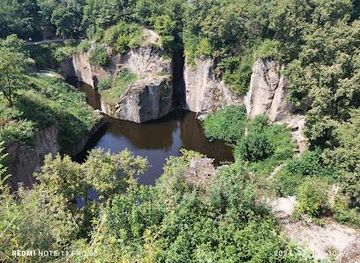
Tarn of Megyer-hegy
Experience the tranquility of Tarn of Megyer-hegy, a stunning nature preserve in Sárospatak, perfect for relaxation and outdoor adventures.
-
Tourist attraction
Hodoș-Bodrog Monastery
Explore the ancient Hodoș-Bodrog Monastery, a serene haven rich in history and stunning frescoes set in the heart of the Romanian countryside.
-
Museum
Tokaj Museum
Uncover the heritage of Tokaj at the Tokaj Museum, where history, culture, and winemaking intertwine in an unforgettable experience.


Best landmarks in Bodrogköz
Karcsa's Romanesque church is the defining architectural landmark of the Hungarian Bodrogköz. Built in the medieval period and distinguished by its early stonework and compact historic form, it provides a direct link to the region's first centuries of organised Christian settlement. Pácin's Mágóchy Castle is the other major architectural reference point: its Renaissance character reflects the status of noble estates in early modern north-eastern Hungary and makes it more than a simple village manor. The Reformed churches scattered through the Bodrogköz are also significant, combining religious continuity with the visual scale of traditional villages. Beyond masonry, the Tisza and Bodrog floodplain is a geographical landmark in its own right. Embankments, drainage channels, oxbow waters and reed-fringed lowlands reveal how river regulation reshaped the region. These places are best understood together, because the churches and castle record political and social history while the rivers explain why settlement, agriculture and transport developed as they did.
-
Fortress
Fisherman's Bastion
Experience the breathtaking views and rich history at Fisherman's Bastion, a stunning neo-Romanesque fortress in Budapest.
-
Plaza
Heroes' Square
Discover the grandeur of Heroes' Square in Budapest, a monumental tribute to Hungarian history and culture that captivates every visitor.
-
Basilica
St. Stephen's Basilica
Discover the stunning architecture and rich history of St. Stephen's Basilica, Budapest's iconic church and national symbol.
-
Bridge
Széchenyi Chain Bridge
Explore the stunning Széchenyi Chain Bridge in Budapest, a historic symbol connecting Buda and Pest with breathtaking views and rich cultural heritage.


Explore Bodrogköz on the map
Plan your trip on one map. See where the top cities, national parks and sights are, and book hotels and experiences in a few clicks.
Best hotels in Bodrogköz
Best restaurants in Bodrogköz
Dining in Bodrogköz is predominantly rural and practical, centred on home-style Hungarian cooking, village restaurants, cafés and occasional traditional inns rather than a dense restaurant scene. Expect familiar regional staples such as soups, stews, paprika-seasoned dishes, freshwater fish where available, stuffed vegetables, savoury pastries and substantial potato or pasta-based accompaniments. The Tisza and Bodrog environment gives fish a place in local food culture, although individual menus vary and should not be assumed to be available every day. Seasonal produce, preserves, orchard fruit and locally prepared baked goods are more likely to appear through markets, guesthouses or community events than in formal dining rooms. Cigánd and the larger nearby towns offer the broadest choice, while smaller villages may have limited services and early closing patterns. Visitors staying in rural accommodation should ask hosts about advance meals, local producers and shopping days; planning is especially important outside summer and at weekends.
-
Mediterranean
Mazel Tov
Discover the vibrant flavors of Mediterranean cuisine at Mazel Tov in Budapest's enchanting setting.
-
Hungarian
Menza Étterem és Kávéház
Discover the heart of Budapest's culinary scene at Menza Étterem és Kávéház, where authentic Hungarian flavors meet modern charm.
-
Restaurant
Twentysix Budapest
Discover Twentysix Budapest: A Mediterranean restaurant offering vibrant flavors and unique ambiance in Hungary's capital.
-
Restaurant
Sir Lancelot Medieval Restaurant
Dine like royalty at Sir Lancelot Medieval Restaurant - where Eastern European flavors meet enchanting medieval ambiance.


Best bars in Bodrogköz
Bodrogköz does not have a major nightclub circuit. Evening life is more likely to centre on village pubs, small cafés, restaurants and community events, with the liveliest choices generally found in the larger settlements or in nearby Sárospatak, which lies outside the region. Traditional bars may serve beer, wine, spirits and soft drinks in an informal setting, while seasonal fairs and cultural programmes can bring music and later activity to village centres. The surrounding wine districts influence drinking culture in the wider area, but Bodrogköz itself is not a compact wine-bar destination. Visitors should expect early, quiet evenings in many villages and arrange a return journey before travelling out for dinner or entertainment. Cycling or driving after drinking is unsafe and unlawful; taxis and late public transport may be limited.
-
Hungarian
Lebuj Fogadó
Discover the heart of Hungarian cuisine at Lebuj Fogadó, where traditional flavors meet a charming atmosphere in Bodrogkeresztúr.
-
Restaurant
Toldi Inn
Discover the charm of Toldi Inn in Tokaj, where authentic Hungarian cuisine meets warm hospitality in a picturesque setting.
-
Restaurant
LaBor Bistro & boutique hotel
Discover the culinary delights and cozy accommodations at LaBor Bistro & Boutique Hotel in the beautiful wine region of Tokaj.
-
Winery
Hímesudvar winery
Experience the exquisite wines and charming ambiance of Hímesudvar Winery in Tokaj, a true gem of Hungarian viticulture.


Best nightclubs in Bodrogköz
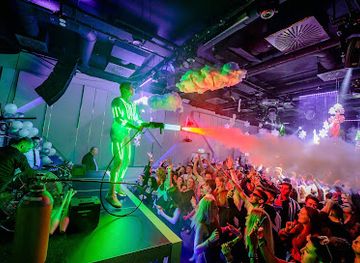
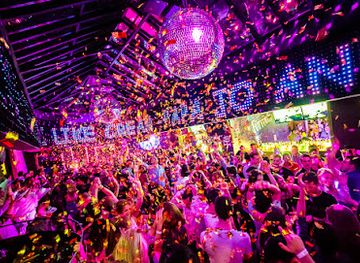
Bodrogköz does not have a major nightclub circuit. Evening life is more likely to centre on village pubs, small cafés, restaurants and community events, with the liveliest choices generally found in the larger settlements or in nearby Sárospatak, which lies outside the region. Traditional bars may serve beer, wine, spirits and soft drinks in an informal setting, while seasonal fairs and cultural programmes can bring music and later activity to village centres. The surrounding wine districts influence drinking culture in the wider area, but Bodrogköz itself is not a compact wine-bar destination. Visitors should expect early, quiet evenings in many villages and arrange a return journey before travelling out for dinner or entertainment. Cycling or driving after drinking is unsafe and unlawful; taxis and late public transport may be limited.
-
Night club
Instant-Fogas Complex
Discover the bustling nightlife of Budapest at Instant-Fogas Complex, a lively hub featuring bars, discos, and an unforgettable atmosphere.
-
Night club
Club Heaven Budapest
Discover the electrifying nightlife of Budapest at Club Heaven, where vibrant beats and stylish ambiance come together for an unforgettable night out.
-
Night club
Ötkert
Experience the vibrant nightlife of Budapest at Ötkert, where music, cocktails, and unforgettable moments await you.
-
Night club
Peaches And Cream Club
Discover the vibrant nightlife of Budapest at Peaches And Cream Club, where electrifying music and an unforgettable atmosphere await.


Best shops in Bodrogköz
Shopping in Bodrogköz is modest and locally oriented, with everyday provisions available in village shops and a wider selection in Cigánd or larger nearby towns. The most meaningful purchases are regional foods and small-scale craft products rather than fashion or luxury goods. Look for preserves, honey, seasonal fruit, baked goods and other pantry items when offered by local producers or at community markets, checking labelling and availability rather than assuming that every product is made locally. Traditional textiles, decorative objects and folk-inspired crafts may appear through cultural institutions, fairs or village events. The Bodrogköz lacks a single dominant shopping street, and independent retail can operate on limited or changing hours. For a broader range of books, clothing, specialist food and galleries, visitors usually combine the region with Sárospatak or Tokaj, both outside Bodrogköz. Carry reusable bags and cash for small producers, as card facilities may not be available at informal stalls.
-
Wine store
Rákóczi Pince
Explore Rákóczi Pince in Tokaj, where exquisite Hungarian wines and rich viticulture come together for an unforgettable tasting experience.
-
Vineyard
Hangavári Borászat
Experience the charm of Hangavári Borászat, a family-run vineyard in the heart of the Tokaj region, offering exquisite wines and warm hospitality.
-
Store
Kornis ABC
Explore the charm of Rakamaz at Kornis ABC, a local store offering unique products and a taste of Hungarian culture.
-
Hotel
Paulay Borház és Vendégház
Discover the heart of wine culture at Paulay Borház és Vendégház, your cozy retreat in the stunning Tokaj region of Hungary.


Get your free copy of our complete guide to Bodrogköz, delivered straight to you.
Everything on this page, from attractions and restaurants to essentials and local phrases, in one PDF you can read offline, print or share.
Already have an account? Sign in
Your Bodrogköz guide is ready.
We'll send it to · Not you? Sign out

Getting your guide ready…
We are putting together a fresh copy of the Bodrogköz guide. This can take up to a minute.
This can take a few moments. If your browser asks, choose Allow so the download can start. You'll find the guide in your Downloads folder.
Nothing happened? Download it again
Sorry, the guide is taking longer than usual. Please try again in a minute, or get it by email instead.
Bodrogköz essentials
Currency and Payment
Safety
Emergency Situations
Do's and Don'ts
Local Tips
From Eve
Local phrases worth knowing
You don't need to get them perfect. A few words go a long way, and locals appreciate the effort.
Basics
| English | Local | Say it |
|---|---|---|
| Hello | Szia | [see-yah] |
| Goodbye | Viszlát | [vees-laht] |
| Yes | Igen | [ee-gen] |
| No | Nem | [nem] |
| Please/You're welcome | Kérem | [kay-rem] |
| Thank you | Köszönöm | [kuh-soh-nuhm] |
| Excuse me/Sorry | Elnézést | [el-nay-zayst] |
| How are you? | Hogy vagy? | [hodj vahj] |
| Fine. And you? | Jól. És te? | [yoal. aysh teh] |
| Do you speak English? | Beszélsz angolul? | [beh-sayls ahn-goh-lool] |
| I don't understand | Nem értem | [nem air-tem] |
Eating & Drinking
| English | Local | Say it |
|---|---|---|
| I'd like to see the menu, please | Szeretném látni az étlapot, kérem | [se-reht-neem laht-nee az ayt-lah-pohd, kay-rem] |
| I don't eat meat | Nem eszem húst | [nem eh-sem hoosht] |
| Cheers! | Egészségedre! | [eh-geh-sheh-ged-reh] |
| I would like to pay, please | Szeretnék fizetni, kérem | [se-reht-neek fee-zet-nee, kay-rem] |
Emergencies
| English | Local | Say it |
|---|---|---|
| Help! | Segítség! | [seh-geet-sheh-g] |
| Go away! | Menj el! | [men-y el] |
| Call the Police! | Hívd a rendőrséget! | [heevd ah ren-dor-sheh-get] |
| Call a doctor! | Hívd az orvost! | [heevd az or-vosht] |
| I'm lost | Elvesztem | [el-ves-tem] |
| I'm ill | Beteg vagyok | [beh-teg vah-yok] |
Shopping
| English | Local | Say it |
|---|---|---|
| I'd like to buy... | Szeretnék venni... | [se-reht-neek veh-nee] |
| I'm just looking | Csak nézelődöm | [chahk nay-zeh-loh-dohm] |
| How much is it? | Mennyibe kerül? | [men-nee-beh keh-rool] |
| That's too expensive | Ez túl drága | [ez tool drah-gah] |
| Can you lower the price? | Le tudnád csökkenteni az árat? | [leh tood-nahd chuh-kken-teh-nee az ah-raht] |
Time & Numbers
| English | Local | Say it |
|---|---|---|
| What time is it? | Hány óra van? | [hahn-ee oh-rah vahn] |
| It's one o'clock | Egy óra van | [edj oh-rah vahn] |
| Half past (10) | Fél tizen | [fehl tee-zen] |
| Morning | Reggel | [rehg-gel] |
| Afternoon | Délután | [day-loo-tahn] |
| Evening | Este | [esh-teh] |
| Yesterday | Tegnap | [teh-nahp] |
| Today | Ma | [mah] |
| Tomorrow | Holnap | [hol-nahp] |
| 1 | 1 | [1] |
| 2 | 2 | [2] |
| 3 | 3 | [3] |
| 4 | 4 | [4] |
| 5 | 5 | [5] |
| 6 | 6 | [6] |
| 7 | 7 | [7] |
| 8 | 8 | [8] |
| 9 | 9 | [9] |
| 10 | 10 | [10] |
Transport & Directions
| English | Local | Say it |
|---|---|---|
| Where's a/the...? | Hol van egy...? | [hol vahn edj] |
| What's the address? | Mi a cím? | [mee ah teem] |
| Can you show me (on the map)? | Meg tudnád mutatni (a térképen)? | [meg tood-nahd moo-taht-nee (ah tayr-kay-pen)] |
| When's the next (bus)? | Mikor jön a következő (busz)? | [mee-kor yohn ah keh-vet-keh-zoe (booz)] |
| A ticket (to ....) | Egy jegy (....-ra) | [edj yeh-g (....-rah)] |
History of Bodrogköz
A Water-Shaped Borderland Before Modern Regulation
For centuries, the Bodrogköz was a floodplain landscape defined by the changing courses of the Bodrog and Tisza and by a network of marshes, islands and seasonal channels. Communities adapted through fishing, livestock keeping, small-scale agriculture and settlement on slightly higher ground. The rivers were not simply barriers: they supplied food, influenced trade and determined the location of roads and villages. Much of the older landscape has since been altered by embankments and drainage, but wetlands, oxbow waters and place names still preserve evidence of the region's former relationship with flooding.
Medieval Settlement and the Church at Karcsa
The medieval development of the Bodrogköz is visible in village churches and settlement patterns that survived later political and economic changes. Karcsa's Romanesque church, generally dated to the twelfth century, is the outstanding architectural survivor. Its unusual form and carved details express the importance of ecclesiastical foundations in a region whose villages occupied valuable higher ground amid wet terrain. Medieval estates, parish networks and agricultural communities established many of the local place patterns that remain recognisable today, even though buildings and landholding arrangements have changed repeatedly.
Borderland Politics in the Ottoman and Habsburg Age
From the sixteenth century, north-eastern Hungary was affected by the division of the kingdom between Ottoman, Habsburg and semi-autonomous Hungarian political spheres. The Bodrogköz stood near contested zones and was connected to the wider power networks of nearby Sárospatak and the Zemplén region. Noble estates, Reformed communities and fortified centres shaped local society, while warfare, taxation and insecurity periodically disrupted farming. The region did not become a major urban centre, but its churches, manor houses and village traditions reflect the religious and political transformations of early modern Hungary.
Renaissance Estate Culture at Pácin
Pácin's Mágóchy Castle represents the Renaissance estate culture that developed among powerful Hungarian landowners during the sixteenth century. Its surviving architectural character is significant because it points to the presence of learned, courtly and administrative life beyond the kingdom's principal cities. The building and its later history also illustrate how noble residences were adapted to changing owners and political conditions. Today, the castle is an important reference point for understanding the architectural and social history of the Bodrogköz, rather than merely an isolated historic building.
River Regulation and the Transformation of the Floodplain
Nineteenth-century river regulation, embankment building and drainage altered the economic geography of the Bodrogköz. The goal was to reduce destructive flooding and make more land available for dependable agriculture, but the measures also diminished the extent of traditional marshland and changed fishing and seasonal grazing. Roads and later modern infrastructure became easier to establish across some areas, while other villages remained remote. The present contrast between cultivated fields, drainage channels, oxbows and protected wetland habitats is largely a legacy of this long transformation.
Trianon and the New International Border
The Treaty of Trianon in 1920 divided the historic Bodrogköz between Hungary and the newly formed Czechoslovakia, creating an international boundary across a landscape whose communities and economic links had previously been more integrated. The Hungarian section became a peripheral borderland, and later twentieth-century border controls reinforced that separation. After the political changes of 1989 and Hungary's later integration within the Schengen Area, cross-border movement became easier, although the area's historical division remains important to its identity and geography.
Twentieth-Century Rural Change
The twentieth century brought collectivisation, mechanised agriculture, population movement and the decline of many traditional rural occupations. Village life continued, but employment increasingly depended on larger settlements and regional centres outside the immediate floodplain. Some local customs, crafts and foodways have been preserved through community initiatives and cultural institutions, while historic churches and farm buildings remain important evidence of earlier ways of life. Contemporary Bodrogköz combines this rural heritage with ecological interest in its rivers, wetlands and managed agricultural landscape.
Bodrogköz in Photos
Browse through our photo collection highlighting the charm and character of the destination.
Neighbouring regions of Bodrogköz
The closest regions to Bodrogköz, if you have time for more than one.
-

-

-

-

-


Swipe for more regions
Explore more

Explore more of Hungary
Discover Hungary: A land of historic cities, scenic landscapes, thermal baths, and rich culinary traditions in the heart of Europe.
Explore Hungary