

Free Szabolcs-Szatmár-Bereg Travel Guide & Mobile App
Explore Szabolcs-Szatmár-Bereg with free travel guides. Discover regional history, expert tips, proposed trips, and audio guides on web or mobile app.


Explore Szabolcs-Szatmár-Bereg for Nyíregyháza, Upper Tisza waterways, wooden churches, orchards and distinctive north-eastern Hungarian food.
Read more about Szabolcs-Szatmár-Bereg
When is the best time to visit Szabolcs-Szatmár-Bereg?
Best: June, August–September · 23–28°C| Month | High (°C) | Rainfall (mm) |
|---|---|---|
| January | 5 | 30 |
| February | 6 | 30 |
| March | 12 | 40 |
| April | 18 | 40 |
| May | 22 | 50 |
| June (best) | 26 | 60 |
| July | 28 | 60 |
| August (best) | 28 | 50 |
| September (best) | 23 | 40 |
| October | 16 | 40 |
| November | 9 | 30 |
| December | 6 | 30 |
Getting to and around Szabolcs-Szatmár-Bereg
How to get there
Transportation
Top city travel guides in Szabolcs-Szatmár-Bereg
The cities of Szabolcs-Szatmár-Bereg, and the easiest places to base yourself.
-

-


Swipe for more cities
Destinations in Szabolcs-Szatmár-Bereg
Resorts, valleys and scenic spots worth a trip of their own.
-

-

-


Swipe for more destinations
Best attractions in Szabolcs-Szatmár-Bereg
Szabolcs-Szatmár-Bereg's attractions combine living religious heritage, rural architecture, museums and river landscapes rather than concentrating in a single landmark city. Nyíregyháza and the Sóstó resort area provide the county's broadest visitor offer, including the Sóstó Zoo, the Sóstó Village Museum and thermal recreation. Nyírbátor is important for its churches, Báthory associations and cultural institutions, while Máriapócs offers a major Greek Catholic pilgrimage setting. Vaja Castle and the Andrássy Castle at Tiszadob introduce the world of historic estates, although access and visiting arrangements should be checked in advance. The county's most distinctive experiences often lie outside formal attractions: wooden belfries, Reformed churches, village streets and traditional buildings in the Upper Tisza and Bereg districts. Cyclists, walkers and paddlers can explore the Tisza, Szamos, Kraszna and Túr landscapes, where floodplain woods, backwaters and open fields create a quieter alternative to Hungary's better-known tourist routes. Seasonal festivals, local markets and fruit-producing villages add a cultural dimension to the county's agricultural landscape.
-
Nature preserve
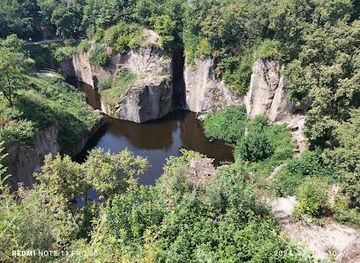
Tarn of Megyer-hegy
Explore the captivating beauty of Tarn of Megyer-hegy, a serene nature preserve in Sárospatak with scenic trails and tranquil waters, perfect for nature lovers.
-
Tourist attraction
Luby-kastély
Explore the enchanting Luby Castle in Hungary, a stunning architectural gem surrounded by lush landscapes and rich history.
-
Fortress
Szabolcsi Földvár
Explore Szabolcsi Földvár, a stunning medieval fortress in Hungary, where history meets breathtaking natural beauty in a serene setting.
-
Winery
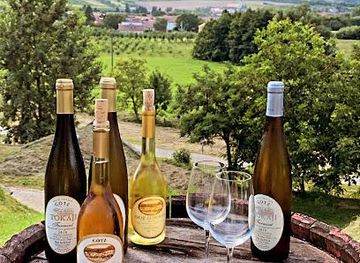
Götz Pincészet Gombos-hegyi Pincesor
Experience the charm of Götz Pincészet, a premier winery in Hercegkút, where exquisite Hungarian wines meet breathtaking vineyard views.


Best landmarks in Szabolcs-Szatmár-Bereg
The earthwork castle at Szabolcs is one of the county's most important early medieval landmarks, a large surviving reminder of the political organisation of medieval Hungary. In Nyírbátor, the Gothic Reformed church and the former Minorite church form a powerful architectural record of Báthory family patronage and late medieval religious life. Máriapócs Basilica is both a prominent Baroque complex and a living Greek Catholic pilgrimage destination, recognised by its distinctive devotional importance. The wooden bell towers and carefully preserved Reformed churches of the Upper Tisza and Bereg area are among the region's most characteristic structures, shaped by local materials, riverine conditions and village craftsmanship. Vaja Castle represents the estate architecture of the historic nobility, while Tiszadob's Andrássy Castle and its formal grounds express a later aristocratic taste influenced by nineteenth-century European styles. The broad Tisza floodplain, with its bends, levees and backwaters, is a natural landmark rather than a single monument and gives the eastern county much of its visual identity.
-
 Fortress
Fisherman's Bastion
Explore the stunning Fisherman's Bastion in Budapest, a historical fortress with breathtaking views and rich cultural significance.
-
Plaza
Heroes' Square
Explore Heroes' Square in Budapest, a majestic plaza celebrating Hungary's history with stunning monuments and vibrant cultural surroundings.
-
Bridge
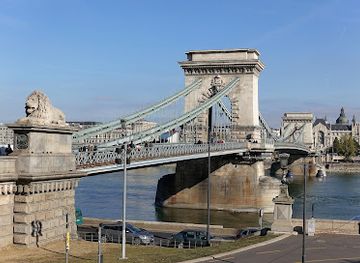
Széchenyi Chain Bridge
Explore the historical Széchenyi Chain Bridge in Budapest, a stunning architectural marvel that connects Buda and Pest over the Danube River.
-
Castle
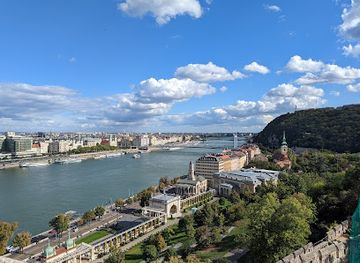
Buda Castle
Discover the royal heritage of Hungary at Buda Castle, a UNESCO World Heritage site offering stunning views, rich history, and cultural treasures.

Explore Szabolcs-Szatmár-Bereg on the map
Plan your trip on one map. See where the top cities, national parks and sights are, and book hotels and experiences in a few clicks.
Best hotels in Szabolcs-Szatmár-Bereg
Best restaurants in Szabolcs-Szatmár-Bereg
Dining in Szabolcs-Szatmár-Bereg reflects the produce of the Great Plain and the county's north-eastern position. Nyíregyháza has the widest range of restaurants, cafés and contemporary Hungarian kitchens, while smaller towns and villages are more likely to offer traditional dishes in family-run restaurants, inns or seasonal settings. Szabolcsi töltött káposzta, a regional style of stuffed cabbage, is associated with local home cooking, and apples, plums and sour cherries appear in pastries, preserves and spirits. The Szatmár area is particularly noted for plum jam and fruit products, while local pálinka should be tasted responsibly and never before driving. Market stalls and farm producers may offer fresh apples, plum specialities, honey, smoked goods and baked products according to the season. Menus also include familiar Hungarian staples, so visitors should distinguish genuinely local variations from dishes shared across the country. Booking is sensible for rural dining and for special culinary events, as opening patterns can be seasonal.
-
Hungarian
Régi Híd Vendéglő
Discover authentic Hungarian flavors at Régi Híd Vendéglő in Szeged – where tradition meets taste in every dish.
-
American
Colorado Steak House
Discover the best American dining experience at Colorado Steak House in Nyíregyháza—where delicious steaks meet warm hospitality.
-
Restaurant
La Terrazza
Experience authentic Italian cuisine at La Terrazza in Nyíregyháza, where delicious pizzas and delightful ice creams await your taste buds.
-
Boarding house
Kemence Csárda és Szálloda
Discover the charm of Kemence Csárda és Szálloda - where authentic Hungarian flavors meet warm hospitality in Nyíregyháza.


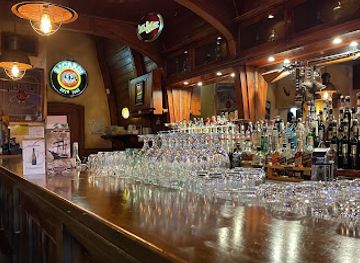
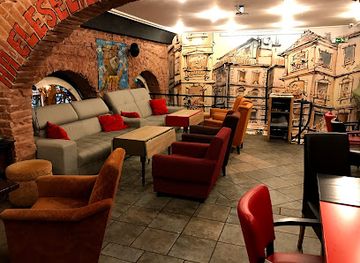
Best bars in Szabolcs-Szatmár-Bereg
-
Restaurant
Calico Jack Pub
Discover the vibrant flavors and lively atmosphere of Calico Jack Pub in Debrecen, where delicious cuisine meets a welcoming spirit.
-
Food court
Gólyafészek Étterem és pizzéria
Discover the flavors of Hungary at Gólyafészek Étterem és Pizzéria, a delightful restaurant in Tokaj serving authentic dishes and delicious pizzas.
-
Bar
Maszek - az utcabár | bár & étterem
Discover the lively ambiance and delicious cuisine at Maszek, Debrecen's favorite bar and restaurant, perfect for every occasion.
-
Corporate campus
Erzsébet Pince Bt
Experience the enchanting blend of specialty coffee and exquisite wines at Erzsébet Pince in Tokaj's picturesque wine region.


Best nightclubs in Szabolcs-Szatmár-Bereg
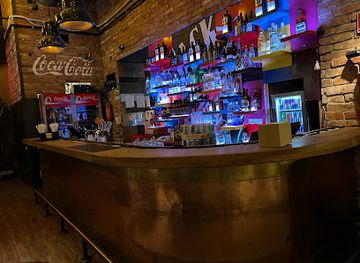
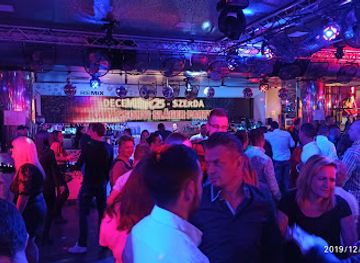
Nightlife is concentrated in Nyíregyháza, where the city centre and the Sóstó resort area provide cafés, bars, restaurants and occasional live-music entertainment. The atmosphere is generally more social and casual than club-focused, with students and younger residents contributing to the evening scene during the academic year. In Nyírbátor, Kisvárda, Mátészalka and other county towns, evenings tend to centre on pubs, cafés, restaurants and community events rather than a large concentration of nightclubs. Rural Szatmár-Bereg and the Upper Tisza are better suited to quiet dinners, village hospitality and outdoor evenings than late-night entertainment. Some hotels, thermal resorts and cultural venues host seasonal programmes, but schedules vary. Visitors should check current arrangements locally rather than assume that small settlements have late services or transport after evening events.
-
Night club
Ötkert
Discover Ötkert, Budapest's lively night club where music, cocktails, and a vibrant atmosphere come together for an unforgettable nightlife experience.
-
Night club
Peaches And Cream Club
Discover the heart of Budapest's nightlife at Peaches And Cream Club, where vibrant music and a lively atmosphere await you.
-
Night club
Retro Disco Remix
Discover Budapest's nightlife at Retro Disco Remix, where electrifying music and vibrant atmosphere create unforgettable party experiences.
-
Bar
Nox Club
Discover the vibrant nightlife at Nox Club, a must-visit bar in Nyíregyháza offering a diverse drink selection and a lively atmosphere.


Best shops in Szabolcs-Szatmár-Bereg
Shopping in Szabolcs-Szatmár-Bereg is strongest in Nyíregyháza, where the city centre, markets and larger retail areas provide everyday goods alongside cafés and independent businesses. Smaller market towns such as Nyírbátor, Kisvárda, Mátészalka and Vásárosnamény are useful for local produce, practical supplies and a more regional shopping atmosphere, though their retail offer is modest compared with Budapest or larger western Hungarian cities. Farmers' markets and seasonal stalls may feature Nyírség apples, Szatmár plum products, honey, preserves, smoked foods and pálinka from licensed producers. Sóstó Village Museum and local cultural venues can be good places to look for craft-based souvenirs, while specialist shops and galleries occasionally offer ceramics, textiles, woodwork or traditional decorative objects. Check labelling and customs rules before buying alcohol or food for international travel, and remember that market availability follows the agricultural season rather than a fixed tourist calendar.
-
Zoo
Nyíregyháza Animal Park, Sóstó Zoo
Explore the enchanting Nyíregyháza Animal Park, Sóstó Zoo – a premier destination for wildlife enthusiasts and families, rich in education and fun.
-
Shopping mall
Westend
Discover the heart of Budapest shopping at Westend, featuring diverse stores, delightful dining, and exciting entertainment for all ages.
-
Shopping mall
ÁRKÁD Budapest
Discover ÁRKÁD Budapest, the ultimate shopping mall offering a blend of retail therapy, diverse dining, and family-friendly activities in a vibrant atmosphere.
-
Shopping mall
Campona
Experience the ultimate shopping and entertainment destination in Budapest at Campona, featuring diverse shops, dining, and family fun.



Get your free copy of our complete guide to Szabolcs-Szatmár-Bereg, delivered straight to you.
Everything on this page, from attractions and restaurants to essentials and local phrases, in one PDF you can read offline, print or share.
Already have an account? Sign in
Your Szabolcs-Szatmár-Bereg guide is ready.
We'll send it to · Not you? Sign out

Getting your guide ready…
We are putting together a fresh copy of the Szabolcs-Szatmár-Bereg guide. This can take up to a minute.
This can take a few moments. If your browser asks, choose Allow so the download can start. You'll find the guide in your Downloads folder.
Nothing happened? Download it again
Sorry, the guide is taking longer than usual. Please try again in a minute, or get it by email instead.
Szabolcs-Szatmár-Bereg essentials
Currency and Payment
Safety
Emergency Situations
Do's and Don'ts
Local Tips
From Eve
Local phrases worth knowing
You don't need to get them perfect. A few words go a long way, and locals appreciate the effort.
Basics
| English | Local | Say it |
|---|---|---|
| Hello | Szia | [see-yah] |
| Goodbye | Viszlát | [vees-laht] |
| Yes | Igen | [ee-gen] |
| No | Nem | [nem] |
| Please/You're welcome | Kérem | [kay-rem] |
| Thank you | Köszönöm | [kuh-suh-nuhm] |
| Excuse me/Sorry | Bocsánat | [boh-chah-naht] |
| How are you? | Hogy vagy? | [hodj vahd?] |
| Fine. And you? | Jól. És te? | [yoal. es te?] |
| Do you speak English? | Beszélsz angolul? | [beh-sayls ahn-goh-luhl?] |
| I don't understand | Nem értem | [nem air-tem] |
Eating & Drinking
| English | Local | Say it |
|---|---|---|
| I'd like to see the menu, please | Szeretném megnézni az étlapot, kérem | [seh-reht-neem mehg-neh-znee ahz ayt-lah-poh-t, kay-rem] |
| I don't eat meat | Nem eszem húst | [nem eh-sem hoosht] |
| Cheers! | Egészségedre! | [eh-geysh-sheh-ged-reh] |
| I would like to pay, please | Szeretném fizetni, kérem | [seh-reht-neem fee-zet-nee, kay-rem] |
Emergencies
| English | Local | Say it |
|---|---|---|
| Help! | Segítség! | [sheh-geet-shehg!] |
| Go away! | Menj el! | [men-yel!] |
| Call the Police! | Hívd a rendőrséget! | [heevd ah ren-door-sheh-get!] |
| Call a doctor! | Hívd az orvost! | [heevd ahz or-vosh-t!] |
| I'm lost | Elvesztem | [el-ves-tem] |
| I'm ill | Beteg vagyok | [beh-tehg vah-dyok] |
Shopping
| English | Local | Say it |
|---|---|---|
| I'd like to buy... | Szeretnék venni... | [seh-reht-neek veh-nee...] |
| I'm just looking | Csak nézelődöm | [chahk nay-zeh-loh-dohm] |
| How much is it? | Mennyibe kerül? | [men-nee-beh keh-rul?] |
| That's too expensive | Az túl drága | [ahz tool drah-gah] |
| Can you lower the price? | Le tudnád csökkenteni az árat? | [leh tood-nahd chuhk-kent-eh-nee ahz ah-raht?] |
Time & Numbers
| English | Local | Say it |
|---|---|---|
| What time is it? | Hány óra van? | [hahn-y oh-rah vahn?] |
| It's one o'clock | Egy óra van | [edj oh-rah vahn] |
| Half past (10) | Fél (10) | [fehl (10)] |
| Morning | Reggel | [reg-gel] |
| Afternoon | Délután | [day-loo-tahn] |
| Evening | Este | [esh-teh] |
| Yesterday | Tegnap | [tehg-nahp] |
| Today | Ma | [mah] |
| Tomorrow | Holnap | [hohl-nahp] |
| 1 | 1 | [1] |
| 2 | 2 | [2] |
| 3 | 3 | [3] |
| 4 | 4 | [4] |
| 5 | 5 | [5] |
| 6 | 6 | [6] |
| 7 | 7 | [7] |
| 8 | 8 | [8] |
| 9 | 9 | [9] |
| 10 | 10 | [10] |
Transport & Directions
| English | Local | Say it |
|---|---|---|
| Where's a/the...? | Hol van a...? | [hohl vahn ah...?] |
| What's the address? | Mi a cím? | [mee ah teem?] |
| Can you show me (on the map)? | Meg tudod mutatni (a térképen)? | [meg tood-od moo-taht-nee (ah tayr-kay-pen)?] |
| When's the next (bus)? | Mikor jön a következő (busz)? | [mee-kor yuhn ah keh-vet-keh-zoh (booz)?] |
| A ticket (to ....) | Egy jegy (....-ra) | [edj yehd (....-rah)] |
History of Szabolcs-Szatmár-Bereg
Early settlement and the medieval county
The region has been inhabited since prehistoric times, and archaeological evidence records successive communities on the Great Plain and along the Tisza's higher banks. After the Hungarian conquest in the late ninth century, the area became part of the medieval Kingdom of Hungary. The county of Szabolcs was named after the settlement and earthen castle at Szabolcs, whose substantial eleventh-century earthwork remains among the most important early medieval monuments in the county. Agricultural settlement, river crossings and the growth of market centres shaped the region long before its modern administrative boundaries were established.
Churches, estates and medieval market centres
During the Middle Ages, monasteries, parish churches and noble estates developed across the region, while settlements such as Nyírbátor gained importance through trade and aristocratic patronage. The Báthory family became especially influential in the town, supporting the construction of major Gothic churches and Franciscan institutions. The surviving churches and later monuments at Nyírbátor reflect the political and religious importance of the family in north-eastern Hungary. Other settlements developed around river crossings, agricultural production and regional markets, creating the dispersed settlement pattern still visible today.
Ottoman frontier and the divided kingdom
The sixteenth and seventeenth centuries brought instability as the Kingdom of Hungary was divided between Habsburg, Ottoman and Transylvanian spheres of influence. Szabolcs-Szatmár-Bereg lay near contested political frontiers and suffered from military movement, taxation and repeated disruption. Noble families retained influence through fortified residences and estates, while village communities adapted to the insecurity of the period. The region's later concentration of Reformed and Greek Catholic communities also reflects the religious changes and political alignments that reshaped eastern Hungary during and after the Reformation.
Pilgrimage and the growth of Máriapócs
Máriapócs became a major Greek Catholic pilgrimage centre after accounts of miraculous weeping associated with an icon in the local church, beginning in the late seventeenth century. The icon was later taken to Vienna, while a copy remained at Máriapócs and continued to attract pilgrims. The present basilica and monastic complex developed around this religious importance. The site remains a significant centre for Hungary's Greek Catholic community and demonstrates how devotional networks could give a relatively small settlement a national and cross-border cultural importance.
Agriculture, orchards and nineteenth-century modernisation
In the nineteenth century, improved roads, railway construction and expanding markets connected the county more closely with Budapest and other parts of Hungary. Agriculture remained dominant, but its character varied between the sandy soils of the Nyírség and the fertile, periodically flooded land of Szatmár and Bereg. Orchards, especially apple and plum cultivation, became increasingly important, alongside cereals and livestock. Aristocratic estates invested in manor houses, parks and agricultural enterprises, several of which survive as historic buildings or landscape features.
War, borders and the twentieth century
The twentieth century transformed the region's political geography. The Treaty of Trianon in 1920 placed many former economic and cultural connections across new international borders, leaving the county at Hungary's north-eastern edge. The Second World War and the Holocaust caused profound human loss, while post-war nationalisation removed estates from their owners and reorganised agriculture and industry. Border changes after 1945 further altered relations with neighbouring areas. These events help explain the region's contemporary frontier position and the importance of cross-border cultural and family connections.
From county seat to regional cultural landscape
After the Second World War, Nyíregyháza expanded as the county's administrative, educational and economic centre, while Sóstó developed as a leisure and health resort. Industrial employment, agricultural cooperatives and improved transport changed everyday life in towns and villages. Since the political transition of 1989–90, heritage conservation, tourism, local food production and nature-based recreation have become increasingly important alongside agriculture. Museums, restored churches, pilgrimage sites and river landscapes now present the county's history through both formal institutions and living rural traditions.
Szabolcs-Szatmár-Bereg in Photos
Browse through our photo collection highlighting the charm and character of the destination.
Neighbouring regions of Szabolcs-Szatmár-Bereg
The closest regions to Szabolcs-Szatmár-Bereg, if you have time for more than one.
-

-

-

-

-


Swipe for more regions
Explore more

Explore more of Hungary
Discover Hungary: A land of historic cities, scenic landscapes, thermal baths, and rich culinary traditions in the heart of Europe.
Explore Hungary