

Zemplen Mountains Travel Guide - Free Web & App
Your ultimate guide to Zemplen Mountains. Discover top landmarks, proposed trips, and local tips. Free on the web or via the Evendo companion app.


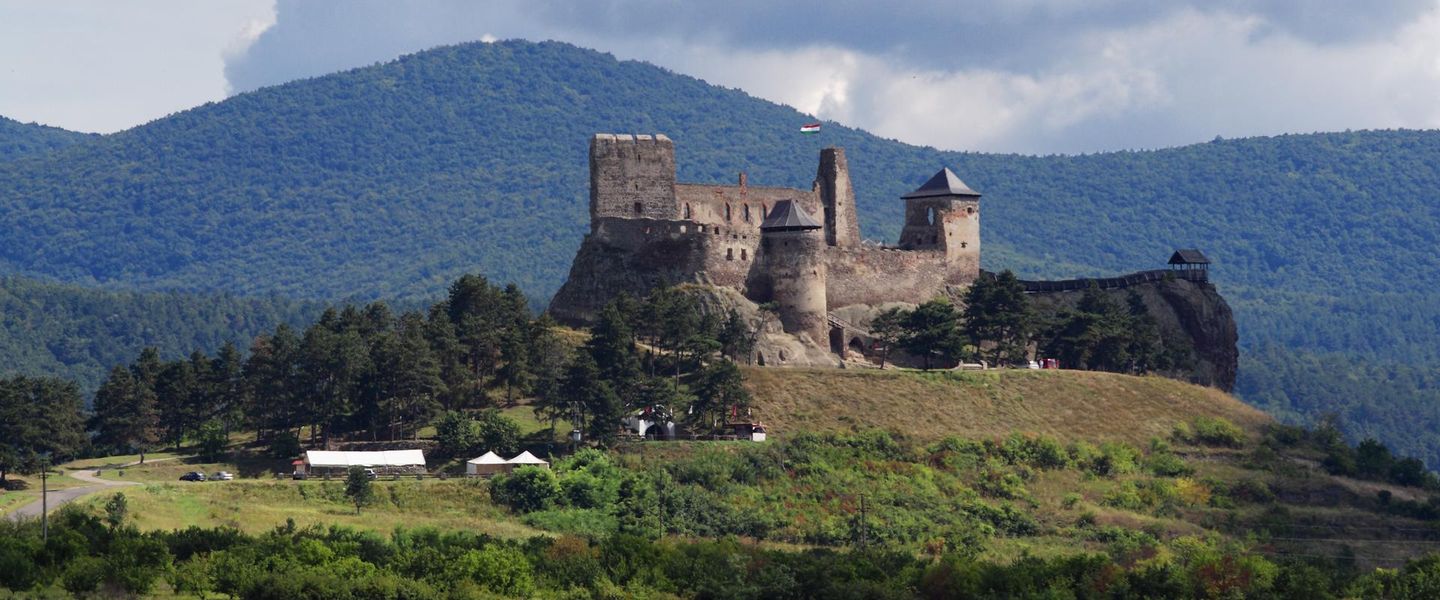


Zemplén Mountains, Hungary: hike volcanic ridges, visit Füzér Castle, explore forest railways and villages, and discover Tokaj’s wine-country edge.
A Forested Mountain Region
The Zemplén Mountains rise in north-eastern Hungary between the Bodrog and Hernád valleys, forming the country's easternmost section of the North Hungarian Mountains. Their wooded volcanic ridges, narrow valleys and scattered villages create a quieter landscape than the better-known uplands around Budapest or Eger. The highest summit is Nagy-Milic, at 895 metres, close to the Slovakian border, while the Zemplén Landscape Protection Area safeguards extensive forests, rocky habitats and valuable wildlife. Roads and settlements are relatively sparse, making the region particularly suited to walking, cycling and slow exploration by car.Read more about Zemplen Mountains
Castles, Crafts and Forest Railways
The Southern Wine-Country Edge
When is the best time to visit Zemplen Mountains?
Best: June–August · 23–25°C| Month | High (°C) | Rainfall (mm) |
|---|---|---|
| January | 0 | 30 |
| February | 2 | 30 |
| March | 6 | 30 |
| April | 13 | 40 |
| May | 19 | 50 |
| June (best) | 23 | 60 |
| July (best) | 25 | 60 |
| August (best) | 24 | 50 |
| September | 19 | 40 |
| October | 13 | 40 |
| November | 6 | 40 |
| December | 3 | 30 |
Getting to and around Zemplen Mountains
How to get there
Transportation
Best attractions in Zemplen Mountains
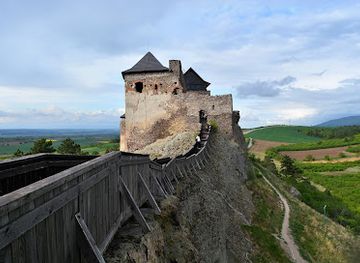
The Zemplén Mountains are best explored through a sequence of varied landscapes and heritage sites. Füzér Castle rises above the village on a rocky volcanic outcrop, while Regéc Castle offers a more ruinous but historically important mountain setting linked with Ferenc II Rákóczi. Around Pálháza, the forest railway travels through wooded valleys towards Kőkapu and Rostalló, providing access to quiet walking country. Telkibánya introduces the area's mining history through its local heritage attractions, and Hollóháza is associated with Hungarian porcelain production. The northern uplands around Nagy-Milic are suited to longer hikes near the Slovakian border, while the southern edge opens towards Sárospatak, Sátoraljaújhely and the Tokaj wine region. Forests, volcanic ridges, streams and small villages form the main attraction rather than a dense concentration of formal visitor sites.
-
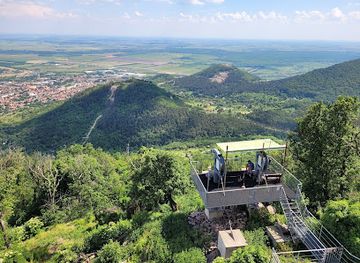
Zemplén Adventure Park
Discover the thrills of Zemplén Adventure Park in Hungary, where adventure meets nature for an unforgettable family experience.
-
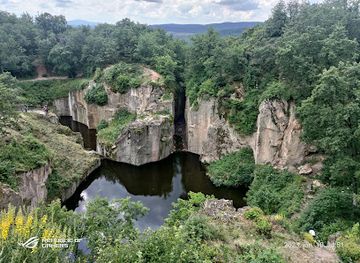
Tarn of Megyer-hegy
Experience the serene beauty of Tarn of Megyer-hegy, a stunning preserve in Sárospatak, Hungary, perfect for nature lovers and adventure seekers.
-
Tarn of Megyer-hegy
Explore the stunning Tarn of Megyer-hegy, a serene nature preserve with breathtaking views, hiking trails, and rich cultural heritage in Hungary.
-
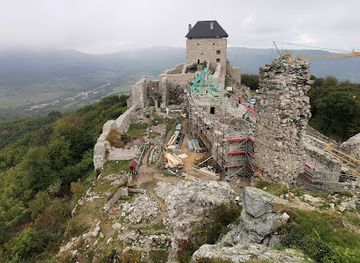
Castle of Regec
Discover the medieval charm and breathtaking views at the Castle of Regec, a must-visit tourist attraction in Hungary.

Best landmarks in Zemplen Mountains
The defining landmarks of the Zemplén Mountains combine volcanic terrain with the built heritage of a historic borderland. Nagy-Milic, the range's highest summit at 895 metres, marks the northern uplands near Slovakia, while the wooded ridges and rocky outcrops of the protected landscape give the region its physical identity. Füzér Castle is particularly memorable for its position on a steep volcanic hill, and Regéc Castle preserves the remains of a fortress associated with the Rákóczi family. The forest railway around Pálháza and Kőkapu represents the area's forestry heritage, while Telkibánya's mining legacy and Hollóháza's porcelain tradition reveal how natural resources shaped local communities. At the southern edge, the vineyards and cellar culture of Tokaj form a related but distinct cultural landscape.
-
Fortress
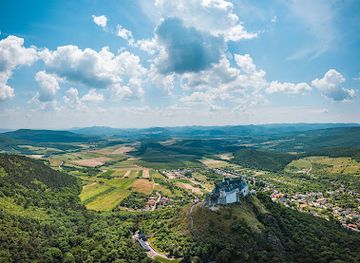
Boldogkő Castle
Explore the historic Boldogkő Castle, a medieval fortress in Hungary that offers stunning views and a glimpse into the country's rich heritage.
-
Theme park
Zemplén Adventure Park
Experience the thrill of adventure in Hungary's Zemplén Adventure Park, where outdoor excitement meets natural beauty in the heart of the Zemplén Mountains.
-
Castle
Castle of Sárospatak
Explore the enchanting Castle of Sárospatak, a historical gem in Hungary that offers breathtaking architecture and rich cultural heritage for all travelers.
-
Fortress
Füzér Castle
Discover Füzér Castle, a stunning medieval fortress in Hungary, offering breathtaking views and a journey through history amidst the Zemplén Mountains.
Explore Zemplen Mountains on the map
Plan your trip on one map. See where the top attractions, landmarks, restaurants and hotels are, and book hotels and experiences in a few clicks.
Best hotels in Zemplen Mountains
Best restaurants in Zemplen Mountains
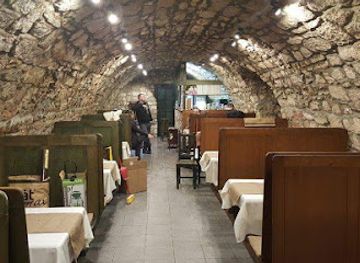
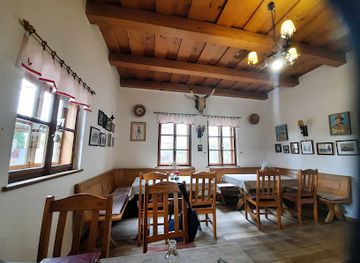
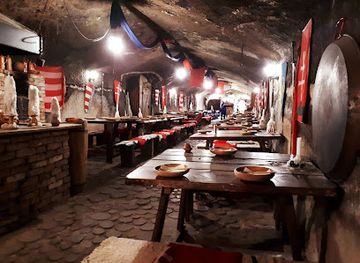
Dining in the Zemplén Mountains is centred on village inns, cafés, guesthouses and restaurants in gateway towns rather than on remote trails or isolated peaks. Sárospatak and Sátoraljaújhely provide the broadest choice, while Pálháza, Füzér and other larger villages may offer simpler local meals and refreshments. Regional cooking reflects north-eastern Hungarian traditions, with dishes based on soups, stews, paprika, potatoes, seasonal vegetables and locally raised meat; menus vary by establishment rather than following a single Zemplén cuisine. The southern foothills connect naturally with Tokaj's wine culture, where visitors can find cellar tastings and food matched with wines from the surrounding vineyards. In rural areas, opening patterns and payment options can differ, so it is sensible to check locally and not rely on finding a restaurant close to every walking route.
-
Restaurant
Collegno Pizzeria And Ristorante
Discover authentic Italian flavors at Collegno Pizzeria And Ristorante in Sárospatak - where every meal is a celebration.
-
Hungarian
Lebuj Fogadó
Discover the heart of Hungary at Lebuj Fogadó - a delightful restaurant serving authentic Hungarian dishes in picturesque Bodrogkeresztúr.
-
Restaurant
Castrum Boldua
Experience authentic Hungarian cuisine at Castrum Boldua in Boldogkőváralja – where tradition meets taste in every dish.
-
Hotel
Kőkapu Vadászkastély és Hotel & Apartments
Experience rustic elegance at Kőkapu Vadászkastély – your perfect escape into Hungary's natural beauty.

Best bars in Zemplen Mountains
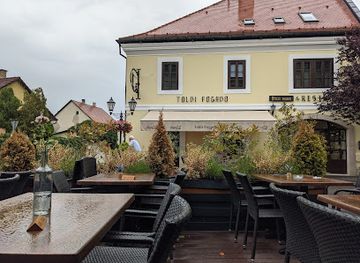
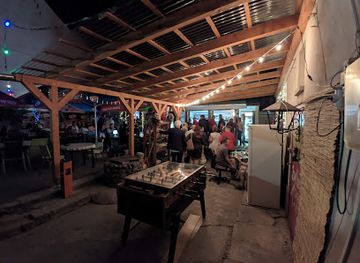
Evenings in the Zemplén Mountains are generally quiet and village-based rather than centred on nightclubs. Traditional pubs, hotel bars and restaurant terraces in settlements such as Sárospatak and Sátoraljaújhely provide the most dependable social settings, while smaller villages may have only modest local establishments. The southern foothills offer a more distinctive evening experience through Tokaj wine cellars and tasting rooms, although Tokaj itself is outside the core mountain area. Seasonal village celebrations and cultural programmes may add music or dancing, but they should not be assumed to operate throughout the year. In rural accommodation, evenings are more likely to involve regional food, conversation and dark-sky views than late-night entertainment.
-
Bar
Prés Wine Bar and Store
Experience the heart of Hungarian wine culture at Prés Wine Bar and Store in Tokaj, offering exquisite local wines and delightful cuisine.
-
Pub
Beles Romkocsma
Immerse yourself in the vibrant atmosphere of Beles Romkocsma, Sátoraljaújhely's favorite local pub offering great drinks and authentic Hungarian culture.
-
Pub
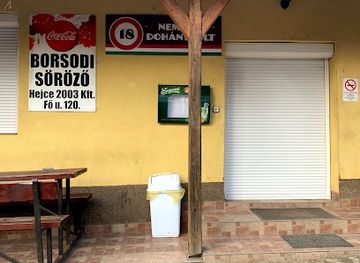
Borsodi Söröző
Experience authentic Hungarian hospitality at Borsodi Söröző, a charming pub in Hejce, offering delicious local cuisine and a great selection of beers.
-
Pub
Somossy Koccintó
Discover the heart of Sárospatak at Somossy Koccintó, where local flavors and vibrant atmosphere meet for an unforgettable pub experience.
Best nightclubs in Zemplen Mountains
Evenings in the Zemplén Mountains are generally quiet and village-based rather than centred on nightclubs. Traditional pubs, hotel bars and restaurant terraces in settlements such as Sárospatak and Sátoraljaújhely provide the most dependable social settings, while smaller villages may have only modest local establishments. The southern foothills offer a more distinctive evening experience through Tokaj wine cellars and tasting rooms, although Tokaj itself is outside the core mountain area. Seasonal village celebrations and cultural programmes may add music or dancing, but they should not be assumed to operate throughout the year. In rural accommodation, evenings are more likely to involve regional food, conversation and dark-sky views than late-night entertainment.
-
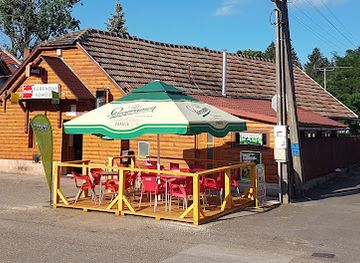
Gerendás Söröző
Discover the lively nightlife of Mád at Gerendás Söröző, where local charm meets vibrant entertainment in a welcoming atmosphere.
-
Sport büfé
Experience the warmth and local flavors at Sport büfé, a charming pub in Sárospatak where great drinks and friendly faces await.
-
Night club
Highlander Prémium
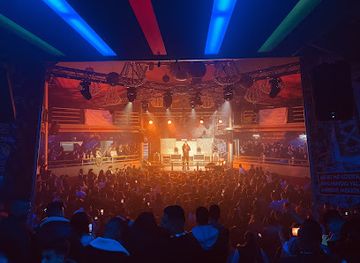
Discover Sárospatak's premier nightlife destination at Highlander Prémium, where music, dancing, and fun come together in an unforgettable experience.
-
Kossuth Lajos Művelődési Központ
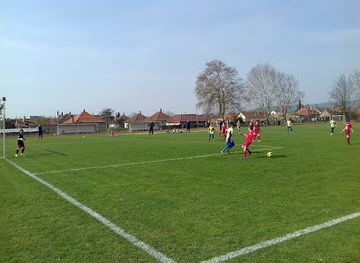
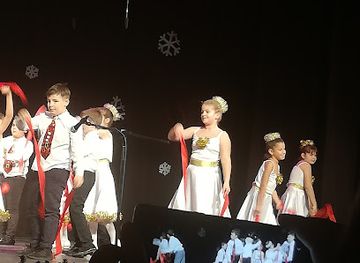
Discover the lively nightlife at Kossuth Lajos Művelődési Központ, the cultural heart of Sátoraljaújhely, where music and community come together.
Best shops in Zemplen Mountains
Shopping in the Zemplén Mountains is modest and locally focused, with practical supplies concentrated in larger settlements such as Sátoraljaújhely, Sárospatak and Pálháza. Visitors may find regional food products, honey, preserves, wine from the southern foothills and handmade items through village shops, farm producers, cellar visits or seasonal markets, although availability varies. Hollóháza is the region's best-known craft reference, associated with Hungarian porcelain, while Telkibánya's heritage reflects historic mining rather than a large retail scene. Tokaj, beyond the core mountain area, offers the widest choice of wine-related purchases and cellar-based products. Remote trailheads and castle villages should not be treated as shopping centres, so food, water and outdoor essentials are best obtained before heading into the uplands.
-
Gift shop
Castle of Regec
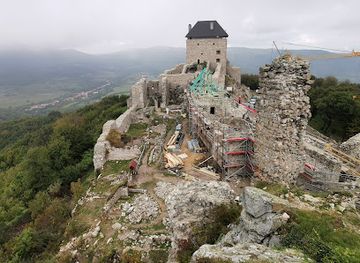
Explore the historic Castle of Regec, a medieval fortress offering breathtaking views and a glimpse into Hungary's rich heritage.
-
Store
Márka ABC
Explore Márka ABC in Sárospatak for a delightful shopping experience filled with local Hungarian products and warm hospitality.
-
Wine store
Tokaj-Oremus Kft.
Discover the exquisite wines of Tokaj-Oremus Kft., a gem in Hungary's renowned Tokaj wine region, perfect for enthusiasts and newcomers alike.
-
Grocery store
Vegyesbolt és Kávézó
Experience the warmth of Hungarian hospitality at Vegyesbolt és Kávézó, a charming grocery store and café in Háromhuta.
Get your free copy of our complete guide to Zemplen Mountains, delivered straight to you.
Everything on this page, from attractions and restaurants to essentials and local phrases, in one PDF you can read offline, print or share.
Already have an account? Sign in
Your Zemplen Mountains guide is ready.
We'll send it to · Not you? Sign out

Getting your guide ready…
We are putting together a fresh copy of the Zemplen Mountains guide. This can take up to a minute.
This can take a few moments. If your browser asks, choose Allow so the download can start. You'll find the guide in your Downloads folder.
Nothing happened? Download it again
Sorry, the guide is taking longer than usual. Please try again in a minute, or get it by email instead.
Zemplen Mountains essentials
Currency and Payment
Safety
Emergency Situations
Do's and Don'ts
Local Tips
From Eve
Local phrases worth knowing
You don't need to get them perfect. A few words go a long way, and locals appreciate the effort.
Basics
| English | Local | Say it |
|---|---|---|
| Hello | Szia | [see-ah] |
| Goodbye | Viszlát | [vees-laht] |
| Yes | Igen | [ee-gen] |
| No | Nem | [nem] |
| Please/You're welcome | Kérem | [keh-rem] |
| Thank you | Köszönöm | [koh-szuh-noem] |
| Excuse me/Sorry | Elnézést | [el-ney-zayst] |
| How are you? | Hogy vagy? | [hoh-dj vahdj] |
| Fine. And you? | Jól vagyok. És te? | [yohl vah-djohk. ays teh] |
| Do you speak English? | Beszélsz angolul? | [bes-eyl-se ang-oh-lool] |
| I don't understand | Nem értem | [nem ayr-tem] |
Eating & Drinking
| English | Local | Say it |
|---|---|---|
| I'd like to see the menu, please | Szeretnék látni az étlapot, kérem | [seh-reht-nek laht-nee ahz eht-lah-poht, keh-rem] |
| I don't eat meat | Nem eszem húst | [nem es-em hoo-sht] |
| Cheers! | Egészségedre! | [eh-gay-shayg-ay-dreh] |
| I would like to pay, please | Szeretnék fizetni, kérem | [seh-reht-nek fee-zeht-nee, keh-rem] |
Emergencies
| English | Local | Say it |
|---|---|---|
| Help! | Segítség! | [sheh-geet-shayg] |
| Go away! | Menj el! | [men-yehl] |
| Call the Police! | Hívd a rendőrséget! | [heed ah ren-dohr-say-get] |
| Call a doctor! | Hívd az orvost! | [heed ahz or-vosht] |
| I'm lost | Elvesztem | [el-veh-stem] |
| I'm ill | Rokonom vagyok | [roh-koh-nohm vah-djohk] |
Shopping
| English | Local | Say it |
|---|---|---|
| I'd like to buy... | Szeretnék vásárolni... | [seh-reht-nek vah-shah-rohl-nee] |
| I'm just looking | Csak nézelődöm | [chahk neh-zeh-loh-dohm] |
| How much is it? | Mennyibe kerül? | [mehn-yee-beh keh-rool] |
| That's too expensive | Túl drága | [tool draa-gah] |
| Can you lower the price? | Le tudnád engedni az árat? | [leh too-dnahd eng-ed-nee ahz ah-raht] |
Time & Numbers
| English | Local | Say it |
|---|---|---|
| What time is it? | Mennyi az idő? | [meh-nyee ahz ee-dő] |
| It's one o'clock | Egy óra van | [edj oh-rah vahn] |
| Half past (10) | Fél tizenegy van | [feyl tee-zehn-ey vahn] |
| Morning | Reggel | [rehg-gel] |
| Afternoon | Délután | [deyl-oo-tahn] |
| Evening | Este | [eh-shteh] |
| Yesterday | Tegnap | [teg-nahp] |
| Today | Ma | [mah] |
| Tomorrow | Holnap | [hol-nahp] |
| 1 | Egy | [edj] |
| 2 | Kettő | [ket-toe] |
| 3 | Három | [ha-rohm] |
| 4 | Négy | [neydj] |
| 5 | Öt | [oet] |
| 6 | Hat | [haht] |
| 7 | Hét | [hayt] |
| 8 | Nyolc | [nyoltz] |
| 9 | Kilenc | [kee-lentz] |
| 10 | Tíz | [teedz] |
Transport & Directions
| English | Local | Say it |
|---|---|---|
| Where's a/the...? | Hol van a... | [hol vahn ah] |
| What's the address? | Mi a cím? | [mee ah cheem] |
| Can you show me (on the map)? | Meg tudnád mutatni (a térképen)? | [meg too-dnahd moo-taht-nee ah tayrkay-pehn] |
| When's the next (bus)? | Mikor jön a következő (busz)? | [mee-kor yuhn ah kuh-veh-tkeh-zoh bus] |
| A ticket (to ....) | Egy jegy (....-ra) | [edj yehdj (rah)] |
History of Zemplen Mountains
Volcanic Origins
The Zemplén Mountains are part of the volcanic uplands of northern Hungary, formed largely during the Miocene period. Erosion subsequently shaped the former volcanic terrain into wooded ridges, isolated peaks and steep-sided valleys. The rocks and soils influenced both settlement and land use: forests covered much of the higher ground, while the warmer southern slopes became suitable for vineyards. This geological foundation also helps explain the region's mineral wealth and the distinctive setting of its castles, many of which occupy defensible prominences left by the rugged landscape.
Medieval Fortresses and Borderlands
During the medieval period, the Zemplén uplands formed part of a strategically important border region within the Kingdom of Hungary. Castles were built or developed on prominent heights to control routes and protect estates, including the fortifications at Füzér, Regéc and Boldogkő. Villages, market centres and church estates grew in the surrounding valleys, while the forests supplied timber and game. The region's position near historic routes linking Hungary with present-day Slovakia gave its settlements a political and military importance greater than their present-day population might suggest.
Mining, Forestry and Rural Industry
Mining became an important part of the local economy around Telkibánya, where gold and silver extraction is recorded from the medieval period and continued in changing forms over subsequent centuries. The difficult upland terrain also encouraged forestry, charcoal production and other woodland industries. In the nineteenth and twentieth centuries, forest management and timber transport became increasingly organised, leaving a heritage represented today by the forest railway centred on Pálháza. These industries connected remote villages to wider markets while preserving a predominantly rural settlement pattern.
Rákóczi Heritage
The Zemplén region is closely associated with the Rákóczi family and the early life of Ferenc II Rákóczi, leader of the Hungarian uprising against Habsburg rule between 1703 and 1711. Regéc Castle is traditionally linked with his childhood, while nearby Sárospatak was an important centre of education, administration and aristocratic culture. The Rákóczi name remains prominent in regional heritage interpretation, although the area's history also includes the experiences of ordinary farming, forestry and mining communities living around the estates and fortresses.
Protection and Modern Tourism
As heavy industry and traditional rural employment declined, the value of the Zemplén's forests, geological environments and wildlife became increasingly important. The Zemplén Landscape Protection Area was established to conserve representative parts of this mountain environment, while castle restoration, heritage museums, forest railway travel and hiking have broadened the visitor economy. The southern foothills remain connected to the Tokaj wine region, whose historic vineyards and wine culture provide a contrasting form of land use. Modern tourism therefore combines conservation and outdoor recreation with the interpretation of mining, castles, crafts and viticulture.
Zemplen Mountains in Photos
Browse through our photo collection highlighting the charm and character of the destination.
Cities in Zemplen Mountains
The towns and cities of Zemplen Mountains, and the easiest places to base yourself.
-

-


Swipe for more cities
Neighbouring destination travel guides
The closest destinations to Zemplen Mountains, if you have time for more than one.
-

-

-

-

-


Swipe for more destinations
Explore more

Explore more of Zemplén
Discover Zemplén, Hungary - a serene escape with stunning landscapes, rich history, and world-class wines. A perfect blend of adventure and relaxation awaits.
Explore Zemplén
Explore more of Hungary
Discover Hungary: A land of historic cities, scenic landscapes, thermal baths, and rich culinary traditions in the heart of Europe.
Explore Hungary