

Free Zemplén Travel Guide & Mobile App
Explore Zemplén with free travel guides. Discover regional history, expert tips, proposed trips, and audio guides on web or mobile app.


Explore Zemplén in north-eastern Hungary for forested mountains, historic castles, Sárospatak, Tokaj-Hegyalja vineyards and rural wine villages.
Read more about Zemplén
When is the best time to visit Zemplén?
Best: June–August · 24–26°C| Month | High (°C) | Rainfall (mm) |
|---|---|---|
| January | 3 | 30 |
| February | 4 | 30 |
| March | 10 | 35 |
| April | 15 | 40 |
| May | 20 | 50 |
| June (best) | 24 | 55 |
| July (best) | 26 | 55 |
| August (best) | 26 | 50 |
| September | 22 | 45 |
| October | 17 | 40 |
| November | 8 | 40 |
| December | 3 | 35 |
Getting to and around Zemplén
How to get there
Transportation
Destinations in Zemplén
Resorts, valleys and scenic spots worth a trip of their own.
-

-


Swipe for more destinations
Best attractions in Zemplén
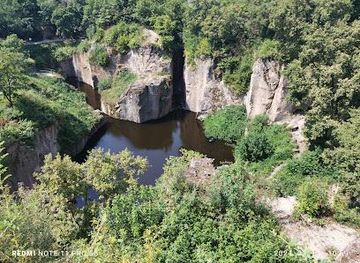
Zemplén’s attractions combine hilltop heritage, volcanic landscapes, wine culture and forest recreation. Sárospatak anchors the southern part of the region with Rákóczi Castle and the historic Reformed College, while the Tokaj-Hegyalja villages offer cellar visits, vineyard walks and a cultural landscape shaped by centuries of viticulture. Mád, Tállya, Tolcsva and Erdőbénye each have their own architectural and wine-making character rather than forming a single uniform resort area. In the mountains, Füzér Castle and Regéc Castle provide historically important destinations reached through wooded hill country, and Telkibánya introduces the area’s mining past. The Zemplén Kalandpark near Sátoraljaújhely offers more structured outdoor activities, while the Pálháza forest railway gives access to the woodland interior. Walking routes lead to viewpoints, rock formations and former industrial sites, including the Megyer-hegyi Tengerszem near Sárospatak, a striking former quarry lake. Birdwatching and quiet riverside landscapes are available around the Bodrog and connected lowlands, although the region’s strongest appeal lies in moving between its distinct combinations of forest, castle, village and vineyard.
-
Nature preserve
Tarn of Megyer-hegy
Explore the tranquil beauty of Tarn of Megyer-hegy, a nature preserve in Sárospatak, perfect for relaxation, hiking, and wildlife observation.
-
Tourist attraction
City Under The City
Explore the mysterious underground tunnels of Eger, revealing centuries of rich history and captivating stories at City Under The City.
-
Tourist attraction
Eger Minaret
Explore the Eger Minaret, a stunning historical landmark that offers breathtaking views and a glimpse into Hungary's rich Ottoman past.
-
Tourist attraction
Dera Gorge
Explore the breathtaking Dera Gorge in Hungary - a paradise for hikers and nature lovers amidst stunning landscapes and serene trails.


Best landmarks in Zemplén
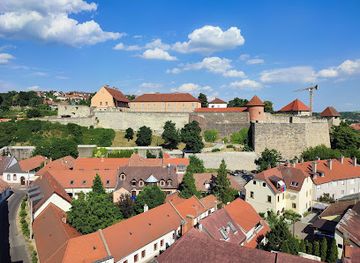
Sárospatak’s Rákóczi Castle is Zemplén’s most substantial historic landmark, combining a medieval core with later Renaissance and early modern additions that reflect the power of the Rákóczi family. The town’s Reformed College is equally important as an architectural and intellectual symbol of Protestant Hungary. Füzér Castle occupies a dramatic volcanic summit near the northern border, its restored sections rising above a landscape of forests and steep slopes, while the ruins of Regéc Castle preserve the memory of another important Rákóczi stronghold. The Megyer-hegyi Tengerszem near Sárospatak is a natural-looking landmark created in a former quarry, where near-vertical rock walls surround a small body of water. In the wine country, the landmarks are often collective rather than monumental: historic vineyard villages, stone cellars and traditional press houses express the long development of Tokaj-Hegyalja. Forest railways, old mining traces around Telkibánya and the broad Bodrog landscape add further layers to a region whose visual identity depends on the relationship between volcanic hills, fortified heights and cultivated slopes.
-
 Fortress
Fisherman's Bastion
Experience breathtaking views and rich history at Fisherman's Bastion, a neo-Romanesque architectural gem in Budapest's Castle District.
-
Bridge
Széchenyi Chain Bridge
Explore the Széchenyi Chain Bridge, an architectural marvel and symbol of Budapest, with stunning views and rich history connecting Buda and Pest.
-
Castle
Buda Castle
Discover the majestic Buda Castle, a UNESCO World Heritage Site in Budapest, showcasing stunning architecture, rich history, and breathtaking views.
-
Government office
Hungarian Parliament Building
Explore the Hungarian Parliament Building, a stunning Gothic Revival masterpiece in Budapest, reflecting Hungary's rich history and cultural heritage.


Explore Zemplén on the map
Plan your trip on one map. See where the top cities, national parks and sights are, and book hotels and experiences in a few clicks.
Best hotels in Zemplén
Best restaurants in Zemplén
Food in Zemplén reflects northern Hungarian home cooking, wine-country hospitality and the produce of the surrounding forests and rivers. Rural restaurants, traditional inns and guesthouses commonly serve filling soups, stews, dumplings, freshwater fish, game when available and seasonal vegetables, while bakeries and cafés provide pastries and sweet specialities familiar across Hungary. In Tokaj-Hegyalja, menus are naturally accompanied by local wines, with dry Furmint and Hárslevelű increasingly important alongside sweet Tokaji Aszú. Producers may offer tastings with simple regional foods rather than full restaurant meals, so arrangements should be made in advance. Market towns and village markets are useful places to look for cheeses, smoked products, honey, preserves and baked goods from local producers. Sárospatak, Sátoraljaújhely and Tokaj have the broadest choice of restaurants and cafés, while smaller wine villages tend towards family-run establishments and cellar hospitality. The dining experience is often most distinctive when linked to the landscape and season rather than to formal fine dining.
-
Mediterranean
Mazel Tov
Discover Mazel Tov: A vibrant Mediterranean restaurant in Budapest serving exquisite dishes amidst stunning decor.
-
Restaurant
Sir Lancelot Medieval Restaurant
Discover the medieval magic of Eastern European cuisine at Sir Lancelot Medieval Restaurant in Budapest.
-
Restaurant
Anyukám Mondta
Discover the essence of Hungarian cuisine at Anyukám Mondta in Encs – where flavor meets tradition in every dish.
-
Italian
Riso Ristorante & Terrace
Discover exquisite Italian flavors at Riso Ristorante & Terrace in Budapest—where every meal is a delightful journey through Italy.


Best bars in Zemplén
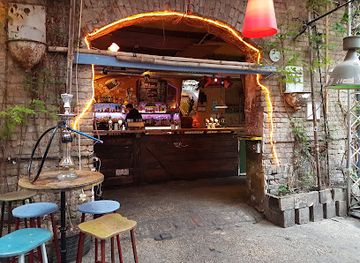
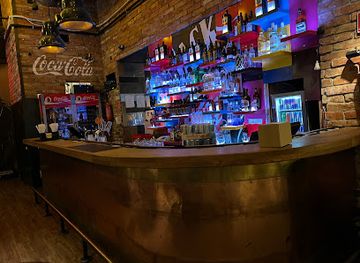
Evening life in Zemplén is generally relaxed and local in character, with traditional pubs, wine cellars, cafés and restaurants providing the main social settings. Tokaj-Hegyalja is particularly suited to leisurely tastings and cellar conversations, although individual wineries often operate by arrangement rather than as late-night bars. Sárospatak and Sátoraljaújhely offer the region’s widest selection of pubs, casual bars and occasional live-music venues, while smaller mountain settlements tend to become quiet after dinner. In vineyard villages, festivals and seasonal events can bring more concentrated evening activity, but schedules vary. Nightclubs are not the defining feature of the region, and visitors seeking a major club scene may need to travel beyond Zemplén to larger Hungarian cities. Local breweries, wine bars and restaurant terraces offer more representative ways to spend an evening, particularly during the warmer months.
-
Pub
Szimpla Kert
Discover Szimpla Kert, Budapest's iconic ruin pub, where vibrant nightlife meets eclectic culture, offering a unique experience for every visitor.
-
Bar
Instant-Fogas Complex
Discover the vibrant nightlife of Budapest at Instant-Fogas Complex, a lively hub of bars and clubs offering unforgettable experiences.
-
Bar
360 Bar
Savor stunning views and exquisite cocktails at Budapest's premier rooftop bar with breathtaking city panoramas.
-
Cocktail bar
Rumpus Tiki Bar
Experience the vibrant atmosphere of Rumpus Tiki Bar in Budapest, where unique cocktails and a tropical theme create unforgettable nightlife.


Best nightclubs in Zemplén
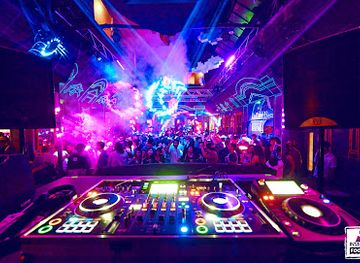
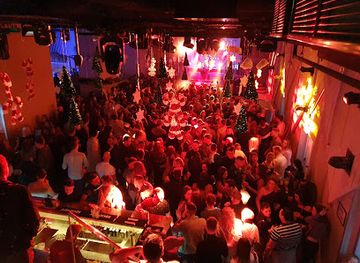
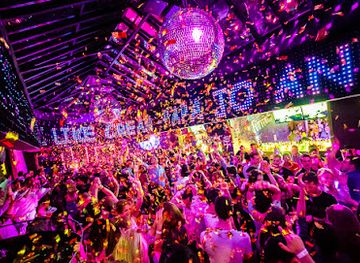
Evening life in Zemplén is generally relaxed and local in character, with traditional pubs, wine cellars, cafés and restaurants providing the main social settings. Tokaj-Hegyalja is particularly suited to leisurely tastings and cellar conversations, although individual wineries often operate by arrangement rather than as late-night bars. Sárospatak and Sátoraljaújhely offer the region’s widest selection of pubs, casual bars and occasional live-music venues, while smaller mountain settlements tend to become quiet after dinner. In vineyard villages, festivals and seasonal events can bring more concentrated evening activity, but schedules vary. Nightclubs are not the defining feature of the region, and visitors seeking a major club scene may need to travel beyond Zemplén to larger Hungarian cities. Local breweries, wine bars and restaurant terraces offer more representative ways to spend an evening, particularly during the warmer months.
-
Night club
Instant-Fogas Complex
Discover the exhilarating nightlife at Instant-Fogas Complex in Budapest, where vibrant bars and dance floors await your arrival.
-
Night club
Club Heaven Budapest
Discover the pulsating nightlife of Budapest at Club Heaven, where unforgettable nights and vibrant music await every party enthusiast.
-
Night club
Ötkert
Experience the pulse of Budapest's nightlife at Ötkert, a chic night club offering cocktails, dancing, and unforgettable memories.
-
Night club
Peaches And Cream Club
Dive into the electrifying nightlife at Peaches And Cream Club, Budapest’s premier destination for unforgettable music and dancing.
Best shops in Zemplén
Shopping in Zemplén centres on regional produce, wine and small-town high streets rather than large-scale retail. Tokaj-Hegyalja’s wineries and cellar doors are the principal places to buy Furmint, Hárslevelű, Tokaji Aszú and other local bottlings; visitors should check transport and packaging arrangements when purchasing bottles. Markets and independent shops in Sárospatak, Sátoraljaújhely and Tokaj may offer honey, preserves, smoked foods, cheeses, pastries and seasonal fruit from the surrounding countryside. Craft and souvenir shops commonly focus on wine-related goods, ceramics, textiles, woodwork and locally themed gifts, while galleries and cultural institutions provide more considered alternatives to mass-produced souvenirs. Smaller villages have limited opening arrangements and product ranges, so buy essentials in the larger towns. The most meaningful purchases are usually tied to the region’s food, wine and traditional rural skills rather than to branded luxury retail.
-
Traditional market
Central Market Hall
Explore Budapest's Central Market Hall: A gastronomic paradise filled with local delicacies, artisan products, and vibrant cultural experiences.
-
Shopping mall
Westend
Experience the ultimate shopping and dining destination at Westend Shopping Mall in Budapest, where style meets convenience and excitement.
-
Shopping mall
Arena Mall
Discover Arena Mall, Budapest's vibrant shopping hub, featuring diverse stores, exquisite dining, and entertainment for the entire family.
-
Shopping mall
ÁRKÁD Budapest
Explore ÁRKÁD Budapest, a vibrant shopping mall offering a diverse array of stores, dining options, and entertainment for every visitor.


Get your free copy of our complete guide to Zemplén, delivered straight to you.
Everything on this page, from attractions and restaurants to essentials and local phrases, in one PDF you can read offline, print or share.
Already have an account? Sign in
Your Zemplén guide is ready.
We'll send it to · Not you? Sign out

Getting your guide ready…
We are putting together a fresh copy of the Zemplén guide. This can take up to a minute.
This can take a few moments. If your browser asks, choose Allow so the download can start. You'll find the guide in your Downloads folder.
Nothing happened? Download it again
Sorry, the guide is taking longer than usual. Please try again in a minute, or get it by email instead.
Zemplén essentials
Currency and Payment
Safety
Emergency Situations
Do's and Don'ts
Local Tips
From Eve
Local phrases worth knowing
You don't need to get them perfect. A few words go a long way, and locals appreciate the effort.
Basics
| English | Local | Say it |
|---|---|---|
| Hello | Szia | [see-yah] |
| Goodbye | Viszlát | [vees-laht] |
| Yes | Igen | [ee-gen] |
| No | Nem | [nem] |
| Please/You're welcome | Kérem/ Szívesen | [kay-rem/ see-vesh-en] |
| Thank you | Köszönöm | [kuh-suh-nuhm] |
| Excuse me/Sorry | Elnézést | [el-nay-zest] |
| How are you? | Hogy vagy? | [hodj vahd] |
| Fine. And you? | Jól. És te? | [yoal. aysh teh] |
| Do you speak English? | Beszélsz angolul? | [beh-sayls ahn-goh-lool] |
| I don't understand | Nem értem | [nem air-tem] |
Eating & Drinking
| English | Local | Say it |
|---|---|---|
| I'd like to see the menu, please | Szeretném megnézni az étlapot, kérem | [se-reht-naym meg-nayz-nee az ayt-lah-pot, kay-rem] |
| I don't eat meat | Nem eszem húst | [nem eh-sem hoosht] |
| Cheers! | Egészségedre! | [eh-geh-sheg-ed-reh] |
| I would like to pay, please | Szeretném kifizetni, kérem | [se-reht-naym ki-fi-zet-nee, kay-rem] |
Emergencies
| English | Local | Say it |
|---|---|---|
| Help! | Segítség! | [seh-geet-sheh-g] |
| Go away! | Menj el! | [meny el] |
| Call the Police! | Hívd a rendőrséget! | [heevd ah ren-door-sheh-get] |
| Call a doctor! | Hívd az orvost! | [heevd ahz or-vosh-t] |
| I'm lost | Elvesztem | [el-ves-tem] |
| I'm ill | Beteg vagyok | [beh-teg vah-dyok] |
Shopping
| English | Local | Say it |
|---|---|---|
| I'd like to buy... | Szeretnék venni... | [se-reht-nayk ven-nee] |
| I'm just looking | Csak nézelődök | [chahk nay-zeh-loh-dohk] |
| How much is it? | Mennyibe kerül? | [men-nee-beh keh-rul] |
| That's too expensive | Ez túl drága | [ez tool drah-gah] |
| Can you lower the price? | Le tudod csökkenteni az árat? | [leh too-dohd chohk-en-tee az ah-rat] |
Time & Numbers
| English | Local | Say it |
|---|---|---|
| What time is it? | Hány óra van? | [hahn-ee oh-rah vahn] |
| It's one o'clock | Egy óra van | [edj oh-rah vahn] |
| Half past (10) | Fél (10) | [feel (10)] |
| Morning | Reggel | [reg-gel] |
| Afternoon | Délután | [day-loo-tahn] |
| Evening | Este | [esh-teh] |
| Yesterday | Tegnap | [teh-nahp] |
| Today | Ma | [mah] |
| Tomorrow | Holnap | [hol-nahp] |
| 1 | 1 | [1] |
| 2 | 2 | [2] |
| 3 | 3 | [3] |
| 4 | 4 | [4] |
| 5 | 5 | [5] |
| 6 | 6 | [6] |
| 7 | 7 | [7] |
| 8 | 8 | [8] |
| 9 | 9 | [9] |
| 10 | 10 | [10] |
Transport & Directions
| English | Local | Say it |
|---|---|---|
| Where's a/the...? | Hol van a...? | [hol vahn ah] |
| What's the address? | Mi a cím? | [mee ah teem] |
| Can you show me (on the map)? | Meg tudod mutatni (a térképen)? | [meg too-dohd moo-taht-nee (ah tair-kay-pen)] |
| When's the next (bus)? | Mikor jön a következő (busz)? | [mee-kor yun ah keh-vet-keh-zo (booz)] |
| A ticket (to ....) | Egy jegy (a ....) | [edj yeh-dy (ah ....)] |
History of Zemplén
Early settlements and the Karos graves
The Bodrog region preserves important evidence of early medieval Hungarian settlement. The cemetery at Karos, near the eastern edge of the Zemplén landscape, contained richly furnished tenth-century graves associated with the formative period of the Hungarian principality. Weapons, horse equipment and ornaments indicate the status and connections of the people buried there. The finds are significant not simply because they are visually impressive, but because they help historians understand the social organisation, mobility and material culture of the communities that established themselves in the Carpathian Basin after the Hungarian conquest.
Medieval castles and the northern frontier
From the thirteenth century onwards, the hills of Zemplén acquired a chain of stone fortifications controlling routes through the north-eastern uplands. Füzér, Regéc and other castles occupied defensible volcanic heights, while Sárospatak developed as an important settlement beside the Bodrog. The castles guarded estates, roads and political interests rather than forming an isolated line of buildings. Their ruins and surviving walls reflect the fragmentation of power in medieval Hungary and the continuing strategic importance of the region’s valleys and passes.
The Reformation and Sárospatak’s college
The Reformation gained a lasting foothold in northern Hungary, and Sárospatak became one of the area’s principal Protestant intellectual centres. The Reformed College, established in the early modern period and developed over subsequent centuries, educated ministers, teachers and public figures. Its history is closely linked with the town’s patrons, including the Rákóczi family. The institution helped preserve Hungarian-language learning and Protestant traditions through periods of political and religious upheaval, leaving Sárospatak with a cultural importance that extends well beyond its castle.
Ottoman-era conflict and the Rákóczi family
Zemplén lay within the contested political world of early modern Hungary, affected by Ottoman expansion, Habsburg rule and the ambitions of powerful Hungarian noble families. Sárospatak and nearby estates were strongly associated with the Rákóczis, who became prominent opponents of Habsburg centralisation. Francis II Rákóczi’s early eighteenth-century uprising drew support from many parts of northern Hungary, although it ultimately failed. The period shaped local estates, fortifications and political memory, and explains why the Rákóczi name remains so prominent in Sárospatak and surrounding heritage sites.
Wine culture in Tokaj-Hegyalja
Viticulture became one of the defining economic and cultural forces in southern Zemplén. The vineyards of Tokaj-Hegyalja developed a recognised classification and trading system during the early modern period, while cellars and wine villages grew around the production of Tokaji wines. Noble estates, merchants and local growers all played roles in the region’s development. Tokaji Aszú became particularly valued in European courts, but the area’s heritage also rests on its landscape of vineyards, villages, press houses and underground cellars. This historic wine culture underpins the region’s UNESCO cultural landscape designation.
Mining, forestry and industrial change
The Zemplén uplands supported small-scale mining, timber production and related crafts alongside agriculture and wine. Telkibánya is particularly associated with historic gold and silver mining, while the forested mountains encouraged the development of timber railways and forestry settlements. In the nineteenth and twentieth centuries, improved roads and rail connections linked remote valleys with market towns and industrial centres. These activities did not erase the region’s rural character, but they altered settlement patterns and left traces in museums, former workings, railway routes and the managed forests of the mountain interior.
Borders, partition and the modern region
The historic county of Zemplén was divided after the First World War, when the Treaty of Trianon placed a large northern section in Czechoslovakia, now Slovakia, while the southern part remained in Hungary. The present Hungarian travel region therefore represents only part of the historic county. The border continues to shape transport, commerce and cultural geography, although Schengen-area travel has made crossing easier for many visitors. Contemporary Zemplén brings together Hungarian wine heritage, borderland towns, protected woodland and a layered history that reaches beyond today’s administrative boundaries.
Zemplén in Photos
Browse through our photo collection highlighting the charm and character of the destination.
Neighbouring regions of Zemplén
The closest regions to Zemplén, if you have time for more than one.
-

-

-

-

-


Swipe for more regions
Explore more

Explore more of Hungary
Discover Hungary: A land of historic cities, scenic landscapes, thermal baths, and rich culinary traditions in the heart of Europe.
Explore Hungary