
Southern Peninsula, Iceland Travel Guide
Explore the Southern Peninsula of Iceland: A Land of Volcanic Wonders, Steaming Hot Springs, and Coastal Beauty.
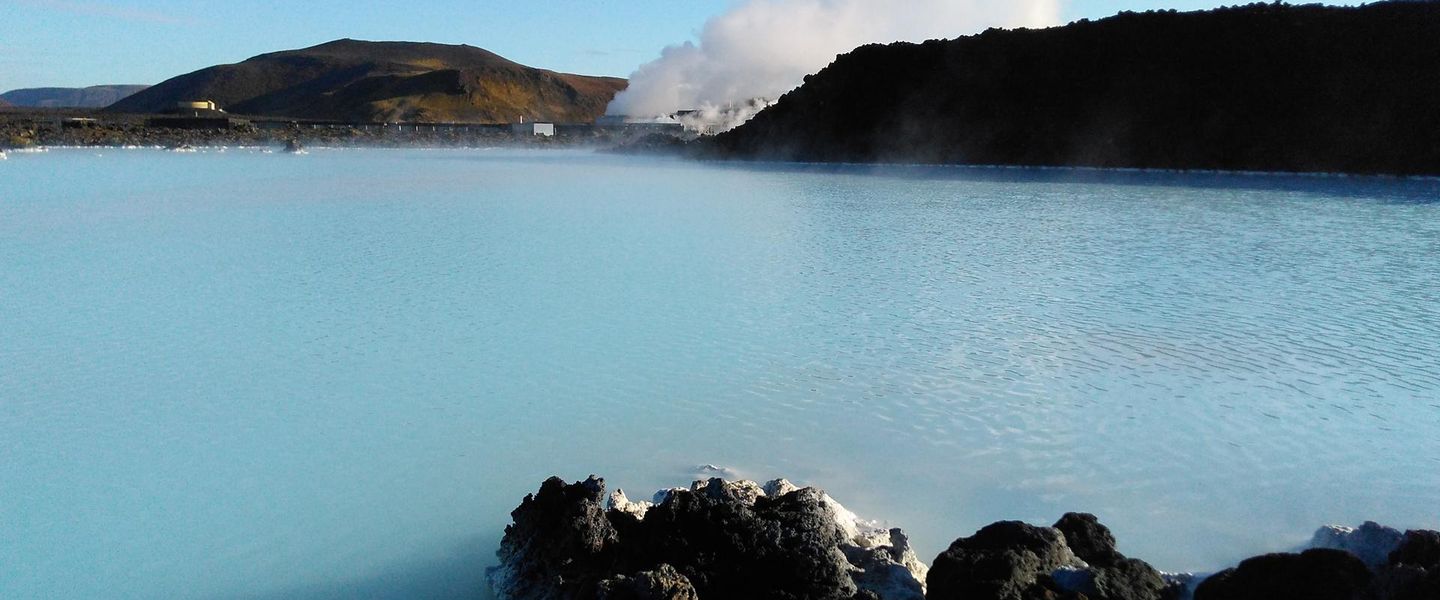
The Southern Peninsula of Iceland, also known as Reykjanes Peninsula, is a hidden gem waiting to be explored by adventurous souls. This rugged landscape, characterized by dramatic coastlines, geothermal hot spots, and volcanic craters, offers a unique blend of natural beauty and cultural richness. From the bustling town of Keflavík, where the international airport is located, to the serene Blue Lagoon, the peninsula is a treasure trove of experiences. One of the most captivating sights on the Southern Peninsula is the Reykjanesviti lighthouse, the oldest lighthouse in Iceland. Standing tall against the backdrop of crashing waves and black sand beaches, it provides spectacular views of the Atlantic Ocean. Nearby, the Gunnuhver hot springs bubble and steam, creating an otherworldly atmosphere. For those interested in Iceland's volcanic activity, the Bridge Between Continents is a must-visit. This symbolic bridge spans the Mid-Atlantic Ridge, where the Eurasian and North American tectonic plates meet, allowing visitors to stand between two continents. The nearby Fagradalsfjall volcano, which erupted recently, offers a rare opportunity to witness the raw power of nature. The Southern Peninsula is also home to the enchanting Blue Lagoon, a geothermal spa known for its milky-blue waters rich in minerals. It's the perfect place to relax after a day of exploring. Whether you're soaking in the warm waters or enjoying a meal at the on-site restaurant, the Blue Lagoon promises an unforgettable experience.

Know before you go
Hi, I'm Eve. Here are a few practical things to know before exploring Southern Peninsula.
- Visit the Blue Lagoon early in the morning or late in the evening to avoid crowds and get the best experience.
- Pack sturdy walking shoes and warm, waterproof clothing as the weather can be unpredictable and the terrain rugged.
- Rent a car for the most flexibility in exploring the peninsula at your own pace.
- Keep an eye out for the Northern Lights during the winter months; the peninsula is an excellent viewing spot.
- Don't miss the local seafood; restaurants in Keflavík and Grindavík offer fresh and delicious catches of the day.
Top City Travel Guides in Southern Peninsula
The cities of Southern Peninsula, and the easiest places to base yourself.



Destinations in Southern Peninsula
Resorts, valleys and scenic spots worth a trip of their own.
Explore Southern Peninsula: Things to Do, Places to Eat, Hotels & More
Handpicked recommendations for top attractions, local dining, accommodations, and more

Top Attractions & Sightseeing in Southern Peninsula
Top-rated picks
Best Attractions

Sun Voyager
Explore the stunning Sun Voyager in Reykjavik, a breathtaking sculpture symbolizing Iceland's Viking heritage and a must-see for every traveler.

Gljufrabui
Experience the hidden beauty of Gljufrabui Waterfall, a serene Icelandic gem surrounded by breathtaking scenery and captivating nature.

Bridge Between Continents
Explore the Bridge Between Continents in Hafnir, Iceland, where two tectonic plates meet, offering breathtaking views and a unique geological experience.

Krýsuvík
Experience the breathtaking geothermal beauty of Krýsuvík, Iceland's stunning natural wonder with bubbling mud pots and vibrant landscapes.

Best landmarks in Southern Peninsula
Top-rated picks
Best Landmarks

Hallgrimskirkja
Explore Hallgrimskirkja, Reykjavik's iconic church and architectural masterpiece offering stunning views and rich cultural insights.

Perlan
Explore Perlan, Reykjavik's premier natural history museum, offering breathtaking views, interactive exhibits, and delicious dining options in Iceland's captivating capital.

Sun Voyager
Discover the Sun Voyager in Reykjavik, a stunning sculpture symbolizing hope and exploration amidst breathtaking landscapes.

Keflavík International Airport
Keflavík International Airport: Your entry point to the breathtaking landscapes and vibrant culture of Iceland, where adventure awaits at every turn.

Best restaurants in Southern Peninsula
Top-rated picks
Best Restaurants

Grillmarkaðurinn
Discover the rich flavors of Iceland at Grillmarkaðurinn – where local ingredients meet innovative cooking in a stylish setting.

Papas' Restaurant
Discover the flavors of Iceland at Papas' Restaurant in Grindavik—your family-friendly dining destination for fish and chips, burgers, and more!

Kol Restaurant
Experience modern Icelandic cuisine at Kol Restaurant in Reykjavík, where tradition meets innovation in every delicious dish.

Lava Restaurant
Discover the exquisite flavors of Iceland at Lava Restaurant within Blue Lagoon – where nature meets fine dining.

Best bars in Southern Peninsula
Top-rated picks
Best Bars
Lebowski Bar
Experience the quirky charm of Reykjavík's Lebowski Bar, where pop culture meets Icelandic hospitality in a vibrant atmosphere.

Bastard Brew & Food
Experience the vibrant flavors of Reykjavík at Bastard Brew & Food, where craft beer meets culinary creativity in a warm and inviting brewpub.

American Bar
Discover American Bar in Reykjavík: A Grill Haven Offering Delicious Food, Lively Atmosphere, and Local Brews.

Dillon Whiskey Bar
Discover the lively Dillon Whiskey Bar in Reykjavík: a whiskey lover's paradise with karaoke and live music for a memorable night out.

Best nightclubs in Southern Peninsula
Top-rated picks
Best Nightclubs

Cafe Petite
Discover the cozy vibes of Cafe Petite in Keflavík, a perfect spot for coffee lovers and night owls alike.

SKY Bar
Experience the vibrant nightlife of Reykjavík at SKY Bar, a stylish lounge and event venue offering stunning views and an extensive drink menu.

Pablo Discobar
Experience the vibrant nightlife of Reykjavik at Pablo Discobar, where exceptional cocktails and an electrifying atmosphere create unforgettable memories.

Paloma Club
Discover the electrifying atmosphere of Paloma Club in Reykjavík, where lively music and nightlife come to life in an unforgettable experience.

Best shops in Southern Peninsula
Top-rated picks
Best Shops

Litla Jólabúðin
Discover Icelandic Christmas magic at Litla Jólabúðin, the perfect spot for unique decorations and traditional holiday gifts.

GeoSilica Iceland
Explore the wonders of Icelandic wellness and unique gifts at GeoSilica Iceland, your destination for health and beauty.

Duty Free
Explore a world of luxury and local treasures at Keflavík Duty Free, your ultimate shopping destination in Iceland.

Stapafell
Explore Stapafell, a charming gift shop in Keflavík, offering a wide selection of authentic Icelandic souvenirs and local crafts.

Explore Southern Peninsula on the Map
A handpicked selection of must-see spots in Southern Peninsula, mapped for you.
Southern Peninsula Essentials
-
The Southern Peninsula (Reykjanes Peninsula) in Iceland is easily accessible from Keflavik International Airport (KEF), which is the main point of entry for international visitors. The airport is located approximately 50 kilometers southwest of Reykjavik and serves as the gateway to the Southern Peninsula. From the airport, you can rent a car, take a taxi, or use the Flybus or other shuttle services that operate between the airport and various destinations on the peninsula.
-
Getting around the Southern Peninsula is convenient with several options available. Renting a car provides the most flexibility, allowing you to explore at your own pace. Public buses operated by Strætó connect key locations and towns, including Keflavik, Grindavik, and the Blue Lagoon. Taxis are available but can be expensive for long distances. Cycling is also an option, especially for short trips and scenic routes.
-
The official currency of Iceland is the Icelandic Krona (ISK). Credit and debit cards are widely accepted throughout the Southern Peninsula, including in hotels, restaurants, shops, and even some taxis. It is advisable to carry some cash for smaller establishments or remote areas where card payments may not be possible. ATMs are readily available in towns and at the airport.
-
The Southern Peninsula is generally very safe for tourists, with low crime rates. However, it is important to take standard precautions such as keeping an eye on your belongings and avoiding isolated areas at night. The region does not have specific high-crime areas targeting tourists. Additionally, always be aware of natural hazards, such as sudden weather changes and geothermal areas that may pose risks.
-
In case of emergency, dial 112 for immediate assistance. This number connects you to emergency services, including police, fire, and medical help. It is recommended to have travel insurance that covers medical emergencies. For minor health issues, pharmacies are available in towns like Keflavik and Grindavik. Be aware of the location of the nearest medical facilities, especially if you plan to venture into remote areas.
-
Fashion: Do dress in layers to adapt to Iceland's changing weather. Waterproof and windproof clothing is essential. Avoid wearing overly revealing clothing, especially in rural areas. Religion: Do respect local customs, especially when visiting churches. Public Transport: Do be punctual as buses run on strict schedules. Don’t eat or drink on public transport. Greetings: Do greet with a friendly 'Hello' or 'Góðan daginn' (Good day). A handshake is common. Eating & Drinking: Do try local delicacies and be open to new foods. Don’t refuse a meal if invited by a local, as it is considered impolite.
-
To experience the Southern Peninsula like a local, visit the small fishing towns and their harbors. Engage with locals, as they are often friendly and willing to share stories about the region. Don’t miss the geothermal areas such as the Gunnuhver Hot Springs and the famous Blue Lagoon for a relaxing soak. Explore the volcanic landscapes at Reykjanes Geopark and enjoy the scenic coastal routes. For a unique experience, visit the Reykjanes Lighthouse and the Bridge Between Continents.
When is the best time to visit Southern Peninsula?
Useful Local Phrases for Southern Peninsula
You don't need to speak the language perfectly. Even learning a few simple words can make conversations warmer—and locals usually appreciate the effort.
— Eve

Here are the phrases I use most often in Southern Peninsula. Try a few—you'll be surprised how far they go! 😊
❤️
-
- HelloHi
[hai] - GoodbyeBye
[bai] - YesYeah
[yeh] - NoNope
[noh-p] - Please/You're welcomePlease
[pleez] - Thank youThanks
[thangs] - Excuse me/SorryExcuse me
[eks-kyoos mee] - How are you?How's it going?
[howz it goin?] - Fine. And you?Good. And you?
[gud. And you?] - Do you speak English?Do you speak English?
[doo yoo speek ing-glish?] - I don't understandI don't get it
[I dont get it]
- HelloHi
-
- I'd like to see the menu, pleaseCan I see the menu?
[kan I see the men-yoo?] - I don't eat meatI’m vegetarian
[I'm ve-jeh-tair-ee-an] - Cheers!Cheers!
[cheerz] - I would like to pay, pleaseCan I get the check, please?
[kan I get the chek, pleez?]
- I'd like to see the menu, pleaseCan I see the menu?
-
- Help!Help!
[help] - Go away!Leave me alone!
[leave me a-lone] - Call the Police!Call 911!
[call nine-one-one] - Call a doctor!Get a doctor!
[get a dok-tor] - I'm lostI'm lost
[I'm lost] - I'm illI'm not feeling well
[I'm not feel-ing wel]
- Help!Help!
-
- I'd like to buy...I want to buy...
[I want to bai...] - I'm just lookingJust browsing
[just brow-zing] - How much is it?How much is this?
[how much is this?] - That's too expensiveThat's too pricey
[that's too pry-see] - Can you lower the price?Can you give me a better price?
[kan you give me a bet-ter pryce?]
- I'd like to buy...I want to buy...
-
- What time is it?What time is it?
[what time is it?] - It's one o'clockIt's one
[it's wun] - Half past (10)Half past ten
[half past ten] - MorningMorning
[mor-ning] - AfternoonAfternoon
[af-ter-noon] - EveningEvening
[eev-ning] - YesterdayYesterday
[yes-ter-day] - TodayToday
[to-day] - TomorrowTomorrow
[to-mor-row] - 1One
[wun] - 2Two
[too] - 3Three
[three] - 4Four
[for] - 5Five
[five] - 6Six
[six] - 7Seven
[sev-en] - 8Eight
[ate] - 9Nine
[nine] - 10Ten
[ten]
- What time is it?What time is it?
-
- Where's a/the...?Where's the...?
[where's the...?] - What's the address?What's the address?
[what's the ad-dress?] - Can you show me (on the map)?Can you show me on the map?
[kan you show me on the map?] - When's the next (bus)?When's the next bus?
[when's the next bus?] - A ticket (to ....)A ticket to...
[a ti-ket to...]
- Where's a/the...?Where's the...?
History of Southern Peninsula
-
The Southern Peninsula, known in Icelandic as Reykjanesskagi, has a rich history dating back to the Settlement Era of Iceland, which began in the late 9th century. The first settlers, believed to be Norsemen led by Ingólfur Arnarson, arrived and began establishing farms and communities throughout the peninsula. The area's geothermal activity was both a challenge and a resource for these early inhabitants.
-
The Southern Peninsula features prominently in Icelandic sagas, a collection of historical narratives written in the 13th century but describing events from the 9th to 11th centuries. Key figures such as Snorri Þorgrímsson, also known as Snorri goði, are linked to this region. These sagas provide invaluable insights into the lives, conflicts, and culture of early Icelandic society.
-
The Reykjanes Peninsula is part of the Mid-Atlantic Ridge, making it a hotspot for seismic and volcanic activity. One of the most notable historical eruptions occurred in the 13th century, known as the Reykjanes Fires, which significantly impacted the local landscape and communities. More recently, the 2021 Fagradalsfjall eruption attracted global attention, offering a spectacular display of Iceland's geothermal power.
-
The coastal location of the Southern Peninsula has made it a key area for maritime activities throughout Iceland's history. The fishing industry has been vital for the local economy, with towns like Grindavík developing as important fishing hubs. The harsh North Atlantic conditions have also led to numerous shipwrecks, adding a layer of maritime lore to the region.
-
One of the most famous landmarks in the Southern Peninsula is the Blue Lagoon, a geothermal spa that has become a major tourist attraction. The lagoon was formed in 1976 during operations at the nearby Svartsengi geothermal power plant. The unique, mineral-rich waters are believed to have healing properties, drawing visitors from around the world.
-
During the Cold War, the strategic importance of Iceland was recognized by NATO, leading to the establishment of the Keflavík Air Base in 1951. This base played a crucial role in monitoring Soviet activities in the North Atlantic. Although the base was closed in 2006, its presence significantly influenced the development and modernization of the Southern Peninsula.
-
In recent decades, the Southern Peninsula has seen significant development, particularly around the town of Reykjanesbær, which includes the Keflavík International Airport. This airport serves as Iceland's main gateway for international travelers, making the peninsula a bustling hub of activity and an essential part of Iceland's tourism infrastructure.
Neighbouring Regions of Southern Peninsula
The closest regions to Southern Peninsula, if you have time for more than one.

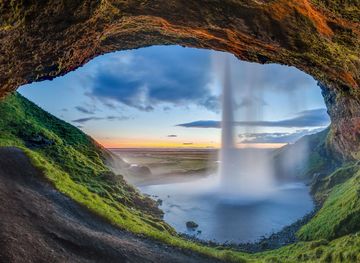

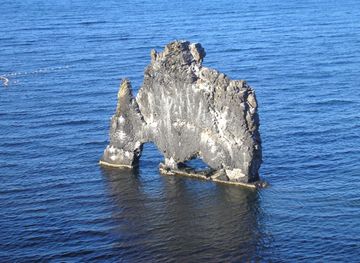
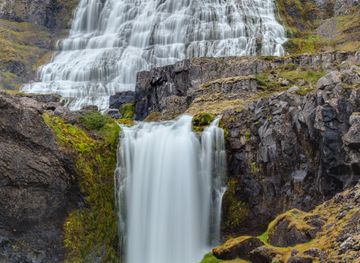

Your all‑in‑one travel companion app
Explore expert travel guides, compare and book tours, experiences, hotels, and more—all from the palm of your hand. Download now for seamless trip planning wherever your wanderlust takes you.


Explore More of Iceland

Looking beyond Southern Peninsula? Discover Iceland for broader travel guides, local hot-spots, and regional highlights.
Explore IcelandSouthern Peninsula in Photos
Browse through our photo collection highlighting the charm and character of the destination.


Discover the Majestic Southern Peninsula of Iceland
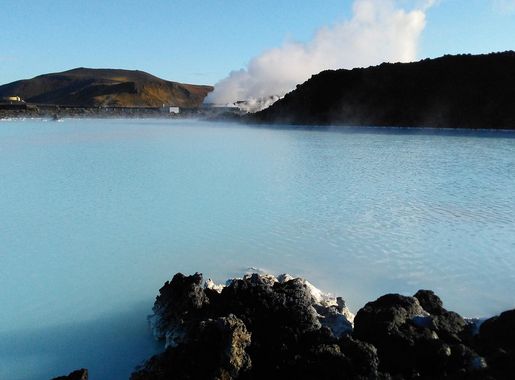
The Southern Peninsula of Iceland, also known as Reykjanes Peninsula, is a hidden gem waiting to be explored by adventurous souls. This rugged landscape, characterized by dramatic coastlines, geothermal hot spots, and volcanic craters, offers a unique blend of natural beauty and cultural richness. From the bustling town of Keflavík, where the international airport is located, to the serene Blue Lagoon, the peninsula is a treasure trove of experiences. One of the most captivating sights on the Southern Peninsula is the Reykjanesviti lighthouse, the oldest lighthouse in Iceland. Standing tall against the backdrop of crashing waves and black sand beaches, it provides spectacular views of the Atlantic Ocean. Nearby, the Gunnuhver hot springs bubble and steam, creating an otherworldly atmosphere. For those interested in Iceland's volcanic activity, the Bridge Between Continents is a must-visit. This symbolic bridge spans the Mid-Atlantic Ridge, where the Eurasian and North American tectonic plates meet, allowing visitors to stand between two continents. The nearby Fagradalsfjall volcano, which erupted recently, offers a rare opportunity to witness the raw power of nature. The Southern Peninsula is also home to the enchanting Blue Lagoon, a geothermal spa known for its milky-blue waters rich in minerals. It's the perfect place to relax after a day of exploring. Whether you're soaking in the warm waters or enjoying a meal at the on-site restaurant, the Blue Lagoon promises an unforgettable experience.