

Western Region, Iceland Travel Guide
Discover the captivating beauty and rich history of Iceland's Western Region – where rugged landscapes meet serene fjords and charming towns.
The Western Region of Iceland is a land of contrasts, offering a diverse landscape that ranges from rugged coastlines and stunning fjords to majestic mountains and lush valleys. This region is perfect for tourists who seek both adventure and tranquility as it provides endless opportunities for exploration and relaxation. One of the key highlights is the Snaefellsnes Peninsula, often referred to as 'Iceland in Miniature' due to its wide variety of natural features. Here, visitors can admire the iconic Snaefellsjokull glacier, which is believed to have inspired Jules Verne's 'Journey to the Center of the Earth.' Whether hiking up volcanic craters, exploring black sand beaches, or marveling at the dramatic cliffs, the Peninsula offers a treasure trove of experiences. In the heart of the Western Region lies the charming town of Borgarnes. This town is not only a gateway to exploring the region but also a cultural hub, home to the Settlement Center which provides fascinating insights into Iceland's Viking past. A stroll through Borgarnes will introduce tourists to local cafes, artisanal shops, and the warmth of Icelandic hospitality. For those interested in natural hot springs, the Western Region won't disappoint. Deildartunguhver, Europe's most powerful hot spring, is located here and offers a unique opportunity to witness the raw geothermal energy that Iceland is renowned for. Nearby, the relaxing Krauma Spa uses water from this spring to provide a rejuvenating experience. With its rich history, breathtaking landscapes, and welcoming communities, the Western Region of Iceland is a must-visit destination for any traveler looking to experience the true essence of Iceland.

Know before you go
Hi, I'm Eve. Here are a few practical things to know before exploring Western Region.
- Pack layers of clothing as the weather can be unpredictable, even in summer.
- Rent a car to fully explore the region at your own pace, as public transport is limited.
- Visit the Settlement Center in Borgarnes for an immersive experience in Icelandic history.
- Plan your visit to Snaefellsnes Peninsula for clear days to get the best views of Snaefellsjokull glacier.
- Don't miss out on the local cuisine, especially fresh seafood and traditional Icelandic lamb dishes.
- Allocate time to visit Deildartunguhver hot spring and enjoy a relaxing soak at the nearby Krauma Spa.
Top City Travel Guides in Western Region
The cities of Western Region, and the easiest places to base yourself.


Destinations in Western Region
Resorts, valleys and scenic spots worth a trip of their own.


Explore Western Region: Things to Do, Places to Eat, Hotels & More
Handpicked recommendations for top attractions, local dining, accommodations, and more

Top Attractions & Sightseeing in Western Region
Top-rated picks
Best Attractions

Hallgrimskirkja
Discover Hallgrimskirkja, Iceland's tallest church and a masterpiece of modernist architecture, offering stunning views and cultural experiences in Reykjavik.

Kirkjufellsfossar
Discover the breathtaking beauty of Kirkjufellsfossar, a stunning waterfall set against the iconic Kirkjufell mountain in Iceland's enchanting landscapes.

Búðakirkja
Explore the enchanting Búðakirkja, a stunning black church in Iceland, surrounded by breathtaking landscapes and rich cultural heritage.

Deildartunguhver
Discover Deildartunguhver, Europe's most powerful hot spring, a mesmerizing natural wonder nestled in Iceland's stunning landscape.

Best landmarks in Western Region
Top-rated picks
Best Landmarks

Hallgrimskirkja
Discover the architectural beauty and cultural significance of Hallgrimskirkja, Reykjavik's iconic church and a must-visit tourist attraction.

Thingvellir National Park
Discover the breathtaking landscapes and rich history at Thingvellir National Park, a UNESCO World Heritage site in Iceland.

Perlan
Explore Iceland's natural wonders at Perlan, a unique museum offering breathtaking views, interactive exhibits, and delicious dining in Reykjavik.

Sun Voyager
Explore Reykjavik's iconic Sun Voyager, a stunning sculpture symbolizing Iceland's seafaring heritage and spirit of adventure.

Best restaurants in Western Region
Top-rated picks
Best Restaurants

Café Loki
Discover authentic Icelandic flavors at Café Loki in Reykjavík – where tradition meets modern dining.

Icelandic Street Food
Experience authentic Icelandic cuisine at Icelandic Street Food – where tradition meets modern flavors in Reykjavík's heart.

Seabaron
Experience authentic Icelandic seafood at Seabaron in Reykjavík—fresh catches and local flavors await every visitor.
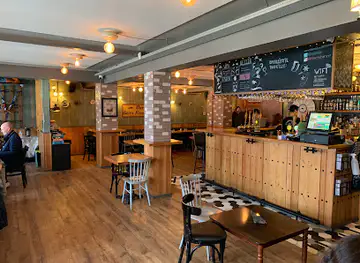
Íslenski barinn
Experience authentic Icelandic cuisine at Íslenski barinn in Reykjavík – a perfect blend of tradition and flavor.

Best bars in Western Region
Top-rated picks
Best Bars

Íslenski barinn
Experience the essence of Icelandic culture at Íslenski Barinn, where traditional cuisine meets a vibrant bar atmosphere in the heart of Reykjavík.

Lebowski Bar
Experience the laid-back charm of Lebowski Bar in Reykjavík, where film nostalgia meets a vibrant nightlife scene with delicious drinks and a cozy atmosphere.

Bastard Brew & Food
Experience the vibrant culinary scene of Reykjavík at Bastard Brew & Food, a brewpub serving craft beers and delicious local dishes.

American Bar
Experience the essence of American grilling at the American Bar in Reykjavík, where flavor meets a vibrant atmosphere.

Best nightclubs in Western Region
Top-rated picks
Best Nightclubs

Pablo Discobar
Experience the vibrant nightlife of Reykjavík at Pablo Discobar, where expertly crafted cocktails and electrifying music create unforgettable nights.

Paloma Club
Experience the vibrant nightlife of Reykjavik at Paloma Club, where electrifying music and an inviting ambiance create unforgettable nights.

Grillby’s
Experience the lively atmosphere and delectable offerings at Grillby’s, a bar that captures the essence of local culture and hospitality.

RADAR Reykjavík
Discover Reykjavík's nightlife at RADAR, a vibrant night club known for its great music, affordable drinks, and an unforgettable atmosphere.

Best shops in Western Region
Top-rated picks
Best Shops

The Settlement Center
Explore Iceland's Viking heritage and discover unique local crafts at The Settlement Center in Borgarnes.

Blómasetrið - Kaffi Kyrrð
Discover Blómasetrið - Kaffi Kyrrð, a unique gift shop, café, and hostel in Borgarnes, Iceland, offering local treasures and cozy relaxation.

IcelandCover Outdoor Clothing Rental
Discover Iceland's breathtaking landscapes with top-quality outdoor clothing and gear from IcelandCover Outdoor Clothing Rental in Reykjavík.

Valeria Specialty Coffee & souvenirs
Savor freshly roasted coffee and unique souvenirs in the charming town of Grundarfjörður, Iceland at Valeria Specialty Coffee & Souvenirs.

Explore Western Region on the Map
A handpicked selection of must-see spots in Western Region, mapped for you.
Western Region Essentials
-
The Western Region of Iceland is accessible primarily via Keflavík International Airport (KEF), which is about 50 kilometers from Reykjavik. From there, you can rent a car, take a bus, or hire a taxi to travel to the Western Region. The drive from Reykjavik to major towns like Borgarnes takes about 1.5 hours via Route 1 (the Ring Road), which is well-maintained and offers scenic views.
-
In the Western Region, a rental car is the most convenient way to explore due to the area's vast landscapes and remote attractions. Public buses, operated by Strætó, connect major towns but may have limited schedules. Taxis are available in larger towns but can be expensive. Cycling is an option during summer months, with dedicated bike paths along popular routes.
-
Iceland's official currency is the Icelandic Króna (ISK). Credit and debit cards are widely accepted, and ATMs are available in most towns. However, it's advisable to carry some cash for smaller establishments or in rural areas where card payment may not be an option. Currency exchange services are available at banks and airports.
-
The Western Region is generally very safe for tourists. Crime rates are low, but standard precautions should be taken. Avoid leaving valuables in your car and be aware of your surroundings. There are no specific neighborhoods with high crime rates targeting tourists. The natural environment can pose risks, so always check weather conditions and follow local guidelines when hiking or exploring.
-
In case of an emergency, dial 112 for immediate assistance, which connects to police, fire, and medical services. Medical facilities are available in larger towns like Borgarnes and Akranes. It is advisable to have travel insurance that covers medical emergencies. For minor health issues, pharmacies are available in most towns.
-
Fashion: Do dress in layers and be prepared for sudden weather changes. Outdoor and waterproof clothing is essential. Don't wear high heels or dress shoes for outdoor activities. Religion: Do respect local customs and avoid entering churches during services unless invited. Public Transport: Do be punctual as buses run on strict schedules. Don't eat or drink on public transport. Greetings: Do greet people with a friendly nod or a handshake. Icelanders are generally informal. Eating & Drinking: Do try local dishes like lamb stew and skyr. Don't refuse an offer of coffee; it's a significant part of Icelandic hospitality.
-
To experience the Western Region like a local, visit the farmers' markets and taste fresh, locally sourced products. Engage in conversations with locals, who are typically friendly and eager to share stories. Don't miss out on natural hot springs and geothermal pools, which are popular among residents. For a unique local experience, attend a town festival or cultural event, which often feature traditional music, dance, and food.
When is the best time to visit Western Region?
Useful Local Phrases for Western Region
You don't need to speak the language perfectly. Even learning a few simple words can make conversations warmer—and locals usually appreciate the effort.
— Eve

Here are the phrases I use most often in Western Region. Try a few—you'll be surprised how far they go! 😊
❤️
-
- HelloHello
[həˈloʊ] - GoodbyeGoodbye
[ɡʊdˈbaɪ] - YesYes
[jɛs] - NoNo
[noʊ] - Please/You're welcomePlease/You're welcome
[pliːz/ jʊr ˈwɛlkəm] - Thank youThank you
[θæŋk ju] - Excuse me/SorryExcuse me/Sorry
[ɪkˈskjus mi/ˈsɔri] - How are you?How are you?
[haʊ ɑr ju] - Fine. And you?Fine. And you?
[faɪn. ənd ju] - Do you speak English?Do you speak English?
[du ju spiːk ˈɪŋɡlɪʃ] - I don't understandI don't understand
[aɪ doʊnt ˌʌndərˈstænd]
- HelloHello
-
- I'd like to see the menu, pleaseI'd like to see the menu, please
[aɪd laɪk tə si ðə ˈmɛnju, pliz] - I don't eat meatI don't eat meat
[aɪ doʊnt iːt miːt] - Cheers!Cheers!
[tʃɪrz] - I would like to pay, pleaseI would like to pay, please
[aɪ wəd laɪk tə peɪ, pliz]
- I'd like to see the menu, pleaseI'd like to see the menu, please
-
- Help!Help!
[hɛlp] - Go away!Go away!
[ɡoʊ əˈweɪ] - Call the Police!Call the Police!
[kɔl ðə pəˈlis] - Call a doctor!Call a doctor!
[kɔl ə ˈdɑktər] - I'm lostI'm lost
[aɪm lɔst] - I'm illI'm ill
[aɪm ɪl]
- Help!Help!
-
- I'd like to buy...I'd like to buy...
[aɪd laɪk tə baɪ...] - I'm just lookingI'm just looking
[aɪm dʒʌst ˈlʊkɪŋ] - How much is it?How much is it?
[haʊ mʌtʃ ɪz ɪt] - That's too expensiveThat's too expensive
[ðæts tu ɪkˈspɛnsɪv] - Can you lower the price?Can you lower the price?
[kæn ju ˈloʊər ðə praɪs]
- I'd like to buy...I'd like to buy...
-
- What time is it?What time is it?
[wʌt taɪm ɪz ɪt] - It's one o'clockIt's one o'clock
[ɪts wʌn əˈklɑk] - Half past (10)Half past (10)
[hæf pæst (10)] - MorningMorning
[ˈmɔrnɪŋ] - AfternoonAfternoon
[ˌæftərˈnun] - EveningEvening
[ˈivnɪŋ] - YesterdayYesterday
[ˈjɛstərdeɪ] - TodayToday
[təˈdeɪ] - TomorrowTomorrow
[təˈmɔroʊ] - 11
[wʌn] - 22
[tu] - 33
[θri] - 44
[fɔr] - 55
[faɪv] - 66
[sɪks] - 77
[sɛvən] - 88
[eɪt] - 99
[naɪn] - 1010
[tɛn]
- What time is it?What time is it?
-
- Where's a/the...?Where's a/the...?
[wɛrz ə/ðə...?] - What's the address?What's the address?
[wʌts ði ˈædrɛs] - Can you show me (on the map)?Can you show me (on the map)?
[kæn ju ʃoʊ mi (ɑn ðə mæp)?] - When's the next (bus)?When's the next (bus)?
[wɛn z ðə nɛkst (bʌs)?] - A ticket (to ....)A ticket (to ....)
[ə ˈtɪkɪt (tə ....)]
- Where's a/the...?Where's a/the...?
History of Western Region
-
The Western Region of Iceland, known as Vesturland, played a critical role during the Settlement Age (circa 874-930 AD). The region was one of the first areas to be settled by Norse explorers. A notable settler in this area was Egill Skallagrímsson, a Viking poet and warrior, who established his farmstead at Borg in Mýrar.
-
Vesturland is rich in Icelandic sagas, particularly the famous 'Egils Saga'. This saga narrates the life of Egill Skallagrímsson and provides detailed accounts of Viking-era life, politics, and conflicts. The region's landscape and historical sites are directly linked to these stories, offering a unique glimpse into Iceland's storied past.
-
Reykholt in Vesturland was the home of Snorri Sturluson, one of Iceland's most important historical figures. A 13th-century poet, historian, and chieftain, Snorri wrote the Prose Edda and Heimskringla, which are crucial sources of Norse mythology and early Icelandic history. The Snorrastofa Cultural and Medieval Centre in Reykholt commemorates his life and works.
-
Vesturland's Þingvellir National Park, although technically part of the southwestern region, is historically connected to Vesturland. Þingvellir was the site of Iceland's first national assembly, Alþingi, established in 930 AD. This site represents the foundation of Icelandic democracy and law-making, playing a significant role in the country's governance.
-
Eiríksstaðir, a reconstructed Viking longhouse in Vesturland, is believed to be the homestead of Erik the Red, the infamous explorer who discovered and settled Greenland. The site offers insights into Viking life and exploration, featuring artifacts and replicas from the era.
-
During World War II, Hvalfjörður fjord in Vesturland was used as a naval base by the British and later the Americans. The fjord's strategic location made it an important site for the Allies' North Atlantic operations. Remnants of this period, such as abandoned bunkers and naval facilities, can still be found in the area.
-
The town of Borgarnes is home to the Settlement Centre, which provides extensive exhibitions on the history of Iceland's settlement and the sagas. The centre focuses on the stories of the first settlers, including the legendary Viking Egill Skallagrímsson, and offers a deep dive into the heritage of Vesturland.
-
Vesturland's coastal towns, such as Akranes, have long been hubs of Iceland's fishing industry. The development of fishing techniques and the establishment of fish processing plants in the 20th century transformed these towns into significant economic centers. The Akranes Lighthouse and the local Maritime Museum highlight this vital aspect of the region's history.
Neighbouring Regions of Western Region
The closest regions to Western Region, if you have time for more than one.


Your all‑in‑one travel companion app
Explore expert travel guides, compare and book tours, experiences, hotels, and more—all from the palm of your hand. Download now for seamless trip planning wherever your wanderlust takes you.


Explore More of Iceland

Looking beyond Western Region? Discover Iceland for broader travel guides, local hot-spots, and regional highlights.
Explore IcelandWestern Region in Photos
Browse through our photo collection highlighting the charm and character of the destination.





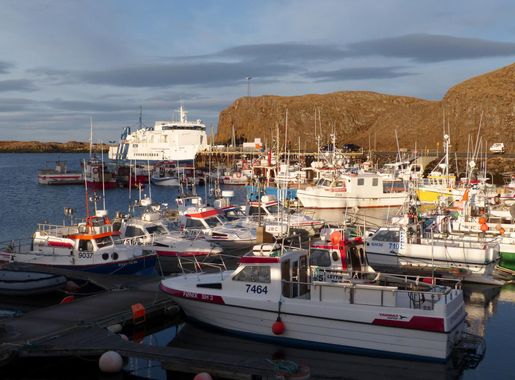
The Enchanting Western Region of Iceland
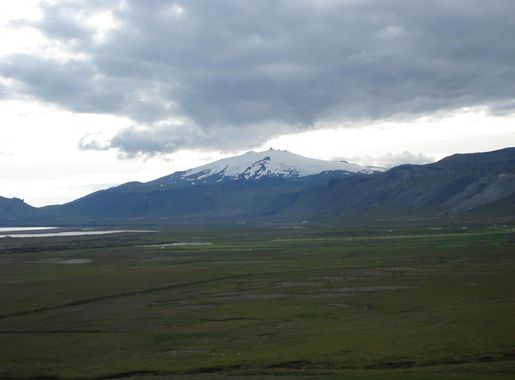
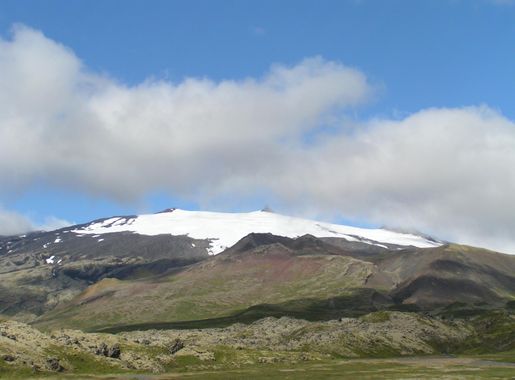
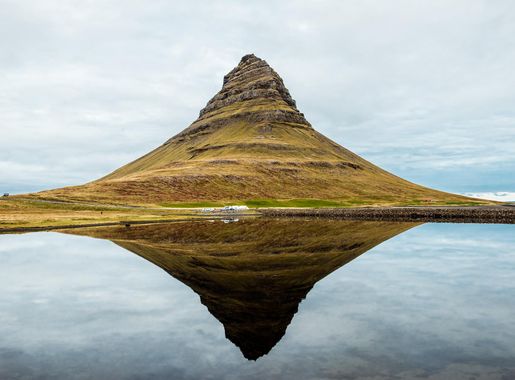
The Western Region of Iceland is a land of contrasts, offering a diverse landscape that ranges from rugged coastlines and stunning fjords to majestic mountains and lush valleys. This region is perfect for tourists who seek both adventure and tranquility as it provides endless opportunities for exploration and relaxation. One of the key highlights is the Snaefellsnes Peninsula, often referred to as 'Iceland in Miniature' due to its wide variety of natural features. Here, visitors can admire the iconic Snaefellsjokull glacier, which is believed to have inspired Jules Verne's 'Journey to the Center of the Earth.' Whether hiking up volcanic craters, exploring black sand beaches, or marveling at the dramatic cliffs, the Peninsula offers a treasure trove of experiences. In the heart of the Western Region lies the charming town of Borgarnes. This town is not only a gateway to exploring the region but also a cultural hub, home to the Settlement Center which provides fascinating insights into Iceland's Viking past. A stroll through Borgarnes will introduce tourists to local cafes, artisanal shops, and the warmth of Icelandic hospitality. For those interested in natural hot springs, the Western Region won't disappoint. Deildartunguhver, Europe's most powerful hot spring, is located here and offers a unique opportunity to witness the raw geothermal energy that Iceland is renowned for. Nearby, the relaxing Krauma Spa uses water from this spring to provide a rejuvenating experience. With its rich history, breathtaking landscapes, and welcoming communities, the Western Region of Iceland is a must-visit destination for any traveler looking to experience the true essence of Iceland.