

Free Highlands Travel Guide & Mobile App
Explore Highlands with free travel guides. Discover regional history, expert tips, proposed trips, and audio guides on web or mobile app.


Explore Iceland’s Highlands for volcanic deserts, glacial valleys, geothermal trails and demanding summer journeys beyond the settled coast.
Read more about Highlands
When is the best time to visit Highlands?
Best: June–August · 14–16°C| Month | High (°C) | Rainfall (mm) |
|---|---|---|
| January | 2 | 70 |
| February | 3 | 60 |
| March | 4 | 65 |
| April | 7 | 55 |
| May | 11 | 50 |
| June (best) | 14 | 45 |
| July (best) | 16 | 40 |
| August (best) | 15 | 45 |
| September | 12 | 55 |
| October | 8 | 65 |
| November | 4 | 70 |
| December | 2 | 75 |
Getting to and around Highlands
How to get there
Transportation
Top city travel guides in Highlands
The cities of Highlands, and the easiest places to base yourself.
-

-

-

-

-

-


Swipe for more cities
Destinations in Highlands
Resorts, valleys and scenic spots worth a trip of their own.
-

-

-

-

-

-


Swipe for more destinations
Best attractions in Highlands
The Highlands’ attractions are primarily geological and outdoor rather than urban or commercial. Landmannalaugar, within the Fjallabak Nature Reserve, combines colourful rhyolite mountains, lava formations and hot-water bathing with access to major walking routes. Þórsmörk offers contrasting scenery: sheltered valleys, birch woodland, ridges and views towards glaciers, although access involves difficult roads and river conditions. In the central interior, Hveravellir provides geothermal features and a long-established stopping place on the Kjölur route, while Kerlingarfjöll is known for steaming mountain valleys and marked hiking terrain. Farther east, the Askja region presents vast lava fields and caldera landscapes within Vatnajökull National Park. Multi-day treks, including the Laugavegur, reveal changing scenery over several days rather than through a sequence of roadside viewpoints. Wildlife is present but not the main attraction; visitors are more likely to encounter hardy vegetation, birds and the evidence of glacial and volcanic processes. Facilities are deliberately limited, so the experience depends on preparation, low-impact travel and reading the landscape rather than collecting conventional attractions.
-
Tourist attraction
Vatnajökull National Park
Discover the breathtaking landscapes of Vatnajökull National Park, where glaciers, waterfalls, and diverse wildlife await your exploration.
-
Tourist attraction
Svartifoss
Explore Svartifoss, the stunning Black Waterfall in Iceland's Vatnajökull National Park, known for its majestic basalt columns and breathtaking scenery.
-
Tourist attraction
Fjaðrárgljúfur
Explore the breathtaking beauty of Fjaðrárgljúfur, an iconic canyon in Iceland known for its stunning landscapes and picturesque hiking trails.
-
Beach
Diamond Beach
Explore Diamond Beach, Iceland's stunning black sand beach adorned with glistening icebergs and breathtaking natural beauty.


Best landmarks in Highlands
The most recognisable landmarks of the Highlands are natural formations created by volcanism, ice and geothermal activity. The multicoloured mountains of Landmannalaugar are among the region’s defining sights, their bands of rhyolite and dark lava making a marked contrast with the surrounding uplands. In Þórsmörk, ridges and valleys lie between major glaciers, producing a landscape shaped by both shelter and exposure. Hveravellir’s steaming ground and hot springs mark the historic Kjölur crossing, while Kerlingarfjöll is distinguished by orange, red and yellow geothermal mountains. Askja’s caldera and extensive lava fields form one of the interior’s most powerful volcanic landscapes, and Kverkfjöll stands at the meeting point of high mountains, ice and geothermal forces. The black deserts crossed by Sprengisandur are landmarks in their own right: broad, austere spaces that explain the physical difficulty of historical travel across Iceland. These places are visually prominent but environmentally delicate, and road closures or seasonal conditions may determine whether they can be reached.
-
Thermal baths
Blue Lagoon
Immerse yourself in the rejuvenating waters of the Blue Lagoon, Iceland's iconic geothermal spa surrounded by stunning lava landscapes.
-
Church
Hallgrimskirkja
Explore Hallgrimskirkja, Reykjavik's stunning church, and enjoy breathtaking views of the city from its iconic tower, a must-visit attraction for every traveler.
-
Tourist attraction
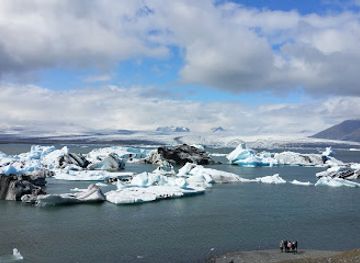
Jökulsárlón Glacier Lagoon Boat Tours and Cafe
Discover the breathtaking beauty of Jökulsárlón Glacier Lagoon, where towering icebergs meet tranquil waters for an unforgettable Icelandic adventure.
-
Natural history museum
Perlan
Explore the wonders of Iceland at Perlan - a unique natural history museum, planetarium, and restaurant with stunning city views.



Explore Highlands on the map
Plan your trip on one map. See where the top cities, national parks and sights are, and book hotels and experiences in a few clicks.
Best hotels in Highlands
Best restaurants in Highlands
Dining in the Highlands is limited and closely tied to huts, campsites, mountain lodges and organised excursions rather than a restaurant scene. Visitors normally bring provisions from Iceland’s towns, and self-catering is essential for remote routes. Where seasonal facilities operate, food is generally practical fare suited to hikers and drivers, while mountain huts may provide cooking facilities rather than full meals. Icelandic staples such as rye bread, dairy products, lamb, fish, dried foods and hearty soups travel well, but the interior does not have a separate cuisine distinct from the wider country. In gateway towns and rural districts outside the Highlands, cafés, bakeries, farm restaurants and traditional pubs provide broader choices before or after an expedition. Carry sufficient water and food because a service point shown on a map may be seasonal, closed or unable to supply a complete meal.
-
Icelandic
Íslenski barinn
Discover the essence of Icelandic culture through authentic dishes at Íslenski barinn in Reykjavík's vibrant heart.
-
Icelandic
Restaurant Suður-Vík
Experience authentic Icelandic cuisine at Restaurant Suður-Vík amidst breathtaking landscapes in Vík.
-
Tour operator
Fjallsárlón Iceberg Boat Tours
Discover breathtaking glacial landscapes at Fjallsárlón Iceberg Boat Tours – an unforgettable Icelandic adventure amidst towering icebergs.
-
 Hotel
Fosshotel Glacier Lagoon
Experience luxury at Fosshotel Glacier Lagoon—your ideal base for exploring Iceland's stunning glaciers and natural wonders.


Best bars in Highlands
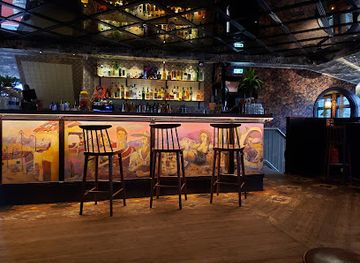
The Highlands have virtually no conventional nightlife, and evening activity centres on mountain huts, campsites, shared kitchens and quiet lodges rather than bars or nightclubs. Hikers and drivers commonly spend the evening checking weather, preparing routes, sharing food or observing the long summer light. Some seasonal accommodation may serve meals or refreshments, but opening arrangements vary and should not be assumed. There is little artificial light, making clear nights suitable for landscape viewing and, later in the season, potentially for aurora watching, though cloud and weather remain decisive. For pubs, live music and a broader social scene, visitors need to return to Iceland’s settled areas, particularly the towns used as gateways to individual Highland routes. Alcohol should never be combined with driving, river crossings or hazardous outdoor activities.
-
Bar
Íslenski barinn
Explore authentic Icelandic cuisine and vibrant nightlife at Íslenski Barinn, the heart of Reykjavík's culinary scene.
-
Nature preserve
Skaftafell
Discover the natural beauty of Skaftafell, a stunning preserve within Vatnajökull National Park, ideal for hiking, photography, and exploring Iceland's unique landscapes.
-
Bar
Lebowski Bar
Discover the quirky charm of Lebowski Bar in Reykjavík, where film nostalgia meets a vibrant social scene and delicious drinks.
-
Bar
Kex Hostel Reykjavik
Discover Kex Hostel Reykjavik: A unique fusion of accommodation, dining, and live music in the heart of Iceland's capital.


Best nightclubs in Highlands
The Highlands have virtually no conventional nightlife, and evening activity centres on mountain huts, campsites, shared kitchens and quiet lodges rather than bars or nightclubs. Hikers and drivers commonly spend the evening checking weather, preparing routes, sharing food or observing the long summer light. Some seasonal accommodation may serve meals or refreshments, but opening arrangements vary and should not be assumed. There is little artificial light, making clear nights suitable for landscape viewing and, later in the season, potentially for aurora watching, though cloud and weather remain decisive. For pubs, live music and a broader social scene, visitors need to return to Iceland’s settled areas, particularly the towns used as gateways to individual Highland routes. Alcohol should never be combined with driving, river crossings or hazardous outdoor activities.
-
Bar
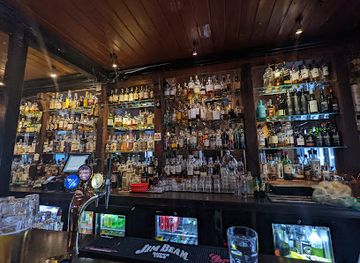
Dillon Whiskey Bar
Experience the vibrant nightlife of Reykjavík at Dillon Whiskey Bar, where whiskey, karaoke, and live music come together for an unforgettable evening.
-
Bar
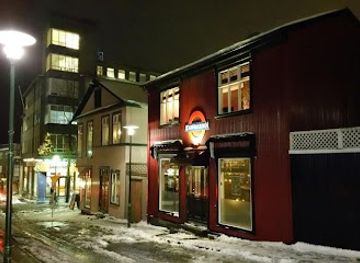
Kaffibarinn
Discover the vibrant nightlife of Reykjavík at Kaffibarinn, a popular bar known for its lively atmosphere and delicious drinks.
-
Bar
Gaukurinn
Discover the vibrant spirit of Reykjavík at Gaukurinn, where nightlife comes alive with live music, great drinks, and an eclectic crowd.
-
Night club
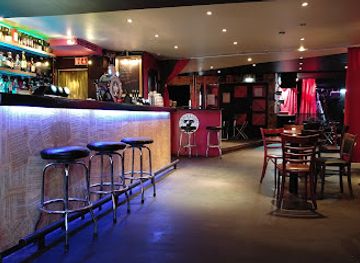
Pablo Discobar
Experience the lively atmosphere and diverse music at Pablo Discobar, Reykjavík's top night club and cocktail bar, perfect for unforgettable nights out.
Best shops in Highlands
Shopping in the Highlands is limited to practical supplies and small-scale seasonal facilities rather than retail districts. Visitors should buy fuel, food, medications, maps, spare equipment and suitable clothing in Iceland’s towns before entering the interior. Mountain huts, campsites or lodges may sell simple refreshments or basic items, but stock and opening arrangements cannot be assumed. Regional gateway towns are better places for Icelandic woollen goods, outdoor equipment, books, local food and crafts. Useful souvenirs include lopapeysa-style wool jumpers, knitted accessories, locally produced preserves and design items, although these are Icelandic products rather than goods exclusive to the Highlands. Farm shops and galleries outside the interior may offer regional produce, while hiking areas themselves should be treated as protected landscapes rather than shopping destinations. Leave no waste behind and avoid removing rocks, moss or volcanic material from the environment.
-
Tourist attraction
Jökulsárlón Glacier Lagoon Boat Tours and Cafe
Explore the enchanting Jökulsárlón Glacier Lagoon, where shimmering icebergs meet pristine waters in a stunning Icelandic landscape.
-
National park
Vatnajökull National Park
Experience the breathtaking beauty of Vatnajökull National Park, home to Europe's largest glacier and stunning natural landscapes.
-
Store
Stuðlagil Canyon Main Access
Explore the stunning basalt formations and turquoise waters at Stuðlagil Canyon, a breathtaking highlight of East Iceland's natural beauty.
-
Nature preserve
Skaftafell
Discover the stunning landscapes, hiking trails, and unique glaciers of Skaftafell, a breathtaking nature preserve in Vatnajökull National Park, Iceland.


Get your free copy of our complete guide to Highlands, delivered straight to you.
Everything on this page, from attractions and restaurants to essentials and local phrases, in one PDF you can read offline, print or share.
Already have an account? Sign in
Your Highlands guide is ready.
We'll send it to · Not you? Sign out

Getting your guide ready…
We are putting together a fresh copy of the Highlands guide. This can take up to a minute.
This can take a few moments. If your browser asks, choose Allow so the download can start. You'll find the guide in your Downloads folder.
Nothing happened? Download it again
Sorry, the guide is taking longer than usual. Please try again in a minute, or get it by email instead.
Highlands essentials
Currency and Payment
Safety
Emergency Situations
Do's and Don'ts
Local Tips
From Eve
Local phrases worth knowing
You don't need to get them perfect. A few words go a long way, and locals appreciate the effort.
Basics
| English | Local | Say it |
|---|---|---|
| Hello | Howdy | [/ˈhaʊdi/] |
| Goodbye | See ya | [/siː jɑː/] |
| Yes | Yep | [/jɛp/] |
| No | Nah | [/nɑː/] |
| Please/You're welcome | Sure thing | [/ʃʊr θɪŋ/] |
| Thank you | Thanks | [/θæŋks/] |
| Excuse me/Sorry | Pardon me | [/ˈpɑːrdən mi/] |
| How are you? | How's it going? | [/haʊz ɪt ˈɡoʊɪŋ/] |
| Fine. And you? | I'm good. You? | [/aɪm ɡʊd juː/] |
| Do you speak English? | Do you know English? | [/duː juː noʊ ˈɪŋɡlɪʃ/] |
| I don't understand | I don't get it | [/aɪ doʊnt ɡɛt ɪt/] |
Eating & Drinking
| English | Local | Say it |
|---|---|---|
| I'd like to see the menu, please | Can I see the menu? | [/kæn aɪ siː ðə ˈmɛnjuː/] |
| I don't eat meat | I'm a vegetarian | [/aɪm ə ˌvɛdʒəˈtɛriən/] |
| Cheers! | Cheers! | [/tʃɪrz/] |
| I would like to pay, please | Can I get the check? | [/kæn aɪ ɡɛt ðə tʃɛk/] |
Emergencies
| English | Local | Say it |
|---|---|---|
| Help! | Help! | [/hɛlp/] |
| Go away! | Leave me alone! | [/liːv mi əˈloʊn/] |
| Call the Police! | Call 911! | [/kɔːl naɪn wʌn wʌn/] |
| Call a doctor! | Get a doctor! | [/ɡɛt ə ˈdɑːktər/] |
| I'm lost | I'm lost | [/aɪm lɔst/] |
| I'm ill | I'm not feeling well | [/aɪm nɑːt ˈfiːlɪŋ wɛl/] |
Shopping
| English | Local | Say it |
|---|---|---|
| I'd like to buy... | I want to buy... | [/aɪ wɑːnt tuː baɪ/] |
| I'm just looking | Just browsing | [/dʒʌst ˈbraʊzɪŋ/] |
| How much is it? | What's the price? | [/wʌts ðə praɪs/] |
| That's too expensive | That's pricey | [/ðæts ˈpraɪsi/] |
| Can you lower the price? | Can you give me a deal? | [/kæn juː ɡɪv miː ə diːl/] |
Time & Numbers
| English | Local | Say it |
|---|---|---|
| What time is it? | What time is it? | [/wʌt taɪm ɪz ɪt/] |
| It's one o'clock | It's one o'clock | [/ɪts wʌn əˈklɒk/] |
| Half past (10) | Half past ten | [/hæf pæst tɛn/] |
| Morning | Morning | [/ˈmɔrnɪŋ/] |
| Afternoon | Afternoon | [/ˌæftərˈnun/] |
| Evening | Evening | [/ˈivnɪŋ/] |
| Yesterday | Yesterday | [/ˈjɛstərdeɪ/] |
| Today | Today | [/təˈdeɪ/] |
| Tomorrow | Tomorrow | [/təˈmɔroʊ/] |
| 1 | One | [/wʌn/] |
| 2 | Two | [/tuː/] |
| 3 | Three | [/θriː/] |
| 4 | Four | [/fɔːr/] |
| 5 | Five | [/faɪv/] |
| 6 | Six | [/sɪks/] |
| 7 | Seven | [/ˈsɛvən/] |
| 8 | Eight | [/eɪt/] |
| 9 | Nine | [/naɪn/] |
| 10 | Ten | [/tɛn/] |
Transport & Directions
| English | Local | Say it |
|---|---|---|
| Where's a/the...? | Where's the...? | [/wɛrz ðə/] |
| What's the address? | What's the address? | [/wʌts ði əˈdrɛs/] |
| Can you show me (on the map)? | Can you point it out? | [/kæn juː pɔɪnt ɪt aʊt/] |
| When's the next (bus)? | When's the next bus? | [/wɛn z ðə nɛkst bʌs/] |
| A ticket (to ....) | One ticket to... please | [/wʌn ˈtɪkɪt tuː... pliz/] |
History of Highlands
Volcanic Formation and Glacial Shaping
The Highlands were formed through the interaction of Iceland’s volcanic activity and its position beneath the North Atlantic ice cap. Repeated eruptions created lava fields, volcanic cones, calderas and ash deserts, while glaciers and meltwater carved valleys and deposited broad outwash plains. This geological history remains visible at Askja, Landmannalaugar, Kerlingarfjöll and numerous unnamed lava landscapes. Earthquakes, eruptions and geothermal activity continue to shape the interior, making the Highlands an important setting for understanding Iceland’s living geology rather than simply a setting of ancient rock.
Settlement-Era Routes and the Interior
Iceland’s early settlers established farms mainly along the coast and in valleys where pasture and water were more dependable. The interior was generally too exposed and agriculturally poor for permanent settlement, but it was crossed by routes linking northern and southern districts. Kjölur and Sprengisandur became important overland passages, while knowledge of rivers, weather and seasonal conditions was essential. Travel was slow and hazardous, and the Highlands’ remoteness helped preserve their reputation as a demanding frontier within the Icelandic landscape.
Medieval Sagas and Highland Outlaws
Medieval Icelandic literature and later oral tradition often portray the interior as a place of exile, danger and endurance. Stories connected with outlaws, fugitives and difficult crossings reflect the social penalties of medieval Iceland as well as the physical severity of the landscape. These narratives should not be read as straightforward travel records, but they help explain why the Highlands occupy such a strong place in Iceland’s cultural imagination. Volcanic deserts, mountain passes and isolated valleys frequently serve as settings for tales of conflict and survival.
The Modern Mapping of the Interior
For centuries, knowledge of the Highlands was practical and local, transmitted through routes, landmarks and seasonal experience. From the eighteenth century onward, scientific, administrative and surveying expeditions gradually produced more systematic maps and descriptions of the interior. Travel remained difficult because of rivers, lava fields, glaciers and poor weather, but mapping helped clarify the relationship between Iceland’s central routes, ice caps and volcanic systems. Modern roads and marked trails have made selected areas more accessible without removing the underlying physical challenges.
Volcanic Events and Scientific Attention
The Highlands contain several of Iceland’s most important volcanic areas. The 1875 Askja eruption caused ashfall and disruption, particularly in eastern Iceland, and drew international scientific attention to the region. Later eruptions and geothermal investigations continued to demonstrate that the interior is an active geological system. The large volcanic landscapes around Askja, Kverkfjöll, Bárðarbunga and other central areas are now studied alongside protected for their environmental and scientific value, while access remains controlled by conditions and conservation requirements.
Conservation and Wilderness Tourism
During the twentieth century, roads, mountain huts, rescue infrastructure and organised trekking gradually opened selected parts of the interior to visitors. The creation and expansion of protected areas, including Vatnajökull National Park and the Fjallabak Nature Reserve, reflected growing recognition of the Highlands’ geological, ecological and cultural importance. Tourism has increased substantially, especially on routes such as the Laugavegur, but the region remains highly sensitive. Modern management therefore focuses on seasonal access, designated camping, trail protection, river safety and limiting damage to slow-growing vegetation.
Highlands in Photos
Browse through our photo collection highlighting the charm and character of the destination.
Neighbouring regions of Highlands
The closest regions to Highlands, if you have time for more than one.
-
-
-
-

-


Swipe for more regions
Explore more

Explore more of Iceland
Discover Iceland, where glaciers meet volcanoes, Northern Lights dance in the skies, and natural wonders await at every turn.
Explore Iceland