

Free Reykjavík Capital Area Travel Guide & Mobile App
Explore Reykjavík Capital Area with free travel guides. Discover regional history, expert tips, proposed trips, and audio guides on web or mobile app.


Explore Reykjavík Capital Area for Icelandic culture, geothermal bathing, harbour life, museums and coastal landscapes beneath northern skies.
Read more about Reykjavík Capital Area
When is the best time to visit Reykjavík Capital Area?
Best: June–August · 12–13°C| Month | High (°C) | Rainfall (mm) |
|---|---|---|
| January | 3 | 80 |
| February | 3 | 70 |
| March | 4 | 70 |
| April | 6 | 60 |
| May | 9 | 50 |
| June (best) | 12 | 50 |
| July (best) | 13 | 50 |
| August (best) | 12 | 60 |
| September | 10 | 70 |
| October | 7 | 80 |
| November | 4 | 80 |
| December | 2 | 80 |
Getting to and around Reykjavík Capital Area
How to get there
Transportation
Top city travel guides in Reykjavík Capital Area
The cities of Reykjavík Capital Area, and the easiest places to base yourself.
-

-

-

-


Swipe for more cities
Destinations in Reykjavík Capital Area
Resorts, valleys and scenic spots worth a trip of their own.
-

-


Swipe for more destinations
Best attractions in Reykjavík Capital Area
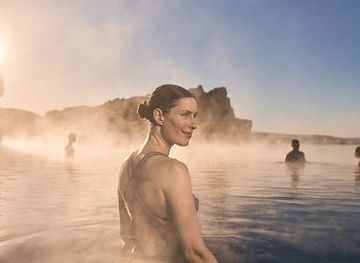
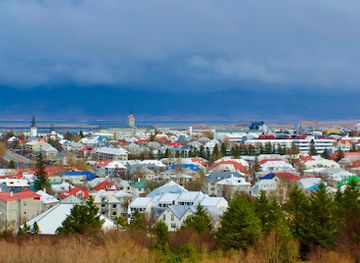
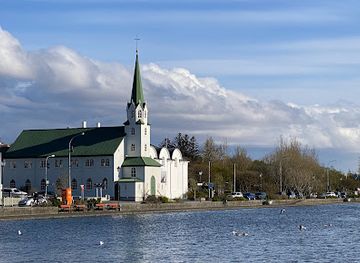
The Reykjavík Capital Area combines urban culture with accessible nature. Central Reykjavík contains the National Museum of Iceland, Reykjavík Art Museum, the Settlement Exhibition and the exhibitions at Perlan, while Harpa provides a major venue for concerts and cultural events. The Árbær Open Air Museum presents historic buildings and everyday life from earlier periods, offering a useful counterpoint to the city’s modern centre. In Kópavogur, museums and galleries form part of a contemporary civic district, while Sky Lagoon provides geothermal bathing beside the coast. Hafnarfjörður brings harbour walks, lava landscapes and a historic town centre, and the Seltjarnarnes peninsula leads towards birdlife and sea views at Grótta. Heiðmörk, Elliðaárdalur and the wooded areas around Mosfellsbær offer walking, cycling and seasonal outdoor recreation. These places are not wilderness substitutes for Iceland’s highlands, but they show how volcanic terrain, geothermal water, bird habitats and urban life coexist unusually closely in the capital region.
-
Event venue
Harpa Concert Hall and Conference Centre
Discover the stunning Harpa Concert Hall in Reykjavik—a cultural hub for music, art, and architectural beauty amidst Iceland's breathtaking landscape.
-
Tourist attraction
Perlan
Discover the wonders of Iceland at Perlan, Reykjavik's iconic landmark featuring a museum, planetarium, and breathtaking views.
-
Sculpture
Sun Voyager
Experience the Sun Voyager in Reykjavík: A stunning sculpture symbolizing hope, exploration, and the rich Viking heritage of Iceland.
-
Thermal baths
Sky Lagoon
Discover the magical Sky Lagoon in Kópavogur, Iceland, where soothing geothermal baths meet stunning natural beauty for an unforgettable spa experience.


Best landmarks in Reykjavík Capital Area
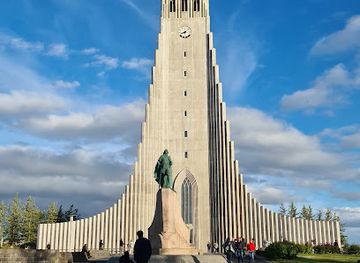
Hallgrímskirkja is Reykjavík’s best-known skyline landmark, its tall concrete form drawing on Icelandic basalt landscapes and its tower providing a prominent urban reference point. On the waterfront, Harpa Concert Hall is distinguished by a geometric glass façade that changes colour with the light of Faxaflói Bay. The Sun Voyager sculpture nearby is a symbolic steel boat facing the sea, while Höfði House is associated with the 1986 Reykjavík Summit between Ronald Reagan and Mikhail Gorbachev. Alþingishúsið and the surrounding central streets represent the capital’s national political role, and the old harbour preserves the city’s maritime identity. Beyond central Reykjavík, the Bessastaðir estate in Garðabær is the official residence of Iceland’s president and a significant historic site, though access is limited. Hafnarfjörður’s harbour and lava-framed older streets provide a different architectural landmarkscape, while Grótta’s lighthouse and shoreline mark the western edge of Seltjarnarnes and open views across the bay.
-
Church
Hallgrimskirkja
Discover the architectural wonder of Hallgrimskirkja in Reykjavik, Iceland's tallest church, offering breathtaking views and a glimpse into Icelandic culture.
-
Natural history museum
Perlan
Discover the wonders of Iceland at Perlan, where natural history meets breathtaking views and unforgettable experiences await you.
-
Sculpture
Sun Voyager
Explore the Sun Voyager in Reykjavik, a stunning sculpture symbolizing hope, adventure, and Iceland's rich maritime heritage.
-
Tourist attraction
FlyOver Iceland
Experience the breathtaking beauty of Iceland in a thrilling virtual flight at FlyOver Iceland, where adventure meets stunning landscapes.
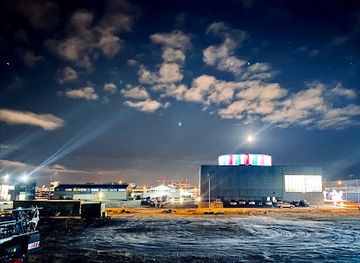
Explore Reykjavík Capital Area on the map
Plan your trip on one map. See where the top cities, national parks and sights are, and book hotels and experiences in a few clicks.
Best hotels in Reykjavík Capital Area
Best restaurants in Reykjavík Capital Area
Dining in the capital area reflects Iceland’s position between fishing culture, North Atlantic produce and a contemporary international food scene. Fish and shellfish are prominent, from simple preparations and fish soup to more elaborate dishes in Reykjavík’s restaurants, while lamb, dairy products, rye bread and locally grown greenhouse vegetables appear frequently on menus. Bakeries and cafés are central to the city’s daily rhythm, with cinnamon buns, pastries and strong coffee providing easy stops between museums. Hafnarfjörður and the harbour districts offer a maritime setting, while suburban Kópavogur, Garðabær and Mosfellsbær contain restaurants serving both Icelandic and international food. Farmers’ markets and specialist shops are useful for regional products such as smoked fish, skyr, preserves and liquorice. Dining prices are high by international standards, so cafés, bakeries, food halls and casual counters can provide a more manageable introduction to local flavours than formal restaurants.
-
Icelandic
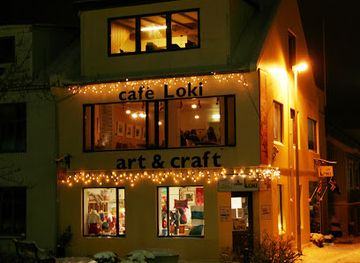
Café Loki
Experience authentic Icelandic cuisine at Café Loki in Reykjavík – a cozy restaurant celebrating local flavors with every dish.
-
Icelandic
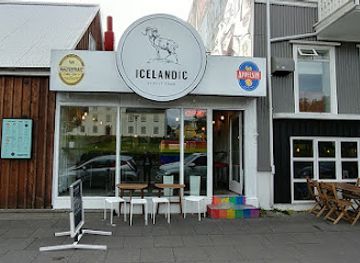
Icelandic Street Food
Experience authentic Icelandic cuisine at Icelandic Street Food in Reykjavík - where traditional flavors meet modern comfort.
-
Icelandic
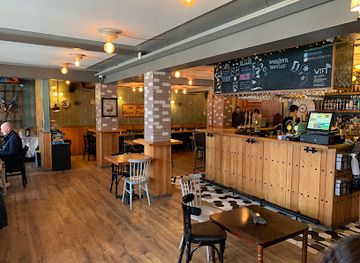
Íslenski barinn
Experience authentic Icelandic cuisine at Íslenski barinn - where tradition meets taste in the heart of Reykjavík.
-
Seafood
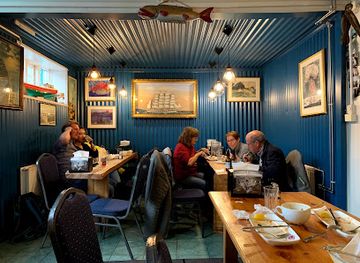
Seabaron
Discover fresh seafood delights at Seabaron in Reykjavík - where every dish celebrates Iceland's maritime bounty.
Best bars in Reykjavík Capital Area
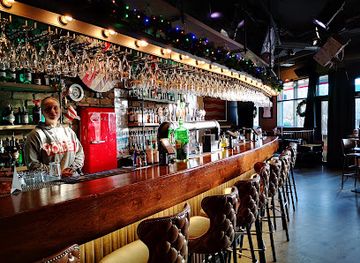
Evening life is concentrated in central Reykjavík, particularly around the streets between Laugavegur, Austurstræti and the harbour, where traditional pubs, beer bars, cocktail rooms, cafés and live-music venues occupy a compact area. The city’s nightlife often begins late and can vary considerably by night and season, while the larger suburbs generally offer local pubs and restaurants rather than a dense club scene. Hafnarfjörður has a quieter evening character shaped by its harbour and older centre. Cultural events at Harpa, smaller concerts and comedy or theatre performances broaden the options beyond drinking. Craft beer and Icelandic spirits are widely available, but prices are high and responsible consumption matters, especially in winter weather. In smaller municipalities, checking current event listings is more useful than expecting a permanent nightlife district.
-
Bar
Íslenski barinn
Savor the true taste of Iceland at Íslenski barinn, where traditional cuisine meets a vibrant bar atmosphere in the heart of Reykjavík.
-
Bar
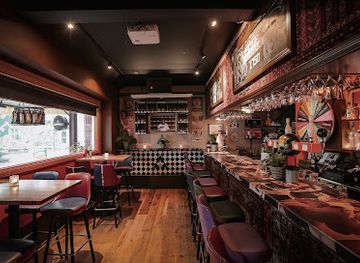
Lebowski Bar
Experience the charm of Reykjavík at the iconic Lebowski Bar, where themed cocktails and a relaxed vibe await fans of The Big Lebowski.
-
Brewpub
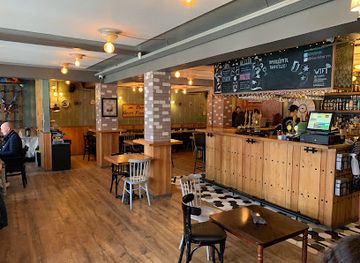
Bastard Brew & Food
Experience the vibrant atmosphere and unique flavors at Bastard Brew & Food, Reykjavík's top brewpub offering craft beers and delicious local cuisine.
-
Grill
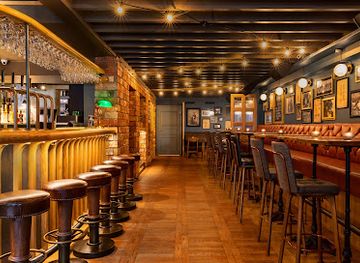
American Bar
Discover the vibrant American Bar in Reykjavík, a grill paradise with delicious food and refreshing drinks in a lively atmosphere.
Best nightclubs in Reykjavík Capital Area
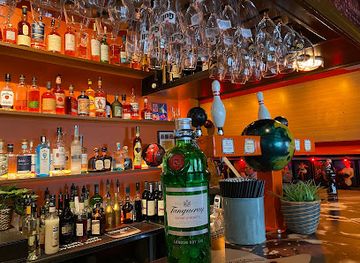
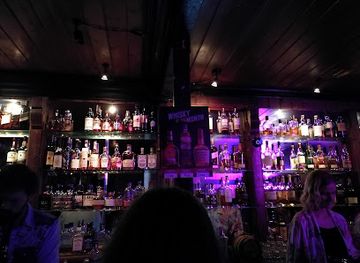
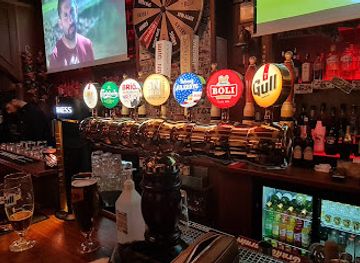
Evening life is concentrated in central Reykjavík, particularly around the streets between Laugavegur, Austurstræti and the harbour, where traditional pubs, beer bars, cocktail rooms, cafés and live-music venues occupy a compact area. The city’s nightlife often begins late and can vary considerably by night and season, while the larger suburbs generally offer local pubs and restaurants rather than a dense club scene. Hafnarfjörður has a quieter evening character shaped by its harbour and older centre. Cultural events at Harpa, smaller concerts and comedy or theatre performances broaden the options beyond drinking. Craft beer and Icelandic spirits are widely available, but prices are high and responsible consumption matters, especially in winter weather. In smaller municipalities, checking current event listings is more useful than expecting a permanent nightlife district.
-
Bar
Lebowski Bar
Discover Reykjavik's vibrant nightlife at Lebowski Bar, a unique spot inspired by 'The Big Lebowski' featuring cocktails, bites, and a laid-back atmosphere.
-
Bar
Dillon Whiskey Bar
Discover Dillon Whiskey Bar: a lively Reykjavík destination for whiskey lovers, live music enthusiasts, and karaoke fans seeking unforgettable nights.
-
Bar
The English Pub
Experience the vibrant nightlife of Reykjavík at The English Pub, where locals and tourists mingle over drinks in a lively atmosphere.
-
Bar
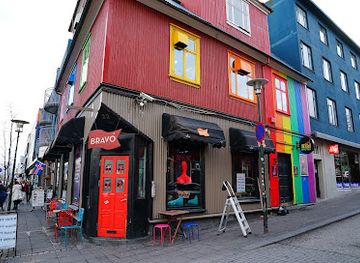
Bravó
Discover the vibrant nightlife of Reykjavík at Bravó, a lively bar offering creative cocktails, live music, and an unforgettable atmosphere.
Best shops in Reykjavík Capital Area
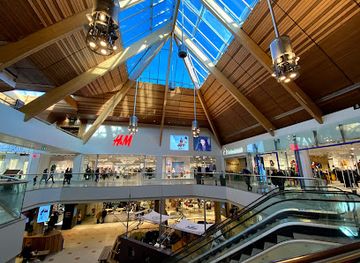
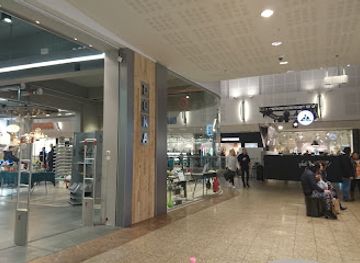
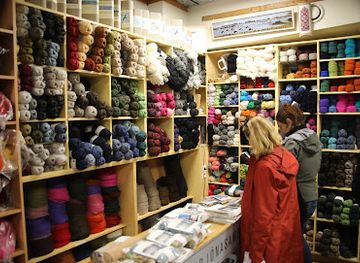
Central Reykjavík is the capital area’s main shopping centre, with independent design shops, bookshops, outdoor-equipment retailers, galleries, boutiques and familiar international brands concentrated around Laugavegur, Skólavörðustígur and adjoining streets. Icelandic wool jumpers, blankets, knitted accessories and practical weather clothing are among the most useful purchases, while jewellery, ceramics, stationery and contemporary design reflect the country’s strong craft culture. The Old Harbour and nearby food shops are convenient for edible gifts such as liquorice, chocolate, coffee, smoked fish and other Icelandic specialities. Kópavogur and the larger suburban districts provide shopping centres and everyday retail, while Hafnarfjörður is better suited to browsing smaller independent shops and galleries around its older streets. Seasonal farmers’ markets can be worthwhile for local produce, but dates and locations vary, so check current municipal or organiser information. Prices are generally high, making quality, provenance and usefulness more sensible criteria than quantity.
-
Shopping mall
Kringlan
Discover the ultimate shopping experience in Reykjavik at Kringlan, where local charm meets international brands.
-
Shopping mall
Smáralind
Experience the ultimate shopping adventure at Smáralind, Iceland's largest shopping mall, offering fashion, dining, and entertainment in one vibrant location.
-
Wool store
The Icelandic Store
Explore the wonders of Icelandic wool at The Icelandic Store, where quality meets tradition in the heart of Hafnarfjörður.
-
Wool store
The Handknitting Association of Iceland
Explore the rich heritage of Icelandic knitting at The Handknitting Association, where exquisite wool products tell a story of tradition and artistry.
Get your free copy of our complete guide to Reykjavík Capital Area, delivered straight to you.
Everything on this page, from attractions and restaurants to essentials and local phrases, in one PDF you can read offline, print or share.
Already have an account? Sign in
Your Reykjavík Capital Area guide is ready.
We'll send it to · Not you? Sign out

Getting your guide ready…
We are putting together a fresh copy of the Reykjavík Capital Area guide. This can take up to a minute.
This can take a few moments. If your browser asks, choose Allow so the download can start. You'll find the guide in your Downloads folder.
Nothing happened? Download it again
Sorry, the guide is taking longer than usual. Please try again in a minute, or get it by email instead.
Reykjavík Capital Area essentials
Currency and Payment
Safety
Emergency Situations
Do's and Don'ts
Local Tips
From Eve
Local phrases worth knowing
You don't need to get them perfect. A few words go a long way, and locals appreciate the effort.
Basics
| English | Local | Say it |
|---|---|---|
| Hello | Halló | [hal-lo] |
| Goodbye | Bless | [bles] |
| Yes | Já | [yaw] |
| No | Nei | [nay] |
| Please/You're welcome | Vinsamlegast | [vin-sam-leg-ast] |
| Thank you | Takk | [tahk] |
| Excuse me/Sorry | Fyrirgefðu | [fi-rir-gev-dhu] |
| How are you? | Hvernig hefurðu það? | [kver-nig hey-vur-dhu that] |
| Fine. And you? | Gott. Og þú? | [got. og thoo] |
| Do you speak English? | Talarðu enska? | [ta-lar-dhu eng-ska] |
| I don't understand | Ég skil ekki | [yeh skihl eh-ki] |
Eating & Drinking
| English | Local | Say it |
|---|---|---|
| I'd like to see the menu, please | Ég myndi vilja sjá matseðilinn, vinsamlegast | [yeh min-dhi vil-ya syaw mat-say-dhil-lin, vin-sam-leg-ast] |
| I don't eat meat | Ég borða ekki kjöt | [yeh bor-tha eh-ki kyot] |
| Cheers! | Skál! | [skawl] |
| I would like to pay, please | Ég myndi vilja borga, vinsamlegast | [yeh min-dhi vil-ya bor-ga, vin-sam-leg-ast] |
Emergencies
| English | Local | Say it |
|---|---|---|
| Help! | Aðstoð! | [ath-stoth] |
| Go away! | Farðu í burtu! | [far-dhu ee bur-tu] |
| Call the Police! | Hringdu á lögregluna! | [hring-dhu ah lug-reg-luna] |
| Call a doctor! | Hringdu í lækninn! | [hring-dhu ee laik-nin] |
| I'm lost | Ég er týndur | [yeh er teen-dur] |
| I'm ill | Ég er veikur | [yeh er vay-kur] |
Shopping
| English | Local | Say it |
|---|---|---|
| I'd like to buy... | Ég myndi vilja kaupa... | [yeh min-dhi vil-ya ka-ipa] |
| I'm just looking | Ég er bara að skoða | [yeh er bar-a ah skoh-tha] |
| How much is it? | Hvað kostar það? | [kvað kost-ar that] |
| That's too expensive | Það er of dýrt | [that er ov deert] |
| Can you lower the price? | Geturðu lækkað verðið? | [ge-tur-dhu lay-kath ver-dith] |
Time & Numbers
| English | Local | Say it |
|---|---|---|
| What time is it? | Hvað er klukkan? | [kvað er kluk-khan] |
| It's one o'clock | Klukkan er eitt | [kluk-khan er eit] |
| Half past (10) | Hálfelleven | [hal-fel-le-ven] |
| Morning | Morgun | [mor-gun] |
| Afternoon | Síðdegi | [si-th-day-ee] |
| Evening | Kvöld | [kveld] |
| Yesterday | Í gær | [ee gair] |
| Today | Í dag | [ee dahg] |
| Tomorrow | Á morgun | [ow mor-gun] |
| 1 | 1 | [einn] |
| 2 | 2 | [tveir] |
| 3 | 3 | [þrír] |
| 4 | 4 | [fjögur] |
| 5 | 5 | [fimm] |
| 6 | 6 | [sex] |
| 7 | 7 | [sjö] |
| 8 | 8 | [átta] |
| 9 | 9 | [níu] |
| 10 | 10 | [tíu] |
Transport & Directions
| English | Local | Say it |
|---|---|---|
| Where's a/the...? | Hvar er ...? | [kvar er ...] |
| What's the address? | Hver er heimilisfangið? | [kver er hay-mi-lis-fang-id] |
| Can you show me (on the map)? | Geturðu sýnt mér (á kortinu)? | [ge-tur-dhu seent myer (aw kor-ti-nu)] |
| When's the next (bus)? | Hvenær fer næsta (strætó)? | [kve-nar fer nai-sta (strah-to)] |
| A ticket (to ....) | Miði (til ....) | [mi-thi (til ....)] |
History of Reykjavík Capital Area
Settlement and the Reykjavík Farm
Iceland was settled mainly by Norse and Celtic migrants from the late ninth century. Reykjavík’s name, meaning “Smoky Bay”, is traditionally associated with steam rising from nearby geothermal springs. The first farm at the site is linked in medieval tradition with Ingólfur Arnarson, although the surviving evidence reflects a broader process of settlement rather than a single founding moment. Reykjavík remained a small rural and coastal community for centuries, while the surrounding shores and inlets supported farming, fishing and seasonal activity.
The Alþingi and Iceland’s Medieval Society
Iceland’s national assembly, the Alþingi, was established at Þingvellir in 930, outside the modern capital area, but its legal and political traditions shaped the region’s later importance. Medieval Iceland was organised through local chieftaincies and farm communities, with laws recited and disputes negotiated through the assembly. The capital area’s historical landscape still reflects this older society in its combination of coastal farms, fishing stations and routes linking the south-west to the rest of the island.
Danish Trade and the Growth of Reykjavík
From the early modern period Iceland’s trade was controlled under the Danish commercial system, and Reykjavík developed gradually as an authorised trading settlement. A permanent trading post was established in the eighteenth century, encouraged by Skúli Magnússon, often called the father of Reykjavík. His wool and manufacturing initiatives helped stimulate urban development. Reykjavík received municipal status in 1786, beginning its transformation from a small harbour settlement into Iceland’s administrative and commercial centre.
Nineteenth-Century Nationalism and Urbanisation
During the nineteenth century Reykjavík became the focus of Icelandic administration, education and political debate. The Alþingi was restored in 1845 as a consultative body and moved to Reykjavík, strengthening the town’s national role. Population growth, improved harbour activity and expanding trade brought new streets, institutions and houses. The city’s older centre, with timber buildings and later concrete architecture, records this transition from a small market town to the capital of a modernising society.
Sovereignty, War and Independence
Iceland became a sovereign state in personal union with Denmark in 1918 and became a republic in 1944. Reykjavík was the political centre of both developments. During the Second World War, British and later American forces occupied Iceland, bringing new infrastructure, employment and social change to the capital area. The period accelerated urban growth and helped shift the economy away from a predominantly rural and fishing-based society towards a more urban, service-oriented one.
Fishing, Industry and Metropolitan Expansion
Twentieth-century prosperity was closely tied to fishing, fish processing and maritime trade. Reykjavík’s harbour and the neighbouring settlements of Hafnarfjörður and Kópavogur expanded as employment and housing needs grew. Post-war construction replaced many older buildings with modern homes, civic facilities and roads, gradually creating the multi-municipal capital area. The legacy remains visible in harbour districts, industrial waterfronts, working boats and the continuing importance of seafood to Icelandic life.
Geothermal Energy and the Contemporary Capital
Geothermal resources have shaped modern life across the capital area, providing district heating, hot water and a network of public swimming pools. Their development reduced dependence on imported fossil fuels and made warm homes and year-round bathing characteristic of Icelandic urban life. Reykjavík’s contemporary identity also reflects the expansion of universities, creative industries, design, music and international tourism. Modern landmarks such as Harpa sit alongside older streets, illustrating the capital’s transformation into a global-facing Nordic city.
Reykjavík Capital Area in Photos
Browse through our photo collection highlighting the charm and character of the destination.
Neighbouring regions of Reykjavík Capital Area
The closest regions to Reykjavík Capital Area, if you have time for more than one.
-
-

-

-
-


Swipe for more regions
Explore more

Explore more of Iceland
Discover Iceland, where glaciers meet volcanoes, Northern Lights dance in the skies, and natural wonders await at every turn.
Explore Iceland