
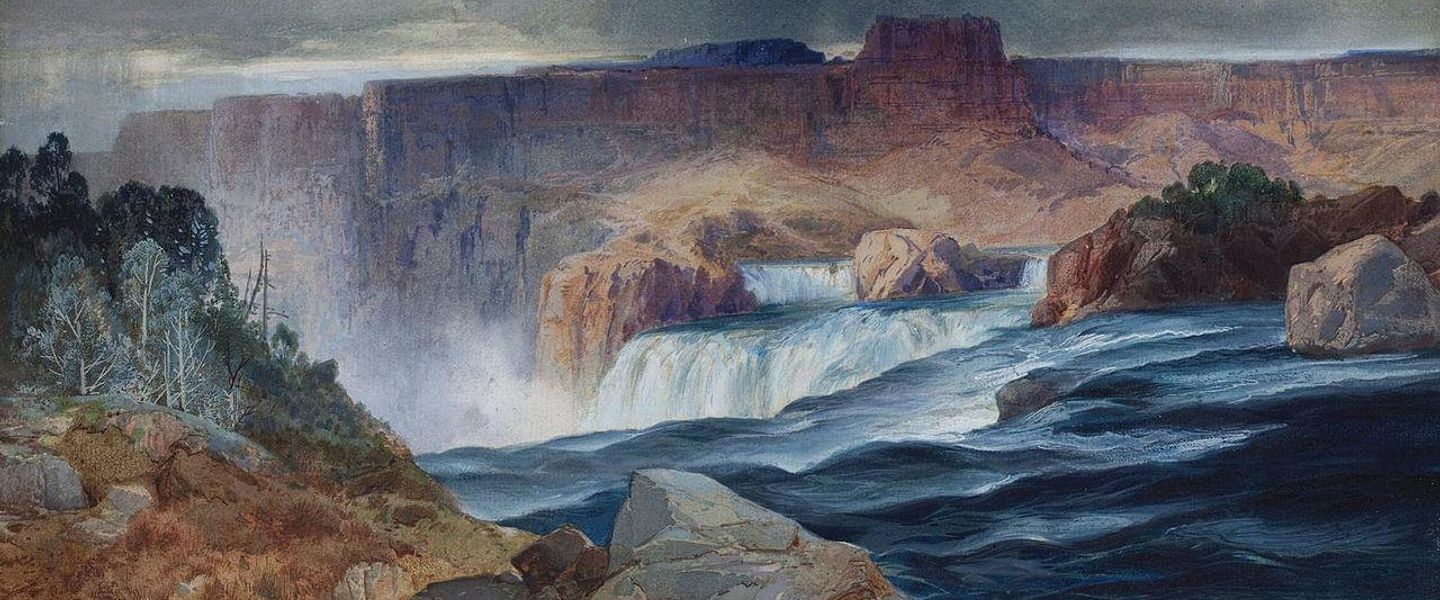
Shoshone Falls, Idaho Travel Guide
Discover Shoshone Falls, the majestic 'Niagara of the West,' a natural treasure in Idaho offering breathtaking views, rich history, and a variety of outdoor activities.
Shoshone Falls, located near Twin Falls in Idaho, is a breathtaking natural wonder that easily rivals some of the world's most famous waterfalls. Known as the 'Niagara of the West,' Shoshone Falls stands at a staggering 212 feet, which is actually higher than Niagara Falls. The Snake River feeds these powerful cascades, creating a mesmerizing display of nature's raw power and beauty. Visitors to Shoshone Falls can enjoy a variety of activities. The park surrounding the falls offers well-maintained picnic areas, scenic viewpoints, and hiking trails that provide different perspectives of the waterfall and the Snake River Canyon. During the spring, when the snow melts, the falls are at their most spectacular, with water flow often reaching its peak, creating an unforgettable sight and sound. The area is also rich in history and geological significance. Interpretive signs throughout the park provide insights into the formation of the falls and the history of the region, including its importance to Native American tribes and early pioneers. Whether you're a nature enthusiast, a history buff, or simply looking for a serene place to relax and take in the beauty of Idaho's landscape, Shoshone Falls offers a unique and memorable experience.

Know before you go
Hi, I'm Eve. Here are a few practical things to know before exploring Shoshone Falls.
- Best Time to Visit: Spring is ideal for viewing the falls at their fullest due to snowmelt.
- Parking Fee: There is a small fee for parking at Shoshone Falls Park, so have cash on hand.
- Bring a Picnic: The park has excellent picnic facilities, so pack a lunch to enjoy with a view.
- Wear Comfortable Shoes: The trails around the falls offer great views but can be uneven in places.
- Check Water Flow: Water levels can vary, so check the flow conditions online before your visit for the best experience.
Explore Shoshone Falls: Things to Do, Places to Eat, Hotels & More
Handpicked recommendations for top attractions, local dining, accommodations, and more

Best attractions in Shoshone Falls
Top-rated picks
Best Attractions

Shoshone Falls Park
Discover the breathtaking beauty of Shoshone Falls Park in Twin Falls, Idaho, where nature's grandeur meets adventure in a stunning landscape.

Centennial Waterfront Park
Discover the natural beauty and recreational charm of Centennial Waterfront Park, a must-visit destination in Twin Falls, Idaho.

Dierkes Lake Park
Explore Dierkes Lake Park, a picturesque paradise in Twin Falls, Idaho, perfect for picnics, fishing, and breathtaking views of nature's beauty.

Snake River Canyon Rim Trail
Explore the breathtaking Snake River Canyon Rim Trail in Twin Falls, Idaho, where nature's beauty meets adventure along the canyon's edge.

Best landmarks in Shoshone Falls
Top-rated picks
Best Landmarks

Shoshone Falls Park
Explore the stunning Shoshone Falls Park, a breathtaking natural wonder in Twin Falls, Idaho, known for its majestic waterfalls and scenic beauty.

Idaho Historical Marker #172 Shoshone Falls
Experience the majestic beauty and rich history of Shoshone Falls, a natural wonder that captivates travelers in Twin Falls, Idaho.

Best restaurants in Shoshone Falls
Top-rated picks
Best Restaurants

Black Bear Diner Twin Falls
Experience hearty American meals at Black Bear Diner Twin Falls - perfect for families and breakfast lovers alike.

Elevation 486
Discover breathtaking views and delicious cuisine at Elevation 486 in Twin Falls, Idaho – where dining meets nature's beauty.

Golden Corral Buffet & Grill
Savor an unforgettable buffet experience at Golden Corral in Twin Falls—where delicious American dishes await everyone!

Idaho Joes
Experience the best of American breakfast cuisine at Idaho Joe's in Twin Falls - where hearty meals meet friendly service.

Best bars in Shoshone Falls
Top-rated picks
Best Bars

Elevation 486
Discover the culinary delight of Elevation 486 in Twin Falls, Idaho, where exceptional food meets breathtaking views of the Snake River Canyon.

Jakers Bar and Grill
Discover the culinary delights of Jakers Bar and Grill in Twin Falls, where exceptional grilled dishes and creative cocktails await.

Applebee's Grill + Bar
Experience the essence of American cuisine at Applebee's Grill + Bar in Twin Falls, where families gather for good food and great times.

Anchor Bistro & Sports Bar
Experience the lively vibe of Anchor Bistro & Sports Bar in Twin Falls, where delicious American cuisine meets exciting live entertainment.

Best nightclubs in Shoshone Falls
Top-rated picks
Best Nightclubs

Hideout
Experience the vibrant atmosphere of Hideout, a cozy bar in Twin Falls, offering a diverse drink menu and live entertainment for unforgettable evenings.

The Shuffle Inn
Experience the charm of The Shuffle Inn, a cozy bar in Twin Falls offering a delightful selection of drinks and a warm atmosphere.

Klover Club
Discover the vibrant nightlife of Twin Falls at Klover Club, where great drinks and a friendly atmosphere await you.

White Oleander Center
Discover the electrifying nightlife at the White Oleander Center in Twin Falls, Idaho - a premier destination for dance and entertainment.

Best shops in Shoshone Falls
Top-rated picks
Best Shops

Magic Valley Mall
Explore the Magic Valley Mall in Twin Falls, Idaho: Your ultimate shopping destination with diverse shops, dining options, and entertainment for all ages.

Hobby Lobby
Explore a creative paradise at Hobby Lobby, your go-to destination for crafts, fabrics, and unique home decor in Twin Falls, Idaho.

Ross Dress for Less
Explore unbeatable deals on brand-name clothing and accessories at Ross Dress for Less in Twin Falls, Idaho, where style meets affordability.

Lynwood Shopping Center
Explore Lynwood Shopping Center in Twin Falls, a vibrant shopping hub with diverse shops, dining options, and community events for the perfect outing.

Explore Shoshone Falls on the Map
A handpicked selection of must-see spots in Shoshone Falls, mapped for you.
Shoshone Falls Essentials
-
Shoshone Falls is located in Twin Falls, Idaho. The nearest major airport is Boise Airport (BOI), approximately 130 miles away. From Boise, you can rent a car and drive to Shoshone Falls, which takes about 2 hours. Alternatively, you can fly into Twin Falls Airport (TWF) which is closer, but it has fewer flight options. From Twin Falls Airport, it is a short 20-minute drive to the falls.
-
Once in Twin Falls, the best way to get around is by car. Car rentals are available at both Boise and Twin Falls airports. If you prefer not to drive, local taxis and ride-sharing services like Uber and Lyft are available. There are also local tour companies that offer guided tours to Shoshone Falls and other nearby attractions.
-
The currency used in Idaho is the United States Dollar (USD). Credit cards are widely accepted at hotels, restaurants, and shops in Twin Falls. However, it's a good idea to carry some cash for entrance fees to Shoshone Falls Park and smaller establishments that may not accept cards. ATMs are available throughout Twin Falls for cash withdrawals.
-
Twin Falls is generally a safe destination for tourists. However, like any tourist spot, it is advisable to take standard precautions. Avoid leaving valuables in your car, especially in visible areas. While Twin Falls does not have high crime rates targeting tourists, it is always best to stay vigilant and be aware of your surroundings, especially in crowded places.
-
In case of an emergency, dial 911 for immediate assistance. There are medical facilities and a hospital in Twin Falls. It is recommended to have travel insurance that covers medical emergencies. For minor health issues, there are several pharmacies in Twin Falls where you can purchase over-the-counter medications.
-
Fashion: Do wear comfortable clothing and shoes suitable for walking and outdoor activities. Don't wear overly formal or revealing clothing. Religion: Do respect any religious or cultural events you may encounter. Public Transport: Do be polite to drivers and other passengers. Don't expect extensive public transportation options; car rentals are more convenient. Greetings: Do greet locals with a friendly 'hello' or 'hi'. Eating & Drinking: Do try local cuisine and beverages. Don't litter; always dispose of your trash properly.
-
To experience Shoshone Falls like a local, visit early in the morning or late in the afternoon to avoid crowds. Bring a picnic and enjoy it at the designated picnic areas overlooking the falls. Engage with locals and ask for their favorite viewpoints or hidden gems in the area. Don't miss the chance to explore nearby attractions like Dierkes Lake, a popular spot for swimming and fishing. Also, consider visiting during the spring when the water flow is at its peak for the most spectacular views.
When is the best time to visit Shoshone Falls?
Useful Local Phrases for Shoshone Falls
You don't need to speak the language perfectly. Even learning a few simple words can make conversations warmer—and locals usually appreciate the effort.
— Eve

Here are the phrases I use most often in Shoshone Falls. Try a few—you'll be surprised how far they go! 😊
❤️
-
- HelloShikobat
[shee-koh-baht] - GoodbyeNawetsi
[nah-weh-tsee] - YesHaa
[hah] - NoAha
[ah-hah] - Please/You're welcomeKama
[kah-mah] - Thank youMakaru
[mah-kah-roo] - Excuse me/SorryWasho
[wah-show] - How are you?Tapaan
[tah-pahn] - Fine. And you?Mekwini. Niho?
[meh-kwee-nee. nee-hoh?] - Do you speak English?Nawona wajapi yelo?
[nah-woh-nah wah-jah-pee yeh-loh?] - I don't understandNawona waatopan
[nah-woh-nah wah-toh-pahn]
- HelloShikobat
-
- I'd like to see the menu, pleaseNawona wicawata toki, kama
[nah-woh-nah wee-chah-wah-tah toh-kee, kah-mah] - I don't eat meatWetakuru wotawa
[weh-tah-koo-roo woh-tah-wah] - Cheers!Owa
[oh-wah] - I would like to pay, pleaseNawona wahwicawata, kama
[nah-woh-nah wah-wee-chah-wah-tah, kah-mah]
- I'd like to see the menu, pleaseNawona wicawata toki, kama
-
- Help!Washo!
[wah-show!] - Go away!Towasi!
[toh-wah-see!] - Call the Police!Wicotawa wajapi!
[wee-choh-tah-wah wah-jah-pee!] - Call a doctor!Wicotawa kato!
[wee-choh-tah-wah kah-toh!] - I'm lostNawona wotawani
[nah-woh-nah woh-tah-wah-nee] - I'm illNawona wopahoo
[nah-woh-nah woh-pah-hoh]
- Help!Washo!
-
- I'd like to buy...Nawona waawicu...
[nah-woh-nah wah-wee-choo...] - I'm just lookingNawona wotawasawiki
[nah-woh-nah woh-tah-wah-sah-wee-kee] - How much is it?Heenawakaru kawa?
[hee-nah-wah-kah-roo kah-wah?] - That's too expensiveOwa takuru wiyupi
[oh-wah tah-koo-roo wee-yoo-pee] - Can you lower the price?Nawona wotawapaha wiyupi?
[nah-woh-nah woh-tah-wah-pah-hah wee-yoo-pee?]
- I'd like to buy...Nawona waawicu...
-
- What time is it?Heenawakaru tawa?
[hee-nah-wah-kah-roo tah-wah?] - It's one o'clockTawa kicetawi
[tah-wah kee-chay-tah-wee] - Half past (10)Tawa wicotawi (kipa)
[tah-wah wee-choh-tah-wee (kee-pah)] - MorningOwasawi
[oh-wah-sah-wee] - AfternoonOwatakipa
[oh-wah-tah-kee-pah] - EveningOwakicawasawi
[oh-wah-kee-chah-wah-sah-wee] - YesterdayWicawasawi
[wee-chah-wah-sah-wee] - TodayKicawasawi
[kee-chah-wah-sah-wee] - TomorrowWapiwasawi
[wah-pee-wah-sah-wee] - 1Kicetawi
[kee-chay-tah-wee] - 2Niwicetawi
[nee-wee-chay-tah-wee] - 3Nawicotawi
[nah-wee-choh-tah-wee] - 4Nawiyotawi
[nah-wee-yoh-tah-wee] - 5Nawitawawi
[nah-wee-tah-wah-wee] - 6Nawisawawi
[nah-wee-sah-wah-wee] - 7Nawiyosawawi
[nah-wee-yoh-sah-wah-wee] - 8Nawitawasawawi
[nah-wee-tah-wah-sah-wee] - 9Nawipawawi
[nah-wee-pah-wah-wee] - 10Nawicotawawi
[nah-wee-choh-tah-wah-wee]
- What time is it?Heenawakaru tawa?
-
- Where's a/the...?Heenawakaru...
[hee-nah-wah-kah-roo...] - What's the address?Heenawakaru wicotawa...
[hee-nah-wah-kah-roo wee-choh-tah-wah...] - Can you show me (on the map)?Nawona wotawa ikicawasi...
[nah-woh-nah woh-tah-wah ee-kee-chah-wah-see...] - When's the next (bus)?Heenawakaru niwicota...
[hee-nah-wah-kah-roo nee-wee-choh-tah...] - A ticket (to ....)Wicota (kawa ...)
[wee-choh-tah (kah-wah ...)]
- Where's a/the...?Heenawakaru...
History of Shoshone Falls
-
Long before European settlers arrived, the Shoshone and Bannock tribes inhabited the region around Shoshone Falls. These native peoples revered the falls for their natural beauty and the resources they provided. The Snake River, which feeds the falls, was essential for fishing, hunting, and gathering, making it a central part of their livelihood and culture.
-
In 1805, the Lewis and Clark Expedition passed through the region as they explored the western United States. While they did not visit Shoshone Falls directly, their journey along the Snake River brought attention to the area and paved the way for future exploration and settlement.
-
During the mid-19th century, Shoshone Falls became a notable landmark for pioneers traveling west on the Oregon Trail. The falls were a significant waypoint for emigrants heading to Oregon and California, providing a much-needed respite and a chance to resupply along their arduous journey.
-
By the late 1800s, European settlers began to establish communities in the region. The town of Twin Falls, named after the nearby cascade, was founded in 1904 and quickly grew, thanks in part to the construction of irrigation canals that made farming in the arid landscape possible.
-
In the early 20th century, the potential for hydroelectric power at Shoshone Falls was recognized. The first hydroelectric dam was constructed in 1907, harnessing the power of the Snake River to provide electricity to the surrounding area. This development was crucial for the growth and modernization of southern Idaho.
-
In 1974, daredevil Evel Knievel attempted a highly publicized jump across the Snake River Canyon near Shoshone Falls. Although the jump was ultimately unsuccessful, it brought international attention to the area and remains a memorable event in the history of Shoshone Falls.
-
Today, Shoshone Falls is a popular tourist destination, known as the 'Niagara of the West.' The falls measure 212 feet, making them higher than Niagara Falls. Visitors can enjoy the scenic views, hiking trails, picnic areas, and the visitor center, which provides educational information about the falls' natural and cultural history.
Neighbouring destination travel guides
Browse our curated selection of top destinations, scenic points, and must-visit spots in the area.


Your all‑in‑one travel companion app
Explore expert travel guides, compare and book tours, experiences, hotels, and more—all from the palm of your hand. Download now for seamless trip planning wherever your wanderlust takes you.


Explore More of Magic Valley

Looking beyond Shoshone Falls? Discover Magic Valley for broader travel guides, local hot-spots, and regional highlights.
Explore Magic ValleyExplore More of Idaho

Looking beyond Shoshone Falls? Discover Idaho for broader travel guides, local hot-spots, and regional highlights.
Explore IdahoShoshone Falls in Photos
Browse through our photo collection highlighting the charm and character of the destination.
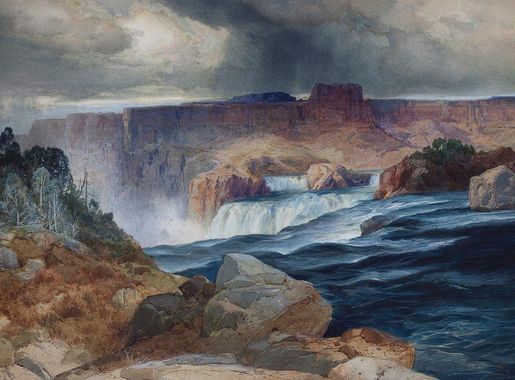
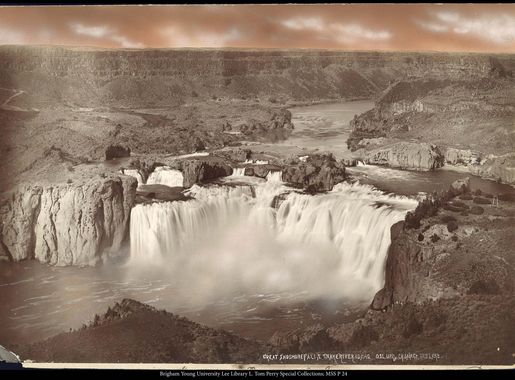


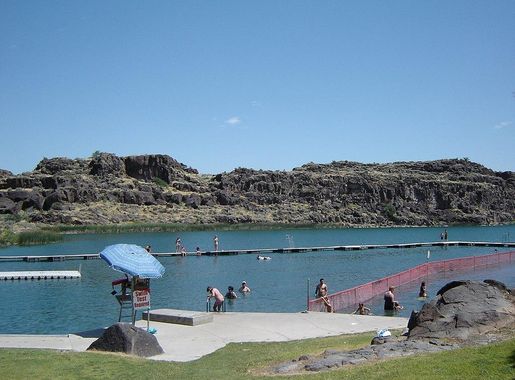

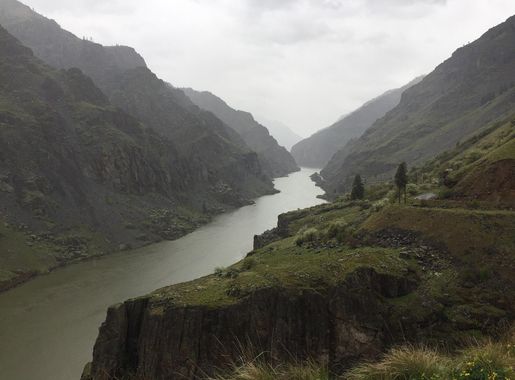


Shoshone Falls: The Niagara of the West
Shoshone Falls, located near Twin Falls in Idaho, is a breathtaking natural wonder that easily rivals some of the world's most famous waterfalls. Known as the 'Niagara of the West,' Shoshone Falls stands at a staggering 212 feet, which is actually higher than Niagara Falls. The Snake River feeds these powerful cascades, creating a mesmerizing display of nature's raw power and beauty. Visitors to Shoshone Falls can enjoy a variety of activities. The park surrounding the falls offers well-maintained picnic areas, scenic viewpoints, and hiking trails that provide different perspectives of the waterfall and the Snake River Canyon. During the spring, when the snow melts, the falls are at their most spectacular, with water flow often reaching its peak, creating an unforgettable sight and sound. The area is also rich in history and geological significance. Interpretive signs throughout the park provide insights into the formation of the falls and the history of the region, including its importance to Native American tribes and early pioneers. Whether you're a nature enthusiast, a history buff, or simply looking for a serene place to relax and take in the beauty of Idaho's landscape, Shoshone Falls offers a unique and memorable experience.