

Free Pocatello Travel Guide & Mobile App
Plan your Pocatello trip with Evendo. Get free guides to top attractions, restaurants, hotels, and bars. Web access or download the mobile app.


Pocatello, Idaho, pairs railroad history and Shoshone-Bannock heritage with mountain trails, museums, Old Town streets and easy access to southeast Idaho.
Railroad Heritage and Mountain Setting
Pocatello lies in southeastern Idaho, where the Snake River Plain meets the mountains surrounding the Portneuf Valley. The city developed as a major railway centre and still carries the imprint of that history in its historic buildings, broad streets and older commercial districts. Downtown Pocatello, often known as Old Town, brings together early twentieth-century architecture, independent businesses and cultural venues, while the slopes around the city open into a landscape of sagebrush, volcanic ground and forested higher country.Read more about Pocatello
Culture, Museums and Outdoor Life
When is the best time to visit Pocatello?
Best: June, August–September · 22–28°C| Month | High (°C) | Rainfall (mm) |
|---|---|---|
| January | 2 | 37 |
| February | 5 | 30 |
| March | 9 | 31 |
| April | 14 | 34 |
| May | 20 | 40 |
| June (best) | 26 | 32 |
| July | 30 | 17 |
| August (best) | 28 | 15 |
| September (best) | 22 | 23 |
| October | 15 | 30 |
| November | 7 | 34 |
| December | 3 | 37 |
Getting to and around Pocatello
How to get there
Transportation
Best attractions in Pocatello
Pocatello's attractions combine regional interpretation with accessible outdoor space. The Idaho Museum of Natural History at Idaho State University presents the geology, wildlife and human history of the Intermountain West, while the Museum of Clean offers an unusual, carefully assembled exploration of cleaning technology and domestic life. In Old Town, historic commercial buildings and independent businesses make the streets themselves part of the sightseeing experience. Ross Park is the city's main outdoor focus, with green space, walking routes and access to the hills above the Portneuf Valley; the Pocatello Zoo sits within the park. Idaho State University's campus adds galleries, performances and public lectures at selected times, and the nearby Fort Hall area provides important Shoshone-Bannock and fur-trade context, although it is outside the city proper. Together, these places reveal Pocatello as a working regional centre shaped by railways, education, Indigenous heritage and high-desert landscapes.
-
Amusement center
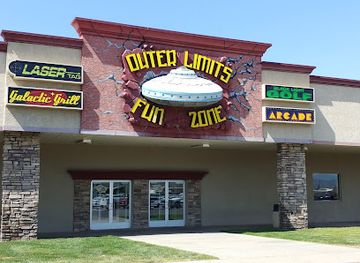
Outer Limits Fun Zone
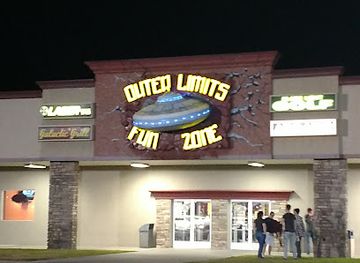
Discover excitement and fun for the whole family at Outer Limits Fun Zone in Pocatello, Idaho, where adventure awaits around every corner.
16 min walk · 1.3 km from city centre
-
Museum
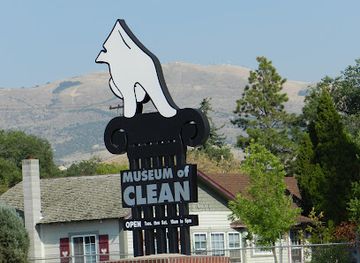
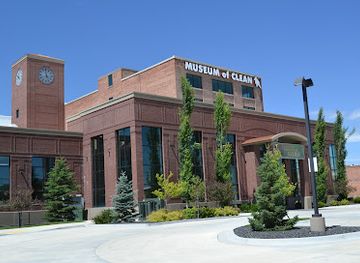
Museum of Clean
Discover the fascinating world of cleanliness at the Museum of Clean in Pocatello, Idaho, where history and fun collide in an interactive experience for all ages.
17 min walk · 1.3 km from city centre
-
Museum
Museum of Clean
Explore the quirky and educational Museum of Clean in Pocatello, Idaho, where cleanliness meets creativity in a fun, interactive atmosphere.
17 min walk · 1.3 km from city centre
-
Children's amusement center
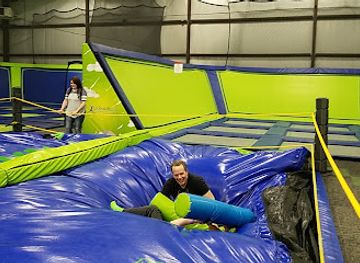
Geronimo’s Trampoline Park
Experience thrilling bounce adventures at Geronimo's Trampoline Park in Chubbuck, Idaho - a fun-filled amusement center for the whole family.
16 min drive · 5.5 km from city centre

Best landmarks in Pocatello
Pocatello's built landmarks tell the story of a railway city, an educational centre and a community shaped by the wider Shoshone-Bannock region. Old Town's surviving commercial blocks preserve the scale and street pattern associated with late nineteenth- and early twentieth-century growth, while the Pocatello Carnegie Library represents the period when public libraries became important civic institutions across the United States. Standrod Mansion, an imposing historic residence, reflects the prosperity created by railways and regional commerce. Idaho State University's campus adds institutional architecture and a long educational history dating to the Academy of Idaho, founded in 1901. The Idaho Falls Idaho Temple? No, Pocatello Idaho Temple stands as a prominent religious landmark on the city's south side, serving members of The Church of Jesus Christ of Latter-day Saints. Nearby Fort Hall landmarks and tribal institutions belong to the surrounding area rather than central Pocatello, but they are essential to understanding the city's regional identity.
-
Amusement center
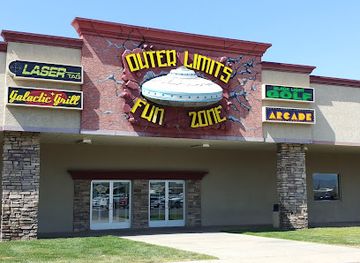
Outer Limits Fun Zone
Experience endless fun and excitement at Outer Limits Fun Zone, the ultimate amusement center in Pocatello, Idaho, for all ages.
16 min walk · 1.3 km from city centre
-
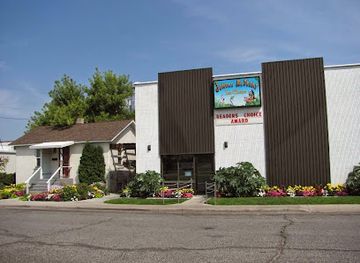
Ice Cream
The Jungle ReTreat Ice Cream
Discover the delightful flavors at The Jungle ReTreat Ice Cream, Pocatello's unique ice cream shop and event venue for sweet celebrations and gatherings.
13 min walk · 1.0 km from city centre
-
Museum
Museum of Clean
Explore the fascinating history of cleanliness at the Museum of Clean in Pocatello, Idaho, a quirky and interactive tourist attraction for all ages.
17 min walk · 1.3 km from city centre
-
Church of Jesus Christ of Latter-day Saints
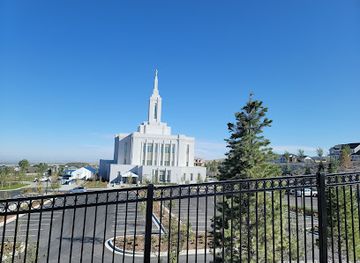
Pocatello Idaho Temple
Discover the tranquil beauty of Pocatello Idaho Temple, a spiritual haven amidst stunning architecture and serene gardens perfect for reflection.
18 min drive · 5.8 km from city centre
Explore Pocatello on the map
Plan your Pocatello trip on one map. See where the top attractions, landmarks, restaurants, bars and hotels are, find what's near where you're staying, and book hotels and experiences in a few clicks.
Best hotels in Pocatello
Best restaurants in Pocatello
Pocatello's dining scene reflects its position in southeastern Idaho, where practical Western cooking, agricultural produce and the influence of university life meet. Visitors will find familiar American fare, steakhouses, burgers, cafés, bakeries and independent restaurants, alongside Mexican and other internationally influenced cooking that reflects the city's contemporary population. Idaho potatoes feature naturally on local menus, while nearby farms and ranches contribute to the region's broader food identity. Old Town contains several of the city's more characterful places to eat, with additional restaurants and everyday dining along Yellowstone Avenue, Alameda Road and around the university area. Breakfast cafés and coffee shops suit the city's early-rising, road-trip culture, while food trucks and seasonal farmers' markets provide less formal options when operating. Dining is generally relaxed rather than ceremonious, with table-service tipping customary in the American system.
-
Steak
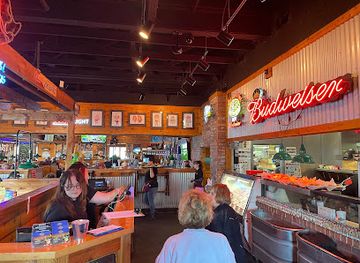
Texas Roadhouse
Experience the best of American dining at Texas Roadhouse in Pocatello with delicious steaks and warm hospitality.
14 min drive · 4.7 km from city centre
-
Breakfast
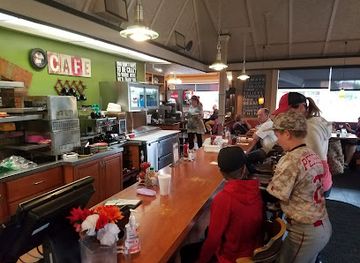
Butterburr's Restaurant
Experience the heart of Pocatello at Butterburr's Restaurant - your go-to destination for delicious breakfast delights.
6 min drive · 1.9 km from city centre
-
Breakfast
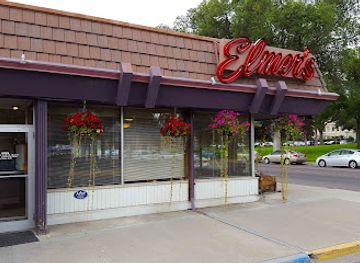
Elmer's Restaurant
Discover Elmer's Restaurant in Pocatello: Your go-to spot for delicious breakfast and brunch served in a welcoming atmosphere.
17 min walk · 1.4 km from city centre
-
Restaurant
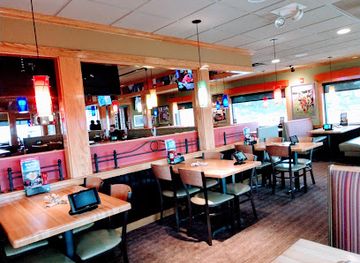
Applebee's Grill + Bar
Discover Applebee's Grill + Bar in Pocatello - where classic American cuisine meets family-friendly dining in a vibrant atmosphere.
10 min drive · 3.4 km from city centre
Best bars in Pocatello
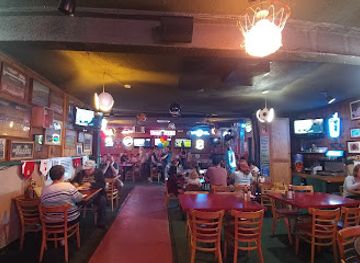
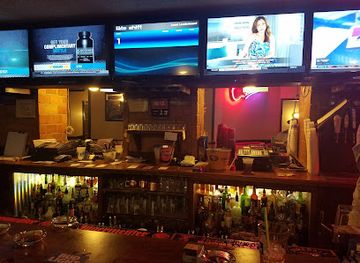
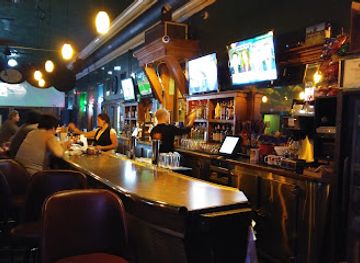
Pocatello's evening scene is modest and locally oriented rather than built around large nightclubs. Old Town provides the strongest concentration of bars, pubs and casual evening venues, where residents and Idaho State University students share space with visitors. Craft beer, cocktails, live local music and televised sport are common formats, while some restaurants continue into the evening with a quieter bar atmosphere. The university contributes occasional performances, lectures and arts events, and the city calendar may include concerts or community entertainment at established venues. After dark, activity is generally concentrated in a few central streets rather than spread across a large entertainment district. Visitors should expect earlier closing patterns than in major American cities and should arrange transport carefully if staying outside the walkable downtown area.
-
Grill
The Sand Trap
Experience the vibrant atmosphere and delicious grill offerings at The Sand Trap, Pocatello's favorite bar and grill.
11 min drive · 3.5 km from city centre
-
Sports bar
The Pressbox
Experience the thrill of sports at The Pressbox, Pocatello's top sports bar, featuring delicious food, lively atmosphere, and non-stop games.
9 min drive · 3.0 km from city centre
-
Grill
Center Street Clubhouse
Discover the energetic vibes of Center Street Clubhouse, where delicious grilled food meets exciting nightlife in Pocatello, Idaho.
7 min walk · 0.6 km from city centre
-
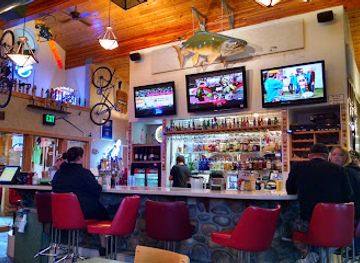
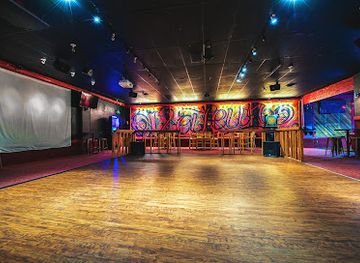
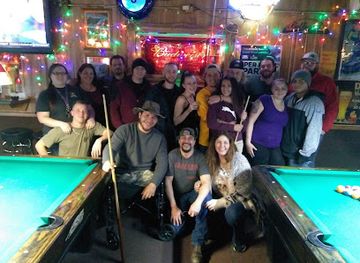
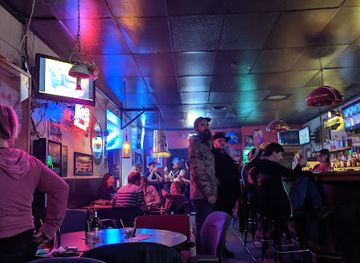
Bar
First National Bar
Discover the vibrant nightlife at First National Bar, Pocatello's premier bar & grill, featuring karaoke, live music, and delicious eats.
13 min walk · 1.1 km from city centre
Best nightclubs in Pocatello
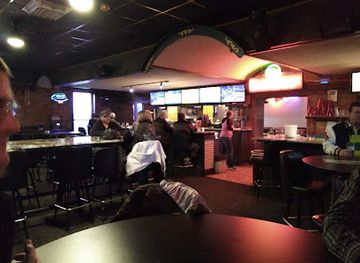
Pocatello's evening scene is modest and locally oriented rather than built around large nightclubs. Old Town provides the strongest concentration of bars, pubs and casual evening venues, where residents and Idaho State University students share space with visitors. Craft beer, cocktails, live local music and televised sport are common formats, while some restaurants continue into the evening with a quieter bar atmosphere. The university contributes occasional performances, lectures and arts events, and the city calendar may include concerts or community entertainment at established venues. After dark, activity is generally concentrated in a few central streets rather than spread across a large entertainment district. Visitors should expect earlier closing patterns than in major American cities and should arrange transport carefully if staying outside the walkable downtown area.
-
Grill
Center Street Clubhouse
Experience the perfect blend of delicious grill cuisine, exciting nightlife, and a welcoming atmosphere at Center Street Clubhouse in Pocatello.
7 min walk · 0.6 km from city centre
-
Bar
Clydesdale Bar & Lounge
Discover Clydesdale Bar & Lounge - Pocatello's vibrant destination for live music, delicious American cuisine, and unforgettable nightlife experiences.
3 min walk · 0.3 km from city centre
-
Bar
Five Corners
Discover the lively atmosphere and diverse drink selection at Five Corners, a must-visit bar in the heart of Pocatello, Idaho.
9 min walk · 0.7 km from city centre
-
Bar
Odyssey Bar
Experience the vibrant nightlife at Odyssey Bar in Pocatello, where great drinks and live entertainment come together in a lively atmosphere.
9 min walk · 0.8 km from city centre
Best shops in Pocatello
Shopping in Pocatello ranges from independent Old Town businesses to practical retail corridors serving local residents. Old Town is the most distinctive area for browsing, with small retailers, galleries, antiques, gifts and locally oriented businesses occupying historic commercial buildings. The city also has larger shopping and restaurant concentrations along Yellowstone Avenue and in the Alameda area, where national chains sit alongside everyday services. Seasonal farmers' markets and community events can provide Idaho produce, baked goods and handmade items when operating. Souvenirs may include regional food products, outdoor goods and crafts associated with southeastern Idaho, although visitors should distinguish authentic locally made work from generic Western merchandise. Shopping is comparatively low-key rather than luxury-focused, and opening patterns can vary among independent businesses, particularly outside the main commercial areas.
-
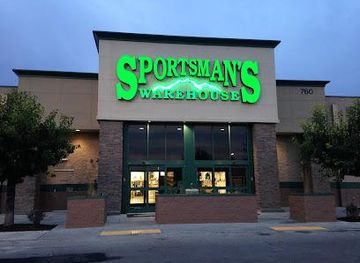
Outdoor sports store
Sportsman's Warehouse
Discover the ultimate outdoor adventure gear at Sportsman's Warehouse in Pocatello, Idaho - your gateway to the great outdoors!
6 min drive · 2.0 km from city centre
-
Department store
T.J. Maxx
Find unbeatable deals on clothing, accessories, and home goods at T.J. Maxx in Pocatello, Idaho—where fashion meets affordability.
13 min drive · 4.4 km from city centre
-
Department store
JCPenney
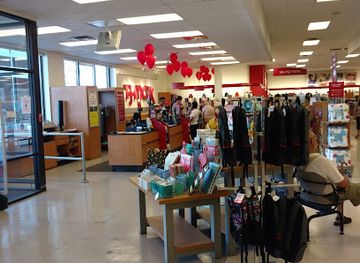
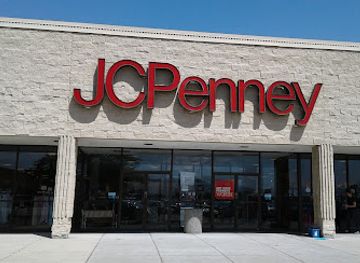
Explore JCPenney in Pocatello for a diverse shopping experience featuring clothing, furniture, jewelry, and shoes all under one roof.
14 min drive · 4.6 km from city centre
-
Shopping mall
Westwood Mall
Experience the vibrant shopping and dining scene at Westwood Mall in Pocatello, Idaho, where fun and flavor meet local culture.
16 min walk · 1.3 km from city centre
Get your free copy of our complete guide to Pocatello, delivered straight to you.
Everything on this page, from attractions and restaurants to essentials and local phrases, in one PDF you can read offline, print or share.
Already have an account? Sign in
Your Pocatello guide is ready.
We'll send it to · Not you? Sign out

Getting your guide ready…
We are putting together a fresh copy of the Pocatello guide. This can take up to a minute.
This can take a few moments. If your browser asks, choose Allow so the download can start. You'll find the guide in your Downloads folder.
Nothing happened? Download it again
Sorry, the guide is taking longer than usual. Please try again in a minute, or get it by email instead.
Pocatello essentials
Currency and Payment
Safety
Emergency Situations
Do's and Don'ts
Local Tips
From Eve
Local phrases worth knowing
You don't need to get them perfect. A few words go a long way, and locals appreciate the effort.
Basics
| English | Local | Say it |
|---|---|---|
| Hello | Howdy | [haw-dee] |
| Goodbye | See ya | [see yah] |
| Yes | Yep | [yep] |
| No | Nah | [nah] |
| Please/You're welcome | Please/Welcome | [pleez/welcome] |
| Thank you | Thanks | [thanks] |
| Excuse me/Sorry | Sorry | [sor-ree] |
| How are you? | How ya doin'? | [haw yuh doo-in] |
| Fine. And you? | Good. You? | [good. yuh] |
| Do you speak English? | Ya speak English? | [yah speak ing-lish] |
| I don't understand | I ain't gettin' it | [I ant get-tin it] |
Eating & Drinking
| English | Local | Say it |
|---|---|---|
| I'd like to see the menu, please | Can I see the menu? | [can I see the menu] |
| I don't eat meat | I don't do meat | [I dont do meat] |
| Cheers! | Cheers! | [cheers] |
| I would like to pay, please | I'll pay now | [I'll pay now] |
Emergencies
| English | Local | Say it |
|---|---|---|
| Help! | Help! | [help] |
| Go away! | Get lost! | [get lost] |
| Call the Police! | Call the cops! | [call the cops] |
| Call a doctor! | Call a doc! | [call a doc] |
| I'm lost | I'm lost | [I'm lost] |
| I'm ill | I'm sick | [I'm sick] |
Shopping
| English | Local | Say it |
|---|---|---|
| I'd like to buy... | I wanna buy... | [I wanna buy] |
| I'm just looking | Just browsing | [just browsin] |
| How much is it? | What's the price? | [whats the price] |
| That's too expensive | That's spendy | [thats spendy] |
| Can you lower the price? | Can ya give a discount? | [can yuh give a dis-count] |
Time & Numbers
| English | Local | Say it |
|---|---|---|
| What time is it? | What's the time? | [whats the time] |
| It's one o'clock | It's one | [its one] |
| Half past (10) | Ten thirty | [ten thur-tee] |
| Morning | Morning | [mor-ning] |
| Afternoon | Afternoon | [af-ter-noon] |
| Evening | Evening | [even-ing] |
| Yesterday | Yesterday | [yes-ter-day] |
| Today | Today | [to-day] |
| Tomorrow | Tomorrow | [to-mor-row] |
| 1 | One | [wun] |
| 2 | Two | [too] |
| 3 | Three | [three] |
| 4 | Four | [four] |
| 5 | Five | [five] |
| 6 | Six | [six] |
| 7 | Seven | [seven] |
| 8 | Eight | [ate] |
| 9 | Nine | [nine] |
| 10 | Ten | [ten] |
Transport & Directions
| English | Local | Say it |
|---|---|---|
| Where's a/the...? | Where's the...? | [wheres the] |
| What's the address? | What's the addy? | [whats the addy] |
| Can you show me (on the map)? | Can ya show me (on the map)? | [can yuh show me on the map] |
| When's the next (bus)? | When's the next (bus)? | [whens the next bus] |
| A ticket (to ....) | A ticket (to ....) | [a ticket to] |
History of Pocatello
Shoshone-Bannock Homelands
Pocatello stands within the traditional homelands of the Shoshone and Bannock peoples, whose communities have lived across the Great Basin, Snake River Plain and neighbouring mountain country for generations. The region supported seasonal movement, hunting, fishing and trade, with the Portneuf Valley forming part of wider networks connecting the interior Northwest. The Shoshone-Bannock Tribes remain centred at the nearby Fort Hall Reservation, established through nineteenth-century federal policy. Their presence is not simply a historical prelude to the city: it continues through tribal government, cultural practice, language revitalisation and community events in the wider Pocatello area.
Fort Hall and the Fur Trade
In 1834, Nathaniel Jarvis Wyeth established Fort Hall on the Snake River near present-day Fort Hall, east of modern Pocatello. The trading post became an important stopping place on routes later followed by emigrants travelling towards Oregon and California. Hudson's Bay Company control followed, and the fort's reputation grew through its position within the interconnected trade and migration geography of the interior West. The original site is outside Pocatello, but its history is fundamental to the region's development. A later United States Army post, Fort Hall Indian Reservation and nearby transport routes all helped shape the settlement pattern around the Portneuf Valley.
A City Named for Pocatello
The city takes its name from Pocatello, a Northern Shoshone leader associated with the difficult period of treaty-making, military pressure and reservation confinement in the nineteenth century. The name was applied to the railway settlement that emerged in the Portneuf Valley, although the precise history of the naming and its spelling developed through several early usages. Pocatello's civic identity therefore carries both the legacy of Indigenous leadership and the consequences of American expansion. Interpreting that history requires attention to the Shoshone-Bannock experience rather than treating the city solely as a product of railroad development.
Railways Create the Gate City
The arrival of the Oregon Short Line in the 1880s transformed the Portneuf Valley settlement into a major transport and distribution centre. Railways connected southeastern Idaho with the wider Union Pacific system, attracting workers, merchants, warehouses and supporting businesses. Pocatello became known as the Gate City because it served as a gateway between the American Northwest and routes leading across the region. The railway economy encouraged rapid urban growth and gave the city much of its early commercial architecture. Downtown streets, former railway-related buildings and the continuing importance of freight transport reflect this formative period.
Industry, Education and Urban Growth
Pocatello incorporated in the late nineteenth century and continued to grow through rail employment, agriculture, food processing and other industries serving southeastern Idaho. Education became another lasting influence: the institution founded as the Academy of Idaho in 1901 developed through successive forms into Idaho State University. Its campus brought research, health education and a large student population to the city. During the twentieth century, improved roads and changing railway employment altered the local economy, while new residential districts expanded beyond the original commercial core. Pocatello's present character reflects this layered development rather than a single industrial era.
Pocatello in Photos
Browse through our photo collection highlighting the charm and character of the destination.
Cities near Pocatello
The closest cities to Pocatello, if you have time for more than one stop.
-

-

-

-

-


Swipe for more cities
Explore more

Explore more of Idaho
Idaho: Discover the Gem State's stunning landscapes, vibrant cities, and outdoor adventures. From majestic mountains to serene lakes, experience the natural wonders of Idaho.
Explore Idaho