

Free Salt Lake City Travel Guide & Mobile App
Plan your Salt Lake City trip with Evendo. Get free guides to top attractions, restaurants, hotels, and bars. Web access or download the mobile app.


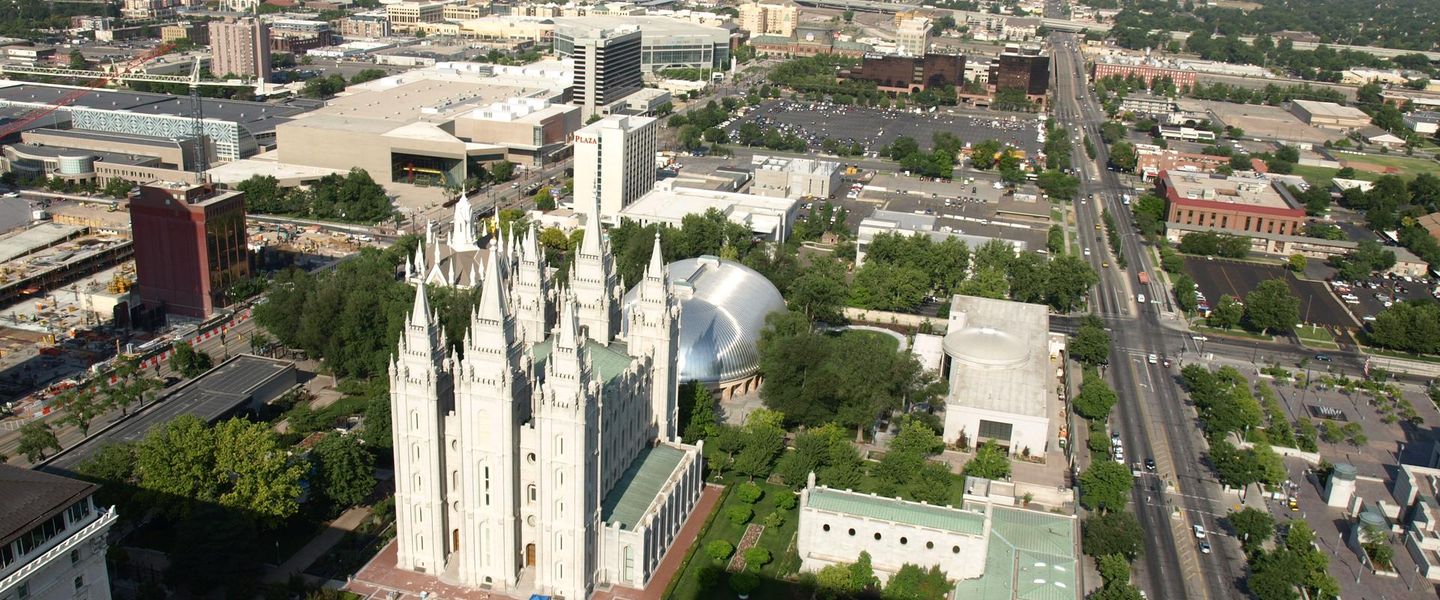


Salt Lake City combines Temple Square, mountain scenery, museums, outdoor adventures and Utah history with a lively downtown, local dining and culture.
A Planned City Beneath the Wasatch
Salt Lake City occupies a broad valley between the Great Salt Lake to the west and the Wasatch Mountains to the east, where steep, snow-covered slopes form a dramatic backdrop to an orderly urban grid. The city was founded in 1847 by Mormon pioneers led by Brigham Young, and its original plan remains legible in the wide streets and carefully arranged downtown blocks. Temple Square, the Utah State Capitol and the historic avenues east of the centre reveal different chapters of the city's development, from its religious beginnings to its role as Utah's political and commercial capital.Read more about Salt Lake City
Heritage, Culture and Contemporary Life
When is the best time to visit Salt Lake City?
Best: May–June, September · 22–29°C| Month | High (°C) | Rainfall (mm) |
|---|---|---|
| January | 5 | 31 |
| February | 8 | 27 |
| March | 13 | 34 |
| April | 17 | 39 |
| May (best) | 22 | 35 |
| June (best) | 29 | 23 |
| July | 34 | 21 |
| August | 32 | 24 |
| September (best) | 26 | 29 |
| October | 18 | 32 |
| November | 9 | 29 |
| December | 3 | 30 |
Getting to and around Salt Lake City
How to get there
Transportation
Best attractions in Salt Lake City
Salt Lake City's principal attractions range from religious history to natural science and urban recreation. Temple Square introduces the city's Mormon heritage through landscaped grounds, historic buildings and visitor exhibitions, while the Church History Museum provides broader context for the global development of The Church of Jesus Christ of Latter-day Saints. At the foot of the Wasatch Mountains, the Natural History Museum of Utah explores dinosaurs, geology and regional ecosystems in an architecturally distinctive building. The Utah State Capitol offers civic history and expansive valley views, and This Is the Place Heritage Park interprets pioneer settlement through reconstructed buildings and demonstrations. For a more contemporary and family-oriented outing, Tracy Aviary in Liberty Park presents birds in a leafy setting, while Red Butte Garden combines cultivated landscapes with foothill trails. The city's proximity to the Great Salt Lake and Wasatch canyons adds wildlife, wetlands and mountain scenery to the sightseeing programme.
-
Tourist attraction
Temple Square
Explore Temple Square in Salt Lake City, a historic and spiritual landmark featuring stunning architecture, beautiful gardens, and rich cultural experiences.
14 min walk · 1.1 km from city centre
-
Tourist attraction
Temple Square
Discover the beauty and spiritual significance of Temple Square, a cultural landmark in Salt Lake City with stunning architecture and rich history.
14 min walk · 1.1 km from city centre
-
Zoo
Utah's Hogle Zoo
Explore Utah's Hogle Zoo, a vibrant wildlife sanctuary in Salt Lake City, featuring over 800 animals and educational experiences for all ages.
20 min drive · 6.6 km from city centre
-
Tourist attraction
Liberty Park
Explore Liberty Park, a lush urban sanctuary in Salt Lake City, offering recreation, relaxation, and cultural attractions for every traveler.
7 min drive · 2.2 km from city centre


Best landmarks in Salt Lake City
Temple Square remains Salt Lake City's defining historic ensemble, with the granite Salt Lake Temple, the Tabernacle and the Assembly Hall expressing the architectural and religious ambitions of the nineteenth-century Mormon settlement; the temple is undergoing a long restoration and access conditions can change. Nearby, the Beehive House and Lion House are associated with the early leadership of the territory and provide a sense of domestic life within the pioneer-era community. The Utah State Capitol crowns a hill north-east of downtown, its neoclassical design reflecting the civic confidence of twentieth-century statehood. The Cathedral of the Madeleine, completed in 1909, is a major Catholic landmark noted for its Romanesque exterior and richly decorated interior. The historic Avenues and South Temple streets add layers of Victorian and early twentieth-century residential architecture, while the Joseph Smith Memorial Building demonstrates the reuse of a prominent former hotel in the centre.
-
Historical landmark
Temple Square
Experience the spiritual and historical essence of Temple Square, a captivating landmark in Salt Lake City known for its stunning architecture and serene gardens.
14 min walk · 1.1 km from city centre
-
Church of Jesus Christ of Latter-day Saints
Salt Lake Utah Temple
Discover the stunning Salt Lake Utah Temple, a masterpiece of faith and architecture in the heart of Salt Lake City, Utah.
14 min walk · 1.1 km from city centre
-
 State government office
Utah State Capitol
Explore the Utah State Capitol, a stunning historical landmark showcasing Utah's rich heritage and breathtaking views of Salt Lake City.
6 min drive · 1.9 km from city centre
-
Historical landmark
Salt Lake City Tabernacle
Discover the architectural wonder of the Salt Lake City Tabernacle, a historical landmark and cultural gem in the heart of Utah.
14 min walk · 1.1 km from city centre


Explore Salt Lake City on the map
Plan your Salt Lake City trip on one map. See where the top attractions, landmarks, restaurants, bars and hotels are, find what's near where you're staying, and book hotels and experiences in a few clicks.
Neighbourhoods in Salt Lake City
-

-


Swipe for more neighbourhoods
Best hotels in Salt Lake City
Best restaurants in Salt Lake City
Salt Lake City's dining scene reflects Utah's western traditions, expanding immigrant communities and growing interest in contemporary cooking. Local staples include fry sauce served with chips or burgers, pastrami burgers, Dutch-oven cooking and desserts associated with Mormon community gatherings, while regional menus also draw on the produce of Utah's farms and orchards. Downtown has restaurants ranging from polished dining rooms to cafés and food counters, and neighbourhoods such as 9th and 9th, Central Ninth and Sugar House provide independent options in more residential surroundings. International cuisines are increasingly prominent, including Mexican, East Asian, South Asian, Middle Eastern and Mediterranean food. Bakeries, coffee shops and farmers' markets add everyday character, while the city's craft-beverage culture includes both alcoholic and alcohol-free options shaped by Utah's licensing rules. Restaurant practices and menus vary widely, so local specialities are best approached as part of a broader and evolving food culture rather than a single fixed cuisine.
-
Steak
Ruth's Chris Steak House
Indulge in premium USDA Prime steaks and an exquisite dining experience at Ruth's Chris Steak House in downtown Salt Lake City.
4 min walk · 0.3 km from city centre
-
American
The Bayou
Experience authentic Cajun flavors blended with American classics at The Bayou in Salt Lake City—where every meal is a celebration.
9 min walk · 0.7 km from city centre
-
Restaurant
The Dodo Restaurant
Discover the flavors of America at The Dodo Restaurant in Sugar House – where comfort meets creativity in every dish.
15 min drive · 5.1 km from city centre
-
Italian
Caffé Molise
Discover authentic Italian cuisine at Caffé Molise in Salt Lake City—a culinary journey through Italy awaits you!
4 min walk · 0.3 km from city centre


Best bars in Salt Lake City
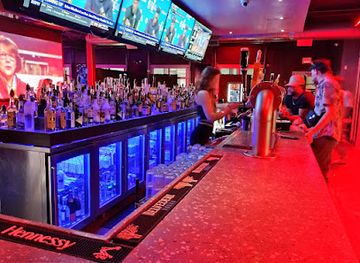
Evenings in Salt Lake City range from live music, theatre and cultural events to breweries, cocktail bars and late-night venues, although the scene is more varied than a traditional party district. Downtown offers the greatest concentration of bars, music rooms and performance spaces, while 9th and 9th, Central Ninth and Sugar House have smaller neighbourhood venues. The Eccles Theater hosts major performing arts programmes, and the city's concert calendar extends across genres from indie and rock to jazz and touring productions. Utah's alcohol regulations affect licensing, service and venue operations, so visitors should read current house rules rather than assume that every bar works like one in another US state. Many residents also spend evenings at restaurants, cinemas, galleries, sporting events or outdoor gatherings, particularly during the warmer months.
-
American
The Bayou
Discover the vibrant flavors of Cajun and American cuisine at The Bayou, a premier dining spot in Salt Lake City with a lively atmosphere and extensive beer selection.
9 min walk · 0.7 km from city centre
-
Pub
The Green Pig Pub
Experience the heart of Salt Lake City at The Green Pig Pub, where delicious food, craft drinks, and vibrant entertainment come together.
1 min walk · 0.1 km from city centre
-
Bar
Piper Down Pub
Experience the lively charm of Piper Down Pub, a premier Irish bar and restaurant in Salt Lake City offering delicious food and vibrant entertainment.
8 min drive · 2.6 km from city centre
-
Brewpub
Squatters Pub Brewery
Discover the flavors of Salt Lake City at Squatters Pub Brewery, where craft beer meets delicious cuisine in a vibrant brewpub atmosphere.
5 min walk · 0.4 km from city centre


Best nightclubs in Salt Lake City
Evenings in Salt Lake City range from live music, theatre and cultural events to breweries, cocktail bars and late-night venues, although the scene is more varied than a traditional party district. Downtown offers the greatest concentration of bars, music rooms and performance spaces, while 9th and 9th, Central Ninth and Sugar House have smaller neighbourhood venues. The Eccles Theater hosts major performing arts programmes, and the city's concert calendar extends across genres from indie and rock to jazz and touring productions. Utah's alcohol regulations affect licensing, service and venue operations, so visitors should read current house rules rather than assume that every bar works like one in another US state. Many residents also spend evenings at restaurants, cinemas, galleries, sporting events or outdoor gatherings, particularly during the warmer months.
-
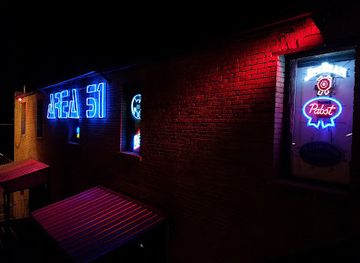
Night club
Area 51
Dive into Salt Lake City's nightlife at Area 51, where electrifying music and a vibrant atmosphere await you for an unforgettable night out.
11 min walk · 0.9 km from city centre
-
Night club
Sky SLC
Discover the electrifying nightlife at Sky SLC, Salt Lake City's premier night club and event venue, featuring live music and a vibrant atmosphere.
6 min walk · 0.5 km from city centre
-
Night club
Echo Nightclub
Experience the electrifying nightlife at Echo Nightclub in Salt Lake City, where music, food, and vibrant energy come together.
6 min walk · 0.5 km from city centre
-
Night club
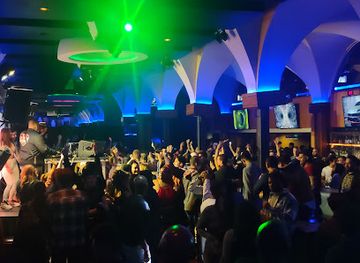
IBIZA SLC Ultra lounge- Nightclub & Bar
Discover the ultimate nightlife destination in Salt Lake City at IBIZA SLC Ultra Lounge - where cocktails, music, and dancing come together for an unforgettable experience.
6 min walk · 0.4 km from city centre

Best shops in Salt Lake City
Shopping in Salt Lake City combines downtown retail with independent neighbourhood streets, specialist outdoor shops and markets carrying regional food and crafts. City Creek Center is the principal central shopping complex, while nearby Main Street and surrounding blocks mix national retailers, restaurants and smaller businesses. For a less conventional retail atmosphere, 9th and 9th and Central Ninth have boutiques, bookshops, design-led stores and locally oriented cafés. The Avenues and Sugar House also contain independent retailers, though their shopping is dispersed rather than arranged as one continuous bazaar. Visitors will find Utah-themed products, outdoor equipment, local artwork, regional honey and preserves, Native-made goods from legitimate and clearly identified artists, and souvenirs connected with the Great Salt Lake and surrounding landscapes. Farmers' markets, when operating seasonally, are useful for produce and prepared foods, but their dates and locations vary from year to year.
-
Shopping mall
City Creek Center
Experience the ultimate shopping and dining destination at City Creek Center, where luxury meets leisure in the heart of Salt Lake City.
11 min walk · 0.8 km from city centre
-
Shopping mall
The Gateway
Discover shopping, dining, and entertainment at The Gateway, Salt Lake City's premier destination for a memorable experience.
17 min walk · 1.4 km from city centre
-
Shopping mall
Trolley Square
Discover the charm of Trolley Square, a historic shopping mall in Salt Lake City with unique shops and dining options.
5 min drive · 1.6 km from city centre
-
Thrift store
The Other Side Thrift Boutique
Unearth unique treasures and sustainable finds at The Other Side Thrift Boutique in Salt Lake City, a must-visit for vintage lovers and bargain hunters.
27 min drive · 9.1 km from city centre


Get your free copy of our complete guide to Salt Lake City, delivered straight to you.
Everything on this page, from attractions and restaurants to essentials and local phrases, in one PDF you can read offline, print or share.
Already have an account? Sign in
Your Salt Lake City guide is ready.
We'll send it to · Not you? Sign out

Getting your guide ready…
We are putting together a fresh copy of the Salt Lake City guide. This can take up to a minute.
This can take a few moments. If your browser asks, choose Allow so the download can start. You'll find the guide in your Downloads folder.
Nothing happened? Download it again
Sorry, the guide is taking longer than usual. Please try again in a minute, or get it by email instead.
Salt Lake City essentials
Currency and Payment
Safety
Emergency Situations
Do's and Don'ts
Local Tips
From Eve
Local phrases worth knowing
You don't need to get them perfect. A few words go a long way, and locals appreciate the effort.
Basics
| English | Local | Say it |
|---|---|---|
| Hello | Howdy | [haʊdi] |
| Goodbye | See ya | [siː jə] |
| Yes | Yep | [jɛp] |
| No | Nah | [nɑː] |
| Please/You're welcome | Please/Welcome | [pliːz/ˈwɛlkəm] |
| Thank you | Thanks | [θæŋks] |
| Excuse me/Sorry | Sorry | [ˈsɔri] |
| How are you? | How are ya? | [haʊ ɑr jə] |
| Fine. And you? | Good. You? | [ɡʊd juː] |
| Do you speak English? | Ya speak English? | [jə spiːk ˈɪŋɡlɪʃ] |
| I don't understand | I don't get it | [aɪ doʊnt ˌəndərˈstænd] |
Eating & Drinking
| English | Local | Say it |
|---|---|---|
| I'd like to see the menu, please | Can I see the menu? | [kæn aɪ siː ðə ˈmɛnjuː] |
| I don't eat meat | I don't do meat | [aɪ doʊnt duː mit] |
| Cheers! | Cheers! | [ʧɪrz] |
| I would like to pay, please | Can I pay now? | [kæn aɪ peɪ naʊ] |
Emergencies
| English | Local | Say it |
|---|---|---|
| Help! | Help! | [hɛlp] |
| Go away! | Get out! | [ɡɛt aʊt] |
| Call the Police! | Call the cops! | [kɔl ðə kɑps] |
| Call a doctor! | Call a doc! | [kɔl ə ˈdɑktər] |
| I'm lost | I'm lost | [aɪm lɔst] |
| I'm ill | I'm sick | [aɪm sɪk] |
Shopping
| English | Local | Say it |
|---|---|---|
| I'd like to buy... | I want to buy... | [aɪ wɑnt tuː baɪ] |
| I'm just looking | Just browsing | [ʤʌst ˈbraʊzɪŋ] |
| How much is it? | How much? | [haʊ mʌtʃ] |
| That's too expensive | That costs a lot | [ðæts tuː ɪkˈspɛnsɪv] |
| Can you lower the price? | Can you go cheaper? | [kæn jʊ ɡoʊ ˈʧipər] |
Time & Numbers
| English | Local | Say it |
|---|---|---|
| What time is it? | What's the time? | [wɑts ðə taɪm] |
| It's one o'clock | It's one | [ɪts wʌn] |
| Half past (10) | Ten thirty | [tɛn ˈθɜrti] |
| Morning | Morning | [ˈmɔrnɪŋ] |
| Afternoon | Afternoon | [ˌæftərˈnun] |
| Evening | Evening | [ˈivnɪŋ] |
| Yesterday | Yesterday | [ˈjɛstərˌdeɪ] |
| Today | Today | [təˈdeɪ] |
| Tomorrow | Tomorrow | [təˈmɑroʊ] |
| 1 | One | [wʌn] |
| 2 | Two | [tuː] |
| 3 | Three | [θriː] |
| 4 | Four | [fɔːr] |
| 5 | Five | [faɪv] |
| 6 | Six | [sɪks] |
| 7 | Seven | [ˈsɛvən] |
| 8 | Eight | [eɪt] |
| 9 | Nine | [naɪn] |
| 10 | Ten | [tɛn] |
Transport & Directions
| English | Local | Say it |
|---|---|---|
| Where's a/the...? | Where's the...? | [wɛərz ðə] |
| What's the address? | What's the address? | [wɑts ðə ˈæˌdrɛs] |
| Can you show me (on the map)? | Can you show me (on the map)? | [kæn jʊ ʃoʊ miː (ɒn ðə mæp)] |
| When's the next (bus)? | When's the next (bus)? | [wɛnz ðə nɛkst (bʌs)] |
| A ticket (to ....) | A ticket (to ....) | [ə ˈtɪkɪt (tuː ....)] |
History of Salt Lake City
Indigenous Homelands and Salt Lake Valley
Long before the arrival of Mormon settlers, the Salt Lake Valley was inhabited and travelled by Indigenous peoples including the Ute, Paiute, Goshute and Shoshone, whose communities understood the valley, mountains and wetlands as interconnected environments. The Great Salt Lake and its surrounding marshes supported hunting, gathering and seasonal movement, while established routes linked the basin with neighbouring regions. European-American exploration increased during the nineteenth century, including expeditions associated with the fur trade and government surveying. These encounters brought disease, displacement and growing pressure on Indigenous lands. Any account of Salt Lake City's origins therefore begins not with the city's formal founding, but with the peoples and longstanding cultural landscapes that preceded it.
Mormon Settlement in 1847
Brigham Young and the first organised company of Mormon pioneers entered the Salt Lake Valley in July 1847, seeking a location where members of The Church of Jesus Christ of Latter-day Saints could establish a permanent community after earlier expulsions and conflict in the eastern United States and Missouri. The settlers began irrigating the arid valley, farming its soils and laying out a rectangular city plan. The settlement, initially called Great Salt Lake City, grew around the block now associated with Temple Square. Its broad streets and large blocks reflected both practical planning and religious ideas about an ordered communal society, while water management became fundamental to the valley's agricultural and urban development.
Territory, Statehood and Urban Growth
Salt Lake City became the capital of the Utah Territory in 1856, reinforcing its administrative importance as settlement expanded across the Great Basin. Relations between the federal government and Utah's predominantly Mormon population remained tense during the nineteenth century, particularly over political authority and the practice of plural marriage. The completion of the transcontinental railroad in 1869, with the ceremonial meeting of the Central Pacific and Union Pacific lines at Promontory Summit north-west of the city, connected Salt Lake City more closely to national markets and migration. Utah achieved statehood in 1896 after major political and institutional changes, and the city developed civic buildings, commercial streets and neighbourhoods that extended beyond the original pioneer centre.
Railways, Mining and Civic Architecture
The late nineteenth and early twentieth centuries brought stronger links between Salt Lake City and Utah's mining, agricultural and transport economies. Railways moved ore, farm produce, manufactured goods and travellers through the region, while the city gained financial institutions, theatres, schools and government buildings. The Utah State Capitol, completed in 1916, expressed the ambitions of the young state in a prominent neoclassical setting above downtown. Residential districts such as the Avenues grew on the foothills, and street-based urban development spread along the valley floor. Immigration and internal migration made the city more socially varied, even as the influence of the Church of Jesus Christ of Latter-day Saints remained central to public and private life.
Modernisation and a Changing City
During the twentieth century, Salt Lake City expanded from a compact streetcar-era centre into a metropolitan region shaped by automobiles, suburban growth, industry and expanding educational and healthcare institutions. The city also became an important base for government, commerce and outdoor recreation. Urban renewal altered parts of the central area, while later preservation efforts protected historic neighbourhoods and buildings. The opening of the University of Utah's Natural History Museum of Utah in the twenty-first century and the redevelopment of downtown districts reflected growing investment in education, culture and public life. Population growth brought new communities and international connections, adding to the city's religious, ethnic and cultural diversity.
The 2002 Winter Olympic Transformation
Salt Lake City hosted the 2002 Winter Olympic and Paralympic Games, an event that brought international attention and accelerated improvements to transport, sports facilities and the city's visitor infrastructure. Competitions took place both in the city and at venues across northern Utah, including mountain locations outside the urban centre. The Games also prompted debate about governance and public spending, but their practical legacy included greater global recognition of the Wasatch region as a winter-sports destination. Today, Olympic sites, museums and sporting facilities form part of the area's modern identity, while the city continues to balance rapid metropolitan growth with water scarcity, air-quality concerns and the protection of its mountain and lake environments.
Salt Lake City in Photos
Browse through our photo collection highlighting the charm and character of the destination.
Cities near Salt Lake City
The closest cities to Salt Lake City, if you have time for more than one stop.
-

-

-
-

-


Swipe for more cities
Explore more

Explore more of Utah
Explore Utah's stunning national parks, rich cultural heritage, and year-round outdoor adventures. Discover why this diverse state is a top destination for travelers.
Explore Utah