

Free Twin Falls Travel Guide & Mobile App
Plan your Twin Falls trip with Evendo. Get free guides to top attractions, restaurants, hotels, and bars. Web access or download the mobile app.


Twin Falls, Idaho pairs Snake River Canyon views and Shoshone Falls with outdoor adventure, local history, scenic trails and an easygoing western Idaho atmosphere.
Above the Snake River Canyon
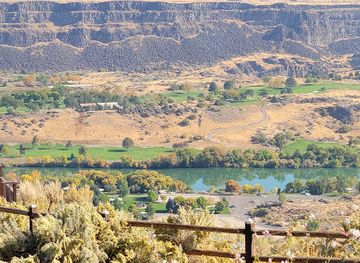
Twin Falls stands on the southern edge of Idaho’s Snake River Plain, where a broad agricultural landscape ends abruptly at the deep, basalt-walled Snake River Canyon. The city’s most celebrated natural landmark, Shoshone Falls, lies just east of the urban centre, while the Perrine Bridge carries US 93 across the canyon and provides one of the region’s defining views. Along the rim, walking and cycling paths look down towards the river, cliffs and irrigated greenery below.Read more about Twin Falls
A Young City with an Older Landscape
Outdoor Life and Western Idaho Culture
When is the best time to visit Twin Falls?
Best: June, August–September · 24–30°C| Month | High (°C) | Rainfall (mm) |
|---|---|---|
| January | 2 | 25 |
| February | 4 | 20 |
| March | 9 | 25 |
| April | 15 | 25 |
| May | 20 | 25 |
| June (best) | 26 | 15 |
| July | 31 | 10 |
| August (best) | 30 | 10 |
| September (best) | 24 | 15 |
| October | 16 | 20 |
| November | 9 | 25 |
| December | 3 | 25 |
Getting to and around Twin Falls
How to get there
Transportation
Best attractions in Twin Falls
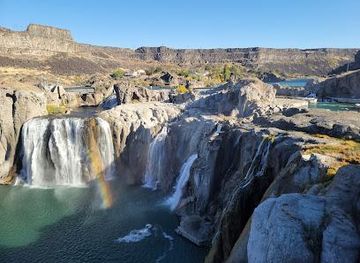
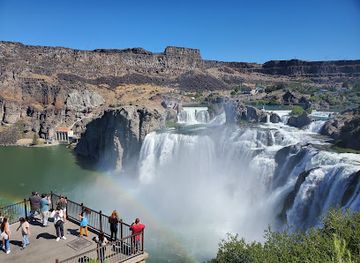
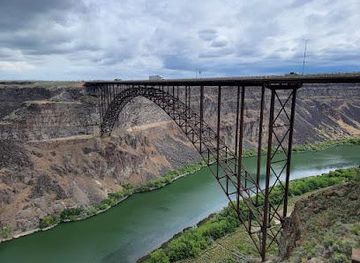
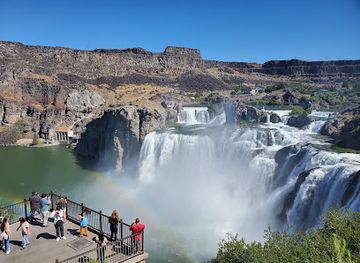
Twin Falls’ principal attractions are shaped by the Snake River Canyon and the high desert around it. Shoshone Falls, east of the city, drops over a broad basalt rim and is often called the “Niagara of the West”, although its appearance changes with seasonal river flow and irrigation demands. The Perrine Bridge offers elevated canyon views and is associated with BASE jumping, while the Snake River Canyon Rim Trail links viewpoints, open grassland and dramatic perspectives over the river. Centennial Waterfront Park provides access to the canyon floor and river environment, with activities centred on walking, climbing and water recreation when conditions permit. Downtown Twin Falls adds independent shops, cafés and cultural spaces, and the Herrett Center for Arts and Science combines natural-history displays, archaeology, astronomy and a planetarium. Together, these sites show the city through geology, recreation, science and local life.
-
Park
Shoshone Falls Park
Experience the breathtaking beauty of Shoshone Falls Park, a natural wonder in Idaho that showcases stunning waterfalls and outdoor adventures.
18 min drive · 6.0 km from city centre
-
Park
Shoshone Falls Park
Explore the breathtaking Shoshone Falls Park in Idaho, where nature's beauty and adventure await at every turn.
18 min drive · 6.0 km from city centre
-
Bridge
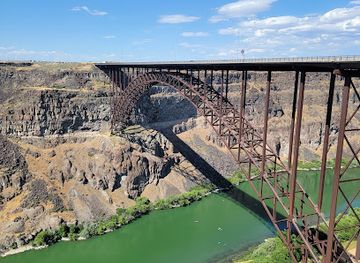
Perrine Memorial Bridge
Discover the breathtaking Perrine Memorial Bridge in Jerome, Idaho, an iconic landmark offering stunning views and exciting outdoor adventures.
12 min drive · 4.0 km from city centre
-
Bridge
Perrine Memorial Bridge
Explore the breathtaking Perrine Memorial Bridge in Jerome, Idaho, a stunning architectural marvel offering incredible views and outdoor adventures.
12 min drive · 4.0 km from city centre
Best landmarks in Twin Falls
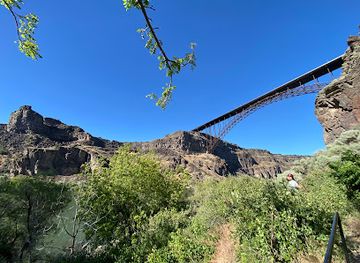
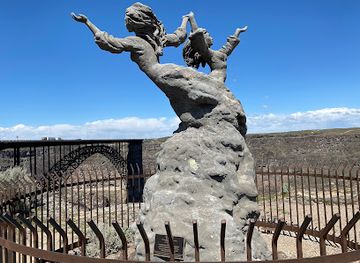
The Perrine Bridge is Twin Falls’ most recognisable civic landmark, spanning the Snake River Canyon on US 93 and linking the city with the northern side of the plain. Its location makes the structure inseparable from the canyon landscape and from the area’s reputation for BASE jumping. Shoshone Falls is a natural landmark rather than a built monument, but its basalt rim and long association with the Snake River give it central symbolic importance. The Snake River Canyon itself is the defining geographic feature, with layered volcanic rock revealing the geological forces that shaped southern Idaho. In the city, the Twin Falls County Historical Society’s museums and local civic buildings provide context for the irrigation-era settlement, while the College of Southern Idaho and Herrett Center represent the community’s later development as an educational and cultural centre. The Oregon Trail traces near the wider region add another historical layer to the landscape.
-
Park
Shoshone Falls Park
Discover the breathtaking beauty of Shoshone Falls Park, a premier tourist attraction in Twin Falls, Idaho, showcasing nature's grandeur and adventure.
18 min drive · 6.0 km from city centre
-
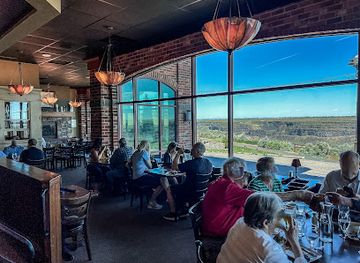
Restaurant
Elevation 486
Discover the perfect blend of local flavors and stunning views at Elevation 486, a culinary gem in the heart of Twin Falls, Idaho.
13 min drive · 4.2 km from city centre
-
Bridge
Perrine Memorial Bridge
Explore the breathtaking Perrine Memorial Bridge, an architectural wonder and a gateway to the natural beauty of Idaho's Snake River Canyon.
12 min drive · 4.0 km from city centre
-
Tourist information center
Twin Falls Visitor Center
Explore Twin Falls Visitor Center for essential travel insights and breathtaking views of Idaho's natural beauty and adventure opportunities.
12 min drive · 4.0 km from city centre
Explore Twin Falls on the map
Plan your Twin Falls trip on one map. See where the top attractions, landmarks, restaurants, bars and hotels are, find what's near where you're staying, and book hotels and experiences in a few clicks.
Best hotels in Twin Falls
Best restaurants in Twin Falls
Twin Falls’ dining scene reflects southern Idaho’s agricultural economy and its position as a service centre for the Snake River Plain. Potatoes, grains, dairy products and locally grown produce appear across menus, while American comfort food, burgers, steaks, pizza, Mexican cooking and café fare are easy to find. Downtown and the commercial corridors around Blue Lakes Boulevard and Falls Avenue contain the broadest concentration of restaurants, coffee shops and casual eateries. Local food culture is generally practical and informal, with farm-supplied ingredients complementing a growing interest in craft drinks and contemporary menus. Visitors may also encounter Basque influences within Idaho’s wider culinary story, although Twin Falls does not have the concentrated Basque restaurant culture associated with Boise. Farmers’ markets and seasonal roadside stands provide opportunities to buy regional produce when operating, while bakeries and breakfast cafés suit the city’s early-starting agricultural rhythm.
-
Restaurant
Elevation 486
Discover breathtaking views and exquisite cuisine at Elevation 486 in Twin Falls - a must-visit dining destination.
13 min drive · 4.2 km from city centre
-
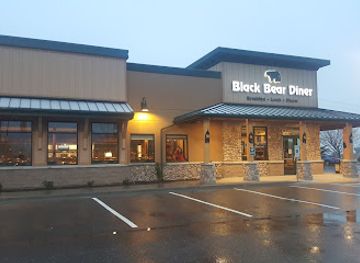
American
Black Bear Diner Twin Falls
Experience comforting American classics at Black Bear Diner Twin Falls - perfect for breakfast lovers and family gatherings in Idaho.
10 min drive · 3.5 km from city centre
-
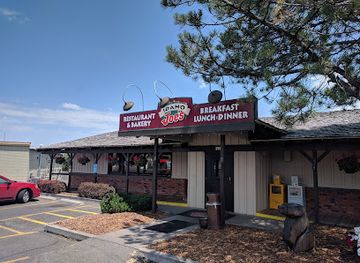
American
Idaho Joes
Discover Idaho Joes in Twin Falls: A cozy American breakfast restaurant serving hearty meals that delight locals and tourists alike.
14 min walk · 1.1 km from city centre
-
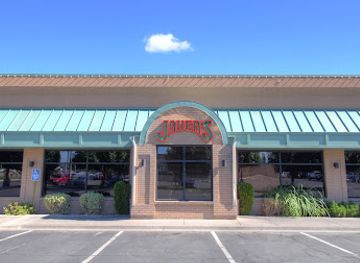
Grill
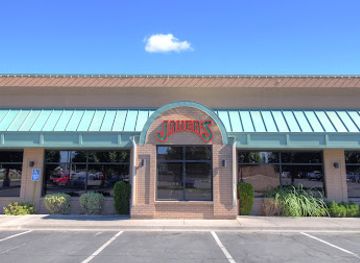
Jakers Bar and Grill
Discover Jakers Bar and Grill: A culinary delight in Twin Falls with exquisite steaks, fresh seafood, and handcrafted cocktails.
9 min drive · 3.1 km from city centre
Best bars in Twin Falls
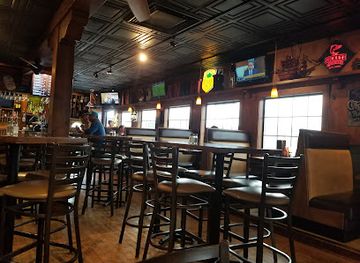
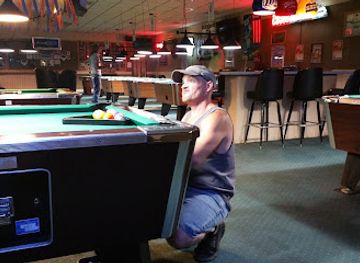
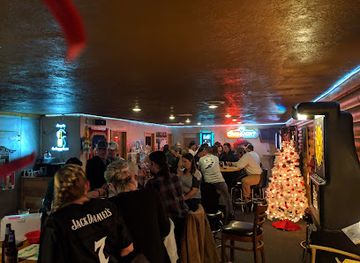
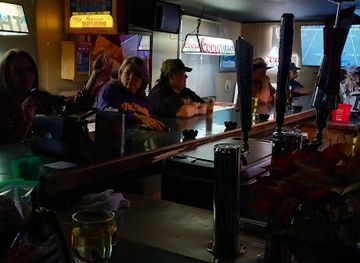
Twin Falls has a modest, locally oriented evening scene rather than a large club district. Downtown bars and pubs provide spaces for conversation, televised sport, live music and locally produced beer, while restaurants and lounges offer quieter evenings around the central business area and along the main commercial roads. Regional touring musicians, community performances and events at local cultural venues add variety beyond drinking-focused nightlife, and the College of Southern Idaho contributes occasional public arts and entertainment programming. Evening activity tends to be concentrated in a few established venues rather than spread across a dense entertainment quarter. Outside the centre, the canyon and parks are primarily daytime destinations: after dark, low visibility, uneven ground and cliff edges make informal exploration inappropriate. Local licensing rules and venue policies apply, and the atmosphere is generally relaxed and community-based.
-
Grill
Jakers Bar and Grill
Experience the best of steak and seafood at Jakers Bar and Grill, a culinary treasure in Twin Falls, Idaho, perfect for any occasion.
9 min drive · 3.1 km from city centre
-
Grill
Scooter's Chillin' -N- Grillin'
Discover Scooter's Chillin' -N- Grillin' in Twin Falls, Idaho – a local favorite for delicious grilled dishes and a vibrant atmosphere.
12 min walk · 0.9 km from city centre
-
Sports bar
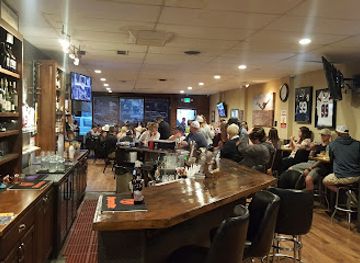
Anchor Bistro & Sports Bar
Experience the best of American cuisine and a lively sports atmosphere at Anchor Bistro & Sports Bar in Twin Falls, Idaho.
8 min walk · 0.6 km from city centre
-
Brewpub
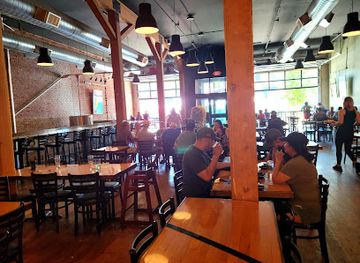
Koto Brewing Co.
Experience the best of craft beer and local cuisine at Koto Brewing Co. in Twin Falls, Idaho, where art and flavor meet in a vibrant brewpub setting.
13 min walk · 1.1 km from city centre
Best nightclubs in Twin Falls
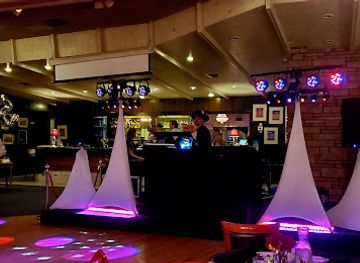
Twin Falls has a modest, locally oriented evening scene rather than a large club district. Downtown bars and pubs provide spaces for conversation, televised sport, live music and locally produced beer, while restaurants and lounges offer quieter evenings around the central business area and along the main commercial roads. Regional touring musicians, community performances and events at local cultural venues add variety beyond drinking-focused nightlife, and the College of Southern Idaho contributes occasional public arts and entertainment programming. Evening activity tends to be concentrated in a few established venues rather than spread across a dense entertainment quarter. Outside the centre, the canyon and parks are primarily daytime destinations: after dark, low visibility, uneven ground and cliff edges make informal exploration inappropriate. Local licensing rules and venue policies apply, and the atmosphere is generally relaxed and community-based.
-
Grill
The Pocket
Experience the vibrant flavors at The Pocket in Twin Falls, where delicious grilled cuisine meets a lively atmosphere for an unforgettable dining experience.
5 min drive · 1.6 km from city centre
-
Bar
DK Log Tavern
Experience the warm hospitality and vibrant atmosphere of DK Log Tavern in Twin Falls, Idaho, a perfect spot for relaxation and socializing.
5 min drive · 1.5 km from city centre
-
Steak
Turf Club
Experience the exquisite flavors of steak and crafted cocktails at Turf Club, Twin Falls' premier fine dining destination for food lovers.
5 min drive · 1.7 km from city centre
-
Bar
Hideout
Discover the lively atmosphere of Hideout, a charming bar in Twin Falls, Idaho, offering delicious drinks and a friendly ambiance for all travelers.
5 min drive · 1.6 km from city centre
Best shops in Twin Falls
Shopping in Twin Falls is centred on downtown independents, commercial corridors and larger retail areas rather than a historic market quarter. Main Avenue, Shoshone Street and the surrounding central streets contain local boutiques, gift shops, cafés and service businesses, while Blue Lakes Boulevard and nearby retail districts offer national chains, supermarkets and practical travel supplies. Visitors looking for regional products may find Idaho potatoes and other farm goods, locally made food items, western clothing, outdoor equipment and crafts reflecting the state’s agricultural and canyon-country identity. Seasonal farmers’ markets and roadside produce stands can be useful sources of fresh goods when in operation, although their dates and locations vary. Shopping is generally functional and community-based, with the strongest sense of local character found in independent downtown businesses and businesses connected to outdoor life, farming and the wider Snake River Plain.
-
Shopping mall
Magic Valley Mall
Discover the ultimate shopping experience at Magic Valley Mall in Twin Falls, Idaho, with diverse shops, dining, and entertainment options for everyone.
11 min drive · 3.6 km from city centre
-
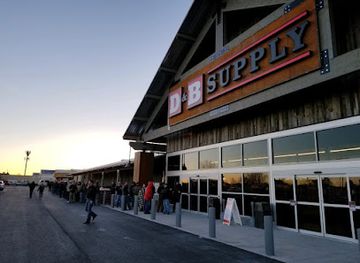
Farm equipment supplier
D&B Supply Twin Falls
Discover D&B Supply in Twin Falls: Your ultimate destination for farm equipment, outdoor gear, and unique Idaho souvenirs.
5 min drive · 1.7 km from city centre
-
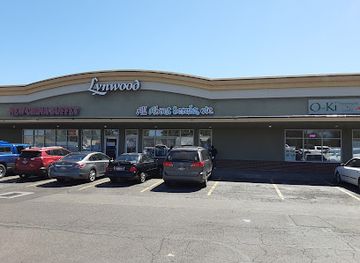
Shopping mall
Lynwood Shopping Center
Experience the best shopping, dining, and entertainment at Lynwood Shopping Center, your ultimate destination in Twin Falls, Idaho.
14 min walk · 1.1 km from city centre
-
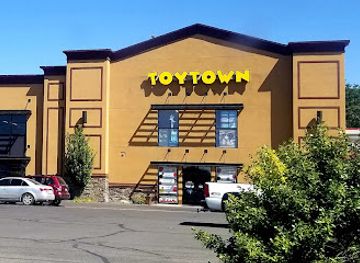
Toy store
ToyTown
Explore ToyTown in Twin Falls, Idaho, a magical toy store filled with joy, creativity, and unique gifts for all ages.
7 min drive · 2.4 km from city centre
Get your free copy of our complete guide to Twin Falls, delivered straight to you.
Everything on this page, from attractions and restaurants to essentials and local phrases, in one PDF you can read offline, print or share.
Already have an account? Sign in
Your Twin Falls guide is ready.
We'll send it to · Not you? Sign out

Getting your guide ready…
We are putting together a fresh copy of the Twin Falls guide. This can take up to a minute.
This can take a few moments. If your browser asks, choose Allow so the download can start. You'll find the guide in your Downloads folder.
Nothing happened? Download it again
Sorry, the guide is taking longer than usual. Please try again in a minute, or get it by email instead.
Twin Falls essentials
Currency and Payment
Safety
Emergency Situations
Do's and Don'ts
Local Tips
From Eve
Local phrases worth knowing
You don't need to get them perfect. A few words go a long way, and locals appreciate the effort.
Basics
| English | Local | Say it |
|---|---|---|
| Hello | Howdy | [haw-dee] |
| Goodbye | See ya | [see yah] |
| Yes | Yessir | [yes-sir] |
| No | Nope | [nohp] |
| Please/You're welcome | Please and thank ya | [pleez and thank yah] |
| Thank you | Thanks a bunch | [thanks uh bunch] |
| Excuse me/Sorry | Pardon me | [pahr-dun me] |
| How are you? | Howdy partner? | [haw-dee part-nur] |
| Fine. And you? | Just dandy. You? | [just dan-dee. yoo?] |
| Do you speak English? | Y'all speak English? | [yawl speak ing-glish?] |
| I don't understand | I'm plum confused | [I'm pluhm kun-fyoozd] |
Eating & Drinking
| English | Local | Say it |
|---|---|---|
| I'd like to see the menu, please | Can I take a gander at the menu? | [kan I take uh gan-der at the men-yoo?] |
| I don't eat meat | I'm veggie | [I'm vej-ee] |
| Cheers! | Bottoms up! | [bot-ums up!] |
| I would like to pay, please | Mind if I settle up? | [mind if I set-ul up?] |
Emergencies
| English | Local | Say it |
|---|---|---|
| Help! | Send help! | [send help!] |
| Go away! | Git! | [git!] |
| Call the Police! | Ring the cops! | [ring the cops!] |
| Call a doctor! | Fetch a doc! | [fetch uh dock!] |
| I'm lost | I'm all turned around | [I'm all turrned uh-round] |
| I'm ill | I'm under the weather | [I'm un-der the weath-ur] |
Shopping
| English | Local | Say it |
|---|---|---|
| I'd like to buy... | I reckon I'll take... | [I rek-un I'll take...] |
| I'm just looking | I'm just browsin' | [I'm just brow-zin'] |
| How much is it? | What's the damage? | [whats the dam-ij?] |
| That's too expensive | That's a bit steep | [that's uh bit steep] |
| Can you lower the price? | Can you do me a solid and knock it down a bit? | [can ya do me uh saw-lid and nok it down uh bit?] |
Time & Numbers
| English | Local | Say it |
|---|---|---|
| What time is it? | What's the time? | [whats the time?] |
| It's one o'clock | It's one | [It's one] |
| Half past (10) | Ten thirty | [ten thur-tee] |
| Morning | Mornin' | [mor-nin'] |
| Afternoon | Afternoon | [af-ter-noon] |
| Evening | Evenin' | [ev-uh-nin'] |
| Yesterday | Yesterdee | [yes-tur-dee] |
| Today | Today | [to-day] |
| Tomorrow | Tomorra | [tom-or-uh] |
| 1 | One | [wun] |
| 2 | Two | [too] |
| 3 | Three | [three] |
| 4 | Four | [for] |
| 5 | Five | [fahv] |
| 6 | Six | [siks] |
| 7 | Seven | [sev-un] |
| 8 | Eight | [ate] |
| 9 | Nine | [nine] |
| 10 | Ten | [ten] |
Transport & Directions
| English | Local | Say it |
|---|---|---|
| Where's a/the...? | Where's the... | [wheres the...] |
| What's the address? | What's the addy? | [whats the add-ee?] |
| Can you show me (on the map)? | Can you point it out? | [can ya point it out?] |
| When's the next (bus)? | When's the next one? | [whens the next one?] |
| A ticket (to ....) | A ticket (to ...) | [uh tick-et (to ...)] |
History of Twin Falls
Indigenous Homelands and the Snake River
The Snake River and its canyon form the oldest layer of Twin Falls’ history. The area lies within the traditional homeland and travel territory of Indigenous peoples, including the Shoshone and Bannock, whose communities relied on the region’s waterways, plants, wildlife and seasonal movements. The river corridor also connected different parts of the interior Northwest long before the emergence of the modern city. European-American migration brought new pressures through exploration, trade, farming and later settlement, while Indigenous connections to southern Idaho continued despite displacement and changes imposed by the United States. Today, the canyon landscape, river and nearby archaeological resources remain important reminders that Twin Falls’ urban history began within a much older cultural and environmental setting.
Trails Across the High Desert
During the nineteenth century, emigrant routes crossed the Snake River Plain and approached the formidable Snake River Canyon. The Oregon Trail passed through southern Idaho, and the nearby trails around the canyon preserve evidence of the difficult overland journey faced by emigrants heading west. Wagons, livestock and people had to find workable routes through a landscape marked by steep canyon edges, limited water and broad stretches of high desert. Although the modern city did not yet exist, these routes helped establish the region’s place within the movement of settlers and supplies across the American West. Their surviving traces place Twin Falls within the wider history of westward migration rather than viewing it solely as a twentieth-century agricultural town.
Irrigation Creates a New Town
Twin Falls emerged in the early 1900s when private irrigation development began redirecting Snake River water across the arid plain. The Twin Falls Land and Water Company promoted settlement and agricultural production, and the opening of irrigated tracts attracted farmers, businesses and workers. The planned town developed rapidly as roads, rail connections, schools and commercial services followed the reclamation of land. Twin Falls was incorporated in 1905, only a few years after the irrigation project began, reflecting the speed with which water engineering reshaped southern Idaho. Fields, orchards and farm communities established during this period remain central to the landscape surrounding the city.
Water, Power and Regional Growth
The irrigation system transformed the Snake River Plain economically as well as physically. Dams, canals and later hydroelectric works made more reliable farming possible, while railways and roads connected Twin Falls with markets beyond Idaho. Milner Dam, completed in 1905 upstream from the city, became an important part of the wider irrigation and power network serving the region. Agricultural output encouraged the growth of grain handling, food processing, equipment supply and other services, allowing Twin Falls to develop as a commercial centre for a large rural hinterland. The city’s position above the canyon also gave it a distinctive relationship with the infrastructure that made the surrounding farmland productive.
A Regional Centre in Modern Idaho
Throughout the twentieth century, Twin Falls expanded from an irrigation settlement into the principal service and commercial centre of south-central Idaho. Improved highways, public institutions, health services and education strengthened its regional role, while agriculture continued to shape employment and local identity. The city’s cultural life broadened through institutions such as the College of Southern Idaho and the Herrett Center for Arts and Science. Outdoor recreation also became increasingly important as trails, parks and viewpoints brought residents and visitors closer to the Snake River Canyon. Modern Twin Falls therefore combines the planned agricultural ambitions of its founding era with a growing identity based on science, education, heritage and access to dramatic river landscapes.
Twin Falls in Photos
Browse through our photo collection highlighting the charm and character of the destination.
Cities near Twin Falls
The closest cities to Twin Falls, if you have time for more than one stop.
-

-

-

-

-


Swipe for more cities
Explore more

Explore more of Idaho
Idaho: Discover the Gem State's stunning landscapes, vibrant cities, and outdoor adventures. From majestic mountains to serene lakes, experience the natural wonders of Idaho.
Explore Idaho