

Free Western Illinois Travel Guide & Mobile App
Explore Western Illinois with free travel guides. Discover regional history, expert tips, proposed trips, and audio guides on web or mobile app.


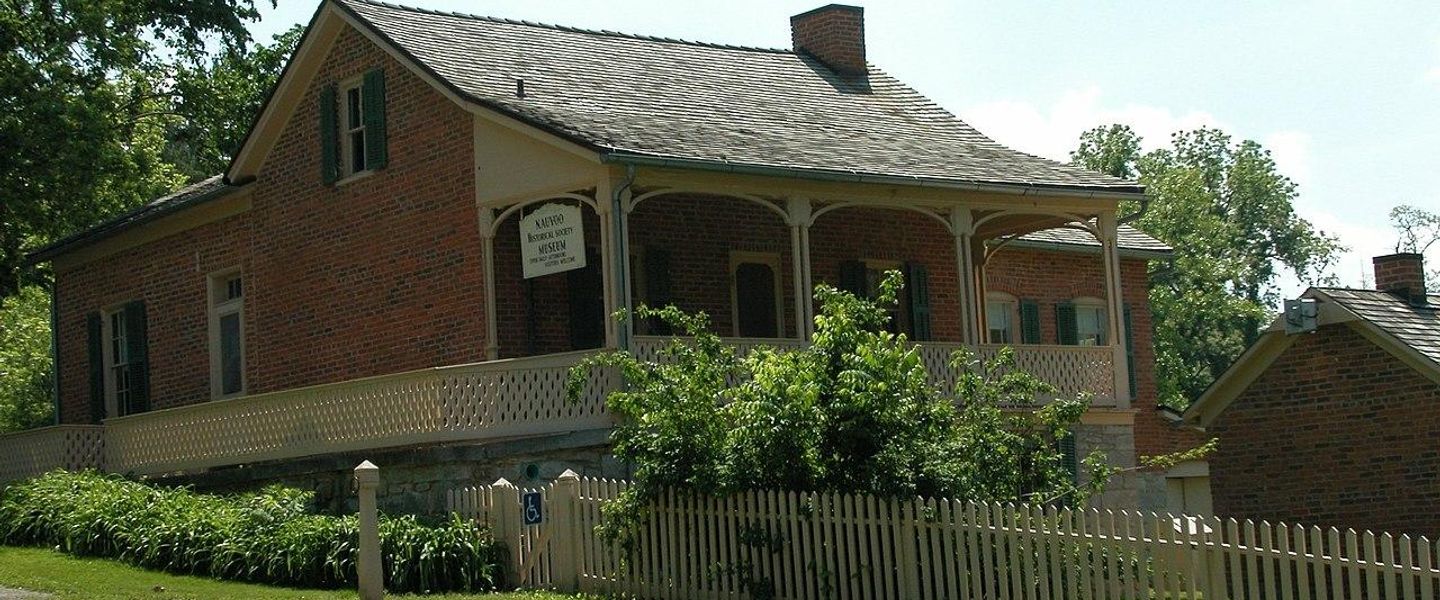


Western Illinois pairs Mississippi River scenery with historic towns, prairie roads, railway heritage, outdoor recreation and welcoming Midwestern food culture.
Read more about Western Illinois
Getting to and around Western Illinois
How to get there
Transportation
Top city travel guides in Western Illinois
The cities of Western Illinois, and the easiest places to base yourself.
-

-


Swipe for more cities
Destinations in Western Illinois
Resorts, valleys and scenic spots worth a trip of their own.
-

-
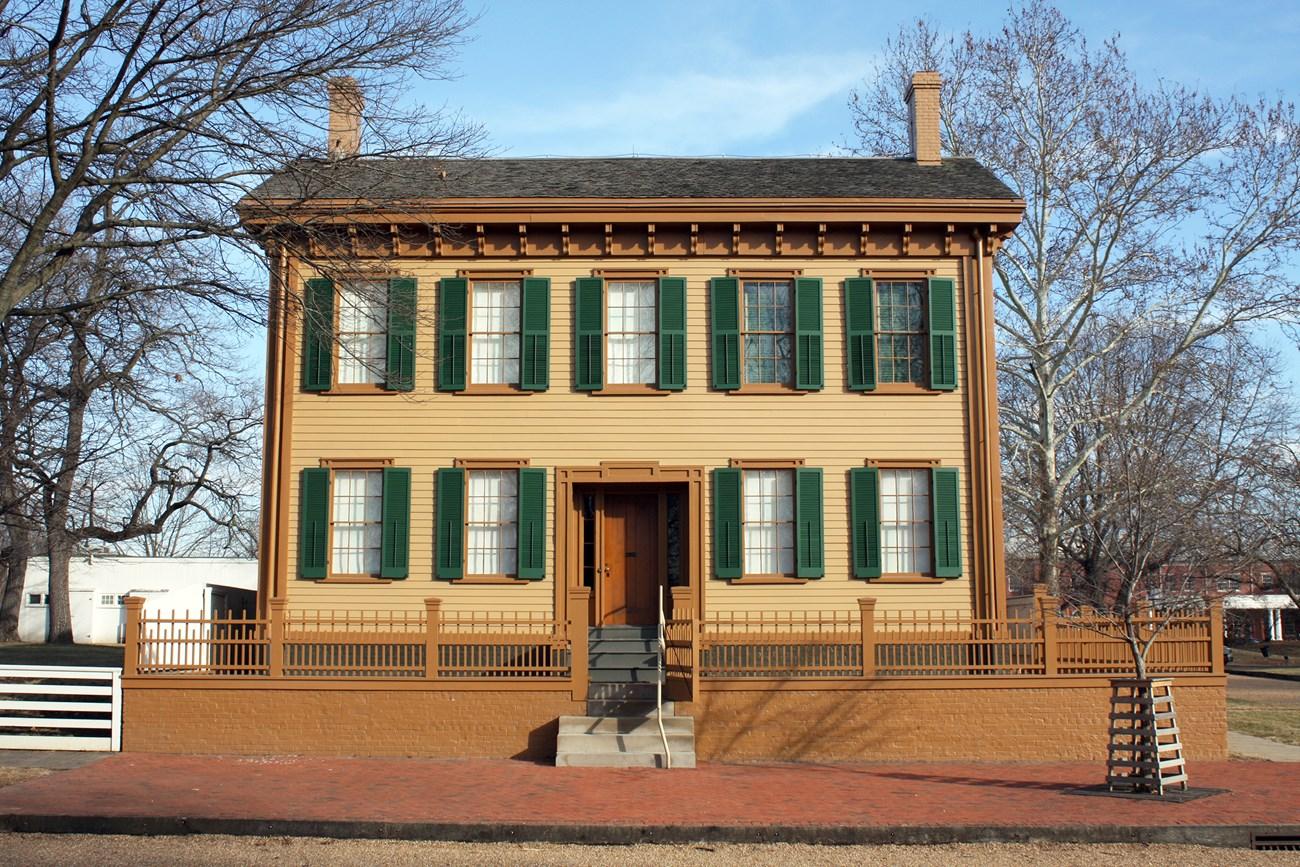 Lincoln Home National Historic Site
 in Illinois preserves Abraham Lincoln’s Springfield home, historic streets, presidential history and nearby museums.
Lincoln Home National Historic Site
Lincoln Home National Historic Site in Illinois preserves Abraham Lincoln’s Springfield home, historic streets, presidential history and nearby museums.
-


Swipe for more destinations
Best attractions in Western Illinois
Western Illinois offers a broad mixture of river scenery, historic settlements, museums and outdoor recreation rather than a single concentrated attraction district. The Quad Cities provide the region's strongest urban programme, including cultural institutions, riverfront spaces, engineering and industrial heritage, and access to Rock Island Arsenal. Along the Mississippi, the Illinois Great River Road connects viewpoints, wildlife habitats and communities whose histories were shaped by ferries, ports and trade. Northern visitors can explore the wooded bluffs and trails of Mississippi Palisades State Park near Savanna, while Galena provides preserved streetscapes, galleries and heritage interpretation. Central and southern Western Illinois are especially notable for Galesburg's railway and civic history, the restored nineteenth-century environment of Nauvoo, and Quincy's architectural collections and river bluff setting. Birdwatching, fishing, boating, cycling and hiking are available in suitable seasons, with floodplain conditions requiring attention after heavy rain. Small museums, county fairs, farmers' markets and local cultural events add a community-scale dimension that differs markedly from the larger river cities.
-
State park
Starved Rock State Park
Explore the breathtaking beauty and diverse wildlife at Starved Rock State Park, a top destination in Illinois for outdoor adventures and stunning landscapes.
-
State park
Matthiessen State Park
Explore the breathtaking landscapes and diverse wildlife of Matthiessen State Park, a top-tier tourist attraction in Illinois perfect for outdoor enthusiasts.
-
Hiking area
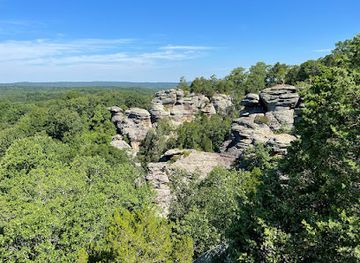
Garden of the Gods
Explore the breathtaking beauty of Garden of the Gods, a stunning hiking area in Illinois featuring unique rock formations and scenic trails.
-
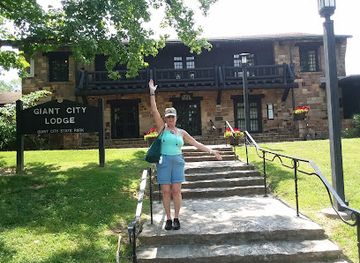
State park
Giant City State Park
Experience breathtaking landscapes and outdoor adventures at Giant City State Park, a natural gem in Southern Illinois.

Best landmarks in Western Illinois
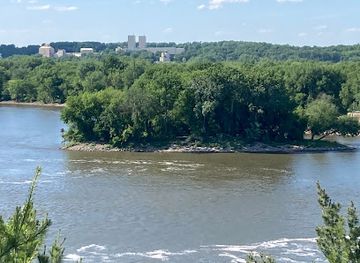
The Mississippi River itself is Western Illinois's defining natural landmark, forming a broad boundary whose bluffs, islands and floodplain have influenced settlement, transport and industry for centuries. In the Quad Cities, Rock Island Arsenal occupies a strategically important island and remains one of the region's most recognisable military and industrial sites, while the surrounding riverfront cities preserve bridges, factories and civic architecture associated with nineteenth- and twentieth-century growth. Galena's historic centre is distinguished by a dense collection of nineteenth-century commercial buildings rising along a narrow valley, a reminder of the town's lead-mining and river-trade prosperity. Nauvoo's historic district preserves homes, workshops and religious buildings linked to its brief period as a major Latter Day Saint settlement. Quincy's hillside neighbourhoods and grand nineteenth-century houses reflect the wealth created by river commerce and regional trade. In the north, the limestone bluffs and forested overlooks of Mississippi Palisades State Park provide a powerful natural counterpart to these built landmarks, while Galesburg's civic and railway heritage embodies the inland routes that connected Western Illinois to national markets.
-
Historical landmark
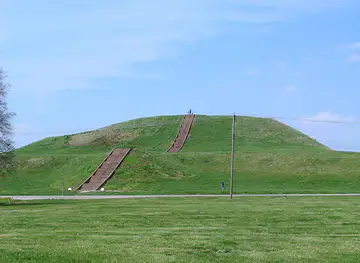
Cahokia Mounds State Historic Site
Explore Cahokia Mounds: Discover ancient Mississippian culture at the largest pre-Columbian settlement north of Mexico, a UNESCO World Heritage Site.
-
Historical place
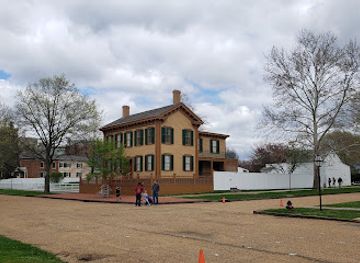
Lincoln Home National Historic Site
Visit the only home Abraham Lincoln ever owned and experience life in 1860s Springfield at this National Historic Site.
-
Historical landmark
Lincoln's New Salem State Historic Site
Walk where Lincoln walked: Explore the meticulously recreated 1830s village where a young Abraham Lincoln shaped his future in Illinois.
-
Historical place
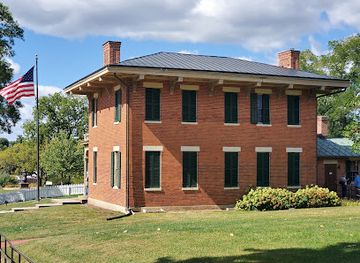
U.S. Grant Home State Historic Site
Step back in time at Ulysses S. Grant's Galena home, a meticulously preserved landmark showcasing the life and legacy of the Civil War hero and president.
Explore Western Illinois on the map
Plan your trip on one map. See where the top cities, national parks and sights are, and book hotels and experiences in a few clicks.
Best hotels in Western Illinois
Best restaurants in Western Illinois
Dining in Western Illinois reflects Midwestern agriculture, river-town history and the practical influence of nearby Iowa and Missouri. In the Quad Cities, visitors will find a wide range of casual restaurants, cafés, breweries and contemporary dining, alongside long-established regional food traditions. Loose-meat sandwiches, locally produced pork and beef, seasonal vegetables, baked goods and classic American diner food are common across the region, while independent restaurants in Galesburg, Quincy, Macomb and Galena provide more varied menus shaped by college, tourism and local communities. Farmers' markets are useful for finding Illinois produce, honey, preserves and baked goods, particularly in warmer months. Historic river towns often have family-run restaurants, cafés and traditional pubs rather than a sharply defined local cuisine. Craft beer and spirits are increasingly visible, but the most consistent culinary character comes from farm supply, generous portions, informal service and the contrast between urban dining in the Quad Cities and quieter rural eateries.
-
Latin American
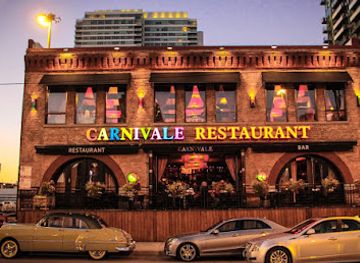
Carnivale
Experience the vibrant flavors of Latin America at Carnivale in Chicago's West Loop – a culinary journey filled with color and excitement.
-
Tapas
Mesón Sabika
Discover exquisite Spanish cuisine at Mesón Sabika in Naperville – a top destination for tapas lovers seeking authenticity and charm.
-
American
One World
Discover One World in Peoria: A charming café offering delicious American cuisine with a cozy atmosphere perfect for any meal of the day.
-
Fine Dining
Alinea
Experience culinary artistry at Alinea in Chicago—where innovative flavors meet stunning presentations for an unforgettable fine dining adventure.
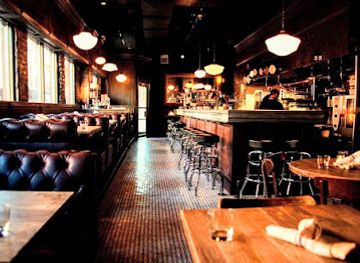
Best bars in Western Illinois
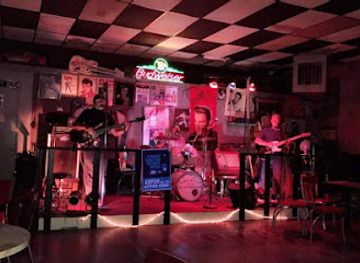
Evening life in Western Illinois is generally centred on pubs, restaurants, breweries, live music and university events rather than a large club circuit. The Quad Cities offer the broadest choice, with bars, taprooms, music venues and late-evening restaurants spread across the Illinois riverfront communities and their connected Iowa neighbours. Galesburg and Macomb have a more collegiate atmosphere, with local bars and entertainment shaped by Knox College and Western Illinois University during term time. Quincy, Galena and other historic towns favour traditional taverns, wine and cocktail bars, restaurants and occasional live performances; Galena's visitor economy gives its central streets a more active evening character than many small towns. Rural areas become quiet earlier, so visitors should not assume late-night transport or extensive food service outside the larger centres. Seasonal festivals and community events can change the evening scene, but arrangements and opening times vary.
-
Cocktail bar
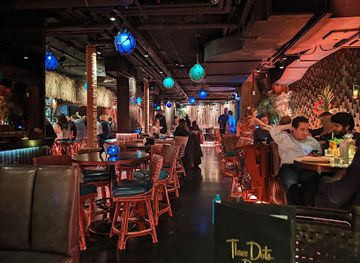
Three Dots and a Dash
Discover the tropical allure of Chicago's premier cocktail bar, Three Dots and a Dash, where exotic drinks and a lively atmosphere await.
-
Grill
BROKEN OAR MARINA-BAR & GRILL
Experience lakeside dining with delicious food and vibrant atmosphere at Broken Oar Marina-Bar & Grill in Port Barrington.
-
Grill
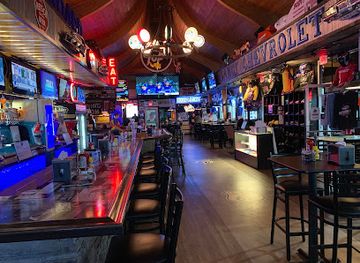
Route 66 Motorheads Bar and Grill, Museum and Entertainment Complex
Explore the vibrant spirit of Route 66 at Motorheads Bar and Grill, where history, delicious food, and live entertainment await in Springfield, Illinois.
-
Grill
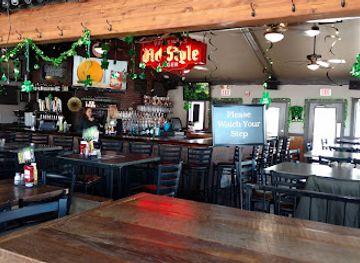
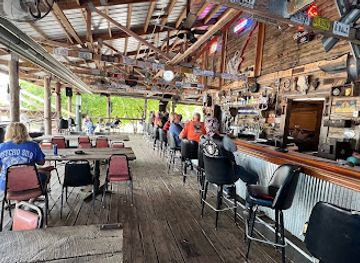
Psycho Silo Saloon
Discover the vibrant flavors and unique atmosphere of Psycho Silo Saloon, a top bar and grill destination in Sheffield, Illinois.
Best nightclubs in Western Illinois
Evening life in Western Illinois is generally centred on pubs, restaurants, breweries, live music and university events rather than a large club circuit. The Quad Cities offer the broadest choice, with bars, taprooms, music venues and late-evening restaurants spread across the Illinois riverfront communities and their connected Iowa neighbours. Galesburg and Macomb have a more collegiate atmosphere, with local bars and entertainment shaped by Knox College and Western Illinois University during term time. Quincy, Galena and other historic towns favour traditional taverns, wine and cocktail bars, restaurants and occasional live performances; Galena's visitor economy gives its central streets a more active evening character than many small towns. Rural areas become quiet earlier, so visitors should not assume late-night transport or extensive food service outside the larger centres. Seasonal festivals and community events can change the evening scene, but arrangements and opening times vary.
-
Night club
Stereo Nightclub
Dive into the vibrant nightlife of Chicago at Stereo Nightclub, where live music and electrifying energy come together for an unforgettable experience.
-
Night club
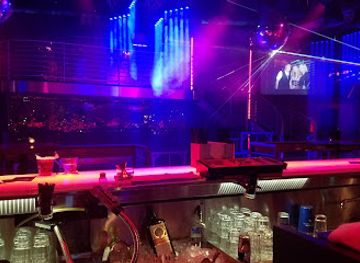
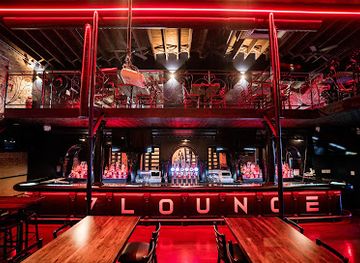
Seven Nightclub Chicago
Discover the ultimate nightlife experience at Seven Nightclub Chicago, where music and fun unite for an unforgettable evening.
-
Night club
The Luxur
Discover the ultimate nightlife experience at The Luxur Night Club in Cicero, where electrifying music and vibrant atmosphere await you.
-
Night club
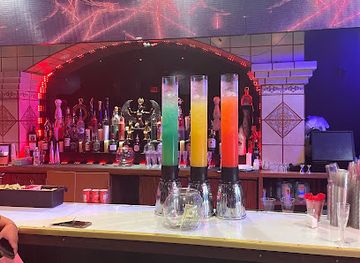
Ports Place
Experience the vibrant nightlife at Ports Place, Quincy’s premier night club and bar, known for its live music and friendly atmosphere.
Best shops in Western Illinois
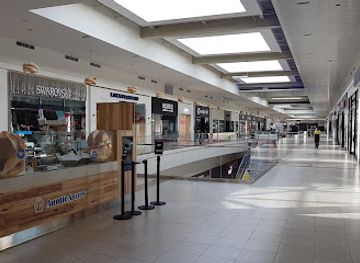
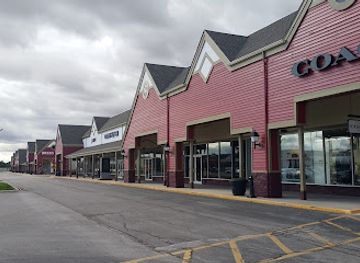
Shopping in Western Illinois is strongest in historic town centres, independent main streets, farmers' markets and specialist shops rather than large destination malls. Galena has the most tourism-oriented retail scene, with galleries, antiques, books, homewares, clothing, confectionery and locally made gifts occupying preserved commercial buildings. Quincy, Galesburg, Macomb and the Quad Cities provide a more everyday mix of independent retailers, cafés, bookstores, craft businesses and larger national outlets. Farmers' markets and seasonal produce stands are good places to look for Illinois-grown fruit and vegetables, honey, preserves, baked goods and handmade items, although their dates vary by community. River towns often sell local history through books, prints and craft products, while galleries and studios offer work by artists from the wider Mississippi valley. Visitors seeking antiques should allow time to browse rather than expect a single concentrated market, and should check rural shop opening arrangements before making a special journey.
-
Shopping mall
Fashion Outlets of Chicago
Explore the Fashion Outlets of Chicago for unbeatable deals on designer brands, dining, and family fun in the heart of Rosemont.
-
Outlet mall
Chicago Premium Outlets
Discover unbeatable deals at Chicago Premium Outlets, where quality brands meet affordable prices in a vibrant shopping environment.
-
Shopping mall
The Shoppes at Grand Prairie
Discover an unforgettable shopping experience at The Shoppes at Grand Prairie, where variety meets entertainment in the heart of Peoria, Illinois.
-
Outlet mall
Tuscola Outlet Shops
Explore Tuscola Outlet Shops for unbeatable deals on your favorite brands in a vibrant shopping atmosphere.

Get your free copy of our complete guide to Western Illinois, delivered straight to you.
Everything on this page, from attractions and restaurants to essentials and local phrases, in one PDF you can read offline, print or share.
Already have an account? Sign in
Your Western Illinois guide is ready.
We'll send it to · Not you? Sign out

Getting your guide ready…
We are putting together a fresh copy of the Western Illinois guide. This can take up to a minute.
This can take a few moments. If your browser asks, choose Allow so the download can start. You'll find the guide in your Downloads folder.
Nothing happened? Download it again
Sorry, the guide is taking longer than usual. Please try again in a minute, or get it by email instead.
Western Illinois essentials
Currency and Payment
Safety
Emergency Situations
Do's and Don'ts
Local Tips
From Eve
Local phrases worth knowing
You don't need to get them perfect. A few words go a long way, and locals appreciate the effort.
Basics
| English | Local | Say it |
|---|---|---|
| Hello | Howdy | [Ha-dee] |
| Goodbye | See ya | [See ya] |
| Yes | Yep | [Yep] |
| No | Nah | [Nah] |
| Please/You're welcome | Sure thing | [Shur thing] |
| Thank you | Thanks a lot | [Thangs a lot] |
| Excuse me/Sorry | Pardon me | [Par-don mee] |
| How are you? | How ya doin'? | [How ya doin'?] |
| Fine. And you? | Good. And you? | [Good. An' you?] |
| Do you speak English? | Can ya talk English? | [Can ya talk Ing-lish?] |
| I don't understand | I ain't gettin' it | [I ain't gettin' it] |
Eating & Drinking
| English | Local | Say it |
|---|---|---|
| I'd like to see the menu, please | Can I see the menu, please? | [Can I see the men-oo, please?] |
| I don't eat meat | I don't eat meat | [I don't eat meat] |
| Cheers! | Cheers! | [Cheers!] |
| I would like to pay, please | Can I get the check, please? | [Can I get the chek, please?] |
Emergencies
| English | Local | Say it |
|---|---|---|
| Help! | Help! | [Help!] |
| Go away! | Get lost! | [Get lost!] |
| Call the Police! | Call the cops! | [Call the cops!] |
| Call a doctor! | Get a doc! | [Get a doc!] |
| I'm lost | I'm lost | [I'm lost] |
| I'm ill | I'm not feelin' well | [I'm not feelin' well] |
Shopping
| English | Local | Say it |
|---|---|---|
| I'd like to buy... | I wanna buy... | [I wanna buy...] |
| I'm just looking | Just lookin' around | [Just lookin' around] |
| How much is it? | What’s the price? | [What’s the price?] |
| That's too expensive | That costs too much | [That costs too much] |
| Can you lower the price? | Can ya make it cheaper? | [Can ya make it cheaper?] |
Time & Numbers
| English | Local | Say it |
|---|---|---|
| What time is it? | What time is it? | [What time is it?] |
| It's one o'clock | It’s one o’clock | [It’s one o’clock] |
| Half past (10) | Half past ten | [Half past ten] |
| Morning | Mornin' | [Mornin'] |
| Afternoon | Afternoon | [Afternoon] |
| Evening | Evenin' | [Evenin'] |
| Yesterday | Yesterday | [Yesterday] |
| Today | Today | [Today] |
| Tomorrow | Tomorrow | [Tomorrow] |
| 1 | One | [One] |
| 2 | Two | [Two] |
| 3 | Three | [Three] |
| 4 | Four | [Four] |
| 5 | Five | [Five] |
| 6 | Six | [Six] |
| 7 | Seven | [Seven] |
| 8 | Eight | [Eight] |
| 9 | Nine | [Nine] |
| 10 | Ten | [Ten] |
Transport & Directions
| English | Local | Say it |
|---|---|---|
| Where's a/the...? | Where’s the...? | [Where’s the...?] |
| What's the address? | What’s the address? | [What’s the address?] |
| Can you show me (on the map)? | Can ya show me on the map? | [Can ya show me on the map?] |
| When's the next (bus)? | When’s the next bus? | [When’s the next bus?] |
| A ticket (to ....) | One ticket to... | [One ticket to...] |
History of Western Illinois
Indigenous Homelands and Mississippi River Exchange
Western Illinois lies within the long-established homelands and travel networks of Indigenous peoples, including the Sauk, Meskwaki, Illiniwek-related communities and others who used the Mississippi and Illinois river systems for movement, fishing, hunting and trade. European settlement did not begin on an empty landscape: Indigenous towns, seasonal camps and agricultural practices shaped the region before and during the colonial period. The rivers connected communities across what are now Illinois, Iowa and Missouri, while later treaties and forced removals radically altered Indigenous presence in the nineteenth century. Their history remains essential to understanding the region's place names, archaeology and contested settlement story.
French Illinois and the Mississippi Frontier
French missionaries, traders and settlers entered the Mississippi valley during the seventeenth and eighteenth centuries, creating a network that connected western Illinois with the wider Illinois Country. Although settlement was comparatively dispersed, the river served as a major route for commerce and diplomacy. French influence later gave way to British and then American control, but the period established the strategic importance of river landings and the cultural connections between communities on both banks. Modern Western Illinois towns developed much later, yet many follow the same geographic logic: settlement concentrated where bluffs, ferries, ports and productive bottomlands met.
The Black Hawk War and Forced Removal, 1832
The Black Hawk War was fought in northern Illinois and adjoining territories after Sauk leader Black Hawk and his followers returned across the Mississippi in 1832. The conflict reflected pressures created by land cessions, settler expansion and competing interpretations of treaty rights. Fighting and militia mobilisation affected communities across the upper Mississippi region, and the war ended with the removal of Sauk and Meskwaki people from much of their Illinois homeland. It accelerated American settlement and land surveying in western Illinois, while the later public career of Abraham Lincoln, who served briefly in the Illinois militia, became part of the region's wider political memory.
Nineteenth-Century River Towns and Mormon Nauvoo
During the nineteenth century, river landings such as Quincy, Nauvoo and Galena became centres of trade, immigration and political activity. Nauvoo grew rapidly in the 1840s when members of the Church of Jesus Christ of Latter-day Saints, then commonly known as Mormons, established a major community there under Joseph Smith. Conflict with neighbouring residents led to violence and the departure of the Latter Day Saints after Smith's death in 1844. Later, many members migrated west, but Nauvoo's surviving homes, religious buildings and streets preserve one of the most distinctive historical landscapes in Western Illinois.
Railways, Agriculture and the Growth of Galesburg
Railway construction transformed western Illinois from a river-oriented frontier into a region integrated with national markets. Galesburg became an important railway town and developed around manufacturing, grain handling, commerce and Knox College. Rail connections helped move farm produce and manufactured goods while bringing migrants, investment and political news. The town also hosted one of the celebrated Lincoln-Douglas debates in 1858, when debates over slavery and the future of the United States were shaping Illinois politics. Railway heritage remains visible in community identity, historic buildings and the continuing importance of passenger and freight routes.
Industrial River Corridors and the Rock Island Arsenal
The Mississippi corridor became a major centre of nineteenth- and twentieth-century manufacturing, engineering and river commerce. In the Quad Cities, metalworking, agricultural machinery and related industries produced a durable industrial culture, while the Rock Island Arsenal developed into a significant United States military manufacturing and logistics site. The arsenal occupies an island in the Mississippi and has influenced the economy and physical geography of the surrounding Illinois and Iowa communities. Although industrial employment has changed, engineering, advanced manufacturing and river-based trade remain important to the region's modern identity.
Twentieth-Century Change and Heritage Tourism
After the peak of river manufacturing and railway expansion, Western Illinois experienced the broader changes affecting rural and industrial America: farm consolidation, population shifts, changing retail patterns and the restructuring of heavy industry. Former commercial streets and historic neighbourhoods have increasingly been conserved, particularly in communities such as Galena, Quincy and Nauvoo. Scenic byways, museums, university life, outdoor recreation and heritage interpretation now complement agriculture and manufacturing. This transition has not erased the region's working landscape; instead, it has made rivers, historic architecture, railway stories and local foodways central to its contemporary visitor economy.
Western Illinois in Photos
Browse through our photo collection highlighting the charm and character of the destination.
Neighbouring regions of Western Illinois
The closest regions to Western Illinois, if you have time for more than one.
-

-

-

-

-


Swipe for more regions
Explore more

Explore more of Illinois
Discover Illinois: From Chicago's iconic skyline to the tranquil beauty of its countryside, experience the diverse allure of the Prairie State.
Explore Illinois