

Free River Bend Travel Guide & Mobile App
Explore River Bend with free travel guides. Discover regional history, expert tips, proposed trips, and audio guides on web or mobile app.


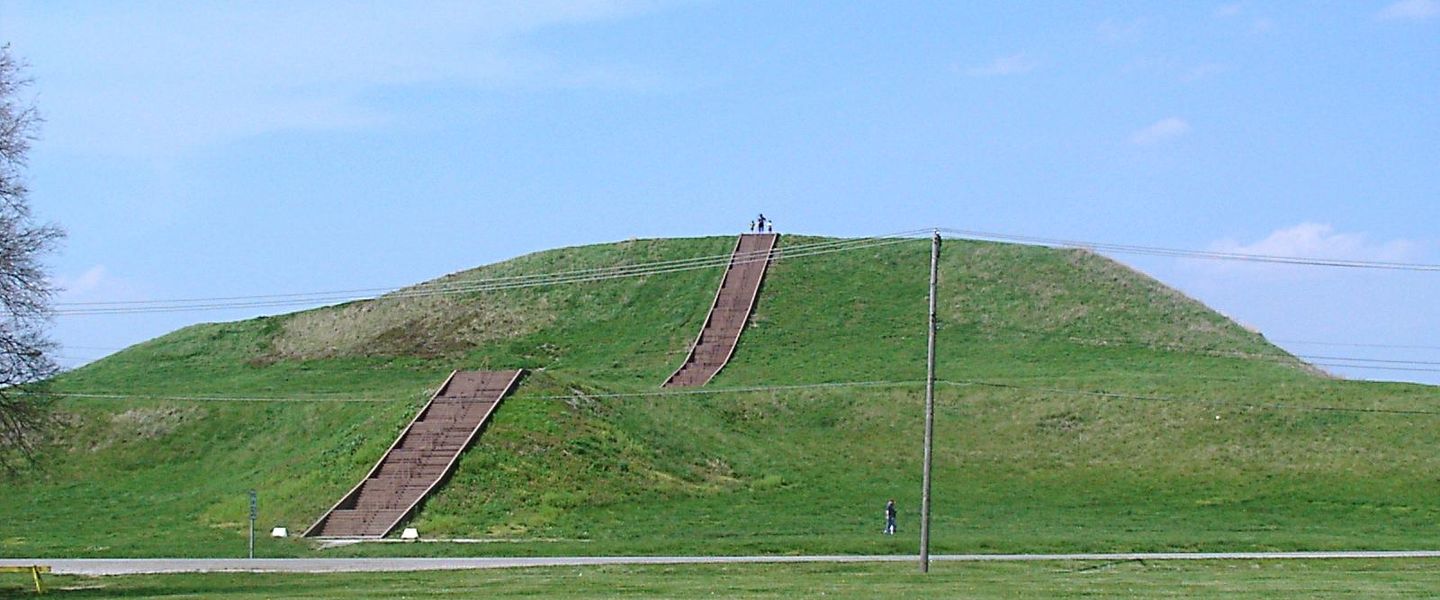


Explore River Bend in Illinois for Mississippi River scenery, historic Alton, wildlife, scenic drives, bluffs and heritage trails near St Louis.
Read more about River Bend
Getting to and around River Bend
How to get there
Transportation
Destinations in River Bend
Resorts, valleys and scenic spots worth a trip of their own.

Swipe for more destinations
Best attractions in River Bend
River Bend's attractions combine river ecology, small-town history and accessible outdoor recreation. In Alton, the National Great Rivers Museum explains the Mississippi's navigation system, locks, wildlife and human uses, while the surrounding riverfront provides views towards Missouri and the busy waterway. The Lewis and Clark State Historic Site at Hartford interprets the Corps of Discovery's winter preparations through exhibits and reconstructed features. North of Alton, the Great River Road leads towards Grafton and Pere Marquette State Park, where forest trails, bluffs and elevated views create the region's principal walking and scenic-driving experience. Birdwatching is particularly rewarding in floodplain habitats and wetlands, although some of the best-known river sanctuaries lie across the Mississippi in Missouri and should be treated as nearby excursions rather than Illinois attractions. Historic homes, churches, museums, riverfront parks and seasonal festivals add cultural interest, while boating and fishing are available where public access and conditions permit.
-
State park
Starved Rock State Park
Explore the breathtaking landscapes and rich history of Starved Rock State Park, a must-visit destination for nature lovers in Illinois.
-
Arena
Enterprise Center
Experience the excitement of live sports and unforgettable concerts at the Enterprise Center, St. Louis' premier arena and entertainment venue.
-
State park
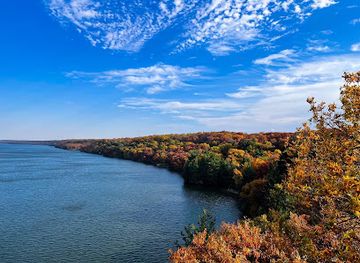
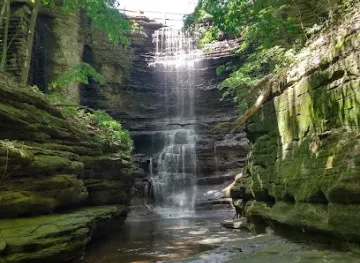
Matthiessen State Park
Explore breathtaking canyons, lush forests, and diverse wildlife at Matthiessen State Park, a premier outdoor destination in Illinois.
-
Hiking area
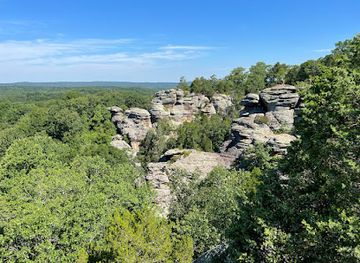
Garden of the Gods
Discover the enchanting beauty of the Garden of the Gods, a premier hiking area in Shawnee National Forest, perfect for outdoor enthusiasts and nature lovers.

Best landmarks in River Bend
The Mississippi River is River Bend's defining natural landmark, shaping the views, settlement pattern and economy of the entire corridor. Alton's limestone bluffs and historic riverfront give the town a distinctive profile, while the Clark Bridge provides a major visual crossing between Illinois and Missouri; the bridge is a transport structure rather than a visitor attraction in itself. The Elijah P. Lovejoy Monument marks the site associated with the abolitionist editor's death and gives Alton national historical significance. At Hartford, the Lewis and Clark State Historic Site commemorates Camp Wood, where the Corps of Discovery prepared for its western expedition. Pere Marquette State Park's wooded bluffs and overlooks offer the region's most prominent natural scenery near the Illinois River confluence. Industrial structures, rail lines, levees and river facilities are also important landmarks, expressing the working character of a corridor where commerce and conservation exist beside one another.
-
Historical landmark
Cahokia Mounds State Historic Site
Explore the mysteries of ancient America at Cahokia Mounds, the largest pre-Columbian settlement north of Mexico, a UNESCO World Heritage Site.
-
Historical place
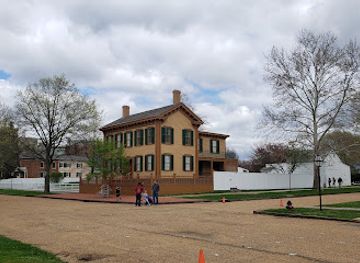
Lincoln Home National Historic Site
Visit the meticulously preserved Springfield home where Abraham Lincoln lived for 17 years before becoming the 16th President.
-
State park
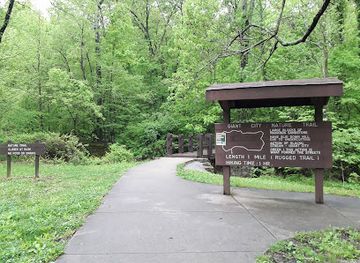
Giant City State Park
Explore towering bluffs, scenic trails, and a rich history at Giant City State Park, a natural wonder in the heart of Southern Illinois.
-
River
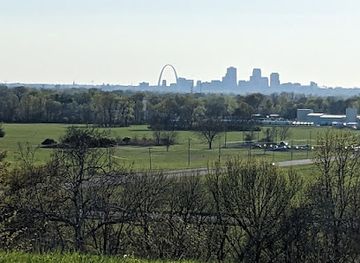
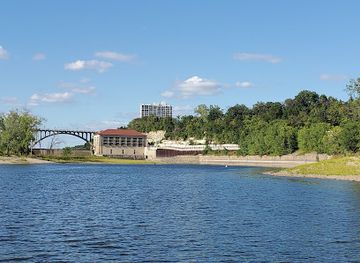
Mississippi River
Explore the heart of America on the Mississippi River: a journey through history, culture, and natural beauty. Discover the mighty Mississippi!
Explore River Bend on the map
Plan your trip on one map. See where the top cities, national parks and sights are, and book hotels and experiences in a few clicks.
Best hotels in River Bend
Best restaurants in River Bend
Dining in River Bend is rooted in informal American river-town cooking rather than a single narrowly defined regional cuisine. Alton and the surrounding communities offer cafés, diners, traditional pubs, barbecue restaurants, pizza, casual family dining and contemporary kitchens, with menus often reflecting the wider Midwestern preference for generous portions and familiar comfort food. River fish and locally sourced produce may appear seasonally, but visitors should not assume that every dish described as local has a long-established regional origin. Around Grafton and the river communities, relaxed restaurants and patio dining make the most of water and bluff views when weather permits. Farmers' markets and farm shops can provide Illinois produce, baked goods, preserves and other provisions for a picnic. Local breweries, wineries and cider-focused venues contribute to the drinks scene, while restaurants in Alton generally provide the broadest choice and the most reliable year-round opening patterns.
-
Resort hotel
Great Wolf Lodge Water Park | Illinois
Experience thrilling water adventures and family fun at Great Wolf Lodge Water Park in Gurnee, Illinois - where every splash brings joy!
-
Restaurant
Lotawata Creek
Experience culinary excellence at Lotawata Creek in Fairview Heights - where every meal is crafted with care and fresh local ingredients.
-
New American
River Roast
Discover River Roast: A riverside gem in Chicago offering New American cuisine, delightful brunches, and signature cocktails with stunning views.
-
American
Untitled Supper Club
Discover the fusion of exquisite American cuisine and electrifying live music at Untitled Supper Club in Chicago.


Best bars in River Bend
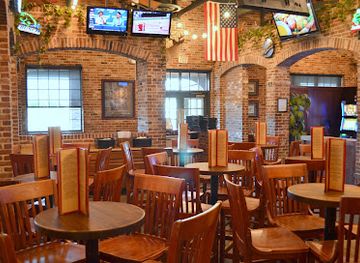
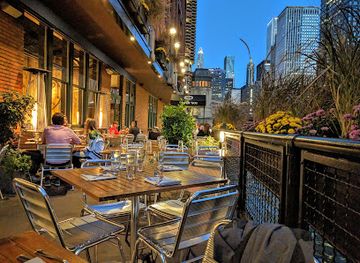
River Bend's evening life is centred on traditional pubs, taverns, relaxed restaurants, breweries, live music and seasonal riverfront events rather than a large nightclub district. Alton has the region's broadest concentration of bars and evening venues, ranging from long-established local drinking places to more contemporary rooms serving cocktails or locally produced beer. Grafton and the smaller river communities are better suited to an early evening meal, a drink with a view or live entertainment than to late-night clubbing. Music schedules and seasonal events vary, so current arrangements should be checked locally. Visitors who want a major metropolitan club scene can travel to St Louis, outside River Bend and across the Mississippi in Missouri, but the regional evening experience is generally social, informal and town-centred.
-
Bar
Fast Eddie's Bon Air
Experience the vibrant atmosphere and delicious offerings at Fast Eddie's Bon Air, a must-visit bar in Alton, Illinois.
-
Oyster Bar
Grafton Oyster Bar
Discover the ultimate seafood experience at Grafton Oyster Bar, where fresh oysters and stunning river views create unforgettable moments.
-
Irish pub
Morrison's Irish Pub
Discover the heart of Ireland at Morrison's Irish Pub, where authentic dishes and vibrant atmosphere create the perfect dining experience in Alton, Illinois.
-
Grill
3rd Chute Bar & Grill
Discover the vibrant atmosphere of 3rd Chute Bar & Grill in Grafton, IL, where delicious grilled meals meet live entertainment and stunning views.


Best nightclubs in River Bend
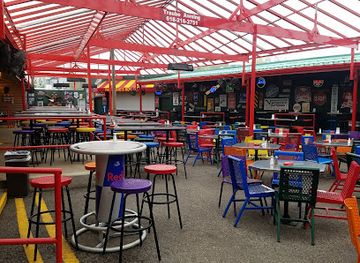
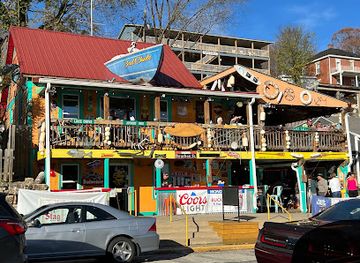
River Bend's evening life is centred on traditional pubs, taverns, relaxed restaurants, breweries, live music and seasonal riverfront events rather than a large nightclub district. Alton has the region's broadest concentration of bars and evening venues, ranging from long-established local drinking places to more contemporary rooms serving cocktails or locally produced beer. Grafton and the smaller river communities are better suited to an early evening meal, a drink with a view or live entertainment than to late-night clubbing. Music schedules and seasonal events vary, so current arrangements should be checked locally. Visitors who want a major metropolitan club scene can travel to St Louis, outside River Bend and across the Mississippi in Missouri, but the regional evening experience is generally social, informal and town-centred.
-
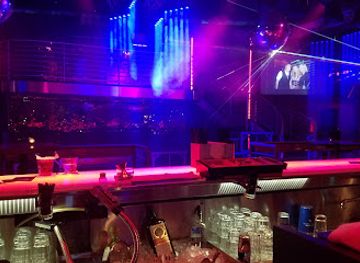
Night club
Stereo Nightclub
Immerse yourself in Chicago's nightlife at Stereo Nightclub, where live music and a vibrant atmosphere collide for an unforgettable experience.
-
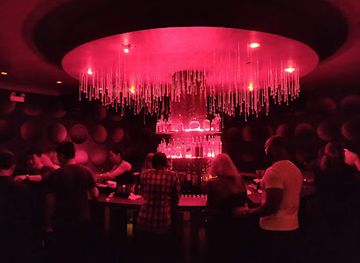
Night club
Sound Bar
Discover the pulse of Chicago's nightlife at Sound Bar, where electrifying beats and vibrant crowds create unforgettable nights.
-
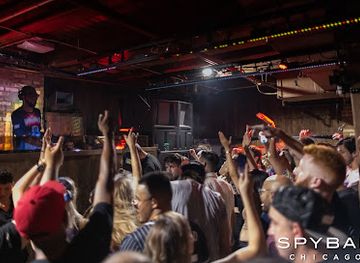
Night club
Spybar
Experience Chicago's vibrant nightlife at Spybar, a premier nightclub featuring top DJs and live music in an electrifying atmosphere.
-
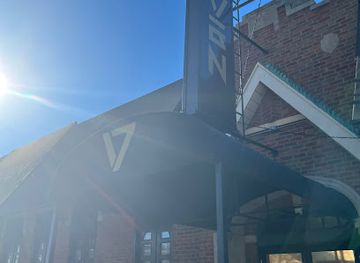
Night club
Seven Nightclub Chicago
Unleash your inner party animal at Seven Nightclub Chicago, where the music is pumping and the night is always young.
Best shops in River Bend
Shopping in River Bend is concentrated in Alton's historic commercial areas, everyday retail districts and independent businesses rather than large destination shopping centres. Visitors can look for antiques, used books, local art, crafts, homewares and gifts in small shops, galleries and market settings, while seasonal farmers' markets offer Illinois produce, baked goods, preserves and other locally made foods. Grafton and the smaller river towns provide a more visitor-oriented selection of souvenirs, apparel, art and river-themed gifts, although opening patterns can be seasonal. Alton is generally the best place for browsing independent retailers and combining shopping with historic streets and cafés. Regional breweries, wineries and food producers also provide practical souvenirs, but visitors should check transport and baggage rules before carrying bottles across borders or through airports.
-
Shopping mall
Fashion Outlets of Chicago
Explore the ultimate shopping experience at Fashion Outlets of Chicago, where fantastic deals meet a dynamic atmosphere in Rosemont, Illinois.
-
Department store
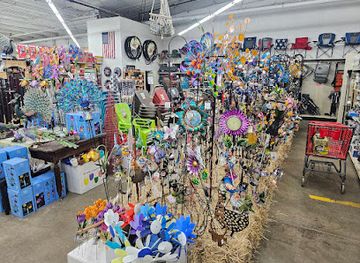
Jerseyville Farm & Home Supply
Discover the essence of local living at Jerseyville Farm & Home Supply, your one-stop destination for home, garden, and agricultural needs.
-
Shopping mall
Jerseyville Mall
Explore Jerseyville Mall, a delightful shopping destination in Illinois, offering diverse stores and dining options for an enjoyable experience.
-
Furniture store
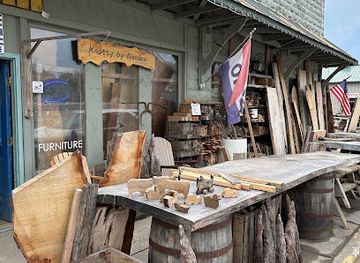
Knotty By Nature
Explore exquisite handcrafted wooden furniture and unique gifts at Knotty By Nature in Grafton, Illinois.

Get your free copy of our complete guide to River Bend, delivered straight to you.
Everything on this page, from attractions and restaurants to essentials and local phrases, in one PDF you can read offline, print or share.
Already have an account? Sign in
Your River Bend guide is ready.
We'll send it to · Not you? Sign out

Getting your guide ready…
We are putting together a fresh copy of the River Bend guide. This can take up to a minute.
This can take a few moments. If your browser asks, choose Allow so the download can start. You'll find the guide in your Downloads folder.
Nothing happened? Download it again
Sorry, the guide is taking longer than usual. Please try again in a minute, or get it by email instead.
River Bend essentials
Currency and Payment
Safety
Emergency Situations
Do's and Don'ts
Local Tips
From Eve
Local phrases worth knowing
You don't need to get them perfect. A few words go a long way, and locals appreciate the effort.
Basics
| English | Local | Say it |
|---|---|---|
| Hello | Hi | [Hai] |
| Goodbye | See ya | [See yah] |
| Yes | Yeah | [Yea] |
| No | Nope | [Nope] |
| Please/You're welcome | No problem | [No prob-lum] |
| Thank you | Thanks | [Thanks] |
| Excuse me/Sorry | Sorry 'bout that | [Sorry 'bout that] |
| How are you? | How ya doin'? | [How yah doin'?] |
| Fine. And you? | I'm good, you? | [I'm good, you?] |
| Do you speak English? | You speakin' English? | [You speakin' English?] |
| I don't understand | I don't get it | [I don't get it] |
Eating & Drinking
| English | Local | Say it |
|---|---|---|
| I'd like to see the menu, please | Can I see the menu? | [Can I see the menu?] |
| I don't eat meat | I'm a vegetarian | [I'm a ve-ge-ta-rian] |
| Cheers! | Cheers! | [Cheers!] |
| I would like to pay, please | Can I get the check? | [Can I get the check?] |
Emergencies
| English | Local | Say it |
|---|---|---|
| Help! | Help! | [Help!] |
| Go away! | Leave me alone! | [Leave me a-lone!] |
| Call the Police! | Call the cops! | [Call the cops!] |
| Call a doctor! | Get a doctor! | [Get a doctor!] |
| I'm lost | I’m lost | [I’m lost] |
| I'm ill | I'm sick | [I'm sick] |
Shopping
| English | Local | Say it |
|---|---|---|
| I'd like to buy... | I wanna buy... | [I wanna buy...] |
| I'm just looking | Just lookin' | [Just lookin'] |
| How much is it? | What’s the price? | [What’s the price?] |
| That's too expensive | That’s too pricey | [That’s too pricey] |
| Can you lower the price? | Can you cut the price? | [Can you cut the price?] |
Time & Numbers
| English | Local | Say it |
|---|---|---|
| What time is it? | What time's it? | [What time's it?] |
| It's one o'clock | It's one | [It's one] |
| Half past (10) | Half past ten | [Half past ten] |
| Morning | Morning | [Morning] |
| Afternoon | Afternoon | [Afternoon] |
| Evening | Evening | [Evening] |
| Yesterday | Yesterday | [Yesterday] |
| Today | Today | [Today] |
| Tomorrow | Tomorrow | [Tomorrow] |
| 1 | One | [One] |
| 2 | Two | [Two] |
| 3 | Three | [Three] |
| 4 | Four | [Four] |
| 5 | Five | [Five] |
| 6 | Six | [Six] |
| 7 | Seven | [Seven] |
| 8 | Eight | [Eight] |
| 9 | Nine | [Nine] |
| 10 | Ten | [Ten] |
Transport & Directions
| English | Local | Say it |
|---|---|---|
| Where's a/the...? | Where's the...? | [Where's the...?] |
| What's the address? | What's the address? | [What's the address?] |
| Can you show me (on the map)? | Can you show me on the map? | [Can you show me on the map?] |
| When's the next (bus)? | When's the next bus? | [When's the next bus?] |
| A ticket (to ....) | A ticket to...? | [A ticket to...?] |
History of River Bend
Indigenous River and Woodland Cultures
Long before European settlement, the Mississippi and Illinois river valleys supported Indigenous communities whose economies combined farming, fishing, hunting and trade. River Bend lies within a wider landscape shaped by the Mississippian cultural tradition, whose major centre at Cahokia was located across the Mississippi floodplain near present-day Collinsville, outside the region but historically connected to it through river networks. Later, groups including the Illinois Confederation and other Native peoples travelled, traded and lived in the broader area. The rivers were not merely geographical features; they were routes of movement and sources of food that continued to influence settlement after Europeans arrived.
French Illinois and Early European Settlement
French exploration and settlement along the Mississippi and Illinois rivers brought new trading networks, religious missions and agricultural practices to the region during the eighteenth century. The area formed part of the wider Illinois Country, a contested frontier influenced by France, Britain and later the United States. River crossings, fertile bottomlands and access to inland waterways made the Alton area strategically useful. Although much of the early settlement pattern changed after American control was established, the region's place names, river orientation and continuing relationship with St Louis reflect this earlier period of cross-river commerce and cultural exchange.
Lewis and Clark at Camp Wood, 1803–1804
In the winter of 1803–1804, Meriwether Lewis and William Clark assembled and trained the Corps of Discovery at Camp Wood near present-day Hartford. The camp stood on the American side of the Mississippi, close to the confluence with the Missouri, and provided access to the river route west. The expedition's preparations included recruiting men, practising navigation and gathering supplies before the party began its journey up the Missouri River. The Lewis and Clark State Historic Site interprets this important pre-expedition phase and places River Bend within the national story of early United States exploration.
Alton, River Commerce and Urban Growth
Alton was founded in 1818 and grew as a river port, commercial centre and transport junction. Its position on the Mississippi encouraged grain shipping, milling, warehousing and links with inland settlements, while the bluffs provided a defensible and visually distinctive setting for the town. Steamboats, railways and later highways each altered the local economy, but the river remained central to Alton's identity. Historic streets, churches, commercial buildings and riverfront infrastructure preserve evidence of the nineteenth-century period when Alton served a large agricultural hinterland and competed with other towns for trade.
Elijah P. Lovejoy and the Abolitionist Struggle
Alton occupies an important place in the history of abolitionism and freedom of the press because Elijah P. Lovejoy was killed there in 1837 while defending his printing press. Lovejoy, a Presbyterian minister and newspaper editor, had moved his anti-slavery publishing operation to Alton after facing threats in Missouri. His death during a confrontation made him one of the first prominent white Americans killed for opposition to slavery. The Elijah P. Lovejoy Monument and associated interpretation commemorate the episode, while the Alton area more broadly reflects the intense political conflicts that preceded the American Civil War.
Industry, Railways and the Working River
During the late nineteenth and twentieth centuries, River Bend developed a mixed industrial economy based on river transport, railways, manufacturing, oil refining, chemicals and food processing. Wood River and neighbouring communities became particularly associated with large industrial facilities and the refining economy, while Alton retained commercial, educational and civic functions. The same waterways that supported trade also required levees, locks, channels and flood-management works. This industrial inheritance remains visible in rail corridors, working riverfronts, bridges and large-scale plants, giving the region a more complex identity than a purely scenic Mississippi destination.
Conservation and the Modern River Corridor
In the late twentieth and early twenty-first centuries, conservation, environmental education and heritage tourism became increasingly important alongside industry and navigation. Pere Marquette State Park protects extensive upland forest and bluff country near the Illinois River, while the National Great Rivers Museum interprets river engineering, wildlife and human dependence on the Mississippi. Bird habitats, wetlands and migratory routes have drawn growing attention from visitors and conservation organisations. Modern River Bend therefore presents several overlapping landscapes: a working waterway, an industrial corridor, a historic settlement zone and a habitat of national ecological importance.
River Bend in Photos
Browse through our photo collection highlighting the charm and character of the destination.
Neighbouring regions of River Bend
The closest regions to River Bend, if you have time for more than one.
-

-
-
-

-


Swipe for more regions
Explore more

Explore more of Illinois
Discover Illinois: From Chicago's iconic skyline to the tranquil beauty of its countryside, experience the diverse allure of the Prairie State.
Explore Illinois