

Free Deccan Plateau Travel Guide & Mobile App
Explore Deccan Plateau with free travel guides. Discover regional history, expert tips, proposed trips, and audio guides on web or mobile app.


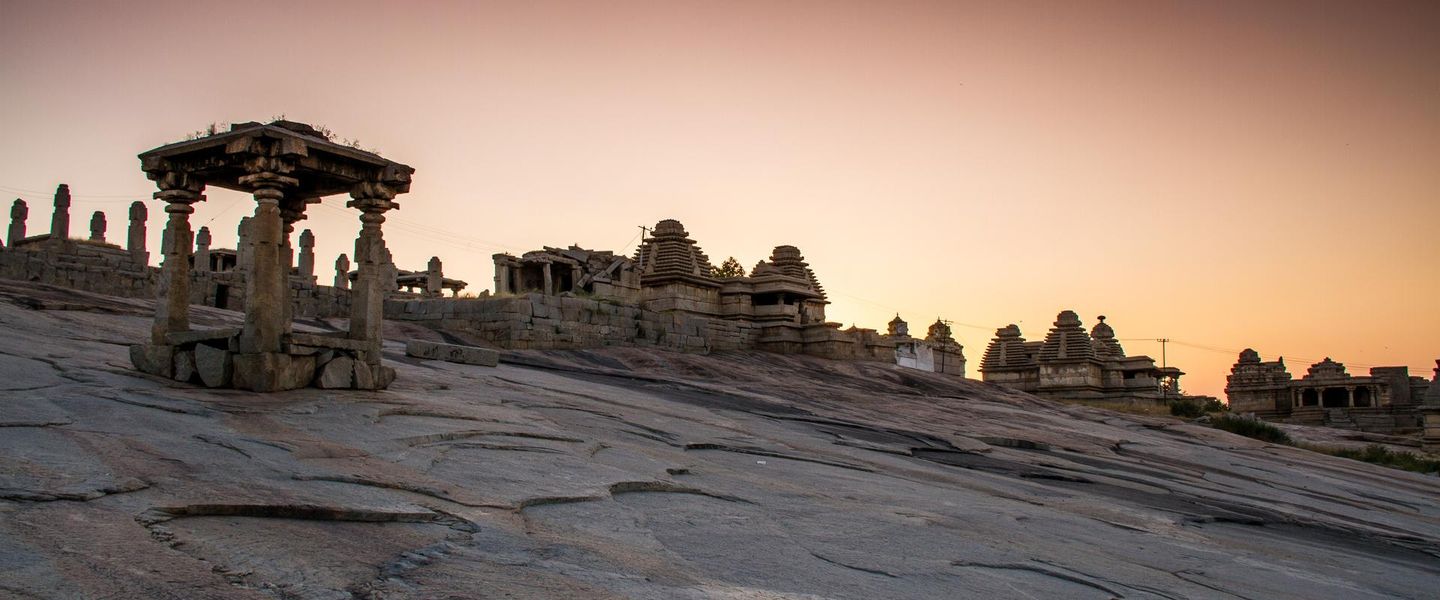


Explore India’s Deccan Plateau for basalt hills, ancient temples, royal ruins, historic cities, distinctive cuisines and wide-ranging cultural landscapes.
Read more about Deccan Plateau
When is the best time to visit Deccan Plateau?
Best: November–January · 26–28°C| Month | High (°C) | Rainfall (mm) |
|---|---|---|
| January (best) | 28 | 10 |
| February | 30 | 12 |
| March | 34 | 20 |
| April | 37 | 25 |
| May | 38 | 30 |
| June | 33 | 50 |
| July | 30 | 80 |
| August | 29 | 90 |
| September | 29 | 80 |
| October | 29 | 50 |
| November (best) | 28 | 20 |
| December (best) | 26 | 10 |
Getting to and around Deccan Plateau
How to get there
Transportation
Top city travel guides in Deccan Plateau
The cities of Deccan Plateau, and the easiest places to base yourself.
-

-

-

-

-

-


Swipe for more cities
Destinations in Deccan Plateau
Resorts, valleys and scenic spots worth a trip of their own.
-

-

-

-

-
-


Swipe for more destinations
Best attractions in Deccan Plateau
-
Historical landmark
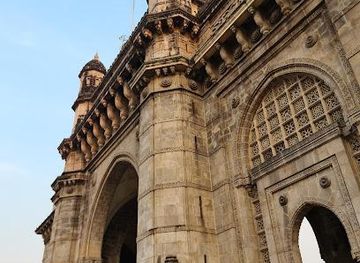
Gateway Of India Mumbai
Explore the iconic Gateway of India, a historic monument that embodies Mumbai's rich culture and offers breathtaking views of the Arabian Sea.
-
Historical place
Mysore Palace
Discover the grandeur of Mysore Palace, a historic treasure showcasing stunning architecture and rich cultural heritage in the heart of Karnataka.
-
Monument
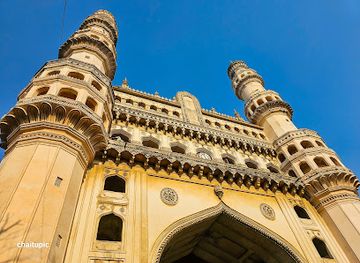
Charminar
Explore the iconic Charminar, a historical monument in Hyderabad showcasing stunning architecture and the vibrant culture of the city.
-
Hindu temple
Shrimant Dagdusheth Halwai Ganpati Mandir
Discover the spiritual heart of Pune at Shrimant Dagdusheth Halwai Ganpati Mandir, a stunning temple dedicated to Lord Ganesha.


Best landmarks in Deccan Plateau
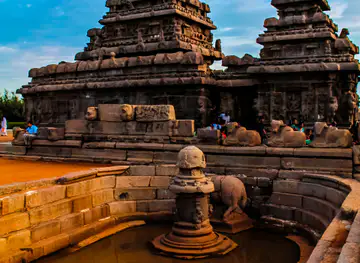
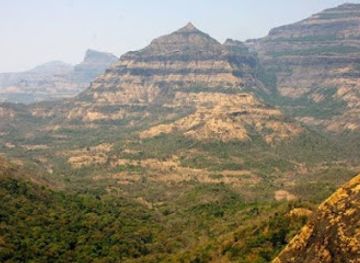
The Deccan’s most recognisable landmarks reflect both its geology and its succession of kingdoms. The basalt cliffs and sculpted caves of Ellora and Ajanta in Maharashtra demonstrate how religious architecture was carved directly into the plateau’s volcanic rock. In northern Karnataka, Badami’s red sandstone escarpment frames its cave temples, while the clustered monuments of Pattadakal and Aihole preserve formative experiments in Hindu and Jain temple design. Hampi’s granite boulder fields, Virupaksha Temple, royal enclosures and surviving market streets form an immense historic landscape beside the Tungabhadra River. Telangana contributes the massive walls and gateways of Golconda Fort, the Qutb Shahi tombs near Hyderabad and the Kakatiya-era Warangal Fort. Maharashtra’s hill forts, including Raigad and Sinhagad, are powerful geographical landmarks as well as symbols of Maratha history. Across the southern plateau, Bengaluru’s granite outcrops and the monumental Nandi Hills landscape provide reminders that the region’s natural forms are as significant as its palaces, temples and defensive works.
Explore Deccan Plateau on the map
Plan your trip on one map. See where the top cities, national parks and sights are, and book hotels and experiences in a few clicks.
Best hotels in Deccan Plateau
Best restaurants in Deccan Plateau
Food across the Deccan Plateau changes with language, climate and agricultural tradition. Maharashtra is known for preparations using millet, pulses, peanuts and coconut, with dishes such as bhakri, misal and regional versions of poha appearing in homes, cafés and market stalls. Northern Karnataka is associated with jolada rotti, spicy vegetable dishes, lentils and meals built around locally grown grains, while Telangana cooking often combines rice or millet with tamarind, sesame and substantial chilli heat. Hyderabad adds a celebrated Deccani Muslim culinary tradition, including biryani, haleem in its appropriate season and richly spiced meat dishes, alongside South Indian tiffin and vegetarian meals. Rural inns, temple-town eateries, bakeries and roadside restaurants can be more revealing than formal dining rooms, although larger cities offer a much wider choice of regional and international food. Fresh fruit, sugarcane, snacks and sweets vary by district, and farmers’ markets provide opportunities to see the plateau’s crops and seasonal produce.
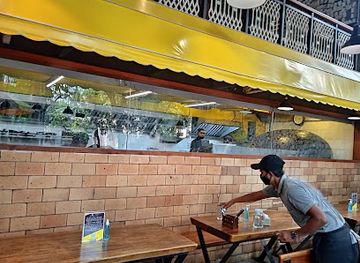
Best bars in Deccan Plateau
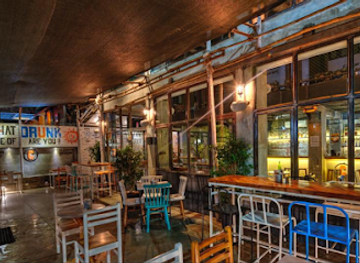
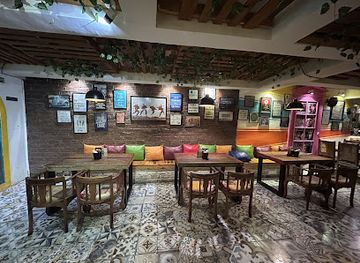
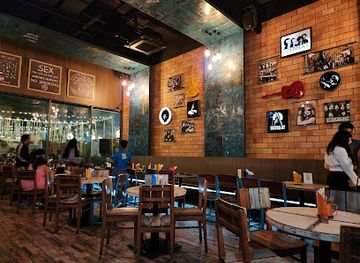
Evening life varies sharply across the Deccan. Hyderabad, Bengaluru and Pune have the region’s broadest selection of cocktail bars, breweries, live-music venues, restaurants and late-night entertainment, with Bengaluru particularly associated with a large contemporary urban hospitality scene. In smaller Karnataka, Maharashtra and Telangana towns, the evening usually centres on family restaurants, cafés, traditional permit rooms, hotel bars or local pubs rather than purpose-built clubs. Historic cities may offer atmospheric courtyards and updated versions of old inns, while university districts bring a younger café and music culture. Religious towns and rural areas are quieter, and alcohol availability may be restricted by local rules or religious observance. Check current licensing and closing arrangements rather than relying on old listings, and remember that distances between venues can be considerable outside the major cities.
-
Bar
Culture Pune
Discover the heart of Pune's nightlife at Culture Pune, where great drinks, delicious food, and vibrant atmosphere come together for an unforgettable experience.
-
Bar
Hippie@Heart, Bhandarkar Road
Explore the vibrant atmosphere of Hippie@Heart, Pune's go-to destination for gourmet bites and crafted cocktails.
-
Bar
Apache High Street
Discover the vibrant Apache High Street, where delicious cuisine meets a lively bar atmosphere in the heart of Pune.
-
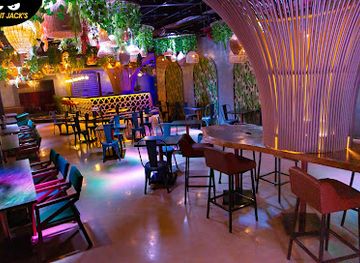
Bar
Agent Jack's (SB Road)
Discover a culinary gem in Pune, where vibrant nightlife meets exquisite dining at Agent Jack's, offering a unique blend of cuisines and lively entertainment.
Best nightclubs in Deccan Plateau
Evening life varies sharply across the Deccan. Hyderabad, Bengaluru and Pune have the region’s broadest selection of cocktail bars, breweries, live-music venues, restaurants and late-night entertainment, with Bengaluru particularly associated with a large contemporary urban hospitality scene. In smaller Karnataka, Maharashtra and Telangana towns, the evening usually centres on family restaurants, cafés, traditional permit rooms, hotel bars or local pubs rather than purpose-built clubs. Historic cities may offer atmospheric courtyards and updated versions of old inns, while university districts bring a younger café and music culture. Religious towns and rural areas are quieter, and alcohol availability may be restricted by local rules or religious observance. Check current licensing and closing arrangements rather than relying on old listings, and remember that distances between venues can be considerable outside the major cities.
Best shops in Deccan Plateau
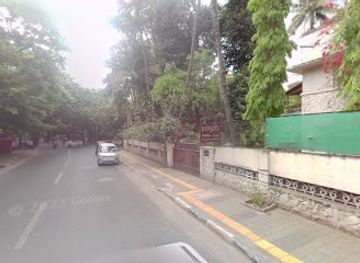
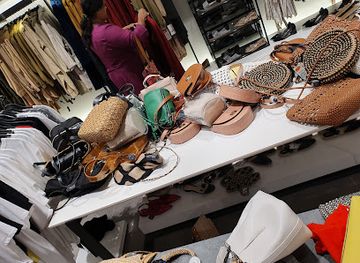
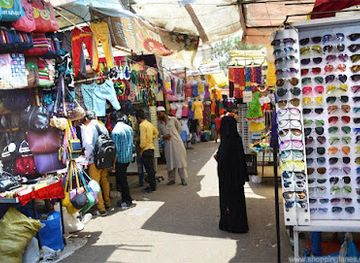
Shopping on the Deccan Plateau is strongest in its market towns and major cities, where regional food, textiles, metalwork and religious goods sit alongside national retail chains. Pune and Hyderabad provide the widest urban choice, including contemporary fashion, books, crafts and specialist food shops, while historic centres and bazaars around Bidar, Badami, Hampi and Warangal are better suited to small-scale souvenirs and locally made objects. Look for Maharashtra’s snacks and spice blends, Karnataka textiles and sandalwood products where legally and responsibly sourced, Telangana handloom fabrics, and regional sweets or millets that travel well. Markets near temple towns often sell devotional items, brassware and inexpensive craft goods, but quality varies, so inspect workmanship and ask about materials. Rural weekly markets are valuable for understanding local commerce, although they are primarily for residents rather than visitors. Bargaining may be normal in informal markets but is not expected in fixed-price shops, established boutiques or supermarkets.
-
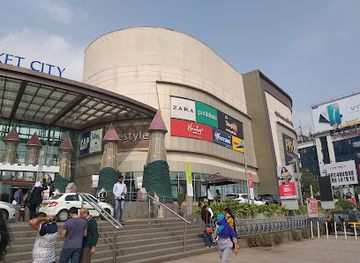
Shopping mall
Phoenix Marketcity
Discover Phoenix Marketcity, Pune's premier shopping mall with diverse stores, delicious dining, and exciting entertainment options for every visitor.
-
Shopping mall
The Pavilion Mall
Explore a vibrant shopping experience at The Pavilion Mall in Pune, featuring top brands, diverse dining, and engaging entertainment.
-
Clothes market
Fashion Street Pune
Explore Fashion Street Pune: A vibrant marketplace showcasing trendy clothing, unique accessories, and local fashion at affordable prices.
-
Stationery store
Venus Traders and Stationery
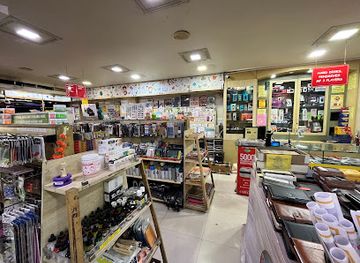
Explore Venus Traders in Pune for a vast selection of stationery that inspires creativity and caters to all your writing and crafting needs.
Get your free copy of our complete guide to Deccan Plateau, delivered straight to you.
Everything on this page, from attractions and restaurants to essentials and local phrases, in one PDF you can read offline, print or share.
Already have an account? Sign in
Your Deccan Plateau guide is ready.
We'll send it to · Not you? Sign out

Getting your guide ready…
We are putting together a fresh copy of the Deccan Plateau guide. This can take up to a minute.
This can take a few moments. If your browser asks, choose Allow so the download can start. You'll find the guide in your Downloads folder.
Nothing happened? Download it again
Sorry, the guide is taking longer than usual. Please try again in a minute, or get it by email instead.
Deccan Plateau essentials
Currency and Payment
Safety
Emergency Situations
Do's and Don'ts
Local Tips
From Eve
Local phrases worth knowing
You don't need to get them perfect. A few words go a long way, and locals appreciate the effort.
Basics
| English | Local | Say it |
|---|---|---|
| Hello | नमस्ते | [Namaste] |
| Goodbye | अलविदा | [Alvida] |
| Yes | हाँ | [Haan] |
| No | नहीं | [Nahin] |
| Please/You're welcome | कृपया/आपका स्वागत है | [Kripya/Aapka Swagat Hai] |
| Thank you | धन्यवाद | [Dhanyavaad] |
| Excuse me/Sorry | माफ़ कीजिए/क्षमा करें | [Maaf Kijiye/Kshama Karein] |
| How are you? | आप कैसे हैं? | [Aap Kaise Hain?] |
| Fine. And you? | अच्छा। और आप? | [Accha. Aur Aap?] |
| Do you speak English? | क्या आप अंग्रेज़ी बोलते हैं? | [Kya Aap Angrezi Bolte Hain?] |
| I don't understand | मुझे समझ में नहीं आता | [Mujhe Samajh Mein Nahin Aata] |
Eating & Drinking
| English | Local | Say it |
|---|---|---|
| I'd like to see the menu, please | कृपया मुझे मेन्यू दिखाइए | [Kripya Mujhe Menu Dikhaiye] |
| I don't eat meat | मैं मांस नहीं खाता/खाती | [Main Maas Nahin Khata/Khati] |
| Cheers! | सफला! | [Safala!] |
| I would like to pay, please | कृपया मुझे बिल दे दीजिए | [Kripya Mujhe Bill De Dijiye] |
Emergencies
| English | Local | Say it |
|---|---|---|
| Help! | मदद! | [Madad!] |
| Go away! | दूर जाओ! | [Door Jao!] |
| Call the Police! | पुलिस को बुलाओ! | [Police Ko Bulao!] |
| Call a doctor! | डॉक्टर को बुलाओ! | [Doctor Ko Bulao!] |
| I'm lost | मैं खो गया/गई हूँ | [Main Kho Gaya/Gayi Hoon] |
| I'm ill | मैं बीमार हूँ | [Main Beemar Hoon] |
Shopping
| English | Local | Say it |
|---|---|---|
| I'd like to buy... | मैं खरीदना चाहता/चाहती हूँ... | [Main Kharidna Chahta/Chahti Hoon...] |
| I'm just looking | मैं बस देख रहा/रही हूँ | [Main Bas dekh raha/rahi Hoon] |
| How much is it? | यह कितना है? | [Yah Kitna Hai?] |
| That's too expensive | यह बहुत महंगा है | [Yah Bahut Mehnga Hai] |
| Can you lower the price? | क्या आप कीमत कम कर सकते हैं? | [Kya Aap Keemat Kam Kar Sakte Hain?] |
Time & Numbers
| English | Local | Say it |
|---|---|---|
| What time is it? | कितने बजे हैं? | [Kitne Baje Hain?] |
| It's one o'clock | यह एक बजे है | [Yah Ek Baje Hai] |
| Half past (10) | साढ़े (10) | [Saadhe (10)] |
| Morning | सुबह | [Subah] |
| Afternoon | दोपहर | [Dopahar] |
| Evening | शाम | [Shaam] |
| Yesterday | कल | [Kal] |
| Today | आज | [Aaj] |
| Tomorrow | कल | [Kal] |
| 1 | 1 | [1] |
| 2 | 2 | [2] |
| 3 | 3 | [3] |
| 4 | 4 | [4] |
| 5 | 5 | [5] |
| 6 | 6 | [6] |
| 7 | 7 | [7] |
| 8 | 8 | [8] |
| 9 | 9 | [9] |
| 10 | 10 | [10] |
Transport & Directions
| English | Local | Say it |
|---|---|---|
| Where's a/the...? | कहाँ है...? | [Kahan Hai...?] |
| What's the address? | पता क्या है? | [Pata Kya Hai?] |
| Can you show me (on the map)? | क्या आप मुझे दिखा सकते हैं (मानचित्र पर)? | [Kya Aap Mujhe Dikha Sakte Hain (Maanchitra Par)?] |
| When's the next (bus)? | अगली (बस) कब है? | [Agli (Bus) Kab Hai?] |
| A ticket (to ....) | एक टिकट (.... के लिए) | [Ek Ticket (.... Ke Liye)] |
History of Deccan Plateau
Neolithic and Megalithic Deccan
Communities were farming, herding and making distinctive stone tools across parts of the Deccan well before the emergence of large historic states. Archaeological evidence from settlements and megalithic burial sites shows long traditions of millet cultivation, cattle keeping, iron use and ceremonial activity. The plateau’s granite outcrops, river valleys and black-soil plains supported different local economies rather than one uniform culture. Rock shelters, burial monuments and early settlement remains provide important evidence for the gradual transition from mobile communities to more settled societies, although many sites are less accessible to general visitors than the better-known historic monuments.
Satavahana Rule and Early Buddhist Networks
From roughly the second century BCE to the third century CE, the Satavahanas controlled substantial parts of the Deccan at different times, with political centres including Pratishthana, identified with modern Paithan in Maharashtra. Their period connected inland settlements with routes leading towards the western coast and northern India. Trade supported Buddhist monasteries, cave sanctuaries and artistic patronage, while inscriptions record interactions among rulers, merchants and religious communities. The rock-cut caves at sites such as Ajanta contain later phases as well, but they belong to a longer Buddhist landscape that developed through changing dynasties and commercial networks across the plateau.
The Chalukyas and the Temple Landscapes of Karnataka
The Early Chalukyas, whose principal centre was Vatapi, now Badami, shaped the political and architectural history of the northern Karnataka plateau between the sixth and eighth centuries. Their temple builders experimented with forms that drew on northern and southern Indian traditions. Aihole preserves a remarkable range of early temple designs, while Pattadakal became an important ceremonial centre and later a UNESCO World Heritage Site. Badami’s sandstone cliffs contain Hindu and Jain cave temples overlooking an artificial lake. Together these places show how the Deccan became a laboratory for religious architecture and royal expression.
Medieval Kingdoms and the Rise of Vijayanagara
After successive regional powers contested the plateau, the Vijayanagara Empire emerged in the fourteenth century and established its capital at Hampi on the Tungabhadra River in present-day Karnataka. The city combined temples, royal compounds, markets, irrigation works and fortified hills within a difficult granite landscape. Vijayanagara controlled important agricultural zones and trade routes, and its influence reached across much of southern India. The capital was defeated and extensively damaged after the Battle of Talikota in 1565, but the surviving monuments at Hampi remain one of the clearest records of the political and commercial scale of a pre-modern Deccan empire.
Bahmani and Deccan Sultanates
Islamic courts became major forces in the Deccan from the fourteenth century, beginning with the Bahmani Sultanate and followed by successor states including Bijapur, Golconda and Bidar. Their capitals and strongholds introduced new forms of fortification, palace design, mosque architecture, water management and court culture. Bidar, Gulbarga, Bijapur, Hyderabad and Golconda each preserve different aspects of this period. Deccani culture developed through interaction among Persianate, Central Asian, local Hindu and regional Muslim traditions, producing distinctive architecture, languages, music and cuisines rather than a simple extension of northern Indian styles.
Maratha Power and the Hill-Fort Tradition
In the seventeenth century, Shivaji and the expanding Maratha state made strategic use of the western Deccan’s steep escarpments, forested hills and difficult passes. Forts such as Raigad, Pratapgad and Sinhagad, along with many lesser-known strongholds, served as administrative, military and symbolic centres. Maratha power later spread across a wide territory, while the plateau continued to be contested by the Nizam of Hyderabad, Mysore and the British East India Company. The forts are important not only for military history but also for understanding how geography influenced sovereignty, communications and rural settlement.
Colonial Infrastructure and Agricultural Change
British rule and the princely states reshaped the Deccan through railways, cantonments, new administrative boundaries, commercial agriculture and irrigation projects. Cotton became particularly important in the black-soil districts of Maharashtra, while roads and rail connections linked plateau towns to ports and expanding markets. Colonial revenue systems also contributed to indebtedness and rural unrest, including the Deccan Riots of 1875 in parts of present-day Maharashtra. The period left a mixed legacy of engineering works, educational institutions and urban growth alongside economic pressures that continued into the twentieth century.
Post-Independence States and Expanding Cities
After Indian independence, linguistic reorganisation placed different sections of the Deccan within states such as Maharashtra, Karnataka, Telangana, Andhra Pradesh and Tamil Nadu. Dams, highways, universities, manufacturing and information-technology industries transformed major cities including Pune, Hyderabad and Bengaluru, while agriculture remained central across much of the plateau. The creation of Telangana as a separate state in 2014 reflected continuing regional political identities. Today the Deccan combines rapidly growing metropolitan areas with historic towns, dryland farming communities and archaeological landscapes facing the pressures of water demand, development and conservation.
Deccan Plateau in Photos
Browse through our photo collection highlighting the charm and character of the destination.
Neighbouring regions of Deccan Plateau
The closest regions to Deccan Plateau, if you have time for more than one.
-

-

-

-
-


Swipe for more regions

