

Free Uttar Pradesh Travel Guide & Mobile App
Explore Uttar Pradesh with free travel guides. Discover regional history, expert tips, proposed trips, and audio guides on web or mobile app.


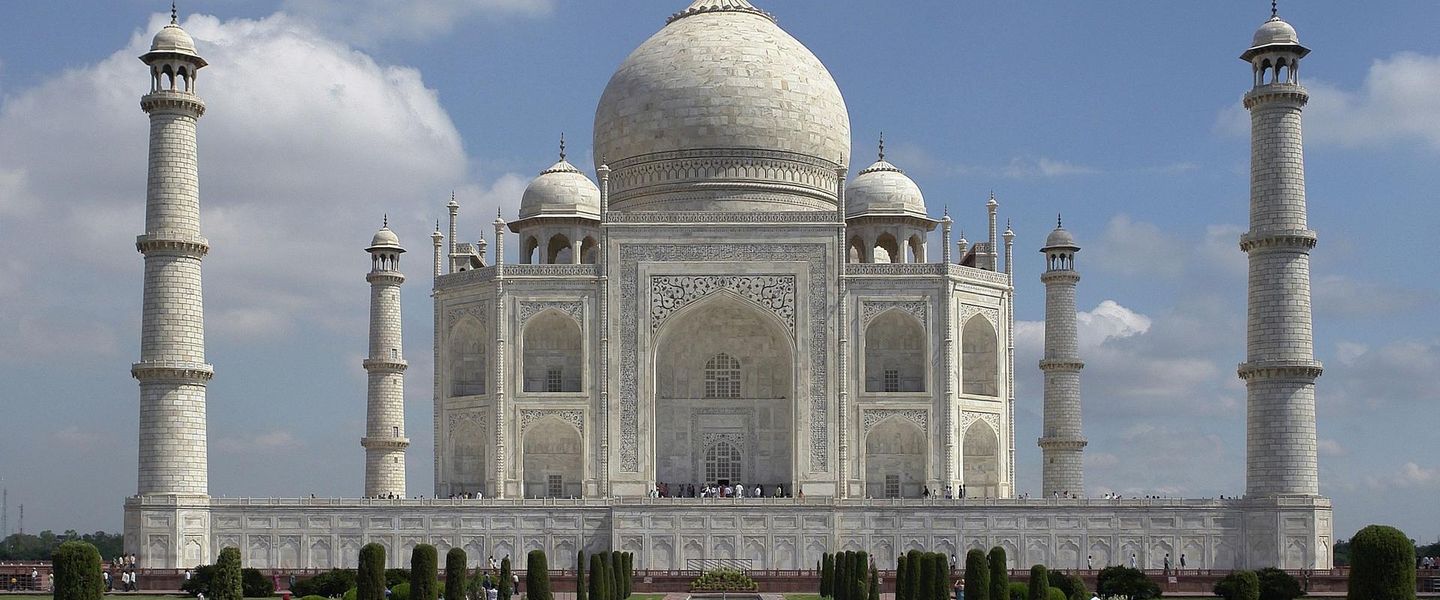


Explore Uttar Pradesh for Mughal monuments, sacred river cities, Buddhist heritage, Awadhi cuisine and richly layered North Indian culture.
Read more about Uttar Pradesh
When is the best time to visit Uttar Pradesh?
Best: February, November–December · 23–27°C| Month | High (°C) | Rainfall (mm) |
|---|---|---|
| January | 22 | 16 |
| February (best) | 26 | 18 |
| March | 33 | 20 |
| April | 39 | 15 |
| May | 43 | 30 |
| June | 39 | 100 |
| July | 36 | 250 |
| August | 35 | 250 |
| September | 35 | 150 |
| October | 32 | 30 |
| November (best) | 27 | 15 |
| December (best) | 23 | 10 |
Getting to and around Uttar Pradesh
How to get there
Transportation
Top city travel guides in Uttar Pradesh
The cities of Uttar Pradesh, and the easiest places to base yourself.
-

-

-

-
-

-


Swipe for more cities
Destinations in Uttar Pradesh
Resorts, valleys and scenic spots worth a trip of their own.
-

-

-

-

-


Swipe for more destinations
Best attractions in Uttar Pradesh
Uttar Pradesh’s attractions range from globally recognised Mughal monuments to active pilgrimage centres and archaeological sites associated with Buddhism. Agra brings together the Taj Mahal, Agra Fort and the planned imperial city of Fatehpur Sikri, while Lucknow offers grand Nawabi architecture, museums and historic quarters. Varanasi’s ghats, temples and boat journeys present a living religious landscape, and nearby Sarnath provides a quieter setting for Buddhist history. Mathura and Vrindavan are major destinations in the Braj pilgrimage region, while Ayodhya has become an important religious centre with extensive visitor infrastructure. Kushinagar and Sravasti form part of international Buddhist itineraries, and Prayagraj is significant for the Sangam and the great bathing festival held there periodically. Nature is represented by Dudhwa National Park in the Terai, where forests and grasslands support wildlife, and by the agricultural plains and rural waterways beyond the main cities. Visitors interested in military history can explore Jhansi Fort and Bundelkhand’s dramatic, drier landscapes, while museums, craft workshops, markets and cultural performances provide ways to experience the region beyond its headline monuments.
-
Monument
Taj Mahal
Discover the enchanting beauty of the Taj Mahal, a UNESCO World Heritage Site and a symbol of eternal love, nestled in the heart of Agra, India.
-
Fortress
Agra Fort
Explore the grandeur of Agra Fort, a UNESCO World Heritage Site, and immerse yourself in the rich history of India's Mughal Empire.
-
Historical landmark
Bara Imambara
Discover the grandeur of Bara Imambara, a historical landmark in Lucknow showcasing stunning Mughal architecture and rich cultural heritage.
-
Religious destination
Chota Imambada
Discover the architectural splendor and rich history of Chota Imambada, a must-visit religious destination in Lucknow, India.


Best landmarks in Uttar Pradesh
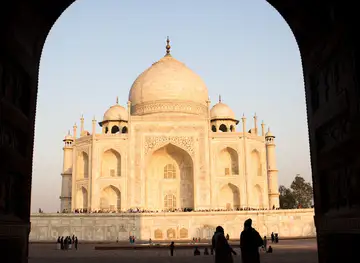
The Taj Mahal in Agra is Uttar Pradesh’s most recognisable landmark, its white marble mausoleum and formal gardens commemorating Mumtaz Mahal and expressing the architectural sophistication of the Mughal court. Agra Fort, with its massive walls and palaces overlooking the Yamuna, represents the city’s earlier role as an imperial capital, while Fatehpur Sikri preserves Akbar’s carefully planned red sandstone complex. Lucknow’s Rumi Darwaza, Bara Imambara and Chota Imambara form a distinctive group of eighteenth-century Nawabi monuments, combining ceremonial scale with regional architectural traditions. In Varanasi, the stepped ghats along the Ganga are the defining urban landscape, linking temples, cremation grounds, river ceremonies and everyday life. Sarnath’s Dhamek Stupa marks one of Buddhism’s most important sacred settings, and the Ashokan lion capital has become an enduring national symbol. Prayagraj’s Sangam is a geographical and religious landmark rather than a conventional monument, while Jhansi Fort stands as a powerful reminder of Bundelkhand’s military history and the events of 1857.
-
Monument
Taj Mahal
Discover the majesty of the Taj Mahal, a UNESCO World Heritage Site and an iconic monument of love in the heart of Agra, India.
-
Fortress
Agra Fort
Explore Agra Fort, a UNESCO World Heritage Site, where Mughal history and stunning architecture come together in a breathtaking experience.
-
Historical landmark
Bara Imambara
Discover the magnificent Bara Imambara in Lucknow, a historical landmark that showcases the grandeur of Awadhi architecture and rich cultural heritage.
-
Historical landmark
Akbar Fort, Prayagraj
Experience the grandeur of Akbar Fort in Prayagraj, a historical landmark that showcases India's rich cultural heritage and architectural brilliance.


Explore Uttar Pradesh on the map
Plan your trip on one map. See where the top cities, national parks and sights are, and book hotels and experiences in a few clicks.
Best hotels in Uttar Pradesh
Best restaurants in Uttar Pradesh
Uttar Pradesh has a varied food culture shaped by courtly kitchens, pilgrimage traditions, farming communities and urban street food. Lucknow is the principal centre for Awadhi cuisine, with dishes such as kebabs, korma, biryani and slow-cooked meat preparations served in restaurants, old-city eateries and traditional establishments. Varanasi is known for breakfast plates of kachori and sabzi, jalebi, seasonal sweets, lassi and paan, while vegetarian food is central to many pilgrimage centres. Agra’s food scene includes Mughlai cooking and the widely sold sweet petha, particularly associated with the city. Across the state, wheat breads, lentils, vegetables, dairy products and regional snacks are everyday staples. Markets and modest cafés offer the most direct introduction to local flavours, although visitors should choose busy outlets with good turnover and take care with water and raw ingredients. Hotels in the principal cities also provide broader Indian and international menus.
-
Restaurant
Milan~A Speciality Restaurant
Experience authentic Awadhi cuisine at Milan - a top-rated restaurant in Lucknow offering delightful vegetarian and non-vegetarian dishes.
-
Indian
The Indian Table
Experience authentic Indian cuisine at The Indian Table in Lucknow - where tradition meets taste in every delightful dish.
-
North Indian
Best Choice Of Awadh
Discover the authentic tastes of North India at Best Choice Of Awadh in Lucknow – where every meal is a celebration of flavor.
-
Indian
The Great Indian Kitchen
Experience authentic Indian cuisine at The Great Indian Kitchen - where tradition meets celebration in Uttar Pradesh.


Best bars in Uttar Pradesh
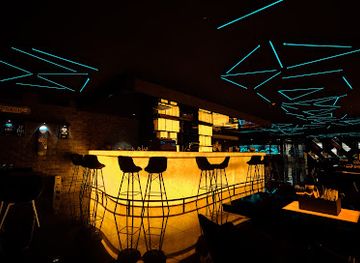
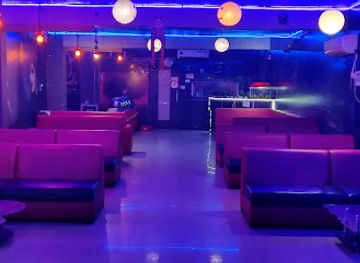
Evening life in Uttar Pradesh varies sharply by city and is generally more centred on food, conversation, religious observance and cultural performance than on large nightclub districts. Lucknow has the broadest urban selection of restaurants, hotel lounges, cafés, live-music spaces and bars, although licensing and opening arrangements vary. Agra and Varanasi offer drinking venues mainly through larger hotels and contemporary restaurants, with Varanasi’s evening atmosphere also shaped by riverside ceremonies and music. In pilgrimage centres such as Ayodhya, Mathura, Vrindavan and Kushinagar, alcohol may be restricted or less prominent, and evenings tend to focus on temples, markets, devotional performances and dining. Traditional chai stalls, sweets shops and late-opening restaurants are often more characteristic of local night-time activity than clubs. Visitors should check local rules, choose licensed premises and avoid drinking in public or around religious spaces.
-
Restaurant
SAQI
Experience the essence of Lucknow's culinary scene at Saqi, a sophisticated restaurant and cocktail bar in the luxurious Taj Mahal.
-
Bar
MOLECULE AIR BAR LUCKNOW
Discover Lucknow's premier bar experience at Molecule Air Bar, where luxury meets vibrant nightlife and exquisite cuisine.
-
Bar
BIGG DADDY
Discover the ultimate nightlife experience at BIGG DADDY, a vibrant bar and lounge in Lucknow offering stunning views, great food, and live entertainment.
-
Lounge
Shor Lounge
Experience luxury dining and vibrant nightlife at Shor Lounge in Kanpur, where exquisite cuisine meets an elegant atmosphere.


Best nightclubs in Uttar Pradesh
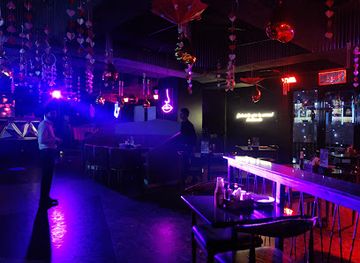
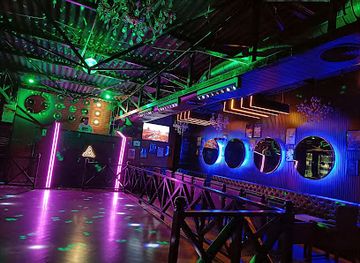
Evening life in Uttar Pradesh varies sharply by city and is generally more centred on food, conversation, religious observance and cultural performance than on large nightclub districts. Lucknow has the broadest urban selection of restaurants, hotel lounges, cafés, live-music spaces and bars, although licensing and opening arrangements vary. Agra and Varanasi offer drinking venues mainly through larger hotels and contemporary restaurants, with Varanasi’s evening atmosphere also shaped by riverside ceremonies and music. In pilgrimage centres such as Ayodhya, Mathura, Vrindavan and Kushinagar, alcohol may be restricted or less prominent, and evenings tend to focus on temples, markets, devotional performances and dining. Traditional chai stalls, sweets shops and late-opening restaurants are often more characteristic of local night-time activity than clubs. Visitors should check local rules, choose licensed premises and avoid drinking in public or around religious spaces.
-
Disco club
VOID BAR & NIGHT CLUB
Discover the vibrant nightlife at VOID BAR & NIGHT CLUB in Lucknow, where electrifying music and an energetic dance floor await.
-
Disco club
Club ALPHA
Dive into Lucknow's nightlife at Club ALPHA, where vibrant music, stylish ambiance, and unforgettable dance experiences await.
-
Night club
The Hype Room
Discover the pulse of Lucknow's nightlife at The Hype Room, where great music and cocktails await in a stylish setting.
-
Night club
Chillout Cafe and Disc - Top Night Clubs & Lounge in Lucknow
Chillout Cafe and Disc: A vibrant night club and hookah bar in Lucknow, blending delicious dining and lively entertainment for an unforgettable night out.
Best shops in Uttar Pradesh
Shopping in Uttar Pradesh is closely connected with craft, food and pilgrimage. Lucknow is known for chikankari embroidery and related textile work, with products ranging from everyday garments to finely worked occasion wear; shoppers should compare quality and ask about the workmanship. Varanasi is a major centre for silk weaving, particularly Banarasi saris and brocades, and reputable cooperatives or established retailers offer a more reliable buying experience than aggressive touts. Agra has marble inlay, leather goods, handicrafts and petha, while Mathura and other pilgrimage towns sell devotional objects, sweets and religious textiles. Markets in the old quarters of Lucknow, Agra and Varanasi provide the most atmospheric browsing, though narrow lanes can be crowded. Rural and smaller-town markets are useful for seasonal produce, brassware, pottery and household goods rather than standardised souvenirs. Keep receipts for costly textiles or jewellery and check airline and customs rules before purchasing antiques, wildlife products or items made from restricted materials.
-
Shopping mall
Z Square Mall
Discover the ultimate shopping and entertainment experience at Z Square Mall in Kanpur, where variety meets vibrancy for every visitor.
-
Shopping mall
Phoenix United Mall Lucknow
Discover the ultimate shopping experience at Phoenix United Mall Lucknow, where fashion, food, and fun come together.
-
Shopping mall
Ashok Cosmos Mall
Discover a shopper's paradise at Ashok Cosmos Mall, Agra, blending fashion, food, and fun for every visitor!
-
Shopping mall
Lifestyle Stores
Explore the ultimate shopping experience at Lifestyle Stores in Kanpur's Zsquare Mall, featuring fashion, beauty, and lifestyle products for everyone.


Get your free copy of our complete guide to Uttar Pradesh, delivered straight to you.
Everything on this page, from attractions and restaurants to essentials and local phrases, in one PDF you can read offline, print or share.
Already have an account? Sign in
Your Uttar Pradesh guide is ready.
We'll send it to · Not you? Sign out

Getting your guide ready…
We are putting together a fresh copy of the Uttar Pradesh guide. This can take up to a minute.
This can take a few moments. If your browser asks, choose Allow so the download can start. You'll find the guide in your Downloads folder.
Nothing happened? Download it again
Sorry, the guide is taking longer than usual. Please try again in a minute, or get it by email instead.
Uttar Pradesh essentials
Currency and Payment
Safety
Emergency Situations
Do's and Don'ts
Local Tips
From Eve
Local phrases worth knowing
You don't need to get them perfect. A few words go a long way, and locals appreciate the effort.
Basics
| English | Local | Say it |
|---|---|---|
| Hello | नमस्ते | [Namaste] |
| Goodbye | अलविदा | [Alvida] |
| Yes | हाँ | [Haan] |
| No | नहीं | [Nahin] |
| Please/You're welcome | कृपया/स्वागत है | [Kripya/Swagat hai] |
| Thank you | धन्यवाद | [Dhanyavaad] |
| Excuse me/Sorry | माफ कीजिए/क्षमा करें | [Maaf kijiye/Kshama karein] |
| How are you? | आप कैसे हैं? | [Aap kaise hain?] |
| Fine. And you? | ठीक हूँ। और आप? | [Theek hoon. Aur aap?] |
| Do you speak English? | क्या आप अंग्रेजी बोलते हैं? | [Kya aap Angrezi bolte hain?] |
| I don't understand | मुझे समझ नहीं आता | [Mujhe samajh nahin aata] |
Eating & Drinking
| English | Local | Say it |
|---|---|---|
| I'd like to see the menu, please | कृपया, मुझे मेनू दिखाइए | [Kripya, mujhe menu dikhaiye] |
| I don't eat meat | मैं मांस नहीं खाता/खाती | [Main maans nahin khata/khati] |
| Cheers! | चियर्स! | [Cheers!] |
| I would like to pay, please | कृपया, मुझे भुगतान करना है | [Kripya, mujhe bhugtaan karna hai] |
Emergencies
| English | Local | Say it |
|---|---|---|
| Help! | मदद! | [Madad!] |
| Go away! | जाओ! | [Jaao!] |
| Call the Police! | पुलिस को बुलाओ! | [Police ko bulaao!] |
| Call a doctor! | डॉक्टर को बुलाओ! | [Doctor ko bulaao!] |
| I'm lost | मैं खो गया/गई हूँ | [Main kho gaya/gayi hoon] |
| I'm ill | मैं बीमार हूँ | [Main beemar hoon] |
Shopping
| English | Local | Say it |
|---|---|---|
| I'd like to buy... | मैं खरीदना चाहता/चाहती हूँ... | [Main kharidna chahta/chahati hoon...] |
| I'm just looking | मैं सिर्फ देख रहा/रही हूँ | [Main sirf dekh raha/rahi hoon] |
| How much is it? | यह कितना है? | [Yeh kitna hai?] |
| That's too expensive | यह बहुत महंगा है | [Yeh bahut mehnga hai] |
| Can you lower the price? | क्या आप कीमत कम कर सकते हैं? | [Kya aap keemat kam kar sakte hain?] |
Time & Numbers
| English | Local | Say it |
|---|---|---|
| What time is it? | क्या समय हुआ है? | [Kya samay hua hai?] |
| It's one o'clock | यह एक बजा है | [Yeh ek baja hai] |
| Half past (10) | साढ़े (10) | [Saade (10)] |
| Morning | सुबह | [Subah] |
| Afternoon | दोपहर | [Dopahar] |
| Evening | शाम | [Shaam] |
| Yesterday | कल | [Kal] |
| Today | आज | [Aaj] |
| Tomorrow | कल | [Kal] |
| 1 | 1 | [1] |
| 2 | 2 | [2] |
| 3 | 3 | [3] |
| 4 | 4 | [4] |
| 5 | 5 | [5] |
| 6 | 6 | [6] |
| 7 | 7 | [7] |
| 8 | 8 | [8] |
| 9 | 9 | [9] |
| 10 | 10 | [10] |
Transport & Directions
| English | Local | Say it |
|---|---|---|
| Where's a/the...? | एक/वह...कहाँ है? | [Ek/Vah...kahan hai?] |
| What's the address? | पता क्या है? | [Pata kya hai?] |
| Can you show me (on the map)? | क्या आप मुझे (नक्शे पर) दिखा सकते हैं? | [Kya aap mujhe (nakshae par) dikha sakte hain?] |
| When's the next (bus)? | अगली (बस) कब है? | [Agli (bus) kab hai?] |
| A ticket (to ....) | एक टिकट (.... के लिए) | [Ek ticket (.... ke liye)] |
History of Uttar Pradesh
Early Cities and the Ganga Plain
The Ganga-Yamuna plain supported farming communities and expanding towns from early antiquity, with archaeological evidence showing the development of settled agricultural and urban cultures. The wider region became central to the Mahajanapadas, the large states that emerged in the first millennium BCE. Important early centres included Kaushambi near the Yamuna and settlements connected with the ancient kingdoms of Kosala and Vatsa. These political and commercial networks helped establish the Gangetic plain as one of South Asia’s major centres of population, religious debate and state formation.
Buddha, Mauryan Rule and Sarnath
Uttar Pradesh contains several places connected with the formative history of Buddhism. At Sarnath, near Varanasi, tradition holds that the Buddha delivered his first sermon after attaining enlightenment. The site later developed into a major monastic and artistic centre. Mauryan emperor Ashoka promoted Buddhist institutions across northern India, and his period is represented at Sarnath by the famous lion capital, now the emblem of the Republic of India, as well as remains of stupas and monasteries. Kushinagar and Sravasti also became important destinations on Buddhist pilgrimage routes.
Mathura and the Growth of Religious Traditions
Mathura developed as a prosperous settlement and artistic centre on trade routes linking northern India. From the early centuries CE, its sculptors produced influential images associated with Buddhist, Jain and Hindu traditions, helping shape the visual language of Indian religious art. The wider Braj region later became particularly important in Vaishnavism through its association with Krishna’s life and legends. Today, Mathura and neighbouring Vrindavan combine archaeological remains, temple culture, pilgrimage, music and seasonal festivals, demonstrating how ancient religious landscapes continue to influence contemporary life.
Sultanate and Mughal Uttar Pradesh
From the medieval period, cities and fortified centres in the region were shaped by the Delhi Sultanate and later by the Mughal Empire. Agra became an imperial capital under Akbar and remained a principal centre of Mughal power, administration and artistic production. Akbar’s Fatehpur Sikri illustrates the scale and ambition of sixteenth-century imperial planning, while Agra Fort and the Taj Mahal reflect successive phases of Mughal rule. Persianate court culture, garden design, monumental architecture and skilled craft production left an enduring mark on the region.
Awadh and the Cultural World of Lucknow
The Nawabs of Awadh made Lucknow their capital in the eighteenth century, creating a courtly culture distinguished by architecture, poetry, music, dance, etiquette and cuisine. Monumental buildings such as Bara Imambara, Chota Imambara and the Rumi Darwaza date from this period, when Lucknow became a major centre of Shi'a religious life and Indo-Islamic artistic expression. Awadhi culinary traditions, including slow-cooked dishes and kebabs, developed within this wider courtly environment and remain among the region’s most recognisable cultural legacies.
The Uprising of 1857 and British Rule
The uprising of 1857 began among soldiers at Meerut and spread rapidly across north India, with major episodes in Kanpur, Lucknow, Jhansi and other places now within Uttar Pradesh. The siege and defence of the British Residency in Lucknow became one of the conflict’s best-known episodes. The rebellion was suppressed, the East India Company’s rule ended and governance passed directly to the British Crown. Railways, canals and new administrative systems subsequently transformed movement and commerce, while also reshaping older urban and rural economies.
Nationalism, Independence and the Modern State
Cities across Uttar Pradesh played a major role in India’s nationalist movement. Allahabad, now Prayagraj, was associated with the Nehru family and the Indian National Congress, while Lucknow, Varanasi and other centres supported political organising, education and public debate. After independence in 1947, the state remained one of India’s most populous and politically influential regions. Its modern identity combines rapidly expanding cities and infrastructure with agricultural districts, long-established pilgrimage centres, industrial towns and a substantial programme of heritage and religious redevelopment.
Uttar Pradesh in Photos
Browse through our photo collection highlighting the charm and character of the destination.
Neighbouring regions of Uttar Pradesh
The closest regions to Uttar Pradesh, if you have time for more than one.
-
-

-

-

-


Swipe for more regions
Explore more

Explore more of India
Discover the magic of India, where diverse landscapes, rich heritage, and vibrant culture come together to create an unforgettable travel experience.
Explore India