

Free Indo-Gangetic Plain Travel Guide & Mobile App
Explore Indo-Gangetic Plain with free travel guides. Discover regional history, expert tips, proposed trips, and audio guides on web or mobile app.


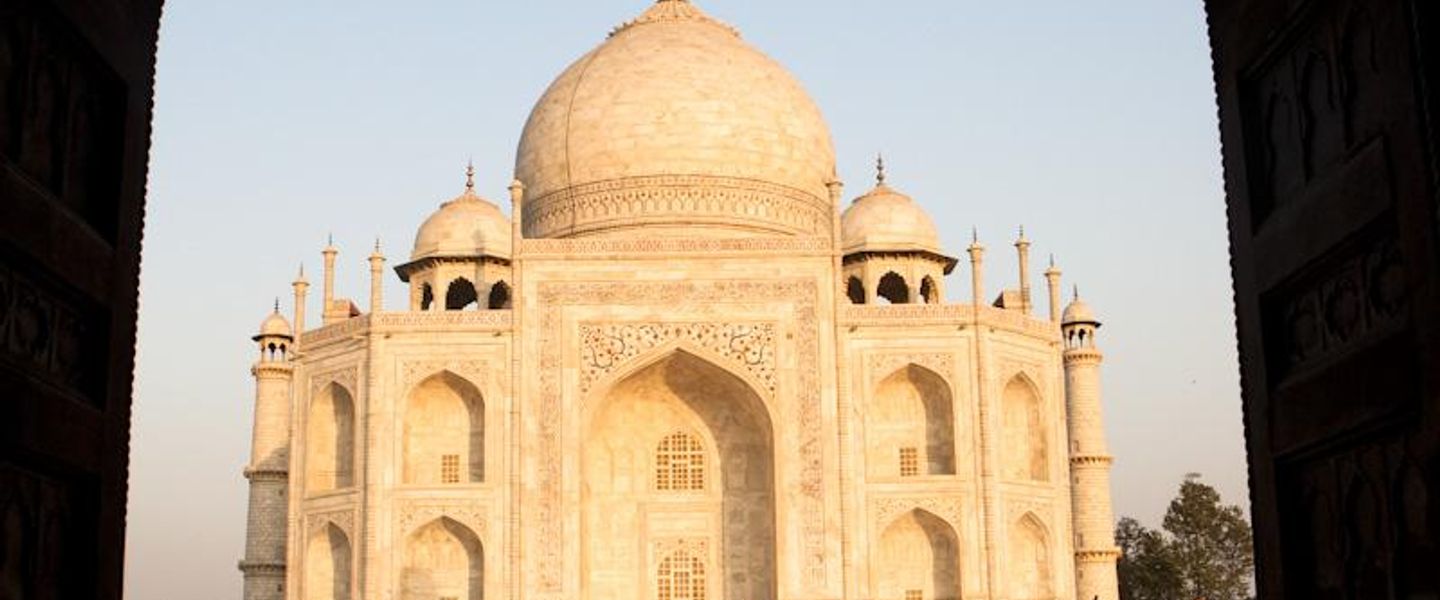


Explore India’s Indo-Gangetic Plain through imperial cities, sacred rivers, fertile countryside, pilgrimage towns and varied regional cuisines.
Read more about Indo-Gangetic Plain
When is the best time to visit Indo-Gangetic Plain?
Best: February, November–December · 22–26°C| Month | High (°C) | Rainfall (mm) |
|---|---|---|
| January | 21 | 20 |
| February (best) | 24 | 25 |
| March | 31 | 15 |
| April | 36 | 10 |
| May | 40 | 15 |
| June | 41 | 100 |
| July | 36 | 200 |
| August | 35 | 200 |
| September | 34 | 100 |
| October | 31 | 15 |
| November (best) | 26 | 10 |
| December (best) | 22 | 15 |
Getting to and around Indo-Gangetic Plain
How to get there
Transportation
Top city travel guides in Indo-Gangetic Plain
The cities of Indo-Gangetic Plain, and the easiest places to base yourself.
-

-

-

-

-

-


Swipe for more cities
Destinations in Indo-Gangetic Plain
Resorts, valleys and scenic spots worth a trip of their own.
-

-

-

-

-

-


Swipe for more destinations
Best attractions in Indo-Gangetic Plain
The Indian Indo-Gangetic Plain offers a concentration of historic, religious, cultural and urban attractions unmatched in scale, but its breadth makes regional planning essential. Delhi provides layers of imperial architecture, museums and contemporary cultural institutions, while nearby Agra is known for the Taj Mahal, Agra Fort and Mughal-era heritage. Uttar Pradesh combines the pilgrimage life of Varanasi, the Buddhist site of Sarnath, the Nawabi monuments of Lucknow and the historic streets of Prayagraj and Kanpur. Punjab brings the Golden Temple in Amritsar, agricultural landscapes and Sikh heritage, while Haryana contains historic sites and access points to the wider northern plain. Bihar is central to Buddhist and ancient Indian history, with Bodh Gaya, Rajgir, Nalanda and Vaishali forming an important cultural circuit. In West Bengal, Kolkata’s museums, galleries, temples, colonial buildings and riverfront districts contrast with the rural and deltaic landscapes farther east. Wildlife experiences, wetland visits, birdwatching and countryside excursions are possible in selected areas, although seasonal water levels, heat, fog and monsoon conditions can affect access. The attraction landscape is best understood as a sequence of distinct river cities, religious centres, historic capitals and agricultural regions rather than a single sightseeing circuit.
-
Tourist attraction
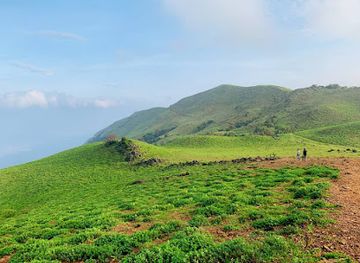
Mandalpatti Peak
Experience breathtaking views and adventure at Mandalpatti Peak, a must-visit destination for nature lovers in Karnataka's Western Ghats.
Best landmarks in Indo-Gangetic Plain
The plain’s landmarks express successive layers of imperial power, religious devotion and river-centred settlement. The Taj Mahal at Agra is the region’s most recognisable monument, while Agra Fort demonstrates the military and ceremonial scale of Mughal rule. Delhi contains several landmark complexes, including the Red Fort, Qutb Minar and Humayun’s Tomb, each associated with different phases of the capital’s history. The Golden Temple in Amritsar is both a major Sikh place of worship and a powerful architectural symbol, with its reflecting pool and surrounding complex shaping the city’s identity. Lucknow’s Bara Imambara and Rumi Darwaza represent the distinctive monumental style of Awadh, while Varanasi’s ghats form a continually used urban edge rather than a single preserved monument. Sarnath’s Dhamek Stupa marks one of Buddhism’s most important teaching sites, and Bodh Gaya’s Mahabodhi Temple complex is a major pilgrimage landmark in Bihar. Kolkata’s Victoria Memorial, Howrah Bridge and older civic buildings reflect the city’s colonial and commercial history, although the bridge is best viewed as part of the metropolitan landscape rather than as an isolated monument.
-
Doctor
Indo Gangetic Basin
Discover the breathtaking Indo Gangetic Basin, a region of rich biodiversity, fertile lands, and vibrant cultural heritage in northern India.
Explore Indo-Gangetic Plain on the map
Plan your trip on one map. See where the top cities, national parks and sights are, and book hotels and experiences in a few clicks.
Best hotels in Indo-Gangetic Plain
Best restaurants in Indo-Gangetic Plain
Food across the Indo-Gangetic Plain reflects the movement of crops, courtly traditions, religious communities and trading networks. Punjab is associated with tandoor cooking, wheat breads, dairy, chickpeas and richly seasoned vegetable and meat dishes, while Delhi brings together Punjabi, Mughlai, North Indian and contemporary cuisines. Agra and much of Uttar Pradesh offer kebabs, breads, savoury snacks and sweets, while Lucknow is particularly noted for the refined techniques and slow-cooked dishes of Awadhi cuisine. Bihar has its own strong identity, including litti chokha, rice-based preparations, savoury snacks and seasonal sweets. In West Bengal, rice, fish, mustard, prawns, vegetables and sweets such as rasgulla and sandesh are central to the dining culture. Look for regional thalis, breakfast stalls, old-city eateries, vegetarian kitchens, roadside dhabas, tea shops and market food, while choosing busy establishments with good turnover and taking care with water and raw ingredients. Restaurants range from informal local dining rooms to polished hotel venues, but the most distinctive meals often come from comparing one part of the plain with another.
-
Indian
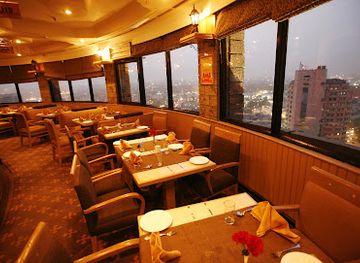
Parikrama The Revolving Restaurant
Discover fine dining at Parikrama - New Delhi's revolving restaurant offering breathtaking views and exquisite Indian & international cuisine.
Best bars in Indo-Gangetic Plain
Evening life varies sharply across this immense region. Delhi has the most extensive choice of cocktail bars, breweries, live-music venues, hotel lounges, restaurants and nightclubs, with nightlife concentrated in commercial and entertainment districts rather than across the whole metropolitan area. Kolkata has a long-established culture of cafés, restaurants, cultural performances, music venues and bars, while Lucknow and Varanasi offer more restrained evenings centred on restaurants, hotel bars, cafés and riverside or old-city walks. Amritsar’s evening experience is strongly connected with food, markets and religious heritage rather than a large club scene. In smaller cities and rural districts, traditional tea stalls, family restaurants, dhabas and local gatherings are more significant than late-night entertainment. Alcohol rules, licensing arrangements and closing practices differ by state, so visitors should check locally and carry identification where required. Cultural performances and food walks can provide a more representative evening experience than seeking nightlife in every town.
-
Indian
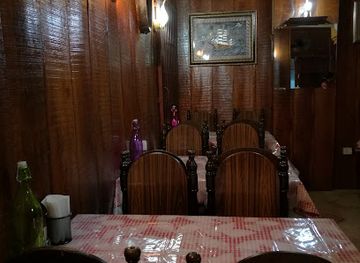
Unique Restaurant And Bar
Experience a delightful fusion of Indian and European flavors at Unique Restaurant And Bar in the heart of Mapusa, Goa.
Best nightclubs in Indo-Gangetic Plain
Evening life varies sharply across this immense region. Delhi has the most extensive choice of cocktail bars, breweries, live-music venues, hotel lounges, restaurants and nightclubs, with nightlife concentrated in commercial and entertainment districts rather than across the whole metropolitan area. Kolkata has a long-established culture of cafés, restaurants, cultural performances, music venues and bars, while Lucknow and Varanasi offer more restrained evenings centred on restaurants, hotel bars, cafés and riverside or old-city walks. Amritsar’s evening experience is strongly connected with food, markets and religious heritage rather than a large club scene. In smaller cities and rural districts, traditional tea stalls, family restaurants, dhabas and local gatherings are more significant than late-night entertainment. Alcohol rules, licensing arrangements and closing practices differ by state, so visitors should check locally and carry identification where required. Cultural performances and food walks can provide a more representative evening experience than seeking nightlife in every town.
-
Night club
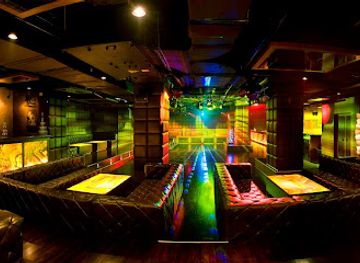
Kitty Su New Delhi
Discover the electrifying nightlife of New Delhi at Kitty Su, where luxurious ambiance meets thrilling music and dance.
-
Night club
PRIVEE
Experience the height of luxury and excitement at PRIVEE, New Delhi's premier night club, nestled within the Shangri-La's Eros Hotel.
-
Lounge
Reverb Club & Lounge
Discover the electrifying nightlife of Noida at Reverb Club & Lounge, where music, delicious cuisine, and vibrant energy come together for an unforgettable experience.
-
Night club
kaanch club
Experience the vibrant nightlife of New Delhi at Kaanch Club, the ultimate destination for dancing, cocktails, and unforgettable memories.



Best shops in Indo-Gangetic Plain
Shopping across the Indo-Gangetic Plain is closely tied to historic bazaars, specialist crafts, religious commerce and local food. Delhi offers the broadest range, from traditional markets and bookshops to contemporary retail centres, textiles, jewellery and handicrafts, while Agra is associated with marble inlay, leather goods and souvenirs linked to Mughal heritage. Lucknow is known for chikankari embroidery and zardozi work, although quality and pricing vary, so visitors should compare goods and ask about materials. Varanasi is a major centre for silk weaving and religious purchases, but buyers should seek clear information about fabric composition and provenance. Amritsar’s markets offer Punjabi textiles, embroidered garments, food products and items connected with Sikh pilgrimage. Bihar is a source of regional textiles, handicrafts and local sweets, while Kolkata has distinctive book markets, Bengali textiles, pottery, art, sweets and neighbourhood bazaars. Farmers’ markets and food shops are useful for spices, tea, pickles, sweets and packaged regional produce. Bargaining is customary in many informal markets but not necessarily in fixed-price shops, museums or established retailers.
-
Bird watching area
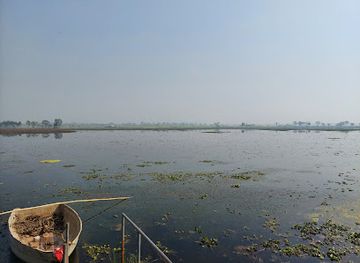
Samaspur Bird Sanctuary
Explore the enchanting Samaspur Bird Sanctuary, a haven for birdwatchers and nature lovers in Uttar Pradesh, teeming with diverse avian life.
Get your free copy of our complete guide to Indo-Gangetic Plain, delivered straight to you.
Everything on this page, from attractions and restaurants to essentials and local phrases, in one PDF you can read offline, print or share.
Already have an account? Sign in
Your Indo-Gangetic Plain guide is ready.
We'll send it to · Not you? Sign out

Getting your guide ready…
We are putting together a fresh copy of the Indo-Gangetic Plain guide. This can take up to a minute.
This can take a few moments. If your browser asks, choose Allow so the download can start. You'll find the guide in your Downloads folder.
Nothing happened? Download it again
Sorry, the guide is taking longer than usual. Please try again in a minute, or get it by email instead.
Indo-Gangetic Plain essentials
Currency and Payment
Safety
Emergency Situations
Do's and Don'ts
Local Tips
From Eve
Local phrases worth knowing
You don't need to get them perfect. A few words go a long way, and locals appreciate the effort.
Basics
| English | Local | Say it |
|---|---|---|
| Hello | नमस्ते | [Namaste] |
| Goodbye | अलविदा | [Alvida] |
| Yes | हाँ | [Haan] |
| No | नहीं | [Nahi] |
| Please/You’re welcome | कृपया/स्वागत है | [Kripya/Swagat hai] |
| Thank you | धन्यवाद | [Dhanyavaad] |
| Excuse me/Sorry | क्षमा करें | [Kshama karein] |
| How are you? | आप कैसे हैं? | [Aap kaise hain?] |
| Fine. And you? | ठीक हूँ। और आप? | [Theek hoon. Aur aap?] |
| Do you speak English? | क्या आप अंग्रेजी बोलते हैं? | [Kya aap Angrezi bolte hain?] |
| I don't understand | मुझे समझ नहीं आया | [Mujhe samajh nahi aaya] |
Eating & Drinking
| English | Local | Say it |
|---|---|---|
| I’d like to see the menu, please | मुझे मेनू दिखाइए, कृपया | [Mujhe menu dikhaiye, kripya] |
| I don't eat meat | मैं मांस नहीं खाता/खाती | [Main maans nahi khata/khati] |
| Cheers! | चियर्स! | [Cheers!] |
| I would like to pay, please | मुझे भुगतान करना है, कृपया | [Mujhe bhugtaan karna hai, kripya] |
Emergencies
| English | Local | Say it |
|---|---|---|
| Help! | मदद करें! | [Madad karein!] |
| Go away! | दूर जाओ! | [Door jao!] |
| Call the Police! | पुलिस को बुलाओ! | [Police ko bulao!] |
| Call a doctor! | डॉक्टर को बुलाओ! | [Doctor ko bulao!] |
| I’m lost | मैं खो गया/गई हूँ | [Main kho gaya/gayi hoon] |
| I’m ill | मैं बीमार हूँ | [Main bimaar hoon] |
Shopping
| English | Local | Say it |
|---|---|---|
| I’d like to buy... | मैं खरीदना चाहता/चाहती हूँ... | [Main kharidna chahta/chahati hoon...] |
| I’m just looking | मैं बस देख रहा/रही हूँ | [Main bas dekh raha/rahi hoon] |
| How much is it? | यह कितना है? | [Yeh kitna hai?] |
| That’s too expensive | यह बहुत महंगा है | [Yeh bahut mehnga hai] |
| Can you lower the price? | क्या आप कीमत कम कर सकते हैं? | [Kya aap keemat kam kar sakte hain?] |
Time & Numbers
| English | Local | Say it |
|---|---|---|
| What time is it? | समय क्या है? | [Samay kya hai?] |
| It’s one o'clock | यह एक बजे है | [Yeh ek baje hai] |
| Half past (10) | 10:30 | [Das:Teen] |
| Morning | सुबह | [Subah] |
| Afternoon | दोपहर | [Dopahar] |
| Evening | शाम | [Shaam] |
| Yesterday | कल | [Kal] |
| Today | आज | [Aaj] |
| Tomorrow | कल | [Kal] |
| 1 | 1 | [1] |
| 2 | 2 | [2] |
| 3 | 3 | [3] |
| 4 | 4 | [4] |
| 5 | 5 | [5] |
| 6 | 6 | [6] |
| 7 | 7 | [7] |
| 8 | 8 | [8] |
| 9 | 9 | [9] |
| 10 | 10 | [10] |
Transport & Directions
| English | Local | Say it |
|---|---|---|
| Where's a/the...? | कहाँ है ...? | [Kahan hai ...?] |
| What's the address? | पता क्या है? | [Pata kya hai?] |
| Can you show me (on the map)? | क्या आप मुझे (नक्शे पर) दिखा सकते हैं? | [Kya aap mujhe (nakshe par) dikha sakte hain?] |
| When's the next (bus)? | अगली (बस) कब है? | [Agli (bus) kab hai?] |
| A ticket (to ....) | एक टिकट (.... के लिए) | [Ek ticket (... ke liye)] |
History of Indo-Gangetic Plain
Early Settlements and the Indus-Ganges World
The plains of northern India have supported settled communities since antiquity because their rivers deposited fertile alluvium across a broad, relatively level landscape. Early agricultural and urban traditions developed particularly strongly in the north-west, while later settlements expanded eastwards along the Ganges and its tributaries. Archaeological remains, ancient settlement mounds and long-established pilgrimage centres reflect successive populations rather than one uninterrupted civilisation. The rivers provided water, fertile soil and transport, but floods, shifting channels and seasonal uncertainty also required adaptable patterns of farming and settlement.
The Mahajanapadas and the Rise of Magadha
During the first millennium BCE, the middle and eastern Ganges plain became the setting for powerful states known as the mahajanapadas. Magadha, centred in what is now Bihar, eventually became the dominant kingdom and provided the political foundation for larger empires. The region was also crucial to the development of Buddhism and Jainism. Sites associated with the Buddha’s life and teaching, including Sarnath near Varanasi and Bodh Gaya in Bihar, preserve the religious legacy of this period, although the present monuments are often later reconstructions or additions.
Mauryan and Gupta Imperial Centres
The Mauryan Empire unified much of northern India in the third century BCE, with Pataliputra, near modern Patna, serving as its principal imperial centre. Ashoka’s reign helped spread Buddhist ideas across the subcontinent and beyond. Centuries later, the Gupta Empire again made the Ganges plain a major political and cultural heartland. Advances in literature, mathematics, astronomy, sculpture and religious art are associated with the Gupta age, though the idea of a single ‘golden age’ simplifies a complex period of regional power and social change.
Sultanates, Mughal Rule and the Growth of Agra and Delhi
From the medieval period onwards, northern India was shaped by a succession of Islamic dynasties, including the Delhi Sultanate and the Mughal Empire. Delhi repeatedly served as an imperial capital, while Agra became a principal Mughal court city. Forts, tombs, mosques, gardens and planned settlements transformed the architectural landscape. Mughal administration, Persianate court culture, new forms of painting and architecture, and the movement of soldiers, craftsmen and merchants left a deep mark across the plains. The period also involved warfare, shifting alliances and the continued importance of regional Hindu and other local powers.
Awadh, Sikh Power and Regional Courts
As Mughal authority weakened, regional states became increasingly influential. Lucknow flourished under the nawabs of Awadh, whose court supported distinctive architecture, music, dance, poetry and cuisine. In the north-western plains, the Sikh misls and later the Sikh Empire established power centred on Punjab, with Maharaja Ranjit Singh’s rule leaving a major legacy in Amritsar and Lahore, the latter now outside India. These regional courts shaped urban identities that remain visible in historic neighbourhoods, religious institutions, culinary traditions and surviving monuments.
Company Rule, the 1857 Uprising and British Reorganisation
The East India Company and, after 1858, the British Crown transformed the plain through revenue systems, canals, railways, roads and new administrative centres. The uprising of 1857 began in Meerut and spread across much of northern India, including Delhi, Kanpur, Lucknow and other parts of the Ganges plain. Its suppression brought major political changes and intensified direct British rule. Railways and canal irrigation later strengthened agricultural and commercial connections, while colonial institutions reshaped cities, education, law and patterns of landholding.
Partition, Independence and India’s Urban Plain
Independence in 1947 and the Partition of British India profoundly altered the western plain. Punjab was divided, and mass migration transformed Delhi, Amritsar and countless towns on both sides of the new border. Since independence, the plain has experienced major agricultural change through irrigation, high-yield crops and mechanisation, alongside rapid urbanisation. Delhi and Kolkata became major metropolitan centres, while cities such as Lucknow, Varanasi, Patna and Agra expanded around older cores. Today the region remains central to India’s politics, food production, religious life, manufacturing and internal migration.
Indo-Gangetic Plain in Photos
Browse through our photo collection highlighting the charm and character of the destination.
Neighbouring regions of Indo-Gangetic Plain
The closest regions to Indo-Gangetic Plain, if you have time for more than one.
-

-

-

-

-


Swipe for more regions
Explore more

Explore more of India
Discover the magic of India, where diverse landscapes, rich heritage, and vibrant culture come together to create an unforgettable travel experience.
Explore India